

Estofado de pollo is Peru’s everyday chicken stew: bone-in chicken braised in a brick-red sauce of ají panca, onion, garlic, tomato and a splash of red wine, with potatoes, carrots and peas cooked right in the pot. It is mild, not spicy, and it is always served with white rice.
This version takes about an hour and a half and feeds four to six. The step that makes it taste Peruvian is the aderezo, and I’ll show you exactly when it’s ready.
Estofado de Pollo at a Glance
What Is Estofado de Pollo?
In English, estofado de pollo means chicken stew, or more precisely braised chicken. The Spanish verb estofar means to cook slowly in a tightly covered pot, so the name describes the method as much as the dish.
In Peru, though, the name points to one specific home-style stew. Chicken pieces (presas) are browned, then simmered in a sauce built on an aderezo: red onion, garlic and ají panca cooked in oil until the mixture turns dark red and smells sweet and toasty. Tomato and red wine go in next, then potatoes, carrots and peas.

The result is mild and savory, a little sweet from the onion and ají panca, with a sauce thick enough to spoon over rice. It is the kind of dish that shows up on weeknight tables and on the chalkboard of Peru’s set-lunch restaurants, the menú.
Where it comes from
Estofado arrived with the Spanish, who braised meat in wine with onion, garlic and bay leaf. Peruvian cooks made it their own with two native ingredients: ají panca for color and depth, and potatoes, which were first domesticated in the Andes.
Beef came first. Chicken became the everyday version as poultry got cheaper, and today Peru eats more chicken per person than any other country in Latin America, more than 50 kilograms (110 pounds) a year. Estofado de pollo is one of the dishes that chicken goes into.
Estofado de Pollo Ingredients
The list is short and easy to find. Exact amounts are in the recipe card; here is what each ingredient does and what to buy.
- Bone-in chicken thighs and drumsticksDark meat stays juicy through a long simmer, and the bones and skin enrich the sauce. Breast works too; see the variations.
- Ají panca pasteThe heart of the dish. Ají panca is a dried red Peruvian chile that is mild, fruity and slightly smoky. It gives the stew its brick-red color.
- Ají amarillo paste (optional)A spoonful of ají amarillo adds gentle heat and a bright, fruity note. Leave it out for a fully mild stew.
- Red onion and garlicRed onion is the default onion in Peruvian kitchens. Cook it slowly; its sweetness balances the chile.
- Tomato and tomato pasteGrated fresh tomato gives a clean, bright sauce; the paste deepens the color.
- Dry red wineA half cup adds body and a little acidity. Many Peruvian home cooks skip it; extra stock works fine.
- Yellow potatoesIn Peru that means papa amarilla or papa blanca. Yukon Gold is the closest US match and holds its shape.
- Carrots, peas, raisins and dried mushroomsCarrots and peas are standard. A few raisins and dried mushrooms (hongos secos) are the old-school extras many Lima cooks still add.

Where to buy the Peruvian ingredients
- Ají panca paste: look for a paste made in Peru. Latin markets shelve it next to the ají amarillo.
- Inca’s Food ají amarillo paste: the optional heat for this stew, and the base of ají de gallina and huancaína sauce.
- Lodge 6-quart enameled cast iron Dutch oven: holds eight chicken pieces in one layer and keeps the simmer gentle.
- MEATER SE wireless thermometer: the easiest way to know the thighs are done without cutting into them.
As an Amazon Associate I earn from qualifying purchases.
How to Make Estofado de Pollo
Here is the method with the reason behind each step. The printable version with every amount is in the recipe card below.
1. Season the chicken
Pat the chicken dry and rub it with salt, pepper, cumin and a tablespoon of ají panca paste. You can cook it right away, but 30 minutes in the fridge (or overnight) lets the chile reach the meat, not just the sauce.
2. Brown it well
Brown the pieces skin-side down in a Dutch oven over medium-high heat, without moving them, for 5 to 6 minutes. Turn and give them 2 to 3 minutes more. They come out raw inside; they finish in the sauce.
This step, called sellar in Peru, does two jobs: it renders the skin so the sauce is not greasy, and it leaves browned bits in the pot that become flavor. Pour off all but about 2 tablespoons of fat.
3. Build the aderezo
Cook the red onion slowly with a pinch of salt for 8 to 10 minutes, until soft and golden. Add the garlic for a minute, then the remaining ají panca, the ají amarillo if you’re using it, tomato paste, cumin and oregano.
How to tell the aderezo is ready: Keep stirring for 3 to 4 minutes. The paste will darken from bright red to brick red, smell sweet instead of raw, and you’ll see oil pooling at the edges. That separated oil is the signal every Peruvian cook looks for. Stop too early and the stew tastes flat and chile-raw.
4. Cook down the tomato
Add the grated tomato and cook, scraping the bottom, for 6 to 8 minutes, until it turns thick and jammy. Grating the tomatoes on a box grater leaves the skins behind, so you skip peeling.
5. Add the wine and braise
Pour in the wine and let it bubble for 2 minutes while you scrape up the browned bits. Add the stock, bay leaves and dried mushrooms, then nestle the chicken back in, skin-side up. Cover and simmer gently for 20 minutes.
Keep it at a lazy bubble, not a boil. A hard boil tightens the meat and breaks the sauce.
6. Add the potatoes and carrots
Tuck the potatoes and carrots into the liquid around the chicken, cover and simmer 20 to 25 minutes more. The stew is done when a knife slides easily into the potatoes and the thickest thigh reads at least 165°F (74°C). Thighs are most tender closer to 175°F (80°C).
7. Finish with peas, herbs and lime
Stir in the peas and raisins and simmer uncovered for 5 minutes, until the sauce coats a spoon. Pull out the bay leaves, taste for salt and add chopped cilantro. A squeeze of lime at the table wakes everything up.

Tips for the Best Estofado de Pollo
- Don’t rush the aderezo. It is the single biggest difference between a Peruvian estofado and a generic chicken stew.
- Use bone-in dark meat. Thighs and drumsticks can simmer for 45 minutes and still be juicy.
- Brown in batches if needed. A crowded pot steams the chicken instead of browning it.
- Let a potato thicken the sauce. If the sauce is thin at the end, mash one potato piece into it instead of adding flour or cornstarch.
- Make it a day ahead. The flavors settle and deepen overnight, and any fat that rises is easy to lift off.
Estofado vs. Seco de Pollo vs. Ají de Gallina
Search for “Peruvian chicken stew” and you’ll find three different dishes. They share chicken and white rice, but they taste nothing alike.

Estofado de pollo
Ají panca, tomato and wine, with potatoes, carrots and peas in the pot. Mild and homey.
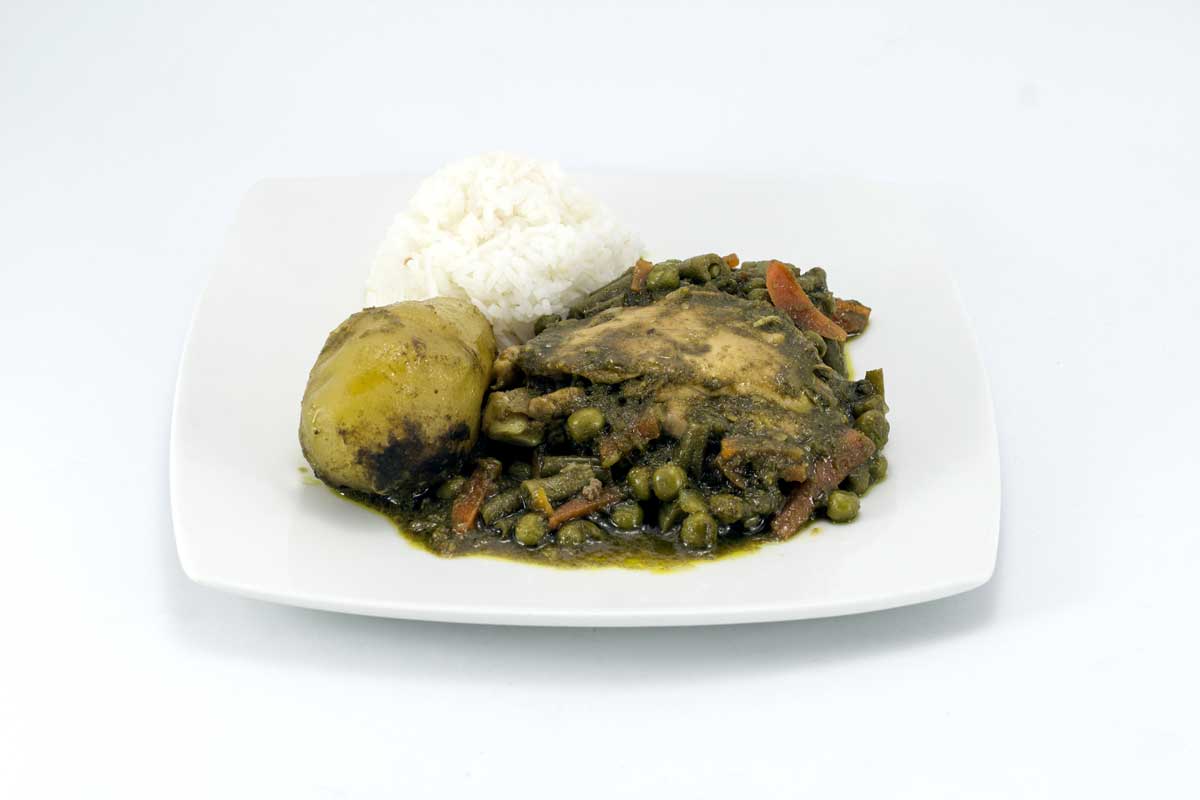
Seco de pollo
Braised in a cilantro purée with ají amarillo and often beer. Usually served with beans. Seco de pollo vs. seco de carne

Ají de gallina
Shredded chicken in a creamy sauce of ají amarillo, bread, milk and nuts. Ají de gallina recipe
If you want chicken in a brothy soup instead, that is aguadito de pollo, Peru’s green cilantro chicken and rice soup.
Estofado de Pollo in Other Countries
Every Spanish-speaking country has a chicken estofado, and the name means slightly different things. If you grew up with another version, this is how the Peruvian one compares.
| Country | What it usually means | Served with |
|---|---|---|
| Peru | Ají panca and tomato sauce with wine, potatoes, carrots and peas | White rice |
| Spain | Chicken braised in wine with onion, garlic and bay; the peppery cousin is pollo al chilindrón | Bread or potatoes |
| Argentina and Uruguay | A tomato-heavy stew with peppers, carrots and sweet paprika | Pasta, often ravioli or noodles |
| Ecuador | The everyday version is usually called seco de pollo, colored with achiote and often cooked with beer or naranjilla | Yellow rice and fried sweet plantain |
| Dominican Republic and Puerto Rico | Called pollo guisado: sofrito, sazón and olives instead of chile paste | White rice and beans |
What to Serve with Estofado de Pollo
White rice is not optional. In Peru it is cooked with a little oil and garlic so every grain stays separate, and it soaks up the sauce. A few more ideas:
- Something fresh: a spoonful of salsa criolla, the lime-pickled red onion relish, cuts through the rich sauce.
- A starter: papa a la huancaína makes it a full Peruvian lunch.
- To drink: chicha morada or an ice-cold Inca Kola for the table, a Peruvian lager like Cusqueña, or a medium-bodied red such as Malbec. A pisco sour before dinner never hurts.

Leftovers, Make-Ahead and Calentado
Peruvians have a word for reheated leftovers: calentado. Estofado is one of the best dishes for it, because the sauce thickens and the flavors deepen overnight.
- Fridge: Cool and refrigerate in shallow containers within 2 hours. It keeps up to 4 days.
- Reheat: Warm gently on the stove with a splash of water or stock, to 165°F (74°C).
- Freezer: Take out the potatoes first, since they turn grainy, and freeze the chicken and sauce for up to 3 months. Add freshly boiled potatoes when you reheat.
- Second life: Shred the leftover chicken into its sauce and spoon it over pasta, Argentine style, or pile it into a crusty roll.
Variations
Slow cooker estofado de pollo
Brown the chicken and make the aderezo on the stove (steps 1 to 5, without the 20-minute simmer), then move everything to the slow cooker with the potatoes and carrots. Cut the stock to 1 cup, since nothing evaporates. Cook on LOW for 5 to 6 hours or HIGH for 3 hours, and stir in the peas for the last 15 minutes.
Instant Pot estofado de pollo
Use the Sauté setting to brown the chicken and cook the aderezo. Add the wine, 1 cup of stock, the chicken, potatoes and carrots. Pressure cook on HIGH for 10 minutes, let the pressure release naturally for 10 minutes, then stir in the peas on Sauté until the sauce thickens.
With chicken breast or boneless thighs
Brown the pieces, then add them back with the potatoes so they simmer only 20 to 25 minutes. Boneless thighs are the more forgiving choice.
Estofado de res (beef)
The original. Use 2½ pounds of beef chuck in 2-inch cubes and braise it covered for 1½ to 2 hours, until tender, before adding the vegetables.
Mushroom estofado
For a meatless version, swap the chicken for 1½ pounds of cremini mushrooms, browned hard in batches, and use vegetable stock. Start the vegetables right after the wine.
Estofado de Pollo FAQ
What is estofado de pollo in English?
It translates as chicken stew, or braised chicken. In Peru it means a specific stew of chicken, ají panca, tomato, potatoes, carrots and peas, served with white rice.
Is estofado de pollo spicy?
No. Ají panca is one of the mildest Peruvian chiles; it adds color and a fruity, smoky flavor rather than heat. Only the optional ají amarillo adds noticeable spice.
What is the difference between estofado and guiso?
Both mean stew, and in Peru the words often overlap. Guiso is the general word for any stewed dish. Estofado usually means this covered, wine-and-tomato braise with potatoes, carrots and peas.
Can I make estofado de pollo without wine?
Yes. Replace the wine with more chicken stock and add a teaspoon of red wine vinegar at the end for the same gentle acidity.
What can I use instead of ají panca?
For each tablespoon of ají panca paste, use 1 tablespoon of sweet paprika plus ½ teaspoon of ancho chile powder, loosened with a little oil. The color comes close; the flavor is less fruity.
Why is my estofado watery?
Usually the aderezo or tomato was not cooked down enough, or the pot stayed covered at the end. Simmer uncovered for 5 to 10 minutes and mash one potato piece into the sauce.
Should I peel the potatoes?
In Peru they are almost always peeled for estofado. Thin-skinned Yukon Golds can go in unpeeled if you prefer; just scrub them well.
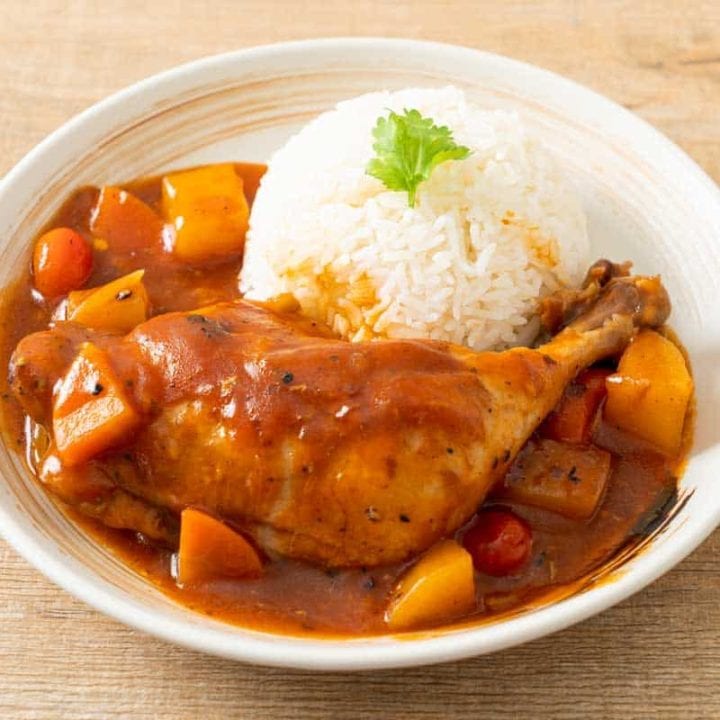
Estofado de Pollo (Peruvian Chicken Stew)
Peruvian estofado de pollo: bone-in chicken braised in a brick-red sauce of ají panca, onion, garlic, tomato and red wine, with potatoes, carrots and peas. Serve with white rice.
Ingredients
- 3 pounds (1.4 kg) bone-in, skin-on chicken thighs and drumsticks (about 8 pieces)
- 1½ teaspoons kosher salt, divided, plus more to taste
- ½ teaspoon ground black pepper
- 1 teaspoon ground cumin, divided
- 3 tablespoons ají panca paste, divided
- 3 tablespoons vegetable oil
- 1 large red onion, finely diced (about 2 cups)
- 5 garlic cloves, minced
- 1 tablespoon ají amarillo paste (optional, for gentle heat)
- 1 tablespoon tomato paste
- ½ teaspoon dried oregano
- 3 ripe Roma tomatoes, grated on a box grater, skins discarded (about 1 cup)
- ½ cup dry red wine (or more chicken stock)
- 1½ cups low-sodium chicken stock
- 2 bay leaves
- 2 tablespoons dried mushrooms, broken into small pieces (optional)
- 1½ pounds (680 g) Yukon Gold potatoes, peeled and halved (quartered if large)
- 2 large carrots, cut into ½-inch rounds
- 1 cup frozen peas
- ¼ cup raisins (optional)
- 2 tablespoons chopped cilantro or parsley
- 1 lime, cut into wedges
- Cooked white rice, for serving
Instructions
- Season the chicken. Pat the chicken dry. Toss it with 1 teaspoon of the salt, the black pepper, ½ teaspoon of the cumin and 1 tablespoon of the ají panca paste. Cook right away, or cover and refrigerate for 30 minutes or up to overnight for deeper flavor.
- Brown the chicken. Heat the oil in a 5- to 6-quart Dutch oven over medium-high heat. Add the chicken skin-side down in a single layer (work in two batches if needed) and cook without moving for 5 to 6 minutes, until deep golden. Turn and cook 2 to 3 minutes more. Transfer to a plate; it will finish cooking in the sauce. Pour off all but about 2 tablespoons of fat.
- Build the aderezo. Lower the heat to medium. Add the onion and the remaining ½ teaspoon salt and cook, stirring often, for 8 to 10 minutes, until soft and golden. Add the garlic and cook 1 minute. Stir in the remaining 2 tablespoons ají panca paste, the ají amarillo paste (if using), the tomato paste, the remaining ½ teaspoon cumin and the oregano. Cook, stirring, for 3 to 4 minutes, until the paste darkens to brick red and the oil starts to separate at the edges.
- Cook down the tomato. Add the grated tomatoes and cook, stirring and scraping the bottom, for 6 to 8 minutes, until thick and jammy.
- Add the wine and braise. Pour in the wine and simmer for 2 minutes, scraping up the browned bits. Add the stock, bay leaves and dried mushrooms (if using). Return the chicken and its juices to the pot, skin-side up. Bring to a simmer, cover and cook over low heat for 20 minutes.
- Add the vegetables. Tuck the potatoes and carrots into the liquid around the chicken. Cover and simmer for 20 to 25 minutes, until a knife slides easily into the potatoes and the thickest thigh reads at least 165°F (74°C); thighs are most tender at 175°F (80°C).
- Finish and serve. Stir in the peas and raisins (if using) and simmer uncovered for 5 minutes, until the sauce coats a spoon. If it is still thin, mash one potato piece into the sauce. Remove the bay leaves, taste for salt and stir in the cilantro. Serve with white rice and lime wedges.
Notes
Ají panca substitute: For each tablespoon of ají panca paste, use 1 tablespoon sweet paprika plus ½ teaspoon ancho chile powder, loosened with a little oil. The color will be close; the fruity, smoky depth will be milder.
Chicken breast: Use 2 pounds bone-in breasts cut in half. Brown as directed, then add them back with the potatoes so they simmer only 20 to 25 minutes, to 165°F (74°C).
Heat level: Ají panca is mild. The optional ají amarillo adds gentle heat; leave it out for kids.
Make ahead and storage: Refrigerate in shallow containers within 2 hours for up to 4 days and reheat to 165°F (74°C). The flavor improves overnight. To freeze, take out the potatoes first (they turn grainy) and freeze up to 3 months.
More Peruvian Chicken Recipes
Peru has a chicken dish for every mood. Here’s where to go next:
 CreamyAjí de GallinaShredded chicken in creamy ají amarillo sauce
 SoupAguadito de PolloGreen cilantro chicken and rice soup
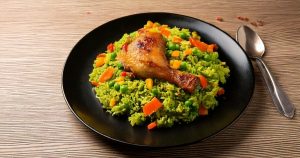 RiceArroz con Pollo PeruanoCilantro-green rice with chicken
 RotisseriePollo a la BrasaPeru’s charcoal-roasted chicken
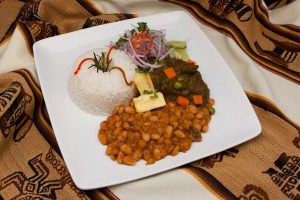 StewSeco de Pollo vs. Seco de CarneThe two cilantro stews, compared
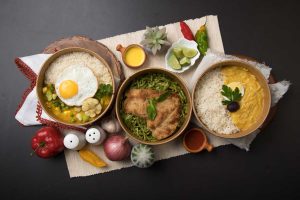 GuidePeruvian Chicken DishesThe 5 most popular, in one guide
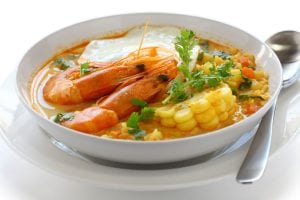 GuidePeruvian Soups and StewsEvery bowl worth making at home
 Guide17 Best Peruvian FoodsThe dishes to try first
More Peruvian Foods
See all →
Jorge Garcia is the founder of AmigoFoods, where he has spent over 20 years helping readers discover authentic Latin American and Spanish cuisine. Raised in a Cuban-American household, Jorge learned to cook at the hands of his mother and grandmother, carrying forward generations of family recipes. That heritage, backed by his family’s four-generation history in the Latin food industry, inspired him to launch AmigoFoods in 2003. With more than 1,000 published articles on recipes, ingredients, and food culture, Jorge’s mission is simple: make authentic Latin cooking approachable for home cooks everywhere while honoring the traditions behind every dish.