

Different root crops have fueled civilizations throughout the world and time. One in particular looks like a cross between a potato and a turnip. But jicama (pronounced HEE-kah-mah) is a vegetable all its own.
The Pachyrhizus erosus or jicama is a member of the Fabaceae or pea family. However, this Central and South American native vegetable is not cultivated for its pulses but rather for its edible tubers. Whether cooked or in salads and snacks, jicama offers great flavor and nutritional value.
There is so much more to jicama than meets the eye.
From its uniquely refreshing taste to its health benefits, I’ll break down all you need to know about it.
I’ll even suggest some ways to enjoy jicama and throw in a tasty recipe for good measure. So be sure to read on.
Jícama also appears in our guide to Mexican ingredients, alongside the chiles, tomatillos, nopales and seasonings that bring variety to Mexican cooking.
Jicama Origins

Today, jicama may be a regular on the produce aisle of your local grocery or supermarket.
However, this vegetable is originally from Central and South America.
While it is believed to have originated in the Andes mountains, it is most often associated with Mexican cuisine and features in several Mexican dishes.
Jicama was a key crop to the Mesoamerican civilizations. The Mayans, in particular, specifically mention it in manuscripts dating back to the 17th and 18th centuries.
But that was just the beginning of its story.
The Spanish arrived on the Mesoamerican shores and effectively ended the Aztec empire.
They colonized the land that would be known as Mexico and brought it under the flag of their own global empire.
Mexico was just one of many lands claimed for the Spanish crown. Across the Pacific lay another: the Philippines.
The Spaniards brought the best of one colony’s goods to the next; and that is how jicama made its way to Asia.
From the Philippines, jicama was further traded to Indonesia, Malaysia, and China.
Today, it can be found in different countries across the world.
The Spanish colonizers are only partly to thank for this crop’s relative popularity.
The El Niño-related drought of 1982-1983 saw a considerable increase in jicama cultivation.
The El Niño event of that period affected potato production and jicama was the alternative that was turned to.
While it didn’t lastingly dethrone the mainstream potato, more people became familiar with jicama.
The Many Names of Jicama

As it spread to different countries, jicama amassed several names.
Among them are the following:
- Yam bean
- Mexican yam
- Mexican turnip
- Chinese turnip
- Chinese potato
- Mexican potato
- Mexican water chestnut
Jicama Health Benefits

Beneath jicama’s textured brown skin is its crisp, white flesh that is often likened to an apple’s, albeit not as sweet and is comparable to a pear or water chestnut.
This Native Mexican vegetable gives you far more than just a refreshing and juicy treat.
Yes, it’s good for your taste buds, but it’s also great for your health.
Let’s look at 5 ways jicama benefits your body.
1. Nutrients
Jicama boasts a number of vitamins and minerals. At the same time, it is low in calories and high in fiber.
Here is an overview of what 1 cup (130 grams) of jicama has to offer you.
| Calories | 49 |
| Carbohydrates | 12 grams |
| Protein | 1 gram |
| Fat | 0.1 gram |
| Fiber | 6.4 grams
17% of the Reference Daily Intake for men 23% of the Reference Daily Intake for women |
| Vitamin C | 44% of the Reference Daily Intake |
| Vitamin B9 (Folate) | 4% of the Reference Daily Intake |
| Iron | 4% of the Reference Daily Intake |
| Potassium | 6% of the Reference Daily Intake |
| Magnesium | 4% of the Reference Daily Intake |
| Manganese | 4% of the Reference Daily Intake |
Additionally, jicama contains a number of other vitamins and minerals, but in lesser amounts. Its nutrient profile includes:
- Zinc
- Copper
- Calcium
- Thiamine
- Riboflavin
- Vitamin E
- Vitamin B6
- Phosphorus
- Pantothenic acid
2. Antioxidants
Jicama is an excellent source of antioxidants.
These compounds target free radicals, the damaging molecules responsible for oxidative stress.
Oxidative stress is linked with a host of diseases.
Cardiovascular diseases, diabetes, and cancer are examples of these.
Antioxidants help combat the free radicals that cause oxidative stress.
As a result, foods like jicama that are rich in antioxidants can effectively lower your risk for these chronic diseases.
3. Cardiovascular Health
Jicama can give your cardiovascular health a great boost, mostly due to the following nutrients present in the root crop:
- Fiber
- Potassium
- Iron
- Copper
The dietary fiber helps lower cholesterol levels while at the same time preventing the liver from producing even more cholesterol.
Moreover, the potassium in jicama relaxes your blood vessels, thus lowering your blood pressure.
Additionally, the iron, copper, and nitrate promote better circulation.
4. Digestive Health
The fiber content of jicama also plays a significant role in digestive health.
While the dietary fiber promotes smooth bowel movements, the prebiotic fiber inulin is beneficial to the healthy bacteria in the gut.
Gut bacteria is linked to the immune system, and inulin encourages the increase of good bacteria.
Consequently, the bad bacteria is reduced and as a result, your risk for chronic diseases is also lowered.
5. Weight Loss
Jicama can aid you in your weight loss goals because of its fiber content which can help regulate your blood sugar levels.
It also improves your insulin sensitivity, allowing glucose to enter the cells and be used for energy.
Moreover, the prebiotic inulin has an influence on the hormones associated with hunger and fullness and can help you feel satisfied after your meals, thus reducing your need to snack.
Ways to Eat Jicama
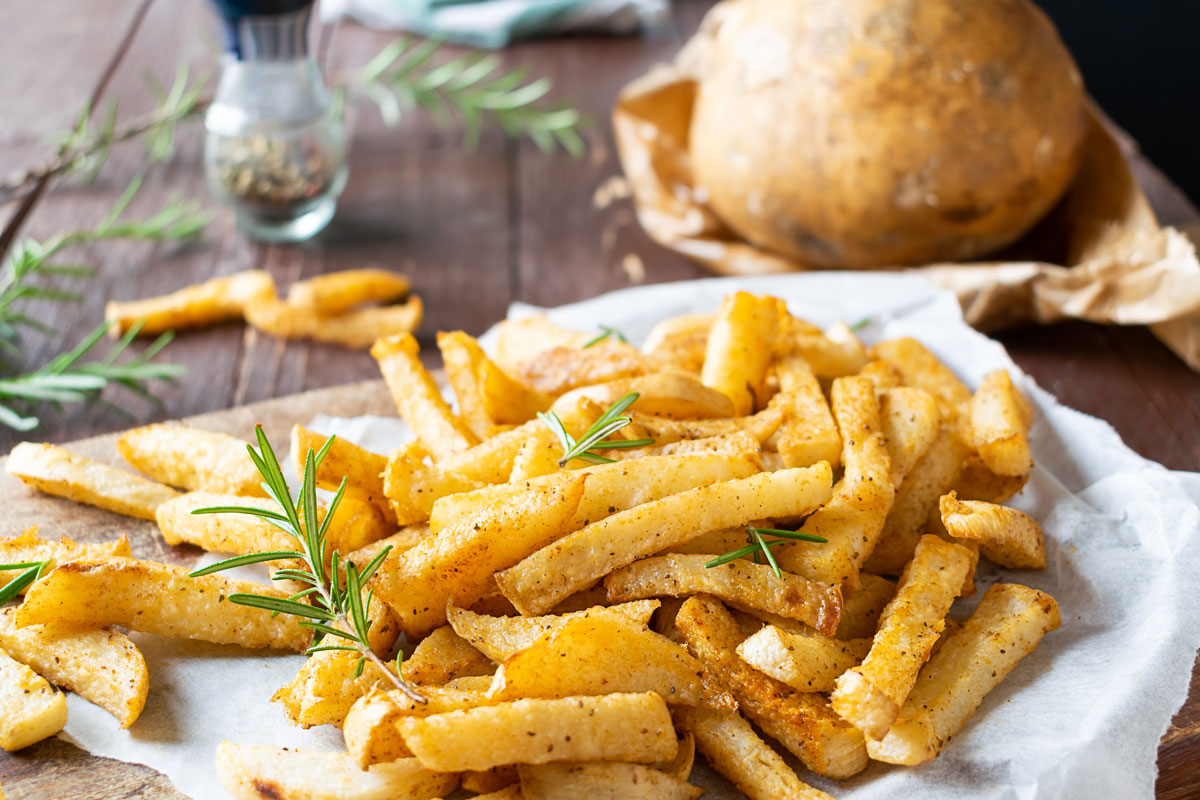
As we’ve already seen, jicama is an excellent source of some essential nutrients. It’s also the crunchy white stick in Mexican fruit cups.
The good news is that you can get all these benefits in a delicious way.
Here are some tasty jicama ideas;
Jicama Recipe
While there are numerous ways to prepare jicama, I highly recommend Miki’s Jicama (Pico de Gallo Salsa).
This is a flavorful chunky salsa recipe, and as you may have figured from the name, it’s that classic salsa in Mexican cuisine but made with jicamas.
Every bite of this salsa is crispy, refreshing, and bursting with different flavors that are perfectly married in this easy-to-follow recipe from Allrecipes.
Ingredients
- 6 tomatoes, diced
- 1 jicama, peeled and diced
- 2 poblano peppers, diced
- 1/2 onion, diced
- 3 jalapeno peppers, seeded and diced
- 1.5 tablespoons chopped garlic
- Juice of 2 limes
- 2 tbsp fresh cilantro
- 1.5 tbsp balsamic vinegar
- 2 tbsp salt
Directions
Mix all the ingredients above together in a large bowl until well combined.
You can season it with pepper and add extra garlic if you wish.
You can eat the salsa on its own, or you can have it with tacos to make a full meal.
The great thing about this dish is its versatility.
You can pair it with almost anything, and it makes a relatively inexpensive, healthy meal.
Final Thoughts

From early Mesoamerica to the present, jicama has been a great nutrient-dense food source that has gifted partakers with vitamins, minerals, and antioxidants that are incredibly beneficial to one’s health.
Jicama can be enjoyed simply by peeling the skin and eating the flesh raw.
Alternatively, it can be an ingredient in the tasty blends of different Mexican recipes.
Sources
- Britannica: jícama
- WebMD: Jicama
- Healthline: 8 Health and Nutrition Benefits of Jicama
- Livestrong: Side Effects of Jicama
- Real Food Encyclopedia: Jicama
- All Recipes: Miki’s Jicama (Pico de Gallo Salsa)
More Mexican Foods
See all →
Jorge Garcia is the founder of AmigoFoods, where he has spent over 20 years helping readers discover authentic Latin American and Spanish cuisine. Raised in a Cuban-American household, Jorge learned to cook at the hands of his mother and grandmother, carrying forward generations of family recipes. That heritage, backed by his family’s four-generation history in the Latin food industry, inspired him to launch AmigoFoods in 2003. With more than 1,000 published articles on recipes, ingredients, and food culture, Jorge’s mission is simple: make authentic Latin cooking approachable for home cooks everywhere while honoring the traditions behind every dish.