
On this page
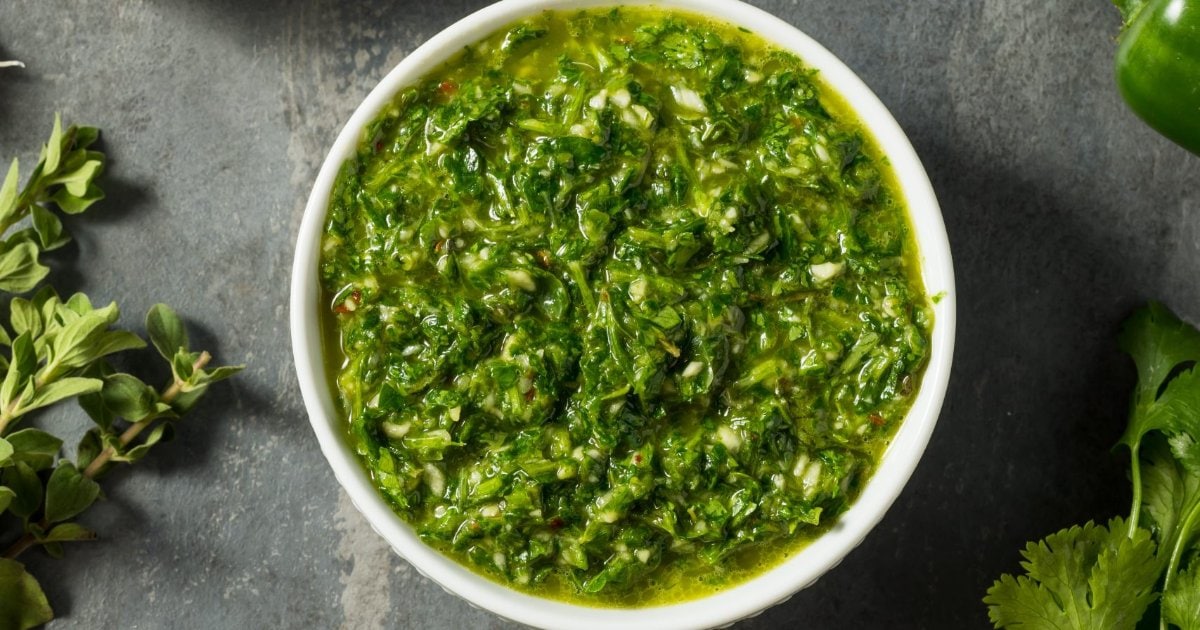
Cilantro chimichurri is a bright, citrusy take on Argentina’s green sauce: half cilantro and half parsley, with garlic, a little jalapeño, dried oregano, lime juice, red wine vinegar and olive oil. It isn’t the traditional Argentine recipe, but it’s the version many people crave for fish, shrimp, tacos and chicken. It takes 10 minutes to make and is ready to eat after a 15-minute rest.
Cilantro Chimichurri at a Glance
Plan ahead: cilantro darkens faster than parsley, so make this sauce the same day you serve it, ideally an hour or two before.
Does Chimichurri Have Cilantro?
Traditional Argentine chimichurri does not. The classic sauce is built on flat-leaf parsley, dried oregano, garlic, crushed red pepper, vinegar and oil. You can read how Argentines make it in our authentic chimichurri recipe.
Cilantro versions became popular outside Argentina, especially in the United States, where cilantro is a familiar herb thanks to Mexican and Central American cooking. Some Latin American countries also use the word chimichurri for different sauces. In Costa Rica, for example, chimichurri usually means a fresh salsa of tomato, onion, sweet pepper and cilantro, closer to pico de gallo than to the Argentine sauce.
So cilantro chimichurri isn’t authentic Argentine food, and it doesn’t have to be. Think of it as a delicious cousin with a brighter, more citrusy personality.
Cilantro Chimichurri vs. Classic Chimichurri
| Cilantro chimichurri | Classic Argentine chimichurri | |
|---|---|---|
| Herbs | Cilantro and parsley | Parsley and dried oregano |
| Acid | Lime juice and vinegar | Red wine vinegar |
| Heat | Fresh jalapeño | Ají molido (crushed red pepper) |
| Flavor | Bright, citrusy, grassy | Garlicky, herbal, tangy |
| Best with | Fish, shrimp, tacos, chicken | Steak, chorizo, all grilled beef |
| Keeps | 2 to 3 days at its best | 3 to 4 days |
Cilantro Chimichurri Ingredients
Full quantities are in the recipe card.
- Fresh cilantro: leaves and the tender upper stems. The stems have plenty of flavor; only discard the thick, woody bottoms.
- Flat-leaf parsley: it keeps the sauce tasting like chimichurri and balances cilantro’s strong flavor.
- Garlic: three cloves, finely minced.
- Jalapeño: seeded for mild heat, or leave some seeds in for more.
- Dried oregano: a teaspoon keeps the classic chimichurri backbone.
- Lime: zest and juice for brightness.
- Red wine vinegar: a little for the familiar chimichurri tang.
- Olive oil, salt and black pepper. A pinch of ground cumin is optional.

How to Make Cilantro Chimichurri
1. Wash and dry the herbs well
Rinse the cilantro and parsley, then dry them completely in a salad spinner or with towels. Water left on the leaves dilutes the sauce and makes it spoil sooner.
2. Chop by hand
Finely chop the cilantro and parsley with a sharp knife, then mince the garlic and seeded jalapeño. Hand chopping keeps the herbs from bruising and turning dark.
3. Season the base
In a bowl, combine the garlic, jalapeño, oregano, salt, pepper, lime zest, lime juice and vinegar. Let it sit for 5 minutes; the acid softens the raw garlic.
4. Add the herbs and oil
Stir in the chopped herbs, then the olive oil. The sauce should be loose and spoonable, with oil pooling around the herbs.
5. Rest and taste
Let it rest 15 minutes at room temperature. Taste and adjust with salt, lime or a little more jalapeño.
Food processor? It works better here than with classic chimichurri. Pulse the herbs, garlic and jalapeño in short bursts until finely chopped, then stir in the liquids and oil by hand.
Cilantro Chimichurri Variations
All-cilantro
Use 1 cup cilantro and no parsley for the boldest cilantro flavor. Add an extra squeeze of lime.
Creamy avocado
Blend half the sauce with half a ripe avocado for a thick sauce for tacos and bowls. Eat it the same day.
Cilantro-mint
Swap 2 tablespoons of the parsley for fresh mint. Excellent with lamb and grilled fish.
Smoky chipotle
Replace the jalapeño with 1 minced chipotle pepper in adobo for smoke and heat.
Cooking for a cilantro hater? For some people cilantro tastes soapy, a trait that’s partly genetic. Make the classic parsley chimichurri for them instead; it uses no cilantro at all.
How to Use Cilantro Chimichurri
- Fish and shrimp tacos: drizzle it over grilled fish or shrimp in warm tortillas with shredded cabbage.
- Grilled fish: spoon it over salmon, snapper or mahi-mahi straight off the grill.
- Chicken: brush it on grilled chicken thighs, or use half as a short marinade.
- Steak: great on skirt steak and carne asada, especially in tacos.
- Rice and grain bowls: stir a few spoonfuls into rice with black beans, corn and avocado.
- Eggs and potatoes: on fried eggs, breakfast tacos or roasted potatoes.
Looking for other cilantro-forward sauces from Latin America? Try Peru’s creamy ají verde, Mexico’s salsa verde, Chile’s pebre or Venezuela’s guasacaca.
How Long Does Cilantro Chimichurri Last?
Refrigerate it within 2 hours in a covered glass jar. It’s safe to use for 3 to 4 days, but cilantro darkens and loses its fresh flavor faster than parsley, so it tastes best within 2 days. Press plastic wrap onto the surface or top it with a thin layer of oil to slow darkening. For longer storage, freeze it in an ice cube tray for up to 3 months.
Cilantro Chimichurri FAQ
Is chimichurri made with parsley or cilantro?
Traditional Argentine chimichurri uses parsley. Cilantro chimichurri is a popular modern variation, especially in the United States.
Can I use only cilantro?
Yes. Use 1 cup chopped cilantro instead of the cilantro and parsley mix. The sauce will be stronger and more citrusy.
Is cilantro chimichurri spicy?
Mildly, with a seeded jalapeño. Leave some seeds in, or use a serrano, for more heat.
Can I use cilantro stems?
Yes. The tender upper stems are full of flavor and chop finely. Discard only the thick lower stems.
What’s the difference between cilantro chimichurri and salsa verde?
Cilantro chimichurri is an oil-and-vinegar herb sauce. Mexican salsa verde is a tomatillo salsa with chiles and cilantro, and it has no oil base.
Printable Cilantro Chimichurri Recipe
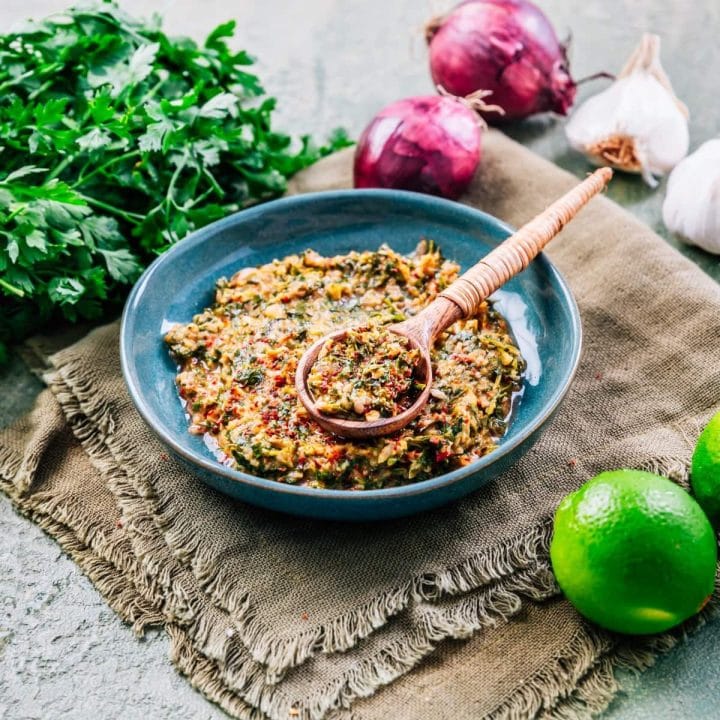
Cilantro Chimichurri
A bright cilantro-lime twist on Argentine chimichurri: cilantro and parsley, garlic, jalapeño, oregano, lime, red wine vinegar and olive oil. Perfect for fish, shrimp, tacos and chicken.
Ingredients
- 1/2 cup finely chopped fresh cilantro (leaves and tender stems)
- 1/2 cup finely chopped flat-leaf parsley
- 3 garlic cloves, finely minced
- 1 small jalapeño, seeded and finely minced
- 1 teaspoon dried oregano
- 1/2 teaspoon fine sea salt
- 1/4 teaspoon black pepper
- Pinch of ground cumin (optional)
- Zest and juice of 1 lime (about 2 tablespoons juice)
- 2 tablespoons red wine vinegar
- 1/2 cup (120 ml) extra-virgin olive oil
Instructions
- Prep the herbs: Wash and dry the cilantro and parsley completely. Finely chop them by hand, including the tender cilantro stems.
- Season the base: In a bowl, combine the garlic, jalapeño, oregano, salt, pepper, cumin (if using), lime zest, lime juice and vinegar. Let sit 5 minutes.
- Add herbs and oil: Stir in the chopped herbs, then the olive oil, until loose and spoonable.
- Rest and adjust: Let rest 15 minutes at room temperature. Taste and adjust with salt, lime or more jalapeño.
Notes
Storage: Refrigerate within 2 hours in a covered jar. Safe for 3 to 4 days, but best within 2 days because cilantro darkens. Freeze in an ice cube tray for up to 3 months.
All-cilantro: Use 1 cup cilantro and no parsley.
Food processor: Pulse the herbs, garlic and jalapeño briefly, then stir in the liquids and oil by hand.
Want the original? Here’s our authentic Argentine chimichurri recipe, plus 25 more Latin salsas and condiments.
More Latin Favorites
See all →
Jorge Garcia is the founder of AmigoFoods, where he has spent over 20 years helping readers discover authentic Latin American and Spanish cuisine. Raised in a Cuban-American household, Jorge learned to cook at the hands of his mother and grandmother, carrying forward generations of family recipes. That heritage, backed by his family’s four-generation history in the Latin food industry, inspired him to launch AmigoFoods in 2003. With more than 1,000 published articles on recipes, ingredients, and food culture, Jorge’s mission is simple: make authentic Latin cooking approachable for home cooks everywhere while honoring the traditions behind every dish.