

Guiso de Cochayuyo is a Chilean stew of cochayuyo seaweed, potatoes and vegetables. Its savory broth and pleasantly chewy seaweed make a warming meal for four; plan ahead for the dried seaweed to soak overnight.
Guiso de Cochayuyo at a Glance
What Is Guiso de Cochayuyo?

Guiso de Cochayuyo is a traditional Chilean seaweed stew, made with Cochayuyo, a nutrient-rich seaweed harvested from the Pacific Ocean.
This hearty dish is known for its savory umami flavor, chewy texture, and nutritional benefits, making it a staple in Chilean coastal and indigenous cuisine.
Origins and Cultural Significance
- Cochayuyo has been a key ingredient in Mapuche cuisine for centuries.
- Historically used as a sustainable and protein-rich food source.
- Still popular in Chilean households today, especially in coastal regions.
Main Ingredients
- Cochayuyo (seaweed) – Provides a unique texture and deep umami taste.
- Potatoes, carrots, and onions – Create a hearty and flavorful base.
- Garlic, cumin, and smoked paprika – Add warmth and spice.
- Vegetable or beef broth – Enhances the richness of the stew.
Flavor and Texture
- Umami-packed with a slight briny, earthy taste.
- The Cochayuyo becomes soft and slightly chewy after cooking.
- The broth is rich, warming, and deeply satisfying.
A perfect balance of flavor, nutrition, and tradition, Guiso de Cochayuyo is a comforting Chilean dish that brings a taste of the ocean to your table!
Choosing and Preparing Cochayuyo

Look for food-grade Chilean cochayuyo from a supplier that provides preparation instructions. Dried pieces need rehydration and cooking; the time varies with their size and processing. A finished piece should be tender with some chew, rather than hard in the center.
This recipe has not been analyzed for nutrient content. Seaweed should not be treated as a guaranteed source of a particular vitamin or as a treatment for thyroid, cholesterol or blood-sugar conditions. Here it is used for its savory flavor and texture.
How to Make Guiso de Cochayuyo (Step-by-Step Recipe)
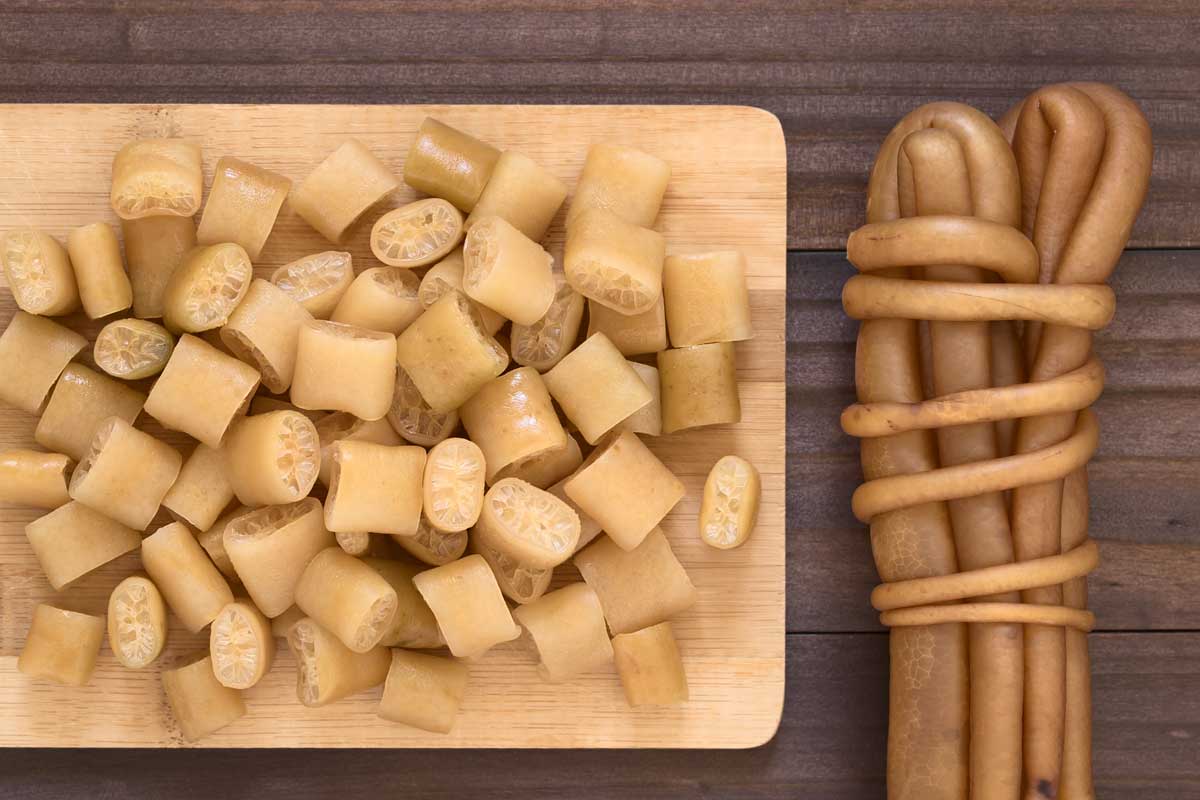
Guiso de Cochayuyo Chileno is a hearty, flavorful, and nutritious Chilean dish made with seaweed, vegetables, and spices.
Follow this step-by-step recipe to prepare an authentic Cochayuyo stew at home!
Ingredients
- 1 cup dried Chilean cochayuyo pieces, measured before soaking
- Water for soaking and preliminary cooking
- 2 medium potatoes, peeled and cut into ½-inch dice
- 1 onion, finely chopped
- 1 carrot, thinly sliced
- 1 tomato, diced
- 2 cloves garlic, minced
- 1 cup vegetable or beef broth, plus more as needed
- ½ cup cooked rice or quinoa (optional)
- 1 teaspoon ground cumin
- 1 teaspoon smoked paprika
- Salt and pepper, to taste
- 2 tablespoons olive oil
Method
- Rinse the dried cochayuyo and cover generously with water. Soak overnight, about 12 hours, or follow the package directions for your product. Drain and rinse.
- Cover the soaked seaweed with fresh water in a saucepan. Simmer until tender but still pleasantly chewy, checking after 20 minutes and allowing about 20–30 minutes or longer as needed. Drain, cool enough to handle and chop small. Do this before combining it with the faster-cooking vegetables.
- Heat the oil in a pot over medium heat. Cook the onion and carrot for about 5 minutes, stirring; add the garlic and cook for 1 minute. Stir in the tomato, cumin and paprika and cook for 3–5 minutes.
- Add the cooked cochayuyo, potatoes and 1 cup broth. Bring to a simmer, cover and cook gently for 25–30 minutes, stirring occasionally, until the potatoes are tender. Add more broth a little at a time if the mixture dries or sticks; this is a thick stew.
- If using the cooked rice or quinoa, stir it in during the final 5 minutes and heat through. Taste before seasoning with salt and pepper. Serve hot with bread or pebre.
Preparation notes
Timing: The total includes a 12-hour overnight soak, 15 minutes active preparation and about 70 minutes cooking for the preliminary seaweed simmer plus the stew. Product instructions and tenderness take priority; some cochayuyo needs longer. If starting with already soaked and cooked seaweed, the stew itself takes about 40 minutes cooking plus preparation.
Measurements: Measure the 1 cup cochayuyo while dry, before soaking; use all of it after cooking and draining. Keep extra broth available to adjust the consistency. Rice or quinoa must already be cooked.
Variations: Use vegetable broth for a vegetarian or vegan version. Cooked, drained lentils or chickpeas can be added near the end; dry legumes are not a direct addition. Sweet potato can replace potato, with cooking time adjusted until tender. A pinch of merkén gives a smoky chile note.
Seaweed: Buy food-grade Chilean cochayuyo and follow its preparation instructions. Other seaweeds are not one-for-one substitutes in this recipe.
Variations of Guiso de Cochayuyo

Guiso de Cochayuyo is a versatile dish that can be adapted to different tastes and dietary preferences.
Here are some delicious variations to try:
1. With Legumes
- Add cooked, drained lentils, chickpeas, or white beans for extra protein and a heartier texture.
- Enhances the dish’s fiber content, making it even more nutritious.
2. Spicy Version
- Incorporate merkén (Chilean smoked chili pepper) for a smoky, spicy kick.
- Add fresh chili peppers or a pinch of cayenne for extra heat.
3. With Seafood
- Some coastal regions of Chile add mussels, shrimp, or fish to enhance the umami flavors.
- Chilean Seafood dishes pair well with Cochayuyo’s natural oceanic taste.
4. Vegan and Gluten-Free Option
- Use vegetable broth instead of beef broth for a 100% plant-based version.
- Add extra vegetables like zucchini, bell peppers, or spinach for more nutrients.
5. With Grains
- Replace some potatoes with already cooked quinoa, rice, or barley for a different texture.
- A great way to make the dish lighter and more filling at the same time.
6. Creamy Version
- Stir in a bit of coconut milk or dairy cream at the end for a richer, creamier consistency.
- Gives the dish a smooth texture and balances the umami flavors.
No matter how you prepare it, Guiso de Cochayuyo is a comforting and nourishing dish that can be customized to suit your taste.
Try different versions and discover your favorite way to enjoy this traditional Chilean stew!
Best Ways to Serve Guiso de Cochayuyo

Guiso de Cochayuyo is a hearty and versatile dish that pairs well with a variety of sides and condiments.
Here are some of the best ways to enjoy this traditional Chilean stew:
1. With Fresh Bread
- Serve with marraqueta or hallulla, two classic Chilean breads perfect for soaking up the flavorful broth.
- A slice of toasted sourdough also complements the stew’s rich, umami taste.
2. Topped with Pebre ️
- Add a spoonful of pebre, Chile’s famous tomato and cilantro salsa, for a fresh and zesty contrast.
- The bright flavors of pebre enhance the earthy, oceanic notes of Cochayuyo.
3. As a Side Dish ️
- Pair it with grilled fish or roasted chicken for a protein-packed meal.
- Complements pastel de choclo or other Chilean main courses.
4. With a Side of Rice or Quinoa
- Serve it over steamed white rice, brown rice, or quinoa for extra texture and substance.
- A great option for making the dish even more filling and nutritious.
5. Garnished with Fresh Herbs
- Sprinkle with fresh cilantro or parsley for an added burst of freshness.
- A dash of lemon juice enhances the flavors and balances the richness.
6. With a Glass of Chilean Wine
- Pair with a Chilean white wine like Sauvignon Blanc to complement the briny, umami taste.
- A light-bodied red wine such as Pinot Noir also works well.
No matter how you serve it, Guiso de Cochayuyo is a comforting and flavorful dish that brings a taste of Chile’s coastal traditions to your table!
Where to Buy Cochayuyo Outside of Chile

If you’re craving Guiso de Cochayuyo but live outside of Chile, don’t worry—you can still find this nutritious seaweed in many places around the world.
Here’s where to look:
1. Latin American Grocery Stores
- Many Latin American specialty stores carry dried Cochayuyo in the Chilean or Peruvian food sections.
- Check local markets in cities with large Chilean or South American communities.
2. Online Retailers
- Amazon, eBay, and specialty food websites often sell dried Cochayuyo.
- Look for stores that specialize in Latin American or Andean ingredients.
- Some Chilean grocery stores ship internationally.
3. Health Food Stores
- Since Cochayuyo is a superfood rich in iodine and fiber, some health-conscious stores stock it.
- Check in the seaweed section alongside wakame, nori, and kombu.
4. Check the seaweed variety
Look specifically for Chilean cochayuyo. Kombu, hijiki, arame and other seaweeds differ in texture, preparation and composition; do not substitute them one-for-one in this stew.
5. Latin American and Chilean Restaurants ️
- Some Chilean restaurants sell packaged Cochayuyo or may be able to recommend a supplier.
- Ask if they import Chilean ingredients or if they can source Cochayuyo for you.
If you can’t find Cochayuyo near you, ordering online is often the best option.
Once you get your hands on this nutrient-packed seaweed, you can enjoy its delicious, umami-rich flavor in a variety of Chilean dishes!
For a thicker, mashed take on the same idea, use cochayuyo in place of the beef in our charquicán recipe.
Final Thoughts: Why You Should Try Guiso de Cochayuyo

Guiso de Cochayuyo is a nutritious, flavorful, and sustainable dish that embodies the essence of Chilean cuisine.
Whether you’re drawn to its health benefits, looking for a plant-based protein source, or simply eager to explore traditional Chilean flavors, this seaweed stew is a must-try.
With its rich umami taste, versatility, and ease of preparation, Guiso de Cochayuyo is perfect for anyone wanting to add a superfood-packed meal to their diet.
Give this recipe a try, experiment with different variations, and enjoy a true taste of Chile in your own kitchen!

Guiso de Cochayuyo Recipe
Guiso de Cochayuyo is a Chilean seaweed and vegetable stew with potatoes, carrot, tomato, cumin and paprika. This version starts with dried cochayuyo soaked overnight and simmered until tender before it joins the stew. Use vegetable broth for a vegetarian version.
Ingredients
- 1 cup dried Chilean cochayuyo pieces, measured before soaking
- Water for soaking and preliminary cooking
- 2 medium potatoes, peeled and cut into ½-inch dice
- 1 onion, finely chopped
- 1 carrot, thinly sliced
- 1 tomato, diced
- 2 cloves garlic, minced
- 1 cup vegetable or beef broth, plus more as needed
- ½ cup cooked rice or quinoa (optional)
- 1 teaspoon ground cumin
- 1 teaspoon smoked paprika
- Salt and pepper, to taste
- 2 tablespoons olive oil
Instructions
- Rinse the dried cochayuyo and cover generously with water. Soak overnight, about 12 hours, or follow the package directions for your product. Drain and rinse.
- Cover the soaked seaweed with fresh water in a saucepan. Simmer until tender but still pleasantly chewy, checking after 20 minutes and allowing about 20–30 minutes or longer as needed. Drain, cool enough to handle and chop small. Do this before combining it with the faster-cooking vegetables.
- Heat the oil in a pot over medium heat. Cook the onion and carrot for about 5 minutes, stirring; add the garlic and cook for 1 minute. Stir in the tomato, cumin and paprika and cook for 3–5 minutes.
- Add the cooked cochayuyo, potatoes and 1 cup broth. Bring to a simmer, cover and cook gently for 25–30 minutes, stirring occasionally, until the potatoes are tender. Add more broth a little at a time if the mixture dries or sticks; this is a thick stew.
- If using the cooked rice or quinoa, stir it in during the final 5 minutes and heat through. Taste before seasoning with salt and pepper. Serve hot with bread or pebre.
Notes
Timing: The total includes a 12-hour overnight soak, 15 minutes active preparation and about 70 minutes cooking for the preliminary seaweed simmer plus the stew. Product instructions and tenderness take priority; some cochayuyo needs longer. If starting with already soaked and cooked seaweed, the stew itself takes about 40 minutes cooking plus preparation.
Measurements: Measure the 1 cup cochayuyo while dry, before soaking; use all of it after cooking and draining. Keep extra broth available to adjust the consistency. Rice or quinoa must already be cooked.
Variations: Use vegetable broth for a vegetarian or vegan version. Cooked, drained lentils or chickpeas can be added near the end; dry legumes are not a direct addition. Sweet potato can replace potato, with cooking time adjusted until tender. A pinch of merkén gives a smoky chile note.
Seaweed: Buy food-grade Chilean cochayuyo and follow its preparation instructions. Other seaweeds are not one-for-one substitutes in this recipe.
More Chilean Foods
See all →
Jorge Garcia is the founder of AmigoFoods, where he has spent over 20 years helping readers discover authentic Latin American and Spanish cuisine. Raised in a Cuban-American household, Jorge learned to cook at the hands of his mother and grandmother, carrying forward generations of family recipes. That heritage, backed by his family’s four-generation history in the Latin food industry, inspired him to launch AmigoFoods in 2003. With more than 1,000 published articles on recipes, ingredients, and food culture, Jorge’s mission is simple: make authentic Latin cooking approachable for home cooks everywhere while honoring the traditions behind every dish.