

Calamares a la Romana are golden fried squid rings with a light flour-and-egg coating. Serve them straight from the pan with lemon and alioli as a Spanish tapa; this batch serves four and takes about 30 minutes with cleaned squid.
Calamares a la Romana at a Glance
What is Calamares a la Romana

Calamares a la Romana is a popular Spanish tapas dish consisting of fresh squid rings coated in a light, crispy batter and deep-fried to golden perfection.
This beloved Spanish appetizer is typically served with lemon wedges for a zesty finish and often accompanied by alioli or garlic mayonnaise for dipping.
Known for its delightful texture and simple yet delicious flavor, Calamares a la Romana is a staple in Spanish cuisine, enjoyed in tapas bars and restaurants throughout Spain.
The dish’s appeal lies in its ability to showcase the freshness of the squid while providing a satisfying crunch with every bite.
History and Origin of the Spanish Fried Calamari

Calamares a la Romana, also known simply as “Spanish fried calamari,” has a rich history rooted in Spain’s deep-seated maritime traditions.
The dish’s origins can be traced back to the Mediterranean coast, where the abundance of fresh seafood has always been a cornerstone of local cuisine.
Historically, squid has been a staple for coastal communities, prized for its versatility and ease of preparation.
Fishermen would often prepare simple, hearty meals with their catch, and frying the squid became a popular method due to its quick and delicious results.
Over time, this humble practice evolved, with cooks perfecting the light, crispy batter that now defines Calamares a la Romana.
The name “a la Romana” suggests a Roman influence, pointing to the ancient Roman practice of coating and frying foods, a technique that spread across Europe through trade and conquest.
However, the modern version of Calamares a la Romana as we know it today is distinctly Spanish, with regional variations and family recipes passed down through generations.
From bustling tapas bars in Madrid to seaside restaurants in Barcelona, Calamares fritos are celebrated for its simplicity, flavor, and ability to bring people together.
Calamares a la Romana Ingredients
For 4 tapas portions:
- 1 pound (450 g) cleaned squid, cut into 1/2-inch rings; tentacles optional
- 1 cup (120 g) all-purpose flour
- 2 large eggs, beaten
- 1 teaspoon fine sea salt, divided, or to taste
- Olive oil or neutral frying oil, enough for 1 1/2–2 inches in a deep heavy pot
- Lemon wedges, for serving
- Optional: pinch of paprika or garlic powder; chopped parsley; alioli
Frozen squid works well when thawed in the refrigerator and dried thoroughly. Use a thermometer to check frying temperature; the amount of oil depends on the pot’s width.
How to Make Calamares a la Romana

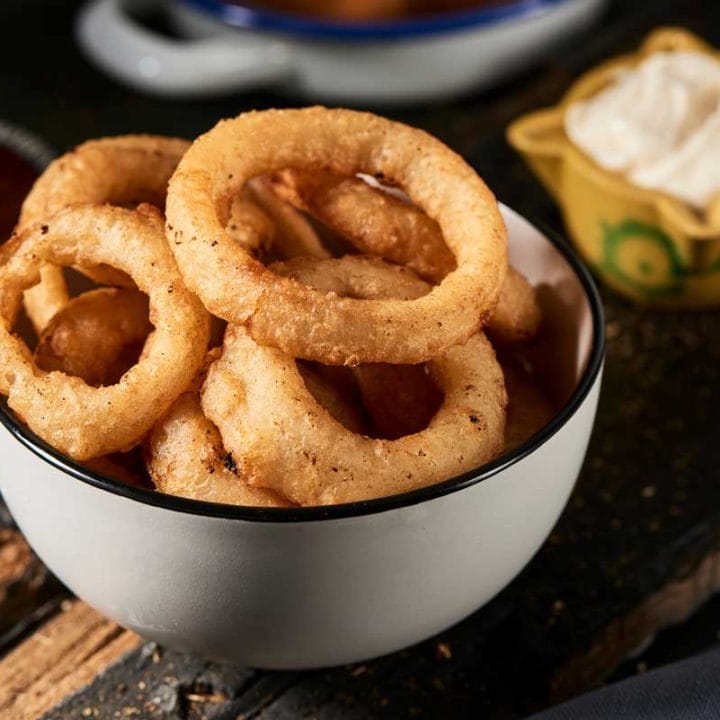
Calamares a la Romana
Spanish fried squid rings with a light flour-and-egg coating, served hot with lemon.
Ingredients
- 1 pound (450 g) cleaned squid, cut into 1/2-inch rings; tentacles optional
- 1 cup (120 g) all-purpose flour
- 2 large eggs, beaten
- 1 teaspoon fine sea salt, divided, or to taste
- Olive oil or neutral frying oil, enough for 1 1/2–2 inches in a deep heavy pot
- Lemon wedges, for serving
- Optional: pinch of paprika or garlic powder; chopped parsley; alioli
Instructions
- If using frozen squid, thaw it in the refrigerator first. Pat the cleaned rings very dry. Keep refrigerated until ready to coat.
- Put flour in one shallow bowl and beaten eggs in another. Divide about 1/2 teaspoon salt between the two bowls; reserve the remaining salt for the fried squid. Add the optional paprika or garlic powder to the flour.
- Heat 1 1/2–2 inches of oil in a deep heavy pot to 350°F (175°C), checking with a frying thermometer. Leave plenty of headroom; the pot should be no more than half full of oil.
- Working with only enough rings for one uncrowded batch, coat the squid lightly in flour and shake off the excess. Dip in the beaten egg, let excess drip off, then carefully lower into the oil.
- Fry about 2–3 minutes, turning as needed, until golden and the squid is opaque and cooked through. Lift out with a slotted spoon and drain on a rack or paper towels. Let the oil return to 350°F (175°C) between batches.
- Season lightly with the reserved salt to taste. Serve immediately with lemon wedges and optional parsley or alioli.
Notes
Serves 4 as a tapa. Allow 15 minutes preparation and about 15 minutes to heat the oil and fry in batches; thawing and cleaning whole squid take extra time. Use 1 pound of already cleaned squid.
This version uses separate flour and egg coatings: flour first, egg second. It is not a pourable batter, so do not add water or milk to it. Coat just before frying, keep batches small and avoid overcooking.
Best eaten immediately. Refrigerate leftovers within 2 hours and use within 1–2 days; reheating can make squid tougher. Discard flour and egg left over from coating raw seafood. For oven or air-fryer cooking, use a recipe developed with a dry breading rather than transferring this egg-coated version directly.
- If using frozen squid, thaw it in the refrigerator first. Pat the cleaned rings very dry. Keep refrigerated until ready to coat.
- Put flour in one shallow bowl and beaten eggs in another. Divide about 1/2 teaspoon salt between the two bowls; reserve the remaining salt for the fried squid. Add the optional paprika or garlic powder to the flour.
- Heat 1 1/2–2 inches of oil in a deep heavy pot to 350°F (175°C), checking with a frying thermometer. Leave plenty of headroom; the pot should be no more than half full of oil.
- Working with only enough rings for one uncrowded batch, coat the squid lightly in flour and shake off the excess. Dip in the beaten egg, let excess drip off, then carefully lower into the oil.
- Fry about 2–3 minutes, turning as needed, until golden and the squid is opaque and cooked through. Lift out with a slotted spoon and drain on a rack or paper towels. Let the oil return to 350°F (175°C) between batches.
- Season lightly with the reserved salt to taste. Serve immediately with lemon wedges and optional parsley or alioli.

The separate flour-then-egg method follows the approach shown in RTVE’s MasterChef recipe. Other versions, such as Juan Pozuelo’s, use a mixed coating; keep each method’s proportions and steps together.
Calamares a la Romana Serving Suggestions

Serving Spanish fried calamari can elevate your dining experience, making it a delightful seafood tapas dish or an appetizer.

Here are some traditional and creative ways to enjoy this crispy squid delight:
1. Traditional Accompaniments
- Lemon Wedges: Serve with fresh lemon wedges for squeezing over the hot, crispy squid. The bright acidity of the lemon enhances the flavor and adds a refreshing contrast to the rich batter.
- Alioli or Garlic Mayonnaise: A side of creamy alioli or garlic mayonnaise is a classic accompaniment. The garlicky dip pairs perfectly with the crispy calamari, adding a rich and flavorful touch.
- Simple Salad: Pair the Calamares a la Romana with a simple green salad dressed with olive oil and vinegar. The fresh greens and tangy dressing balance the richness of the Spanish fried squid.
2. Beverage Pairings
- Spanish Beer: A cold, refreshing Spanish beer, such as Estrella or Mahou, complements the crispy texture and salty flavor of the calamari.
- White Wine: A crisp white wine, like Albariño or Verdejo, pairs well with the light and delicate flavor of the squid. The acidity of the wine cuts through the richness of the fried batter.
- Sparkling Wine or Cava: For a festive touch, serve with a glass of sparkling wine or Spanish Cava. The bubbles and acidity enhance the overall dining experience.

3. Presentation Tips
- Rustic Platter: Serve the Calamares a la Romana on a rustic wooden or ceramic platter. Add the lemon wedges and a small bowl of alioli on the side.
- Garnish with Fresh Herbs: Sprinkle freshly chopped parsley or cilantro over the fried squid for a pop of color and added freshness.
- Tapa Style: For a true tapas experience, serve the Calamares a la Romana as part of a larger tapas board. Include other popular tapas dishes like Patatas Bravas, Gambas al Ajillo (garlic shrimp), and Jamón Ibérico.
4. Creative Serving Ideas
- Calamari Sandwich: Create a bocadillo de calamares, a popular Spanish sandwich. Fill a crusty baguette with crispy calamari rings, drizzle with alioli, and add a few fresh lettuce leaves for crunch.
- Taco Twist: Use the calamari rings as a filling for tacos. Serve with a zesty slaw, avocado slices, and a squeeze of lime for a fusion twist.
- Salad Topping: Add the crispy squid rings as a topping for a Mediterranean-inspired salad. Mix greens, cherry tomatoes, cucumber, red onion, and feta cheese, and dress with a lemon-olive oil vinaigrette.

Spanish Fried Squid Variations and Alternatives
This Spanish dish can be served with different dips and seasonings. A pinch of paprika or garlic powder is optional.
For a gluten-free coating, use a suitable certified gluten-free flour and check the other ingredients and frying oil for cross-contact. Texture may differ.
Oven and air-fryer versions work differently. Use a recipe designed for those appliances with a dry breading; this egg-coated version is intended for frying in oil.
Calamares Fritos Tips & Tricks

Serves 4 as a tapa. Allow 15 minutes preparation and about 15 minutes to heat the oil and fry in batches; thawing and cleaning whole squid take extra time. Use 1 pound of already cleaned squid.
This version uses separate flour and egg coatings: flour first, egg second. It is not a pourable batter, so do not add water or milk to it. Coat just before frying, keep batches small and avoid overcooking.
Best eaten immediately. Refrigerate leftovers within 2 hours and use within 1–2 days; reheating can make squid tougher. Discard flour and egg left over from coating raw seafood. For oven or air-fryer cooking, use a recipe developed with a dry breading rather than transferring this egg-coated version directly.
If the coating browns before the squid cooks, lower the heat slightly. If it is pale and greasy, check that the oil has returned to temperature before adding another batch. Keep raw squid separate from finished food and use clean serving utensils.
Enjoying the Perfect Calamares a la Romana

Calamares a la Romana is more than just a dish; it’s a delightful experience that captures the essence of Spanish cuisine.
With its crispy batter and tender squid, this tapas favorite brings a taste of Spain right to your table.
Whether you’re serving it as part of a tapas spread, as an appetizer, or giving it a unique twist with creative variations, Calamares a la Romana is sure to impress.
More Spanish Foods
See all →
Jorge Garcia is the founder of AmigoFoods, where he has spent over 20 years helping readers discover authentic Latin American and Spanish cuisine. Raised in a Cuban-American household, Jorge learned to cook at the hands of his mother and grandmother, carrying forward generations of family recipes. That heritage, backed by his family’s four-generation history in the Latin food industry, inspired him to launch AmigoFoods in 2003. With more than 1,000 published articles on recipes, ingredients, and food culture, Jorge’s mission is simple: make authentic Latin cooking approachable for home cooks everywhere while honoring the traditions behind every dish.