

Caruru is a Bahian okra stew flavored with shrimp and dendê oil. This fresh-and-dried-shrimp version takes about 50 minutes and serves four with rice, making a colorful introduction to this popular Brazilian dish.
Caruru at a Glance
What is Caruru?

Caruru is a traditional Afro-Brazilian dish from the state of Bahia, made primarily from okra, dried or fresh shrimp, and flavored with dendê oil (palm oil).
This classic Brazilian stew, often served with other Bahian classics like acarajé and farofa, boasts a rich, earthy flavor with a slight spice kick.
Whether served during religious ceremonies or festive occasions, Caruru is a dish that speaks to Brazil’s vibrant cultural fusion.
The History and Cultural Significance of Caruru
Before diving into how to make Caruru, it’s essential to understand its roots.
The dish originated in Bahia, a region in Brazil heavily influenced by African culture.
Caruru is thought to have originated from the cooking traditions brought over by enslaved Africans, who adapted their native recipes with the ingredients available in Brazil.
In Bahian culture, Caruru has religious significance.
It is often made as an offering during Festa de Cosme e Damião, a celebration of twin saints revered in both Catholicism and Afro-Brazilian religions like Candomblé.
This traditional Afro-Brazilian dish serves as a connection between the physical and spiritual realms, blending culinary delight with profound meaning.
On a Bahian table, caruru usually sits next to vatapá and bobó de camarão, the shrimp stew thickened with cassava.
Key Ingredients for the Caruru
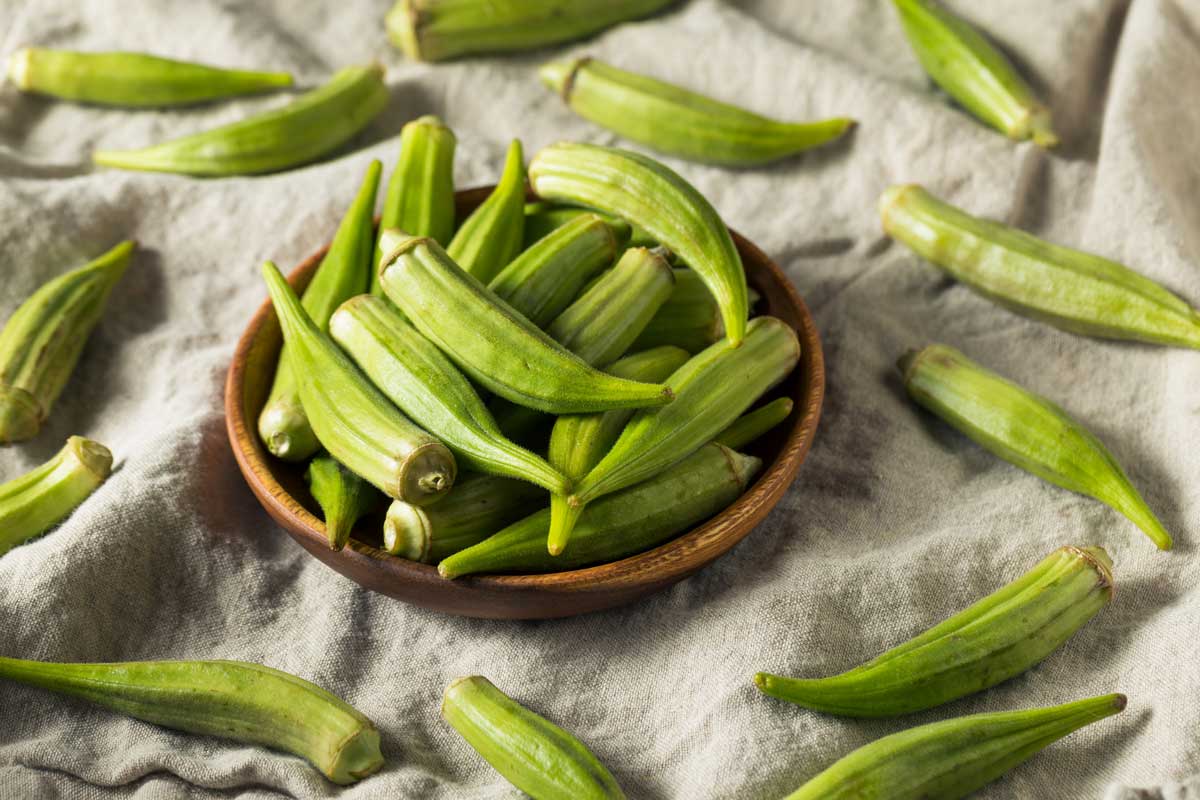
Like many iconic dishes, Caruru shines thanks to its simple but bold ingredients.
Here are the key components:
- Okra: This is the star of Caruru. Known for its ability to thicken stews naturally, okra gives the dish its characteristic texture.
- Shrimp: Both dried and fresh shrimp are used. Dried shrimp adds a concentrated flavor, while fresh shrimp provides tender bites throughout the stew.
- Dendê Oil: Also known as palm oil, dendê is a staple in Bahian cuisine. It gives Caruru its deep orange color and earthy, slightly smoky flavor.
- Garlic and Onions: These basic aromatics form the flavor base for the stew.
- Hot Peppers: A subtle kick of heat comes from small Bahian peppers or malagueta peppers. Adjust the spice level to your liking.
- Seasonings: Salt, black pepper, and occasionally coriander or cumin are used to season the dish.
How to Make Caruru: Step-by-Step Guide

This version uses both dried and fresh shrimp, with a modest amount of dendê oil. Bahian recipes vary: some use dried shrimp alone, and others add ginger, peanuts or cashews. The okra naturally thickens the stew.
Desalt dried shrimp as needed, then simmer them with the okra until tender. Add fresh shrimp at the end so they do not overcook. The recipe card below includes the full ingredient list, quantities and method.
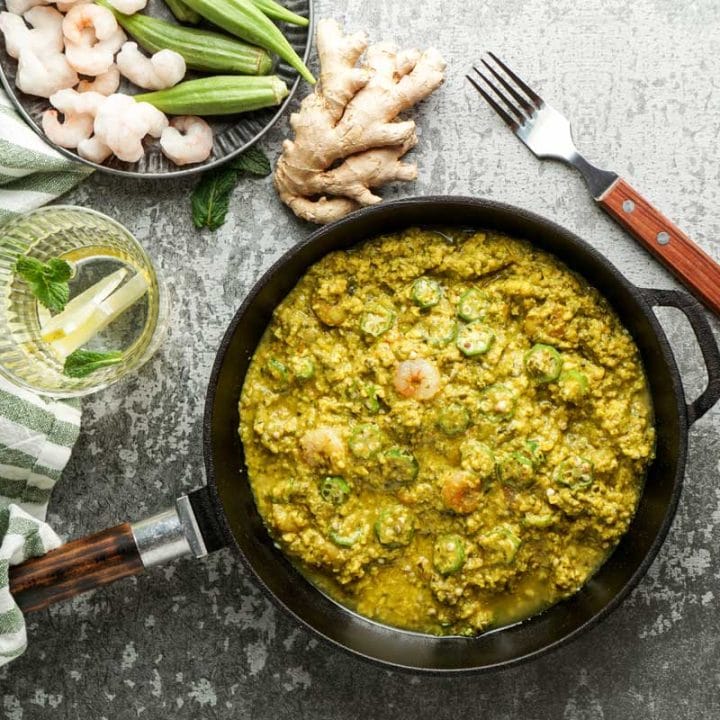
Caruru (Brazilian Shrimp and Okra Stew)
A Bahian-style okra stew with dried and fresh shrimp, dendê oil, onions and garlic.
Ingredients
- 500 g fresh okra, trimmed and finely chopped
- 200 g dried shrimp, cleaned, desalted as needed and chopped
- 200 g raw fresh shrimp, peeled and deveined
- 2 onions, finely chopped
- 4 garlic cloves, minced
- 3 tablespoons dendê oil (45 ml)
- 1 small malagueta pepper, finely chopped, or to taste
- 1 cup water or unsalted shrimp stock (240 ml), plus more as needed
- Salt and black pepper, to taste
- Fresh cilantro, for garnish
- Lime wedges, optional
Instructions
- Prepare dried shrimp according to the package: remove any hard shells or heads and rinse. If salty, soak in cold water for about 20 minutes, changing the water as needed, then drain and chop. Very salty shrimp may need longer; keep extended soaking refrigerated. Prepare the vegetables while the shrimp soak.
- Wash and dry the okra before trimming and chopping it finely. Its natural thickening helps give caruru its texture; there is no need to leave cut okra standing or fry it separately.
- Heat the dendê oil over medium heat in a wide saucepan. Cook the onions for about 5 minutes, then add the garlic and pepper and cook for 1 minute.
- Stir in the okra and dried shrimp for 2 minutes. Add the cup of water or unsalted stock, bring to a gentle simmer and cook for 15–20 minutes, stirring occasionally, until the okra is tender. Add small splashes of water if it catches or becomes too thick.
- Add the fresh shrimp only when the okra is tender. Simmer gently for about 3–5 minutes, depending on size, until the shrimp are opaque and cooked through. Adjust salt only after tasting the cooked stew; dried shrimp can be quite salty.
- Finish with black pepper and cilantro. Serve hot with optional lime wedges and rice or other Bahian accompaniments. Makes approximately 4 main-dish portions with rice, or 6 smaller side portions.
Notes
This is the article’s fresh-and-dried-shrimp variation with a modest amount of dendê oil. Other Bahian preparations use dried shrimp alone and may include ginger, peanuts or cashews. Check all ingredients for shellfish and other allergens.
Allow about 20 minutes for preparation, including an overlapping short soak, and 30 minutes for cooking. Longer desalting adds time. Equipment: wide saucepan, knife, chopping board, strainer and spoon.
Refrigerate leftovers in shallow containers within 2 hours and use within 3–4 days; reheat thoroughly to 165°F (74°C).
How to Serve Caruru

In Bahia, Caruru is often served as part of a larger feast, accompanied by dishes like acarajé, farofa, and vatapá.
Here are some serving suggestions to create an authentic Bahian experience at home:
- Acarajé: These deep-fried black-eyed pea fritters are often stuffed with shrimp and are a perfect side dish to Caruru.
- Farofa: A toasted manioc flour dish that adds a delightful crunch and balances out the stew’s richness.
- Rice: Serve Caruru over white rice to soak up all the delicious sauce.
- Vatapá: Another Bahian favorite, vatapá is a creamy dish made from bread, shrimp, and coconut milk. It complements Caruru beautifully.
Tips for Pairing:
- If you like extra heat, add a spoonful of pimenta (hot sauce) on the side.
- For a lighter option, you can serve Caruru with a fresh green salad.
Caruru and Bahian Celebrations
If you’re lucky enough to visit Bahia during the Festa de Cosme e Damião, you’ll see Caruru featured prominently in the celebrations.
This dish is served to honor the twin saints, often shared with large groups of people.
Families prepare the dish in vast quantities, offering it to their neighbors as part of the communal spirit that characterizes the festival.
This tradition stems from African religions, where offerings of food are given to the orixás (deities).
Caruru is not just a meal—it’s a symbol of gratitude and connection to the divine.
Nutritional Benefits of the Brazilian Stew

Okra contributes fiber and shrimp contributes protein. Dendê oil adds flavor and color, but also saturated fat. Dried shrimp can contain substantial salt, so desalt as needed and taste the fully cooked dish before seasoning.
This recipe contains shellfish. It does not call for peanuts or cashews, but other caruru recipes often do; check ingredient labels and preparation conditions if allergies are a concern.
Why You Should Try Caruru

Caruru is more than just a stew—it’s a celebration of Bahian culture, a symbol of Afro-Brazilian heritage, and a deeply flavorful dish that is sure to satisfy.
Whether you’re looking to explore Brazilian cuisine or just want to try something new, Caruru is a fantastic option.
Its rich flavors, healthy ingredients, and historical significance make it a dish worth adding to your recipe repertoire.
More Brazilian Foods
See all →
Jorge Garcia is the founder of AmigoFoods, where he has spent over 20 years helping readers discover authentic Latin American and Spanish cuisine. Raised in a Cuban-American household, Jorge learned to cook at the hands of his mother and grandmother, carrying forward generations of family recipes. That heritage, backed by his family’s four-generation history in the Latin food industry, inspired him to launch AmigoFoods in 2003. With more than 1,000 published articles on recipes, ingredients, and food culture, Jorge’s mission is simple: make authentic Latin cooking approachable for home cooks everywhere while honoring the traditions behind every dish.