

Fabada asturiana is a rich Spanish bean stew from Asturias, with creamy white beans, chorizo, morcilla and pork belly. Soak the beans overnight, then let a gentle simmer bring the smoky flavors together.
Fabada Asturiana at a Glance
Another Asturian favorite is cachopo, a breaded veal cutlet filled with ham and cheese.
What Is Fabada Asturiana?

Fabada asturiana is a rich, slow-cooked Spanish bean stew that originates from Asturias, a lush and mountainous region in northern Spain.
Known for its deep flavor and comforting warmth, it’s considered one of the country’s most iconic and traditional dishes.
The star of the dish is fabes de la Granja—large, creamy white beans grown in Asturias—paired with a flavorful mix of cured pork meats called compango.
This typically includes chorizo, morcilla (blood sausage), and tocino (salted pork belly), which infuse the beans with smoky, savory richness.
A touch of paprika and saffron adds color and aromatic depth.
Traditionally served on Sundays and holidays, fabada is a true comfort food, perfect for the cool, rainy climate of northern Spain.
It’s enjoyed across the country today, from rustic sidrerías (cider houses) to upscale restaurants, and even appears on international menus.
Traditional Ingredients in Fabada Asturiana

The magic of this Asturian dish lies in its simplicity and top-quality ingredients.
Each component plays a key role in building the Spanish stew’s deep, smoky, and luxurious flavor.
Here’s a breakdown of what goes into an authentic fabada:
Fabes de la Granja (Asturian White Beans)
These large, buttery white beans are the foundation of fabada.
Native to Asturias, fabes have an incredibly soft texture and absorb the flavors of the stew beautifully.
They’re prized for their ability to remain intact while becoming tender and creamy inside.
If you can’t find real fabes, look for large white beans like cannellini as a substitute—but the result won’t be quite the same.

Compango (The Meat Mix)
Compango refers to the cured pork products that give fabada its signature smokiness and depth.
This mix typically includes:
-
Chorizo – A smoky, paprika-spiced Spanish sausage that releases its oils into the broth
-
Morcilla Asturiana – Blood sausage flavored with onion and spices, adding richness and earthiness
-
Tocino or Panceta – Fatty, salted pork belly that melts into the stew, enriching the beans
Each element of the compango contributes a distinct flavor, and together they form the soul of the dish.
Seasonings & Aromatics
While the focus is on the beans and meats, a few simple seasonings round out the flavor:
-
Garlic – Adds warmth and aroma
-
Sweet paprika (pimentón dulce) – Deepens the stew’s color and flavor
-
Saffron (azafrán) – Optional, but traditional for a touch of luxury and a golden hue
-
Bay leaf – Common in many Spanish stews, it infuses a subtle herbal note
-
Olive oil – Added to the pot to enrich the broth
Water, Not Broth
Traditional fabada is made with plain water, not stock or broth.
As the ingredients simmer slowly, they naturally create a rich, velvety liquid that’s full of character—no artificial flavor enhancers needed.
How to Make Authentic Fabada Asturiana (Step-by-Step)
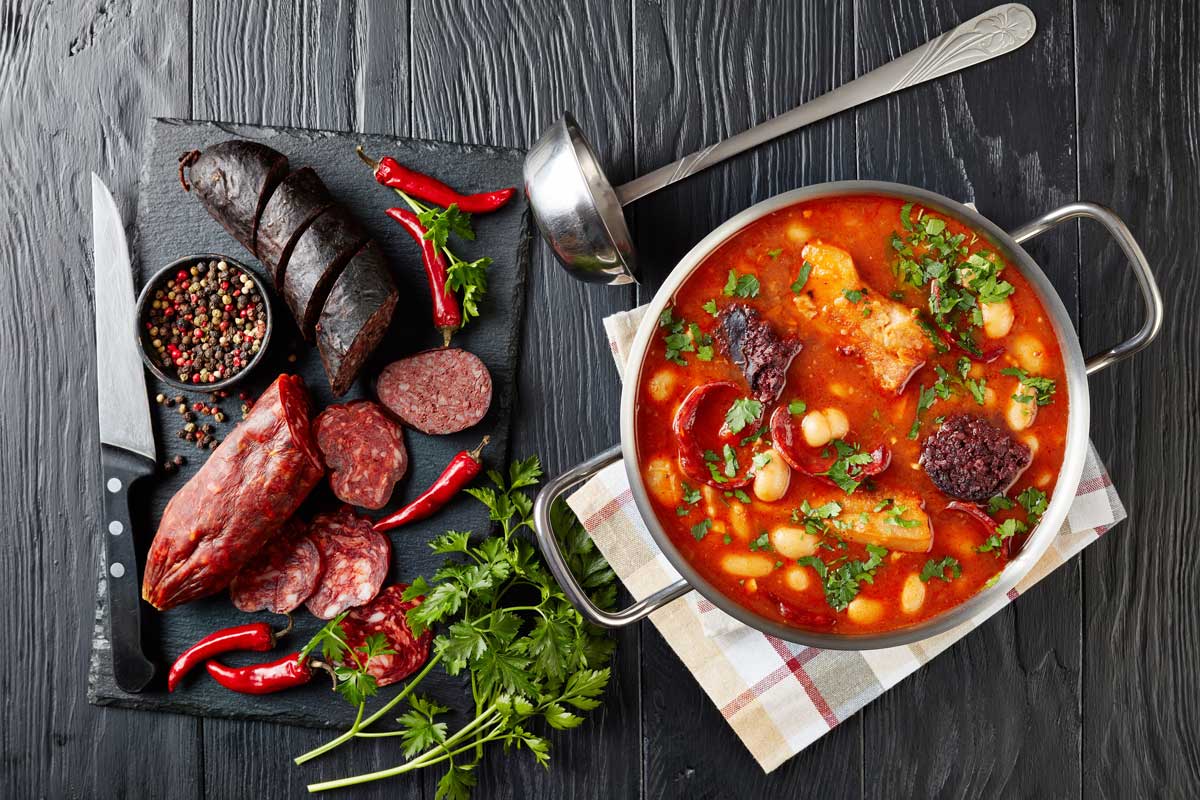
Ingredients
- 1 lb (454 g) dried fabes de la Granja or large white beans
- 2 Asturian chorizos
- 2 morcillas (Spanish blood sausages)
- 8 oz (227 g) tocino or panceta (pork belly)
- 1 tablespoon olive oil
- 2–3 garlic cloves, smashed
- 1 teaspoon sweet paprika (pimentón dulce)
- A pinch of saffron threads (optional but traditional)
- 1 bay leaf
- Salt to taste
- Cold water, enough to cover the beans by a few inches
Method
- Rinse the beans and soak in plenty of cold water in the refrigerator for 10–12 hours; the total time estimate allows 12 hours. If using very salty tocino, soak it separately in the refrigerator following the package directions, then drain.
- Drain and rinse the beans. Put them in a wide, heavy pot with fresh water to cover by about 2 inches. Bring to a boil, skimming off foam. If substituting dried cannellini or other kidney beans, maintain a full rolling boil for 30 minutes before reducing the heat.
- Add the chorizo, morcilla, pork belly, garlic, paprika, bay leaf and olive oil. If using saffron, steep it in 1 tablespoon hot water and add it. Simmer gently, partially covered, until the beans are creamy inside and the pork is tender, about 2–3 hours overall. Keep the beans submerged with small additions of water. Move the pot gently rather than stirring vigorously, and follow any sausage-package cooking requirements.
- Taste before adding salt because the cured meats already season the broth. If the beans are still firm, continue cooking; their age and variety affect the time. Remove the bay leaf.
- Rest off the heat for 30 minutes. Remove and slice the sausages and pork, then divide them and the beans among 6 bowls. Serve warm with crusty bread if desired.
The estimated 15 hours 15 minutes includes 15 minutes prep, 12 hours soaking, 2½ hours cooking and 30 minutes resting; cooking can take 2–3 hours or longer for older beans. Fabes are traditional; other white beans change the texture and cooking time. Check sausage labels if avoiding gluten. Refrigerate leftovers in shallow containers within 2 hours, use within 3–4 days, and reheat thoroughly.
What to Serve with Fabada Asturiana
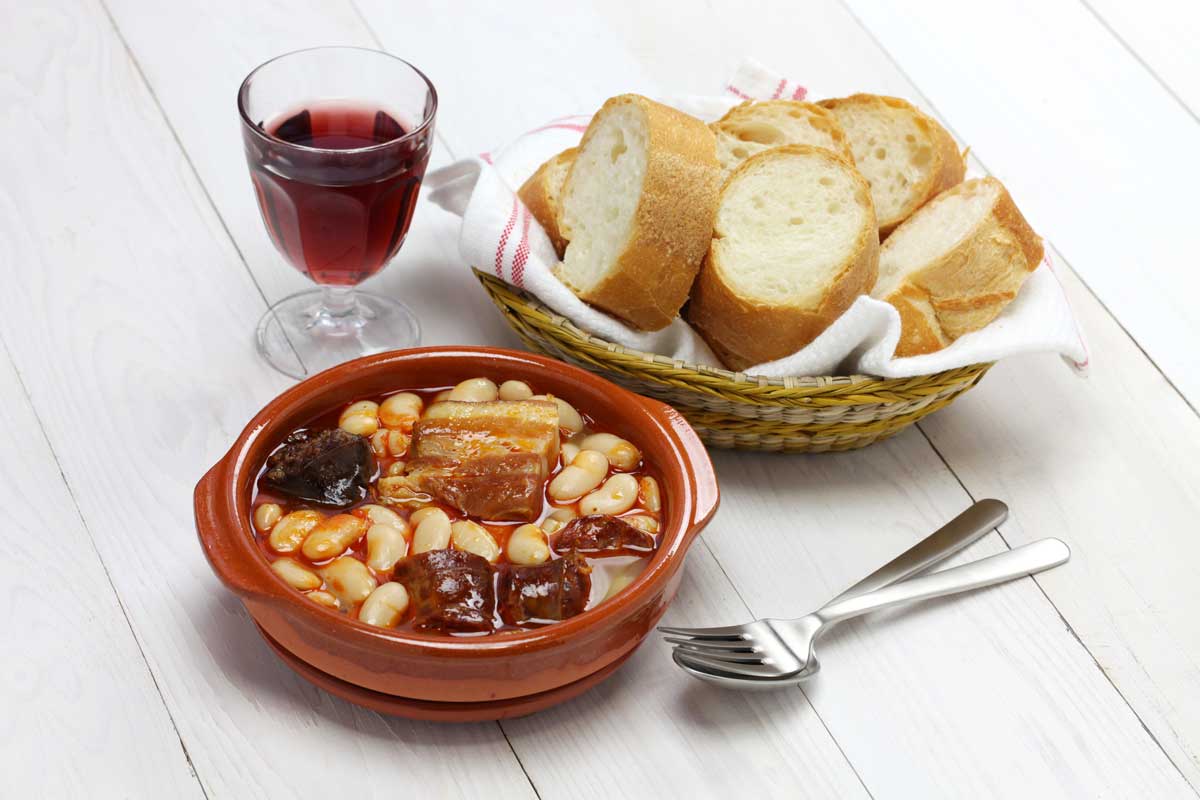
Fabada asturiana is a meal that stands strong on its own, but pairing it with the right Spanish sides and drinks can elevate your experience from hearty to unforgettable.
Because it’s such a rich and filling dish, the ideal accompaniments are simple, rustic, and rooted in Asturian tradition.
Crusty Bread (Pan Artesano)
No fabada is complete without a crusty loaf of rustic bread to mop up every last bit of that flavorful broth. Go for:
-
Pan de pueblo (country-style Spanish bread)
-
Sourdough or ciabatta
-
Warm baguette slices lightly toasted with olive oil
Light and Simple Salads
To balance out the richness of the stew, serve a crisp, acidic salad on the side:
-
Tomato and onion salad with olive oil and sea salt
-
Mixed greens with cider vinegar dressing
-
Shaved fennel and orange salad for a refreshing citrus twist
Asturian Cider (Sidra Natural)

The traditional drink of Asturias, sidra natural, is a must-try pairing. This slightly sour, still cider cuts through the fattiness of the compango meats and complements the smoky flavors beautifully.
-
Serve sidra poured high (“escanciado”) to aerate and awaken the flavor
-
Don’t have sidra? A dry apple cider or crisp Spanish white wine (like Albariño) makes a fine substitute
Red Wine Alternatives
If cider isn’t available, go with a robust Spanish red such as:
-
Rioja
-
Mencía from Bierzo
-
Ribera del Duero
These Spanish wines have enough body and acidity to match the stew’s depth without overpowering it.
Optional: A Cheese or Charcuterie Starter
Start your meal with a small Asturian cheese board, featuring:
-
Cabrales (a strong blue cheese)
-
Ahumado de Pría (smoked cow and sheep’s milk cheese)
-
Thin slices of jamón serrano or lomo embuchado
But keep portions light—fabada is the main event!
Dessert Suggestions
After such a heavy main, keep dessert simple and sweet:
-
Arroz con leche (Asturian rice pudding) with cinnamon
-
Flan de huevo
-
Fresh fruit or a small slice of almond cake
Pro Tip: Fabada is often served as part of a long, leisurely Sunday lunch—so pace yourself and enjoy each course slowly.
Where to Buy Ingredients for Fabada
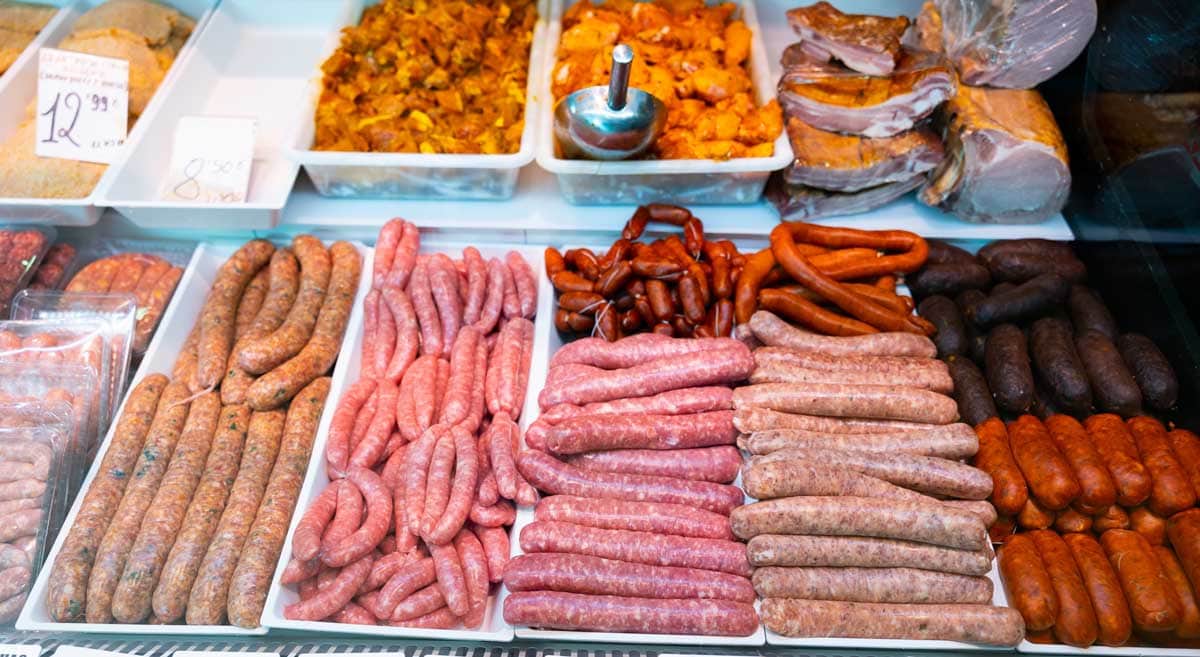
Creating an authentic fabada asturiana starts with sourcing the right ingredients—especially the fabes de la Granja and compango (cured meats like chorizo and morcilla).
While these ingredients are readily available in Asturias and throughout Spain, they can also be found online and in select international markets.
Here’s where to look:
Online Spanish Food Retailers
If you’re outside of Spain, your best bet is to order from trusted Spanish gourmet retailers. Many of these sites ship internationally:
-
La Tienda (USA) – Offers fabes, Spanish chorizo, morcilla, and full compango packs
-
Despaña Brand Foods (USA) – Specializes in authentic Spanish sausages and dry goods
-
Spanish Pig (Canada) – Ships a curated selection of Spanish charcuterie and beans
-
IberGour and El Corte Inglés (Europe) – Provide wide selections of fabada essentials, including Asturian beans and saffron
-
Amazon – Search for “fabes de la Granja,” “Asturian chorizo,” or “morcilla” for quick delivery options
Spanish or Latin American Grocery Stores
In major cities around the world, you may find specialty grocery stores that carry:
-
Spanish sausages like chorizo or morcilla
-
Large white beans as a fabes substitute
-
Imported Spanish olive oil and paprika
Ask the staff if they carry Asturian or León-style charcuterie, which is often used in traditional stews.
What to Use if You Can’t Find the Real Thing
Can’t find fabes or compango?
No worries—these substitutions will still yield a delicious fabada:
-
Beans: Use cannellini beans, butter beans, or great northern beans
-
Chorizo: Go for semi-cured Spanish chorizo or substitute with smoked kielbasa if needed
-
Morcilla: Try black pudding, boudin noir, or omit and increase chorizo
-
Tocino: Use unsmoked bacon, pancetta, or salt pork
While the flavor won’t be 100% Asturian, these swaps still result in a rich and satisfying stew.
Ready-to-Cook Fabada Kits
Some retailers like Amazon offer fabada meal kits that include fabes, chorizo, morcilla, and panceta in one convenient pack.
These are great for first-timers or gifts for food lovers.
Pro Tip: Look for PDO (Protected Designation of Origin) labels on fabes and chorizo when shopping—they guarantee authenticity and quality from Asturias.
Where to Eat Fabada in Spain (Top Spots)

Craving the real deal? Spain offers countless places to enjoy fabada asturiana in all its smoky, velvety glory.
While the stew originates from Asturias, its fame has spread nationwide—appearing on menus in both rustic taverns and upscale restaurants.
Whether you’re planning a road trip through northern Spain or hunting for the best fabada in Madrid, here’s where to go:
Best Fabada in Asturias (The Heartland)
Asturias is the birthplace of fabada, and nothing beats enjoying it where it all began. Here are a few must-visit spots:
-
Casa Gerardo (Prendes)
Michelin-starred yet fiercely traditional, this family-run restaurant has been serving fabada since 1882. Their version is elegant, rich, and deeply flavorful. -
La Máquina (Oviedo)
Known for its authentic preparation and locally sourced ingredients, this tavern-style spot is a favorite among locals. -
El Molín de Mingo (Periurbano)
A hidden gem in the countryside, where you can enjoy fabada on a terrace overlooking the Asturian hills.
Top Places to Eat Fabada in Madrid
Even outside Asturias, fabada has earned a place of honor in Madrid’s traditional eateries:
-
Casa Lucio
Famous for its huevos rotos, but their fabada is equally legendary and made with Asturian-sourced ingredients. -
Casa Hortensia
A long-standing Asturian restaurant in Madrid serving one of the most beloved fabadas in the capital.
Where to Eat Fabada in Barcelona
In cosmopolitan Barcelona, Asturian restaurants thrive thanks to the city’s love for regional Spanish food:
-
La Taberna Asturiana
Classic Asturian dishes done right, including fabada with fabes de la Granja and authentic compango. -
Casa Darío
Upscale yet traditional, perfect for a long lunch featuring fabada followed by cider and dessert.
Fabada Festivals & Food Fairs
-
Gijón’s Semana de la Fabada
A weeklong celebration held in February featuring fabada tasting menus across dozens of restaurants. -
Fabada World Day (Día Mundial de la Fabada)
Celebrated globally, but most vibrantly in Asturias with cooking contests and regional showcases.
Tips for Finding Great Fabada
-
Look for restaurants that import fabes and compango from Asturias
-
Seek out sidrerías (cider houses), which almost always serve traditional fabada
-
Trust places with slow-cooked or made-to-order fabada rather than reheated versions
History and Origins of Fabada Asturiana
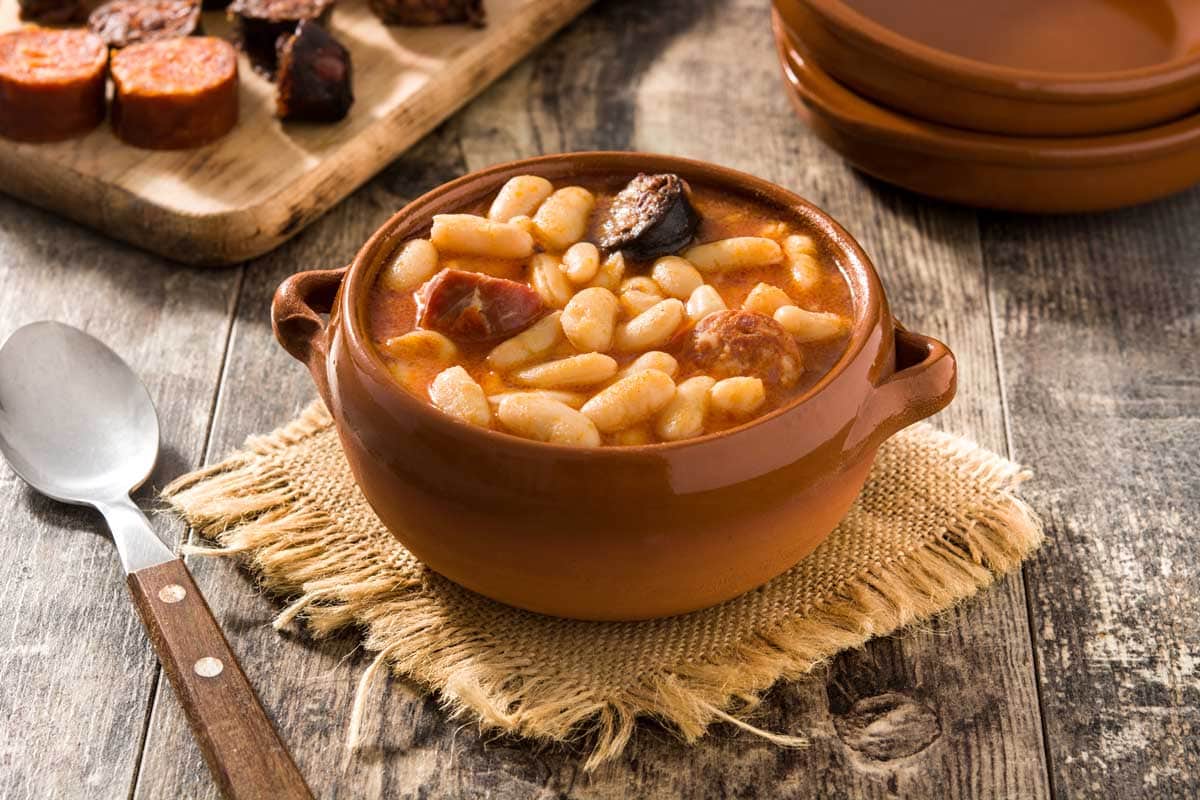
Fabada asturiana likely emerged in rural Asturias during the 19th century, born from local ingredients like fabes (white beans) and cured meats such as chorizo and morcilla.
While beans came to Spain from the Americas centuries earlier, it was in Asturias’ cool, wet climate that they thrived—especially the now-famous fabes de la Granja.
Originally a humble farm dish, fabada became a Sunday staple and a symbol of Asturian identity.
Today, it’s one of Spain’s most iconic stews, celebrated across the country and beyond.
Final Thoughts: Why Fabada Asturiana Is Spain’s Most Iconic Bean Stew
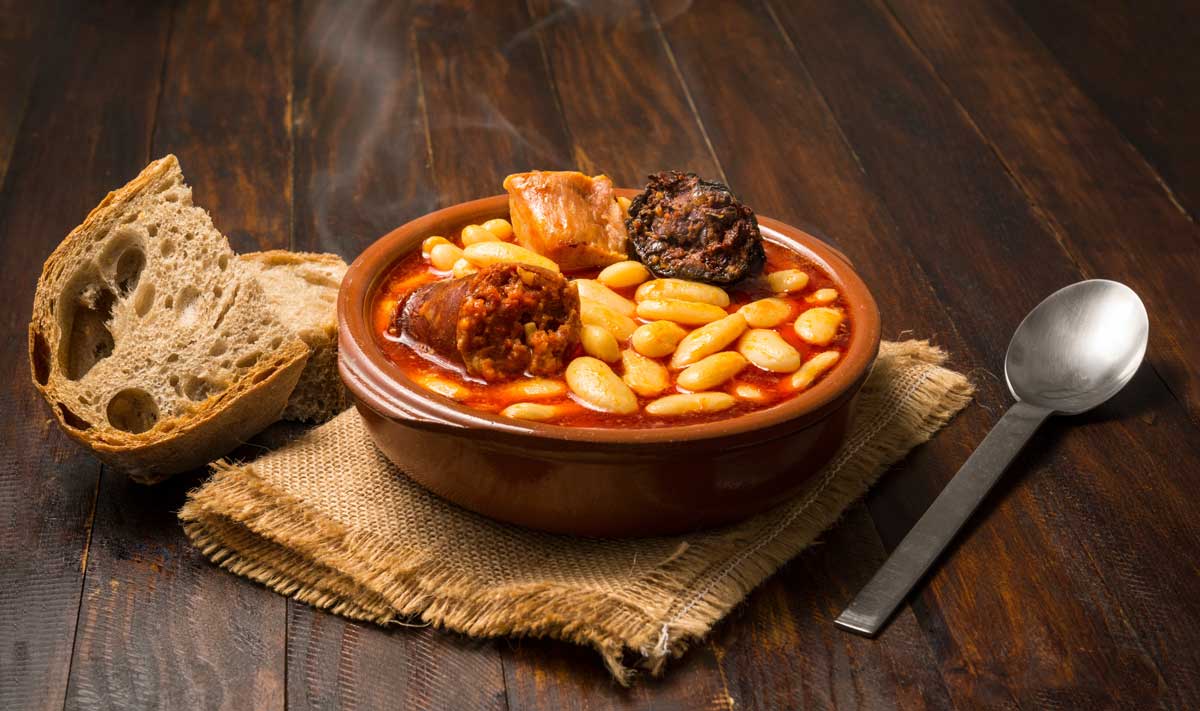
Fabada asturiana is a taste of Asturias in every spoonful.
With its melt-in-your-mouth beans, smoky cured meats, and rich, velvety broth, it captures the heart of authentic Spanish food.
Whether you’re cooking it at home, tasting it in a sidrería, or seeking it out on your travels, fabada offers a delicious way to experience one of Spain’s most treasured culinary traditions.
Ready to try it? Stock up on fabes, gather your compango, and let the slow simmer begin!
Fabada Asturiana Recipe
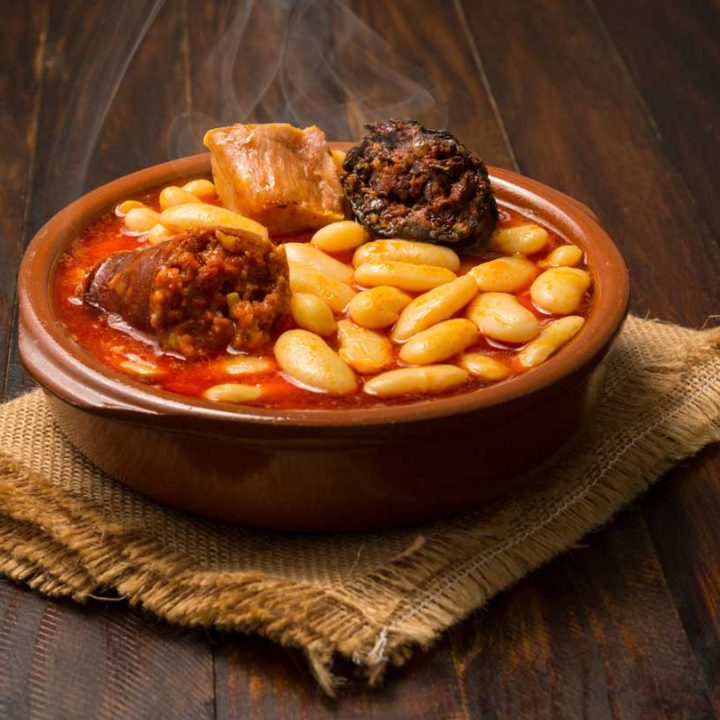
This rich and comforting Fabada Asturiana is a traditional Spanish bean stew made with fabes (large white beans), chorizo, morcilla, and panceta. Slow-cooked to perfection, it's the ultimate taste of Asturias in one hearty dish.
Ingredients
- 1 lb (454 g) dried fabes de la Granja or large white beans
- 2 Asturian chorizos
- 2 morcillas (Spanish blood sausages)
- 8 oz (227 g) tocino or panceta (pork belly)
- 1 tablespoon olive oil
- 2–3 garlic cloves, smashed
- 1 teaspoon sweet paprika (pimentón dulce)
- A pinch of saffron threads (optional but traditional)
- 1 bay leaf
- Salt to taste
- Cold water, enough to cover the beans by a few inches
Instructions
- Rinse the beans and soak in plenty of cold water in the refrigerator for 10–12 hours; the total time estimate allows 12 hours. If using very salty tocino, soak it separately in the refrigerator following the package directions, then drain.
- Drain and rinse the beans. Put them in a wide, heavy pot with fresh water to cover by about 2 inches. Bring to a boil, skimming off foam. If substituting dried cannellini or other kidney beans, maintain a full rolling boil for 30 minutes before reducing the heat.
- Add the chorizo, morcilla, pork belly, garlic, paprika, bay leaf and olive oil. If using saffron, steep it in 1 tablespoon hot water and add it. Simmer gently, partially covered, until the beans are creamy inside and the pork is tender, about 2–3 hours overall. Keep the beans submerged with small additions of water. Move the pot gently rather than stirring vigorously, and follow any sausage-package cooking requirements.
- Taste before adding salt because the cured meats already season the broth. If the beans are still firm, continue cooking; their age and variety affect the time. Remove the bay leaf.
- Rest off the heat for 30 minutes. Remove and slice the sausages and pork, then divide them and the beans among 6 bowls. Serve warm with crusty bread if desired.
Notes
The estimated 15 hours 15 minutes includes 15 minutes prep, 12 hours soaking, 2½ hours cooking and 30 minutes resting; cooking can take 2–3 hours or longer for older beans. Fabes are traditional; other white beans change the texture and cooking time. Check sausage labels if avoiding gluten. Refrigerate leftovers in shallow containers within 2 hours, use within 3–4 days, and reheat thoroughly.
More Spanish Foods
See all →
Jorge Garcia is the founder of AmigoFoods, where he has spent over 20 years helping readers discover authentic Latin American and Spanish cuisine. Raised in a Cuban-American household, Jorge learned to cook at the hands of his mother and grandmother, carrying forward generations of family recipes. That heritage, backed by his family’s four-generation history in the Latin food industry, inspired him to launch AmigoFoods in 2003. With more than 1,000 published articles on recipes, ingredients, and food culture, Jorge’s mission is simple: make authentic Latin cooking approachable for home cooks everywhere while honoring the traditions behind every dish.