

Dominican coffee is commonly served strong, black and sweet in small cups. This greca method takes about ten minutes, with optional sugar or warm milk added after brewing.
Dominican Coffee at a Glance
Why Coffee Matters in the Dominican Republic
Coffee is the Dominican Republic’s everyday drink. A cafecito is offered to every visitor, and turning one down can come across as rude.
It isn’t only part of a traditional Dominican breakfast. Small cups of café dominicano are poured all day long, after lunch, mid-afternoon and whenever someone drops by.
How to Make Dominican Coffee, Step by Step
Here’s a step-by-step guide to making the best Dominican coffee, ensuring you get the most out of every cup.
1. Selecting the Right Coffee Beans
The foundation of any great coffee lies in the quality of the beans.
For authentic Dominican coffee, look for beans that are grown in the high-altitude regions of the Dominican Republic, such as Barahona, Cibao, or Azua.
These Dominican coffee beans are known for their robust flavor profiles, characterized by a balance of sweetness, acidity, and a slight nuttiness.
2. Grinding the Beans

Freshly ground coffee beans make a significant difference in flavor.
Grind your beans just before brewing to preserve their essential oils and aromas.
Use a grind intended for your brewing method. A greca or moka pot needs moka-ground coffee; avoid an extra-fine espresso grind.
3. The Brewing Process
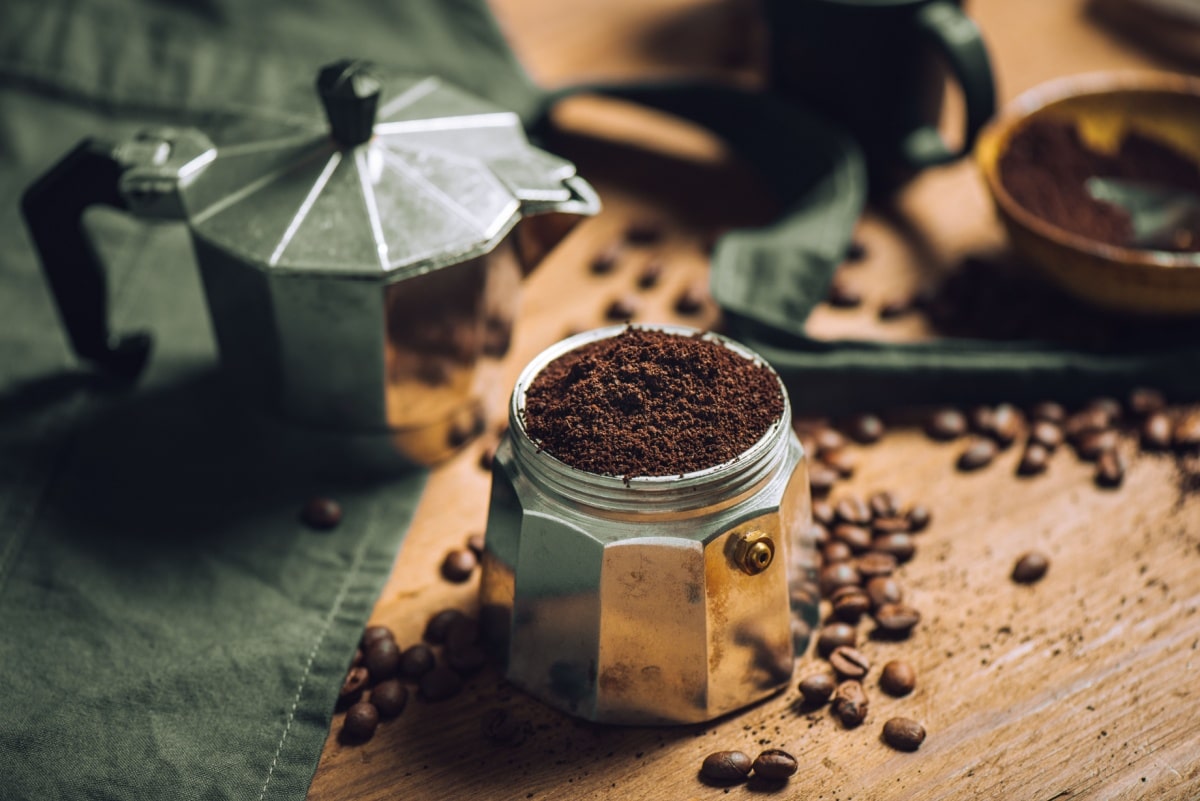
Using a Greca or Moka Pot
Use the printable greca recipe below. It is sized for a four-cup pot, which makes small demitasse portions; the chamber and basket determine the water and coffee quantities.
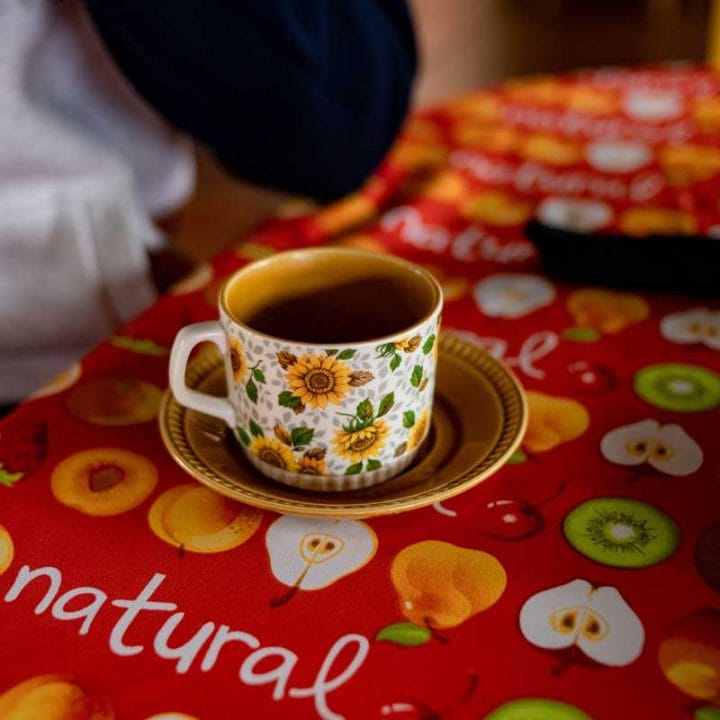
Dominican Coffee in a Greca
Strong Dominican coffee brewed in a stovetop greca, served in small cups with optional sugar.
Ingredients
- Fresh drinking water, enough to fill a 4-cup greca to just below its safety valve
- Dominican coffee ground for a moka pot, enough to loosely fill the filter basket level
- Sugar, to taste (optional)
- Warm milk, to taste, added to the cup after brewing (optional)
Instructions
- Check that the greca is clean and its filter, gasket and safety valve are in good condition. Fill the lower chamber with water to just below the valve, following the pot’s instructions.
- Fill the basket loosely with moka-ground coffee and level it without pressing or tamping. Clear grounds from the rim, then assemble the pot firmly without using the handle as a lever.
- Place on a stable burner over low to medium heat, keeping any flame beneath the base. Brew until coffee has collected in the upper chamber and the flow begins to sputter, then remove from heat. This generally takes about 5–8 minutes, depending on the pot and stove.
- Stir the brewed coffee and divide among small cups. Add sugar or warm milk in the cups if desired. Let the pot cool completely before opening and cleaning it according to its manufacturer’s instructions.
Notes
A 4-cup greca makes four small demitasse portions, not four large mugs. Water and coffee quantities depend on its actual chamber and basket capacity; use the fill limits rather than forcing a fixed volume into a differently sized pot. Timing is approximate.
Use only water in the lower chamber and coffee in the filter. Do not add milk, sugar or other ingredients to the greca. Use a grind intended for moka pots, not an extra-fine espresso grind.
For drip coffee, the article’s alternative method uses 1–2 tablespoons ground coffee per 6 fl oz (180 ml) water, adjusted to taste and the brewer’s instructions.
Using a Drip Coffee Maker (Shop Amazon Best Seller)
- Water to Coffee Ratio: Use a ratio of 1 to 2 tablespoons of ground coffee per 6 ounces of water, adjusting to taste.
- Filter: Place a coffee filter in the basket and add the ground coffee.
- Brew: Fill the water reservoir and start the brewing process. Ensure you use filtered water for the best taste.

4. Enhancing the Flavor
Dominican coffee is often enjoyed with a touch of sweetness and milk. Here’s how to enhance your cup:
Traditional Dominican Style (Shop Café Santo Domingo)
- Sugar: Add a teaspoon of sugar directly into your cup before pouring the coffee. This method allows the sugar to dissolve better and blend with the coffee’s flavors.
- Milk: For a creamier texture, add warm milk or a little sweetened condensed milk to the brewed coffee in your cup. Never put milk in the greca.
5. Serving and Enjoying

Dominican coffee is typically served strong and in small cups, much like espresso.
Serve it immediately after brewing to enjoy its full spectrum of flavors.
Pair your coffee with a traditional Dominican breakfast or pastry for an authentic experience.
6. Tips for the Perfect Cup
- Freshness: Use fresh coffee beans and grind them just before brewing.
- Water Quality: Use filtered water to avoid any unwanted flavors.
- Temperature: Use low to medium heat and remove the greca when the flow begins to sputter. Keep any flame beneath the base and do not leave the pot boiling dry.
- Clean Equipment: Regularly clean your coffee maker to avoid any residual oils or coffee grounds that can affect the flavor.
How Dominican Coffee Is Grown

Coffee growing in the Dominican Republic is a craft passed down through generations, and Dominican beans are counted among the best Latin coffees.
Most of it comes from small farms on hillsides and steep mountain slopes, run by families working alone or through a cooperative. The cherries are usually picked by hand, so only the ripe ones come off the branch and the rest are left to ripen.
Many growers process their own harvest in a wet mill, known locally as a beneficio húmedo.
The Best Dominican Coffee Brands

Café Santo Domingo is by far the most popular Dominican coffee brand: a rich, dark roast that tastes like the coffee served in Dominican homes.
It is made by Industrias Banilejas, the country’s largest coffee producer, which also makes Induban Gourmet, Caracolillo, La Cafetera, Café Molido Dominicano, Café Tinto and Pilón.
How Dominicans Drink Their Coffee

Most Dominicans take their coffee black and sweet, though purists say sugar hides the flavor of the beans.
The other favorites are café con leche, coffee with plenty of hot boiled milk, and café americano, strong coffee thinned with hot water.
At home it is brewed in a greca, the stovetop pot described in the steps above, where pressure pushes hot water through the ground coffee.
In the US we tend to drink coffee to keep up with a busy day. In the Dominican Republic a cafecito is a reason to slow down, sit and talk.
Where to Buy Dominican Coffee

In most cities you can find Café Santo Domingo at a Hispanic grocery store or bodega.
If there isn’t one near you, order Café Santo Domingo online. For what to drink alongside it, from morir soñando to mamajuana, see our guide to Dominican drinks.
How to Make the Best Dominican Style Coffee

Making the best Dominican coffee is about appreciating the rich, bold flavors of the beans and following a brewing process that enhances these characteristics.
Whether you prefer using a Greca or a drip coffee maker, the key is in the details – from selecting quality beans to serving it with just the right amount of sweetness and milk.
Enjoy your Dominican coffee as part of your daily routine or share it with friends and family for a true taste of the Dominican Republic.
More Dominican Foods
See all →
Jorge Garcia is the founder of AmigoFoods, where he has spent over 20 years helping readers discover authentic Latin American and Spanish cuisine. Raised in a Cuban-American household, Jorge learned to cook at the hands of his mother and grandmother, carrying forward generations of family recipes. That heritage, backed by his family’s four-generation history in the Latin food industry, inspired him to launch AmigoFoods in 2003. With more than 1,000 published articles on recipes, ingredients, and food culture, Jorge’s mission is simple: make authentic Latin cooking approachable for home cooks everywhere while honoring the traditions behind every dish.