
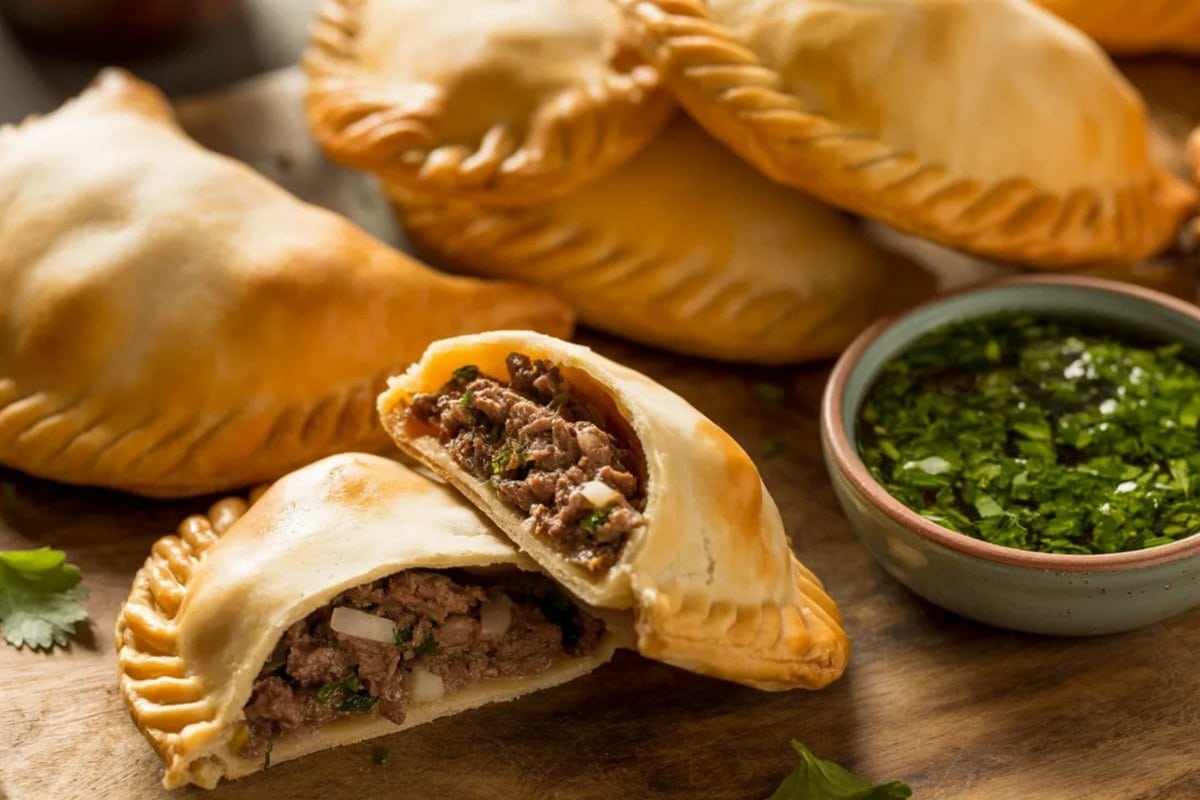
Pastelitos dominicanos are small fried turnovers made with a thin wheat dough and filled with seasoned ground beef, shredded chicken or cheese. You find them in the warming case at the corner colmado and on every Dominican party platter. What makes the Dominican kind taste Dominican is the ingredients: the sazón, the oregano, the right dough and the right cheese. Below are those ingredients and a complete recipe for the dough and all three fillings.
Pastelitos Dominicanos at a Glance
AmigoFoods may earn a commission from qualifying Amazon purchases made through links on this page.
What are pastelitos dominicanos?
Pastelito means “little pastry,” and in the Dominican Republic it means a fried, savory one. They descend from the Spanish empanada, but the Dominican version is small, thin-skinned and fried. They are one of the classic Dominican picaderas, the finger foods that come out at parties, and a staple of Dominican street food, sold alongside kipes and yaniqueques. A guide to Santo Domingo street food puts them at about 40 to 80 pesos each at a colmado.
At home they are party food, made by the dozen for birthdays and Christmas and kept in the freezer for visitors, which is why they appear on every list of traditional Dominican dishes.
Pastelitos vs empanaditas vs empanadas
Ask three Dominicans for the difference and you may get three answers. The most common one, and the one Dominican Cooking’s Clara González uses, is shape: pastelitos are round, made from two circles of dough sealed around the filling, while empanaditas are half-moons, one circle folded in half. Pastelitos are also smaller. Some regions swap the names, and the dough and fillings are the same.
Pastelito
Round, about 2 1/2 to 3 inches across. Two thin circles of wheat dough, sealed with a fork all the way around. Fried. The party-platter size.
Empanadita / empanada
A half-moon from one 4- to 6-inch circle folded over the filling. Same dough, usually fried. The street-stand and lunch size.
There is a third member of the family: catibías, or empanadas de yuca, which use a dough made from grated cassava instead of wheat flour. They are naturally gluten-free, like casabe, the Taíno cassava bread.

Cuban vs Dominican pastelitos
Search for pastelitos in Miami and you will get a different pastry. Cuban pastelitos are made with puff pastry, baked rather than fried, and the best-known ones are sweet: guava paste and cream cheese, brushed with syrup. The Dominican pastelito is savory, fried and made with a plain dough that has no layers. In Hialeah, expect flaky and sweet; in Santo Domingo or the Bronx, crisp and savory.
The seasoning: Dominican sazón
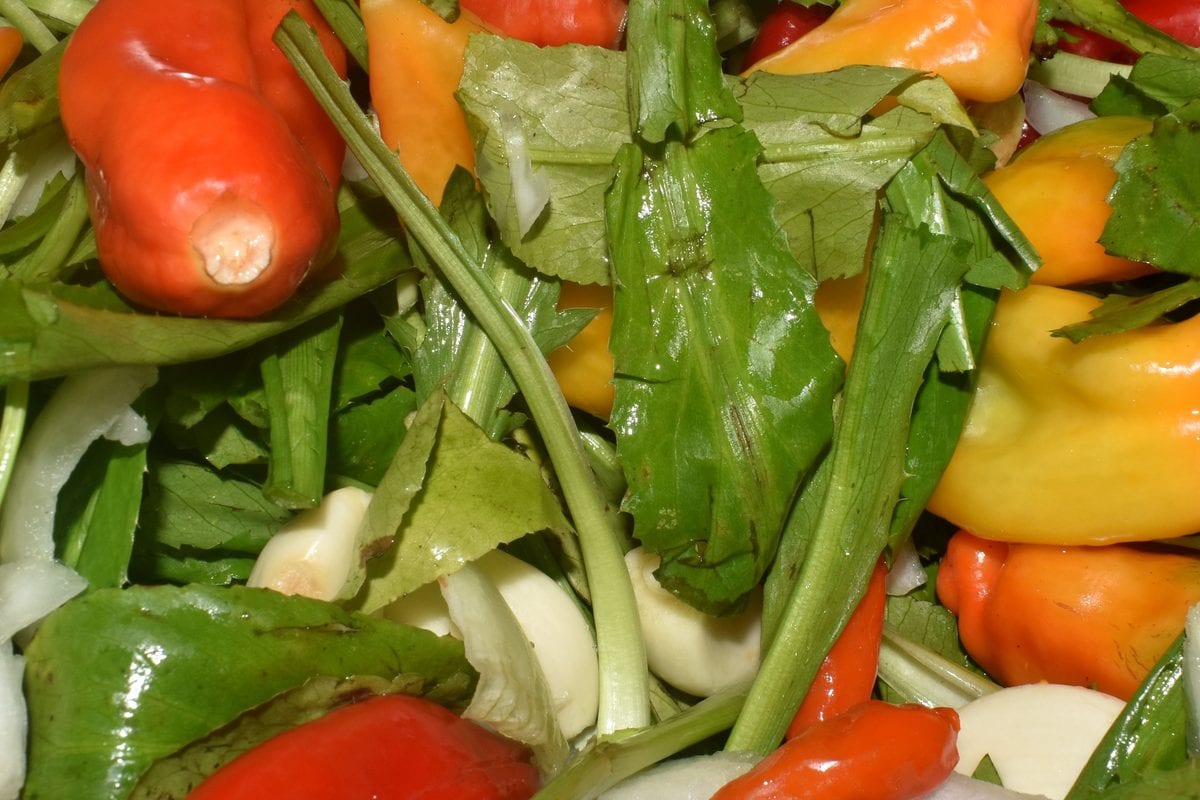
In a Dominican kitchen, sazón means more than a packet. It is a fresh paste of onion, garlic, sweet ají gustoso peppers or cubanela, cilantro or culantro, Dominican oregano and a squeeze of sour orange or lime, often kept blended in a jar. All of these are in our guide to Dominican ingredients.
Most cooks also use a bottle or two from the pantry:
- Liquid sazón: Baldom Sazón Ranchero is the Dominican shelf staple of peppers, onion, garlic and herbs. A tablespoon replaces most of the chopping.
- Sazón packets: Goya Sazón con Culantro y Achiote adds salt, garlic and the red-orange color of achiote. Half a packet per pound is enough. See our adobo vs sazón guide for how it differs.
- Dominican oregano: Stronger and more peppery than Mediterranean oregano. Use a little more if you substitute Greek.

- Baldom Sazon Ranchero Liquido Original 15.5 oz
Beef, chicken or cheese
Ground beef is the classic. Whatever the filling, it has to be cooked, well seasoned and cool before it goes into raw dough.
| Filling | Spanish name | How it is made | Tip |
|---|---|---|---|
| Ground beef | Pastelitos de carne | Beef cooked with sazón, oregano, tomato paste and a little water until thick. Some cooks add chopped olives or raisins. | Cook until it is moist but no liquid runs when you tilt the pan. |
| Chicken | Pastelitos de pollo | Poached or leftover chicken, shredded fine and simmered in the same sazón and tomato base. | Thighs stay juicier than breast. Shred very fine so the edges seal. |
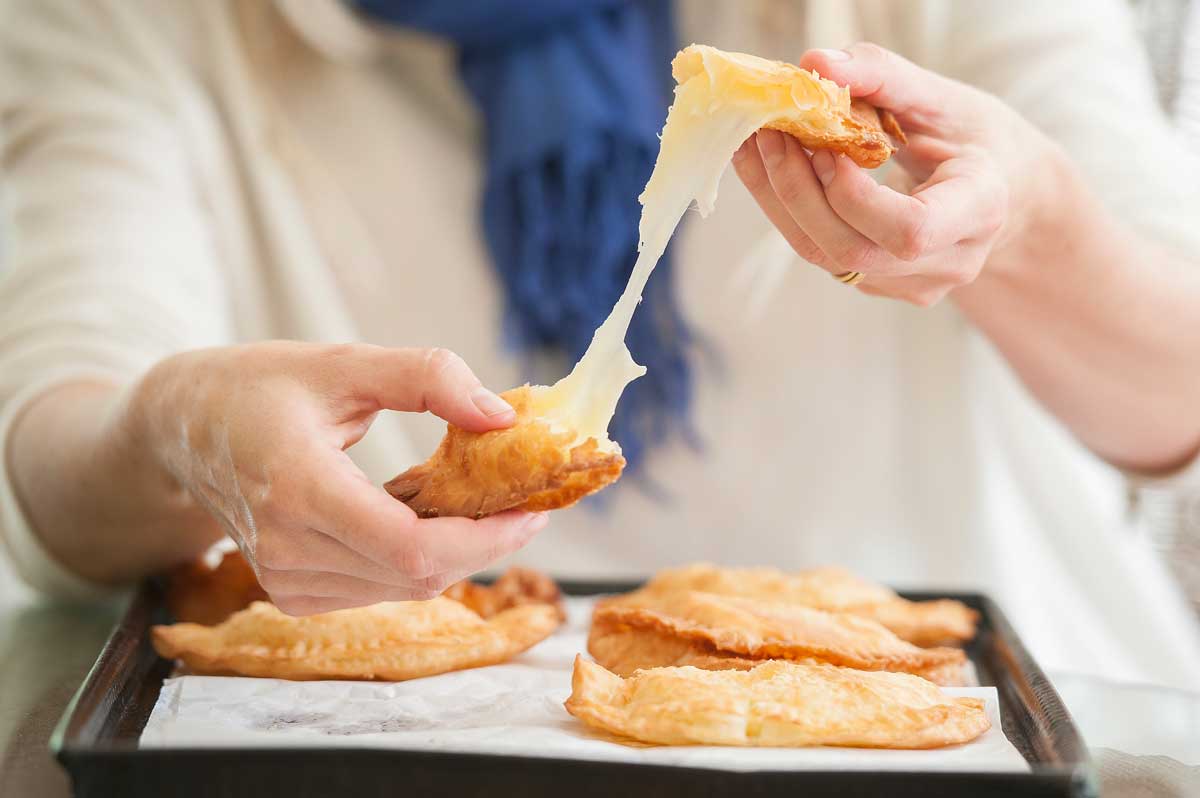
| Cheese | Pastelitos de queso | Shredded yellow cheese (cheddar or gouda), mozzarella, or small cubes of queso de freír. | Use a little less cheese than meat; it expands as it melts. |
| Beef and cheese | Pastelitos de carne y queso | A spoonful of the beef with a pinch of shredded cheese on top. | The most requested mix at parties. |
Queso de freír is the firm white cheese Dominicans fry on its own as queso frito. It softens without running; halloumi is the closest swap.
Homemade dough or store-bought discos
Dominican pastelito dough is simple: all-purpose flour, salt, a little baking powder, an egg yolk, oil or butter and cold water. The baking powder gives the fried crust its blisters. Rest it 30 minutes and roll it to about 1/16 inch. For other countries’ doughs, see our empanada dough guide.
Frozen Goya discos are a common shortcut, but check the label: discs marked para freír (for frying) are thinner, leaner and blister in oil, while discs marked para hornear (for baking) have more fat and turn greasy when fried. Cut each 5-inch disc into two 2 1/2-inch rounds for pastelitos, or fold it whole for an empanadita. Puerto Rican empanadillas use the same discs.
How to shape and seal
For round pastelitos, cut the rolled dough into 3-inch circles. Brush the edge of one circle with beaten egg white, put a level tablespoon of filling in the center, lay a second circle on top and press out the air as you seal. Then crimp the edge all the way around with the tines of a fork. Without the egg white, the layers can separate in the oil.
For empanaditas, cut 5-inch circles, fill one half, fold it over and crimp the curved edge. An empanada press folds and crimps in one step.

- ✔ 4 SIZES PROFESSIONAL EMPANADAS MAKER -This set includes four different sizes of dumpling presses...
- ✔ EASY TO USE -Simply cut a slice of dough, place it on the press, add your filling, flip it...
How to fry pastelitos
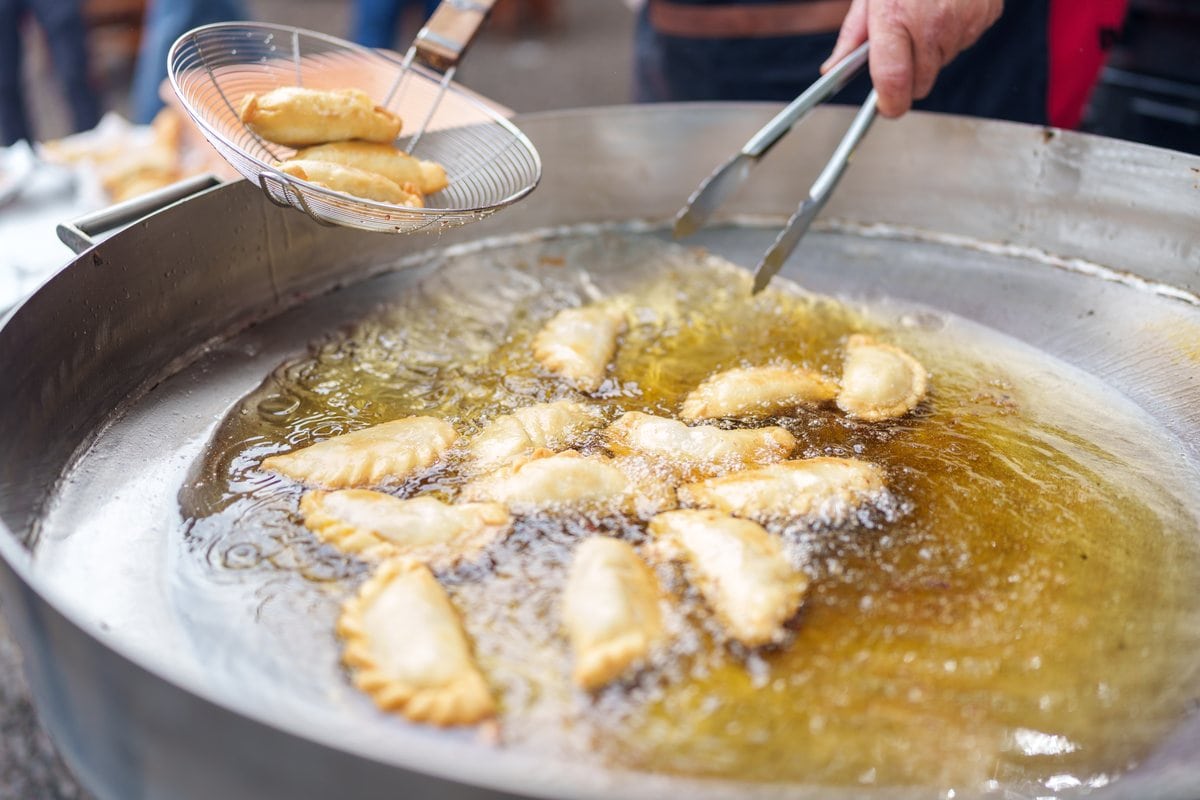
Use a heavy 3- to 4-quart pot with at least 2 inches of neutral oil, such as vegetable, canola or peanut, and heat it to 350°F. Fry four or five at a time, turning once, for 3 to 4 minutes, until deep golden and blistered. Drain on a rack rather than paper towels, which soften the bottoms.
Make ahead and freezing
Shape them, freeze them on a parchment-lined tray until hard, then bag them for up to 3 months. Fry straight from the freezer at 340 to 350°F, adding a minute or two. Fried leftovers keep 3 days in the refrigerator; reheat them in a 350°F oven for 8 to 10 minutes or an air fryer for 3 to 4.
Troubleshooting
| Problem | Why it happens | Fix |
|---|---|---|
| They burst in the oil | Warm or wet filling, too much filling, or air trapped inside. | Use cold, thick filling, a level tablespoon, and press the air out before crimping. |
| The layers separate | The edges were floury or dry. | Brush the edge with egg white and crimp firmly with a fork. |
| Greasy and heavy | The oil was too cool, or the pot was crowded. | Hold 350°F and fry 4 or 5 at a time. |
| Tough, chewy crust | Too much flour or kneading, or the dough was rolled too thick. | Knead only until smooth, rest it 30 minutes and roll to about 1/16 inch. |
| No blisters, pale color | Old baking powder, or the oil was not hot enough. | Use fresh baking powder and check the oil temperature. |
How Dominicans serve them
On a party platter, pastelitos share space with kipes, yaniqueques, queso frito and fried salami, with a bowl of ketchup mixed with mayonnaise for dipping. At home they are an afternoon snack with Dominican coffee or a cold drink from our list of Dominican drinks, and in December they go on the table next to the other Dominican Christmas foods.

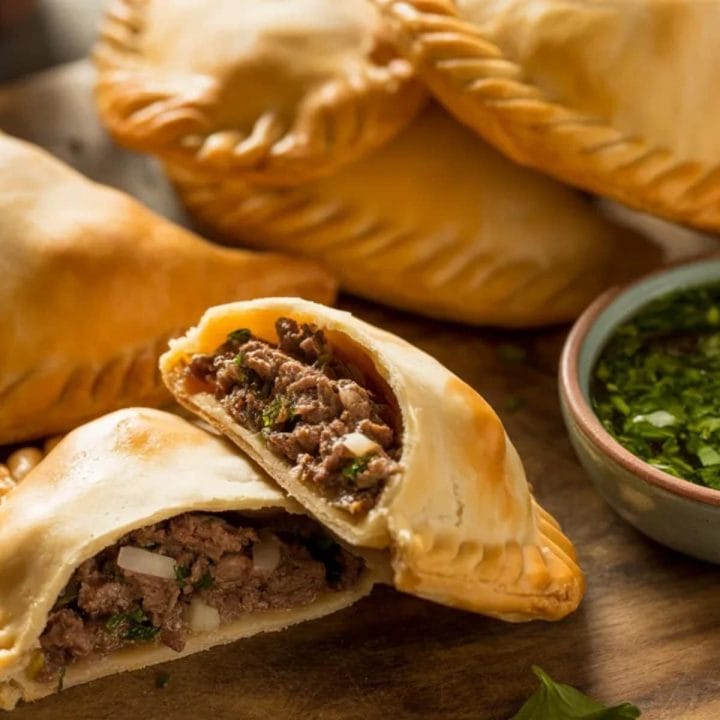
Pastelitos Dominicanos (Dominican Beef Turnovers)
Small, round Dominican pastelitos with a thin, blistered fried crust and a ground beef filling cooked with sazón, oregano and tomato paste. Chicken and cheese versions are in the notes. Makes 24, and they freeze unfried for up to 3 months.
Ingredients
Dough (masa)
- 3 cups (375 g) all-purpose flour, plus more for rolling
- 2 teaspoons baking powder
- 1 teaspoon salt
- 1 teaspoon sugar
- 3 tablespoons vegetable oil
- 1 large egg, separated (yolk for the dough, white for sealing)
- About 3/4 cup cold water
Beef filling
- 2 tablespoons vegetable oil
- 1/2 medium onion, finely chopped
- 1/2 cubanela pepper, finely chopped
- 3 garlic cloves, minced
- 2 tablespoons chopped cilantro or culantro
- 1 pound ground beef (85% lean)
- 1 tablespoon liquid sazón (such as Baldom), or 2 tablespoons homemade Dominican sazón
- 1/2 packet sazón con culantro y achiote (such as Goya)
- 1 teaspoon dried Dominican oregano
- 1/2 teaspoon salt, or to taste
- 2 tablespoons tomato paste
- 1/4 cup water
- Juice of 1/2 lime or sour orange
- Optional: 2 tablespoons chopped green olives or raisins
To fry
- Vegetable, canola or peanut oil (about 6 cups, 2 inches deep)
Instructions
- Make the dough. Whisk the flour, baking powder, salt and sugar. Add the oil and egg yolk and rub them in with your fingers. Add the cold water a little at a time, mixing until a soft dough forms. Knead 2 to 3 minutes, just until smooth. Cover and rest 30 minutes.
- Cook the filling. Heat the oil in a skillet over medium heat. Cook the onion and cubanela 3 minutes, then the garlic and cilantro 1 minute. Add the beef and break it up finely. Cook until no longer pink, then add the liquid sazón, sazón packet, oregano, salt, tomato paste and water. Simmer 8 to 10 minutes, until thick and almost dry. Stir in the lime juice (and olives or raisins). Taste for salt.
- Cool the filling. Spread it on a plate and refrigerate until cold, at least 20 minutes.
- Roll and cut. Divide the dough in half. On a floured counter, roll one half to about 1/16 inch (2 mm). Cut 3-inch circles. Reroll the scraps once. Repeat with the other half. You need 48 circles.
- Fill and seal. Beat the egg white. Brush the edge of a circle with egg white, put a level tablespoon of filling in the center, cover with a second circle and press out the air. Crimp all the way around with a fork. Keep the finished pastelitos covered with a towel.
- Heat the oil. Heat 2 inches of oil in a heavy 3- to 4-quart pot to 350°F.
- Fry. Fry 4 or 5 at a time, turning once, for 3 to 4 minutes, until deep golden and blistered. Drain on a rack over a sheet pan. Serve hot, with ketchup mixed with mayonnaise.
Notes
Pastelitos de pollo: Replace the beef with 2 cups finely shredded cooked chicken thighs. Cook the vegetables and seasonings as above, add the chicken with the tomato paste and 1/3 cup water, and simmer until thick.
Pastelitos de queso: Fill each with 1 heaping tablespoon shredded cheddar, gouda or mozzarella, or small cubes of queso de freír. Seal very well.Empanaditas (half-moons): Cut 5-inch circles, fill one half with 1 1/2 tablespoons filling, fold and crimp. Makes about 16.
Store-bought discos: Use discs labeled "para freír" (for frying). Cut each 5-inch disc into two 2 1/2-inch rounds, or fold it whole for an empanadita. Discs labeled "para hornear" turn greasy when fried.
Make ahead: Freeze the shaped, unfried pastelitos on a tray, then bag them for up to 3 months. Fry from frozen at 340 to 350°F, adding 1 to 2 minutes. The filling keeps 2 days in the refrigerator.
Reheat: 350°F oven for 8 to 10 minutes, or an air fryer at 350°F for 3 to 4 minutes.
Baked or air-fried (less traditional): Brush with oil or egg wash and bake at 400°F for 15 to 20 minutes, or air-fry at 375°F for 8 to 10 minutes, turning once.
Nutrition Information:
Serving Size: 1 pastelitoAmount Per Serving: Calories: 175Total Fat: 11gSaturated Fat: 2gTrans Fat: 0gUnsaturated Fat: 9gCholesterol: 21mgSodium: 250mgCarbohydrates: 13gFiber: 1gSugar: 1gProtein: 5g
Nutrition information is an estimate and will vary with the brands and amounts used.
Pastelitos Dominicanos FAQ
What is the difference between pastelitos and empanadas?
In the Dominican Republic, most people use shape and size. Pastelitos are small rounds made from two circles of dough, and empanadas or empanaditas are larger half-moons made from one folded circle. The dough and fillings are the same, and some regions swap the names.
Are pastelitos Dominican or Cuban?
Both countries have them, but they are different pastries. Dominican pastelitos are fried and savory, with a plain wheat dough. Cuban pastelitos are baked puff pastry, and the most popular ones are filled with guava and cream cheese.
Can I use Goya discos for pastelitos?
Yes. Buy the discs labeled for frying, keep them cold, and cut each 5-inch disc into two smaller rounds for pastelitos or fold it whole for an empanadita. Discs meant for baking get greasy in oil.
Can you bake or air-fry Dominican pastelitos?
You can, but they will be more like a biscuit than a fried pastelito. Brush them with oil or egg wash and bake at 400°F for 15 to 20 minutes, or air-fry at 375°F for 8 to 10 minutes, turning once. Baking discs give a better result than frying dough.
Why does the dough bubble when it fries?
The baking powder in the dough releases gas in the hot oil and makes the small blisters on the surface. They are a sign of a good, crisp pastelito, not a mistake.
How many calories are in a pastelito?
One small beef pastelito made with this recipe has about 175 calories. Larger empanadas from a street stand can easily have twice that.
More Dominican food
For a full Dominican lunch, start with la bandera or locrio de pollo. For breakfast, see mangú con los tres golpes and the rest of our Dominican breakfast foods. Round out the table with Dominican side dishes and finish with Dominican desserts. To see how pastelitos fit with the snacks of other countries, browse our Latin appetizers and Latin street foods, or read about where it all comes from in our history of Dominican food.
Shopping list: Baldom Sazón Ranchero, Goya Sazón con Culantro y Achiote, Dominican oregano, a French rolling pin, a round cutter set, an empanada press for half-moons, a deep-fry thermometer and a spider strainer.
Sources
- Dominican Cooking (Clara González): Empanaditas and Pastelitos
- NYT Cooking: Pastelitos, adapted by Georgina Fernandez
- My Dominican Recipes: Empanada Dough (Masa de Pastelitos)
- My Dominican Recipes: Beef Empanadas (Pastelitos de Carne)
- Dominican Republic Revealed: Street Food Guide, Santo Domingo
- Goya Foods: Empanada Dough
- USDA FoodData Central (nutrition estimate)
More Dominican Foods
See all →
Jorge Garcia is the founder of AmigoFoods, where he has spent over 20 years helping readers discover authentic Latin American and Spanish cuisine. Raised in a Cuban-American household, Jorge learned to cook at the hands of his mother and grandmother, carrying forward generations of family recipes. That heritage, backed by his family’s four-generation history in the Latin food industry, inspired him to launch AmigoFoods in 2003. With more than 1,000 published articles on recipes, ingredients, and food culture, Jorge’s mission is simple: make authentic Latin cooking approachable for home cooks everywhere while honoring the traditions behind every dish.