

Exploring Idiazábal Cheese
Origin and Production
Idiazábal cheese, or queso Idiazabal, is a cherished delight from Spain, originates from the Basque Country and Navarre regions.
This semi-hard cheese is crafted from the raw milk of Latxa or Carrazana sheep, which are native to these areas.
The cheese has been granted Denomination of Origin Protection (DOP) status, ensuring that only cheese produced within specific regions following traditional methods can bear the name Idiazábal.
This protection helps preserve its heritage and supports local economies and small-scale producers.
The production process of Idiazábal cheese involves heating the milk in large copper vats, curdling it with natural rennet, cutting and pressing the curds into molds, and then aging the cheese for a minimum of two months.
During the aging process, the cheese wheels are regularly turned and brushed with olive oil, contributing to its unique flavor profile and texture.
Flavor Profile and Characteristics of Idiazábal Cheese
Idiazábal cheese is renowned for its firm yet supple texture and rich, buttery mouthfeel.
The flavor profile is slightly tangy and nutty, with hints of smokiness, particularly in the smoked versions of the cheese.
This smokiness is reminiscent of burnt caramel and bacon, attributed to the traditional practice of storing the cheese near fireplaces.
| Characteristic | Description |
|---|---|
| Texture | Firm but supple |
| Mouthfeel | Rich and buttery |
| Flavor | Tangy, nutty, with hints of smokiness |
| Aroma | Distinctive, slightly smoky |
The cheese’s distinctive aroma evokes pastoral scenes and artisanal care, making it a favorite among food enthusiasts.
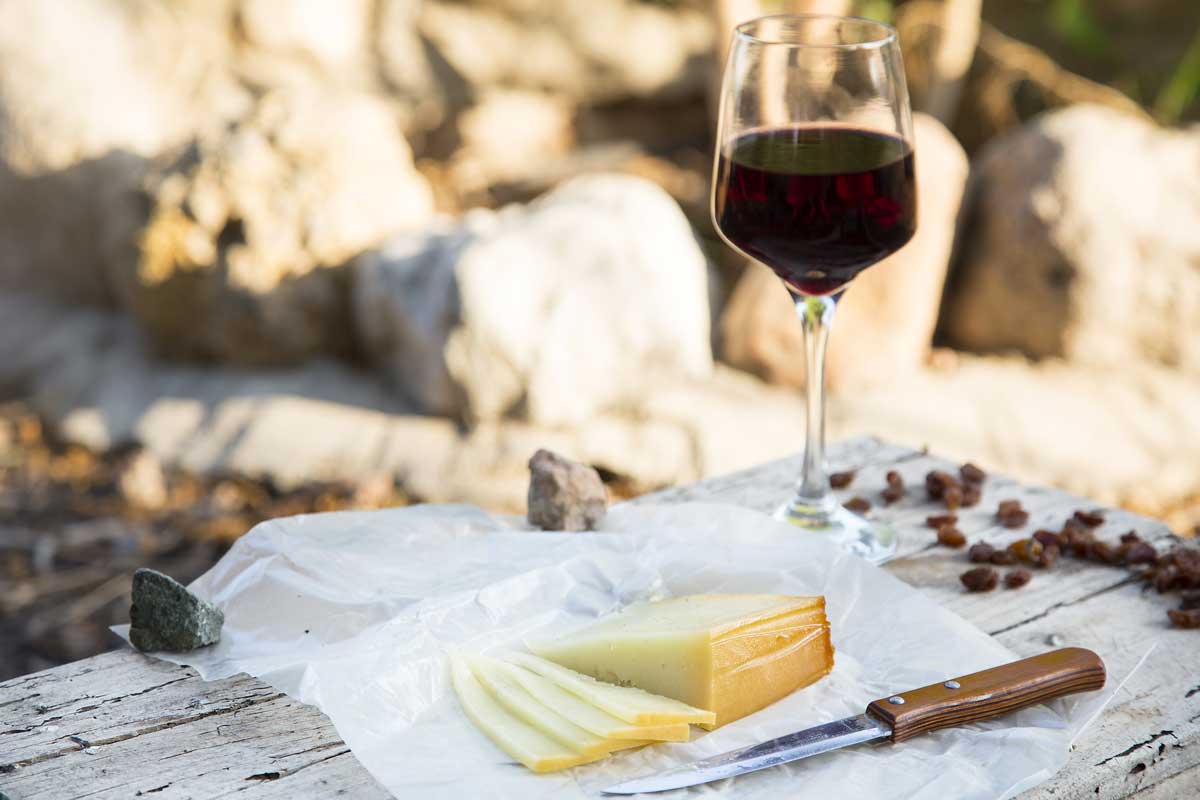
Idiazábal cheese pairs exceptionally well with red wine and cider, enhancing its complex flavors (Cheese.com).
For more on Spanish food pairing suggestions, visit our section on Spanish cheese recipes.
Explore more about other Spanish cheeses such as cabrales cheese, mahón cheese, and tetilla cheese to delve deeper into Spain’s rich cheese heritage.
Idiazábal Cheese Making Process

Milk and Sheep Varieties
Idiazábal cheese is crafted using the raw milk of Latxa and Carranzana sheep, capturing the spirit of its origin in the Basque Country and Navarre, Spain.
These sheep breeds are known for their rich, flavorful milk, which contributes to the distinctive taste of Idiazábal cheese.
The Denomination of Origin Protection (DOP) status ensures that only cheese produced within specific regions following traditional methods can bear the name Idiazábal, preserving its heritage and supporting local economies.
Coagulation and Maturation
The production of Idiazábal cheese involves several meticulous steps that highlight traditional cheese-making techniques.
The process begins by heating the raw milk in large copper vats. Natural lamb rennet is then added to coagulate the milk.
Once curdled, the curds are cut and pressed into molds (Gastronomic Spain).
During the maturation phase, the cheese wheels are aged for a minimum of two months.
Throughout this period, the wheels are regularly turned and brushed with olive oil, which contributes to the development of a semi-hard texture and a rich, nutty flavor (CheesePages).
Smoking and Aging
One of the unique characteristics of Idiazábal cheese is its slightly smoky aroma.
This smoky essence is achieved through a traditional smoking process, which sets it apart from other Spanish cheeses.
The cheese is lightly smoked using beech or cherry wood, adding a distinctive depth of flavor without overpowering the natural taste of the milk.
The aging process continues after smoking, allowing the flavors to mature and develop further.
The result is a semi-hard cheese with a complex, nutty flavor and a subtle smoky undertone.
| Cheese Type | Sheep Breed | Coagulation | Maturation | Smoking |
|---|---|---|---|---|
| Idiazábal | Latxa, Carranzana | Natural Lamb Rennet | Min. 2 months | Beech/Cherry Wood |
The traditional methods and the Denomination of Origin Protection ensure that Idiazábal cheese maintains its unique qualities and supports sustainable practices.
Idiazábal Cheese Nutrition

Fat and Protein Content
Idiazábal cheese is crafted from unpasteurized sheep’s milk, resulting in a nutrient-dense product.
The cheese has a higher fat content compared to some other cheeses, which contributes to its rich and creamy texture.
This fat is essential for providing energy and aiding in the absorption of fat-soluble vitamins.
| Nutrient | Content per 100g |
|---|---|
| Fat | 30g |
| Protein | 25g |
| Calcium | 700mg |
The protein content is also significant, making it an excellent source of this essential macronutrient.
Protein is crucial for building and repairing tissues, as well as for the production of enzymes and hormones.
The high-quality protein found in Idiazábal cheese is easily digestible and beneficial for muscle maintenance and growth.
Idiazábal Cheese Nutritional Benefits
Idiazábal cheese offers a range of nutritional benefits, making it a valuable addition to a balanced diet.
Some of the key benefits include:
- Rich in Calcium: Idiazábal cheese is an excellent source of calcium, which is vital for maintaining strong bones and teeth. Calcium also plays a role in muscle function, nerve transmission, and blood clotting.
- High-Quality Protein: The protein in queso Idiazábal is of high quality, providing all the essential amino acids needed by the body. This makes it an ideal food for supporting muscle repair and growth, especially for those leading an active lifestyle.
- Essential Fats: While the cheese has a higher fat content, these fats are necessary for energy production and the absorption of fat-soluble vitamins such as A, D, E, and K. Consuming moderate amounts of Idiazábal cheese can be part of a healthy diet.
Idiazábal cheese is not only delicious but also packs a nutritional punch, making it a favorite among cheese enthusiasts.
Idiazábal Cheese in Modern Cuisine

Idiazábal cheese, while deeply rooted in tradition, has found a place in modern cuisine, inspiring innovative chefs and home cooks with its versatility and distinctive flavor profile (Recipes.net).
In this section, we explore the best pairings and recipe ideas, as well as culinary inspiration for incorporating this Spanish delight into your dishes.
Pairings and Recipe Ideas
Idiazábal cheese pairs well with a variety of beverages and foods, making it a versatile addition to any culinary repertoire.
For a delightful tasting experience, consider the following pairings:
| Pairing | Description |
|---|---|
| Red Wine | The robust flavors of red wine complement the smokiness of Idiazábal cheese. |
| Cider | The slight sweetness and acidity of cider balance the cheese’s rich flavor. |
| Honey | A drizzle of honey enhances the nutty undertones of the cheese. |
| Walnuts | The earthy crunch of walnuts pairs beautifully with the smooth texture of Idiazábal. |
| Quince Paste | The sweet and tangy flavors of quince paste create a perfect contrast to the cheese. |
One delicious recipe to try is Idiazábal Risotto with Mushrooms.
This dish highlights the unique qualities of Idiazábal cheese and provides a delightful culinary experience.
To make this risotto, grate the cheese and add it to the risotto along with a knob of butter.
Enhance the flavor by adding a healthy dash of white wine during cooking, and consider adding more wine towards the end of the process.
Culinary Inspiration
Idiazábal cheese can be used in a variety of dishes, both traditional and contemporary.
Here are some ideas to inspire your culinary creativity:
- Cheese Platter: Create an exquisite tapas platter featuring Idiazábal cheese alongside other Spanish cheeses like Cabrales cheese, Mahón cheese, and Tetilla cheese.
- Salads: Add grated or crumbled Idiazábal cheese to salads for an extra layer of flavor. It pairs well with fresh greens, nuts, and dried fruits.
- Stuffed Peppers: Use it as a filling for stuffed peppers. Its robust flavor complements the sweetness of roasted peppers.
- Grilled Cheese Sandwiches: Elevate a classic grilled cheese sandwich by using slices of Idiazábal cheese. Its smoky flavor adds a gourmet touch to this comfort food favorite.
- Soups: Incorporate Idiazábal cheese into creamy soups like potato or butternut squash for a rich and savory taste.
For more ideas on how to use queso Idiazábal in your cooking, check out our collection of Spanish cheese recipes.
Whether you are preparing a casual meal or an elaborate feast, Idiazábal cheese is sure to impress with its unique flavor and versatility.
Queso Idiazábal Heritage

Denomination of Origin Protection
Idiazábal cheese, a renowned Spanish cheese, has been granted Denomination of Origin Protection (DOP) status.
This certification ensures that only cheese produced within specific regions following traditional methods can bear the name Idiazábal.
The Designation of Origin for Idiazábal cheese was established in October 1987 to protect the market and ensure the product’s authenticity and quality.
The Regulatory Council certifies the origin of the milk, quality of cheese, and ensures compliance with specific criteria before labeling the product.
Idiazábal cheese must be made exclusively from unmixed, unpasteurized milk of Latxa and Carranzana sheep.
The cheese rind is numbered to ensure traceability (Reyno Gourmet).
Interestingly, the Idiazábal PDO is the first cheese Designation of Origin in Europe to use genetic testing technology to determine whether the milk used in the cheese production comes exclusively from the specified sheep breeds.
DNA technology using real-time PCR is employed for this purpose.
Traditional vs. Modern Practices
The production of Idiazábal cheese beautifully combines traditional methods deeply rooted in Basque culture with modern techniques for efficiency and consistency.
Traditional practices like curdling with natural rennet and aging the cheese with olive oil are still commonly observed among many producers (CheesePages).
Some producers have incorporated modern advancements, such as using stainless steel vats and microbial rennet, to enhance the production process.
This blend of old and new ensures that the cheese maintains its unique flavor and texture while meeting contemporary standards for food safety and quality.
By understanding the Denomination of Origin Protection and the balance between traditional and modern practices, one can truly appreciate the rich heritage and meticulous craftsmanship that goes into producing Idiazábal cheese.
Experiencing Idiazábal Cheese
Tastings and Pairings
Experiencing Idiazábal cheese goes beyond merely tasting it; it involves an immersive journey into its rich flavors and cultural heritage.
The Territory Idiazabal offers unique opportunities for visitors to engage in cheese tastings and pairings, particularly with local beverages like txakoli, presenting a complete sensory and gastronomic experience.
| Cheese Type | Pairing | Description |
|---|---|---|
| Idiazábal | Txakoli | The crisp acidity of txakoli complements the smoky, nutty flavors of Idiazábal. |
| Idiazábal | Red Wine | Full-bodied red wines enhance the robust taste of the cheese. |
| Idiazábal | Quince Paste | The sweetness of quince paste contrasts beautifully with the savory notes of the cheese. |
Visitors can also hike the Route of the Cheese Idiazábal (GR-283), which allows them to explore the production process, visit authentic cheese shops, and participate in lively markets where the cheese is sold.
This route provides a holistic view of the cheese’s journey from farm to table.
Cultural Significance of Idiazábal Cheese

Idiazábal cheese holds a significant place in the cultural landscape of the Basque Country and Navarra.
Originating from the village of Idiazabal, this cheese is deeply intertwined with the region’s history and traditions.
Visitors to Idiazabal can explore the Monument to Pastor and the Center of Interpretation of the Cheese Idiazabal, which offers insights into the cheese’s heritage and its role in the local community.
The cheese is made from raw milk from Latxa and Carranzana sheep, and it must be matured for at least two months to achieve its distinctive flavor.
The sensory nuances of Idiazábal cheese can vary based on factors such as the time of year, grazing area, weather, and the specific techniques used by local cheesemakers.
By engaging in these cultural and culinary experiences, enthusiasts can gain a deeper appreciation for Idiazábal cheese and its place in the rich tapestry of Spanish cheese.
For more on the diverse range of Spanish cheeses, explore our articles on cabrales cheese, mahón cheese, and torta del casar cheese.
More Ingredients
See all →
Jorge Garcia is the founder of AmigoFoods, where he has spent over 20 years helping readers discover authentic Latin American and Spanish cuisine. Raised in a Cuban-American household, Jorge learned to cook at the hands of his mother and grandmother, carrying forward generations of family recipes. That heritage, backed by his family’s four-generation history in the Latin food industry, inspired him to launch AmigoFoods in 2003. With more than 1,000 published articles on recipes, ingredients, and food culture, Jorge’s mission is simple: make authentic Latin cooking approachable for home cooks everywhere while honoring the traditions behind every dish.