

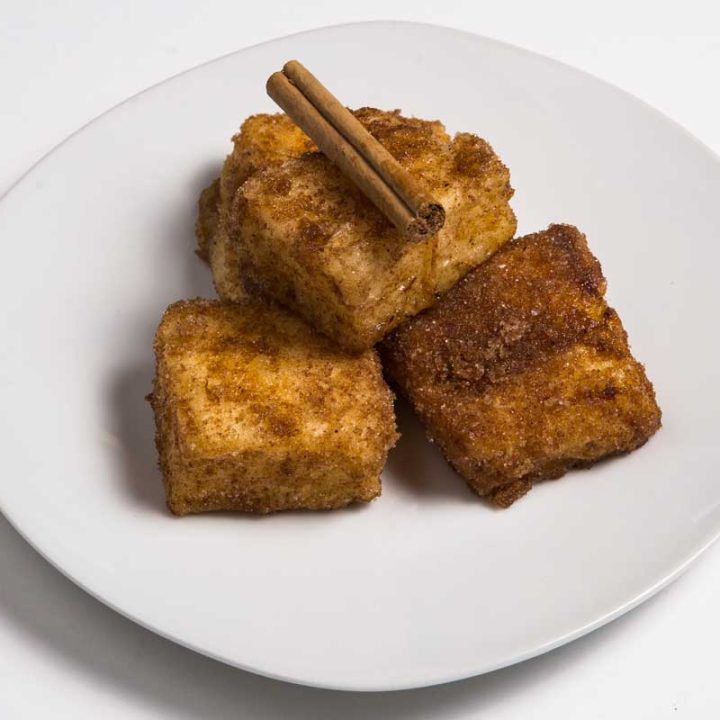
Leche frita turns sweetened milk into cinnamon-scented squares with a creamy center and a crisp, golden coating. This Spanish dessert is finished with cinnamon sugar; prepare the custard ahead so it has at least four hours to chill before frying.
Leche Frita at a Glance

What is Leche Frita?

Leche Frita, which translates to “fried milk,” is a traditional Spanish dessert known for its crispy exterior and silky, custard-like interior.
This indulgent treat is made by thickening sweetened milk with cornstarch, chilling it until firm, then cutting it into squares, coating it in flour and egg, and frying it to golden perfection.
Finally, it’s dusted with cinnamon and sugar, giving it an irresistible aroma and flavor.
Why is it Called “Fried Milk”?
Despite its name, Leche Frita isn’t just liquid milk being fried.
The milk is transformed into a firm custard before being coated and fried, allowing it to hold its shape while achieving a crispy outer layer and a soft, creamy center.
The Signature Texture and Flavor
- Crispy outside – Thanks to the light coating of flour and egg.
- Creamy inside – The thickened milk mixture melts in your mouth.
- Sweet and aromatic – With hints of cinnamon, vanilla, and citrus zest.
The History and Origins of Leche Frita

A Dessert with Monastic Roots
Leche Frita is believed to have originated in northern Spain, particularly in the region of Castile and León, where it was traditionally prepared by nuns in convents.
These convent sweets, known as “Dulces de Convento,” were often made using simple, affordable ingredients like milk, sugar, and flour, transforming them into delightful treats that could be sold to support religious institutions.
From Humble Beginnings to a National Favorite
While its exact origins remain debated, historical references suggest that Leche Frita dates back to the Middle Ages, when Spanish convents became renowned for creating desserts that combined rich dairy flavors with clever cooking techniques.
Over time, this once-humble dish gained popularity beyond monastery walls and became a cherished part of Spanish cuisine.
Leche Frita and Semana Santa
Although Leche Frita is now enjoyed year-round, it holds special significance during Semana Santa (Holy Week).
During this time, many traditional Spanish desserts focus on dairy and eggs, as these ingredients were commonly used in place of meat during religious fasting periods.
Regional Variations Across Spain
As the dessert spread throughout Spain, different regions put their own spin on the recipe:
- Castile and León – Considered the birthplace of Leche Frita, sticking to the classic cinnamon-sugar coating.
- Basque Country & Asturias – Sometimes served with a drizzle of honey or fruit compote.
- Catalonia – Variations influenced by Crema Catalana, adding a hint of citrus or caramelized sugar topping.
- Andalusia – Some versions incorporate sherry or anise liqueur for extra depth of flavor.
Leche Frita in Modern Times
Today, Leche Frita remains a beloved dessert across Spain, found in home kitchens, pastry shops, and high-end restaurants.
While the traditional recipe is still cherished, chefs continue to experiment with flavors, from chocolate-infused versions to vegan adaptations.
This simple yet decadent dessert has stood the test of time, proving that sometimes, the best recipes are the ones passed down for generations.
Traditional Leche Frita Recipe
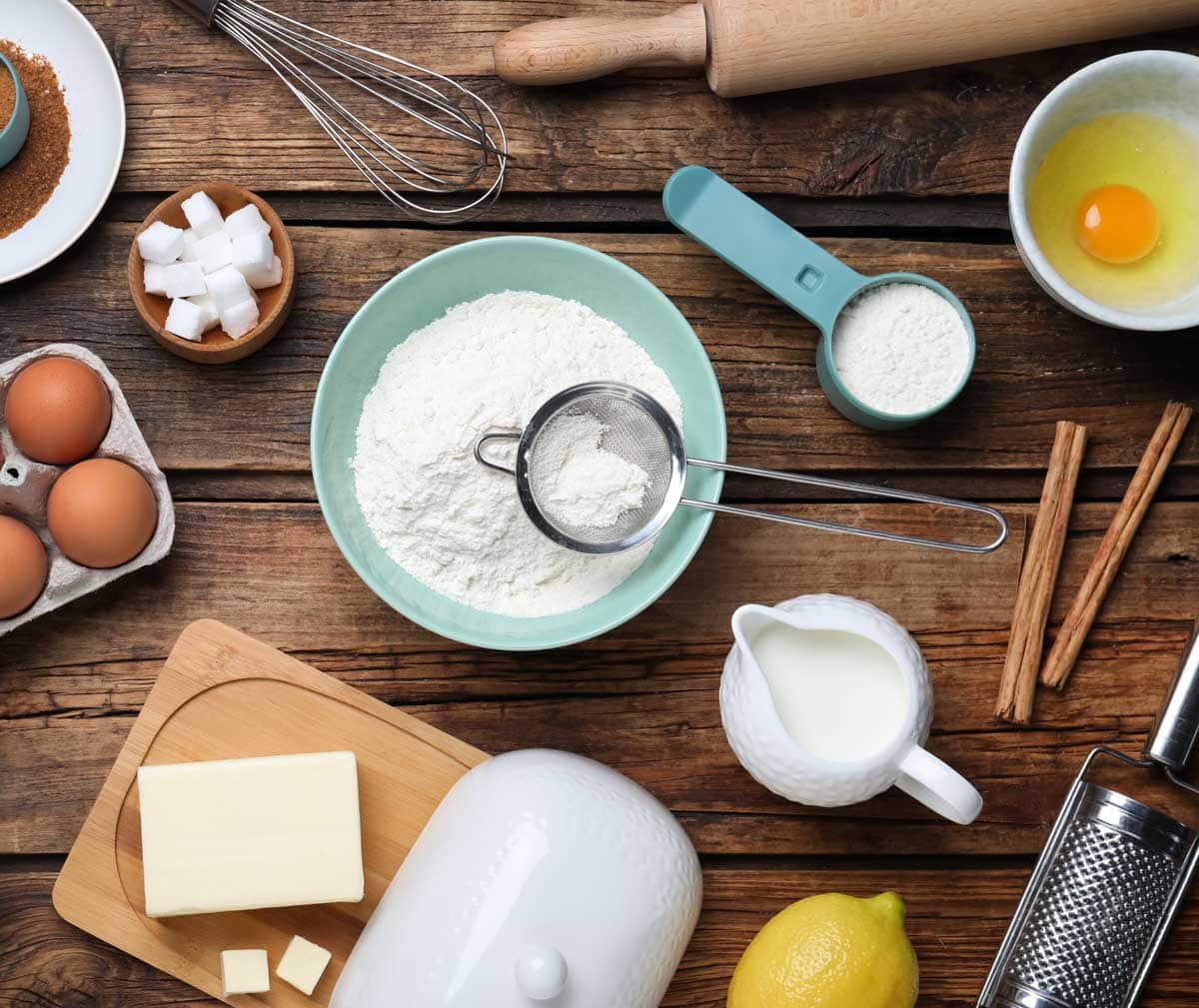
Leche Frita is a simple yet decadent Spanish dessert made with thickened sweet milk, fried to golden perfection, and dusted with cinnamon sugar.
Follow this authentic recipe to recreate the classic crispy-on-the-outside, creamy-on-the-inside treat at home!
Leche Frita Ingredients
Makes 6–8 small servings. Allow about 4 hours 40 minutes, including at least 4 hours chilling.
For the Custard Base
- 2 cups whole milk, divided (reserve ½ cup cold)
- ½ cup granulated sugar
- ½ cup cornstarch
- 1 tsp vanilla extract
- 1 tsp ground cinnamon
- Zest of one lemon
- 1 tbsp unsalted butter (optional)
For Frying and Coating
- ½ cup all-purpose flour
- 2 eggs, beaten
- ½ cup vegetable or sunflower oil, plus more as needed for shallow frying
- ¼ cup granulated sugar plus 1 tsp ground cinnamon, for dusting
Leche Frita Recipe
- Reserve ½ cup cold milk from the measured 2 cups. Warm the remaining 1½ cups with the sugar, cinnamon, lemon zest and vanilla in a saucepan until steaming. Remove from the heat and let stand for 3–5 minutes.
- Whisk the cornstarch into the reserved cold milk until smooth. Whisk this slurry into the warm milk. Cook over medium-low heat, stirring constantly, until very thick and beginning to bubble, about 5 minutes; continue stirring for 1 minute. It should hold a spatula trail, not remain a pourable pudding. Stir in the optional butter.
- Spread in a lightly greased or parchment-lined small dish, about ¾ inch (2 cm) thick. Cover the surface with food-safe wrap suitable for warm food. Refrigerate promptly for at least 4 hours, or overnight, until completely cold and firm enough to lift and cut.
- Cut into 12–16 small squares or rectangles, allowing 2 pieces per serving. Dust lightly with flour, then dip in beaten egg.
- Heat the oil in a frying pan to about 340–350°F (170–175°C), adding enough for shallow frying. Fry in small batches for about 2 minutes per side, until golden and the coating is cooked. Adjust the heat between batches and drain on paper towels.
- Mix the dusting sugar and cinnamon. Coat the pieces while warm and serve. Allow about 15 minutes prep and 25 minutes cooking, plus at least 4 hours chilling; extra batches or overnight chilling extend the total.
Recipe Notes
Yield: 6–8 small dessert servings (12–16 pieces). Use only 2 cups milk in total; the slurry milk is reserved from that amount. The minimum planned time is about 4 hours 40 minutes, including 4 hours chilling. Do not fry custard that is still soft.
This version uses ground cinnamon and finely grated lemon zest, which stay in the custard. A cinnamon stick and strips of lemon peel can be infused instead and removed before thickening. Cornstarch can replace the flour coating for a gluten-free version; check all ingredients and avoid cross-contact.
Best freshly fried. Refrigerate leftovers promptly in a covered container and use within 2 days. Reheat in an oven or pan until hot throughout; the coating may soften. Freezing can make this cornstarch custard watery, so refrigeration is preferable. Oven, air-fryer and vegan versions need their own tested method rather than direct timing or ingredient substitutions.
Serving Suggestions
- Classic – Enjoy as is, warm or at room temperature.
- With Ice Cream – Pair with a scoop of vanilla or cinnamon ice cream.
- Drizzled with Honey or Caramel – Adds a luscious sweetness.
- With a Side of Chocolate Sauce – A rich contrast to the crispy exterior.
This authentic Leche Frita recipe brings a taste of Spain’s rich dessert traditions into your home.
Expert Tips for Perfect Leche Frita
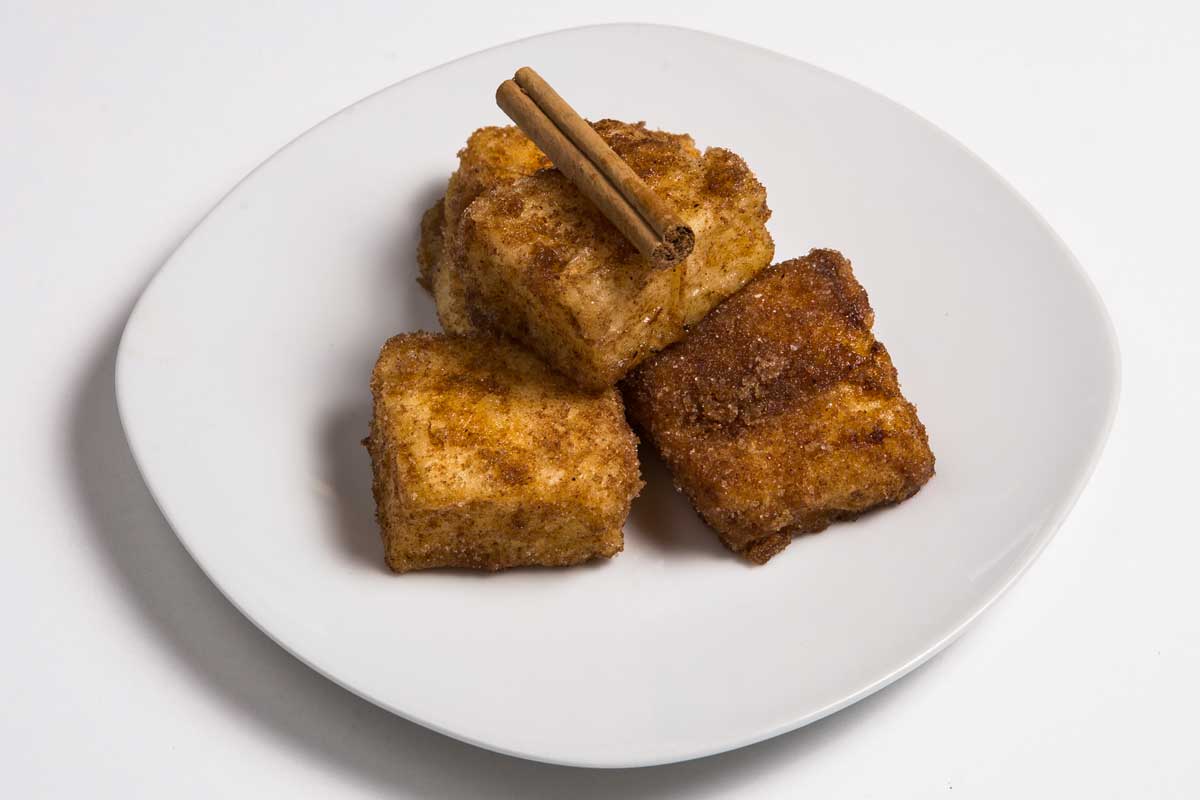
Mastering Leche Frita requires the perfect balance of creaminess, crispiness, and flavor.
Follow these expert tips to achieve restaurant-quality results every time!
1. Use Full-Fat Milk for the Creamiest Texture
- Whole milk creates a rich and velvety custard.
- For extra decadence, replace ½ cup of milk with heavy cream.
- Avoid skim or low-fat milk, as they may result in a watery texture.
2. Flavor the Milk
This recipe uses ground cinnamon and grated zest, which remain in the custard. If using a cinnamon stick and lemon-peel strips instead, remove them before adding the cornstarch slurry.
3. Stir Constantly to Prevent Lumps
- Whisk cornstarch and sugar into cold milk before heating to avoid clumping.
- Stir continuously over medium heat until the custard thickens.
- Use a fine-mesh strainer if needed to remove any lumps.
4. Chill the Custard Overnight for Better Texture ❄️
- Pour the custard into a shallow dish and cover with plastic wrap (directly touching the surface to prevent skin from forming).
- Refrigerate for at least 4 hours—overnight is best for a firmer texture.
- Well-chilled custard holds its shape better when frying.
5. Cut Evenly for Perfectly Fried Squares
- Use a sharp, greased knife to cut the custard into uniform squares or rectangles.
- Smaller pieces are easier to handle and fry evenly.
6. The Secret to a Crispy Coating
- Lightly dust the squares with flour before dipping them in beaten egg.
- Ensure the oil is at the right temperature (350°F / 175°C)—too hot and the coating burns; too low and the dessert absorbs too much oil.
- Fry in small batches to maintain an even temperature.
7. Drain Excess Oil for a Lighter Finish ️
- After frying, transfer Leche Frita to a paper towel-lined plate to absorb excess oil.
- Let it rest for 1-2 minutes before coating in cinnamon sugar to prevent sogginess.
8. Coat While Warm for the Best Cinnamon-Sugar Flavor
- Roll the warm Leche Frita in a mixture of sugar and cinnamon to help it adhere better.
- For extra flavor, try adding a pinch of nutmeg or cocoa powder to the coating.
9. Alternative Cooking Methods
The recipe here is shallow-fried. Baking or air-frying changes the coating and needs a separately developed method; the frying times do not transfer directly.
10. Serve It Like a Pro
- Pair with dulce de leche, honey, or chocolate sauce for an indulgent touch.
- Serve alongside vanilla ice cream or fresh berries to balance the sweetness.
- Enjoy it warm for the crispiest texture or at room temperature for a chewier bite.
Perfecting Leche Frita Takes Practice!
With these expert tips, you’ll master the art of making crispy, creamy, and flavorful Leche Frita every time.
Give it a try and impress your guests with this iconic Spanish dessert! ✨
Where to Try the Best Leche Frita in Spain
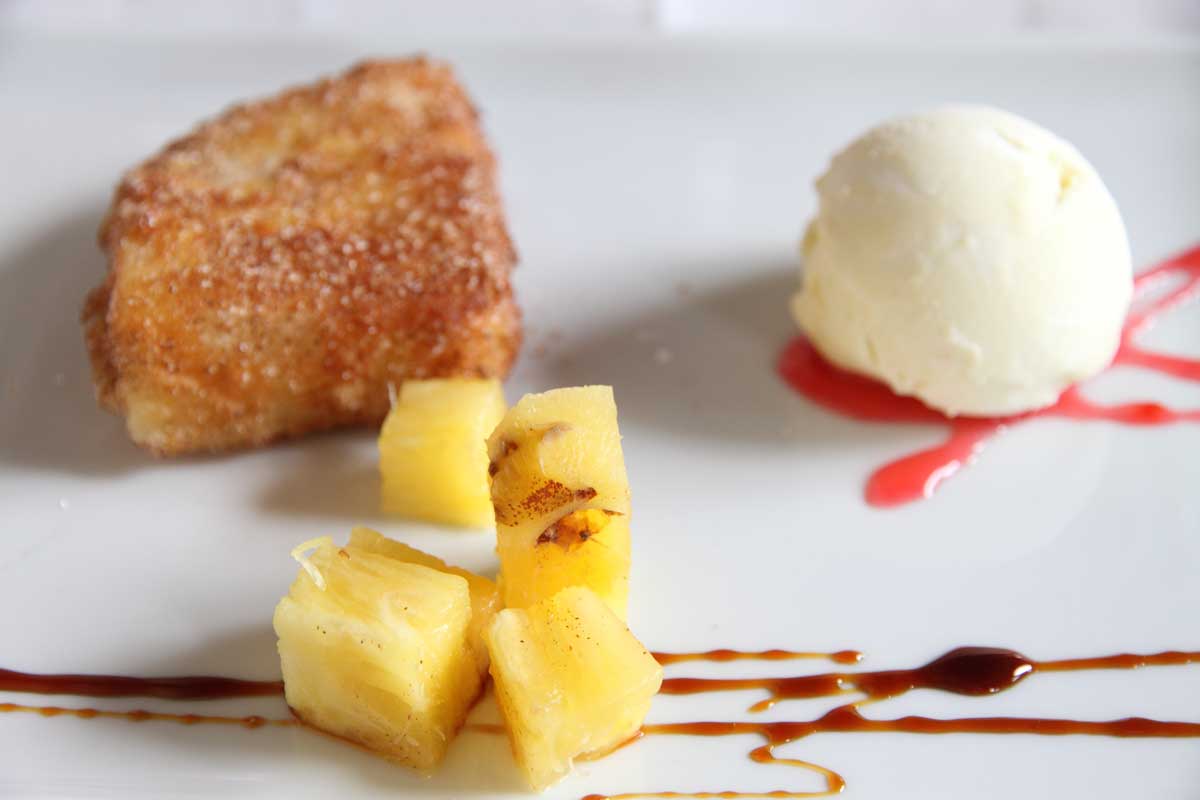
If you want to experience authentic, expertly made Leche Frita, Spain is the best place to indulge in this classic dessert.
From traditional pastry shops to high-end restaurants, here are some of the best spots to enjoy Leche Frita across Spain!
1. Castilla y León – The Birthplace of Leche Frita
As the region where Leche Frita originated, Castilla y León is home to some of the best versions of this dessert.
Cities like Valladolid, León, and Burgos offer authentic, time-honored recipes.
Best Places to Try It:
- Confitería Conrado (León) – A historic bakery with traditional Leche Frita dusted in cinnamon sugar.
- Mesón del Cid (Burgos) – A renowned restaurant serving a homemade version of this classic.
2. Madrid – Classic and Gourmet Takes on Leche Frita ️
Madrid’s vibrant food scene offers both traditional and modern interpretations of Leche Frita, making it a must-visit destination for dessert lovers.
Best Places to Try It:
- Casa Lucio – Famous for its Spanish comfort food, including a decadent Leche Frita.
- La Mallorquina – One of Madrid’s most famous pastry shops, serving a perfect rendition of this dessert.
- DiverXO (Michelin Star Restaurant) – A creative, gourmet version with unique twists.
3. Basque Country & Asturias – A Rich and Creamy Variation
In the north of Spain, Leche Frita is often served with honey, caramel sauce, or fruit compote, giving it a regional twist.
Best Places to Try It:
- Pastelería Aramendia (San Sebastián) – Known for its ultra-creamy texture and citrus-infused flavors.
- Sidrería El Gaitero (Asturias) – A cider house offering Leche Frita with a drizzle of Asturian honey.
4. Andalusia – A Liqueur-Infused Delight
In Andalusia, Leche Frita is often made with a splash of anise liqueur or brandy, enhancing its warm, aromatic flavors.
Best Places to Try It:
- Casa Morales (Seville) – A traditional tapas bar serving a boozy twist on Leche Frita.
- Los Manueles (Granada) – A well-known restaurant famous for its crunchy yet soft version of the dessert.
5. Barcelona – Modern and Creative Interpretations ️
In Barcelona, chefs have reimagined Leche Frita with new flavors and creative presentations, making it a must-try for foodies.
Best Places to Try It:
- Escribà – A legendary pastry shop offering a chocolate-infused version.
- Tickets (by Albert Adrià) – A Michelin-starred spot where Leche Frita is elevated with unexpected twists.
6. Where to Try Leche Frita During Semana Santa ⛪
Leche Frita is especially popular during Semana Santa (Holy Week), where you’ll find it at:
- Local bakeries and pastry shops across Spain.
- Traditional family-run restaurants serving Easter desserts.
- Food markets and Semana Santa street fairs, particularly in Seville, Valladolid, and Madrid.
Ready to Taste the Best Leche Frita in Spain?
Whether you’re in Castilla y León for an authentic experience or exploring modern versions in Barcelona, Leche Frita is a must-try Spanish dessert.
If you can’t make it to Spain, try making your own at home with an authentic recipe!
Frequently Asked Questions About Leche Frita

Leche Frita is a beloved Spanish dish, but many people have questions about its preparation, history, and best ways to enjoy it.
Here are answers to some of the most commonly asked questions about Leche Frita!
1. Is Leche Frita served hot or cold?
Leche Frita can be enjoyed both warm and at room temperature. Many people prefer it warm, as the contrast between the crispy exterior and creamy interior is more pronounced. However, it can also be served chilled, making it a refreshing treat on warm days.
2. How long does Leche Frita last in the fridge?
Refrigerate leftovers promptly in a covered container and use within 2 days. Freshly fried pieces have the best texture.
3. Can you freeze Leche Frita?
Freezing can make the cornstarch custard watery when thawed. For this version, chill the custard overnight and fry the next day instead.
4. What is the best way to reheat Leche Frita?
Reheat in a pan or oven until hot throughout. Timing depends on the size of the pieces; the coating may soften.
5. Is Leche Frita gluten-free?
Traditional Leche Frita is not gluten-free due to the use of flour for coating. However, you can make a gluten-free version by:
- Replacing flour with cornstarch or gluten-free flour.
- Ensuring all ingredients (like baking powder or flavorings) are gluten-free.
6. Can Leche Frita be made vegan?
Vegan versions exist, but plant-based milks and egg-free coatings behave differently. Use a recipe developed for those ingredients; this recipe contains milk and eggs.
7. What does Leche Frita taste like?
Leche Frita has a delightfully crispy crust with a soft, creamy, and custard-like interior. Its flavor is a combination of sweet milk, cinnamon, vanilla, and citrus, making it both comforting and indulgent.
8. Why is my Leche Frita falling apart when frying?
If your Leche Frita isn’t holding its shape, it may be due to:
- Not chilling the custard long enough – Refrigerate for at least 4 hours or overnight for firmness.
- Using too little cornstarch – Ensure you add the right amount to thicken the mixture properly.
- Overcrowding the pan – Fry in small batches so the oil temperature stays consistent.
9. What’s the difference between Leche Frita and Crema Catalana?
While both are Spanish custard desserts, they have key differences:
- Leche Frita is thicker, cut into squares, and fried, resulting in a crispy crust and creamy interior.
- Crema Catalana is similar to crème brûlée, served in a dish with a caramelized sugar topping instead of being fried.
10. What are some delicious toppings for Leche Frita?
While traditional Leche Frita is coated in cinnamon sugar, you can enhance it with:
- Honey or caramel drizzle
- Chocolate sauce
- Fresh berries or fruit compote
- Dulce de leche
- Powdered sugar for a lighter sweetness
Leche Frita is a deceptively simple yet utterly delicious Spanish dessert that’s easy to customize.
Why Leche Frita is a Must-Try Spanish Dessert
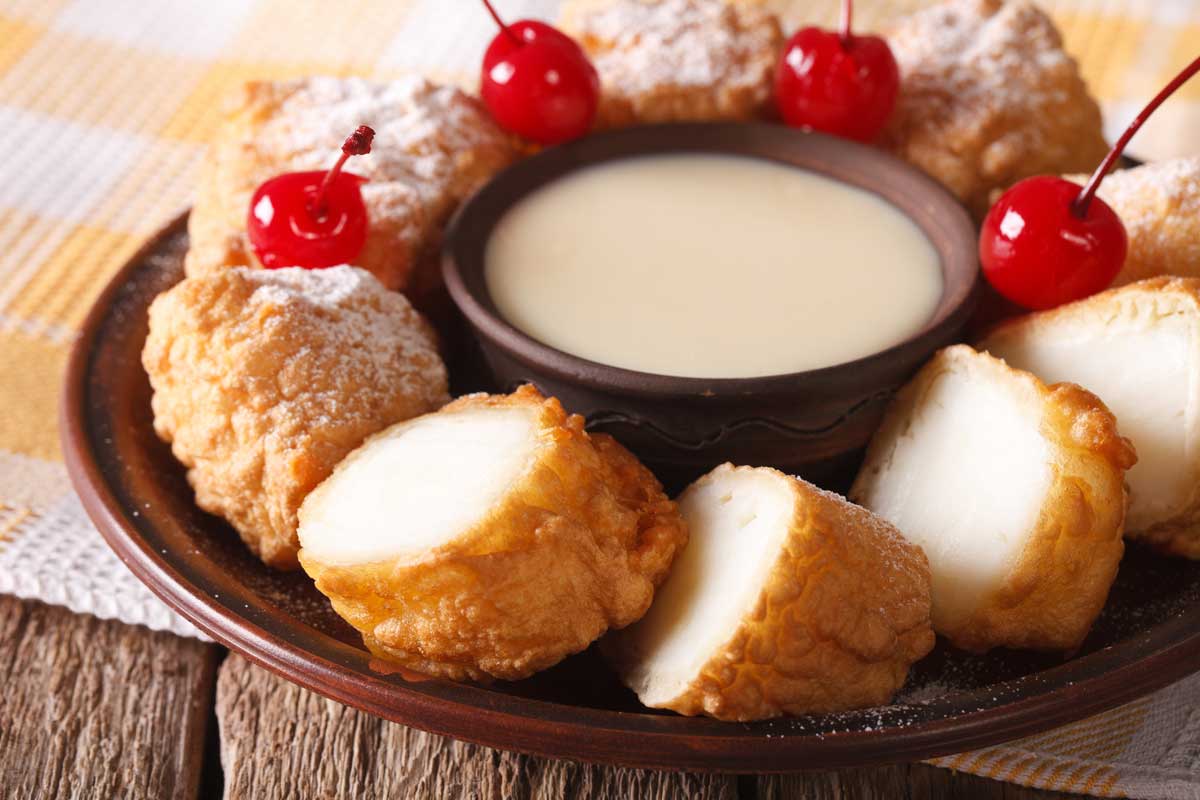
Leche Frita is a crispy, creamy, and irresistibly sweet Spanish dessert that captures the essence of traditional Spanish sweets.
Whether you’re indulging in a classic homemade recipe or trying a modern twist in a Spanish restaurant, this fried milk delight is a must-try for any dessert lover.
From its humble origins in Castilla y León to its status as a Semana Santa favorite, Leche Frita has remained a timeless treat that continues to captivate food enthusiasts worldwide.
If you haven’t tried it yet, now is the perfect time to make your own at home or seek out the best versions in Spain.
Ready to experience the magic of Leche Frita?
Try it today and savor the perfect balance of crunch, creaminess, and cinnamon-sugar goodness! ✨
Leche Frita Recipe
Leche Frita is a classic Spanish dessert featuring a creamy, cinnamon-infused custard that's chilled, cut into squares, coated, and fried to golden perfection. A crispy exterior gives way to a melt-in-your-mouth, silky interior, making it a beloved treat across Spain. Dust it with cinnamon sugar for the perfect finishing touch!
Ingredients
For the Custard Base
- 2 cups whole milk, divided (reserve ½ cup cold)
- ½ cup granulated sugar
- ½ cup cornstarch
- 1 tsp vanilla extract
- 1 tsp ground cinnamon
- Zest of one lemon
- 1 tbsp unsalted butter (optional)
For Frying and Coating
- ½ cup all-purpose flour
- 2 eggs, beaten
- ½ cup vegetable or sunflower oil, plus more as needed for shallow frying
- ¼ cup granulated sugar plus 1 tsp ground cinnamon, for dusting
Instructions
- Reserve ½ cup cold milk from the measured 2 cups. Warm the remaining 1½ cups with the sugar, cinnamon, lemon zest and vanilla in a saucepan until steaming. Remove from the heat and let stand for 3–5 minutes.
- Whisk the cornstarch into the reserved cold milk until smooth. Whisk this slurry into the warm milk. Cook over medium-low heat, stirring constantly, until very thick and beginning to bubble, about 5 minutes; continue stirring for 1 minute. It should hold a spatula trail, not remain a pourable pudding. Stir in the optional butter.
- Spread in a lightly greased or parchment-lined small dish, about ¾ inch (2 cm) thick. Cover the surface with food-safe wrap suitable for warm food. Refrigerate promptly for at least 4 hours, or overnight, until completely cold and firm enough to lift and cut.
- Cut into 12–16 small squares or rectangles, allowing 2 pieces per serving. Dust lightly with flour, then dip in beaten egg.
- Heat the oil in a frying pan to about 340–350°F (170–175°C), adding enough for shallow frying. Fry in small batches for about 2 minutes per side, until golden and the coating is cooked. Adjust the heat between batches and drain on paper towels.
- Mix the dusting sugar and cinnamon. Coat the pieces while warm and serve. Allow about 15 minutes prep and 25 minutes cooking, plus at least 4 hours chilling; extra batches or overnight chilling extend the total.
Notes
Yield: 6–8 small dessert servings (12–16 pieces). Use only 2 cups milk in total; the slurry milk is reserved from that amount. The minimum planned time is about 4 hours 40 minutes, including 4 hours chilling. Do not fry custard that is still soft.
This version uses ground cinnamon and finely grated lemon zest, which stay in the custard. A cinnamon stick and strips of lemon peel can be infused instead and removed before thickening. Cornstarch can replace the flour coating for a gluten-free version; check all ingredients and avoid cross-contact.
Best freshly fried. Refrigerate leftovers promptly in a covered container and use within 2 days. Reheat in an oven or pan until hot throughout; the coating may soften. Freezing can make this cornstarch custard watery, so refrigeration is preferable. Oven, air-fryer and vegan versions need their own tested method rather than direct timing or ingredient substitutions.
More Spanish Foods
See all →
Jorge Garcia is the founder of AmigoFoods, where he has spent over 20 years helping readers discover authentic Latin American and Spanish cuisine. Raised in a Cuban-American household, Jorge learned to cook at the hands of his mother and grandmother, carrying forward generations of family recipes. That heritage, backed by his family’s four-generation history in the Latin food industry, inspired him to launch AmigoFoods in 2003. With more than 1,000 published articles on recipes, ingredients, and food culture, Jorge’s mission is simple: make authentic Latin cooking approachable for home cooks everywhere while honoring the traditions behind every dish.