

Magdalenas are lemon-scented Spanish muffins made with olive oil and topped with a little sugar. These beloved Spanish treats make about 12 muffins in 1 hour 10 minutes, including chilling and a short cooling period.
Magdalenas at a Glance
What are Magdalenas?

Magdalenas are traditional Spanish pastries, resembling muffins or cupcakes but with a distinctive flavor and texture.
These fluffy, light, and airy treats are typically made from simple ingredients like flour, eggs, sugar, lemon zest, and olive oil, giving them a unique Mediterranean twist.
While they might seem similar to the popular American muffin or the French madeleine, Magdalenas have their own identity.
They are often made in fluted paper molds and are known for their signature dome-shaped tops, which are crisp on the outside and soft on the inside.
History and Origins of Magdalenas
The origins of Magdalenas can be traced back to Spain, although the exact historical details are a bit hazy.
Some historians suggest that they originated in Castile-La Mancha, a region known for its rich culinary traditions.
Others argue that their origin is tied to the French madeleine, which was introduced to Spain during times of cultural exchange.
Regardless of their exact origin, Magdalenas became an integral part of Spanish culinary culture.
They were traditionally baked at home and enjoyed during family gatherings or holidays, making them a nostalgic treat for many Spaniards.
Over time, the Spanish muffins gained popularity across Spain, and today, you can find them in bakeries, cafés, and even supermarkets across the country.
They are especially popular in regions like Madrid, Andalusia, and Valencia, where they are often served with a steaming cup of coffee or “café con leche.”
Authentic Magdalenas Recipe

This two-egg version uses 200 g flour and 100 ml each of milk and olive oil. Metric measurements govern the recipe: 100 ml is less than a US half cup. Chill the batter for 30 minutes, then bake in a preheated 400°F (200°C) oven for 15–20 minutes.
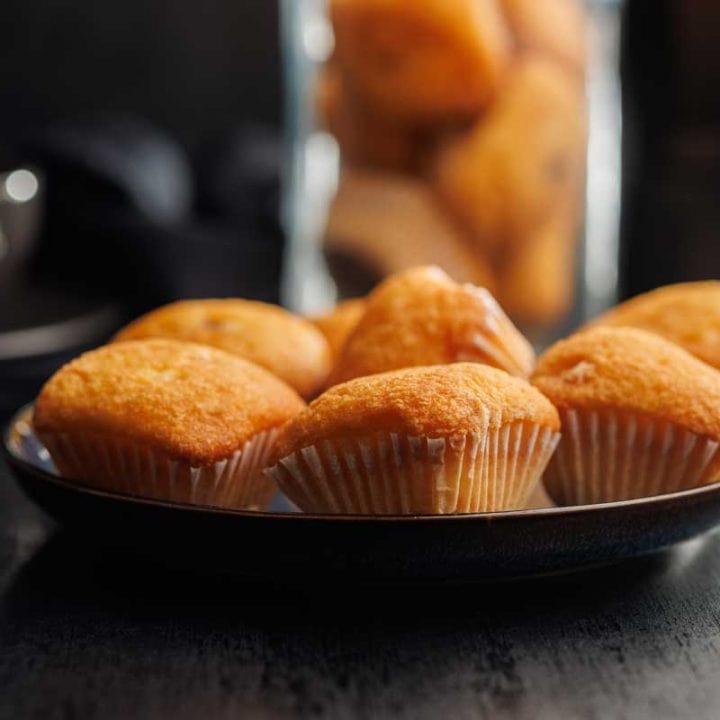
Magdalenas (Spanish Lemon Muffins)
Spanish lemon muffins made with olive oil, with a light crumb and a crisp sugar topping.
Ingredients
- 2 large eggs
- 200 g granulated sugar (1 cup), plus 1 tablespoon for topping
- 100 ml mild olive oil (6 tablespoons plus 2 teaspoons)
- 100 ml whole milk (6 tablespoons plus 2 teaspoons)
- 200 g all-purpose flour (about 1 2/3 cups, spooned and leveled)
- 10 g baking powder (about 2 1/2 teaspoons; check your brand)
- Finely grated zest of 1 lemon
- 1 pinch salt
- Powdered sugar for dusting, optional
Instructions
- Beat the eggs and 200 g sugar in a mixing bowl until pale and thick, about 3–5 minutes with an electric mixer.
- Gradually beat in the olive oil, then the milk and lemon zest. Whisk the flour, baking powder and salt together separately. Fold the dry ingredients into the wet mixture just until no dry flour remains.
- Cover and refrigerate the batter for 30 minutes. During the final part of chilling, preheat a conventional oven to 400°F (200°C) and line a 12-cup standard muffin tin with paper liners.
- Divide the chilled batter among the liners, filling them about three-quarters full. Muffin-tin sizes vary; use an extra lined cup if needed rather than overfilling. Sprinkle the tablespoon of topping sugar over the portions.
- Bake on the middle rack for 15–20 minutes, until golden and a toothpick inserted in the center comes out clean. Avoid opening the oven during the first 15 minutes.
- Cool in the tin for 5 minutes, then transfer to a wire rack. Serve warm or cool completely before storing. Dust with powdered sugar if desired. Makes approximately 12 standard muffins.
Notes
Timing: 15 minutes preparation, 30 minutes chilling, up to 20 minutes baking and 5 minutes initial cooling: about 1 hour 10 minutes. Allow longer for complete cooling before storage.
Metric amounts govern this recipe. In particular, 100 ml is less than a US half cup; weighing flour and baking powder avoids conflicting volume conversions. This retains the article’s two-egg formula and 30-minute rest.
Use orange zest instead of lemon or add 1 teaspoon cinnamon. Store fully cooled muffins airtight for up to 3 days in a cool room, or freeze individually for up to 3 months. Contains wheat, eggs and milk. Gluten-free blends and egg substitutes are not guaranteed direct replacements; use a recipe developed for those requirements.
How to Serve Magdalenas

One of the best things about Spanish Magdalenas is their versatility.
These Spanish sweet treats are perfect for a variety of occasions, whether it’s breakfast, a snack, or even dessert.
In Spain, they are traditionally enjoyed during breakfast with a cup of coffee, particularly café con leche.
The slightly sweet and zesty flavor of Magdalenas pairs perfectly with the rich, creamy taste of coffee.
Some Spaniards even dunk their Magdalenas into their coffee, softening the crunchy exterior and enhancing the flavor.

Magdalenas are also a popular snack for children after school.
Whether paired with milk or eaten on their own, they make for a wholesome treat that’s both satisfying and light.
Finally, Magdalenas can be served as a simple dessert.
While they don’t require any toppings, you can always get creative by adding a dusting of powdered sugar, a drizzle of chocolate, or even a dollop of whipped cream for an extra indulgent treat.
Magdalenas vs. Muffins: What’s the Difference?
At first glance, Magdalenas might seem similar to muffins, but there are some key differences that set them apart.
- Ingredients: While muffins often use butter, Magdalenas traditionally use olive oil, which gives them a lighter texture and a more Mediterranean flavor profile. The use of lemon zest in Magdalenas also adds a refreshing citrus note, which isn’t common in most muffin recipes.
- Texture: Magdalenas are typically lighter and fluffier than muffins. They have a crisp exterior, thanks to the sugar sprinkled on top before baking, while muffins tend to be denser and more moist.
- Shape: Muffins are usually baked in straight-sided liners, giving them a uniform appearance, while Magdalenas are baked in fluted paper molds, creating a distinctive dome-shaped top.
- Serving Occasions: While muffins are often considered a breakfast item in the U.S., Magdalenas are more versatile. In Spain, they are enjoyed throughout the day, from breakfast to an afternoon snack or even dessert.
Variations of Magdalenas
While the classic lemon-flavored Magdalenas are a favorite, there are plenty of ways to get creative with this recipe.
Here are a few popular variations:
- Chocolate Magdalenas: Add a handful of chocolate chips or a tablespoon of cocoa powder to the batter for a richer, more indulgent version.
- Orange Magdalenas: Swap out the lemon zest for orange zest to give the muffins a different citrus twist.
- Cinnamon Magdalenas: Mix in a teaspoon of ground cinnamon to the batter for a warm, spiced flavor.
By experimenting with different flavors, you can make Magdalenas your own while still enjoying their traditional essence.
Nutrition and Dietary Notes
These popular Spanish pastries are sweet baked treats. Olive oil contributes unsaturated fat, but the recipe also contains sugar; using olive oil does not automatically make a muffin a healthier choice.
The recipe contains wheat, eggs and milk. Check labels for any additional allergens.
Magdalenas FAQs

Can I freeze Magdalenas?
Yes! Magdalenas freeze well. Simply wrap them individually in plastic wrap and place them in a freezer-safe bag. To enjoy them later, just thaw at room temperature or pop them in the microwave for a few seconds.
How should I store Magdalenas?
Store your Magdalenas in an airtight container at room temperature for up to three days. Cool them completely before sealing the container. For longer storage, freeze individually for up to three months.
Can I make gluten-free Magdalenas?
A gluten-free baking blend may change the rise and texture. For a dependable result, use a magdalenas recipe developed for that blend rather than assuming a direct substitution will work.
Are Magdalenas vegan?
This recipe contains eggs and milk. Plant milk and flax or chia eggs can change its structure; use a dedicated vegan recipe for that variation.
Magdalenas Should Be Your Next Baking Adventure

Magdalenas are a classic Spanish treat that offers a little taste of Spain with every bite.
Whether you’re enjoying them for breakfast, a snack, or dessert, these light and fluffy pastries are sure to delight.
Their simple ingredients and easy preparation make them a perfect recipe to try at home, and with the variations we’ve provided, you can put your own spin on this beloved Spanish muffin.
So, gather your ingredients, preheat your oven, and experience the joy of baking and eating traditional Spanish Magdalenas!
More Spanish Foods
See all →
Jorge Garcia is the founder of AmigoFoods, where he has spent over 20 years helping readers discover authentic Latin American and Spanish cuisine. Raised in a Cuban-American household, Jorge learned to cook at the hands of his mother and grandmother, carrying forward generations of family recipes. That heritage, backed by his family’s four-generation history in the Latin food industry, inspired him to launch AmigoFoods in 2003. With more than 1,000 published articles on recipes, ingredients, and food culture, Jorge’s mission is simple: make authentic Latin cooking approachable for home cooks everywhere while honoring the traditions behind every dish.