

Mexican horchata is a sweet rice-and-cinnamon agua fresca served cold. This creamy version uses evaporated and sweetened condensed milk, with optional lime zest and vanilla. It takes about 15 minutes of active preparation, plus an overnight soak.
Mexican Horchata at a Glance
Mexican Horchata History and Overview

The Mexicans have a remarkably unique way of making fresh drinks.
Their aguas frescas, which directly translates to “cool water”, are as tasty as typical smoothies, yet way more refreshing.
Why? Well, unlike smoothies, aguas frescas are mostly based on water, which is responsible for the impeccable thirst-quenching nature.
You can add fruits and even vegetables to enjoy an additional sweet flavor, but water should always comprise the highest percentage.
Technically speaking, horchata is a type of aguas frescas and a staple of Mexican cuisine and one of Mexico’s most popular street foods.
But instead of using fruits, Mexicans use rice and milk to get a thicker, richer drink.
How Did It Arrive in Mexico?

Historians believe that the word “horchata” developed from “Hordeum” — the scientific name of barley.
Using barley seeds to make sweetened drinks were extremely common among many ancient nations, especially the Arabian Peninsula.
Around 700 AD, the Arabs introduced this tradition to the Spanish cuisine after the Muslim conquest.
Horchata traditions reached Mexico during the Spanish colonial period and developed into distinct local recipes.
With time, using barley started to decline, which left the stage open for the unique use of rice and milk.
Mexican Horchata Ingredients

- 3 cups uncooked long-grain white rice, rinsed
- 2 Mexican (Ceylon) cinnamon sticks
- 10 cups cold drinking water, divided, plus more to taste
- 1 can (12 fl oz / 354 ml) evaporated milk
- 1 can (14 oz / 397 g) sweetened condensed milk, or to taste
- 1 teaspoon finely grated lime zest, optional
- 1 teaspoon vanilla extract, optional
- Ice, for serving
How to Make Authentic Mexican Horchata

- Put the rinsed rice, cinnamon and 5 cups of cold water in a large bowl. Cover and refrigerate for at least 8 hours or overnight.
- Blend the soaked rice, cinnamon and soaking water in manageable batches, adding some of the remaining 5 cups water to help the blender circulate. If using hard cassia cinnamon instead of brittle Mexican cinnamon, remove the sticks before blending.
- Strain through a fine-mesh sieve lined with clean cheesecloth or a nut-milk bag into a large pitcher. Repeat if gritty and discard the strained solids.
- Stir in the evaporated milk, sweetened condensed milk to taste, optional lime zest and vanilla, and the remaining measured water. Thin with more cold water if desired.
- Serve over ice, or keep refrigerated until serving. Stir well each time because the rice settles.
Timing, texture and substitutions
Makes approximately 12 cups (12 one-cup servings), depending on straining and dilution. Allow 15 minutes active preparation plus at least 8 hours refrigerated soaking; no cooking is required. This is a creamy canned-milk variation, not the only traditional style. Evaporated milk is unsweetened; sweetened condensed milk supplies sugar as well as richness. For a dairy-free variation, replace both cans with 3 cups unsweetened plant milk and start with 1/2 cup sugar, adjusting to taste. Add the final water gradually. Keep refrigerated and use within 3 days. Equipment: blender, large covered bowl, lined fine-mesh sieve or nut-milk bag, and a 1-gallon pitcher.
A fine-mesh strainer helps remove coarse rice particles. Check the labels on canned milk and sweetened condensed milk: they are different products and are not interchangeable in equal amounts.
Alternative Recipe #1: Agua de Avena
Agua de avena is a related oat drink with its own texture and method. Use a dedicated oat-drink recipe rather than substituting steel-cut oats directly into this rice recipe; the grain type affects soaking and blending.
Alternative Recipe #2: Vegan Horchata
Replace both canned milks with 3 cups unsweetened almond, soy or other plant milk. Start with 1/2 cup sugar and adjust to taste. Add the finishing water gradually until the drink has the consistency you like.
Alternative Recipe #3: Spanish Horchata (Tiger Nut Horchata)

If you’re interested in trying the authentic horchata, you might as well experiment with the older Spanish variant — tiger nut horchata or horchata de chufa.
Tiger nuts need their own soaking and blending method. Follow the linked Spanish recipe rather than making a direct rice substitution. The finished drink’s sweetness and richness depend on the recipe; strained horchata is not nutritionally equivalent to eating the whole ingredient.
To Sum Up Mexican Horchata

Regardless of which ingredient you pick, horchatas will always live up to their immediate refreshing reputation.
The Mexican Horchata combines rice with sweetened and evaporated milk.
Although this mixture is already sweet enough, you can crank it up a notch by adding hot chocolate powder.
My favorite alternative recipe is the Spanish tiger nut horchata.
Both styles are refreshing; choose the flavor and texture you prefer.
Cheers! Or better yet, Salud!
Now that you know about one of Mexico’s favorite drinks, what are some of Mexico’s best foods?
Read Mexico’s Best 55 Foods and find out.
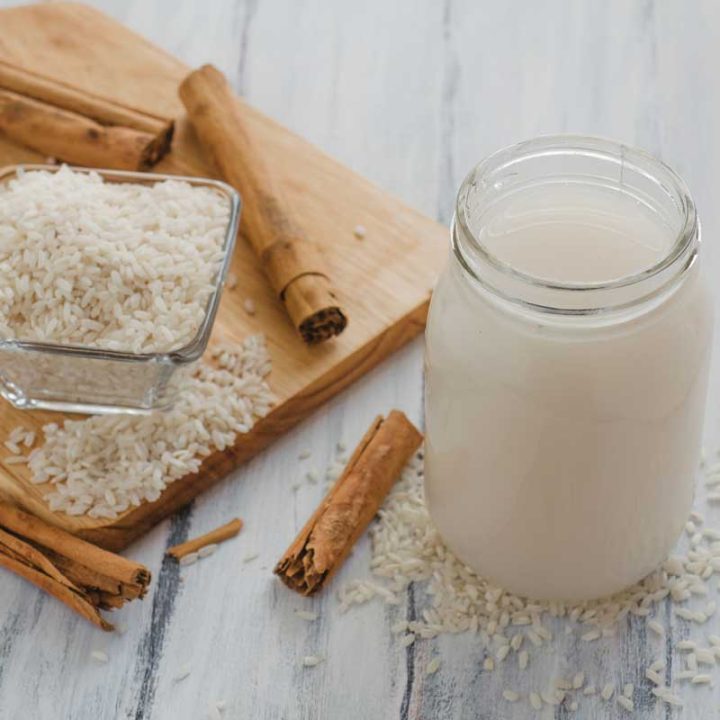
Mexican Horchata
A creamy Mexican rice and cinnamon drink with evaporated and sweetened condensed milk. Plan for overnight soaking, then blend, strain and serve cold.
Ingredients
- 3 cups uncooked long-grain white rice, rinsed
- 2 Mexican (Ceylon) cinnamon sticks
- 10 cups cold drinking water, divided, plus more to taste
- 1 can (12 fl oz / 354 ml) evaporated milk
- 1 can (14 oz / 397 g) sweetened condensed milk, or to taste
- 1 teaspoon finely grated lime zest, optional
- 1 teaspoon vanilla extract, optional
- Ice, for serving
Instructions
- Put the rinsed rice, cinnamon and 5 cups of cold water in a large bowl. Cover and refrigerate for at least 8 hours or overnight.
- Blend the soaked rice, cinnamon and soaking water in manageable batches, adding some of the remaining 5 cups water to help the blender circulate. If using hard cassia cinnamon instead of brittle Mexican cinnamon, remove the sticks before blending.
- Strain through a fine-mesh sieve lined with clean cheesecloth or a nut-milk bag into a large pitcher. Repeat if gritty and discard the strained solids.
- Stir in the evaporated milk, sweetened condensed milk to taste, optional lime zest and vanilla, and the remaining measured water. Thin with more cold water if desired.
- Serve over ice, or keep refrigerated until serving. Stir well each time because the rice settles.
Notes
Makes approximately 12 cups (12 one-cup servings), depending on straining and dilution. Allow 15 minutes active preparation plus at least 8 hours refrigerated soaking; no cooking is required. This is a creamy canned-milk variation, not the only traditional style. Evaporated milk is unsweetened; sweetened condensed milk supplies sugar as well as richness. For a dairy-free variation, replace both cans with 3 cups unsweetened plant milk and start with 1/2 cup sugar, adjusting to taste. Add the final water gradually. Keep refrigerated and use within 3 days. Equipment: blender, large covered bowl, lined fine-mesh sieve or nut-milk bag, and a 1-gallon pitcher.
More Mexican Foods
See all →
Jorge Garcia is the founder of AmigoFoods, where he has spent over 20 years helping readers discover authentic Latin American and Spanish cuisine. Raised in a Cuban-American household, Jorge learned to cook at the hands of his mother and grandmother, carrying forward generations of family recipes. That heritage, backed by his family’s four-generation history in the Latin food industry, inspired him to launch AmigoFoods in 2003. With more than 1,000 published articles on recipes, ingredients, and food culture, Jorge’s mission is simple: make authentic Latin cooking approachable for home cooks everywhere while honoring the traditions behind every dish.