

Mole negro is Oaxaca’s dark, layered sauce of dried chiles, nuts, seeds, spices and chocolate. This simplified home version makes sauce for eight servings of poultry or vegetables, with a shorter process and potentially lighter color than traditional preparations.
Mole Negro at a Glance
What Is Mole Negro?

Mole negro is one of the most iconic and complex sauces in traditional Mexican cuisine, especially in the culinary heartland of Oaxaca.
Often referred to as the “king of moles,” this rich, dark sauce is known for its deep, smoky flavor and nearly black color—hence the name negro, meaning “black” in Spanish.
Some versions contain more than 30 ingredients, including chilhuacle negro chilies, plantains, nuts, seeds, spices, and Mexican chocolate, which together create a flavor that’s earthy, slightly sweet, mildly spicy, and intensely savory.
The preparation process is labor-intensive and often reserved for special occasions like weddings, festivals, and holidays.
More than just a sauce, mole negro is a cultural symbol in Oaxaca—a dish that tells the story of indigenous traditions, colonial influence, and culinary innovation passed down through generations.
Whether served with turkey, chicken, or vegetables, it remains a powerful expression of Mexico’s rich food heritage.
About the recipe below: This is a simplified variation. For comparison, Rick Bayless’s Oaxacan black mole uses deeper chile toasting and a longer simmer. Our lighter-toasted version may be reddish brown, particularly with substitute chiles.
Traditional Ingredients in Mole Negro

Mole negro is famous for its intricate blend of ingredients that come together to form its unforgettable depth of flavor.
While recipes can vary by family or region, the following components appear in this simplified version:
-
Chilhuacle negro chilies – Rare and smoky, these are the signature chilies that give mole negro its depth and dark color. If unavailable, mulato, pasilla, and ancho chilies are often used as substitutes.
-
Mexican chocolate – Adds a subtle sweetness and bitterness that balances the heat and spices.
-
Plantains – Fried and blended into the sauce, they contribute a mild sweetness and creamy texture.
-
Tomatoes and tomatillos – These roasted ingredients form part of the sauce’s savory base.
-
Garlic and onions – Roasted or charred to intensify their flavor and round out the aromatic profile.
-
Nuts and seeds – Usually a mix of almonds, peanuts, sesame seeds, and pumpkin seeds, which add richness and body.
-
Spices – Cloves, cinnamon, black pepper, and anise are commonly used to deepen the flavor complexity.
-
Tortilla or bread – Toasted and added to thicken the sauce and give it a velvety finish.
-
Hoja santa – A native herb that infuses a slightly licorice-like flavor, traditional in many Oaxacan moles.
Each ingredient is individually roasted, toasted, or fried to enhance its flavor before being combined into a dense, dark paste.
The balance of sweetness, smokiness, and spice is what makes mole negro such a revered dish in Mexican gastronomy.
How to Make Mole Negro at Home (Step-by-Step)
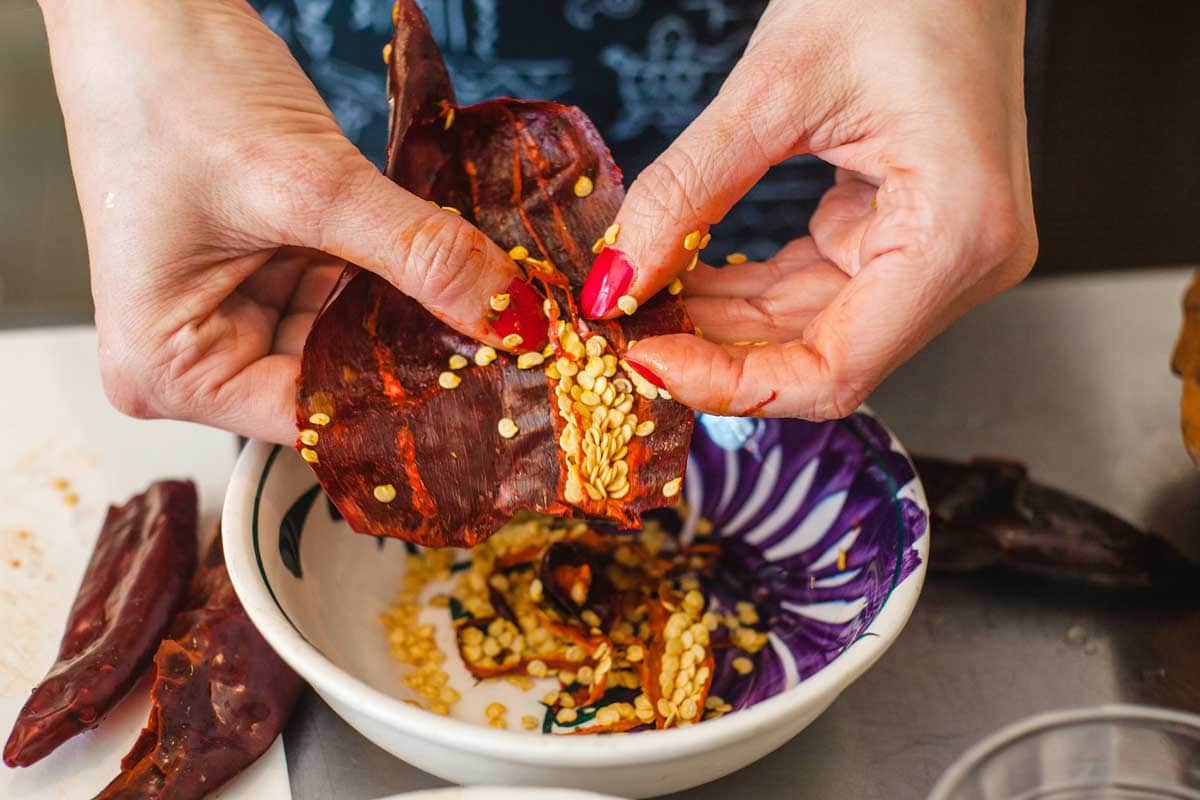
This simplified mole negro uses lighter chile toasting and makes sauce for separately cooked poultry or vegetables.
- Prepare the chiles. Toast the stemmed, seeded chiles in a dry skillet over medium heat, turning until aromatic and slightly darkened without carbonizing. Cover with hot water and soak 15–20 minutes or until pliable, then drain. This simplified method uses lighter toasting than some traditional mole negro recipes.
- Roast the vegetables. While the chiles soak, turn tomatoes, tomatillos, onion and garlic in a dry heavy skillet until softened with browned or blistered patches, about 15–20 minutes. Remove the garlic earlier if it is ready. Cool until warm.
- Prepare plantain, nuts and spices. Heat 2 tablespoons of the measured fat and fry plantain slices until softened and golden on both sides, about 5–8 minutes. Set aside. In a dry skillet, toast almonds, peanuts, pepitas and sesame seeds separately, stirring and removing each when fragrant and lightly browned. Briefly toast whole cinnamon, cloves, peppercorns and anise; reserve ground cinnamon for blending instead. Allow time for each batch and avoid scorching.
- Blend. Blend drained chiles, roasted vegetables, plantain, nuts, seeds, spices, toasted tortilla or bread and optional hoja santa in batches, using just enough of the 4 cups broth to form a smooth thick purée. Cool ingredients until warm first and follow your blender’s instructions for warm liquids; never seal steaming ingredients in a personal blender. Strain for a smoother texture if needed.
- Cook the paste. Heat the remaining 2 tablespoons fat in a large heavy pot over medium-low heat. Carefully add the purée and cook 10–15 minutes, stirring constantly along the bottom, until thickened and fragrant. Reduce heat if it sticks or spits heavily.
- Simmer. Stir in chopped chocolate and the remaining measured broth. Simmer gently 30–45 minutes, stirring frequently. Add extra broth in small amounts if needed for a pourable sauce. Season with salt, then taste before adding sugar because Mexican chocolate is already sweetened.
- Serve. Spoon over separately cooked poultry or vegetables and garnish with toasted sesame seeds. The recipe makes sauce for eight servings; the time excludes cooking the main dish and sides.
Best Dishes to Serve with Mole Negro

Mole negro’s luxurious, smoky-sweet flavor pairs beautifully with a range of traditional and modern dishes.
Whether you’re preparing a holiday feast or a comforting weeknight meal, these are some of the best ways to serve mole negro:
-
Turkey (Guajolote)
-
The most traditional pairing in Oaxaca, especially for weddings and festivals. Mole negro over roasted turkey is deeply symbolic and festive.
-
-
Chicken
-
A more accessible option for everyday meals—serve it over poached or roasted chicken with rice and warm tortillas.
-
-
Pork
-
Tender pork shoulder or pork loin complements the rich mole, offering a hearty and satisfying combination.
-
-
-
These banana leaf–wrapped tamales often come filled with mole negro and shredded chicken or pork—steamed to perfection.
-
-
-
Think enchiladas, but with mole. Corn tortillas are filled with cheese or meat, then drenched in mole negro and topped with crema, onions, and sesame seeds.
-
-
Grilled Vegetables
-
For a vegetarian twist, serve it over grilled squash, mushrooms, or eggplant—earthy vegetables that stand up to the robust sauce.
-
-
Rice and Beans
-
A simple yet classic side, Mexican red rice or black beans help soak up every last drop of the mole.
-
This deeply flavorful sauce elevates any dish it touches, making mole negro a true centerpiece in Mexican cuisine.
Mole Negro vs. Other Mexican Moles

Mole negro is just one of many incredible moles in Mexican cuisine—each with its own unique flavor profile, color, and cultural significance.
Here’s how it compares to some of the country’s most beloved moles:
-
Mole Negro vs. Mole Poblano
-
Both are dark, rich, and often contain chocolate, but mole negro is deeper in color and has a smokier flavor thanks to chilhuacle negro chilies and toasted ingredients. Mole poblano is slightly sweeter and more widely known outside of Oaxaca.
-
-
Mole Negro vs. Mole Colorado
-
Mole colorado is bright red and milder, made with guajillo and ancho chilies. It’s less bitter and complex than mole negro but still packed with flavor.
-
-
Mole Negro vs. Mole Amarillo
-
Mole amarillo (yellow mole) has a thinner texture and a bold chili-forward profile without the use of chocolate. It’s often used in stews and is much lighter in taste and color.
-
-
Mole Negro vs. Mole Verde
-
Mole verde is fresh and herbaceous, made from green ingredients like tomatillos, green chilies, pumpkin seeds, and cilantro. It’s the complete opposite of mole negro’s deep, dark richness.
-
-
Mole Negro vs. Mole Manchamanteles
-
Known as the “tablecloth-stainer,” this mole is fruity and vibrant, often featuring pineapple and plantains. Mole negro, by contrast, leans into earthy, charred, and subtly sweet notes.
-
-
Mole Negro’s Unique Traits
-
Uses rare chilhuacle negro chilies
-
Can contain more than 30 ingredients, depending on the recipe
-
Requires extensive preparation and time
-
Considered the most complex and revered mole in Oaxaca
-
While each mole has its place in Mexican cooking, this particular Mexican sauce stands out for its bold flavor, time-honored preparation, and deep cultural roots in Oaxacan tradition.
Expert Tips for Perfect Mole Negro
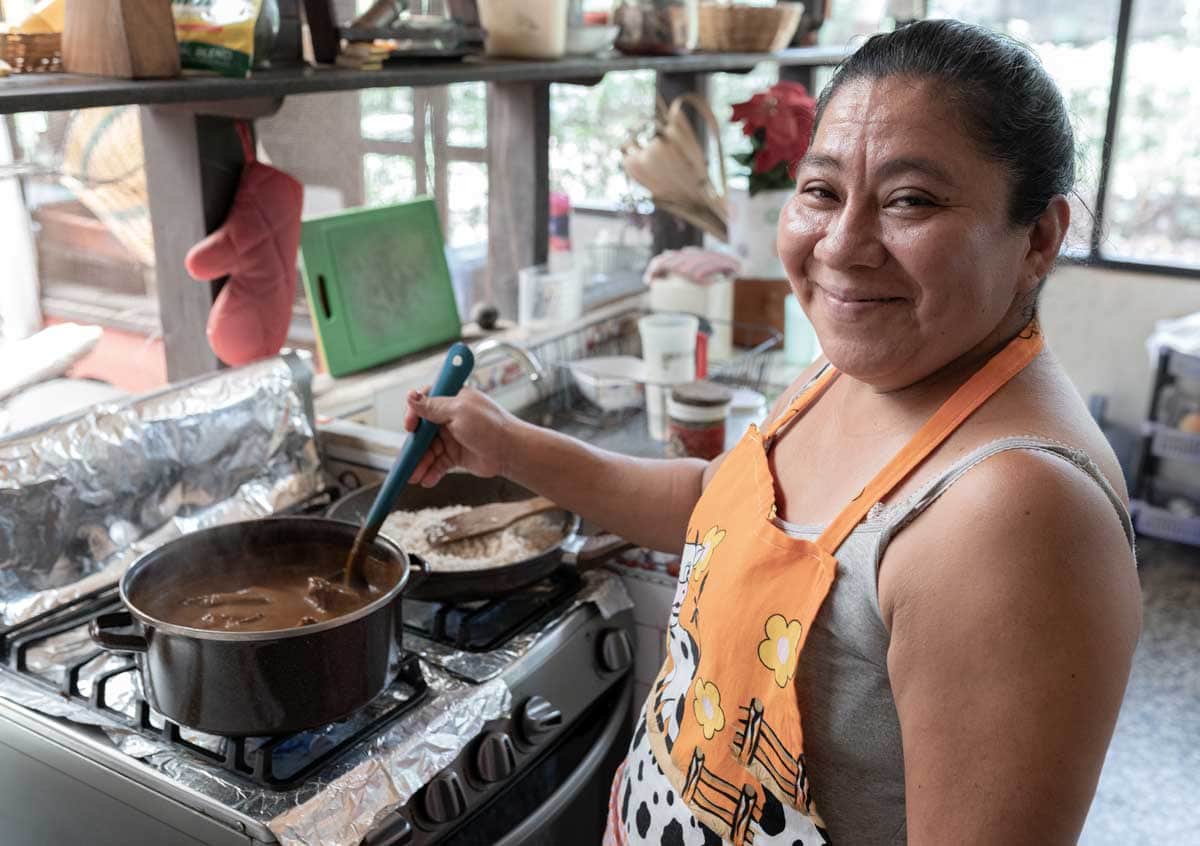
Making mole negro at home is a rewarding challenge—but a few expert tips can help you master this legendary Oaxacan sauce with confidence.
Here’s how to get it just right:
-
Use Chilhuacle Negro Chilies (If You Can Find Them)
-
These rare, smoky chilies are key to the authentic flavor. If unavailable, try a mix of mulato, pasilla, and ancho chilies as a substitute—but nothing beats the original.
-
-
Toast Ingredients Carefully
-
This simplified recipe toasts ingredients gently. Traditional black-mole methods use deeper controlled toasting, which produces a darker sauce; avoid carbonizing the ingredients.
-
-
Fry the Paste Low and Slow
-
After blending, fry the paste in oil or lard on low heat. Stir constantly and be patient—cooking down the paste develops its flavor.
-
-
Balance the Bitterness
-
Mole negro is meant to be slightly bitter, but not overpowering. Adjust with a touch of sugar, more chocolate, or extra broth if needed.
-
-
Let It Simmer… Then Rest
-
For this version, simmer 30–45 minutes. To make ahead, cool promptly in shallow containers and refrigerate overnight; reheat with a little broth before serving.
-
-
Blend Until Velvety Smooth
-
A high-powered blender or traditional stone metate ensures a silky texture. Strain the sauce after blending if needed for a refined finish.
-
-
Make It in Batches and Freeze
-
Mole negro freezes beautifully. Make a large batch and portion it out—you’ll thank yourself later.
-
-
Serve with Traditional Mexican Sides
-
Warm tortillas, Mexican rice, and pickled onions bring out the best in mole negro. Presentation matters!
-
With these tips, you’ll be on your way to mastering one of Mexico’s most iconic sauces—just like the Oaxacan abuelas who perfected it over centuries.
Where to Buy Mole Negro (Paste or Ingredients)
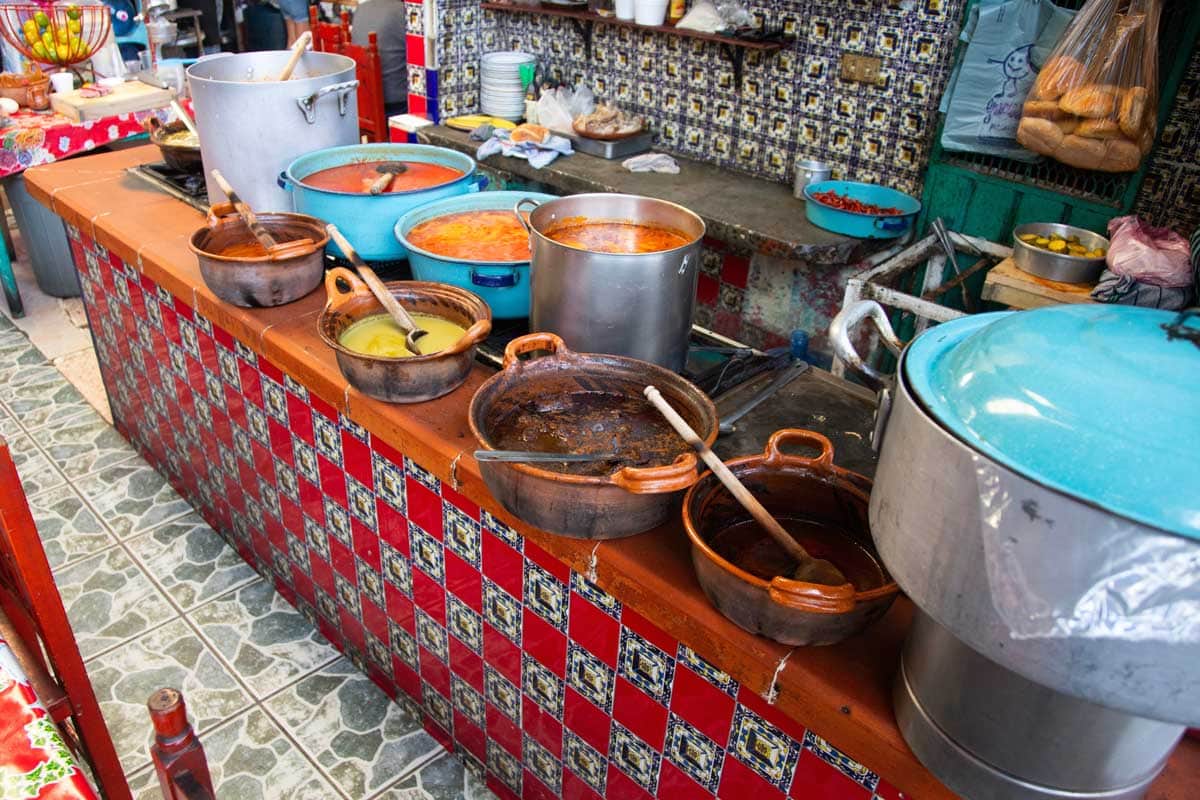
If making mole negro from scratch feels too daunting—or you’re just short on time—you’re in luck.
You can still enjoy this iconic Oaxacan sauce by purchasing high-quality mole negro paste or its traditional ingredients.
Here’s where to find them:
-
Oaxacan Markets (Mercados)
-
The best mole negro often comes straight from the source. Markets like Mercado 20 de Noviembre in Oaxaca City offer freshly made mole pastes sold by the kilo—crafted by local families who have passed down recipes for generations.
-
-
Specialty Mexican Grocery Stores
-
Look for refrigerated or shelf-stable mole negro pastes, often found near the sauces or international section. Popular brands like Mayordomo, Guelaguetza, and La Soledad are reliable options.
-
-
Online Retailers and Marketplaces
-
Websites like MexGrocer, La Tienda, or Amazon offer a wide selection of mole negro pastes, whole chilies (including chilhuacle, when in season), Mexican chocolate, and other key ingredients.
-
-
Latin American Markets in the U.S. and Abroad
-
Local Latin grocery stores often carry mole paste or the essential chilies, seeds, and spices to make your own.
-
-
Artisan Mole Producers
-
Look for small-batch, handmade mole from Oaxacan chefs or food cooperatives online. These often have a deeper, more traditional flavor than mass-produced versions.
-
-
Farmers Markets and Cultural Festivals
-
In cities with large Mexican or Oaxacan communities, you can often find mole negro being sold at pop-up stalls or cultural events—sometimes even freshly made on-site.
-
No matter where you buy it, always check the ingredients list.
A good mole negro paste should include real chilies, spices, and chocolate—not just thickeners and preservatives.
Authentic flavor starts with authentic sourcing!
Why Mole Negro Deserves a Spot in Your Kitchen
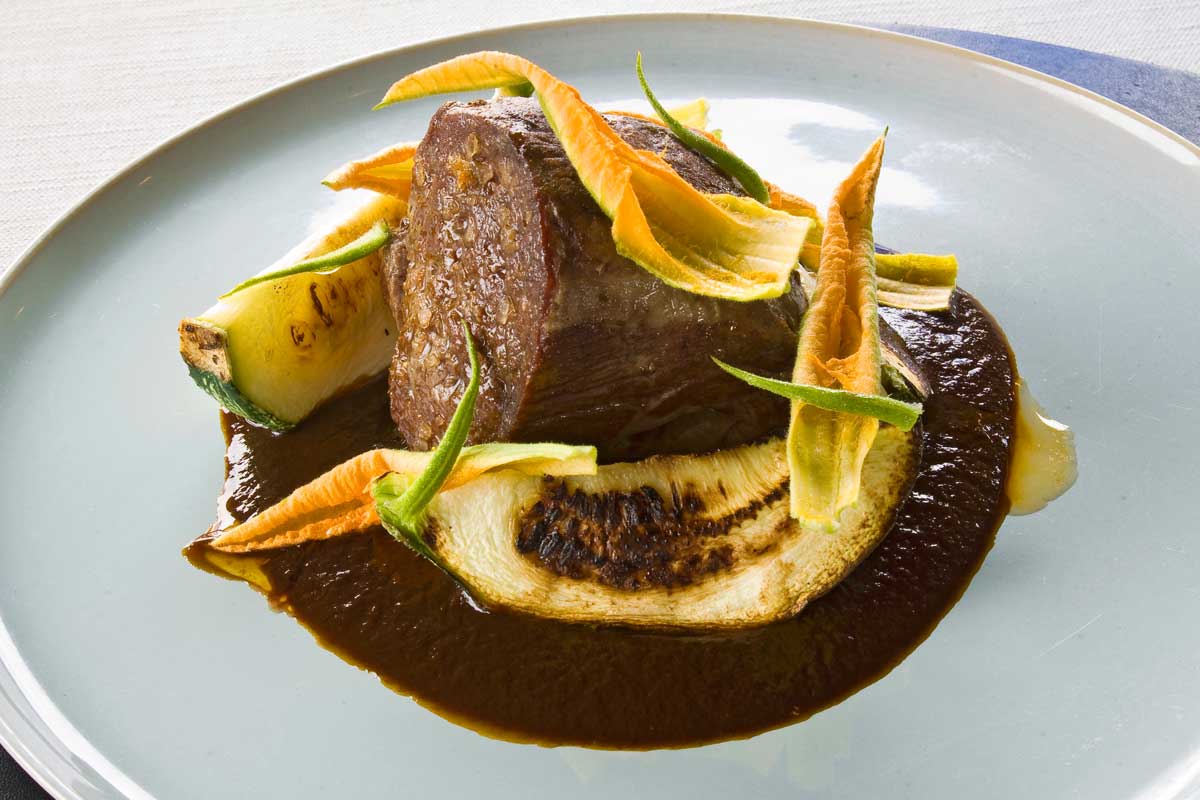
Mole negro isn’t just a regular mole —it’s a culinary experience steeped in tradition, flavor, and cultural pride.
Its deep, smoky complexity comes from an artful blend of chilies, spices, and chocolate that transforms any dish into something extraordinary.
Beyond the bold taste, cooking or even just tasting mole negro connects you to the heart of Oaxacan heritage.
It’s a Mexican dish that tells a story—with every stir of the pot and every bite on the plate.
And while it may take time to prepare from scratch, the reward is a sauce so memorable, so soulful, that it instantly earns a permanent place in your kitchen repertoire.
Ready to embrace the magic of mole negro? Let’s turn up the heat and cook something unforgettable!

Mole Negro Recipe
This simplified mole negro variation combines dried chiles, plantain, toasted nuts and seeds, vegetables, spices and Mexican chocolate. It makes sauce for eight servings and may be lighter in color than traditional deeply toasted Oaxacan versions.
Ingredients
- 6 dried chilhuacle negro chiles, stemmed and seeded (or 2 each mulato, pasilla and ancho; flavor and color will differ)
- Hot water, for soaking chiles
- 2 medium tomatoes
- 2 medium tomatillos, husked and rinsed
- 1 ripe plantain, peeled and sliced
- ½ white onion, cut into thick slices
- 4 garlic cloves, peeled
- ¼ cup raw almonds
- ¼ cup unsalted peanuts
- ¼ cup hulled pumpkin seeds (pepitas)
- ¼ cup sesame seeds, plus toasted seeds for garnish
- 1 small piece Mexican canela (Ceylon cinnamon), or 1 tsp ground cinnamon
- 3 whole cloves
- 1 tsp black peppercorns
- ½ tsp anise seeds
- 1 small corn tortilla or 1 slice bread, toasted
- 4 tbsp lard or neutral oil, divided
- 3 oz (85 g) Mexican chocolate, chopped
- 4 cups chicken or vegetable broth, divided, plus more as needed
- 1 hoja santa leaf, tough stem removed (optional; omit if unavailable)
- Salt and sugar, to taste
Instructions
- Prepare the chiles. Toast the stemmed, seeded chiles in a dry skillet over medium heat, turning until aromatic and slightly darkened without carbonizing. Cover with hot water and soak 15–20 minutes or until pliable, then drain. This simplified method uses lighter toasting than some traditional mole negro recipes.
- Roast the vegetables. While the chiles soak, turn tomatoes, tomatillos, onion and garlic in a dry heavy skillet until softened with browned or blistered patches, about 15–20 minutes. Remove the garlic earlier if it is ready. Cool until warm.
- Prepare plantain, nuts and spices. Heat 2 tablespoons of the measured fat and fry plantain slices until softened and golden on both sides, about 5–8 minutes. Set aside. In a dry skillet, toast almonds, peanuts, pepitas and sesame seeds separately, stirring and removing each when fragrant and lightly browned. Briefly toast whole cinnamon, cloves, peppercorns and anise; reserve ground cinnamon for blending instead. Allow time for each batch and avoid scorching.
- Blend. Blend drained chiles, roasted vegetables, plantain, nuts, seeds, spices, toasted tortilla or bread and optional hoja santa in batches, using just enough of the 4 cups broth to form a smooth thick purée. Cool ingredients until warm first and follow your blender’s instructions for warm liquids; never seal steaming ingredients in a personal blender. Strain for a smoother texture if needed.
- Cook the paste. Heat the remaining 2 tablespoons fat in a large heavy pot over medium-low heat. Carefully add the purée and cook 10–15 minutes, stirring constantly along the bottom, until thickened and fragrant. Reduce heat if it sticks or spits heavily.
- Simmer. Stir in chopped chocolate and the remaining measured broth. Simmer gently 30–45 minutes, stirring frequently. Add extra broth in small amounts if needed for a pourable sauce. Season with salt, then taste before adding sugar because Mexican chocolate is already sweetened.
- Serve. Spoon over separately cooked poultry or vegetables and garnish with toasted sesame seeds. The recipe makes sauce for eight servings; the time excludes cooking the main dish and sides.
Notes
About this version: This is a simplified mole negro variation. Traditional methods may deeply toast the chiles and other ingredients and simmer much longer; this lighter-toasted version, especially with substitute chiles, can be reddish brown rather than nearly black. Do not add extra chocolate solely to darken it.
Time: Allow about 2 hours 15 minutes: 30 minutes preparation and about 1 hour 45 minutes roasting, toasting and cooking, with chile soaking overlapped. Batch sizes and equipment can extend the time.
Herbs and cinnamon: Omit optional hoja santa if unavailable; tarragon and basil are not exact substitutes. Use soft Mexican canela or the measured ground cinnamon alternative.
Make ahead: Cool promptly in shallow containers and refrigerate rather than leaving the sauce out overnight. Rewarm gently with broth. For a vegetarian version, use neutral oil and vegetable broth and serve with vegetables.
More Mexican Foods
See all →
Jorge Garcia is the founder of AmigoFoods, where he has spent over 20 years helping readers discover authentic Latin American and Spanish cuisine. Raised in a Cuban-American household, Jorge learned to cook at the hands of his mother and grandmother, carrying forward generations of family recipes. That heritage, backed by his family’s four-generation history in the Latin food industry, inspired him to launch AmigoFoods in 2003. With more than 1,000 published articles on recipes, ingredients, and food culture, Jorge’s mission is simple: make authentic Latin cooking approachable for home cooks everywhere while honoring the traditions behind every dish.