

Rompope is Mexico’s Christmas eggnog: a silky, pale-yellow drink of milk, sugar, egg yolks, canela and vanilla, often spiked with rum or brandy and served cold in small glasses. Tradition credits its invention to the nuns of a 17th-century convent in Puebla, and today it is poured at Christmas, baptisms and weddings across Mexico and Central America. Below you will find what rompope is, how it compares with eggnog and its Latin cousins, the convent story, regional versions, and a recipe that cooks the yolks to 160°F and makes 10 to 12 half-cup servings.
Rompope at a Glance
AmigoFoods may earn a commission from qualifying Amazon purchases made through links on this page.
What is rompope?
Rompope is a sweet, thick custard drink made with milk, sugar and egg yolks, flavored with cinnamon and vanilla and usually finished with rum, brandy or cane spirit. It is most often called Mexican eggnog, and it fills the same place on the holiday table, but it is made with yolks only, no whites and usually no cream. That is where its yellow color comes from. The texture is closer to a pourable custard than to a cocktail, which is why it is sipped from small glasses rather than tumblers.
In Mexico rompope is a Christmas drink first, but not only that. México Desconocido describes it served cold in small glasses at Christmas, baptisms, weddings and fiestas patronales (patron saint festivals), often alongside buñuelos, capirotada or pan dulce. It is also a cooking ingredient, poured into ice cream, cakes, gelatinas, flans and pastry fillings.
Families make it at home, and it is also sold bottled. Wikipedia notes that commercial rompope is available in the United States, especially in states along the Mexican border.

Rompope vs eggnog, coquito and ponche crema
Many countries have a creamy holiday drink descended from the same European family of milk-and-egg drinks, which also includes Dutch advocaat and English posset. Here is how rompope compares with the ones it is most often confused with.
| Drink | Where | Base | Eggs | Usual spirit |
|---|---|---|---|---|
| Rompope | Mexico and Central America | Milk with canela and vanilla | Yes, cooked yolks only | Rum, brandy, cane spirit or none |
| Eggnog | United States, Canada, UK | Milk and cream | Yes, traditionally whole eggs | Bourbon, brandy or rum |
| Coquito | Puerto Rico | Cream of coconut and canned milks | Optional; many recipes have none | Puerto Rican white rum |
| Ponche crema | Venezuela | Milk | Yes, egg yolks | Rum |
| Cola de mono | Chile | Milk with coffee and spices | No | Aguardiente, pisco, brandy or rum |
The big difference from eggnog is the yolks and the spice. Rompope uses only yolks cooked into the milk, so it is smoother and more custard-like, and canela and vanilla lead instead of nutmeg. Compared with coquito, it tastes of milk and cinnamon rather than coconut.
Where rompope comes from
The story most Mexicans know is a convent story. According to tradition, rompope was first made in the 17th century by the Clarisas, the Poor Clare nuns of the Convento de Santa Clara in Puebla. México Desconocido explains the logic behind it: convents used egg whites to clarify wine and to make sweets, which left them with plenty of yolks, and turning those yolks into a sweet drink to sell helped support the convent. Mexico’s Secretaría de Educación Pública adds that the nuns did not drink it themselves; they offered it to visitors and benefactors.
Puebla’s convents were famous for their sweets. Serious Eats notes the Clarisas’ reputation for confections. Atlas Obscura retells the best-known piece of local lore: a young nun, Sister Eduviges, supposedly perfected the recipe with a secret ingredient. Atlas Obscura itself presents this as local lore, so treat it as legend rather than history.
The name is easier to trace. Wikipedia says rompope comes from rompón, the Spanish name for a similar eggnog-style drink, and that relatives include Chile’s rompón and cola de mono.

Rompope and rompopo across Latin America
Rompope is not only Mexican. The Spanish-language Wikipedia lists it as traditional in Belize, Costa Rica, Ecuador, El Salvador, Guatemala, Honduras, Nicaragua and Mexico, and it is mostly a Christmas drink everywhere it is made.
- Central America: In El Salvador, Guatemala and Honduras it is usually called rompopo. The Guatemalan town of Salcajá is known for its version. See our Guatemalan Christmas foods and Costa Rican Christmas foods for where it fits on the holiday table.
- Nicaragua: Atlas Obscura notes that Nicaraguans also drink it warm.
- Ecuador: Homemade rompope is a Christmas tradition there too, and it has its own entry in our guide to Ecuadorian drinks.
Ingredients and what to buy
Rompope needs only pantry ingredients, so the quality of each one shows.
- Whole milk: The base. Whole milk gives the body; low-fat milk makes a thinner drink.
- Egg yolks: Twelve of them. Save the whites for meringues or an omelet.
- Canela: Mexican cinnamon is Ceylon cinnamon, the soft, flaky kind that breaks easily and tastes milder and more floral than the hard cassia sticks sold in most US supermarkets.
- Cloves and baking soda: Larousse Cocina lists cinnamon, clove, nutmeg and a little baking soda in its definition of rompope, and many family recipes keep the pinch of baking soda.
- Vanilla: Use pure vanilla extract, added after cooking. Mexican vanilla is a natural match.
- Spirit: Rum or brandy is most common. Larousse also mentions aguardiente de caña (cane spirit). It is optional.
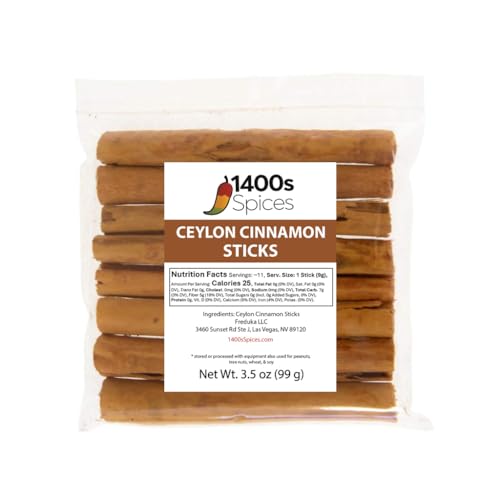
- Satisfaction guarantee: If you aren't satisfied with your purchase, just contact us and we'll refund...
- Unique taste: One of the best parts about our bulk cinnamon sticks is their floral, soft, and...
Last update on 2026-11-25 / Affiliate links / Images from Amazon Product Advertising API
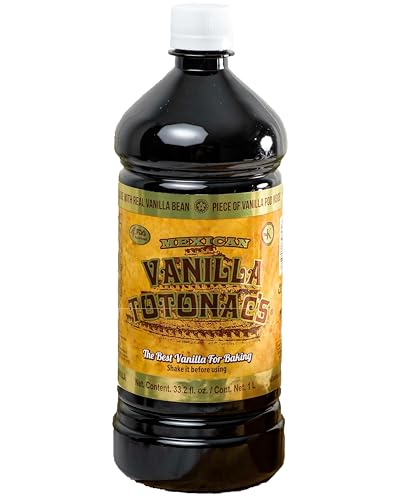
- 🌿 Authentic Mexican Flavor: Experience the true essence of Mexico's vanilla tradition with our...
- 🍰 Perfect for Baking: Our vanilla extract is ideal for baking, infusing cakes, cookies, and...
Last update on 2026-11-25 / Affiliate links / Images from Amazon Product Advertising API
How to make rompope
The full ingredient amounts and times are in the recipe card below. This is the method, with the reasons behind each step.
- Infuse the milk. Combine the milk, sugar, baking soda, canela and cloves in a heavy saucepan. Stir until the sugar dissolves and the milk reaches a gentle simmer, then lower the heat and simmer for 8 to 10 minutes. Watch it, because milk foams up quickly.
- Temper the yolks. Whisk the yolks in a heatproof bowl. Take the milk off the heat and slowly whisk in a few ladles of the hot milk, then whisk the warmed yolks back into the pan. Adding the yolks gradually keeps them from scrambling.
- Cook to 160°F. Cook over low to medium-low heat, stirring constantly across the bottom and corners, until an instant-read thermometer reads 160°F (71°C), the temperature FoodSafety.gov gives for egg dishes. Do not let it boil, and go by the thermometer, not the clock.
- Strain and cool fast. Strain right away into a clean bowl to catch the spices and any cooked bits, and stir in the vanilla. Set the bowl in an ice-water bath and stir now and then until cool, about 30 minutes. Then stir in the rum or brandy, if you are using it.
- Chill. Pour into a clean covered pitcher or bottles and refrigerate for at least 2 hours, until cold. Stir or shake gently before serving.


- 2-3 SECONDS READING — ULTRA FAST & PRECISE Get accurate temperature readings in just 2-3 seconds...
- WATERPROOF PROBE — FULLY WASHABLE & DURABLE Unlike competitors that only mention...
Last update on 2026-11-25 / Affiliate links / Images from Amazon Product Advertising API
Tips for smooth rompope
Low and slow. Rompope thickens just below the point where yolks curdle. Keep the heat low, stir without stopping and pull it off as soon as it reaches 160°F.
- Use a heavy pan. A thick base spreads the heat and keeps the milk from scorching.
- Always strain. Even a careful batch can have a few cooked bits. A fine strainer makes it silky.
- Add the alcohol cold. Stir in rum or brandy after the base cools so you can taste as you go.
- Taste it cold. Chilling dulls sweetness, so judge the sugar and spirit after it is cold.
Almond, pine nut and alcohol-free rompope
The base recipe is a starting point, and Mexican regions have their own versions.
- Rompope de almendra: Larousse Cocina notes that Puebla makes an almond rompope. In Comitán, Chiapas, a “rompope fácil” is also made with almonds.
- Pine nut rompope: According to Atlas Obscura, pink rompope usually signals the pine nut version.
- Other flavors: Wikipedia lists pecans, almonds, walnuts, pine nuts, vanilla and strawberry among common additions.
- Alcohol-free: Leave out the rum or brandy. Nothing else in the recipe changes.

How to serve rompope
Serve rompope cold, in small glasses. The Secretaría de Educación Pública describes it garnished with a cinnamon stick or ground cinnamon, and sometimes with dried fruit such as pineapple.
- At Christmas: Pour it with sweets on the table, such as buñuelos and pan dulce. For a full holiday spread, see our guide to Mexican Christmas foods.
- With dessert: Drizzle it over tres leches cake or ice cream, or use it in flans and gelatinas.
- Next to other holiday drinks: It pairs well with a hot pot of ponche navideño or champurrado.

How long rompope lasts
Homemade rompope is made with eggs and milk, so it is perishable. Keep it covered at 40°F (4°C) or below and drink it within 2 to 4 days, the window the USDA gives for refrigerated leftovers, whether or not you added alcohol. Rum or brandy does not replace cooking the yolks or keeping it cold. Do not leave rompope out for more than 2 hours, or more than 1 hour when it is above 90°F (32°C).
- Fridge: 2 to 4 days in clean, tightly closed bottles or a covered pitcher.
- Thickening: Normal. It thickens as it chills; stir or shake before serving.
- Freezing: This recipe is written for the fridge, not the freezer.
- Gifting: Make it close to the day you give it, and label the bottle with the date and a reminder to keep it cold.
Troubleshooting
| Problem | Likely cause | Fix |
|---|---|---|
| Bits of cooked egg | Heat too high, yolks added too fast or not enough stirring | Strain through a fine sieve; next time temper slowly and keep the heat low |
| Too thin | Pulled off the heat too early, or low-fat milk | Check that it reached 160°F; use whole milk; chill longer |
| Too thick | Very cold, or cooked well past 160°F | Whisk in a little cold milk |
| Milk boiled over | Heat too high during the infusion | Keep it at a gentle simmer and use a larger pan |
| Weak cinnamon flavor | Short simmer or old canela | Simmer the full 8 to 10 minutes with fresh canela; dust with ground cinnamon |
| Too sweet | Taste judged warm | Serve smaller pours or add a splash of rum or brandy; taste cold next time |

Rompope Recipe
Rompope is a Mexican drink made from egg yolks, milk, and spices created by nuns at the Santa Clara Convent in the 17th century. It is usually served at Christmas and New Year’s and enjoyed year-round for birthdays and other special celebrations. It can be served warm or over ice and with or without rum.
Ingredients
- 4 cups whole milk
- 1 cup granulated sugar
- 1 small pinch baking soda
- 1 Mexican cinnamon stick
- 2 whole cloves
- 12 large egg yolks
- 1 teaspoon vanilla extract
- 1/2 cup rum or brandy, optional
Instructions
- Combine the milk, sugar, baking soda, cinnamon and cloves in a saucepan. Heat while stirring until the sugar dissolves and the milk reaches a gentle simmer. Reduce the heat and simmer gently for 8–10 minutes, watching for foaming.
- Whisk the egg yolks in a heatproof bowl. Remove the milk from the heat and slowly whisk a few ladles of hot milk into the yolks. Gradually whisk the warmed yolk mixture back into the saucepan.
- Cook over low to medium-low heat, stirring continuously across the bottom and corners, until a thermometer reads 160°F (71°C). Do not boil, and do not rely only on a fixed cooking time.
- Strain immediately into a clean heatproof bowl and stir in the vanilla. Set the bowl in an ice-water bath and stir occasionally to cool promptly, about 30 minutes. Once cool, mix in the optional rum or brandy.
- Transfer to a clean covered pitcher or bottles and refrigerate for at least 2 hours, until thoroughly cold. Stir or shake gently before serving in small glasses.
Notes
Makes approximately 5–6 cups, or 10–12 small 1/2-cup servings; yield varies with evaporation and whether alcohol is added. Total time is about 3 hours 5 minutes: 10 minutes prep, 25 minutes cooking and 2 hours 30 minutes cooling/chilling. For a nonalcoholic version, omit the rum or brandy. Refrigerate at 40°F (4°C) or below and use within 2–4 days. Alcohol does not replace cooking the eggs or refrigeration. Freezing homemade eggnog is not recommended. Keep serving time outside refrigeration under 2 hours, or 1 hour above 90°F (32°C).
Rompope FAQ
What is rompope made of?
Rompope is made of milk, sugar, egg yolks, cinnamon and vanilla, usually with rum, brandy or cane spirit. Many recipes add cloves, nutmeg or a pinch of baking soda.
Is rompope the same as eggnog?
They are close relatives. Both are milk-and-egg holiday drinks, but rompope uses only yolks, is flavored with canela and vanilla, and is usually made without cream.
Where is rompope from?
Mexico. Tradition credits the nuns of the Convento de Santa Clara in Puebla with inventing it in the 17th century. It is also traditional across Central America and in Ecuador.
What is the difference between rompope and rompopo?
They are the same drink. Rompopo is the name used in El Salvador, Guatemala and Honduras.
Does rompope have alcohol?
Usually, but not always. Rum or brandy is most common. Leave it out for an alcohol-free version.
How long does rompope last in the fridge?
Homemade rompope keeps 2 to 4 days in the refrigerator at 40°F or below. Alcohol does not extend that.
Is rompope served hot or cold?
In Mexico it is served cold, in small glasses. Atlas Obscura notes that Nicaraguans also drink it warm.
Why is rompope yellow?
It is made with egg yolks only, no whites, which gives it its yellow color.
Is rompope safe to drink?
This recipe cooks the yolks to 160°F, which FoodSafety.gov lists as the safe temperature for egg dishes. Cool it fast, keep it cold and drink it within 2 to 4 days.
More Mexican drinks and holiday food
Rompope is one of many favorites in our guide to Mexican drinks. For more of the holiday table, browse Mexican Christmas foods, Mexican desserts, tamales and rosca de reyes. If you like creamy holiday drinks, compare it with Puerto Rico’s coquito and Venezuela’s ponche crema.
Shopping list: Ceylon cinnamon (canela) sticks, Mexican vanilla extract and an instant-read thermometer.
Sources
- México Desconocido: Rompope poblano
- SEP Nueva Escuela Mexicana: Rompope
- Larousse Cocina: Rompope
- Atlas Obscura: Rompope
- Serious Eats: Rompope (Mexican Eggnog)
- Wikipedia: Rompope
- Wikipedia (Spanish): Rompope
- FoodSafety.gov: Safe Minimum Internal Temperatures
- USDA FSIS: Leftovers and Food Safety
More Mexican Foods
See all →
Jorge Garcia is the founder of AmigoFoods, where he has spent over 20 years helping readers discover authentic Latin American and Spanish cuisine. Raised in a Cuban-American household, Jorge learned to cook at the hands of his mother and grandmother, carrying forward generations of family recipes. That heritage, backed by his family’s four-generation history in the Latin food industry, inspired him to launch AmigoFoods in 2003. With more than 1,000 published articles on recipes, ingredients, and food culture, Jorge’s mission is simple: make authentic Latin cooking approachable for home cooks everywhere while honoring the traditions behind every dish.