

Pote asturiano is a hearty Spanish stew of white beans, greens, potatoes and smoky pork. This bean-forward version serves 6–8 and rewards a slow simmer—plan to soak the beans the night before.
Pote Asturiano at a Glance
Pote is an Asturian classic alongside fabada and cachopo, the region’s ham-and-cheese stuffed veal cutlet.
What Is Pote Asturiano?

Pote asturiano is a traditional Spanish stew from the lush, mountainous region of Asturias in northern Spain.
Known as a classic Asturian bean stew, this dish is the definition of Spanish comfort food—hearty, nourishing, and packed with deep, smoky flavor.
At its core, pote asturiano is a Spanish bean stew made with white beans, leafy greens like cabbage or collard greens, and a mix of flavorful pork cuts such as chorizo, morcilla (blood sausage), and pork belly.
These ingredients are slowly simmered together, creating a rich, thick broth that reflects the essence of rustic Spanish cooking.
This beloved dish has humble origins. Traditionally prepared by rural families using locally available ingredients, it became a staple of Asturias cuisine thanks to its affordability and ability to feed large households.
Over time, it evolved from a simple peasant meal into one of the most iconic northern Spain dishes.
While often compared to fabada asturiana, pote asturiano stands out for its inclusion of greens, giving it a slightly lighter yet still deeply satisfying profile.
Today, it remains a symbol of tradition, bringing warmth and authenticity to tables across Spain—and now, your kitchen too!
Ingredients for Authentic Pote Asturiano
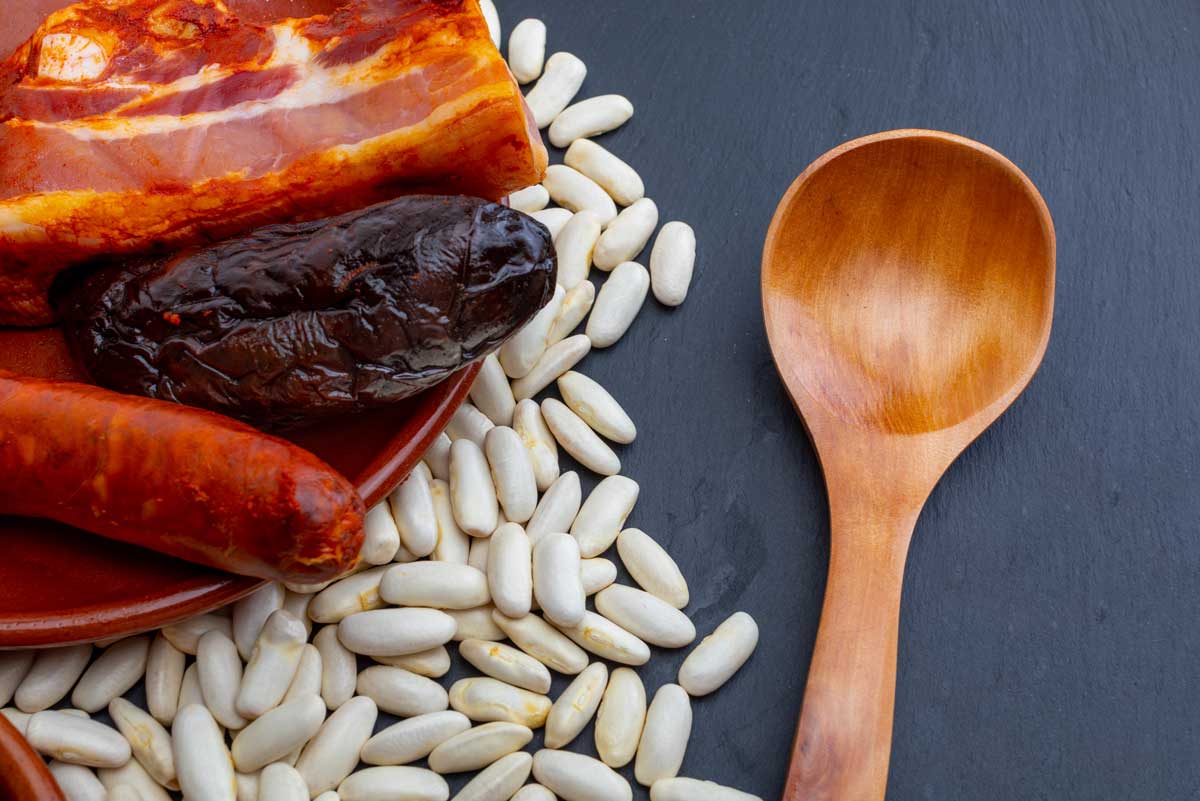
Creating an authentic pote asturiano starts with simple, high-quality ingredients that come together to form one of the most flavorful Spanish stew ingredients combinations in traditional cooking.
This classic Spanish pork stew relies on a balance of beans, meats, and greens to achieve its signature richness.
Here’s what you’ll need:
- White beans (fabes or cannellini beans) The foundation of this white bean stew Spanish style—creamy, tender, and perfect for absorbing flavor.
- Chorizo (Spanish sausage) Adds a smoky, slightly spicy depth that defines many dishes in a classic chorizo stew recipe.
- Morcilla (blood sausage) A traditional addition that brings bold, earthy richness to the stew, commonly used in authentic morcilla recipes.
- Pork cuts (pork belly, ribs, or shoulder) Essential for building the hearty base of this Spanish pork stew, adding both flavor and texture.
- Greens (cabbage or collard greens) A defining feature of this dish, giving it the identity of a cabbage and bean stew or even a rustic collard greens stew recipe variation.
- Potatoes Provide extra heartiness and help thicken the stew naturally.
- Garlic and onion The aromatic backbone of many Spanish stew ingredients, enhancing overall depth.
- Smoked paprika (pimentón) A key spice in Spanish cooking that gives the stew its signature smoky flavor and rich color.
- Olive oil Used to sauté and enhance flavors, a staple in all traditional Spanish recipes.
- Salt and optional bay leaf For seasoning and subtle herbal notes (adjust carefully due to the saltiness of cured meats).
Using authentic, high-quality ingredients is what transforms this dish from a simple bean stew into a truly memorable pote asturiano.
Whenever possible, opt for Spanish products to achieve the most traditional flavor profile.
How to Make Pote Asturiano

- Rinse the dried beans and soak in plenty of water for 8–12 hours. Drain and rinse.
- Place the beans, pork, chorizo, morcilla and optional bay leaf in a large heavy pot and cover generously with fresh water. Follow the bean package instructions for any initial boiling required, then reduce to a gentle simmer.
- Cook gently for about 1½–2 hours, skimming foam and excess fat and adding water as needed to keep the beans submerged. Cook until the beans are nearly tender; older beans may take longer. Avoid vigorous stirring.
- Add the diced potatoes and finely chopped greens. Simmer for 30–45 minutes, until the beans, potatoes, greens and pork are fully tender. Remove any bones before serving.
- While the vegetables cook, soften the onion in the olive oil in a small skillet. Add the garlic and cook briefly until fragrant. Remove from the heat, stir in the paprika, then add this mixture to the stew for its final 10–15 minutes of cooking. Taste before adding salt.
- Remove the bay leaf, turn off the heat and rest the stew for 15–20 minutes. Slice the sausages and serve in bowls with the beans, vegetables and broth.
Allow about 3 hours 5 minutes after soaking: 15 minutes prep, approximately 2½ hours cooking and 20 minutes resting. Add 8–12 hours for the bean soak. Bean age, variety and the size of the pork pieces can extend cooking time; tenderness is the guide. This bean-forward version serves 6–8.
Refrigerate leftovers promptly in shallow containers within 2 hours. Keep for 3–4 days refrigerated or freeze for up to 3 months. Reheat thoroughly, adding water if needed.
Tips for the Best Pote Asturiano

If you want to take your pote asturiano from good to unforgettable, a few expert techniques can make all the difference.
This dish is rooted in tradition, and mastering it means embracing the methods behind authentic pote asturiano and homestyle Spanish cooking.
Cook Low and Slow
- After any initial boiling required by the bean package, simmer gently
- Slow cooking allows flavors to fully develop, which is essential for a flavorful bean stew
- Rushing the process will leave the beans tough and the broth underdeveloped
Use High-Quality Ingredients
- Choose authentic Spanish chorizo and morcilla when possible
- Fresh greens and good olive oil elevate the dish
- Quality ingredients are the foundation of traditional bean recipes
Master the Beans (Fabes)
- Soak beans long enough for even cooking
- Avoid stirring too much to prevent breaking them
- Learning how to cook fabes properly ensures the perfect creamy texture
Layer Flavors Gradually
- Build the base with meats first, then add vegetables later
- Add smoked paprika toward the end to preserve its flavor
- This layering technique is key in authentic pote asturiano
Control the Salt Carefully
- Cured meats already bring plenty of salt
- Always taste before adding extra seasoning
- This is one of the most important Spanish cooking tips to avoid overpowering the dish
Skim Excess Fat
- As the stew cooks, skim off excess fat from the surface
- This keeps the dish rich but balanced, not greasy
Let It Rest Before Serving
- Allow the stew to sit for 15–20 minutes after cooking
- Like many homestyle Spanish cooking dishes, it tastes even better as it settles
Even Better the Next Day
- Refrigerate overnight and reheat for deeper flavor
- This is a classic trait of any flavorful bean stew—time enhances everything
By following these tips, you’ll create a truly authentic pote asturiano that captures the heart of Spanish tradition. Simple techniques, done right, make all the difference.
What to Serve with Pote Asturiano
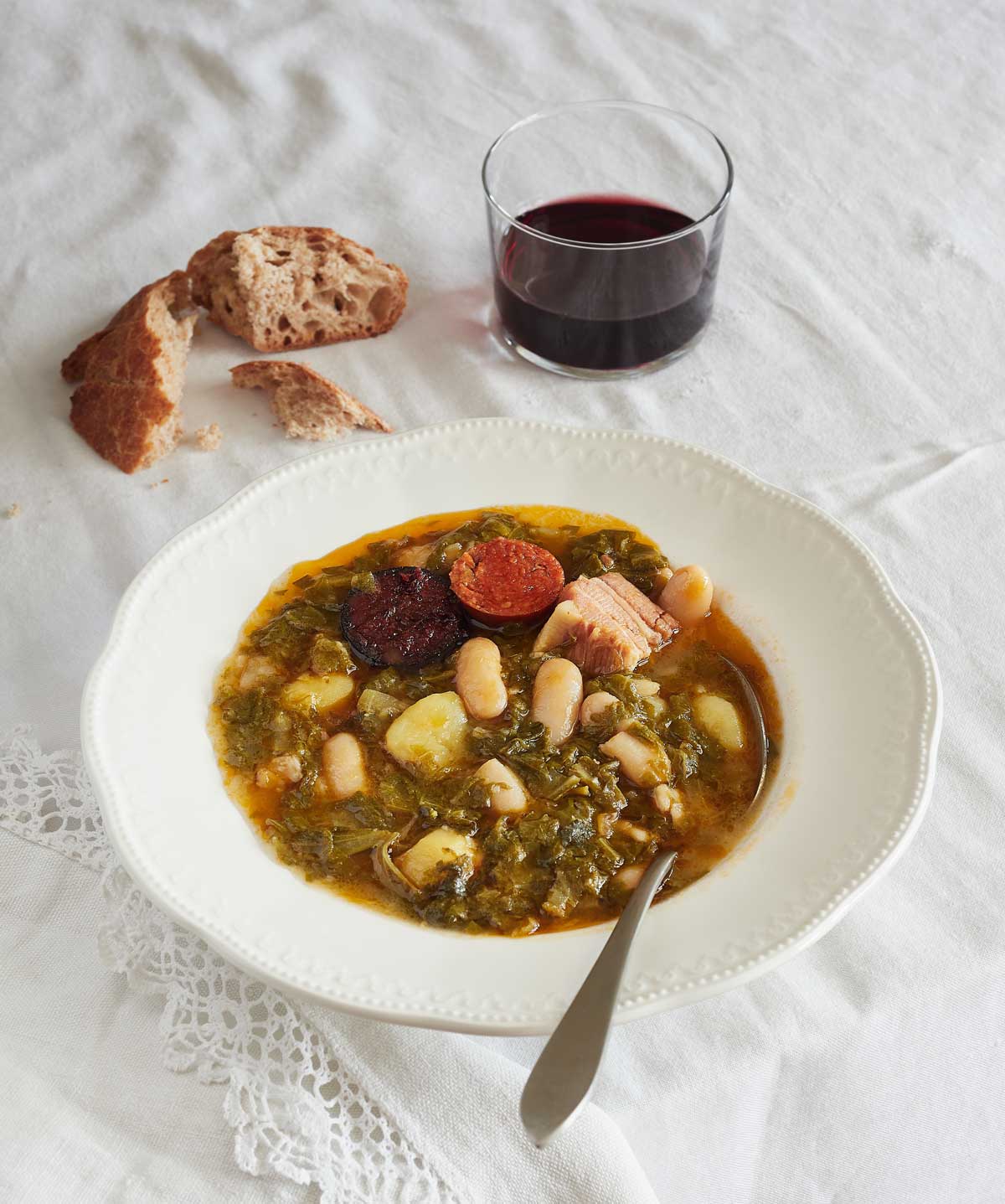
A rich and hearty dish like pote asturiano doesn’t need much to shine, but the right pairings can elevate it into a complete and memorable meal.
Whether you’re planning a cozy dinner or a gathering, these ideas will help you build the perfect Spanish family meal around this classic stew.
Crusty Bread (A Must-Have)
- Serve with rustic, crusty bread for dipping into the flavorful broth
- Helps soak up every bit of this Spanish comfort dish
- A staple in classic Spanish meals
Spanish Cider or Red Wine
- Traditional pairing: dry Spanish cider (sidra) from Asturias
- Red wines like Tempranillo or Rioja complement the richness
- Enhances the experience of Mediterranean comfort food
Simple Green Salad
- A light salad with olive oil and vinegar balances the heaviness
- Adds freshness to your Spanish family meals
- Keeps the meal from feeling too heavy
Pickled Vegetables or Olives
- Bright, tangy flavors contrast the rich stew
- Common in many classic Spanish meals as side accompaniments
Roasted or Grilled Vegetables
- Great option for adding variety and color to the table
- Works well if you want a more modern take on Spanish comfort dishes
Traditional Serving Style
- Often served as a one-pot meal in deep bowls
- Meats may be served whole or sliced on the side
- Reflects the simplicity of Mediterranean comfort food
Light Dessert to Finish
- Keep it simple: fruit, flan, or a light pastry
- Completes the experience of a balanced Spanish family meal
Because the Asturian dish is already so rich and satisfying, the best sides are simple, fresh, and complementary.
Keep it traditional, and you’ll create a truly authentic and comforting dining experience.
Storage, Freezing, and Reheating

One of the best things about pote asturiano is that it stores beautifully—some would say it tastes even better the next day!
Like many hearty dishes, this slow cooked bean stew develops deeper flavor over time, making it perfect for leftovers and meal prep.
How to Store Pote Asturiano
- Divide into shallow containers and refrigerate within 2 hours
- Transfer to an airtight container and refrigerate
- Properly stored, this homemade Spanish stew will last 3–4 days in the fridge
- Keep meats submerged in the broth to maintain moisture
Can You Freeze Pote Asturiano?
- Yes! This freezing bean stew method works very well
- Chill promptly in shallow containers before freezing
- Store in freezer-safe containers or portioned bags
- Freeze for up to 2–3 months for best quality
- Tip: remove large bones before freezing for easier reheating
Best Way to Reheat
- Stovetop (recommended):
- Reheat slowly over low heat, stirring occasionally
- Add a splash of water or broth if it has thickened too much
- This method preserves the texture of a proper reheating stew
- Microwave (quick option):
- Heat in intervals, stirring in between
- Cover loosely to prevent splatter
Flavor Gets Better Over Time
- Like most slow cooked bean stew recipes, flavors deepen after resting
- The spices, meats, and beans continue to meld together
- Many consider next-day pote asturiano even more delicious
Storage Tips to Keep in Mind
- Avoid repeated reheating—reheat only what you plan to eat
- Stir gently to keep beans intact
- Always check for freshness before consuming
With proper storage and reheating, your pote asturiano can be enjoyed for days without losing its rich, comforting flavor.
It’s the perfect make-ahead dish for busy weeks or cozy leftovers.
Common Mistakes to Avoid

Even though pote asturiano is a rustic and forgiving dish, a few common missteps can affect the final flavor and texture.
Avoiding these pitfalls will help you create a truly authentic pote asturiano with the rich depth expected from a traditional slow cooked bean stew.
Not Soaking the Beans Properly
- Skipping or shortening the soak time leads to uneven cooking
- Beans may turn out tough instead of creamy
- Proper prep is essential for all traditional bean recipes
Cooking at Too High Heat
- Boiling instead of simmering can break the beans apart
- Results in a cloudy broth and uneven texture
- Low, steady heat is key for a perfect slow cooked bean stew
Adding Salt Too Early
- Cured meats like chorizo and morcilla already contain salt
- Adding salt too soon can make the dish overly salty
- One of the most important cooking bean stew tips is to season at the end
Overcooking or Undercooking the Greens
- Adding greens too early can make them mushy
- Adding them too late leaves them undercooked and tough
- Timing is crucial for a balanced cabbage and bean stew
Using Low-Quality Ingredients
- Cheap or low-quality meats reduce flavor significantly
- Authentic ingredients elevate the entire dish
- This is a common issue in many stew cooking errors
Not Skimming Excess Fat
- Failing to skim fat can make the stew greasy
- A balanced broth is essential for a proper pote asturiano
Over-Stirring the Stew
- Stirring too much can break the beans
- Results in a mushy consistency instead of a structured bean and meat stew
Rushing the Cooking Process
- This dish is meant to be slow and steady
- Cutting cooking time short prevents flavors from developing
- Patience is key in all slow cooking mistakes to avoid
By steering clear of these common mistakes, you’ll ensure your pote asturiano turns out rich, balanced, and full of authentic Spanish flavor every time.
Pote Asturiano: Final Thoughts on This Traditional Spanish Dish

Bringing pote asturiano to your table is more than just cooking a meal—it’s embracing the heart of traditional Spanish recipes and the warmth of true Spanish comfort food.
With its rich blend of beans, meats, and greens, this dish delivers everything you want in hearty winter meals: flavor, nourishment, and that slow-cooked depth that only time can create.
By now, you’ve learned how to choose the right ingredients, follow an authentic pote asturiano recipe, avoid common mistakes, and even store it for later.
The beauty of this Asturian dish lies in its simplicity—humble ingredients transformed into something deeply satisfying through authentic Spanish cooking techniques.
Whether you’re cooking for family, friends, or just yourself, this classic stew is sure to become a favorite in your kitchen.
So go ahead—grab your pot, start simmering, and experience one of the most iconic dishes in Spanish cuisine. You won’t regret it!
Pote Asturiano Recipe
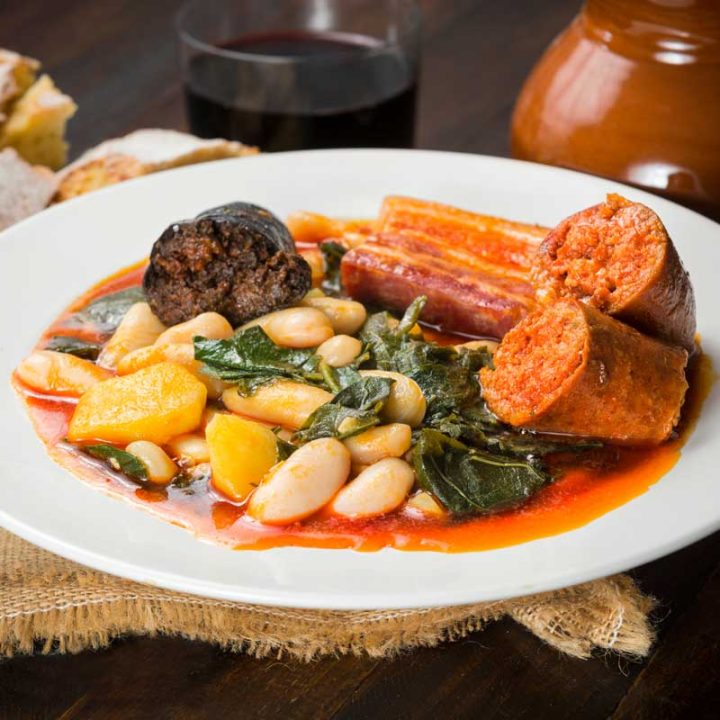
This pote asturiano recipe is a traditional Spanish bean stew made with creamy white beans, smoky chorizo, rich morcilla, tender pork, and hearty greens. Slow-cooked to perfection, this rustic dish from Asturias is the ultimate Spanish comfort food—flavorful, nourishing, and perfect for cozy meals.
Ingredients
- 2 cups dried white beans (fabes or cannellini), measured before soaking; soak 8–12 hours
- 2 chorizo sausages
- 1–2 morcilla (blood sausage)
- 1 lb pork cuts (pork belly, ribs, or shoulder)
- 2 cups cabbage or collard greens, chopped
- 2 medium potatoes, peeled and diced
- 4 cloves garlic, minced
- 1 small onion, chopped
- 1 tsp smoked paprika (pimentón)
- 2 tbsp olive oil
- 1 bay leaf (optional)
- Salt, to taste
- Water (enough to cover ingredients)
Instructions
- Rinse the dried beans and soak in plenty of water for 8–12 hours. Drain and rinse.
- Place the beans, pork, chorizo, morcilla and optional bay leaf in a large heavy pot and cover generously with fresh water. Follow the bean package instructions for any initial boiling required, then reduce to a gentle simmer.
- Cook gently for about 1½–2 hours, skimming foam and excess fat and adding water as needed to keep the beans submerged. Cook until the beans are nearly tender; older beans may take longer. Avoid vigorous stirring.
- Add the diced potatoes and finely chopped greens. Simmer for 30–45 minutes, until the beans, potatoes, greens and pork are fully tender. Remove any bones before serving.
- While the vegetables cook, soften the onion in the olive oil in a small skillet. Add the garlic and cook briefly until fragrant. Remove from the heat, stir in the paprika, then add this mixture to the stew for its final 10–15 minutes of cooking. Taste before adding salt.
- Remove the bay leaf, turn off the heat and rest the stew for 15–20 minutes. Slice the sausages and serve in bowls with the beans, vegetables and broth.
Notes
Allow about 3 hours 5 minutes after soaking: 15 minutes prep, approximately 2½ hours cooking and 20 minutes resting. Add 8–12 hours for the bean soak. Bean age, variety and the size of the pork pieces can extend cooking time; tenderness is the guide. This bean-forward version serves 6–8.
Refrigerate leftovers promptly in shallow containers within 2 hours. Keep for 3–4 days refrigerated or freeze for up to 3 months. Reheat thoroughly, adding water if needed.
Nutrition Information:
Serving Size: 1½ to 2 cupsAmount Per Serving: Calories: 520Total Fat: 28gCarbohydrates: 40gFiber: 10gProtein: 28g
More Spanish Foods
See all →
Jorge Garcia is the founder of AmigoFoods, where he has spent over 20 years helping readers discover authentic Latin American and Spanish cuisine. Raised in a Cuban-American household, Jorge learned to cook at the hands of his mother and grandmother, carrying forward generations of family recipes. That heritage, backed by his family’s four-generation history in the Latin food industry, inspired him to launch AmigoFoods in 2003. With more than 1,000 published articles on recipes, ingredients, and food culture, Jorge’s mission is simple: make authentic Latin cooking approachable for home cooks everywhere while honoring the traditions behind every dish.