

Sorrentinos are round Argentine filled pasta with roots in Italian cooking. This version combines ricotta, cooked ham and mozzarella inside thin egg pasta, finished with a simple tomato-basil sauce.
Sorrentinos at a Glance
What is Sorrentinos?

Sorrentino pasta, commonly known simply as “sorrentinos,” is a type of filled pasta similar to ravioli, originating from Argentina.
Despite its Italian-sounding name, sorrentinos are distinctly Argentine and showcase the rich culinary traditions of the country, influenced by Italian immigrants.
Sorrentinos are typically larger than traditional Italian ravioli and are circular or square in shape.
The pasta dough is usually made from a simple mixture of flour, eggs, and sometimes a touch of olive oil.
What makes sorrentinos special is their filling, which often includes a combination of ricotta cheese, mozzarella, and ham, though there are many variations that might feature ingredients like spinach, corn, or different types of meat and cheese.
They are served topped with various sauces, such as a classic tomato sauce, creamy béchamel, or pesto, depending on the filling and personal preference.
The dish is popular across Argentina and is often prepared for family gatherings and special occasions, reflecting both the cultural heritage and creative spirit of Argentine cuisine.
History and Origin of Sorrentinos
The story of sorrentinos is as rich and layered as the dish itself, blending Italian culinary traditions with Argentine innovation.
While exact details about the origin of sorrentinos are often debated among culinary historians, the most popular theory suggests that they were first created in Mar del Plata, Argentina.
According to local lore, Italian immigrants adapted their beloved ravioli to reflect the tastes and available ingredients in Argentina, giving birth to what is now known as sorrentinos.
The name “sorrentinos” itself is steeped in mystery and charm.
It is widely believed that the pasta was named after Sorrento, a picturesque town in Italy, although there is no direct link between the town and the dish.
Another theory suggests that the name was inspired by a famous restaurant in Mar del Plata called “Sorrento,” where these pastas were a signature dish, captivating locals and tourists alike.
As sorrentinos gained popularity, they became a symbol of Argentine culinary creativity, merging the robust flavors of Italian cuisine with local Argentine touches.
This pasta variation started to feature unique fillings such as ricotta, ham, mozzarella, and sometimes more distinctly Argentine ingredients like corn or spinach, encased in a delicate dough.
The adaptability of sorrentinos allowed them to capture the hearts of Argentines across the country, becoming a beloved staple in festive meals and family gatherings.
Over the decades, they have not only remained a favorite in Argentine kitchens but have also started to gain recognition abroad, showcasing the global appeal of Argentine gastronomy.
Ingredients and Variations of Sorrentinos

Sorrentinos are celebrated for their versatility in fillings and flavors, allowing each region of Argentina, and indeed each cook, to impart their personal touch.
Here’s a detailed look at the ingredients typically used in sorrentinos, as well as some of the popular variations that you might encounter.
Traditional Ingredients
The classic sorrentino is made with a simple yet elegant dough, primarily consisting of flour, eggs, and a pinch of salt.
This encases a rich filling that typically features a combination of ricotta cheese, mozzarella, and cooked ham.
These ingredients create a creamy, savory interior that perfectly complements the pasta.
Regional Variations
Across Argentina, chefs and home cooks alike have embraced the sorrentino, adapting it to include local flavors and ingredients, resulting in a delightful variety of versions:
- Spinach and Ricotta Sorrentinos: Popular for their vibrant color and nutritious profile, these are especially favored during the spring and summer months.
- Corn and Cheese Sorrentinos: These reflect Argentina’s love for corn and are often served with a creamy sauce.
- Mushroom and Cheese Sorrentinos: A favorite for fungi enthusiasts, offering a deep, earthy flavor that pairs well with lighter sauces.
Modern Twists
As Argentine cuisine has entered the global stage, contemporary chefs have begun experimenting with even more innovative fillings for sorrentinos, such as:
- Smoked Salmon and Cream Cheese: Offering a gourmet twist, these are typically served with dill and a light cream sauce.
- Blue Cheese and Walnut: Ideal for those who enjoy strong flavors, these sorrentinos can be a bold departure from the more traditional varieties.
- Sweet Sorrentinos: Filled with dulce de leche or sweet fruit compote, these dessert versions are a creative spin on the classic savory dish.
Dietary Adaptations
With growing dietary awareness, sorrentinos have also been adapted to meet various dietary needs:
- Gluten-Free Sorrentinos: Made using gluten-free flour blends to cater to those with gluten sensitivities.
- Vegan Sorrentinos: Utilizing vegan cheeses and vegetable-based fillings to offer a plant-based alternative without compromising on flavor.
These variations not only showcase the adaptability and creativity inherent in Argentine cuisine but also ensure that sorrentinos can be enjoyed by a wide audience.
Culinary Techniques for Making Sorrentinos

Crafting sorrentinos is an art that combines traditional pasta-making skills with a touch of personal creativity.
Here’s a guide to mastering the culinary techniques required to make perfect sorrentinos, complete with tips for ensuring great results.
Dough Preparation
- Mixing the Dough:
- Combine all-purpose flour with a pinch of salt in a large bowl.
- Make a well in the center and add beaten eggs. Gradually incorporate the flour into the eggs using a fork or your fingers.
- Knead the dough on a lightly floured surface until smooth and elastic, about 10 minutes.
- Resting the Dough:
- Wrap the dough in plastic wrap and let it rest for at least 30 minutes at room temperature. This step allows the gluten to relax, making the dough easier to roll out.
Rolling the Dough

- Using a Pasta Machine:
- Divide the dough into smaller portions. Flatten each piece slightly, dust with flour, and feed it through a pasta machine, starting from the widest setting.
- Gradually reduce the setting on your pasta machine until the dough reaches the desired thickness, typically about 1 mm thick.
- By Hand:
- If you don’t have a pasta machine, use a rolling pin. Roll out the dough on a floured surface until it is thin enough to see your hand through it.
Filling the Sorrentinos
- Preparing the Filling:
- Mix your chosen fillings (e.g., ricotta, mozzarella, ham) in a bowl. Season with salt, pepper, and any other desired herbs or spices.
- Assembling the Sorrentinos:
- Place a sheet of rolled-out pasta dough on a floured surface.
- Drop spoonfuls of filling onto the dough, spaced evenly.
- Cover with another sheet of pasta dough. Press down around the edges of the filling to seal and remove any air pockets.
Cutting and Sealing

- Using a Cutter:
- Use a round cutter or sorrentino mold to shape the sorrentinos. Ensure each piece is sealed well by pressing down on the edges with a fork or a pastry wheel, which also creates a decorative edge.
Cooking Techniques
- Boiling:
- Cook in uncrowded batches at a gentle boil. Begin checking at 3–4 minutes; thicker pasta may need 5–8 minutes or longer. Test a sealed edge for tender dough with no raw floury layer and a hot filling. Floating alone does not prove doneness.
- Serving:
- Drain the sorrentinos and serve them hot with your choice of sauce, such as a classic tomato sauce, brown butter sage, or a creamy béchamel.
Tips for Success
- Avoid Overfilling: Too much filling can cause the sorrentinos to burst during cooking. Use just enough to fill the center without overcrowding.
- Ensure Tight Seals: Properly sealing the edges of the sorrentinos is crucial to prevent them from opening while they cook.
- Consistent Thickness: Uniform dough thickness is key for even cooking. Ensure that both the top and bottom layers of dough are rolled out evenly.
Serving and Pairing Sorrentinos

Sorrentinos can be paired with a variety of sauces and beverages to enhance their flavors.
Here’s how you can present and pair them to make the most out of this exquisite Argentine pasta dish.
Traditional Serving Suggestions
- Sauces:
- Tomato Basil Sauce: A simple yet classic choice that complements the creamy fillings of sorrentinos without overpowering them.
- Creamy Béchamel Sauce: Rich and velvety, this sauce pairs beautifully with sorrentinos filled with ham or mushrooms.
- Pesto Sauce: For a burst of fresh flavor, pesto brings out the best in vegetable-stuffed sorrentinos.
- Toppings:
- Sprinkle freshly grated Parmesan or Pecorino cheese for an extra layer of flavor.
- Add a drizzle of high-quality olive oil and some fresh herbs like basil or parsley to enhance the fresh, homemade feel of the dish.
Wine and Beverage Pairings
Choosing the right wine or beverage to accompany sorrentinos can elevate the dining experience:
- White Wines: A crisp Chardonnay or a light Sauvignon Blanc pairs well with cheese-filled sorrentinos, complementing their richness without overwhelming the palate.
- Red Wines: For sorrentinos with heartier fillings like meat or robust vegetable mixes, a medium-bodied Malbec or a Barbera provides a nice balance, cutting through the richness with its acidity.
- Non-Alcoholic Options: Sparkling water with a slice of lemon or a non-alcoholic herbal iced tea can be refreshing and palate-cleansing, making them great choices for those who prefer not to drink alcohol.
Dietary Alternatives
For those with dietary restrictions, here are some suggestions to ensure everyone enjoys this delightful dish:
- Gluten-Free Options: Serve gluten-free sorrentinos with a light tomato sauce to avoid heaviness, ensuring that the dish remains digestible and enjoyable.
- Vegan Pairings: Accompany vegan sorrentinos with a vibrant tomato sauce or a vegan pesto, and pair with a glass of organic white wine or a refreshing mocktail.
Creative Serving Ideas
- Appetizer & Side Portions: Serve mini sorrentinos as an appetizer at gatherings, paired with a variety of dipping sauces for a fun, interactive starter or side dish.
- Seasonal Twists: In the fall, pair pumpkin-filled sorrentinos with a sage butter sauce and a robust red wine, embracing the flavors of the season.
By carefully considering the sauces, pairings, and presentation, you can turn a meal featuring sorrentinos into a memorable culinary event.
Cultural Significance of Sorrentinos
Sorrentinos hold a special place in Argentine cuisine, symbolizing the country’s rich cultural tapestry woven with threads from both indigenous traditions and immigrant influences.
They epitomize the fusion of Italian and Argentine culinary traditions, showcasing how Italian immigrants adapted their recipes to the new world.
By incorporating local ingredients and flavors, they created a dish that was both a reminder of home and a celebration of their new environment.
This blend has allowed sorrentinos to become a symbol of Argentina’s multicultural identity.
Recipe: Classic Sorrentinos with Ricotta and Ham Filling
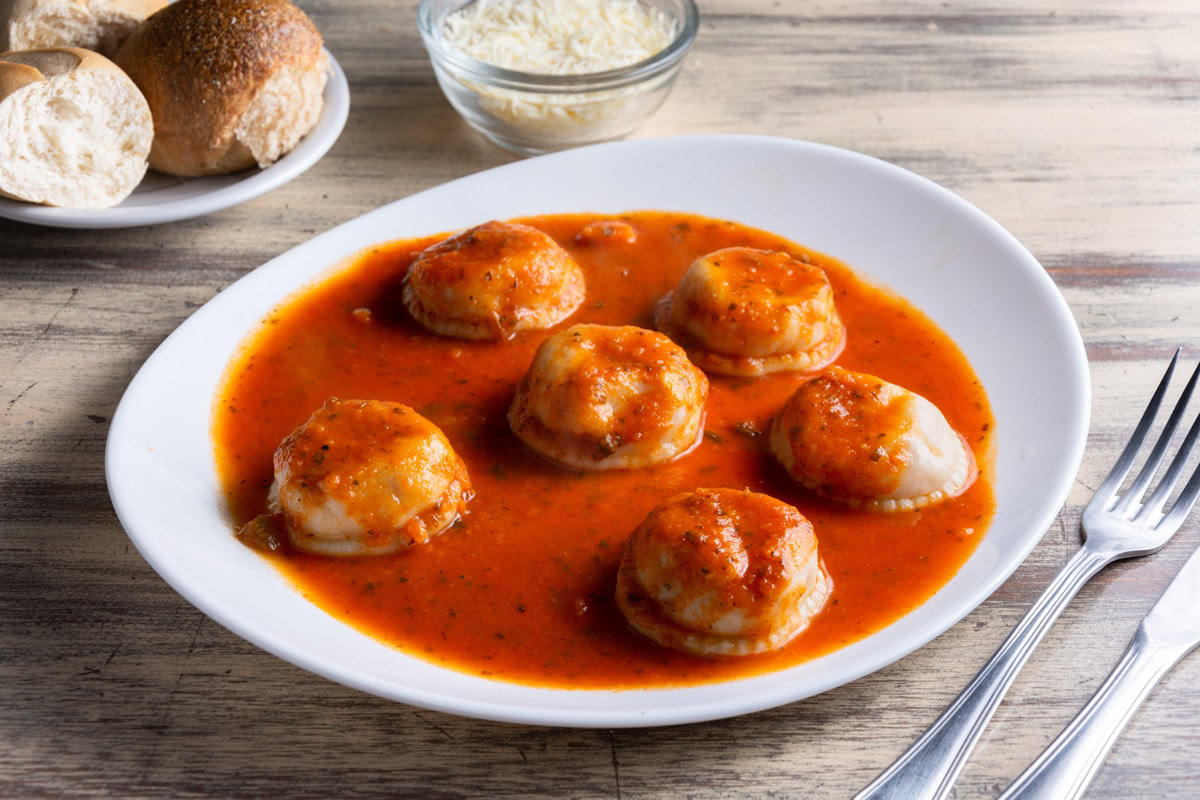
This ricotta-forward version serves four. Use 300 g flour for three large eggs and adjust moisture gradually; well-drained ricotta helps the filling stay inside the pasta.
Ingredients
- 300 g all-purpose flour (about 2 1/2 cups), plus more for dusting
- 3 large eggs
- 1 tablespoon olive oil, for the dough
- 1/4 teaspoon salt, plus salt for the cooking water
- Water, a teaspoon at a time only if needed
- 1 cup well-drained ricotta cheese
- 1 cup finely chopped cooked ham
- 1/2 cup grated low-moisture mozzarella
- Black pepper and salt, to taste
- Pinch of grated nutmeg (optional)
- 2 cups tomato sauce
- 1 garlic clove, minced
- 1 tablespoon olive oil, for the sauce
- Fresh basil leaves, to taste
Method

- Mix the flour and 1/4 teaspoon salt, make a well, and add the eggs and 1 tablespoon oil. Incorporate the flour and knead about 10 minutes until smooth and firm. If dry, add water a teaspoon at a time; if sticky, dust lightly with flour. Wrap and rest 30 minutes.
- Mix the drained ricotta, cooked ham and mozzarella. Season with pepper, optional nutmeg and only as much salt as needed for the ham and cheese. Keep chilled while rolling the pasta.
- Heat the remaining tablespoon oil in a saucepan. Cook the garlic briefly without browning, add the tomato sauce, and simmer about 10 minutes. Season, add basil, and keep warm. This can be done during the dough rest.
- Divide the dough into four and keep unused portions covered. Roll each into a thin sheet, about 1 mm thick, with a pasta machine or rolling pin.
- Place rounded tablespoons of filling on one sheet, leaving enough room for a firm sealed border. Lightly dampen the surrounding dough if needed, cover with a second sheet, and press outward to expel air. Cut rounds with a 2 1/2–3 inch cutter, or use a floured sorrentino mold. Seal firmly. Gently reroll scraps as needed; expect roughly 24–30 pieces, depending on size.
- Bring a large pot of salted water to a boil, then maintain a gentle boil. Cook in uncrowded batches; begin checking at 3–4 minutes and allow longer as needed, often 5–8 minutes depending on thickness. Cut a test piece through the sealed edge: the dough should be tender with no raw floury layer, and the filling hot. Floating alone does not prove doneness.
- Lift out with a slotted spoon, drain, and serve promptly with the warm tomato sauce and basil.
Makes 4 servings; piece count is approximate. Allow about 1 hour active preparation, 30 minutes dough rest and 20 minutes for sauce and batch cooking (about 1 hour 50 minutes total; overlapping the sauce with the rest can shorten this). Equipment: mixing bowl, pasta machine or rolling pin, round cutter or sorrentino mold, saucepan, large pot and slotted spoon. Use well-drained ricotta to avoid wet filling. Different flour and egg sizes need small moisture adjustments. This recipe retains the article’s ricotta-forward filling; ham/cheese ratios vary among Argentine versions.
Technique reference: Cocineros Argentinos’ sorrentinos with ham, cheese and ricotta. Filling ratios vary; this is a source-based editorial check, not kitchen testing.
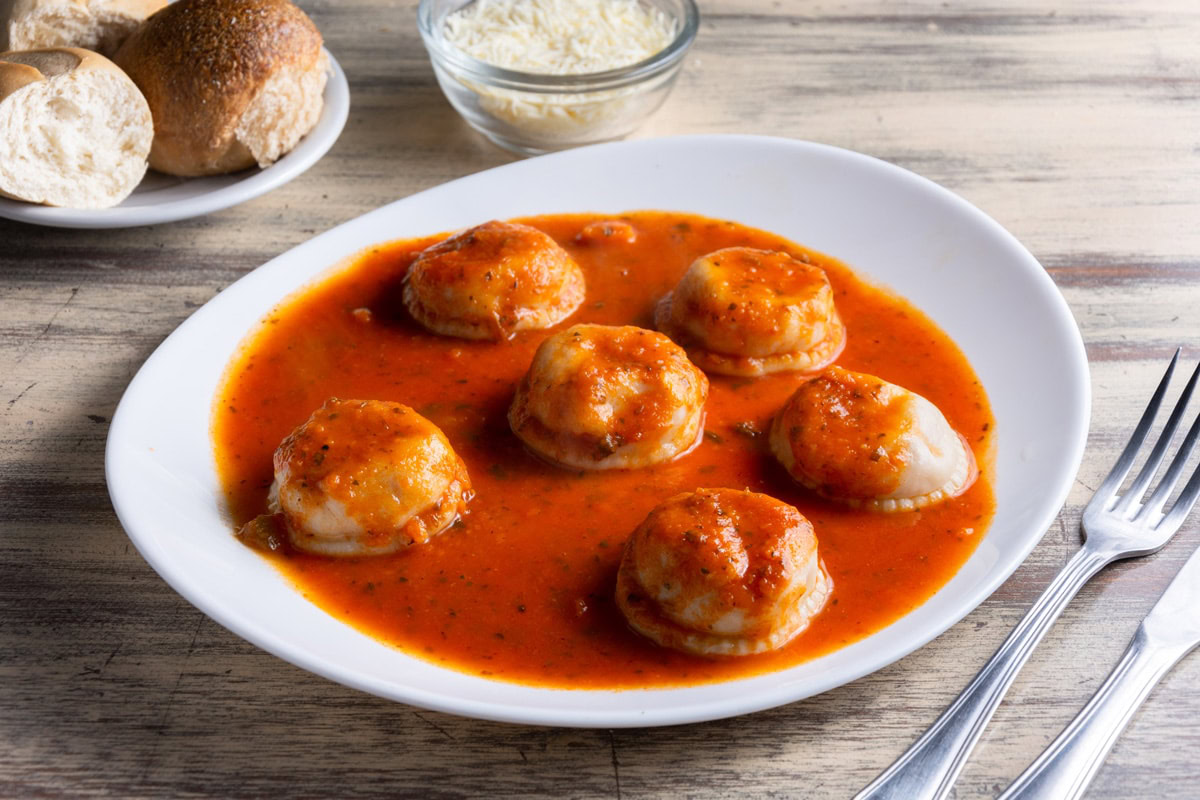
Sorrentinos with Ricotta and Ham
Round Argentine pasta filled with ricotta, cooked ham and mozzarella, served with a simple tomato-basil sauce.
Ingredients
- 300 g all-purpose flour (about 2 1/2 cups), plus more for dusting
- 3 large eggs
- 1 tablespoon olive oil, for the dough
- 1/4 teaspoon salt, plus salt for the cooking water
- Water, a teaspoon at a time only if needed
- 1 cup well-drained ricotta cheese
- 1 cup finely chopped cooked ham
- 1/2 cup grated low-moisture mozzarella
- Black pepper and salt, to taste
- Pinch of grated nutmeg (optional)
- 2 cups tomato sauce
- 1 garlic clove, minced
- 1 tablespoon olive oil, for the sauce
- Fresh basil leaves, to taste
Instructions
- Mix the flour and 1/4 teaspoon salt, make a well, and add the eggs and 1 tablespoon oil. Incorporate the flour and knead about 10 minutes until smooth and firm. If dry, add water a teaspoon at a time; if sticky, dust lightly with flour. Wrap and rest 30 minutes.
- Mix the drained ricotta, cooked ham and mozzarella. Season with pepper, optional nutmeg and only as much salt as needed for the ham and cheese. Keep chilled while rolling the pasta.
- Heat the remaining tablespoon oil in a saucepan. Cook the garlic briefly without browning, add the tomato sauce, and simmer about 10 minutes. Season, add basil, and keep warm. This can be done during the dough rest.
- Divide the dough into four and keep unused portions covered. Roll each into a thin sheet, about 1 mm thick, with a pasta machine or rolling pin.
- Place rounded tablespoons of filling on one sheet, leaving enough room for a firm sealed border. Lightly dampen the surrounding dough if needed, cover with a second sheet, and press outward to expel air. Cut rounds with a 2 1/2–3 inch cutter, or use a floured sorrentino mold. Seal firmly. Gently reroll scraps as needed; expect roughly 24–30 pieces, depending on size.
- Bring a large pot of salted water to a boil, then maintain a gentle boil. Cook in uncrowded batches; begin checking at 3–4 minutes and allow longer as needed, often 5–8 minutes depending on thickness. Cut a test piece through the sealed edge: the dough should be tender with no raw floury layer, and the filling hot. Floating alone does not prove doneness.
- Lift out with a slotted spoon, drain, and serve promptly with the warm tomato sauce and basil.
Notes
Makes 4 servings; piece count is approximate. Allow about 1 hour active preparation, 30 minutes dough rest and 20 minutes for sauce and batch cooking (about 1 hour 50 minutes total; overlapping the sauce with the rest can shorten this). Equipment: mixing bowl, pasta machine or rolling pin, round cutter or sorrentino mold, saucepan, large pot and slotted spoon. Use well-drained ricotta to avoid wet filling. Different flour and egg sizes need small moisture adjustments. This recipe retains the article’s ricotta-forward filling; ham/cheese ratios vary among Argentine versions.
Celebrating the Essence of Argentine Cuisine with Sorrentinos

Sorrentinos are much more than just a delicious meal; they are a culinary journey through the rich tapestry of Argentine culture and traditions.
From the rolling of the dough to the final sprinkle of cheese, making and enjoying sorrentinos is an act of celebration, an opportunity to connect with the deep-rooted culinary heritage of Argentina.
Each bite offers a taste of the blend of indigenous and immigrant influences that have shaped Argentina’s culinary landscape.
More Argentine Foods
See all →
Jorge Garcia is the founder of AmigoFoods, where he has spent over 20 years helping readers discover authentic Latin American and Spanish cuisine. Raised in a Cuban-American household, Jorge learned to cook at the hands of his mother and grandmother, carrying forward generations of family recipes. That heritage, backed by his family’s four-generation history in the Latin food industry, inspired him to launch AmigoFoods in 2003. With more than 1,000 published articles on recipes, ingredients, and food culture, Jorge’s mission is simple: make authentic Latin cooking approachable for home cooks everywhere while honoring the traditions behind every dish.