
Updated
Argentinian sandwiches fall into two camps: meat straight off the grill, stuffed into crusty bread with chimichurri, and neat café sandwiches made on soft crustless bread.
Argentines call them sánguches. This guide covers 10 classics, from the choripán at a football stadium to the Carlito of Rosario, with what goes in each one and where it comes from.
AmigoFoods may earn a commission from qualifying Amazon purchases made through links on this page.
Just want the recipes? Start with our choripán, lomito and sándwich de miga guides, or browse more Argentinian street foods.
From the parrilla to the confitería
10 Argentinian sandwiches at a glance
Pick a category, then tap any sandwich to jump straight to it.
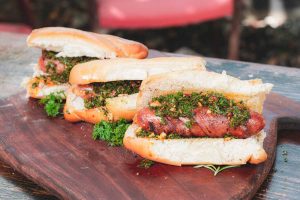 01ChoripánGrilled chorizo in crusty bread with chimichurriParrilla
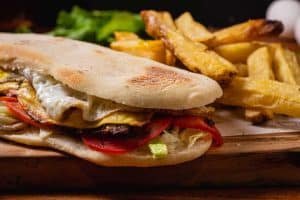 02LomitoCórdoba’s steak sandwich with ham, cheese and eggHearty
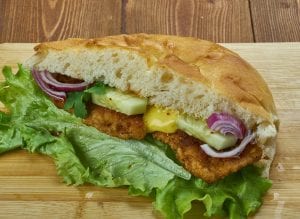 03Sándwich de MilanesaBreaded beef cutlet in a big roll, Tucumán styleHearty
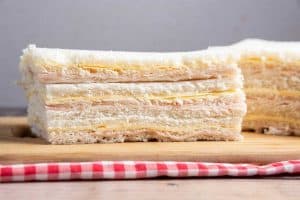 04Sándwich de MigaCrustless layered sandwiches from the confiteríaCafé
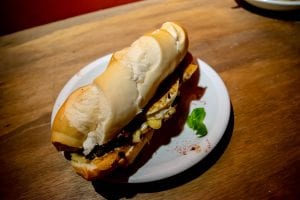 05BondiolaGrilled pork shoulder with chimichurriParrilla
- Morcipán06MorcipánGrilled blood sausage in breadParrilla
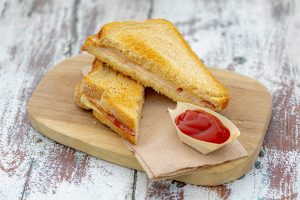 07CarlitoRosario’s toasted ham and cheese with ketchupCafé
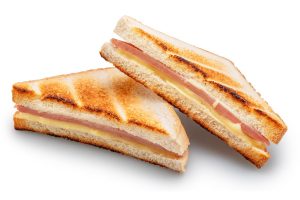 08Tostado de Jamón y QuesoPressed ham and cheese, the café classicCafé
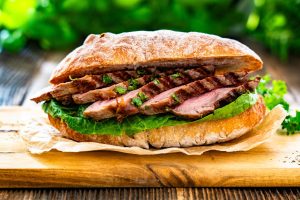 09VaciopánGrilled flank steak in a rollParrilla
 10Sándwich de MatambreCold slices of rolled, stuffed beefCafé
1. Choripán

The choripán is the most famous sandwich in Argentina: a fresh pork (or pork and beef) chorizo, grilled and often split lengthwise a la mariposa, then tucked into a crusty roll. It is finished with chimichurri or salsa criolla.
It is the first thing off the grill at a family asado and the standard snack at football matches and street carts. Historian Daniel Balmaceda traces the name to sandwich carts in Córdoba’s Parque Sarmiento in the 1950s, although chorizo on bread was sold earlier around the ports of Buenos Aires and Rosario.
2. Lomito

The lomito is Córdoba’s pride: thin slices of beef tenderloin (lomo) seared on the griddle and piled into a soft, wide roll. Ordered completo, it adds ham, cheese, a fried egg, lettuce, tomato and mayonnaise.
Córdoba has whole restaurants devoted to it, called lomiterías, and the food guide TasteAtlas ranked the lomito among the top three sandwiches in the world in 2023. Across the river, Uruguay’s chivito is a close cousin.
3. Sándwich de Milanesa

A milanesa, the breaded and fried cutlet Argentines eat several times a week, becomes the sándwich de milanesa with lettuce, tomato and mayonnaise in a large roll. The completo version adds ham, cheese and a fried egg.
The province of Tucumán claims the best one. The Tucumán sanguche de milanesa is huge: a wide round loaf filled with more than one beef milanesa, plus lettuce, tomato and mustard or mayonnaise.
4. Sándwich de Miga

Sándwiches de miga are made with pan de miga, a crustless white bread cut very thin, layered with ham, cheese, egg, tomato, lettuce or roasted peppers and spread with butter or mayonnaise. Bakeries and confiterías sell them by the dozen, as two-layer simples or three-layer triples.
They are a fixture at birthdays, office parties and afternoon tea. Most food writers link them to the Italian tramezzino, created in Turin in the 1920s and brought over by the wave of immigrants described in our guide to the Italian roots of Argentine cuisine.
5. Bondiola

Bondiola is pork shoulder or collar, the cut Italians call coppa. On the grill it is sliced thin or butterflied, then served in a crusty roll with chimichurri or salsa criolla.
The sandwich de bondiola is a star of the carritos, the food carts along the Costanera Sur riverfront in Buenos Aires, where it shares the grill with choripán. Many stands sell a completo version with ham, cheese and a fried egg.
6. Morcipán
Morcipán is the choripán’s darker sibling: morcilla, a soft blood sausage, grilled until the casing crisps and spread into a roll, usually with chimichurri. The name joins morcilla and pan, just as choripán joins chorizo and pan.
It is part of the starter round at an asado, along with chorizo, sweetbreads and provoleta, and it appears beside choripán at many street grills.
7. Carlito
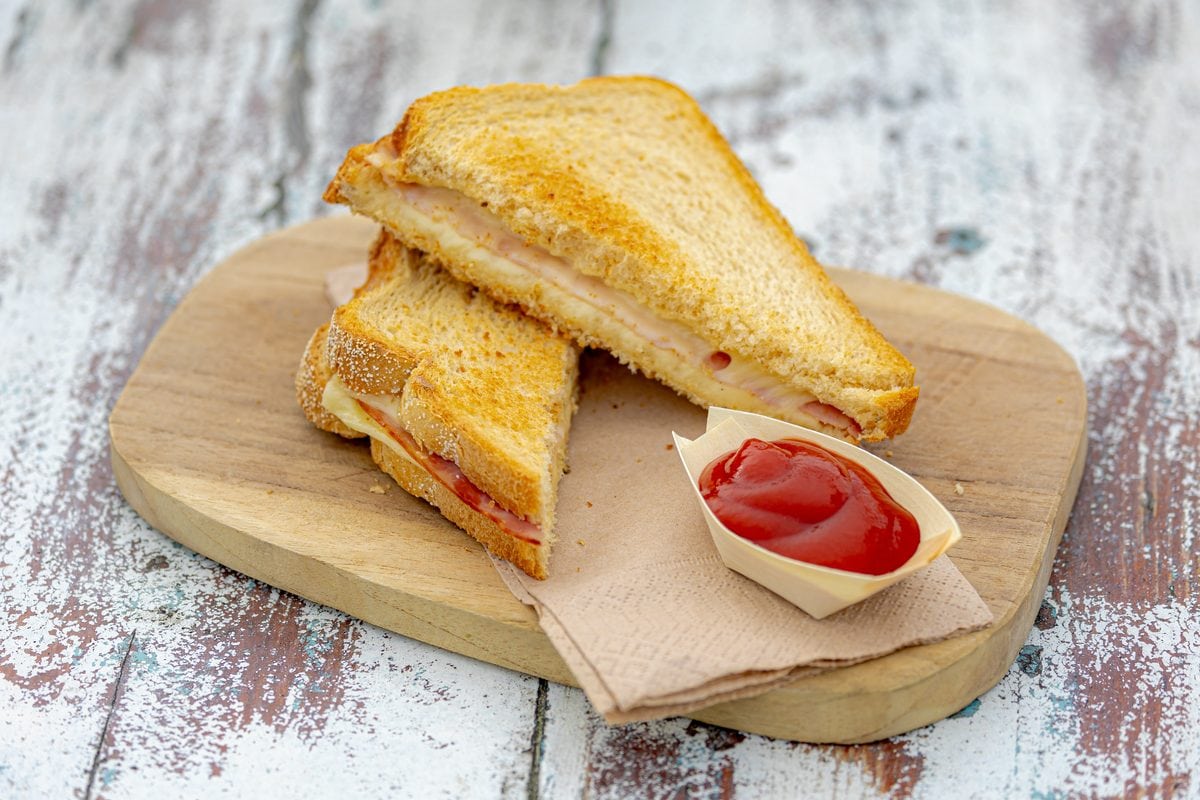
The Carlito is Rosario’s own toasted sandwich: ham and cheese on buttered pan de miga, with ketchup spread between the ham and cheese, toasted on both sides. Rosarinos say it without a final s, and they will remind you that the ketchup is not optional.
Rosario’s newspaper La Capital credits Rubén Ramírez with creating it in 1953 at Cachito, a beer hall he ran. The city council declared it part of Rosario’s cultural heritage in 2014, and the especial version adds anything from chicken to olives and egg.
8. Tostado de Jamón y Queso
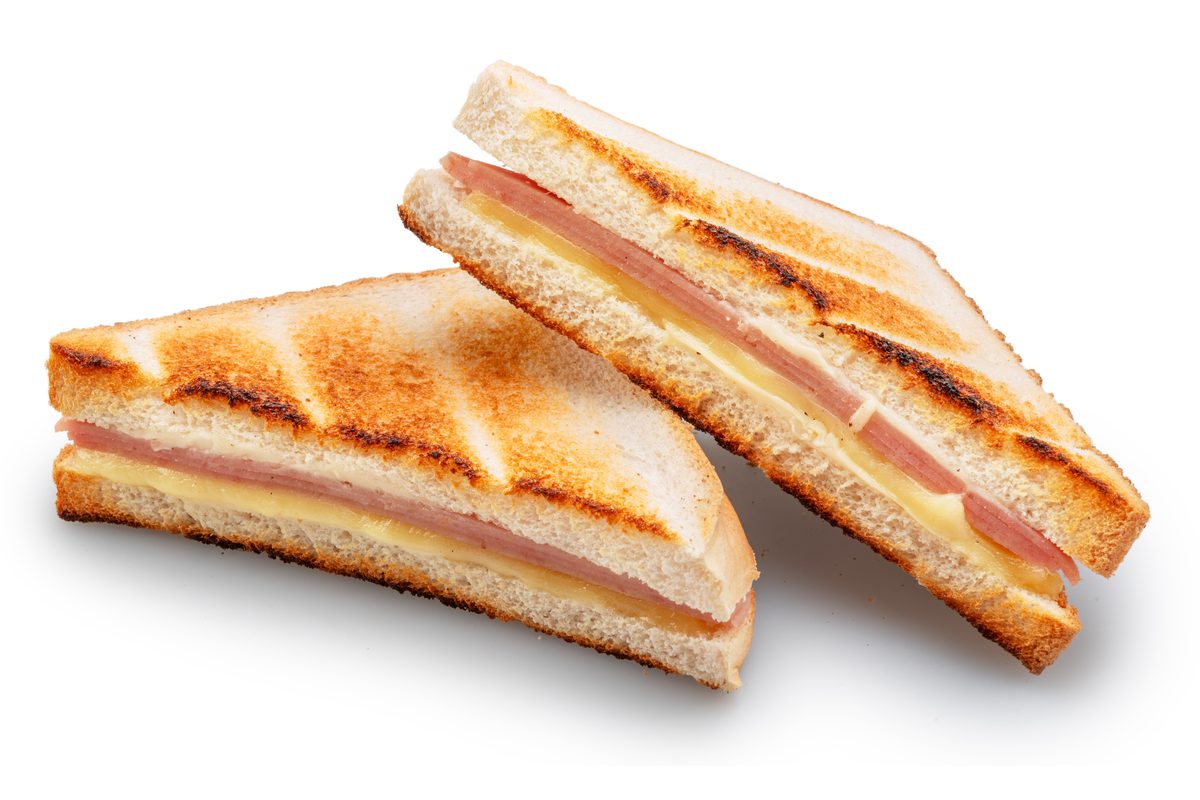
The tostado is the ham and cheese toastie found at every Argentine café: thin pan de miga filled with ham and cheese, pressed and toasted until the cheese melts. It usually comes with a café con leche or a cortado.
Its cold, soft-roll cousin is the pebete de jamón y queso, made on a soft oval bun called pan pebete. Both are standard breakfast, snack and merienda orders in Buenos Aires.
9. Vaciopán
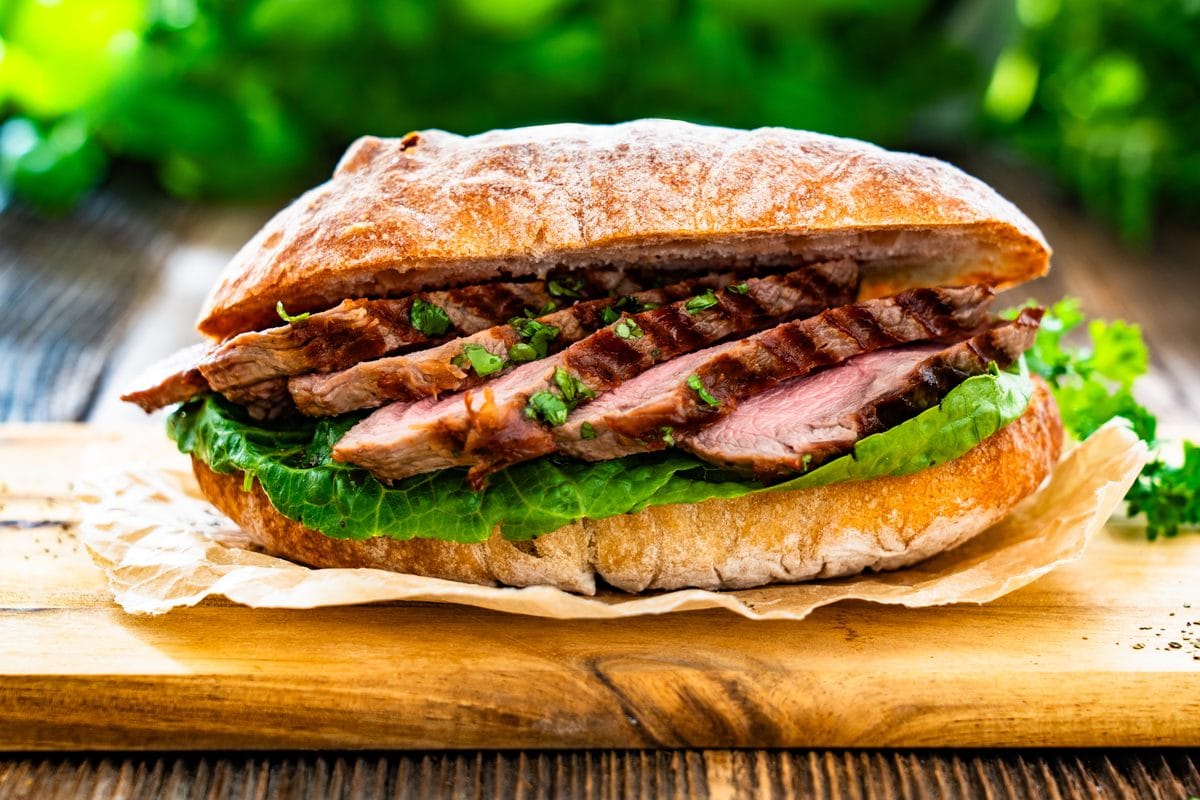
Vacío is the flank cut that Argentines grill slowly until the fat crisps. Sliced and stuffed into a crusty roll with chimichurri, it becomes the sandwich de vacío, often shortened to vaciopán.
Look for it at parrillas, food stalls and festivals, and at home the day after an asado, when leftover meat goes into bread. For the rest of the meal, see our guide to the Argentine asado.
10. Sándwich de Matambre

Matambre is a thin cut of beef rolled around vegetables and hard-boiled eggs, then poached, pressed and chilled. The cold slices go into bread with mayonnaise or a little salsa criolla to make the sándwich de matambre.
Because it is made ahead and served cold, it is an easy sandwich for picnics and parties.
How to eat like an Argentine
Argentines eat sandwiches at almost any hour, but each one has its moment. A few customs help you order.
When to eat which sandwich
- Breakfast and merienda: a tostado or a pebete with coffee, at a café or a bakery counter.
- Lunch: a lomito or a milanesa sandwich, big enough to replace a full plate.
- Asado starters: choripán and morcipán come off the grill first, while the larger cuts are still cooking.
- Late night: choripán, bondiola and lomito carts stay busy after football, concerts and nights out.
- Parties: trays of sándwiches de miga and slices of matambre.
Carritos and parrillas
The cheapest way to try the grilled sandwiches is at a carrito, a street food cart, such as those on the Costanera Sur in Buenos Aires. You pick your bread and meat and then dress it yourself from bowls of chimichurri and salsa criolla. Our guide to Argentine sauces and condiments explains what is in each bowl.
Words you will see on the menu
| On the menu | What it means |
|---|---|
| Sánguche | Everyday Argentine word for a sandwich |
| Completo | With ham, cheese and a fried egg added (lomito, milanesa, bondiola) |
| Pan francés | Crusty white roll used for grilled sandwiches |
| Pan de miga | Crustless thin white bread for miga sandwiches and tostados |
| Triples | Three-layer sándwiches de miga |
| A la mariposa | Butterflied, split open on the grill |
| Chimichurri | Parsley, garlic, oregano, vinegar and oil sauce |
| Salsa criolla | Chopped onion, tomato and pepper in vinegar and oil |
What to drink
A cold beer or a soda goes with grilled sandwiches. In Córdoba the classic pairing is fernet con Coca, Fernet-Branca mixed with cola, and at home the afternoon tostado often comes with yerba mate.
Argentinian sandwiches FAQ
What is the most famous sandwich in Argentina?
The choripán: grilled chorizo in a crusty roll with chimichurri. The lomito from Córdoba and the milanesa sandwich are close behind.
What is an Argentinian lomito?
A sandwich of thin beef tenderloin cooked on a griddle, served in a soft roll. The completo adds ham, cheese, a fried egg, lettuce, tomato and mayonnaise.
What is the difference between choripán and morcipán?
Choripán is made with a fresh pork or pork and beef chorizo. Morcipán is made with morcilla, a soft blood sausage. Both are grilled and served in bread with chimichurri.
What are sándwiches de miga?
Thin, crustless sandwiches made with pan de miga and fillings such as ham, cheese, egg and tomato. They are sold by the dozen at bakeries and served at parties.
Is the chivito an Argentine sandwich?
No. The chivito is Uruguay’s national sandwich, a steak sandwich with ham, cheese, egg and more. It is similar to Argentina’s lomito completo.
What do Argentines call a sandwich?
Sándwich or, more casually, sánguche. Sandwiches named after their filling often join the words, as in choripán and morcipán.
Make Argentinian sandwiches at home
Start with the choripán: all you need is fresh chorizo, a grill or skillet, crusty rolls and a good chimichurri. If you do not want to make the sauce yourself, try Al Frugoni chimichurri, a ready-made Argentine sauce, or mix your own from a dry chimichurri seasoning with oil and vinegar.
For tostados and Carlitos, a Chefman panini press gives the same flat, crisp finish as a café sandwich toaster. For more ideas, see our list of Argentine food dishes.
Sources and further reading
- Serious Eats: Choripán (Argentinian chorizo sandwich)
- La Nación: El choripán y su origen en Córdoba
- Cadena 3: Choripán, 100 historias de Córdoba
- Clarín: Cómo preparar el mejor lomito
- Diario Uno: El lomo, top 3 de los mejores sánguches del mundo
- Infotuc: El auténtico sánguche de milanesa tucumano
- Fondo de Olla: Sánguche de milanesa tucumano
- La Nación: Cómo nació el sándwich de miga
- Wikipedia (es): Sándwich de miga
- Vamos Spanish: Bondiola
- Wikipedia (es): Morcipán
- La Capital: Cumple 70 años el Carlito
- Time Out Buenos Aires: Los mejores tostados de jamón y queso
- Hacer Asado: Vacipán
- Ciudad: Sándwiches de vacío
- One Sandwich: Sándwich de matambre
More Argentine Foods
See all →
Jorge Garcia is the founder of AmigoFoods, where he has spent over 20 years helping readers discover authentic Latin American and Spanish cuisine. Raised in a Cuban-American household, Jorge learned to cook at the hands of his mother and grandmother, carrying forward generations of family recipes. That heritage, backed by his family’s four-generation history in the Latin food industry, inspired him to launch AmigoFoods in 2003. With more than 1,000 published articles on recipes, ingredients, and food culture, Jorge’s mission is simple: make authentic Latin cooking approachable for home cooks everywhere while honoring the traditions behind every dish.