

Did you know maca has been used for over 2,000 years in the high Andes?
Long before it became a trendy superfood powder in smoothies and supplements, maca root was fueling warriors and strengthening communities in Peru.

Today, maca is everywhere — in energy blends, hormone support formulas, and even coffee alternatives.
But what exactly is maca? Does it really boost energy and libido? Is it safe? And how should you take it?
In this complete guide, we’ll break down maca root benefits, nutrition, hormone support claims, different maca colors, dosage tips, and potential side effects — all backed by research and tradition. Let’s dig in.
What Is Maca? (The Ancient Peruvian Superfood Explained)

Maca is a nutrient-dense root vegetable scientifically known as Lepidium meyenii, native to the high-altitude Andes Mountains of Peru.
Grown at elevations above 13,000 feet, this hardy plant has been cultivated for more than 2,000 years and was traditionally used by Indigenous Andean communities to support stamina, fertility, and resilience.
Often called “Peruvian ginseng” (though it’s not related to true ginseng), maca belongs to the cruciferous vegetable family — the same group as broccoli, cabbage, and kale.
The edible part is the root, which is typically dried and ground into maca powder or made into capsules, extracts, or gelatinized supplements for easier digestion.
Today, maca is considered a functional Peruvian superfood and adaptogen, valued for its potential to support energy levels, hormone balance, libido, and overall vitality — naturally and without caffeine.
Maca Root Nutrition Facts

Maca root may be small, but nutritionally? It punches above its weight.
Dried and ground into powder, maca provides a unique combination of macronutrients, vitamins, minerals, and bioactive plant compounds that contribute to its reputation as a true superfood.
Here’s a closer look at what maca root contains:
- Complex carbohydrates – The primary macronutrient, providing steady, sustained energy
- Plant-based protein – Contains essential amino acids that support muscle recovery and overall health
- Dietary fiber – Aids digestion and supports gut health
- Vitamin C – Supports immune function and antioxidant protection
- Iron – Helps with oxygen transport and energy production
- Copper – Plays a role in red blood cell formation and brain function
- Potassium – Supports muscle contraction and cardiovascular health
- Calcium – Important for bone health
- Macamides & macaenes – Unique bioactive compounds associated with maca’s potential libido and mood-supporting effects
Unlike stimulant-based supplements, maca doesn’t rely on caffeine.
Instead, its nutritional profile and plant compounds work synergistically to support endurance, hormonal balance, and overall vitality — making it a popular choice in natural wellness routines.
Top Maca Benefits (What the Research Says)

Maca isn’t just a trendy superfood — it’s one of the most studied traditional roots from the Andes.
While research is still evolving, clinical and observational studies suggest several promising benefits tied to its unique plant compounds, including macamides and macaenes.
Here’s what the science currently says about maca root benefits:
⚡ Energy & Physical Endurance
- May help improve stamina and exercise performance
- Traditionally used by Andean communities for strength and resilience
- Supports natural energy production without caffeine
- Popular among athletes and active individuals
❤️ Libido & Sexual Health
- Some clinical studies suggest improved sexual desire in both men and women
- Studied for potential support of male fertility and sperm quality
- May help counteract libido reduction linked to stress or certain medications
🔄 Hormone Balance & Menopause Support
- May help reduce menopausal symptoms like hot flashes and mood fluctuations
- Studied for PMS symptom relief
- Acts as an adaptogen, supporting the body’s stress-response system rather than supplying hormones directly
🧠 Mood & Cognitive Support
- Research suggests possible improvements in mood and reduced anxiety symptoms
- May support mental clarity and focus
- Adaptogenic properties may help regulate stress response
🦴 Bone & Prostate Health (Emerging Research)
- Red maca has been studied for potential prostate-support benefits
- Early research suggests possible support for bone density in postmenopausal women
While more large-scale human studies are needed, current evidence — combined with centuries of traditional use — supports maca as a promising natural supplement for energy, vitality, hormonal support, and overall wellness.
Types of Maca (Yellow vs Red vs Black Maca)

Not all maca is the same.
While all varieties come from the same plant — Lepidium meyenii — they differ in color, phytonutrient concentration, and traditionally associated benefits.
The three main types are yellow, red, and black maca.
Here’s how they compare:
🟡 Yellow Maca (Most Common Variety)
- Accounts for about 60–70% of harvested maca
- Mild, slightly nutty flavor
- Often considered the “balanced” or general wellness option
- Commonly used for energy, mood, and overall vitality
- Widely available in powder and capsule form
🔴 Red Maca
- Sweeter, milder taste
- Traditionally associated with hormone balance
- Studied for potential support in menopause and PMS
- Research suggests possible prostate health support in men
- Popular for women’s wellness formulas
⚫ Black Maca
- Rarer and often considered the most potent variety
- Slightly earthier flavor
- Traditionally used for stamina and endurance
- Studied for potential benefits in male fertility
- Often favored by athletes and those seeking performance support
Should You Choose One or Mix Them?
- Many supplements combine all three varieties for a full-spectrum effect
- Some people choose a specific color based on wellness goals
- Individual response can vary — experimentation may help determine what works best
No matter the color, all maca types share adaptogenic properties and similar core nutrients — the differences lie in concentration and traditional application.
How to Take Maca (Dosage & Best Forms)

So you’ve decided to try maca — great choice!
But how much should you take? And what form works best?
Because maca is typically consumed as dried root powder from Lepidium meyenii, dosage depends on the preparation and your individual tolerance.
The key? Start low and build gradually.
📏 Recommended Dosage
- Typical daily range: 1.5 to 5 grams per day
- Beginners often start with 1 teaspoon (about 3 grams)
- Some clinical studies use up to 3 grams daily
- Consistency matters — effects are usually noticed after several weeks
⚠️ Always consult a healthcare provider if you have thyroid or hormone-sensitive conditions.
🥄 Maca Powder (Most Popular Form)
- Made by drying and grinding the root
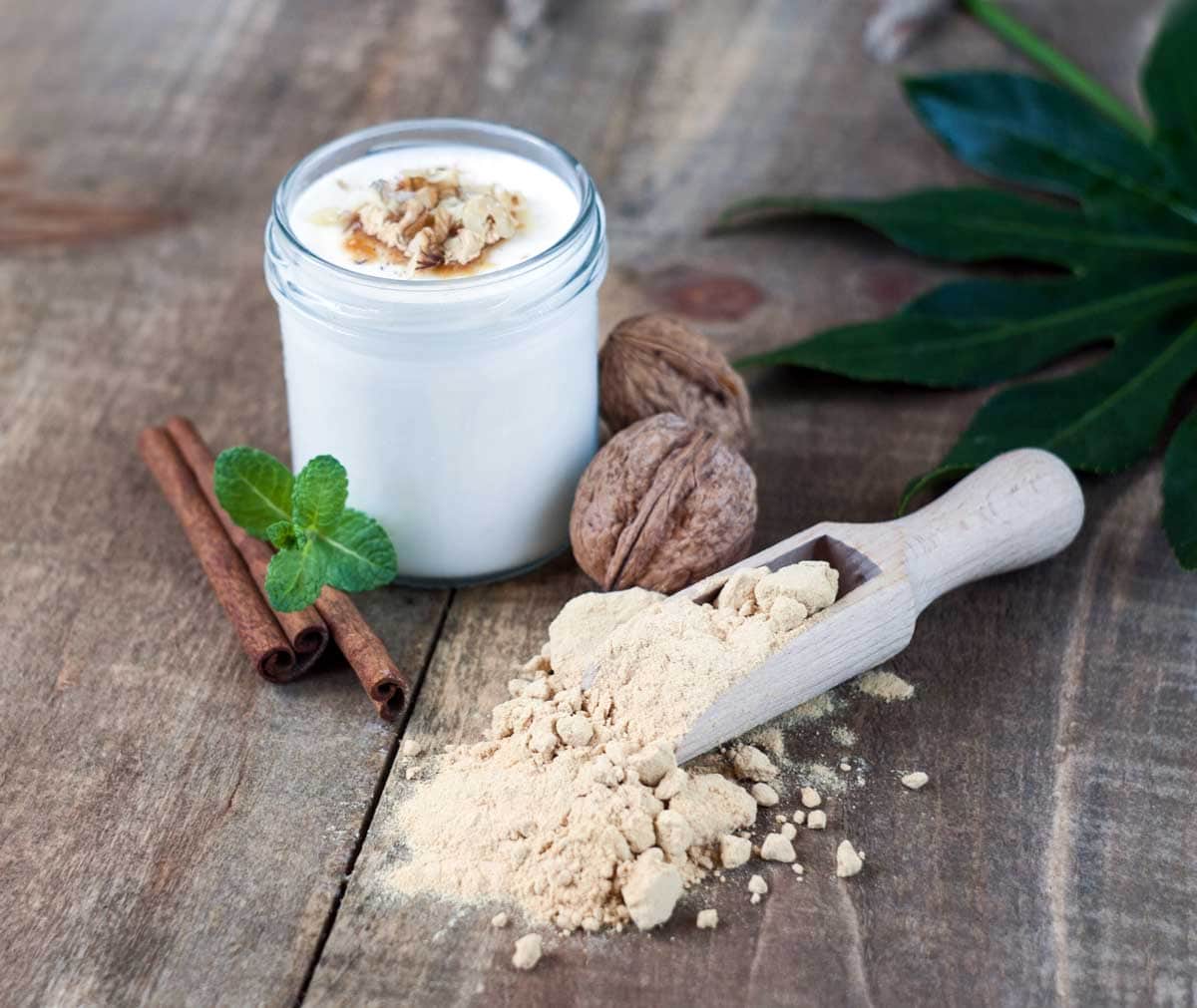
- Easy to add to smoothies, oatmeal, yogurt, or coffee
- Earthy, slightly nutty taste
- Best taken in the morning or early afternoon for energy support
💊 Capsules & Tablets
- Convenient and travel-friendly
- No strong flavor
- Easy to track precise dosage
- Often available in standardized extracts
🔥 Gelatinized Maca (Easier to Digest)
- Heated to remove starch (does NOT contain gelatin)
- Easier on digestion
- More concentrated than raw maca
- Popular among people with sensitive stomachs
⏰ When to Take Maca
- Morning for natural energy and focus
- Before workouts for endurance support
- Avoid late-night use if sensitive to increased energy
Pro Tip for Best Results
- Take consistently for 6–12 weeks for noticeable effects
- Pair with a balanced diet for hormone and energy support
- Choose organic, Peruvian-sourced products when possible
Maca works gradually — it’s not a stimulant.
Think of it as nourishment for long-term vitality rather than a quick energy spike.
Potential Side Effects & Safety Considerations
Maca is generally considered safe for most healthy adults and has been consumed as a food source in the Andes for centuries.
That said, like any supplement, it’s important to understand possible side effects and who should use caution.
Here’s what to keep in mind:
⚠️ Common (Usually Mild) Side Effects
- Temporary digestive discomfort, bloating, or gas (especially with raw maca powder)
- Mild headaches in some individuals when starting
- Increased energy that may interfere with sleep if taken late in the day
Starting with a lower dose and gradually increasing can help minimize these effects.
🦋 Thyroid Considerations
- Maca contains goitrogens, naturally occurring compounds also found in cruciferous vegetables
- People with thyroid conditions should consult a healthcare professional before using maca
- Gelatinized maca may be easier to tolerate for some individuals
🔄 Hormone-Sensitive Conditions
- While maca does not contain hormones, it may influence hormone regulation indirectly
- Individuals with hormone-sensitive conditions (such as certain cancers or endometriosis) should seek medical guidance
🤰 Pregnancy & Breastfeeding
- Limited clinical research is available
- Consult a healthcare provider before use during pregnancy or breastfeeding
🧪 Supplement Quality & Sourcing
- Choose organic, third-party tested products
- Look for reputable sourcing from Peru
- Avoid products with fillers, artificial additives, or undisclosed blends
Bottom Line on Safety
For most people, maca is well tolerated when taken in moderate doses.
It works gradually and is best viewed as a long-term wellness supplement rather than a quick fix.
As always, if you’re taking medications or managing a medical condition, professional guidance is the safest approach.
Where Can I Buy Maca

You have plenty of options when it comes to buying maca root — whether you prefer to shop online or pick it up in stores.
Here are some of the most common and reliable places to find maca products:
🛒 Online Retailers
You can order a wide variety of maca powders, capsules, and extracts online from major health stores and marketplaces:
- Amazon offers plenty of popular options for sale online in various forms
- Wide selection of maca root powders and capsules on retail sites like Target — both organic and blended options available.
- Health and wellness marketplaces like GNC offer dedicated maca root supplements for energy, hormone balance, and vitality.
- Superfood brands and specialty sites such as Sunfood carry various maca powder blends and formulations.
Online shopping also often provides customer reviews, detailed product descriptions, and shipping options straight to your door.
💊 Pharmacies & Drugstore Chains
Many major drugstore chains in the U.S. stock maca supplements:
- Walgreens carries maca root supplements and capsules in their herbal vitamins and wellness section.
- CVS offers various maca-based products in-store and online.
You can check local store inventory online before heading out.
🛍️ Grocery & Natural Food Stores
Health-focused grocery stores often stock maca powder and capsules:
- Whole Foods Market, Sprouts, and other natural grocers typically carry organic maca root powder.
- Bulk health food sections can offer loose maca powder you can scoop by weight.
Maca vs Other Adaptogens (How It Compares)
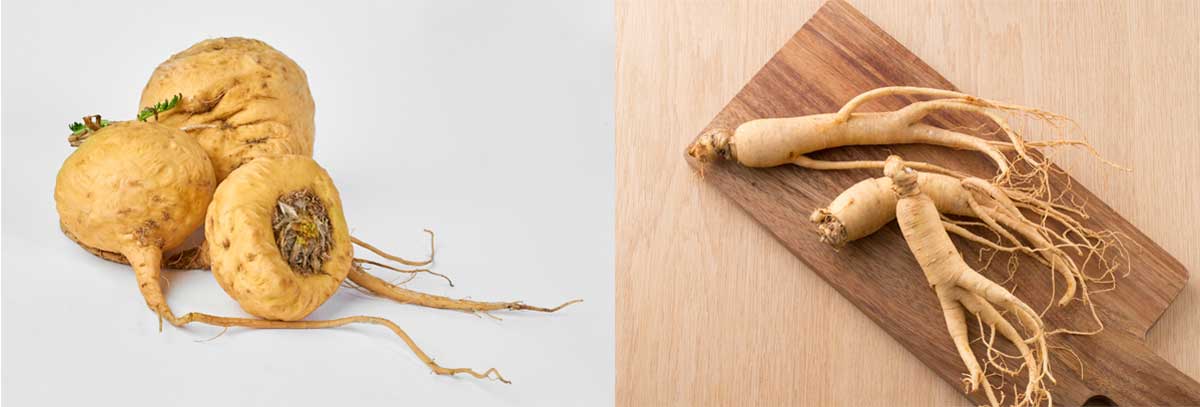
Maca is often grouped with adaptogenic herbs — but how does it really compare?
Unlike stimulant-based supplements, maca works more as a nutrient-dense root that supports resilience, energy, and hormonal balance over time.
Here’s how maca stacks up against other popular adaptogens:
🌿 Maca vs Ashwagandha
- Ashwagandha (Withania somnifera) is primarily used for stress reduction and cortisol support
- Maca is more commonly associated with energy, stamina, and libido
- Ashwagandha tends to have a calming effect, while maca is mildly energizing
- Both may support hormone balance, but through different mechanisms
🌱 Maca vs Ginseng
- Ginseng (such as Panax ginseng) can have more noticeable stimulant-like effects
- Maca provides steady energy without stimulating the nervous system
- Ginseng is often used for short-term performance boosts
- Maca is typically used for long-term vitality and endurance support
🍄 Maca vs Rhodiola
- Rhodiola (Rhodiola rosea) is often used for fatigue and mental stress
- Maca is more associated with reproductive health and stamina
- Rhodiola may act faster for acute stress Maca tends to work gradually with consistent use
What Makes Maca Unique?
- It’s technically a cruciferous root vegetable, not just an herb
- Rich in nutrients plus unique compounds like macamides
- Traditionally consumed as a food, not only as medicine
- Supports energy and hormonal balance without caffeine
Can You Stack Adaptogens?
- Many wellness routines combine maca with ashwagandha or collagen
- Stacking should be gradual to monitor individual response
- Always consult a healthcare professional if combining supplements
In short, maca stands out as a nourishing, energizing adaptogen rooted in food tradition.
It may not provide an immediate “kick,” but its strength lies in consistent, long-term support for vitality and resilience.
How to Choose High-Quality Maca

When it comes to maca supplements, quality makes all the difference.
Not all products are created equal — and choosing the right one ensures you get the full benefits of this ancient Peruvian root.
Here’s how to pick the best maca:
🏆 Look for Organic Certification
- Certified organic means fewer pesticides and synthetic chemicals
- Supports cleaner, more nutrient-dense powder or extract
- Better for your body and the environment
📍 Choose Peruvian-Sourced Maca
- Authentic maca comes from the high Andes of Peru
- The nutrient profile and traditional use come from this region
- Products grown at high altitude tend to be more potent
🔬 Prefer Third-Party Tested Products
- Third-party testing adds credibility
- Ensures purity and absence of contaminants like heavy metals
- Look for lab reports or Certificates of Analysis (COA)
🌾 Select the Right Form for You
- Raw maca powder: Traditional and versatile
- Gelatinized maca: Easier to digest, with concentrated nutrients
- Capsules/extracts: Convenient and precise dosing
- Decide based on digestion comfort and lifestyle needs
⚖️ Check the Ingredient List
- Avoid fillers, additives, artificial flavors, or sweeteners
- Pure maca root should be the main — and ideally only — ingredient
- Beware of unlabeled blends that dilute potency
🛍️ Consider the Brand’s Reputation
- Brands with transparent sourcing and reviews inspire confidence
- Look for companies that disclose origin, processing, and testing
- Customer feedback can offer real-world insight
🧪 Note the Processing Method
- Gelatinized maca is heated to remove starch (not gelatin!)
- This makes it easier to digest for many people
- Raw powder retains all original components but may be tougher on the stomach
Choosing high-quality maca lays the foundation for a better experience and more meaningful results.
The next time you shop for maca, prioritize organic, Peruvian-sourced products with transparent testing and minimal ingredients — your body will thank you!
Is Maca Worth Adding to Your Routine in 2026?
Maca root has stood the test of time — from the mountains of Peru to modern wellness shelves worldwide.
It’s not a miracle pill. But it is a nutrient-dense, adaptogenic root that may support energy, libido, hormone balance, and overall vitality when used consistently.
As with any supplement, quality and dosage matter.
Start slow. Listen to your body. And consult a professional if you have existing health conditions.
If you’re looking for a natural way to support stamina and hormonal balance in 2026, maca might just be the ancient Peruvian superfood your routine is missing.
More Peruvian Foods
See all →
Jorge Garcia is the founder of AmigoFoods, where he has spent over 20 years helping readers discover authentic Latin American and Spanish cuisine. Raised in a Cuban-American household, Jorge learned to cook at the hands of his mother and grandmother, carrying forward generations of family recipes. That heritage, backed by his family’s four-generation history in the Latin food industry, inspired him to launch AmigoFoods in 2003. With more than 1,000 published articles on recipes, ingredients, and food culture, Jorge’s mission is simple: make authentic Latin cooking approachable for home cooks everywhere while honoring the traditions behind every dish.