
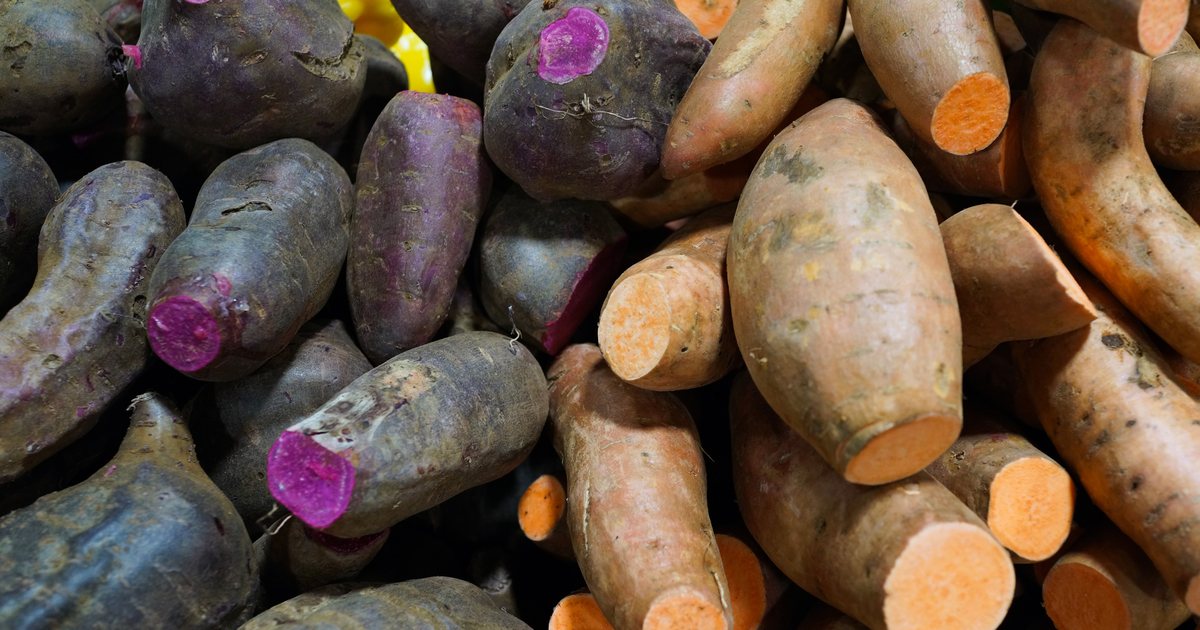
Camote is the Latin American sweet potato. It is a much bigger family than the orange tuber in a U.S. supermarket.
In Lima it arrives next to a plate of ceviche. Mexico City vendors also sell it at night from carts that whistle like a steam engine.
In Miami it is boniato, pale-fleshed and fluffy, fried in slices or cooked into Cuban boniatillo.
Same plant, different colors, different names, and very different dishes. This guide covers what camote is, including why it is not a yam.
It also explains how the varieties differ and how each country cooks it.
Camote is one of the starches in our guide to Latin American roots and tubers. You can also browse the rest on the roots and produce hub.
Camote at a Glance
| Also called | Batata (Caribbean, South America), boniato (Cuba, Spain), apichu (Quechua); sweet potato in English |
|---|---|
| Plant | Ipomoea batatas, in the morning glory family |
| Origin | Tropical Central and South America |
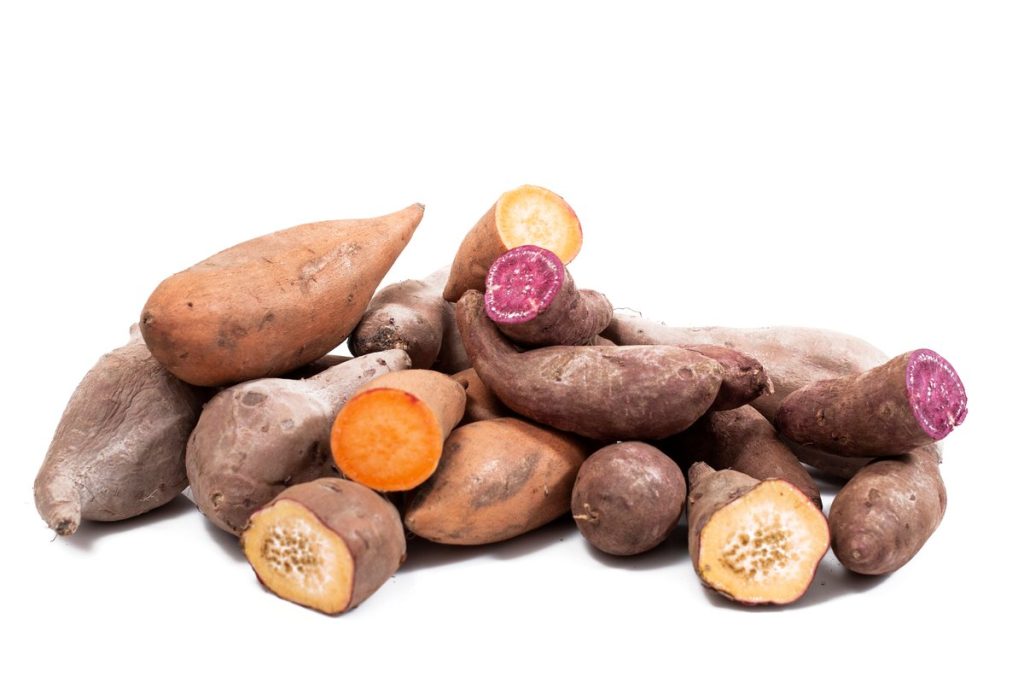
| Flesh | Orange, purple, yellow or white |
| Flavor | From honey-sweet (orange) to dry and chestnut-like (white boniato) |
| Can you eat it raw? | Technically yes, but it is always cooked in Latin kitchens |
| Best for | Roasting, boiling, frying, desserts and doughs |
What Is Camote?
Camote is the storage root of Ipomoea batatas, a vine in the morning glory family. People in tropical America domesticated it thousands of years ago.
Sweet potato remains found in Peru date to around 8000 BC. Scientists still debate, however, whether those were wild or cultivated.
It traveled remarkably early. Sweet potatoes were growing in Polynesia centuries before Columbus.
Likewise, the Polynesian name, kūmara, is strikingly close to the Quechua cumal. Indeed, most researchers now think Polynesian voyagers reached South America and carried it home.
In fact, the names tell their own story. Camote comes from the Nahuatl camohtli.
It is the everyday word in Mexico, Central America, Peru, Bolivia and Chile. Batata comes from the Taíno language of the Caribbean.
It is also the everyday word in Puerto Rico, the Dominican Republic, Argentina, Uruguay and Brazil (batata-doce). Boniato is the Cuban name, and the one you will see on signs in South Florida.
Camote Is Not a Yam (or a Potato)
What U.S. stores label “yams” are almost always orange-fleshed sweet potatoes. A true yam is ñame, a Dioscorea tuber from West Africa and Asia.
It has rough bark-like skin and dense white flesh. The two belong to different plant families.
Camote is not a potato either. Potatoes belong to the nightshade family with tomatoes and chiles.
In contrast, camote is closer to the morning glory in your garden. The only thing they share is a place on the plate.
The Colors of Camote
Latin markets carry far more kinds than a typical U.S. grocery store, and they cook differently:
- Orange camote is the sweetest and moistest. It roasts into a soft, almost jammy texture. This is the Peruvian camote amarillo you get with ceviche.
- Purple camote, with violet skin, purple flesh or both, is a little drier and earthier. It also keeps its color when steamed.
- Yellow camote sits in between, mildly sweet and creamy.
- Boniato, the white-fleshed Caribbean type with reddish-pink skin, is the least sweet of all. It cooks up fluffy and dry, with a flavor often compared to chestnuts. It also behaves more like a potato than a dessert.
How Camote Is Cooked Across Latin America
Peru: With Ceviche, Picarones and Pan con Chicharrón
Peru may use camote more than any other country. The classic Peruvian ceviche comes with a thick slice of boiled or glazed sweet camote and a piece of choclo.
The sweetness is there on purpose. It cools the heat of the ají, and it also soaks up the leche de tigre.

Camote is also in the dough for picarones. These are ring-shaped fritters of sweet potato and squash, drenched in chancaca syrup.
At breakfast, fried camote slices go inside pan con chicharrón with pork and salsa criolla. Cooks also bury whole camotes with meats and potatoes in a pachamanca earth oven.


Mexico: Candied, Baked and Sold From Whistling Carts
In Mexico, camote leans sweet. Cooks simmer Camotes enmielados in piloncillo syrup, often with cinnamon and orange, until they turn glossy and dark.
In Puebla, camotes de Santa Clara are sweet potato candies rolled in sugar. This convent sweet became the city’s signature souvenir.
After dark in Mexico City you may hear a long, high whistle. That is the camotero, a street vendor with a wood-fired steam oven on a cart.
He sells baked camotes and plantains topped with sweetened condensed milk. The whistle is the steam escaping, so it is how people know he is coming.
Cuba and the Caribbean: Boniato and Batata
Cubans cook boniato the way other cooks use potatoes. They boil it and dress it with mojo, or fry it in thick slices.
They also simmer it into ajiaco with malanga, yuca and ñame. For dessert there is also boniatillo, a spoonable pudding of boniato cooked with sugar, egg yolks, cinnamon and lime peel.
In the Dominican Republic and Puerto Rico it is batata. Cooks boil it as one of the víveres served with eggs or salt cod.
They also fry it like French fries.
They also turn it into desserts such as dulce de batata and even ice cream.

Argentina and Uruguay: Dulce de Batata
In the Southern Cone, batata is mostly a sweet. Dulce de batata is a firm, sliceable paste of sweet potato and sugar.
You will find it in tins and blocks, often with chocolate or vanilla. Serve a slice with a slice of mild cheese, and then you have the Argentine dessert known as postre vigilante.
How to Buy and Store Camote
- Choose firm roots with smooth skin and no soft spots, sprouts or wrinkles.
- Store them in a cool, dry, dark place instead of the refrigerator. Cold temperatures turn the center hard and give it an off flavor after cooking.
- Boniato bruises and dries out faster than orange sweet potatoes, so buy it within a few days of cooking.
- Once cut, drop pieces into water so that they do not darken.
How to Cook Each Type
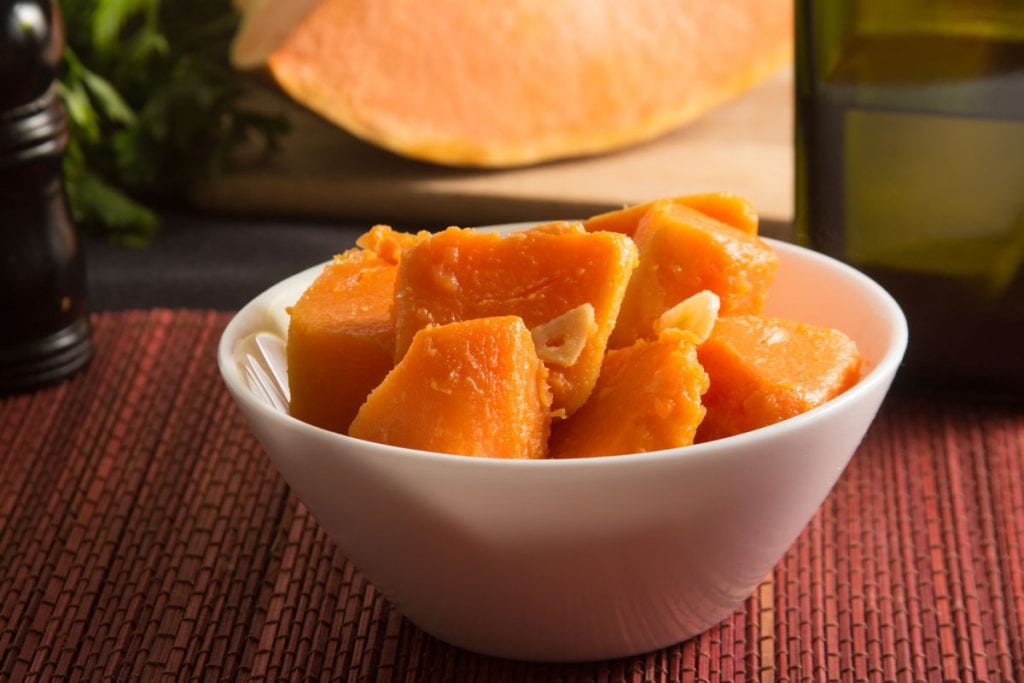
Orange camote: roast whole at 400°F until soft and leaking syrup, about 45 to 60 minutes. You can also slice and boil it for ceviche.
Boniato: peel, cut in chunks and boil in salted water 15 to 20 minutes. Then dress with garlic mojo, or slice and fry.
Purple camote: steam or roast to keep its color. Avoid long boiling, because it dulls the color.
Where to Buy Camote
You can find orange and purple sweet potatoes nearly everywhere. For boniato, look in Latin and Caribbean grocery stores and in supermarkets across South Florida.
For the Argentine classic, try dulce de batata online.
Frequently Asked Questions About Camote
Is camote the same as sweet potato?
Yes. Camote is the Spanish name, from Nahuatl, for the sweet potato.
It also covers every color of Ipomoea batatas, not just the orange kind.
What is the difference between boniato and sweet potato?
Boniato is a type of sweet potato with reddish skin and white flesh. It is drier, fluffier and less sweet than the orange kind.
Is camote a yam?
No. A true yam is ñame, from a different plant family.
The orange “yams” in U.S. stores are sweet potatoes.
Can you eat camote skin?
Yes. Scrub it well.
In Peru and Mexico people often roast or bake camote whole and eat it skin and all.
Why is camote served with ceviche?
Its sweetness balances the acidity of the lime and the heat of the chile. It also soaks up the leche de tigre.
More Latin American Roots
Camote shares the pot with malanga, ñame and yuca across the Caribbean, and with olluco and potatoes in the Andes.
See the guide to Latin American roots and tubers or browse the roots and produce hub.
Sources
More Latin Favorites
See all →
Jorge Garcia is the founder of AmigoFoods, where he has spent over 20 years helping readers discover authentic Latin American and Spanish cuisine. Raised in a Cuban-American household, Jorge learned to cook at the hands of his mother and grandmother, carrying forward generations of family recipes. That heritage, backed by his family’s four-generation history in the Latin food industry, inspired him to launch AmigoFoods in 2003. With more than 1,000 published articles on recipes, ingredients, and food culture, Jorge’s mission is simple: make authentic Latin cooking approachable for home cooks everywhere while honoring the traditions behind every dish.