
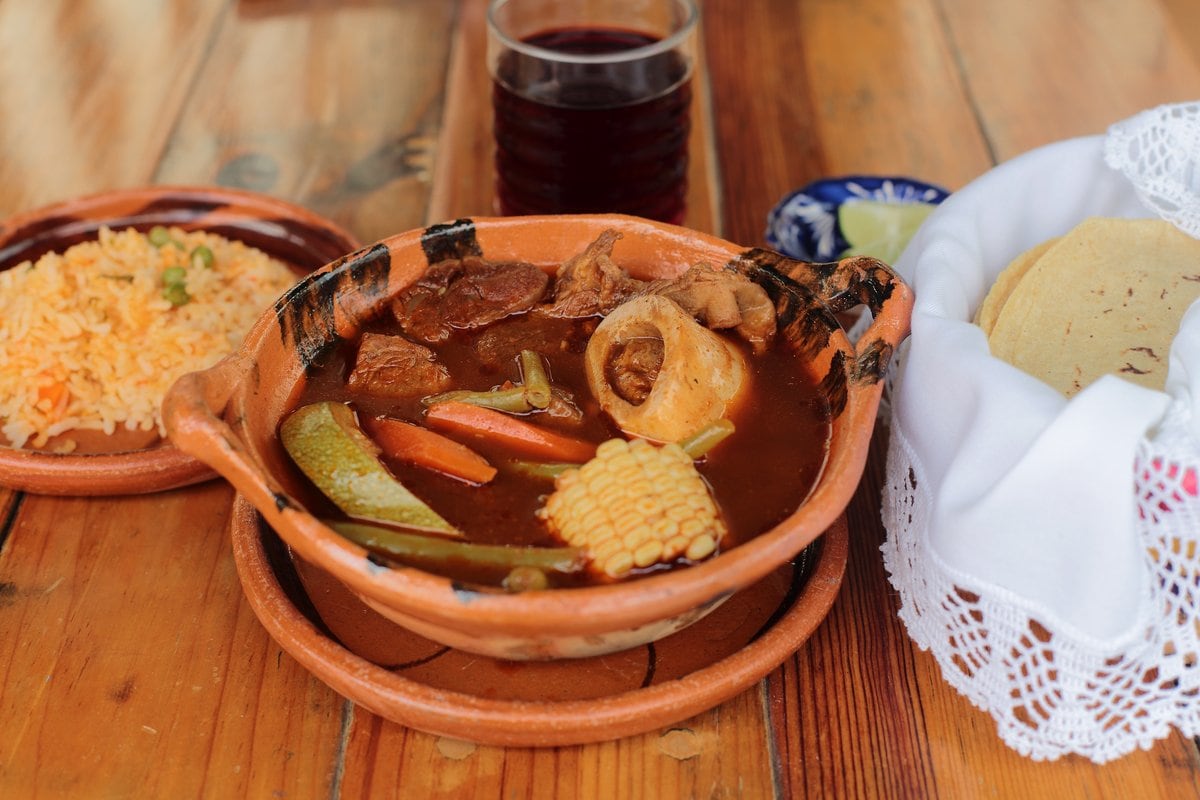
Mole de olla is a central Mexican beef and vegetable soup in a thin, brick-red broth of guajillo, ancho and pasilla chiles, soured with xoconostle and scented with epazote. Despite the name, it is a brothy soup, not a thick mole sauce.
Mole de Olla at a Glance
AmigoFoods may earn a commission from qualifying Amazon purchases made through links on this page.
What is mole de olla?
Mole comes from the Nahuatl molli, which means sauce or mixture, and olla is the pot it cooks in. So mole de olla is a “pot mole”: a thin chile broth with chunks of beef and big pieces of vegetables. It has no chocolate, nuts or seeds, and nothing like the thick sauce of mole poblano.
It belongs to central Mexico: Mexico City, Hidalgo, the State of Mexico, Puebla and Tlaxcala. Markets and fondas serve it as the midday comida, and plenty of families make it on hot days as well as cold ones. The classic pot has beef shank (chambarete), corn on the cob, chayote, green beans (ejotes), squash (calabacitas) and xoconostle. Some cooks add potatoes, carrots, nopales or small masa dumplings called chochoyotes. Mexican recipe sites file the receta de mole de olla under soups, and some cooks call it caldo de mole de olla.

The beef: shank and chuck
Cross-cut beef shank is the traditional cut. The marrow and connective tissue give the broth body, and the meat stays in neat pieces. At a Mexican meat counter ask for chambarete con hueso. Many recipes, including ours, add boneless chuck (aguja) so there is more meat per bowl.
| Cut | How it does in mole de olla |
|---|---|
| Beef shank (chambarete), bone-in | The classic. Marrow and collagen for a full-bodied broth; 1 1/2 to 2 hours |
| Chuck (aguja) | Extra meat that stays juicy; about 1 1/2 hours |
| Short ribs (costilla de res) | Rich and fatty; skim the broth well |
| Oxtail (cola de res) | Very rich; needs 2 1/2 hours or more |
| Lean stew meat or round | Not recommended; it turns dry and stringy |

Guajillo, ancho and pasilla
The broth gets its color and flavor from three dried chiles. Each one does a different job, and none of them is very hot.
| Chile | What it adds | Swap |
|---|---|---|
| Guajillo | Bright red color, tangy and fruity, mild heat | Puya for more heat, or New Mexico red |
| Ancho (dried poblano) | Sweet, raisin-like depth and a dark red tone | Mulato |
| Pasilla (dried chilaca) | Earthy, slightly bitter notes that keep the broth from tasting sweet | One more ancho |
Toast the chiles for only a few seconds per side; a burnt chile makes the whole pot bitter. Soak them, blend with charred tomato, onion and garlic, then strain and fry the puree to cook off the raw taste.

- AUTHENTIC DRIED GUAJILLO CHILE PEPPERS – A must-have for authentic Mexican cuisine, these Guajillo...
- DEEP, RICH FLAVOR WITH MILD HEAT – Our Guajillo Chile peppers offer a perfect balance of...
Buy chiles that are soft and leathery, not brittle. Whole dried guajillos and ancho chiles keep for months in a sealed bag. Pasilla chiles are also sold as chile negro; some US stores label fresh poblanos “pasilla,” so look for long, wrinkled, almost black dried chiles.

Xoconostle and epazote
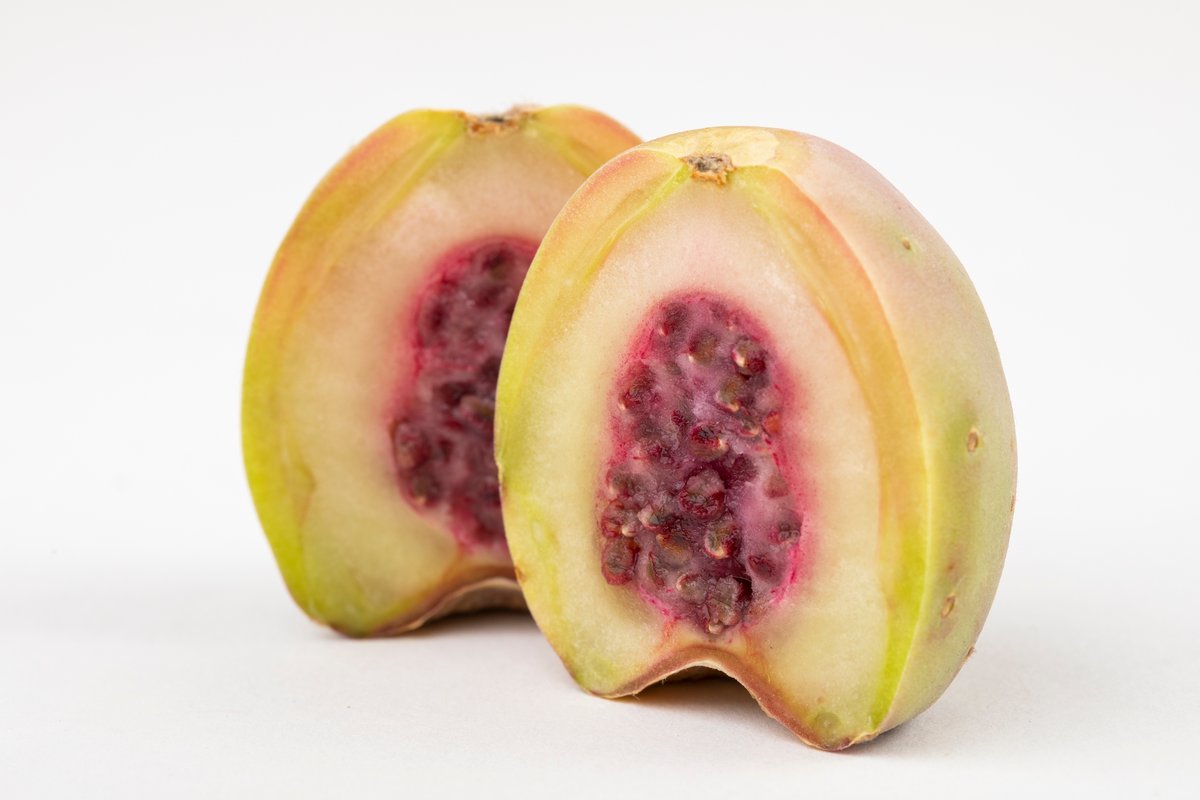
Xoconostle is a sour prickly pear, the fruit of a few nopal cactus species grown in central Mexico. It looks like a pale tuna, but the flesh is firm and tart, with the seeds in a cluster at the center. In mole de olla it adds a light sourness that balances the sweet chiles. Look for it in Mexican markets near the nopales (more in our guide to Mexican fruits). Peel it, then scoop out the seeds.
Many US recipes use tomatillos instead, plus a tablespoon of lime juice at the end.
Epazote is the herb that makes the pot smell like central Mexico: resinous and a little minty. A couple of sprigs go in for the last 10 minutes; longer and it turns bitter. Dried epazote works too, about 1 teaspoon per pot. If you have neither, leave it out or add a few mint leaves.
How to make mole de olla
Cook the beef first. While it simmers, toast the chiles and char the tomatoes. Then the vegetables go in by how long they take: corn and carrots first, chayote and potatoes next, green beans and squash last, so none of them turn to mush.
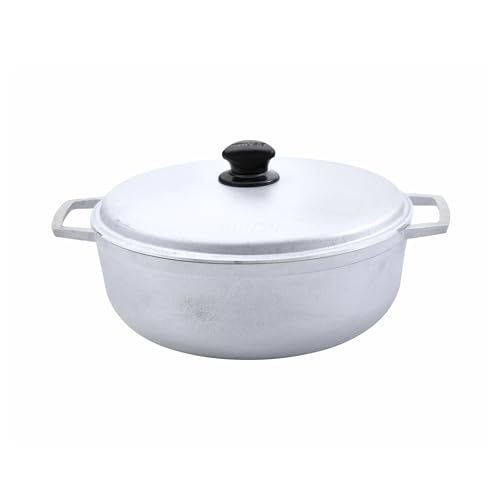
- LARGE COOKING CAPACITY: This caldero has a capacity of 7.5 quarts, making it ideal for substantial...
- DURABLE AND RELIABLE: Made of cast aluminum for reliable durability, with a cooking surface that...

1. Simmer the beef.
Put the shank, chuck, onion half, peeled garlic, bay leaves, water and 2 teaspoons salt in a 7- to 8-quart pot. Bring to a boil over medium-high heat and skim off the foam for the first 10 minutes. Lower the heat, partly cover and simmer gently for 1 1/2 to 2 hours, until the meat is fork-tender and starting to pull from the bone.
2. Toast and soak the chiles.
While the beef cooks, heat a dry comal or skillet over medium heat. Toast the guajillo, ancho and pasilla chiles for 10 to 15 seconds per side, just until fragrant; do not let them blacken. Put them in a bowl, cover with 2 cups of very hot water and soak for 15 minutes. On the same comal, char the tomatoes, the onion quarter and the unpeeled garlic, turning, for 8 to 10 minutes. Peel the garlic.
3. Blend and fry the sauce.
Drain the chiles and put them in a blender with the tomatoes, onion, garlic and 1 1/2 cups of broth from the beef pot. Blend until completely smooth, about 1 minute. Heat the oil in a skillet over medium-high heat, pour the puree through a fine-mesh strainer into the skillet (it will spatter) and cook, stirring often, for 5 to 6 minutes, until it darkens and thickens.
4. Season the broth.
Remove the onion half and bay leaves from the beef pot. Stir in the fried chile sauce. Add the corn, xoconostle and carrots and simmer for 10 minutes.
5. Add the chayote and potatoes.
Add the chayote, potatoes and 1 teaspoon salt. Simmer for 10 minutes more.

6. Finish with the green vegetables.
Add the green beans, squash and epazote. Simmer for 8 to 10 minutes, until every vegetable is just tender. Taste and add salt if needed, and add a splash of water if the broth has reduced too much.
7. Serve.
Remove the epazote sprigs. Ladle into wide bowls so each gets a piece of shank or chuck, a piece of corn and some of each vegetable. Serve with lime wedges, onion, cilantro, serrano chiles and warm corn tortillas.
Chochoyotes (masa dumplings) and cleaned nopales both go in with the green vegetables; see the recipe notes. Our chayote guide shows how to peel it.
Mole de olla vs caldo de res and mole sauce
Mole de olla shares its beef shank, corn and chayote with caldo de res, and its name with the mole sauces.
| Dish | Broth or sauce | How it differs |
|---|---|---|
| Mole de olla | Thin red broth of guajillo, ancho and pasilla | Soured with xoconostle, scented with epazote |
| Caldo de res | Clear beef broth, no chile | Same beef and vegetables; heat comes from salsa at the table |
| Mole (poblano, negro) | Thick sauce with chiles, nuts, seeds and spices | Served over chicken or turkey, not as a soup |
| Menudo | Red guajillo broth | Beef tripe and hominy, no vegetables in the pot |
| Chile colorado | Thick red chile sauce | A braise with little liquid, eaten with tortillas or rice |
Serving, storage and reheating
Serve mole de olla in wide bowls with a knife and fork as well as a spoon, because the corn and shank come in big pieces. Pass lime wedges, chopped white onion, cilantro and serrano chiles, with warm corn tortillas. Mexican rice on the side is common in Mexico City fondas.
A bowl has about 396 calories and 34 grams of protein, with 549 mg of sodium using Diamond Crystal salt.
Like most beef soups, it is better the next day. Refrigerate it for up to 4 days and reheat until steaming. The fat sets on top in the fridge, so it is easy to lift off. Freeze the beef and broth for up to 3 months; add fresh vegetables when you reheat, because frozen squash and green beans turn soft.

Mole de Olla (Beef and Vegetable Soup in Red Chile Broth)
Mole de olla is central Mexico's beef and vegetable soup in a brick-red broth of guajillo, ancho and pasilla chiles. Beef shank and chuck simmer until tender, then corn on the cob, chayote, green beans, squash and sour xoconostle cook in the chile broth with a sprig of epazote. Serve with lime, onion, serrano and warm corn tortillas.
Ingredients
For the beef
- 2 1/2 pounds (1.1 kg) bone-in cross-cut beef shank (chambarete), about 1 1/2 inches thick
- 1 pound (450 g) boneless beef chuck, cut into 2-inch chunks
- 1/2 medium white onion
- 4 cloves garlic, peeled
- 2 bay leaves
- 10 cups water
- 2 teaspoons Diamond Crystal kosher salt
For the chile sauce
- 3 dried guajillo chiles, stemmed and seeded
- 2 dried ancho chiles, stemmed and seeded
- 2 dried pasilla chiles, stemmed and seeded
- 2 Roma tomatoes (about 8 ounces / 225 g)
- 1/4 medium white onion
- 2 cloves garlic, unpeeled
- 1 tablespoon neutral oil, such as avocado, canola or vegetable oil
For the soup
- 3 ears fresh corn, husked and each cut into 3 pieces
- 3 xoconostles, peeled, seeded and quartered (or 3 tomatillos, husked and quartered, plus 1 tablespoon lime juice)
- 2 medium carrots, peeled and cut into 1 1/2-inch pieces
- 2 medium chayotes, peeled, pitted and cut into 8 wedges each
- 2 medium Yukon Gold potatoes (about 10 ounces / 285 g), peeled and cut into large chunks
- 6 ounces (170 g) green beans, trimmed and cut into 2-inch pieces
- 2 medium Mexican gray squash or zucchini (about 12 ounces / 340 g), cut into large chunks
- 2 large sprigs fresh epazote (or 1 teaspoon dried epazote)
- 1 teaspoon Diamond Crystal kosher salt, plus more to taste
To serve
- Lime wedges
- Finely chopped white onion
- Chopped cilantro
- Finely chopped serrano chiles
- Warm corn tortillas
Instructions
- Simmer the beef. Put the shank, chuck, onion half, peeled garlic, bay leaves, water and 2 teaspoons salt in a 7- to 8-quart pot. Bring to a boil over medium-high heat and skim off the foam for the first 10 minutes. Lower the heat, partly cover and simmer gently for 1 1/2 to 2 hours, until the meat is fork-tender and starting to pull from the bone.
- Toast and soak the chiles. While the beef cooks, heat a dry comal or skillet over medium heat. Toast the guajillo, ancho and pasilla chiles for 10 to 15 seconds per side, just until fragrant; do not let them blacken. Put them in a bowl, cover with 2 cups of very hot water and soak for 15 minutes. On the same comal, char the tomatoes, the onion quarter and the unpeeled garlic, turning, for 8 to 10 minutes. Peel the garlic.
- Blend and fry the sauce. Drain the chiles and put them in a blender with the tomatoes, onion, garlic and 1 1/2 cups of broth from the beef pot. Blend until completely smooth, about 1 minute. Heat the oil in a skillet over medium-high heat, pour the puree through a fine-mesh strainer into the skillet (it will spatter) and cook, stirring often, for 5 to 6 minutes, until it darkens and thickens.
- Season the broth. Remove the onion half and bay leaves from the beef pot. Stir in the fried chile sauce. Add the corn, xoconostle and carrots and simmer for 10 minutes.
- Add the chayote and potatoes. Add the chayote, potatoes and 1 teaspoon salt. Simmer for 10 minutes more.
- Finish with the green vegetables. Add the green beans, squash and epazote. Simmer for 8 to 10 minutes, until every vegetable is just tender. Taste and add salt if needed, and add a splash of water if the broth has reduced too much.
- Serve. Remove the epazote sprigs. Ladle into wide bowls so each gets a piece of shank or chuck, a piece of corn and some of each vegetable. Serve with lime wedges, onion, cilantro, serrano chiles and warm corn tortillas.
Notes
No xoconostle: Use 3 tomatillos, quartered, in step 4, and stir 1 tablespoon lime juice into the pot at the end. Xoconostle is a sour prickly pear sold in Mexican markets; it is not the sweet tuna.
Beef: All shank works (use 3 1/2 pounds) and gives the most body. Bone-in short ribs can replace the chuck.
Pressure cooker: Cook the beef with the step 1 ingredients for 40 minutes at high pressure with natural release, then continue with step 4 on the saute setting or in a pot.
Chochoyotes: Mix 1 cup masa harina with 3/4 cup warm water, 1 tablespoon lard or oil and a pinch of salt. Roll into 1-inch balls, press a dimple in each with your thumb and add them with the green vegetables in step 6. They are done when they float and feel firm, about 10 minutes.
Heat: The chile trio is mild. For more heat, toast 1 or 2 dried chiles de arbol with the others.
Make ahead: The fried chile sauce keeps for 4 days in the fridge. The whole soup tastes better the next day; chill it overnight and lift off the fat before reheating.
Storage: Refrigerate for up to 4 days. Reheat over medium heat until steaming, at least 165 degrees F. Freeze the beef and broth for up to 3 months; the vegetables turn soft after freezing.
Nutrition Information:
Yield: 8 Serving Size: about 2 cups with beef and vegetablesAmount Per Serving: Calories: 396Total Fat: 17gSaturated Fat: 6gCholesterol: 80mgSodium: 549mgCarbohydrates: 28gFiber: 7gSugar: 7gProtein: 34g
Mole de olla FAQ
What is mole de olla in English?
A Mexican beef and vegetable soup in a red chile broth. The name means “pot mole”: a thin, soupy mole cooked in a pot, unlike the thick mole sauces.
Is mole de olla the same as mole?
No. Mole sauces such as mole poblano are thick and include nuts, seeds and sometimes chocolate. Mole de olla is a soup with a thin chile broth and no nuts or chocolate.
Is mole de olla spicy?
Only a little. Guajillo, ancho and pasilla are mild chiles, so most of the heat comes from the chopped serrano at the table.
What can I use instead of xoconostle?
Tomatillos plus a squeeze of lime. Quarter 3 tomatillos, add them with the corn and carrots, and stir in 1 tablespoon of lime juice at the end.
What is the difference between mole de olla and caldo de res?
They use the same beef shank and many of the same vegetables, but caldo de res has a clear broth with no chile. Mole de olla is cooked in a broth of blended dried chiles and tomato.
Can I make mole de olla in a pressure cooker?
Yes. Cook the beef for 40 minutes at high pressure with a natural release, then add the chile sauce and vegetables and finish on the saute setting or on the stove.
More Mexican soups
- Caldo de res: beef shank and vegetables in a clear broth
- Menudo: beef tripe and hominy in red chile broth
- Caldo de pollo: Mexican chicken soup with vegetables and lime
- Albondigas soup: rice-and-mint meatballs in a vegetable caldo
- Caldo de camaron: Mexican shrimp soup in a guajillo broth
Browse the full list in our guide to Mexican soups and stews.
More Mexican Foods
See all →
Jorge Garcia is the founder of AmigoFoods, where he has spent over 20 years helping readers discover authentic Latin American and Spanish cuisine. Raised in a Cuban-American household, Jorge learned to cook at the hands of his mother and grandmother, carrying forward generations of family recipes. That heritage, backed by his family’s four-generation history in the Latin food industry, inspired him to launch AmigoFoods in 2003. With more than 1,000 published articles on recipes, ingredients, and food culture, Jorge’s mission is simple: make authentic Latin cooking approachable for home cooks everywhere while honoring the traditions behind every dish.