

Ropa Vieja is Cuban shredded beef simmered in a tomato sauce with peppers, onions and warm spices. This stovetop version serves six; give the beef time to become fork-tender, then serve it with rice, beans or plantains.
Ropa Vieja at a Glance
What is Ropa Vieja?

Ropa Vieja is a classic Cuban dish featuring shredded beef slow-cooked in a rich tomato-based sauce with bell peppers, onions, and fragrant spices.
The name “Ropa Vieja” translates to “old clothes” in Spanish, referring to the dish’s appearance, as the tender strands of beef resemble torn fabric.
This flavorful stew is one of Cuba’s most iconic dishes, deeply rooted in the island’s culinary heritage.
Traditionally made with flank steak, Ropa Vieja is slowly simmered until the meat is tender enough to be pulled apart with a fork.
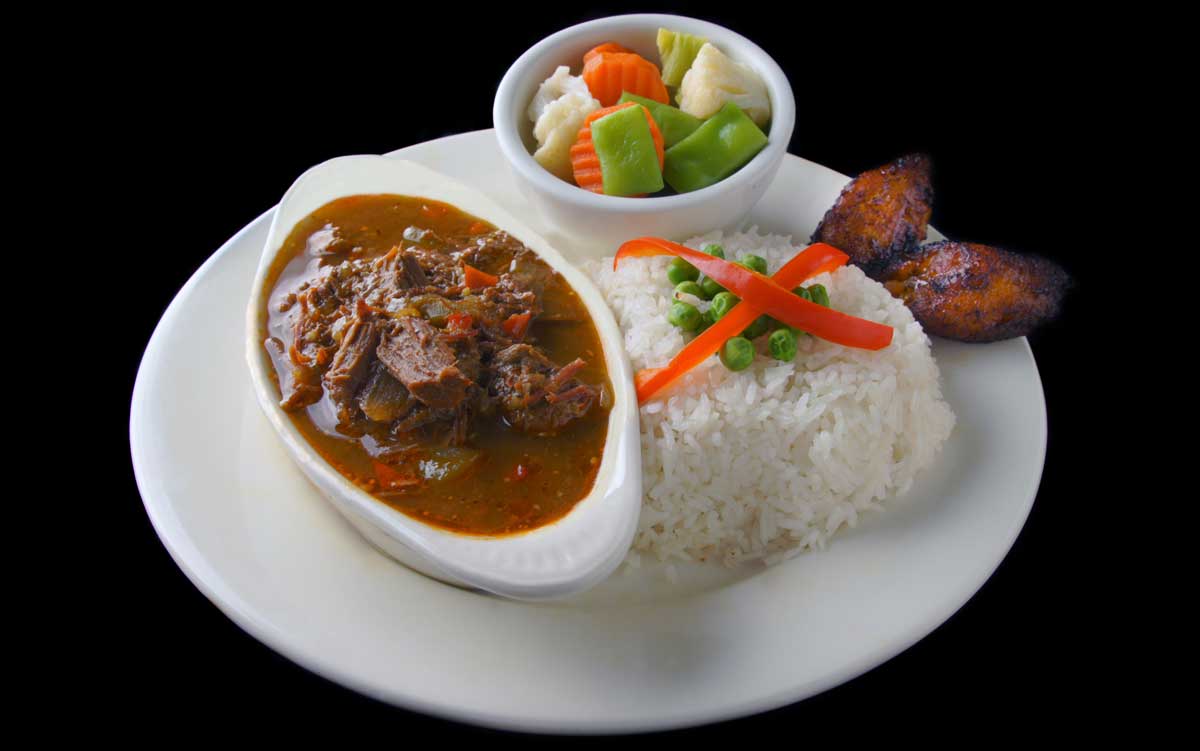
The result is a savory, comforting dish served with white rice, black beans, and fried plantains—a staple meal in Cuban households.
Whether enjoyed at a Cuban restaurant or homemade, Ropa Vieja remains a beloved dish that tells a story of history, migration, and tradition—one bite at a time.
The History and Origins of Ropa Vieja

Ropa Vieja is more than just a dish—it’s a culinary tradition with a rich history that spans continents.
While today it’s one of Cuba’s most iconic meals, its origins trace back to Spain’s Canary Islands, where early settlers brought their cooking traditions to the Caribbean.
From Spain to the Caribbean
The earliest versions of Ropa Vieja date back to Spain’s Sephardic Jewish communities, who often cooked slow-simmered stews to make the most of leftover meats.
In the Canary Islands, a similar dish was made by slow-cooking beef, chickpeas, and vegetables, a practical way to stretch meals for larger families.
When Canarian immigrants arrived in Cuba in the 16th and 17th centuries, they brought this recipe with them.
Over time, Cuban cooks adapted it, infusing it with local ingredients like tomatoes, bell peppers, and Caribbean spices, transforming it into the flavorful, shredded beef dish known today.
A Symbol of Cuban Cuisine
By the 19th and 20th centuries, Ropa Vieja had become a staple of Cuban home cooking, often served during family gatherings and special occasions.
As Cuban communities spread worldwide, so did the dish, making its way to Miami, Puerto Rico, and the Dominican Republic, each region adding its own unique twist.
Traditional Ingredients for Authentic Ropa Vieja

The secret to making authentic Ropa Vieja lies in using the right ingredients.
This slow-cooked shredded beef stew is built on a foundation of rich flavors, aromatic spices, and fresh vegetables, all simmered together to create a deeply satisfying dish.
Main Ingredients
- Flank Steak (Falda de Res) – The traditional cut used for Ropa Vieja, known for its long muscle fibers that shred beautifully after slow cooking. Some variations use brisket or chuck roast.
- Tomatoes (Tomate Triturado o Salsa de Tomate) – Adds the base for the sauce, giving the dish its rich, slightly tangy flavor.
- Bell Peppers (Pimientos) – A mix of red, yellow, and green bell peppers provides sweetness, color, and aroma.
- Onions (Cebolla) – A key aromatic ingredient that enhances the dish’s depth.
- Garlic (Ajo) – Essential for authentic Cuban flavor, adding warmth and richness.
- Beef Broth (Caldo de Res) – Used to enhance the sauce and keep the meat tender.
Key Seasonings & Spices
- Cumin (Comino) – A classic Cuban spice that brings warmth and earthiness.
- Paprika (Pimentón Dulce o Ahumado) – Adds a mild smokiness and depth to the sauce.
- Oregano (Orégano Seco) – Balances the flavors with a hint of herbal freshness.
- Bay Leaves (Hojas de Laurel) – Infuses a subtle aromatic note.
- Salt & Black Pepper (Sal y Pimienta Negra) – Essential for seasoning and bringing out the dish’s flavors.
Secret Ingredients for Extra Flavor
- Dry White Wine (Vino Blanco Seco) – Some traditional recipes add a splash for extra depth.
- Olives (Aceitunas Verdes) – Gives a briny, salty contrast to the rich sauce.
- Capers (Alcaparras) – A bold, tangy touch that enhances the dish’s complexity.
- Tomato Paste (Pasta de Tomate) – Used to thicken and intensify the sauce.
Best Cuts of Beef for Ropa Vieja
While flank steak is the most common, these cuts also work well:
- Brisket (Pecho de Res) – Adds extra richness due to its marbling.
- Chuck Roast (Paleta de Res) – A budget-friendly option that still shreds well.
- Skirt Steak (Entraña de Res) – Another flavorful alternative.
By using these authentic ingredients, you’ll capture the true essence of Cuban Ropa Vieja—a dish that’s rich, comforting, and packed with layers of flavor.
How to Make Ropa Vieja at Home
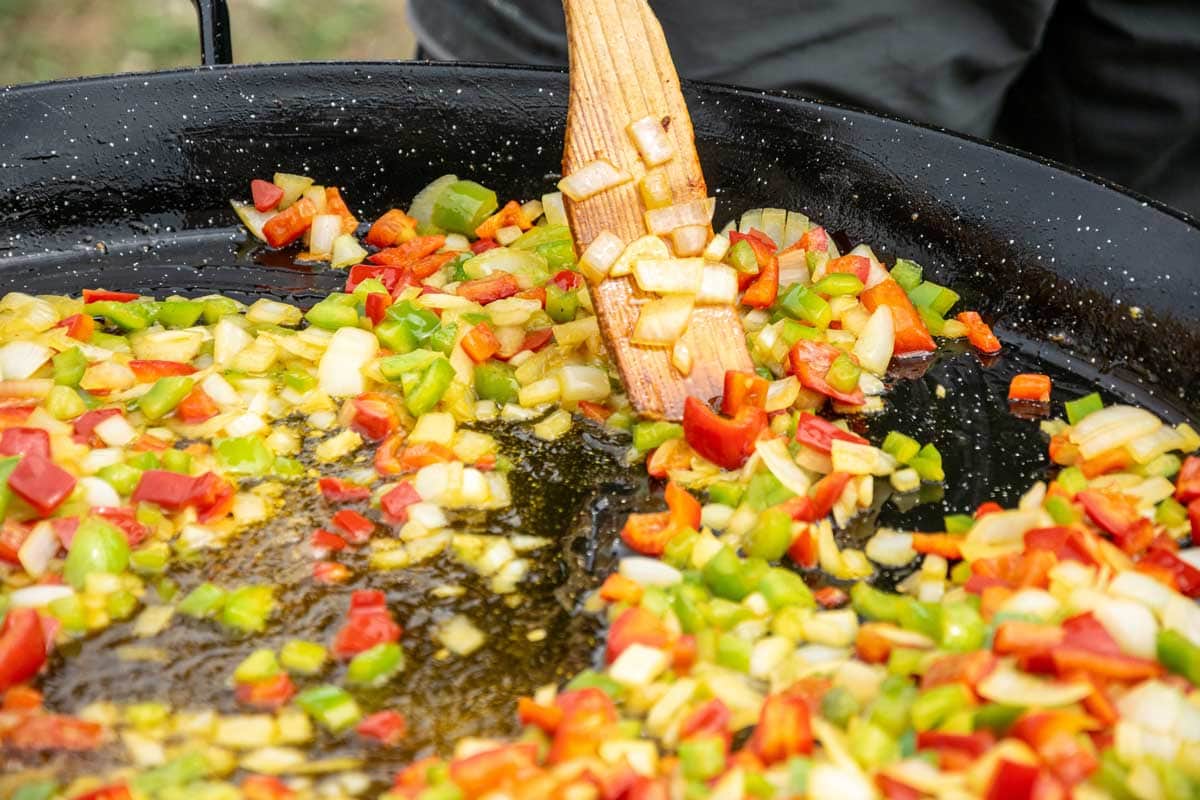
This Cuban stew uses a gentle stovetop simmer followed by a tomato-and-pepper sauce. Plan around tenderness: the beef should pull apart easily before shredding.
Ingredients
- 2 pounds flank steak, cut into pieces that fit the pot
- 1 large onion, sliced, divided
- 1 red bell pepper, sliced
- 1 green bell pepper, sliced
- 1 yellow bell pepper, sliced
- 4 cloves garlic, minced, divided
- 1 (15-ounce) can crushed tomatoes
- 1 cup beef broth, plus water or more broth to cover the beef
- 2 tablespoons tomato paste
- 2 tablespoons olive oil
- 1 teaspoon ground cumin
- 1 teaspoon sweet or smoked paprika
- 1 teaspoon dried oregano
- 2 bay leaves
- ½ teaspoon salt, or to taste
- ½ teaspoon black pepper
- ¼ cup dry white wine (optional)
- ⅓ cup sliced green olives
- 1 tablespoon capers
Method
- Put the beef in a Dutch oven with the 1 cup broth, half the onion, half the garlic and the bay leaves. Add enough water or extra broth to cover the meat. Bring to a simmer, cover and cook gently for 2–3 hours, until it pulls apart easily. Check periodically and add liquid as needed.
- Lift out the beef, cool just enough to handle and shred with two forks. Strain and reserve the cooking liquid; discard the bay leaves. You will use about 1 cup of this liquid in the sauce.
- Heat the olive oil in a large pan. Soften the remaining onion and the bell peppers over medium heat for 5–8 minutes. Add the remaining garlic, cumin, paprika and oregano; stir for 1 minute. Stir in the tomato paste, crushed tomatoes and optional wine, then simmer for 10 minutes.
- Add the shredded beef and about 1 cup reserved liquid. Simmer gently for 20–30 minutes, stirring and adding a little more liquid if dry. Stir in the olives and capers for the last 5 minutes. Taste before adding the salt and black pepper.
- Serve hot with rice, beans, tostones or avocado. Remove any remaining bay leaves before serving.
Timing and make-ahead notes
Timing: The card allows 15 minutes preparation and about 3 hours 15 minutes cooking, including approximately 2½ hours to tenderize the beef and 45 minutes for the sauce. Expect roughly 3–4 hours overall; tenderness, cut size and stove heat matter more than a fixed timer. Brisket or chuck can take longer than flank.
The onion and garlic are divided between the beef and sofrito; they are not added twice in full. The initial cup of broth must be supplemented with enough liquid to cover the beef. Reserve the resulting cooking liquid for the sauce.
Make ahead: Refrigerate promptly in shallow containers within 2 hours, or 1 hour above 90°F (32°C). Keep at 40°F (4°C) or below for 3–4 days, or freeze for up to 3 months. Reheat to 165°F (74°C). Do not leave the finished dish on the counter for hours or overnight.
Olives, capers and paprika are this version’s choices; family recipes vary. The listed time is for the stovetop method. Slow-cooker or pressure-cooker methods need their own appliance-appropriate liquid levels and timing, including heating and release time.
Ropa Vieja Variations & Regional Twists
While Cuban Ropa Vieja is the most well-known version, this flavorful shredded beef dish has traveled across Latin America and Spain, evolving into unique regional variations.
Each country adds its own ingredients and techniques, making Ropa Vieja a truly versatile and beloved dish.
Cuban-Style Ropa Vieja (The Classic Version )
The traditional Cuban recipe is the most famous and features:
✔ Flank steak slow-cooked until fork-tender
✔ Tomato-based sauce with bell peppers, onions, and garlic
✔ Seasonings like cumin, oregano, and bay leaves
✔ Green olives and capers for a briny contrast
This version is typically served with white rice, black beans, and fried plantains, making it a staple in Cuban households.
Puerto Rican Ropa Vieja
In Puerto Rico, it has a slightly different twist:
✔ Made with sofrito (a blend of bell peppers, garlic, onions, and culantro)
✔ Often includes sazón and adobo for extra seasoning
✔ Served with white rice or mofongo (mashed plantains)
✔ Sometimes made with chicken instead of beef
Puerto Rican Ropa Vieja is bold and aromatic, reflecting the island’s vibrant flavors.
Dominican Ropa Vieja
The Dominican Republic’s version shares similarities with Cuba’s but has unique additions:
✔ Uses brisket or skirt steak instead of flank steak
✔ Includes aji dulce (sweet peppers) for a touch of sweetness
✔ Sometimes contains potatoes and carrots for a heartier texture
✔ Served with congrí (rice and beans) or tostones
This variation is richer and slightly sweeter than the Cuban version.
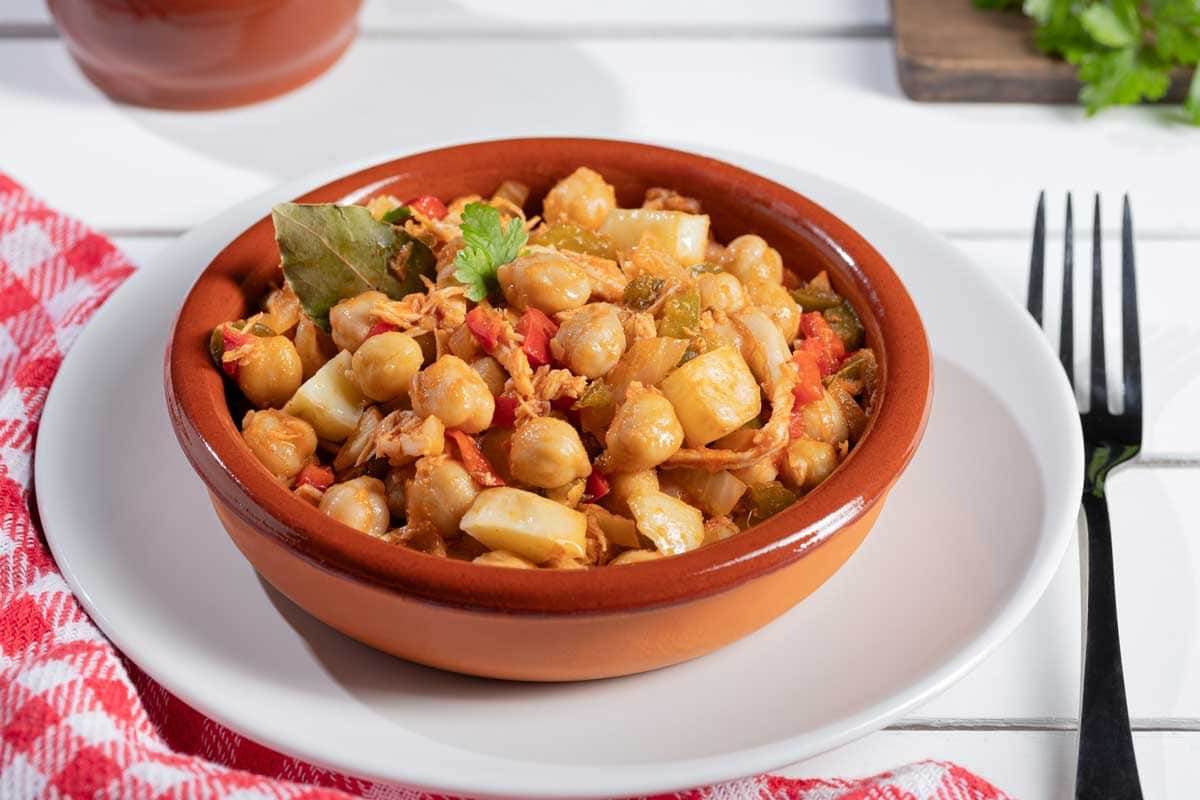
Canarian Ropa Vieja (The Spanish Original )
In Spain’s Canary Islands, where the dish originated, Ropa Vieja is quite different:
✔ Traditionally made with leftover meats (beef, chicken, pork, or chickpeas)
✔ Includes potatoes, chickpeas, and carrots instead of a tomato sauce
✔ Seasoned with paprika and saffron for a smoky depth
✔ Often served as a one-pot meal rather than with rice
The Canarian version is more rustic and closer to a hearty stew than the shredded Cuban style.
Venezuelan Ropa Vieja (Carne Mechada)
In Venezuela, Ropa Vieja is known as Carne Mechada, and it’s a key component of the national dish, Pabellón Criollo.
Key differences include:
✔ Thicker tomato sauce with a rich, deep flavor
✔ Often includes cilantro and Worcestershire sauce
✔ Served with black beans, white rice, and fried plantains
✔ Frequently used as a filling for arepas and empanadas
This version is slightly saucier than the Cuban one and pairs well with various Venezuelan staples.
Guatemala’s cousin: hilachas. Guatemala makes its own shredded flank steak dish, hilachas, and its name means almost the same thing (“rags”). Instead of a pepper-and-onion sofrito, the beef is simmered with potatoes and carrots in a smooth recado of roasted tomatoes, tomatillos and dried guajillo and pasilla chiles.
Tips for the Best Ropa Vieja
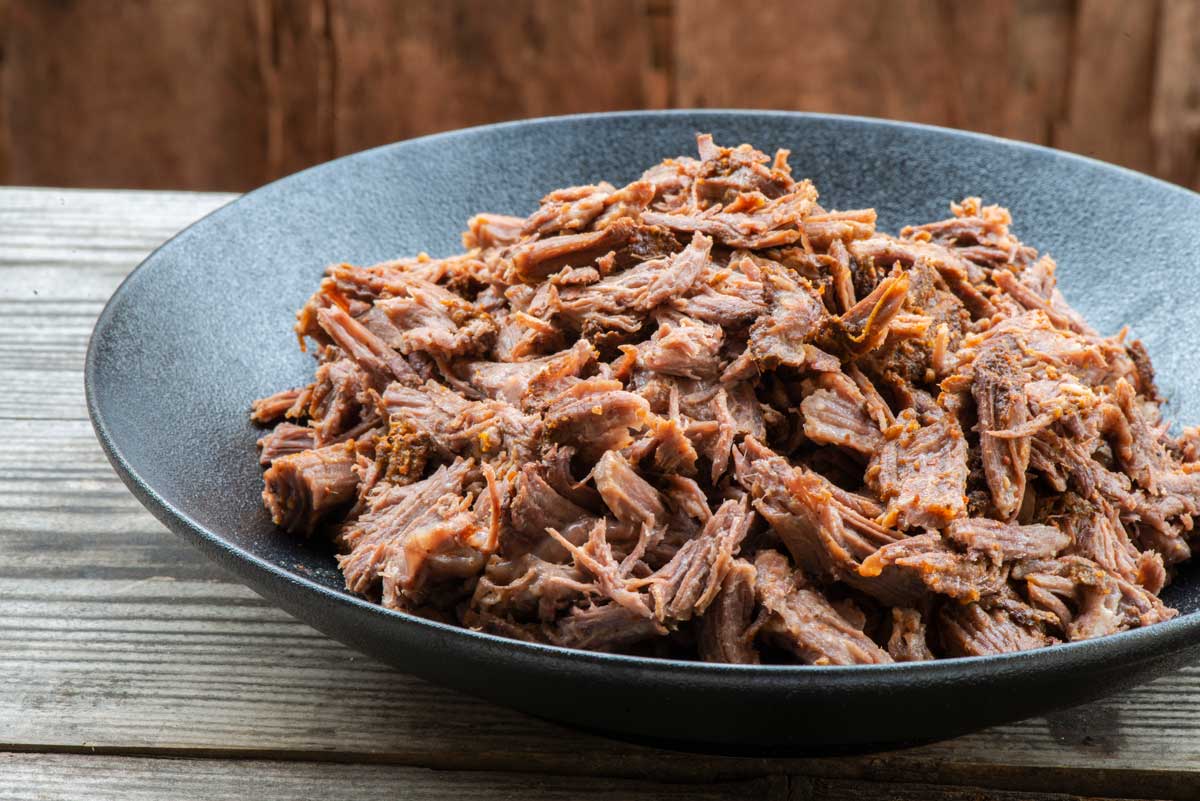
Want to make restaurant-quality Ropa Vieja at home?
Follow these expert tips to ensure tender, flavorful, and authentic results every time!
1. Choose the Right Cut of Beef
- Flank steak is the traditional choice—it shreds beautifully after slow cooking.
- Brisket or chuck roast are great alternatives for a richer, more marbled texture.
- Avoid lean cuts like sirloin, as they won’t break down as well.
✔ Tip: The more marbling, the more flavor!
2. Slow Cook for Maximum Tenderness
- Low and slow cooking (2–3 hours) allows the beef to become fall-apart tender.
- If using a slow cooker, cook on low for 6–8 hours.
- An Instant Pot can speed up the process while maintaining tenderness.
✔ Tip: Simmering the beef in broth instead of just water enhances the flavor.
3. Make a Flavorful Sofrito
- Don’t rush the sofrito! Slowly sautéing onions, garlic, and bell peppers in olive oil develops rich, deep flavors.
- Add cumin, oregano, and paprika to enhance the taste.
- A splash of white wine can elevate the sauce’s depth.
✔ Tip: Let the sofrito caramelize slightly for extra complexity.
4. Shred the Beef Properly
- Remove the beef from the broth and let it rest for 5–10 minutes before shredding.
- Use two forks to pull the meat into thin, even strands.
- Return it to the sauce so it can absorb more flavor.
✔ Tip: The longer the shredded beef sits in the sauce, the tastier it gets!
5. Don’t Skip the Secret Ingredients
- Green olives and capers add a briny, salty balance.
- Tomato paste thickens and intensifies the sauce.
- Some Cuban cooks swear by a splash of vinegar or Worcestershire sauce for an umami boost.
✔ Tip: Taste as you go—adjust salt, spices, or acidity as needed.
6. Let It Rest Before Serving
- Ropa Vieja tastes even better the next day as the flavors meld.
- For next-day serving, refrigerate promptly in shallow containers; do not leave the stew out for hours.
- Store leftovers in the fridge for up to 4 days—the flavors will deepen over time.
✔ Tip: Reheat gently, adding a splash of broth as needed, until the center reaches 165°F (74°C).
By following these tips, you’ll create an authentic, rich, and delicious Ropa Vieja that’s just as good—if not better—than what you’d find in a Cuban restaurant!
Traditional Sides to Serve with Ropa Vieja

Ropa Vieja is delicious on its own, but pairing it with the right sides elevates the meal to a true Cuban feast.
Here are the most authentic and traditional Cuban accompaniments to enjoy with this flavorful shredded beef dish.
1. White Rice (Arroz Blanco)
✔ The most classic pairing! White rice absorbs the savory, tomato-based sauce perfectly.
✔ Typically made with long-grain rice, salt, and a little oil for fluffiness.
✔ Can be substituted with brown rice for a healthier twist.
✔ Tip: Serve Ropa Vieja over a bed of rice to soak up every drop of the delicious sauce.
2. Black Beans (Frijoles Negros)
✔ A Cuban staple that adds protein and fiber to the meal.
✔ Slow-cooked with garlic, onions, cumin, and bay leaves for deep flavor.
✔ Often served separately or mixed with rice (Moros y Cristianos).
✔ Tip: Cook your black beans with a touch of vinegar for extra richness!
3. Tostones (Twice-Fried Plantains)
✔ Crispy and golden plantain slices, fried twice for the perfect crunch.
✔ A delicious contrast to the tender, saucy Ropa Vieja.
✔ Served with garlic mojo sauce for dipping.
✔ Tip: Sprinkle with a little salt or garlic powder while hot for extra flavor.
4. Maduros (Sweet Fried Plantains)
✔ Soft, caramelized, and naturally sweet, balancing the dish’s savory flavors.
✔ Made with ripe plantains, sliced and fried until golden brown.
✔ Adds a subtle sweetness that pairs beautifully with the dish’s bold spices.
✔ Tip: Use very ripe (almost black) plantains for the best sweetness.
5. Yuca con Mojo (Cassava with Garlic Sauce)
✔ Yuca (cassava) is a starchy root vegetable, similar to potatoes.
✔ Boiled until tender, then drizzled with garlic-citrus mojo sauce.
✔ Adds a buttery, garlicky bite that complements Ropa Vieja’s richness.
✔ Tip: Try fried yuca for a crispy alternative!
6. Cuban Bread (Pan Cubano)
✔ A light, slightly sweet bread with a crisp crust.
✔ Perfect for soaking up the sauce or making a Ropa Vieja sandwich.
✔ Best when buttered and toasted for extra crunch.
✔ Tip: For a twist, use it to make a Ropa Vieja Cuban sandwich!
7. Avocado Salad (Ensalada de Aguacate)
✔ A refreshing side salad with sliced avocados, tomatoes, and onions.
✔ Dressed with olive oil, lime juice, and salt for a light, fresh contrast.
✔ Balances the richness of Ropa Vieja with its cool, creamy texture.
✔ Tip: Add cilantro or thinly sliced radishes for extra crunch.
8. Moros y Cristianos (Cuban Black Beans & Rice)
✔ A combination of black beans and white rice cooked together.
✔ Infused with garlic, bay leaves, and cumin for deep flavor.
✔ Symbolizes the mix of African and Spanish cultures in Cuban history.
✔ Tip: Cook the beans separately first, then mix with the rice to keep the grains fluffy.
9. Cuban Slaw (Ensalada de Col Cubana)
✔ A tangy coleslaw with shredded cabbage, carrots, and onions.
✔ Dressed with vinegar, olive oil, and a pinch of sugar for balance.
✔ Adds a crunchy, refreshing contrast to the tender beef.
✔ Tip: Let it marinate for at least 30 minutes before serving for the best flavor!
10. Fried Yuca (Yuca Frita)
✔ Crispy on the outside, soft inside, like Cuban-style fries.
✔ Best served with garlic mojo sauce for dipping.
✔ A delicious alternative to French fries!
✔ Tip: For extra crispiness, fry the yuca twice, like tostones.
Final Thoughts
No Cuban meal is complete without the perfect side dishes!
Whether you prefer fluffy rice, crispy tostones, or garlicky yuca, these sides complement the bold, rich flavors of Ropa Vieja.
Frequently Asked Questions About Ropa Vieja
1. What does “Ropa Vieja” mean?
“Ropa Vieja” translates to “old clothes” in Spanish. The dish gets its name because the shredded beef resembles torn, tattered fabric.
2. Where did Ropa Vieja originate?
It originally came from Spain’s Canary Islands and was brought to Cuba by Spanish settlers. Over time, it evolved into Cuba’s national dish, with unique flavors influenced by local ingredients.
3. What is the best cut of beef for Ropa Vieja?
The most traditional cut is flank steak because it shreds easily after slow cooking. However, brisket, chuck roast, or skirt steak also work well.
4. How long does it take to cook Ropa Vieja?
- Stovetop: About 3–4 hours overall, including the final sauce; cook the beef until it shreds easily.
- Slow Cooker: 6–8 hours on low or 4–5 hours on high.
- Instant Pot: About 90 minutes, including pressure release.
5. Can I make Ropa Vieja ahead of time?
Yes! It tastes even better the next day because the flavors deepen as it sits. Store it in an airtight container in the fridge for up to 4 days.
6. Can Ropa Vieja be frozen?
Cool promptly in shallow containers and refrigerate within 2 hours, then freeze for up to 3 months. Thaw in the refrigerator and reheat to 165°F (74°C).
7. Is Ropa Vieja spicy?
No, traditional Ropa Vieja is not spicy. However, you can add a bit of heat with crushed red pepper flakes, cayenne, or a dash of hot sauce.
8. What are the best sides to serve with Ropa Vieja?
Traditional Cuban sides include:
✅ White rice – Perfect for absorbing the flavorful sauce.
✅ Black beans – A Cuban staple.
✅ Tostones (fried plantains) – Crispy and savory.
✅ Avocado slices – Fresh and creamy.
9. Can I make Ropa Vieja with chicken instead of beef?
Yes! A chicken version of Ropa Vieja, sometimes called “Ropa Vieja de Pollo,” uses shredded chicken breast or thighs instead of beef.
10. How do I thicken the sauce?
- Let it simmer longer to reduce excess liquid.
- Add a spoonful of tomato paste for a richer consistency.
- Mash a few cooked potatoes or carrots into the sauce for natural thickening.
11. What makes Cuban Ropa Vieja different from other versions?
Cuban Ropa Vieja is:
✔ Made with flank steak for a signature shredded texture.
✔ Slow-cooked in a tomato-based sauce with bell peppers, onions, and garlic.
✔ Often includes green olives and capers for a briny twist.
12. Can I make Ropa Vieja in a slow cooker or Instant Pot?
Yes! Both methods work great for hands-off cooking:
- Slow Cooker: Cook on low for 6–8 hours or high for 4–5 hours.
- Instant Pot: Pressure cook for 45 minutes, then let the pressure release naturally for 15 minutes before shredding the beef.
13. What’s the difference between Ropa Vieja and Carne Mechada?
While similar, Carne Mechada (Venezuelan version) has a thicker sauce, often seasoned with Worcestershire sauce, cilantro, and sweet peppers. It’s commonly served in arepas.
14. Can I make a vegetarian version of Ropa Vieja?
Yes! Some plant-based alternatives include:
- Jackfruit (for a shredded texture like beef)
- Mushrooms or lentils for a hearty, meaty feel
- Hearts of palm for a unique texture
15. What can I do with Ropa Vieja leftovers?
Use leftovers for:
✔ Tacos or burritos
✔ Arepa fillings
✔ Stuffed empanadas
✔ Sandwiches (like a Cuban-style Ropa Vieja sandwich!)
Ropa vieja is Cuba’s national dish. See what every other country in the region puts on its national plate in our guide to Latin American national dishes.
Experience the Authentic Flavors of Ropa Vieja
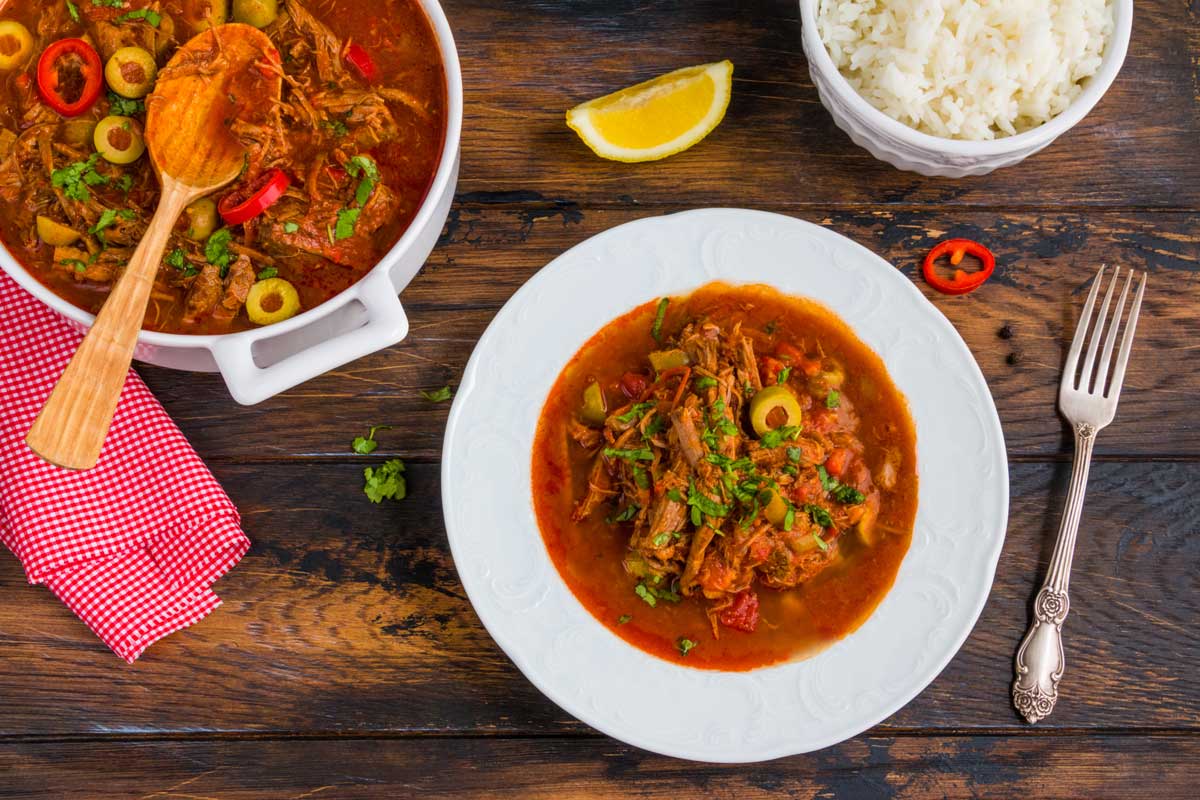
Ropa Vieja is more than just a meal—it’s a taste of Cuban tradition that has stood the test of time.
With its tender shredded beef, rich tomato-based sauce, and bold spices, this dish brings comfort and warmth to every bite.
Whether you enjoy it with white rice, black beans, or crispy tostones, mastering Ropa Vieja at home allows you to savor the true essence of Cuban cuisine.
Try this iconic recipe today and bring a flavorful piece of Cuba to your table!

Ropa Vieja Recipe
Ropa Vieja is Cuban shredded beef in a tomato sauce with peppers, onions and spices. This stovetop version uses flank steak and serves six. Allow about 3–4 hours overall, cooking the beef until it shreds easily before finishing it in the sauce.
Ingredients
- 2 pounds flank steak, cut into pieces that fit the pot
- 1 large onion, sliced, divided
- 1 red bell pepper, sliced
- 1 green bell pepper, sliced
- 1 yellow bell pepper, sliced
- 4 cloves garlic, minced, divided
- 1 (15-ounce) can crushed tomatoes
- 1 cup beef broth, plus water or more broth to cover the beef
- 2 tablespoons tomato paste
- 2 tablespoons olive oil
- 1 teaspoon ground cumin
- 1 teaspoon sweet or smoked paprika
- 1 teaspoon dried oregano
- 2 bay leaves
- ½ teaspoon salt, or to taste
- ½ teaspoon black pepper
- ¼ cup dry white wine (optional)
- ⅓ cup sliced green olives
- 1 tablespoon capers
Instructions
- Put the beef in a Dutch oven with the 1 cup broth, half the onion, half the garlic and the bay leaves. Add enough water or extra broth to cover the meat. Bring to a simmer, cover and cook gently for 2–3 hours, until it pulls apart easily. Check periodically and add liquid as needed.
- Lift out the beef, cool just enough to handle and shred with two forks. Strain and reserve the cooking liquid; discard the bay leaves. You will use about 1 cup of this liquid in the sauce.
- Heat the olive oil in a large pan. Soften the remaining onion and the bell peppers over medium heat for 5–8 minutes. Add the remaining garlic, cumin, paprika and oregano; stir for 1 minute. Stir in the tomato paste, crushed tomatoes and optional wine, then simmer for 10 minutes.
- Add the shredded beef and about 1 cup reserved liquid. Simmer gently for 20–30 minutes, stirring and adding a little more liquid if dry. Stir in the olives and capers for the last 5 minutes. Taste before adding the salt and black pepper.
- Serve hot with rice, beans, tostones or avocado. Remove any remaining bay leaves before serving.
Notes
Timing: The card allows 15 minutes preparation and about 3 hours 15 minutes cooking, including approximately 2½ hours to tenderize the beef and 45 minutes for the sauce. Expect roughly 3–4 hours overall; tenderness, cut size and stove heat matter more than a fixed timer. Brisket or chuck can take longer than flank.
The onion and garlic are divided between the beef and sofrito; they are not added twice in full. The initial cup of broth must be supplemented with enough liquid to cover the beef. Reserve the resulting cooking liquid for the sauce.
Make ahead: Refrigerate promptly in shallow containers within 2 hours, or 1 hour above 90°F (32°C). Keep at 40°F (4°C) or below for 3–4 days, or freeze for up to 3 months. Reheat to 165°F (74°C). Do not leave the finished dish on the counter for hours or overnight.
Olives, capers and paprika are this version’s choices; family recipes vary. The listed time is for the stovetop method. Slow-cooker or pressure-cooker methods need their own appliance-appropriate liquid levels and timing, including heating and release time.
More Cuban Foods
See all →
Jorge Garcia is the founder of AmigoFoods, where he has spent over 20 years helping readers discover authentic Latin American and Spanish cuisine. Raised in a Cuban-American household, Jorge learned to cook at the hands of his mother and grandmother, carrying forward generations of family recipes. That heritage, backed by his family’s four-generation history in the Latin food industry, inspired him to launch AmigoFoods in 2003. With more than 1,000 published articles on recipes, ingredients, and food culture, Jorge’s mission is simple: make authentic Latin cooking approachable for home cooks everywhere while honoring the traditions behind every dish.