

Cuban picadillo is a comforting ground-beef dish simmered with tomato, peppers, olives and raisins. This version serves four to six, with optional diced potatoes and a savory sauce ready to spoon over rice.
Cuban Picadillo at a Glance
Explore more Cuban family meals, or serve picadillo with plátanos maduros.
What is Cuban Picadillo?

Cuban Picadillo is a traditional ground beef hash that’s as comforting as it is flavorful.
The word “picadillo” comes from the Spanish verb picar, meaning “to mince” or “to chop,” which perfectly describes the finely chopped ingredients that make up this dish.
At its heart, Cuban Picadillo is made with ground beef simmered in a rich sofrito base of onions, garlic, peppers, and tomatoes, then enhanced with a unique sweet-savory twist—green olives, capers, and raisins.
This combination of flavors reflects Cuba’s cultural melting pot, blending Spanish influences with local Caribbean flair.
More than just a meal, picadillo is a staple in Cuban households, often served over fluffy white rice and paired with black beans or fried plantains.
It’s the kind of dish that brings families together around the dinner table, passed down through generations as a symbol of home-cooked comfort.
Traditional Ingredients of Cuban Picadillo
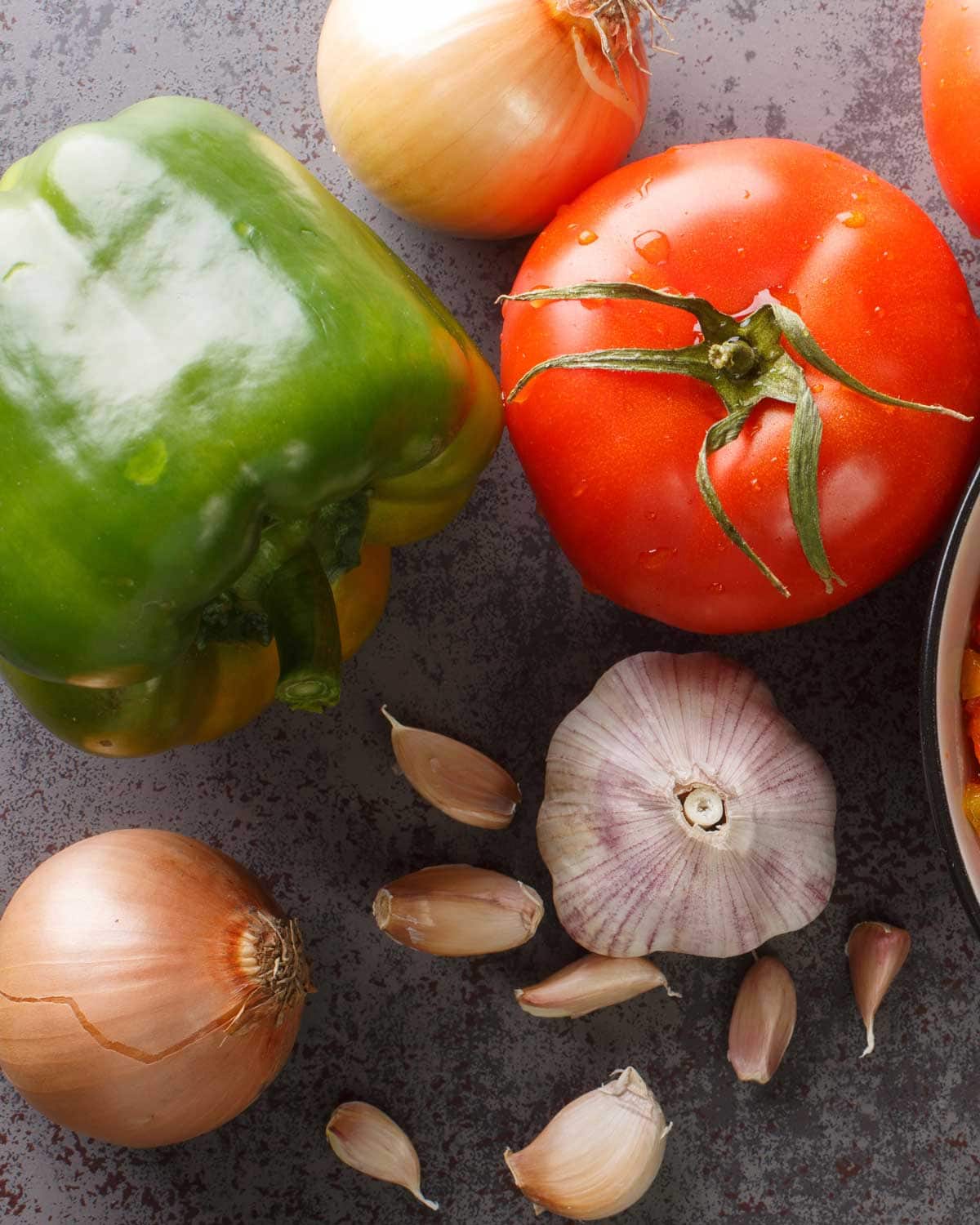
The magic of Cuban Picadillo lies in its blend of simple ingredients that come together to create bold, unforgettable flavors.
Each component plays an important role in balancing sweet, savory, and aromatic notes.
Here are the staples that define this classic Cuban dish:
-
Ground Beef – The foundation of the dish, usually lean or medium ground beef for the perfect texture.
-
Sofrito – A flavorful base made with onions, garlic, bell peppers, and tomatoes, sautéed until aromatic.
-
Tomato Sauce or Paste – Adds richness and helps create a savory sauce to coat the meat.
-
Green Olives – Briny and slightly salty, they provide a sharp contrast to the sweetness of raisins.
-
Capers – Optional but traditional, they bring a tangy depth that elevates the flavor.
-
Raisins – A popular addition for sweetness, though some Cuban families omit them.
-
Potatoes – Diced and simmered in the sauce, they make the dish heartier and more filling.
-
Spices – Cumin, oregano, bay leaves, and black pepper are the key seasonings that tie the flavors together.
-
Stock or White Wine – Sometimes added for extra depth and to keep the meat juicy.
These ingredients create the perfect balance of savory, sweet, and tangy flavors that make Cuban Picadillo stand out from other versions across Latin America.
Step-by-Step Cuban Picadillo Recipe

Ingredients
- 1 ½ pounds ground beef (lean or medium)
- 2 tablespoons olive oil
- 1 medium onion, finely chopped
- 1 green bell pepper, finely chopped
- 4 garlic cloves, minced
- 1 cup tomato sauce
- 1 teaspoon ground cumin
- 1 teaspoon dried oregano
- 2 bay leaves
- ½ cup pimento-stuffed green olives, sliced
- ¼ cup raisins
- 2 medium potatoes, peeled and cut into 1/2-inch dice (optional)
- ½ cup beef stock or white wine
- Salt and pepper to taste
- Fresh cilantro (for garnish, optional)
Instructions
- Heat the olive oil in a large deep skillet over medium heat. Cook the onion and bell pepper for about 5 minutes, then add the garlic and cook for 1 minute.
- Add the ground beef and break it into small pieces. Cook for about 7–8 minutes, until browned and cooked through, draining excess fat if necessary.
- Stir in the tomato sauce, cumin, oregano, bay leaves, olives, raisins, optional diced potatoes, and stock or wine. Bring to a simmer, then reduce the heat and cover.
- Simmer gently for 20–25 minutes, stirring occasionally, until the potatoes are tender. Add a splash of water or stock if it becomes dry before they soften. If the sauce is too loose, uncover and simmer briefly to thicken.
- Check that the beef has reached 160°F (71°C). Taste before adding salt because the olives and stock can be salty. Remove both bay leaves, garnish with cilantro if desired, and serve with rice, black beans or sweet plantains.
Allow about 55 minutes including chopping; larger potato pieces may take longer. Cuban family recipes vary: raisins, potatoes and capers are optional additions rather than requirements. This version includes raisins and offers potatoes as an option. If using ground turkey or chicken, cook it to 165°F (74°C). Cool leftovers promptly in shallow containers, refrigerate and use within 3–4 days; reheat to 165°F (74°C).
Variations of Picadillo Across Latin America

While Cuban Picadillo is one of the most famous versions, this dish has countless interpretations across Latin America and Spain.
Each country adds its own regional twist, making picadillo a versatile and beloved recipe throughout the Hispanic world.
-
Cuban Picadillo – Known for its balance of sweet and savory flavors, this version traditionally includes raisins, green olives, capers, and sometimes potatoes. It’s often paired with white rice, black beans, and fried plantains.
-
Puerto Rican Picadillo – A close cousin to the Cuban version, but usually made without raisins. It features a sofrito base with peppers, onions, garlic, and cilantro, and it’s often used as a filling for empanadas, alcapurrias, or pastelón (Puerto Rican plantain lasagna).
-
Mexican Picadillo – Spicier and heartier, it often includes diced potatoes, carrots, and sometimes green peas. Instead of raisins and olives, it incorporates chili peppers and spices for a bolder, smoky flavor. It’s also a popular filling for tacos and chiles rellenos.
-
Dominican Picadillo – Similar to Cuban and Puerto Rican styles, but with more emphasis on bell peppers, oregano, and vinegar for tanginess. It’s commonly served with arroz blanco (white rice) and tostones (fried green plantains).
-
Spanish Picadillo – The dish’s origin traces back to Spain, where it is lighter and simpler, often made with ground meat, garlic, and olive oil. It laid the foundation for the more elaborate versions found across Latin America.
Despite these differences, the essence of picadillo remains the same: a savory, comforting ground meat dish that reflects the history, culture, and ingredients of each region.
Tips for Making the Perfect Cuban Picadillo at Home

Making Cuban Picadillo at home is simple, but a few pro tips will take your dish from good to unforgettable.
Here’s how to capture that authentic sweet-and-savory balance every time:
-
Start with a Strong Sofrito – Don’t rush the base of onions, garlic, peppers, and tomatoes. Letting it caramelize slightly builds deep flavor.
-
Choose the Right Meat – Lean ground beef works well, but a little fat (80/20) adds richness. You can also substitute ground turkey or chicken for a lighter version.
-
Balance Sweet and Savory – The magic of Cuban Picadillo lies in the contrast between salty olives and sweet raisins. Taste as you go and adjust proportions to your preference.
-
Simmer Low and Slow – After adding spices, potatoes, and broth, reduce the heat and let the dish simmer. This melds the flavors together beautifully.
-
Don’t Forget the Bay Leaves – A small detail that makes a big difference. Remove before serving.
-
Adjust for Modern Tastes – Add a splash of white wine for depth, or a pinch of smoked paprika for a subtle twist.
-
Serve It the Cuban Way – Pair with fluffy white rice, black beans, and fried plantains for the most authentic experience.
-
Make Ahead for Better Flavor – Like many stews, picadillo tastes even better the next day once the flavors have settled.
With these simple tricks, your homemade Cuban Picadillo will be just as delicious as the versions passed down through Cuban families for generations.
Where to Eat the Best Cuban Picadillo

While nothing beats a homemade Cuban Picadillo, experiencing it in the right setting can make the dish even more special.
From Havana’s bustling streets to Miami’s Little Havana, you’ll find picadillo served with love, tradition, and a touch of local flair.
-
Havana, Cuba – In the heart of Cuba, you’ll find picadillo on menus at paladares (small, family-run restaurants) and traditional eateries. Local favorites like Doña Eutimia and La Guarida often serve authentic picadillo alongside rice, beans, and plantains, giving visitors a true taste of Cuban home cooking.
-
Miami’s Little Havana – In the U.S., Miami is the best place to try Cuban Picadillo outside of Cuba. Restaurants such as Versailles Restaurant, La Carreta, and El Palacio de los Jugos serve classic versions that taste just like abuela’s kitchen.
-
Other U.S. Cities with Cuban Communities – Tampa, Orlando, and New Jersey also have thriving Cuban neighborhoods where picadillo is a staple on local menus. Cuban bakeries and cafés often serve it as part of a daily special or alongside empanadas and arroz blanco.
-
Home-Cooked Picadillo – For many Cubans, the best picadillo isn’t found in a restaurant—it’s enjoyed at home with family. Recipes vary from household to household, each one passed down through generations and adjusted to taste.
Whether you’re traveling to Havana, strolling through Calle Ocho in Miami, or sitting at a Cuban family’s dinner table, Cuban Picadillo is always a dish served with history, comfort, and pride.
Cuban Picadillo vs. Other Cuban Dishes
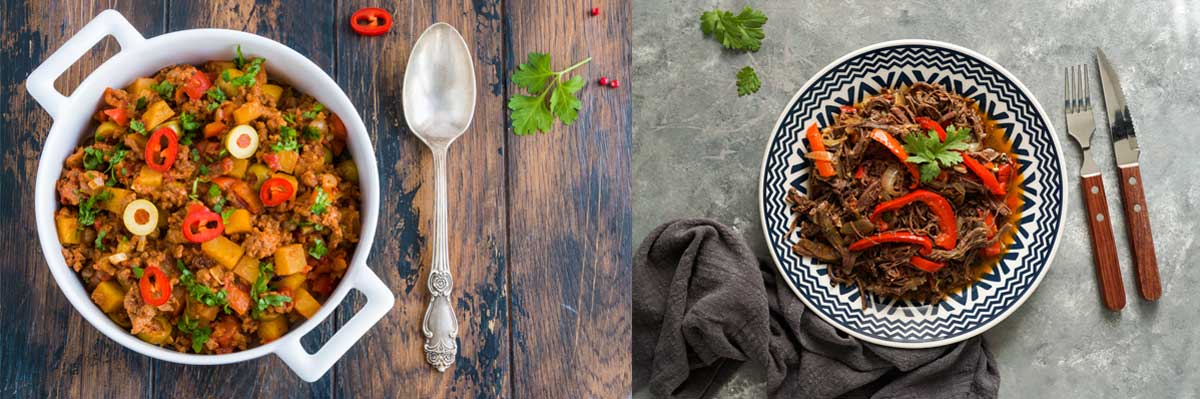
Cuban cuisine is full of hearty, flavorful dishes, and while Cuban Picadillo is a star in its own right, it often gets compared to other classics.
Understanding these differences helps highlight why picadillo holds such a special place on the Cuban table.
-
Picadillo vs. Ropa Vieja – Both are beef-based dishes, but their textures and preparation couldn’t be more different. Picadillo uses ground beef simmered with sofrito, olives, and raisins, while Ropa Vieja features shredded flank steak slow-cooked in a tomato-based sauce with peppers and onions. Picadillo is quicker to prepare, while Ropa Vieja is considered more of a celebratory dish.
-
Picadillo vs. Arroz con Picadillo – Classic picadillo is served alongside rice, but in some households, it’s cooked directly with the rice, creating a one-pot meal. This variation makes it easier for busy families while still keeping the signature flavors intact.
-
Picadillo vs. Vaca Frita – Where picadillo is saucy and layered with sweet-savory notes, Vaca Frita is all about crispiness. Made with marinated, shredded beef that’s pan-fried until golden, it’s a dry dish with bold garlic and lime flavors.
-
Picadillo vs. Fricase de Pollo – Although not a beef dish, Fricase de Pollo (chicken stew) is another Cuban comfort food often served alongside picadillo. It shares similarities in its use of sofrito, potatoes, and tomato-based sauce, but swaps beef for chicken as the main protein.
In the end, picadillo stands out because of its sweet-savory balance and versatility.
While other Cuban dishes may lean heavily on either bold spice, crisp textures, or slow-cooked depth, picadillo is a quick, family-friendly favorite that ties together the diverse influences of Cuban cooking.
Conclusion – Why Cuban Picadillo Remains a Must-Try Dish

Cuban Picadillo is more than just ground beef simmered with spices—it’s a story of culture, migration, and flavor!
This humble Cuban dish has evolved into one of the country’s most cherished recipes, loved both on the island and abroad.
Whether you’re cooking it at home or enjoying it in a Cuban restaurant, picadillo is a true taste of Cuba.
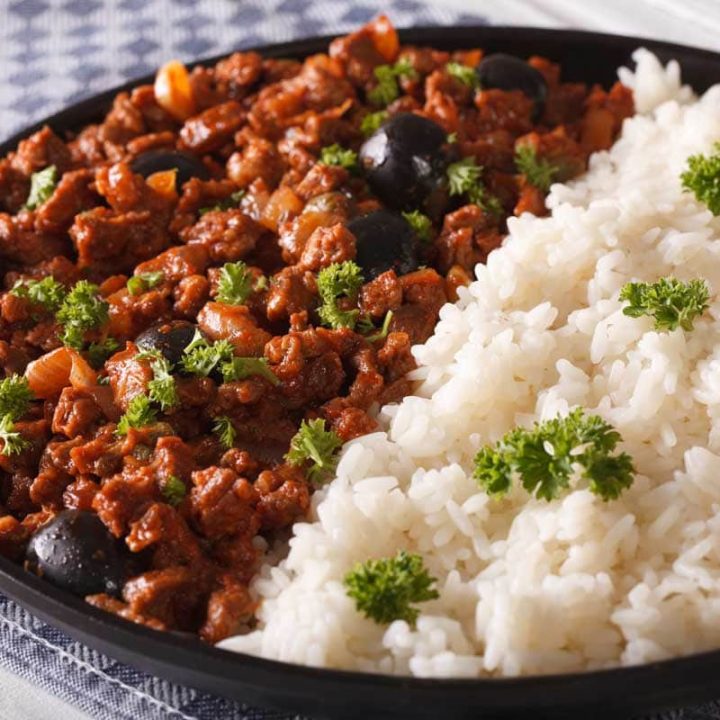
Cuban Picadillo Recipe
Cuban Picadillo is a savory ground beef hash simmered with sofrito, tomatoes, raisins, olives, and warm spices.
Served with white rice, black beans, or fried plantains, this comforting dish brings the authentic taste of Cuba straight to your table.
Ingredients
- 1 ½ pounds ground beef (lean or medium)
- 2 tablespoons olive oil
- 1 medium onion, finely chopped
- 1 green bell pepper, finely chopped
- 4 garlic cloves, minced
- 1 cup tomato sauce
- 1 teaspoon ground cumin
- 1 teaspoon dried oregano
- 2 bay leaves
- ½ cup pimento-stuffed green olives, sliced
- ¼ cup raisins
- 2 medium potatoes, peeled and cut into 1/2-inch dice (optional)
- ½ cup beef stock or white wine
- Salt and pepper to taste
- Fresh cilantro (for garnish, optional)
Instructions
- Heat the olive oil in a large deep skillet over medium heat. Cook the onion and bell pepper for about 5 minutes, then add the garlic and cook for 1 minute.
- Add the ground beef and break it into small pieces. Cook for about 7–8 minutes, until browned and cooked through, draining excess fat if necessary.
- Stir in the tomato sauce, cumin, oregano, bay leaves, olives, raisins, optional diced potatoes, and stock or wine. Bring to a simmer, then reduce the heat and cover.
- Simmer gently for 20–25 minutes, stirring occasionally, until the potatoes are tender. Add a splash of water or stock if it becomes dry before they soften. If the sauce is too loose, uncover and simmer briefly to thicken.
- Check that the beef has reached 160°F (71°C). Taste before adding salt because the olives and stock can be salty. Remove both bay leaves, garnish with cilantro if desired, and serve with rice, black beans or sweet plantains.
Notes
Allow about 55 minutes including chopping; larger potato pieces may take longer. Cuban family recipes vary: raisins, potatoes and capers are optional additions rather than requirements. This version includes raisins and offers potatoes as an option. If using ground turkey or chicken, cook it to 165°F (74°C). Cool leftovers promptly in shallow containers, refrigerate and use within 3–4 days; reheat to 165°F (74°C).
Make picadillo the centerpiece of a family dinner with our Hispanic Heritage Month menu ideas, including side dishes, dessert suggestions, and a printable shopping planner.
More Cuban Foods
See all →
Jorge Garcia is the founder of AmigoFoods, where he has spent over 20 years helping readers discover authentic Latin American and Spanish cuisine. Raised in a Cuban-American household, Jorge learned to cook at the hands of his mother and grandmother, carrying forward generations of family recipes. That heritage, backed by his family’s four-generation history in the Latin food industry, inspired him to launch AmigoFoods in 2003. With more than 1,000 published articles on recipes, ingredients, and food culture, Jorge’s mission is simple: make authentic Latin cooking approachable for home cooks everywhere while honoring the traditions behind every dish.