

Updated
Cuban food is Caribbean home cooking with deep Spanish and West African roots: rice and black beans, slow-cooked pork and beef, plantains every way, and a garlicky citrus sauce called mojo. It is seasoned with cumin, oregano, garlic and sour orange rather than chili heat, and nearly every savory dish starts with a sofrito.
The dish most often called Cuba’s national dish is ropa vieja, shredded beef in tomato sauce, though many Cubans give that title to ajiaco, a root-vegetable stew. Everyday meals are rice, beans, a meat and fried plantains; the Cuban sandwich and a sweet cafecito are the best-known exports. This guide covers 36 traditional Cuban dishes, plus how to order like a local at a Miami ventanita.
AmigoFoods may earn a commission from qualifying Amazon purchases made through links on this page.
Just want the recipes? Browse our Cuban main dishes hub, or start with the 16 essentials of the Cuban pantry.
From the ventanita to Nochebuena
36 Cuban dishes at a glance
Pick a category, then tap any dish to jump straight to it.
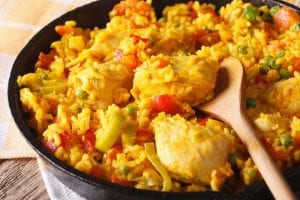 01Arroz con PolloYellow rice and chicken in one potMain
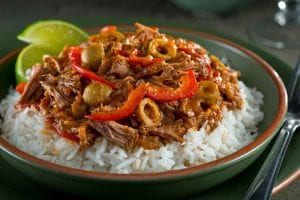 02Ropa ViejaShredded beef stewed in tomato sofritoMain
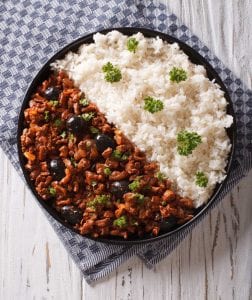 03PicadilloGround beef with olives and raisinsMain
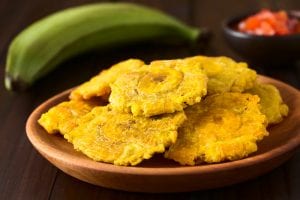 04TostonesSmashed, twice-fried green plantainsSide
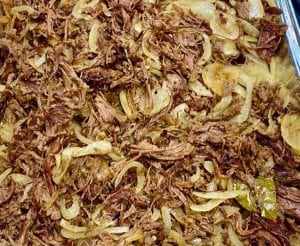 05Vaca FritaCrispy shredded beef with lime and onionsMain
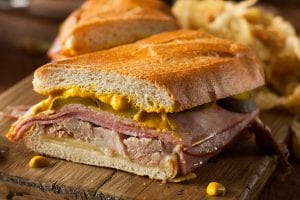 06Cuban SandwichPressed pork, ham, cheese and picklesSandwich
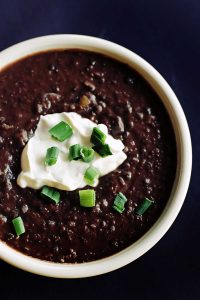 07Frijoles NegrosBlack beans with sofrito, served over riceSide
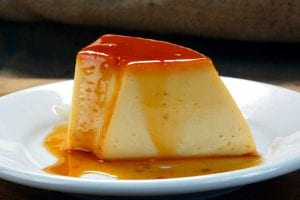 08FlanDense caramel custardSweet
 09CroquetasFried ham croquettes from the bakerySnack
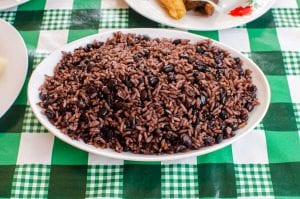 10CongríRice cooked with red beans and porkSide
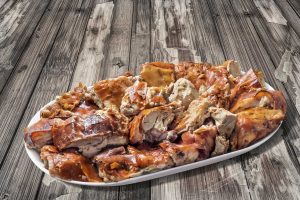 11Lechón AsadoMojo-marinated roast porkHoliday
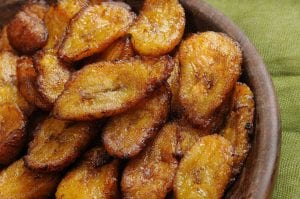 12MadurosCaramelized fried sweet plantainsSide
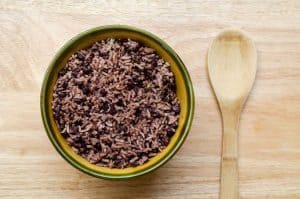 13Moros y CristianosBlack beans and rice cooked togetherSide
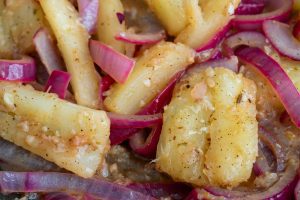 14Yuca con MojoBoiled cassava with garlic-citrus mojoSide
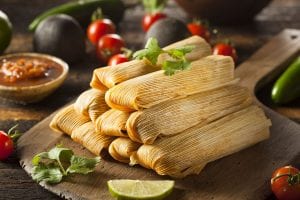 15TamalesFresh-corn tamales mixed with porkSnack
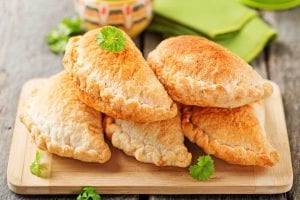 16EmpanadasFried turnovers filled with picadilloSnack
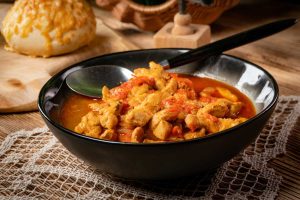 17Fricasé de PolloChicken braised with potatoes and olivesStew
 18Café CubanoSweet espresso topped with espumitaCafé
 19ChicharronesCrunchy fried pork skinSnack
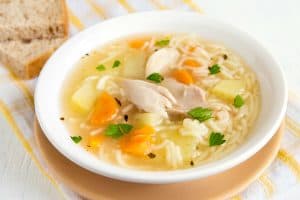 20Sopa de PolloChicken soup with calabaza and noodlesSoup
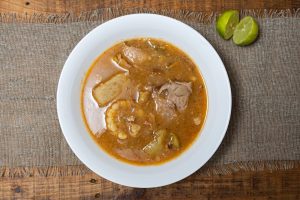 21AjiacoRoot vegetable and meat stew, the old national dishStew
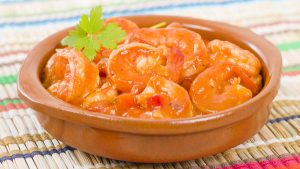 22Enchilado de CamaronesShrimp in tomato sofritoSeafood
 23Pan con LechónRoast pork sandwich with mojo onionsSandwich
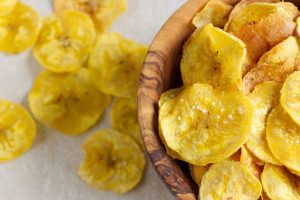 24MariquitasThin plantain chips with mojoSnack
 25Bistec EmpanizadoThin breaded steak with limeMain
 26MedianocheCuban sandwich on sweet egg breadSandwich
 27Tres LechesSponge cake soaked in three milksSweet
 28Arroz con LecheRice pudding with lime peel and cinnamonSweet
 29Ensalada de AguacateAvocado and onion saladSide
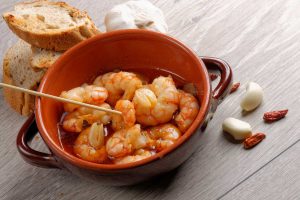 30Camarones al AjilloGarlic shrimpSeafood
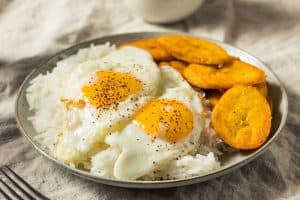 31Arroz con HuevoRice with a fried eggMain
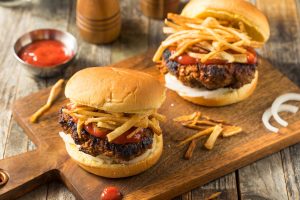 32Frita CubanaCuban burger topped with shoestring friesSandwich
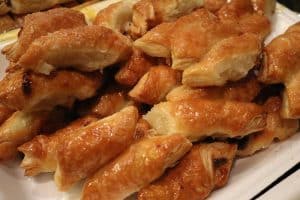 33PastelitosPuff pastry with guava and cheeseSweet
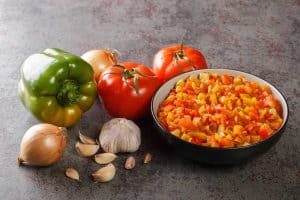 34SofritoThe onion, garlic and pepper basePantry
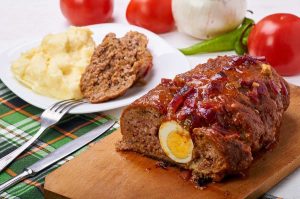 35PulpetaMeatloaf with hard-boiled eggsMain
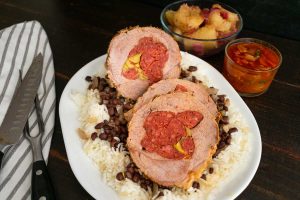 36BolicheChorizo-stuffed pot roastMain
1. Arroz con Pollo

Arroz con pollo is the Cuban Sunday one-pot meal: chicken browned in a caldero, then simmered with sofrito, beer or white wine and long-grain rice colored yellow with annatto (bijol) or saffron. Peas, roasted red peppers and olives go on top.
Cooks argue about texture. Some make it dry and fluffy; others make it a la chorrera, wet and almost soupy. Either way, it comes with sweet plantains and a simple avocado salad.
2. Ropa Vieja

Ropa vieja (“old clothes”) is flank steak simmered until it falls apart, shredded by hand, then stewed in a tomato sofrito with onions, bell peppers, garlic, cumin and a splash of wine. It is often called Cuba’s national dish.
The name comes from a Spanish legend about a man who cooked his old clothes, which turned into a stew. The dish itself traces back to the Canary Islands. Serve it with white rice, black beans and maduros.
3. Picadillo

Picadillo is the weeknight dinner of Cuban homes: ground beef cooked with sofrito, tomato sauce, cumin and oregano, with green olives, raisins and sometimes capers for a sweet-salty bite.
It is served over white rice with black beans and fried plantains. Top it with a fried egg and it becomes picadillo a caballo. Leftovers fill empanadas, papas rellenas and pastelón.
4. Tostones

Tostones are green plantains cut into thick rounds, fried, smashed flat and fried again until crisp. In eastern Cuba they are called chatinos.
They are the salty side for pork, steak and fish, and they are often dipped in garlicky mojo. See how they differ from sweet plantains in our guide to tostones vs. maduros.
5. Vaca Frita

Vaca frita (“fried cow”) starts like ropa vieja: flank steak is boiled until tender and shredded. Then it goes in a different direction. The beef is marinated in lime or sour orange juice with lots of garlic, then pan-fried with sliced onions until the edges are dark and crispy.
The result is tangy, garlicky and crunchy, with no tomato sauce. It comes with white rice, black beans and maduros, and a chicken version, vaca frita de pollo, is just as popular.
6. Cuban Sandwich

The Cuban sandwich (cubano) is roast pork, sliced ham, Swiss cheese, pickles and yellow mustard on Cuban bread, pressed flat in a hot plancha until the crust crackles and the cheese melts.
The bread matters: Cuban bread is light and crusty, made with a little lard, and traditionally baked with a palm frond on top that leaves a split down the middle. Tampa versions add Genoa salami, a reminder of the Italian immigrants who worked alongside Cubans in the cigar factories.
7. Frijoles Negros (Black Beans)

Cuban black beans are the backbone of Cuban cooking. They are simmered with green pepper, onion and bay leaf, then finished with a sofrito, cumin, oregano, a splash of vinegar or wine and a pinch of sugar.
Served thick over white rice, they are part of almost every lunch and dinner. Thinned out, they become Cuban black bean soup, a classic starter in Cuban restaurants, topped with chopped onion.
8. Flan

Cuban flan is rich and dense, usually made with sweetened condensed milk and evaporated milk, eggs and vanilla, and baked in a caramel-lined mold in a water bath.
It is turned out cold so the caramel pours over the top. Flan de queso, made with cream cheese, is a popular variation at Cuban bakeries.
9. Croquetas

Cuban croquetas are finger-shaped rolls of thick béchamel mixed with ground ham (or chicken, fish or cheese), breaded and fried until golden. They are inherited from Spain; our recipe for croquetas de jamón shows the method.
Bakeries sell them by the dozen. People eat them with saltine crackers and a squeeze of lime, or tucked inside a Cuban sandwich, a Miami favorite called the croqueta preparada.
10. Congrí

Congrí is rice and beans cooked together in one pot, usually with bits of pork and a sofrito. In eastern Cuba, congrí is made with red beans; in Havana and Miami the name is often used for the black bean version too.
Cooking the rice in the bean broth gives it color and flavor. It is the standard side for roast pork, especially at Nochebuena.
11. Lechón Asado

Lechón asado is pork, a whole pig or a shoulder, marinated overnight in mojo (sour orange juice, lots of garlic, oregano and cumin) and roasted slowly until the meat pulls apart and the skin crackles.
It is the centerpiece of Nochebuena, the Christmas Eve dinner. In Miami many families roast the pig in a caja china, a wooden roasting box with coals on the lid. See our guides to Cuban Christmas dinner and Cuban mojo.
12. Plátanos Maduros

Maduros are very ripe plantains, with skins almost black, sliced on the diagonal and fried until caramelized at the edges and soft inside.
Their sweetness balances salty, savory plates like picadillo and ropa vieja, and they are on nearly every Cuban table. Find more in our list of Cuban side dishes.
13. Moros y Cristianos

Moros y cristianos (“Moors and Christians”) is black beans and white rice cooked together in one pot with sofrito, cumin and bay leaf.
The name refers to the medieval wars between Moors and Christians in Spain, with the dark beans and white rice standing in for the two sides. It is an everyday side and one of the most recognizable Cuban dishes.
14. Yuca con Mojo

Yuca con mojo is boiled yuca (cassava) dressed with hot mojo: olive oil sizzled with garlic and onions, then mixed with sour orange or lime juice.
The yuca turns soft and creamy and soaks up the garlic. It is a must at Nochebuena next to lechón, and an everyday side the rest of the year. Learn more about the root in our yuca guide. Leftovers are often fried the next day into crispy yuca frita.
15. Tamales Cubanos

Cuban tamales are made from fresh corn, ground into a dough and mixed with seasoned pork and sofrito, rather than filled. The dough is wrapped in corn husks, tied and boiled.
There is also tamal en cazuela, the same mixture cooked loose in a pot like a savory porridge. Both are sold at Cuban cafeterías in Miami. See how tamales vary across the region in our tamales guide.
16. Empanadas

Cuban empanadas use a wheat dough, folded around picadillo, chicken or ham and cheese, crimped and usually fried. They are a bakery and ventanita staple, sold next to croquetas and pastelitos.
Our guide to empanada dough covers the doughs used across Latin America.
17. Fricasé de Pollo

Fricasé de pollo is chicken marinated in garlic, lime and oregano, browned, then braised with sofrito, tomato sauce, white wine, potatoes, green olives and raisins.
The potatoes thicken the sauce, which is spooned over white rice. It is one of the classic Sunday stews; our list of Cuban soups and stews has more.
18. Café Cubano
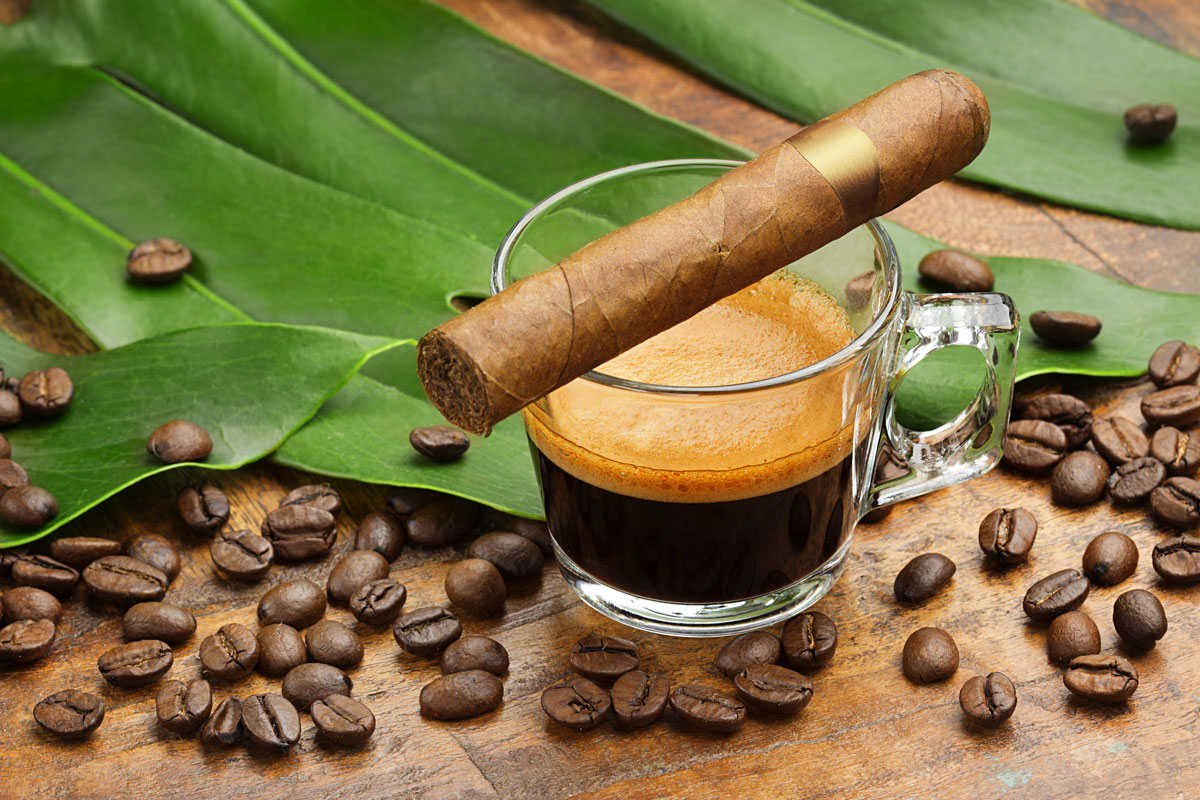
Café cubano is espresso brewed with dark-roast coffee and sweetened as it brews. The first drops are whipped with sugar into a pale foam called espumita, which floats on top of the shot.
A colada is a larger cup meant for sharing in tiny plastic cups; a cortadito adds steamed milk; café con leche is the breakfast version. Our step-by-step guide shows how to make Cuban coffee at home with a stovetop cafetera.
19. Chicharrones de Cerdo
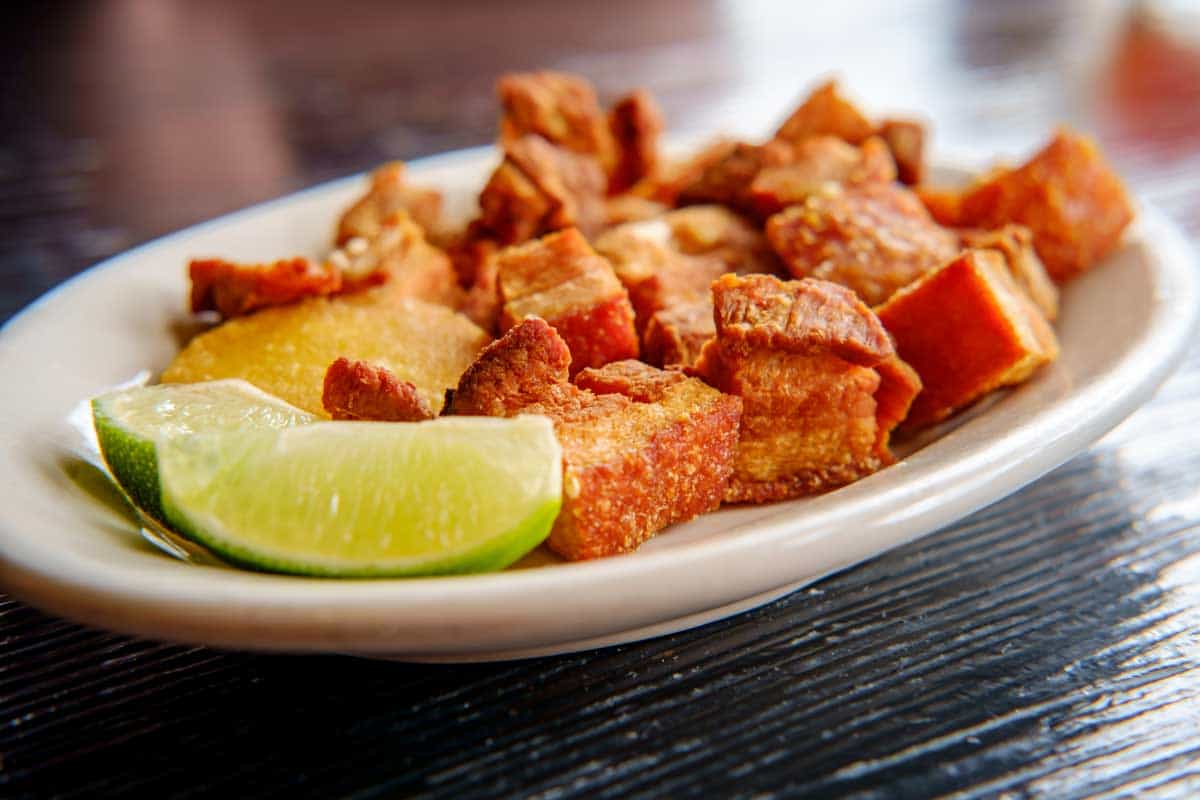
Chicharrones are pork skin or pork belly fried until puffed and crunchy. In Cuba they are eaten as a snack, crumbled into dishes, and pounded with plantains in fufú.
Chicken gets the same treatment in chicharrones de pollo, bite-size pieces of marinated, fried chicken.
20. Sopa de Pollo
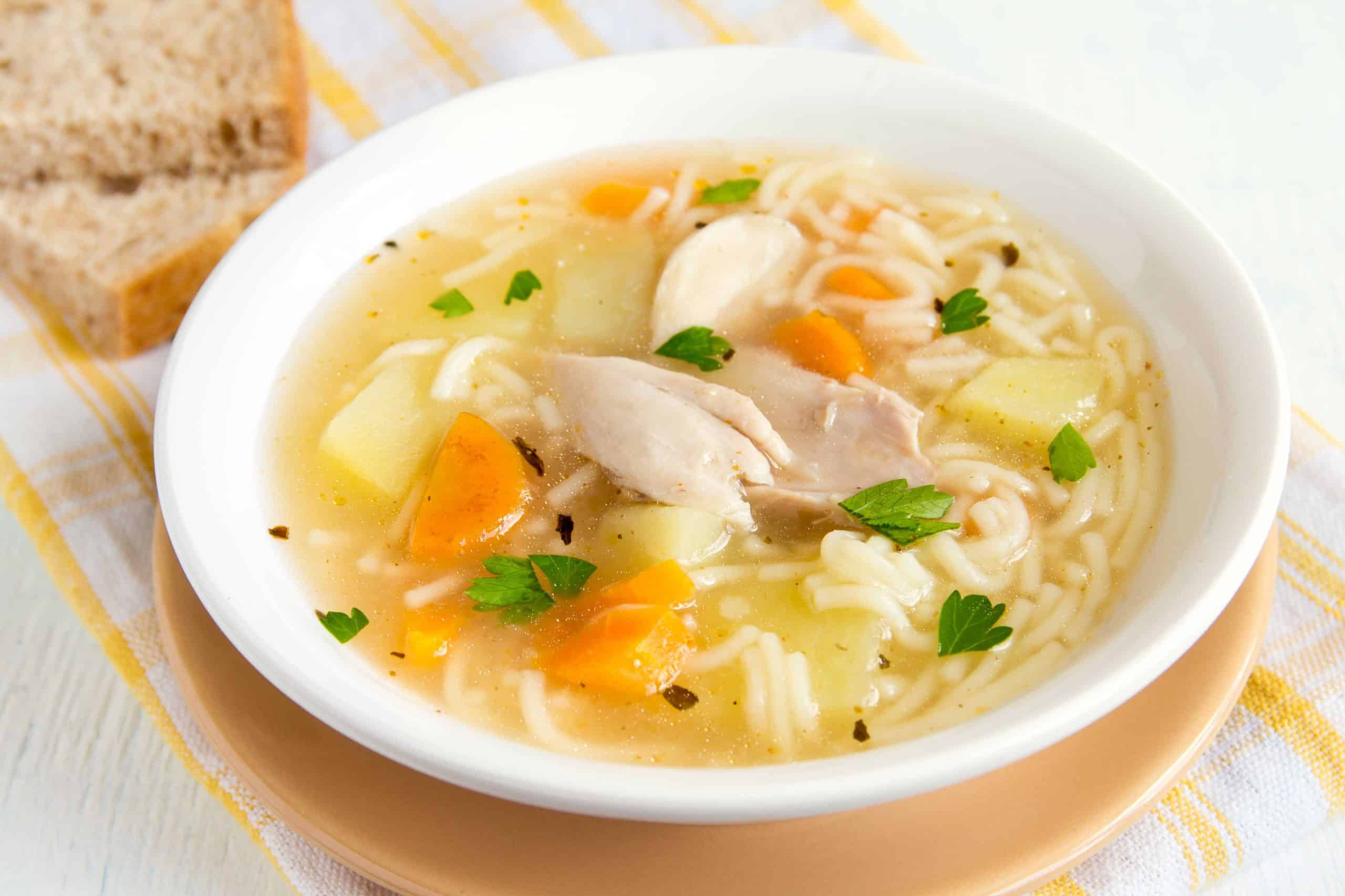
Cuban chicken soup is a meal in a bowl: chicken simmered with sofrito, potatoes, calabaza (Caribbean pumpkin), malanga or corn, finished with thin fideo noodles.
A squeeze of lime goes in at the table. It is the soup Cuban families make for anyone who is feeling under the weather.
21. Ajiaco

Ajiaco criollo is a thick stew of root vegetables and meat, and many Cubans consider it the true national dish. Malanga, boniato (white sweet potato), yuca, green and ripe plantain, calabaza and chunks of corn on the cob simmer with pork, beef or chicken, and traditionally tasajo (salted dried beef), until the starches thicken the broth.
Its Taíno, Spanish and African roots led one of Cuba’s best-known scholars to describe Cuban culture itself as an ajiaco, a pot where everything blends. Find it with the other stews in our list of Cuban soups and stews, and read about malanga, one of its key roots.
22. Enchilado de Camarones

Enchilado de camarones is shrimp simmered in a tomato sofrito with onion, peppers, garlic and white wine. Despite the name, Cuban enchilado is usually mild; the flavor comes from the sofrito, not chili heat.
Serve it over white rice with tostones. Lobster (enchilado de langosta) is a coastal favorite. See more in our roundup of the best Cuban seafood dishes.
23. Pan con Lechón

Pan con lechón is the simplest Cuban sandwich: roast pork on Cuban bread, with onions sautéed in mojo and a drizzle of the garlicky juices. It is pressed until crisp.
It is how Cubans use up Nochebuena leftovers, and it is a lunch-counter favorite all year. Some places add a few mariquitas inside for crunch.
24. Mariquitas

Mariquitas are paper-thin chips of green plantain, sliced lengthwise or in rounds and fried until crisp. In Miami they come in big paper bags with a cup of mojo for dipping.
They are the Cuban answer to potato chips and the standard snack at parties.
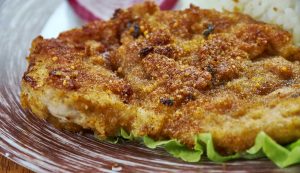
25. Bistec Empanizado

Bistec empanizado is a thin steak pounded flat, marinated in lime and garlic, coated in seasoned breadcrumbs and fried. Its sibling, bistec de palomilla, is the same thin steak seared in a pan and topped with raw onion and parsley.
Both are served with white rice, black beans and maduros or fries, and a wedge of lime.
26. Medianoche

The medianoche (“midnight”) has the same filling as the Cuban sandwich, roast pork, ham, Swiss cheese, pickles and mustard, but it is made on a soft, slightly sweet egg bread and is usually smaller.
It got its name as a late-night snack in Havana’s dance halls. Our guide to the Cuban sandwich vs. medianoche compares the two.
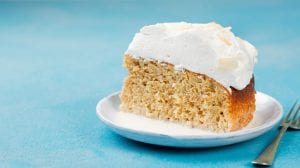
27. Tres Leches

Tres leches is a light sponge cake soaked in evaporated milk, sweetened condensed milk and cream, served cold. Its exact origin is debated, but it is a fixture of Cuban bakeries in Miami.
Cuban versions are often topped with meringue rather than whipped cream.
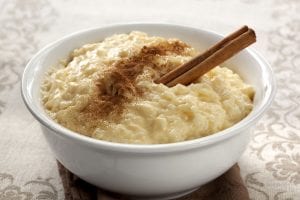
28. Arroz con Leche

Cuban arroz con leche is rice simmered slowly in milk with cinnamon sticks and a strip of lime peel, then sweetened, often with condensed milk.
It is served warm or chilled with ground cinnamon on top. For more, see our list of Cuban desserts.
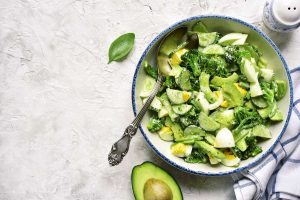
29. Ensalada de Aguacate

The Cuban avocado salad is as simple as it gets: thick slices of avocado and thin rings of raw onion, dressed with olive oil, vinegar or lime, and salt. Tomato and lettuce are sometimes added.
Florida avocados, large and mild, are the classic choice. The salad cuts the richness of pork and fried foods.
30. Camarones al Ajillo

Camarones al ajillo are shrimp cooked quickly in olive oil with lots of sliced garlic, a little white wine and lime, and a pinch of red pepper. The dish came from Spain, where it is called gambas al ajillo.
Cuban restaurants serve it as a starter with bread or as a main with white rice. See our gambas al ajillo recipe.
31. Arroz con Huevo Frito

White rice topped with a fried egg is Cuban comfort food at its most basic. Add fried sweet plantains and a spoonful of tomato sauce and many call it arroz a la cubana.
It is a cheap, fast meal at any hour and a common breakfast. See more ideas in our guide to Cuban breakfast foods.
32. Frita Cubana
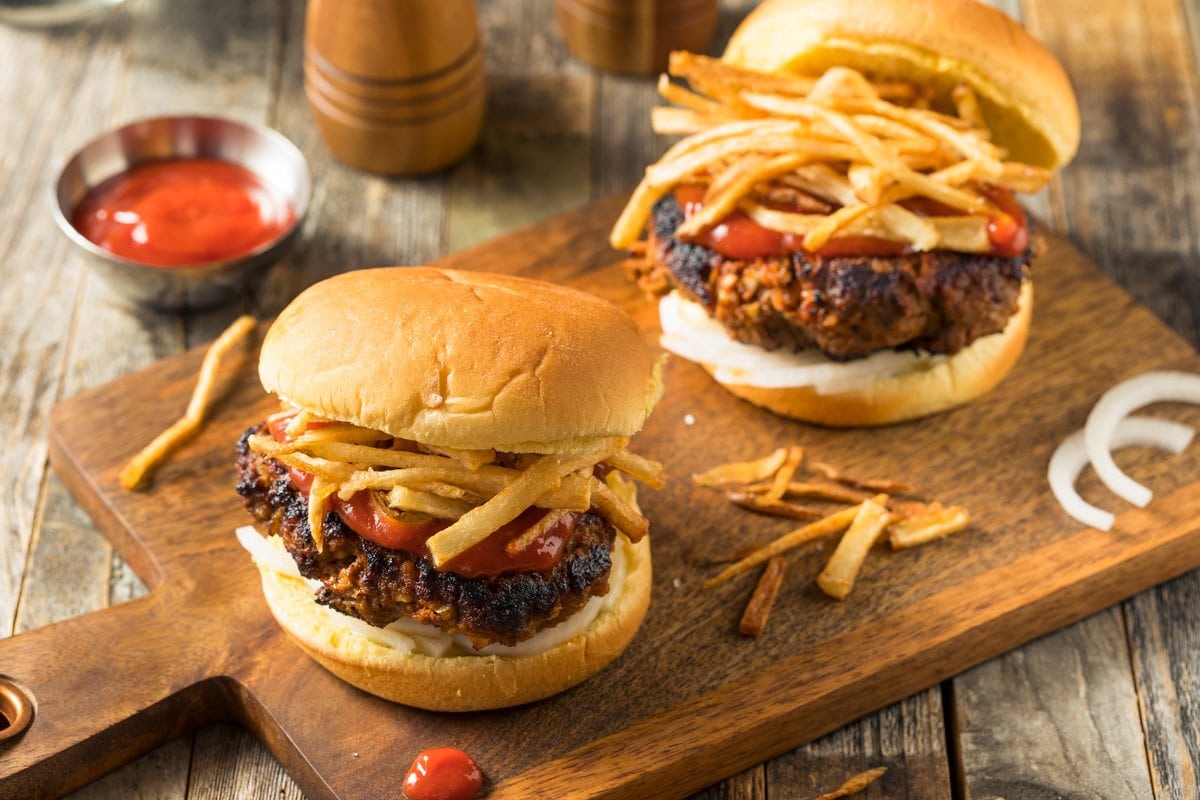
The frita is the Cuban hamburger, a Havana street-stand classic that Cuban exiles brought to Miami. The patty is ground beef, often mixed with chorizo or pork and seasoned with paprika and cumin, cooked thin on a griddle.
It is served on a soft Cuban roll with raw onion, a ketchup-based sauce and a pile of crispy shoestring potato sticks on top. It is small, cheap and messy, and many people order two.
33. Pastelitos de Guayaba y Queso
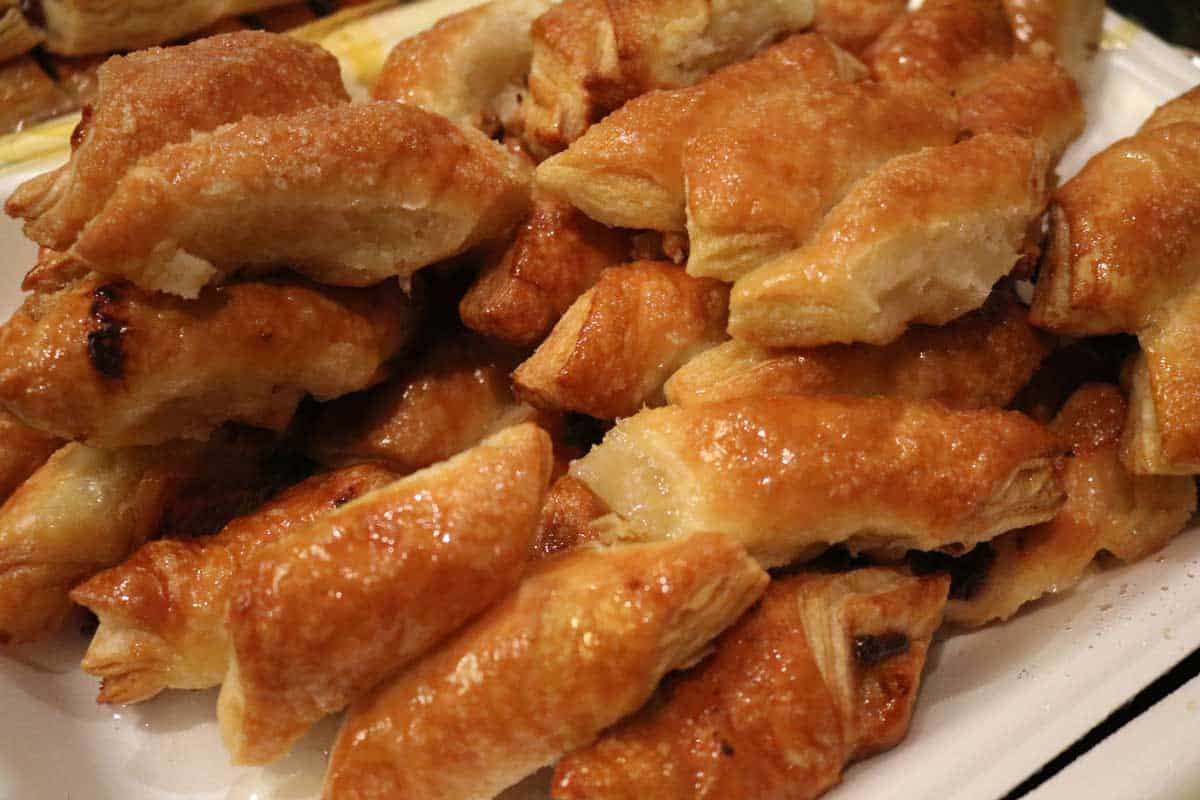
Pastelitos are flaky puff-pastry turnovers sold at every Cuban bakery. The classic filling is guava paste with cream cheese; others are filled with guava alone, cheese, or spiced ground beef (pastelitos de carne).
Order one with a cafecito at a ventanita and you have a Miami breakfast. The same guava-and-cheese pairing shows up on its own in pasta de guayaba y queso.
34. Sofrito
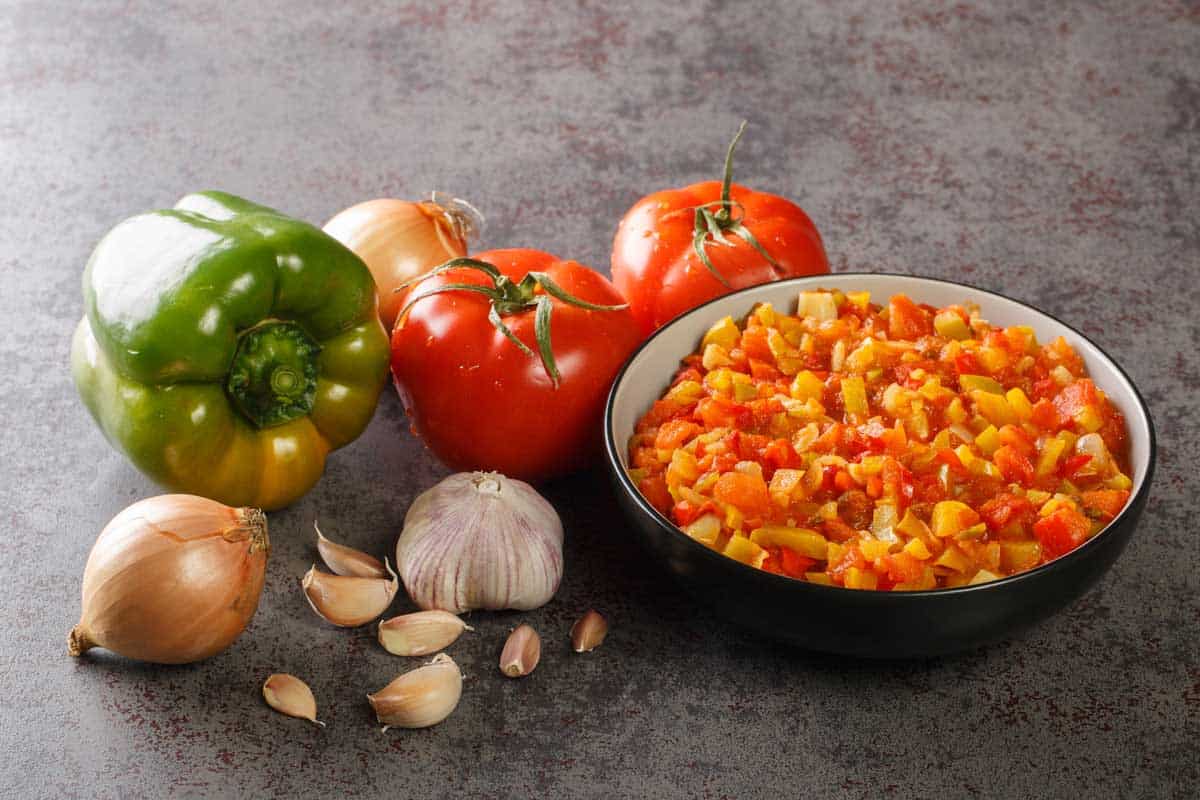
Sofrito is less a dish than the start of almost every Cuban dish: onion, garlic and green pepper cooked slowly in oil, often with cumin, oregano, bay leaf and a little tomato.
It flavors beans, picadillo, ropa vieja and rice. Our guide to Cuban ingredients covers the rest of the pantry, and adobo vs. sazón explains the seasonings often added with it.
35. Pulpeta

Pulpeta is Cuban meatloaf: ground beef, often mixed with ham or pork and bread crumbs, shaped around whole hard-boiled eggs, browned and then simmered in a tomato and wine sauce.
Each slice shows a ring of egg in the middle. It is served with rice and beans and makes excellent sandwiches the next day.
36. Boliche

Boliche is the Cuban pot roast: an eye of round with a tunnel cut through the center and stuffed with chorizo (and sometimes ham or olives), browned and braised for hours in a sauce of sofrito, tomato, wine and sour orange.
Sliced, each round shows the chorizo in the middle. It is a Sunday and special-occasion dish, served with white rice, black beans and potatoes or maduros.
How to eat like a Cuban
Much of the Cuban food Americans know today is cooked in Cuban-American kitchens and restaurants, especially in Miami, Tampa and New Jersey. A few customs make it easier to order and enjoy.
Meal times
- Desayuno (breakfast): café con leche with tostada cubana, Cuban bread buttered and pressed flat, for dunking. Pastelitos and croquetas from the bakery are common too.
- Almuerzo (lunch): a full plate of rice, beans, a meat and plantains, or a sandwich at a lunch counter.
- Comida (dinner): the family meal, often the same rice-and-beans plate, with flan or rice pudding to finish.
The ventanita
In Miami, many Cuban restaurants and bakeries have a ventanita, a walk-up window on the sidewalk that serves coffee and snacks all day. Order a colada to share with coworkers, a cortadito for yourself, and a pastelito or a few croquetas. The 3:05 p.m. coffee break, a nod to Miami’s 305 area code, is a local tradition. Our list of the best Cuban restaurants in Miami is a good place to start.
Words you will see on the menu
| On the menu | What it means |
|---|---|
| Colada | A large shot of Cuban coffee, poured into tiny cups to share |
| Cortadito | Cuban espresso cut with steamed milk |
| Tostada | Pressed, buttered Cuban bread for breakfast |
| Moros / congrí | Rice cooked together with black or red beans |
| Maduros / tostones | Sweet fried ripe plantains / smashed green plantains |
| Mojo | Garlic and sour orange sauce for pork and yuca |
| Palomilla | A thin, pan-seared top sirloin steak |
| Viandas | Starchy roots and plantains: yuca, malanga, boniato |
| Croqueta preparada | A Cuban sandwich with ham croquetas pressed inside |
What to drink
Coffee comes first. Most Cuban-American homes brew a dark espresso roast such as Café Pilón in a stovetop cafetera. Fresh fruit batidos (milkshakes) such as mamey and guanábana are lunch-counter favorites, and the island’s most famous cocktails, the mojito, daiquiri and Cuba libre, are covered in our guide to Cuban cocktails and our list of Cuban drinks.
Cuban food FAQ
What is typical Cuban food?
Rice and black beans (or moros), a meat such as pork, picadillo or chicken, and fried plantains, often with an avocado salad. Roast pork with mojo, ropa vieja, the Cuban sandwich and café cubano are the best-known dishes.
What is the national dish of Cuba?
Ropa vieja, shredded beef stewed in tomato sauce, is the dish most often named. Many Cubans argue for ajiaco, a stew of root vegetables and meats that blends Taíno, Spanish and African cooking.
What are popular Cuban dishes for dinner?
Ropa vieja, picadillo, vaca frita, fricasé de pollo, arroz con pollo, bistec empanizado and boliche, served with white rice, black beans and maduros.
Is Cuban food the same as Mexican food?
No. Cuban food is Caribbean, built on rice, beans, pork, plantains and root vegetables, with garlic, cumin, oregano and citrus. It uses few chili peppers, almost no tortillas, and very little corn compared with Mexican cooking.
Is Cuban food spicy?
Generally not. Cuban cooking is well seasoned but mild; the flavor comes from sofrito, garlic, cumin and sour orange. Hot sauce, when it appears, is on the side.
What do Cubans eat for breakfast?
Café con leche with buttered, pressed Cuban bread (tostada) is the classic. Pastelitos, croquetas and eggs with rice are also common. See our full guide to Cuban breakfast foods.
Start cooking Cuban food at home

Start with picadillo or black beans; both teach you sofrito, the base of Cuban cooking, and both are on the table in under an hour. From there, try ropa vieja on a weekend and lechón with mojo for a holiday. Our collection of Cuban recipes has step-by-step versions of most dishes on this list, and many of the ingredients are on our Cuban foods list on Amazon.
For the story behind these dishes, read our history of Cuban food. Then save room for the best Cuban desserts.
Sources and further reading
- Wikipedia: Cuban cuisine
- Wikipedia: Ropa vieja
- Wikipedia: Ajiaco
- Wikipedia: Cuban sandwich
- Wikipedia: Cuban espresso
- Wikipedia: Frita
More Cuban Foods
See all →
Jorge Garcia is the founder of AmigoFoods, where he has spent over 20 years helping readers discover authentic Latin American and Spanish cuisine. Raised in a Cuban-American household, Jorge learned to cook at the hands of his mother and grandmother, carrying forward generations of family recipes. That heritage, backed by his family’s four-generation history in the Latin food industry, inspired him to launch AmigoFoods in 2003. With more than 1,000 published articles on recipes, ingredients, and food culture, Jorge’s mission is simple: make authentic Latin cooking approachable for home cooks everywhere while honoring the traditions behind every dish.