
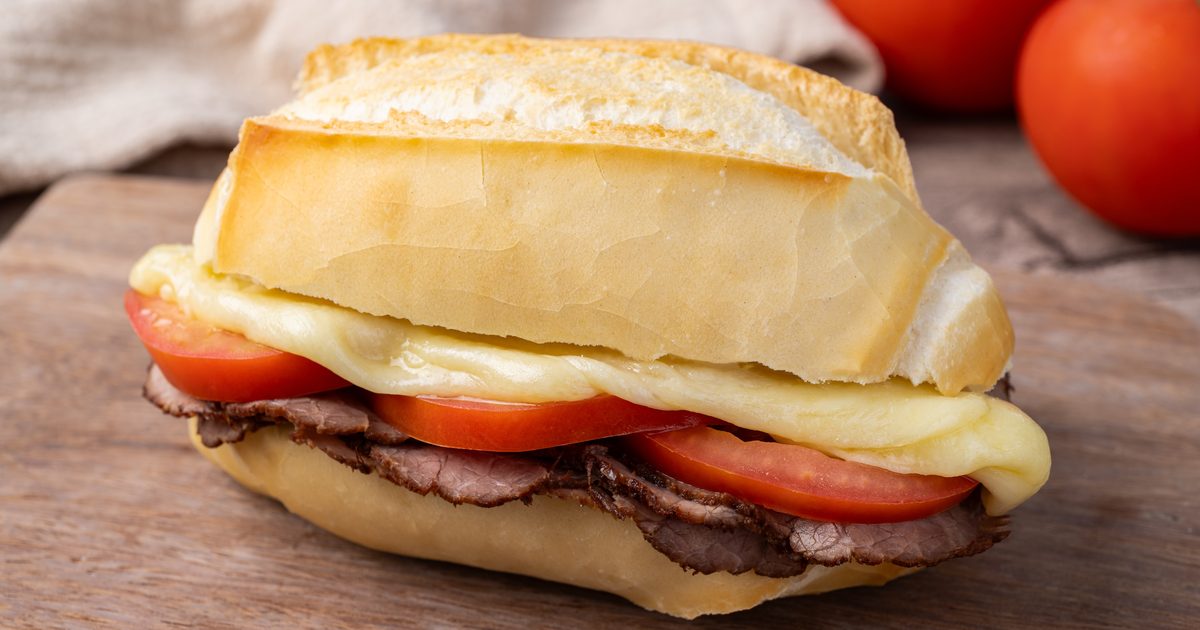
Updated
Brazilian sandwiches are called lanches or sanduíches, and most are made on pão francês, the small crusty roll sold warm at every bakery.
These 10 classics come from padarias, lanchonetes and street stalls, many of them in São Paulo, from the simple misto-quente to the x-tudo that really does have everything.
AmigoFoods may earn a commission from qualifying Amazon purchases made through links on this page.
Just want the recipes? Start with our misto-quente, cachorro-quente and pão francês guides, or see more Brazilian foods to try.
From the padaria to the lanchonete
10 Brazilian sandwiches at a glance
Pick a category, then tap any sandwich to jump straight to it.
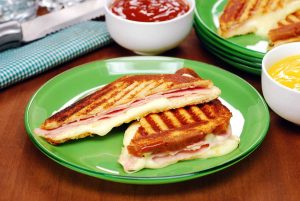 01Misto-QuentePressed ham and cheese, the padaria classicLanchonete
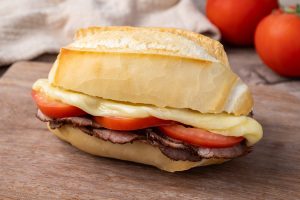 02BauruRoast beef, melted cheese, tomato and pickleLanchonete
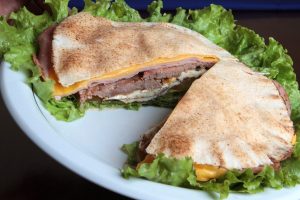 03BeiruteRoast beef and cheese on toasted pitaLanchonete
- Americano04AmericanoHam, cheese, egg, lettuce and tomatoLanchonete
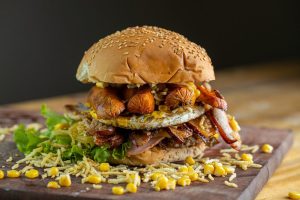 05X-TudoThe burger with everythingLanchonete
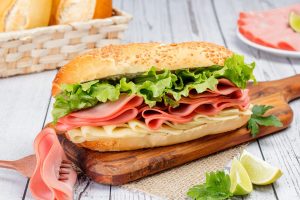 06Sanduíche de MortadelaA tower of mortadella from the MercadãoSão Paulo
- Sanduíche de Pernil07Sanduíche de PernilRoast pork leg sandwich, open 24 hoursSão Paulo
- Carne Louca08Carne Louca“Crazy meat” shredded beef for partiesParty
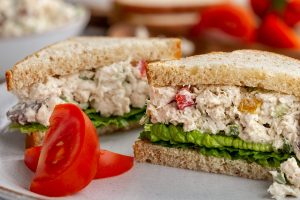 09Sanduíche NaturalCold chicken and carrot sandwich for the beachParty
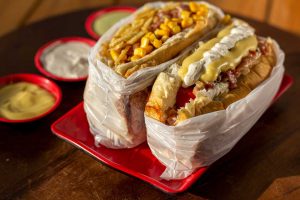 10Cachorro-Quente PrensadoThe pressed Brazilian hot dogParty
1. Misto-Quente
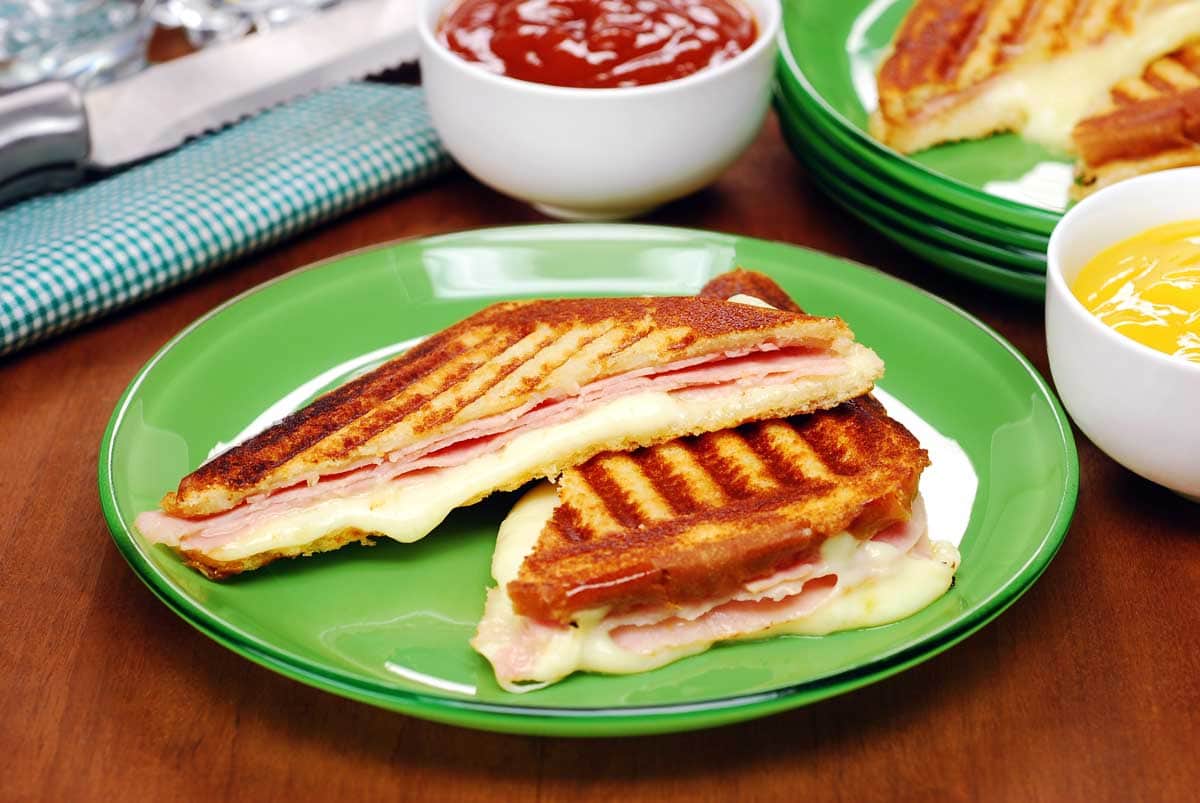
The misto-quente (“hot mixed”) is Brazil’s ham and cheese toastie: sliced ham and melting cheese, usually mozzarella or queijo prato, on buttered sliced bread or pão francês, pressed on a griddle or in a sandwich maker.
It is the most ordered snack at the padaria counter, at breakfast or any time of day, usually with a coffee or a fresh juice. Add a fried egg and it becomes a misto com ovo.
2. Bauru
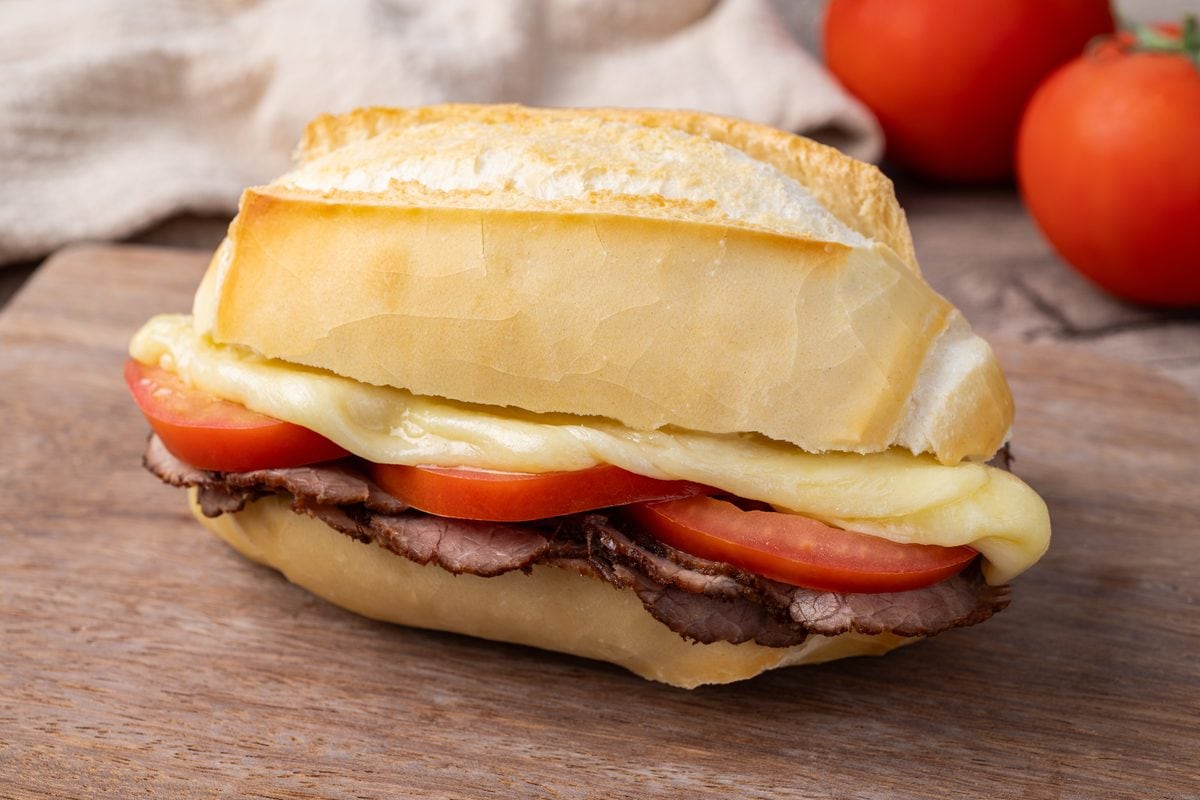
The Bauru is one of São Paulo’s oldest sandwiches: a pão francês with some of the crumb removed, filled with thin roast beef, tomato, pickled cucumber and mozzarella melted in a bain-marie.
It was created in the 1930s at the Ponto Chic bar on Largo do Paissandu by Casimiro Pinto Neto, a law student nicknamed “Bauru” after his hometown. The city of Bauru later made it its official sandwich by municipal law, and Ponto Chic still serves the original.
3. Beirute
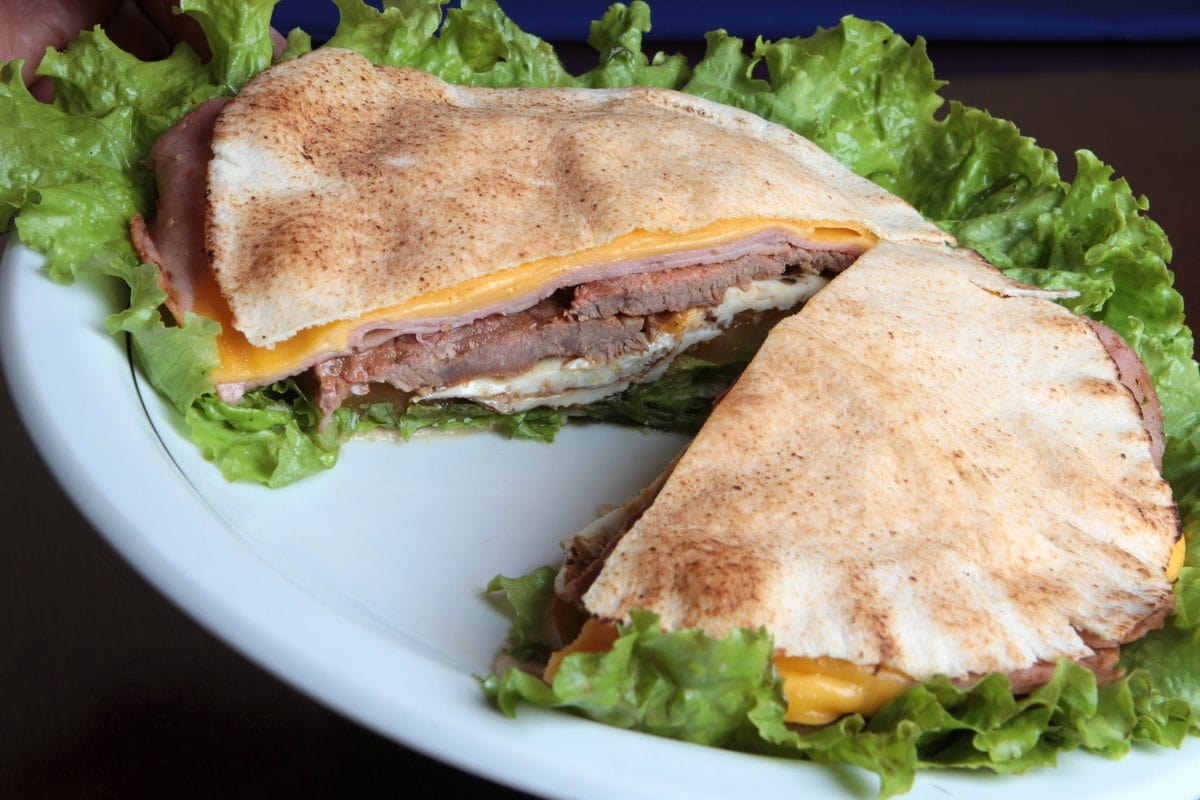
Despite its name, the Beirute was not invented in Lebanon. It was created in São Paulo in 1951 by Fares Sader, a Lebanese immigrant and partner in the Bambi restaurant, as a tribute to his home city.
The classic is a large pão sírio (pita) filled with roast beef, mozzarella and tomato, seasoned with za’atar or oregano and toasted until crisp. It is served cut into wedges, and today many places add ham, egg or lettuce.
4. Americano
The americano is a lanchonete staple: ham, cheese, a fried egg, lettuce and tomato in a roll or on toasted sliced bread, usually with mayonnaise.
It is usually traced to the Salada Paulista restaurant in São Paulo in the 1940s. Many menus list a misto, an americano and a bauru side by side.
5. X-Tudo
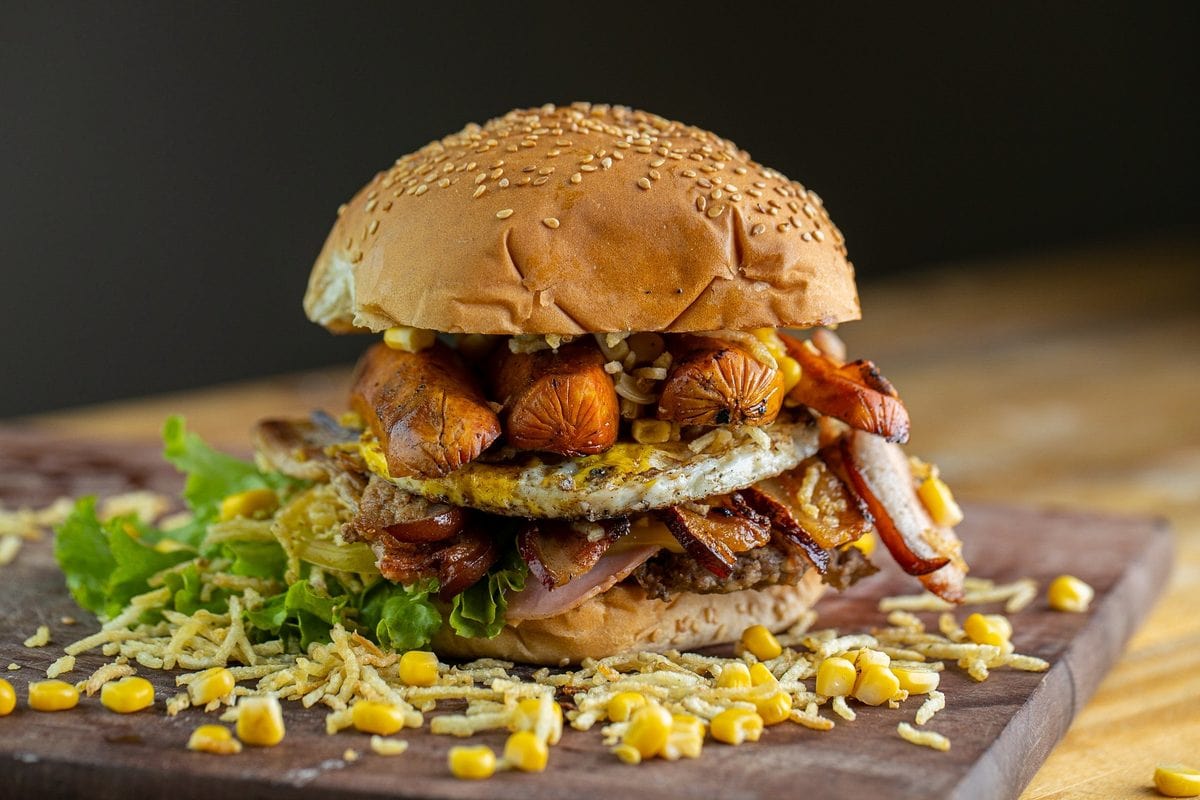
In Brazilian Portuguese the letter X is pronounced “shees,” close to the English word cheese. So a cheeseburger is an x-burger, an x-salada adds lettuce and tomato, and the x-tudo (“cheese-everything”) piles on a burger, cheese, ham, bacon, egg, lettuce, tomato and often corn, peas or potato sticks.
Every lanchonete makes its own version, and late-night burger carts compete over who stacks the most. In the south of Brazil, the pressed xis of Rio Grande do Sul is a giant, flattened cousin.
6. Sanduíche de Mortadela
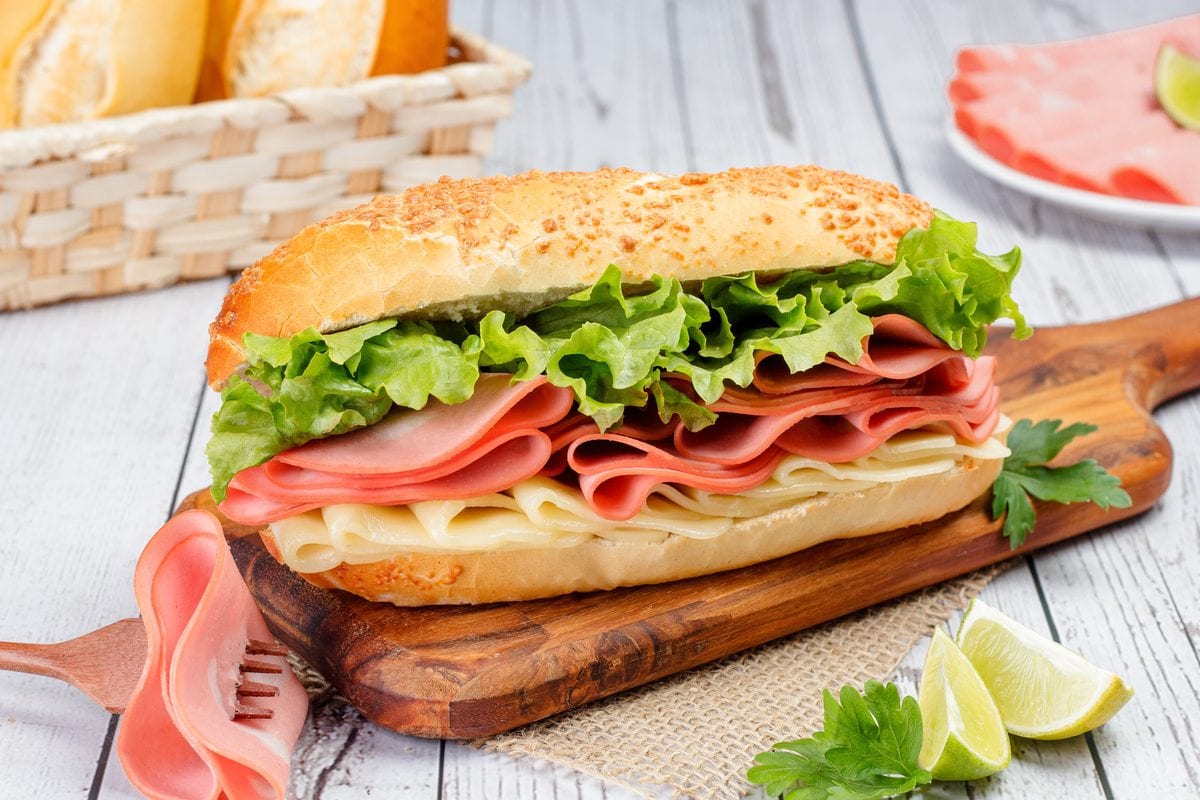
The mortadella sandwich of São Paulo’s Mercado Municipal, known as the Mercadão, is famous for its size: a pão francês stuffed with a huge pile of thinly sliced, warm mortadella, sometimes with melted cheese.
It is credited to Bar do Mané, which has been in the market since 1933 and is now run by the fourth generation of the family. The extra-large filling was added in the 1970s, and the sandwich became a must for visitors after newspaper coverage and an appearance in the 1995 telenovela A Próxima Vítima.
7. Sanduíche de Pernil
The sanduíche de pernil is slow-roasted pork leg, sliced or pulled, in a pão francês, sometimes with cheese or vinaigrette.
The most famous one comes from Estadão Bar e Lanches in downtown São Paulo, open 24 hours a day, which roasts around 30 pork legs a day and has won the city’s “best sandwich” award. It is a classic late-night stop.
8. Carne Louca
Carne louca (“crazy meat”) is beef that is cooked, shredded and dressed with tomato, onion, peppers and vinegar. It is served warm or cold in a pão francês or a soft roll.
Because it is made in big batches ahead of time, it is a fixture at parties and at Festa Junina, the June festivals.
9. Sanduíche Natural
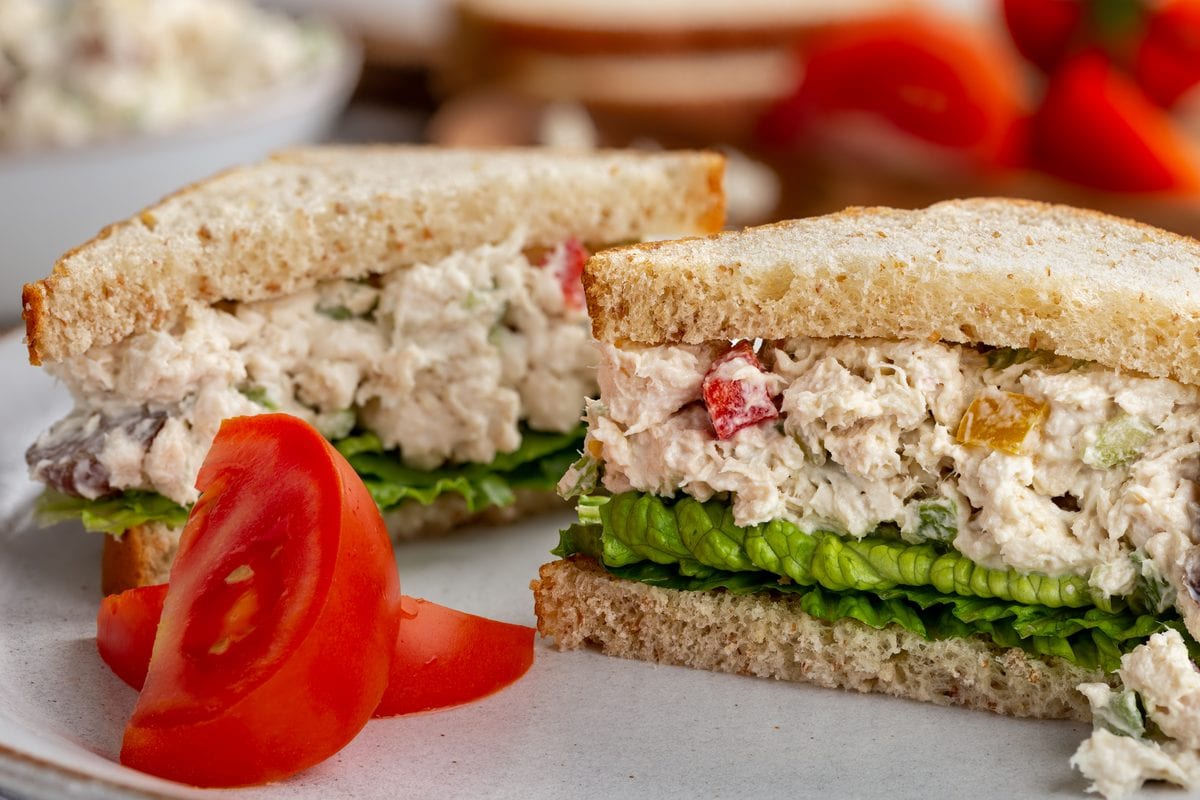
The sanduíche natural is a cold sandwich on whole wheat sliced bread, typically filled with shredded chicken, grated carrot and a creamy spread such as mayonnaise or requeijão.
It became popular in the 1980s as a light, “healthy” snack, and it is still sold wrapped and chilled at beaches, snack bars and bakeries.
10. Cachorro-Quente Prensado

The Brazilian cachorro-quente is a hot dog loaded with extras: sausage in tomato sauce, mashed potato, vinaigrette, corn, peas, grated cheese and a handful of batata palha (potato sticks). The prensado version is pressed flat on a hot griddle so it all holds together.
It is a classic street-cart snack, and every cart has its own set of toppings. Ask for it completo to get them all.
How to eat like a Brazilian
Brazilians eat sandwiches as a quick meal, a snack or a late-night fix, not usually for lunch, which is the main meal of the day. A few customs help you order.
When to eat which sandwich
- Breakfast: a misto-quente or a buttered pão francês on the chapa with coffee. More in our guide to Brazilian breakfast foods.
- Afternoon snack: a bauru, americano or misto at the padaria.
- Late night: an x-tudo from a lanchonete, a pernil sandwich or a cachorro-quente from a street cart.
- Parties: carne louca and trays of sanduíches naturais.
Padaria or lanchonete?
A padaria is a bakery that also works as a café, with a counter where you can order a misto-quente and a coffee. A lanchonete is a snack bar that sells sandwiches, burgers, juices and salgados, often until late at night.
Words you will see on the menu
| On the menu | What it means |
|---|---|
| Lanche | A snack or sandwich |
| X- | “Cheese,” as in x-burger, x-salada, x-bacon |
| Pão francês | Small crusty white roll |
| Pão de forma | Sliced sandwich bread |
| Na chapa | Cooked or toasted on the griddle |
| Prensado | Pressed |
| Batata palha | Thin, crunchy potato sticks |
| Completo | With all the toppings |
What to drink
A cold guaraná soda is the classic match for a lanche, along with fresh juices and a cafezinho afterwards. See our guide to Brazilian drinks for more.
Brazilian sandwiches FAQ
What is the most popular sandwich in Brazil?
The misto-quente, a pressed ham and cheese sandwich, is the everyday favorite. The x-tudo and the cachorro-quente are the classic street snacks.
Why do Brazilian sandwiches start with X?
The letter X is pronounced “shees” in Portuguese, which sounds like “cheese.” So x-burger means cheeseburger.
What is in a Bauru sandwich?
Roast beef, tomato, pickled cucumber and melted mozzarella in a pão francês. It was created at the Ponto Chic bar in São Paulo in the 1930s.
Is the Beirute sandwich from Lebanon?
No. It was created in São Paulo in 1951 by Lebanese immigrant Fares Sader, who named it after his home city.
What bread do Brazilians use for sandwiches?
Mostly pão francês, a small crusty roll. Sliced bread (pão de forma) is used for the misto-quente and sanduíche natural, and pita (pão sírio) for the Beirute.
Make Brazilian sandwiches at home
A sandwich maker is the key tool for mistos and the cachorro-quente prensado. The OVENTE electric sandwich maker presses and seals two sandwiches at a time.
For the crunchy topping on hot dogs and x-tudos, keep a can of Yoki batata palha in the pantry, and serve it all with a can of Guaraná Antarctica. Our list of Brazilian foods has more to cook.
Sources and further reading
- Wikipedia (pt): Misto-quente
- Cozinha Técnica: Misto-quente
- Estadão Paladar: Bauru do Ponto Chic
- Wikipedia: Bauru (sandwich)
- Estadão: Beirute, sanduíche paulistano, comemora 60 anos
- Giz Brasil: O beirute não nasceu no Líbano
- Superinteressante: Como surgiram o beirute, o americano e o cheeseburger
- English Experts: O que o x-tudo tem a ver com o inglês
- Sandwich Tribunal: The xis of southern Brazil
- APECC: História do sanduíche de mortadela do Mercadão
- Estadão: Bar de 1933 criou lanche de mortadela
- Prefeitura de São Paulo: Estadão Bar e Lanches
- Estadão Paladar: Sanduíche de carne louca
- Receitas Globo: Sanduíche natural de frango
- Receitas Globo: Cachorro-quente prensado
More Brazilian Foods
See all →
Jorge Garcia is the founder of AmigoFoods, where he has spent over 20 years helping readers discover authentic Latin American and Spanish cuisine. Raised in a Cuban-American household, Jorge learned to cook at the hands of his mother and grandmother, carrying forward generations of family recipes. That heritage, backed by his family’s four-generation history in the Latin food industry, inspired him to launch AmigoFoods in 2003. With more than 1,000 published articles on recipes, ingredients, and food culture, Jorge’s mission is simple: make authentic Latin cooking approachable for home cooks everywhere while honoring the traditions behind every dish.