

Causa de atún layers lime-and-ají-seasoned potatoes with tuna and avocado. This cold version of Peruvian causa makes a colorful appetizer or light meal, finished with hard-boiled eggs and olives.
Causa de Atún at a Glance

What Is Causa de Atún?

Causa de atún is a classic Peruvian layered potato dish that combines smooth, seasoned mashed potatoes with a flavorful tuna filling.
Served cold, it’s both refreshing and filling, making it perfect for warm days, family gatherings, or festive occasions.
The base of the popular Peruvian dish is made from yellow potatoes (papas amarillas) blended with lime juice, ají amarillo paste, and a touch of oil, which gives it a vibrant yellow color and tangy kick.
The tuna filling—typically prepared with canned tuna, mayonnaise, and a touch of onion or lime—is spread between layers of potato, often with slices of avocado, hard-boiled eggs, and black olives for garnish.
More than just a recipe, causa de atún is part of Peru’s culinary identity: it’s a dish that balances simplicity with elegance, rooted in history yet constantly reinvented in modern kitchens.
Ingredients for Authentic Causa de Atún
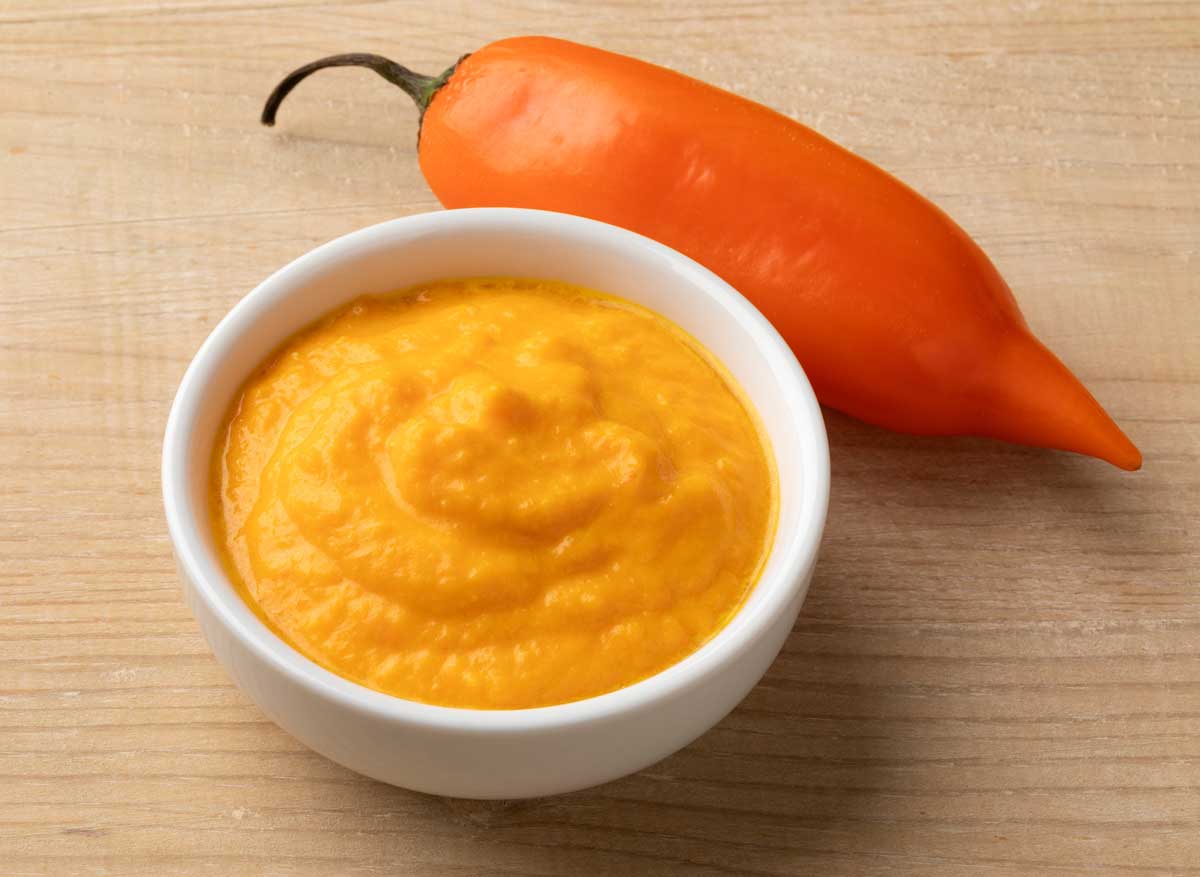
To prepare a traditional causa de atún, you’ll need a handful of fresh, simple ingredients that come together in layers of flavor and color.
Each element plays an essential role in creating the creamy texture and vibrant taste that make this dish such a Peruvian favorite.
-
Yellow potatoes (papas amarillas) – The heart of the dish, these Peruvian potatoes give causa its creamy texture and golden hue. If unavailable, Yukon Gold potatoes are a good substitute.
-
Ají amarillo (paste) – A classic Peruvian chili paste that adds mild heat, fruity notes, and the signature yellow color.
-
Fresh lime juice – Provides brightness and balances the richness of the potatoes and tuna.
-
Olive oil – Adds smoothness and helps bind the potato mixture.
-
Salt & pepper – Basic seasonings to enhance every layer.
-
Tuna – Canned tuna (in water or oil) is the most common choice, or use fully cooked, cooled fresh tuna.
-
Mayonnaise – Brings creaminess to the tuna filling and helps it hold together.
-
Avocado – Sliced avocado adds a buttery, fresh contrast to the potato and tuna layers.
-
Hard-boiled eggs – A traditional garnish, sliced eggs are often placed on top for added protein and decoration.
-
Black olives – Salty and briny, they provide a finishing touch of bold flavor.
-
Lettuce leaves (optional) – Often used as a bed for serving causa, adding freshness and color.
These Peruvian ingredients combine to create a dish that is colorful, balanced, and deeply tied to Peru’s culinary traditions.
Step-by-Step Recipe for Causa de Atún

Ingredients for 6 servings
- 2 lb (900 g) yellow potatoes, such as papas amarillas or Yukon Gold
- 2–3 tablespoons ají amarillo paste, to taste
- 3 tablespoons olive oil
- Juice of 3 limes, added gradually to taste
- Salt and pepper, to taste
For the filling
- 2 cans tuna (5 oz / 142 g each before draining), drained well
- 3 tablespoons mayonnaise
- 1 tablespoon lime juice
- 1 tablespoon finely chopped onion or parsley, optional
For layering and garnish
- 1 avocado, sliced
- 2 hard-boiled eggs, sliced
- 6–8 black olives
- Fresh parsley leaves
- Lettuce leaves, optional
- Peel the potatoes and cut into even chunks. Cover with lightly salted water, bring to a boil and simmer until tender, about 20–25 minutes depending on size. Drain thoroughly and let excess steam escape. If needed, hard-boil the garnish eggs in a separate pan while the potatoes cook.
- Rice or mash the potatoes while warm; do not use a blender or food processor. Mix in the ají amarillo and oil, then gradually add lime juice, salt and pepper to taste. Keep the mixture firm enough to hold a layer. Spread in a shallow dish to cool for about 15 minutes before assembling with the filling.
- Mix the drained tuna with mayonnaise, 1 tablespoon lime juice and the optional onion or parsley. Keep chilled until the potatoes are ready.
- Lightly oil a small casserole dish or individual molds. Press half the cooled potato mixture into an even base, spread the tuna filling over it and add the avocado slices. Cover with the remaining potato mixture and smooth the top.
- Cover and refrigerate for at least 30 minutes, until cool and firm enough to slice; deeper molds may need longer. Garnish with the sliced hard-boiled eggs, olives and parsley. Serve cold, on lettuce if desired.
Makes 6 servings. Estimated total is 1 hour 45 minutes: 25 minutes prep, 35 minutes heating/cooking and 45 minutes cooling/chilling. Use fully cooked, cooled chicken or seafood for substitutions. Greek yogurt is a tangier alternative to mayonnaise and may make the filling looser. Refrigerate promptly and keep cold until serving; use within 1–2 days for best quality, especially with avocado. Floury potatoes can work well: drain thoroughly and avoid overworking them. Add lime gradually so the potato layer does not become wet.
Variations of Causa in Peru
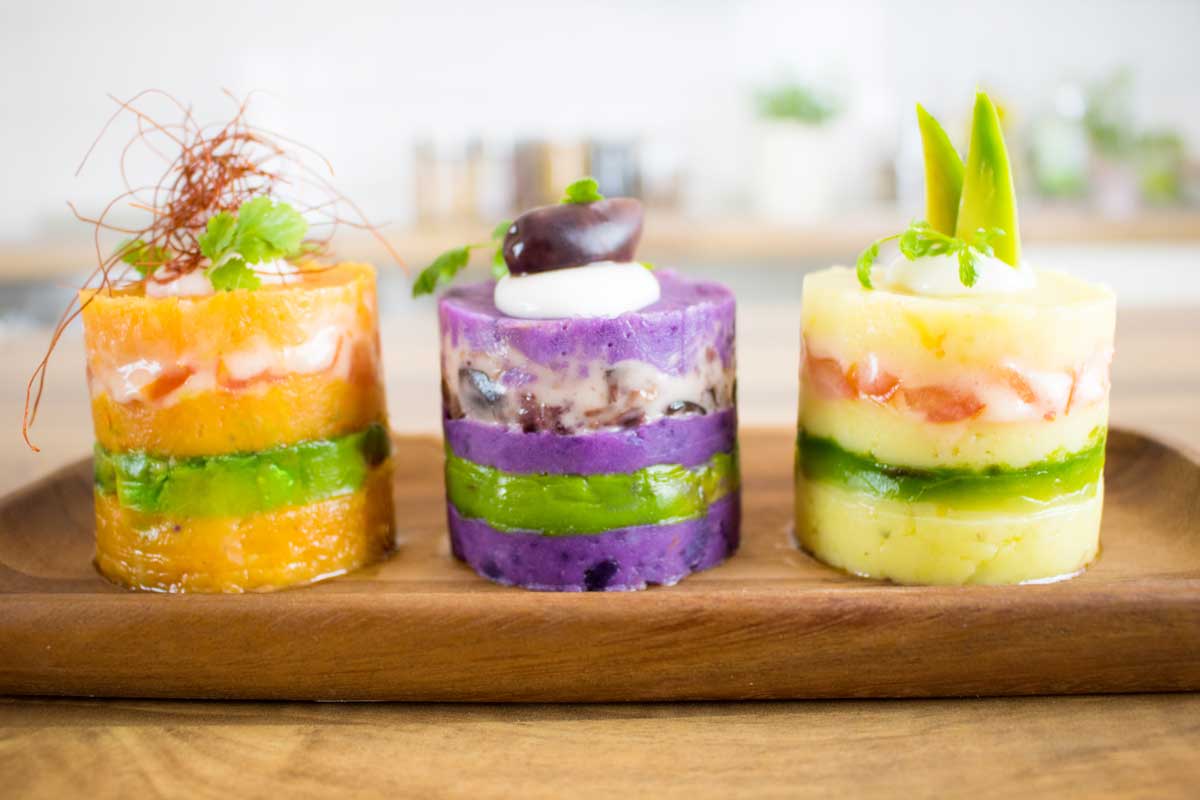
While causa de atún is one of the most popular versions, Peruvians have created countless delicious variations of this layered potato dish.
Each filling brings a unique twist while keeping the classic foundation of seasoned mashed potatoes and vibrant garnishes.
Here are some of the most beloved types of causa you’ll find across Peru:
-
Causa de Pollo (Chicken Causa)
-
Made with shredded chicken breast mixed with mayonnaise, lime juice, and sometimes a touch of ají amarillo.
-
A family favorite, often served at gatherings and casual lunches.
-
-
Causa de Mariscos (Seafood Causa)
-
A luxurious version filled with shrimp, crab, octopus, or a mix of fresh seafood.
-
Typically dressed with lime and ají for a refreshing, coastal flavor.
-
-
Causa Vegetariana (Vegetarian Causa)
-
Filled with vegetables like carrots, peas, beets, or even quinoa for a healthy, colorful twist.
-
Perfect for those who want to enjoy causa without meat or fish.
-
-
Causa de Langostinos (Shrimp Causa)
-
Uses fully cooked, cooled shrimp layered with creamy avocado.
-
A favorite along Peru’s coastal regions.
-
-
Causa Limeña (Traditional Lima-Style Causa)
-
The most iconic presentation, typically made with chicken or tuna, avocado, hard-boiled eggs, and black olives.
-
Known for its neat layers and festive garnishes.
-
-
Modern Gourmet Causas
-
Contemporary chefs often experiment with sushi-style toppings, ceviche fillings, or artistic plating.
-
Found in Lima’s high-end restaurants, these creative versions elevate the humble causa into haute cuisine.
-
No matter the filling, causa remains a versatile and creative dish that celebrates Peru’s diversity of flavors, from the Andes to the coast.
History and Origins of Causa

The history of causa peruana is as layered as the Peruvian dish itself.
Its origins trace back to the pre-Columbian era, when Andean civilizations enjoyed mashed potatoes with peppers and herbs.
The modern causa rellena emerged during the War of the Pacific (1879–1884), when women prepared and sold it to support soldiers, naming it “la causa”—“the cause.”
Over time, Spanish and European ingredients like lime, olives, and mayonnaise transformed it into the colorful, layered dish we know today.
By the 20th century, causa was a staple in Lima’s kitchens and celebrations.
Today, it’s celebrated worldwide as a Peruvian culinary icon, adaptable with tuna, chicken, shrimp, or vegetables, and cherished for its history, flavor, and symbolism.
Health Benefits of Causa de Atún

Potatoes contribute carbohydrate, tuna and eggs provide protein, and avocado, oil and mayonnaise add fat. Portion size, tuna packing liquid and mayonnaise choice affect the nutritional profile. This recipe contains fish and egg; check packaged ingredients for other allergens.
For a vegetable variation, replace the tuna with cooked, cooled vegetables. A vegan version also needs egg-free mayonnaise and no egg garnish.
Tips for Making Perfect Causa at Home

Making causa de atún at home is simple, but a few tricks can take your dish from good to unforgettable.
Follow these tips for authentic flavor, smooth texture, and restaurant-worthy presentation:
-
Choose the Right Potatoes
-
Peruvian papas amarillas are ideal for their creamy texture and golden color. If you can’t find them, use Yukon Gold or a floury potato such as russet. Drain thoroughly, mash while warm, and avoid overworking the mixture.
-
-
Mash Until Smooth
-
For the best consistency, mash the potatoes while they’re still warm and pass them through a ricer or fine sieve for a silky finish. Lumpy potatoes make layering harder.
-
-
Balance the Flavors
-
Don’t skip the lime juice and ají amarillo paste—these are what give causa its signature tang and mild spice. Taste as you go and adjust to your preference.
-
-
Drain the Tuna Well
-
Excess liquid will make the filling soggy. Press the tuna gently before mixing it with mayonnaise, lime, and seasonings.
-
-
Keep the Layers Even
-
Use a mold, springform pan, or even a food ring to shape neat layers. Press each layer gently with a spoon to create clean edges.
-
-
Chill Before Serving
-
Refrigerate the causa for at least 30 minutes so it firms up and is easier to slice. Cold serving also enhances the refreshing taste.
-
-
Get Creative with Garnishes
-
Traditional toppings include hard-boiled eggs, black olives, and parsley. For a modern touch, try microgreens, edible flowers, or avocado rosettes.
-
With these tips, your homemade causa de atún will not only taste authentic but also look stunning on the table!
Where to Try Causa de Atún in Peru and Abroad

If you want to taste authentic causa de atún, there’s no better place than Peru.
This beloved dish is served everywhere—from humble family kitchens to world-class restaurants.
Here are some top spots where you can try it:
-
Lima, Peru
-
Lima is the heart of Peruvian gastronomy, and causa is a star appetizer on many menus.
-
Restaurants like La Mar Cebichería, El Mercado, and Panchita serve elevated versions of causa with creative fillings and stunning presentations.
-
Local cevicherías and neighborhood eateries also offer traditional tuna causa at affordable prices.
-
-
Cusco & Arequipa
-
In the Andes, you’ll find regional twists on causa that highlight local potatoes and garnishes.
-
Street food stalls and market kitchens often serve generous portions of causa as part of set meals.
-
-
Peruvian Gastronomy Festivals
-
Events like Mistura in Lima showcase causa in all its variations, from traditional tuna to modern gourmet interpretations.
-
-
Peruvian Restaurants Abroad
-
In major cities around the world—New York, Miami, Madrid, London, Sydney—you’ll find causa de atún on the menu at authentic Peruvian restaurants.
-
Look for spots like Pio Pio (NYC), Ceviche (London), and La Mar (Miami, São Paulo, and San Francisco).
-
-
Home Cooking Worldwide
-
Thanks to the global popularity of Peruvian cuisine, causa has become a favorite among home cooks. With simple ingredients like potatoes, tuna, lime, and avocado, you can easily recreate the dish anywhere.
-
Whether you’re in Lima enjoying a gourmet causa or abroad tasting it at a Peruvian restaurant, causa de atún is a must-try dish that connects you directly to Peru’s culinary soul.
Conclusion: Why You Should Try Causa de Atún

Causa de atún is more than just a dish—it’s a culinary treasure of Peru that blends history, culture, and flavor in every bite.
With its creamy potato base, zesty ají amarillo, and savory tuna filling, this cold layered salad captures the heart of Peruvian cuisine.
Whether you enjoy it as a refreshing appetizer, a light main course, or a festive party dish, causa is versatile, nourishing, and beautifully presented.
By learning how to prepare authentic causa de atún at home, you bring the vibrant spirit of Peru right to your table.
And if you ever travel to Peru—or find a Peruvian restaurant abroad—don’t miss the chance to taste this classic made by the experts.

Causa de Atún Recipe
Causa de atún is a classic Peruvian dish made with layers of creamy yellow potatoes, zesty ají amarillo, lime juice, and a savory tuna filling. Served cold and garnished with avocado, hard-boiled eggs, and olives, this refreshing and colorful potato casserole is perfect for family meals, parties, or summer gatherings.
Ingredients
- 2 lb (900 g) yellow potatoes, such as papas amarillas or Yukon Gold
- 2–3 tablespoons ají amarillo paste, to taste
- 3 tablespoons olive oil
- Juice of 3 limes, added gradually to taste
- Salt and pepper, to taste
For the filling
- 2 cans tuna (5 oz / 142 g each before draining), drained well
- 3 tablespoons mayonnaise
- 1 tablespoon lime juice
- 1 tablespoon finely chopped onion or parsley, optional
For layering and garnish
- 1 avocado, sliced
- 2 hard-boiled eggs, sliced
- 6–8 black olives
- Fresh parsley leaves
- Lettuce leaves, optional
Instructions
- Peel the potatoes and cut into even chunks. Cover with lightly salted water, bring to a boil and simmer until tender, about 20–25 minutes depending on size. Drain thoroughly and let excess steam escape. If needed, hard-boil the garnish eggs in a separate pan while the potatoes cook.
- Rice or mash the potatoes while warm; do not use a blender or food processor. Mix in the ají amarillo and oil, then gradually add lime juice, salt and pepper to taste. Keep the mixture firm enough to hold a layer. Spread in a shallow dish to cool for about 15 minutes before assembling with the filling.
- Mix the drained tuna with mayonnaise, 1 tablespoon lime juice and the optional onion or parsley. Keep chilled until the potatoes are ready.
- Lightly oil a small casserole dish or individual molds. Press half the cooled potato mixture into an even base, spread the tuna filling over it and add the avocado slices. Cover with the remaining potato mixture and smooth the top.
- Cover and refrigerate for at least 30 minutes, until cool and firm enough to slice; deeper molds may need longer. Garnish with the sliced hard-boiled eggs, olives and parsley. Serve cold, on lettuce if desired.
Notes
Makes 6 servings. Estimated total is 1 hour 45 minutes: 25 minutes prep, 35 minutes heating/cooking and 45 minutes cooling/chilling. Use fully cooked, cooled chicken or seafood for substitutions. Greek yogurt is a tangier alternative to mayonnaise and may make the filling looser. Refrigerate promptly and keep cold until serving; use within 1–2 days for best quality, especially with avocado. Floury potatoes can work well: drain thoroughly and avoid overworking them. Add lime gradually so the potato layer does not become wet.
Nutrition Information:
Yield: 6Amount Per Serving: Calories: ~320Total Fat: 14 ggSaturated Fat: 2 ggCholesterol: 95 mgmgSodium: 480 mgmgCarbohydrates: 32 ggFiber: 5 ggSugar: 2 ggProtein: 18 gg
More Peruvian Foods
See all →
Jorge Garcia is the founder of AmigoFoods, where he has spent over 20 years helping readers discover authentic Latin American and Spanish cuisine. Raised in a Cuban-American household, Jorge learned to cook at the hands of his mother and grandmother, carrying forward generations of family recipes. That heritage, backed by his family’s four-generation history in the Latin food industry, inspired him to launch AmigoFoods in 2003. With more than 1,000 published articles on recipes, ingredients, and food culture, Jorge’s mission is simple: make authentic Latin cooking approachable for home cooks everywhere while honoring the traditions behind every dish.