
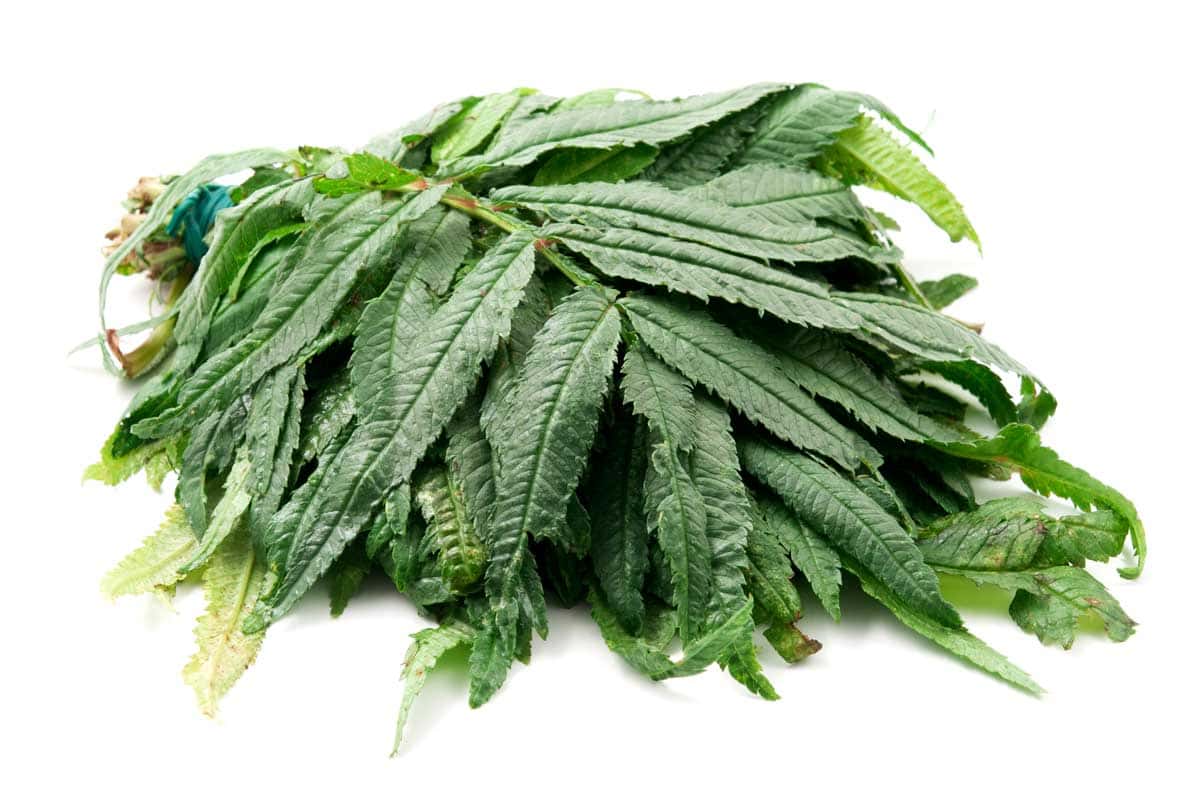
Huacatay is Peru’s bold, aromatic secret—an herb so essential to Andean cuisine that many chefs call it the “soul of Peruvian sauces.”
Quick Navigation
ToggleKnown as Peruvian black mint and native to the highlands of South America, huacatay (Tagetes minuta) delivers a one-of-a-kind flavor that fuses mint, basil, tarragon, and citrus into a single, powerful leaf.
Used in iconic Peruvian dishes like ocopa and ají de huacatay, this herb isn’t just an ingredient—it’s a connection to centuries of culinary tradition.
In this guide, we’ll explore everything you need to know about Peru’s black mint: its origins, uses, health benefits, and how to get it into your kitchen—whether fresh, in paste form, or grown in your own backyard!
What is Huacatay?

Huacatay (pronounced wah-kah-tie) is a bold, aromatic herb native to the Andes, commonly known as Peruvian black mint.
Its scientific name is Tagetes minuta, and it belongs to the marigold family.
Though it’s sometimes called a mint, its flavor is far more complex—blending notes of mint, basil, tarragon, and citrus with a slightly bitter, earthy finish.
In Peruvian cuisine, huacatay is a staple Peruvian ingredient in traditional sauces like ají de huacatay and ocopa, giving them their distinctive green color and vibrant flavor.
It’s typically used as a fresh herb, in paste form, or dried, and it’s essential in many Andean and highland dishes.
Beyond the kitchen, huacatay has long been used in traditional medicine for its digestive and anti-inflammatory properties.
How Huacatay Is Used in Peruvian Cuisine

-
Huacatay is a cornerstone herb in Andean and Peruvian cooking, especially in the highlands and southern regions.
-
It’s most famously used in ají de huacatay, a creamy green sauce served with grilled meats, potatoes, and rice.
-
Another iconic dish, ocopa Arequipeña, blends huacatay with cheese, nuts, and aji amarillo for a rich sauce poured over boiled potatoes.
-
It is often blended with garlic, onions, chili peppers, and fresh cheese to create vibrant dipping sauces or marinades.
-
It enhances the flavor of cuy chactado (fried guinea pig), roasted chicken, and even soups and stews.
-
Chefs use huacatay to add earthy freshness and depth to otherwise rich or spicy dishes.
-
Whether fresh or in paste form, it brings an authentic Peruvian flavor that’s hard to replicate with substitutes.
Where to Buy Huacatay (Fresh, Paste, or Seeds)

-
Fresh huacatay leaves are available at Latin American or Peruvian markets, especially in areas with large South American communities.
-
Huacatay paste is the most accessible form internationally—it’s sold in jars or tubes and stocked by Latin grocery stores and online retailers like Amazon.
-
Look for popular brands such as Doña Isabel or Inca’s Food, which produce authentic Peruvian huacatay paste.
-
Frozen huacatay is occasionally available at specialty stores that carry imported Peruvian produce.
-
Huacatay seeds can be purchased online for home gardening—ideal for growing this herb in warm climates or containers.
-
When shopping online, use keywords like black mint, Tagetes minuta, or Peruvian herb paste for the best search results.
-
Pro tip: Always check the ingredients label to ensure the paste contains a high percentage of real huacatay and not just filler herbs.
Cooking with Huacatay – Tips, Pairings & Substitutes
-
Add huacatay near the end of cooking to preserve its bold, aromatic flavor—overheating can dull its impact.
-
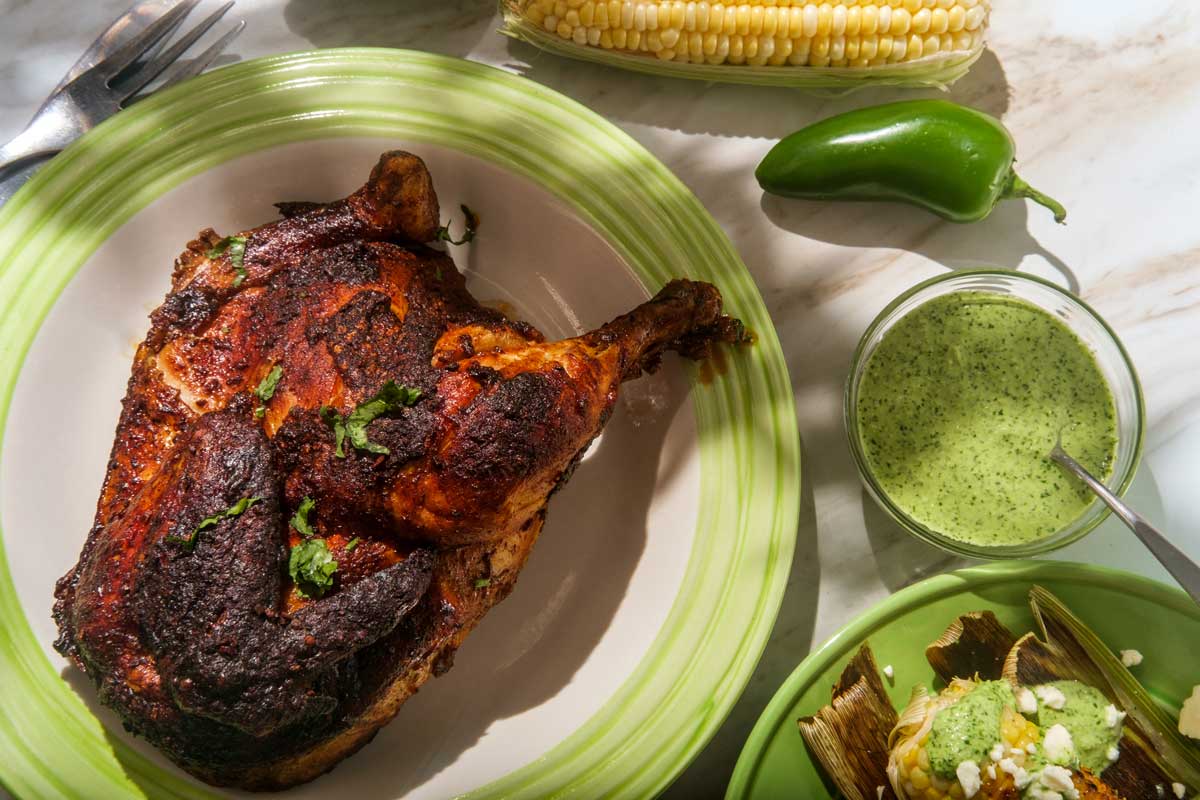
Combine with ají amarillo, garlic, onions, and cheese to create classic Peruvian sauces like ají de huacatay or ocopa.
-
Use it as a marinade base for chicken, pork, or grilled vegetables—especially when mixed with vinegar or citrus juice.
-
Pairs beautifully with starches like potatoes, corn, and rice, balancing their richness with its herbal sharpness.
-
Mix the black mint paste into mayonnaise or yogurt for a quick herb dip or sandwich spread.
-
Ideal for enhancing soups, stews, and roast meats, especially when aiming for a traditional Andean flavor profile.
-
Can’t find huacatay? Try these substitutes (though none are perfect):
-
Mint + tarragon (closest flavor match)
-
Thai basil for sweetness and pungency
-
Epazote for earthiness—use sparingly to avoid overpowering the dish
-
-
Always taste and adjust. It is potent, and a little goes a long way!
Popular Recipes That Use Huacatay

-
Ají de Huacatay – A vibrant green sauce made with huacatay, aji amarillo, garlic, and cheese. Served with grilled chicken, fries, or anticuchos.
-
Ocopa Arequipeña – A creamy potato dish from Arequipa that blends huacatay with queso fresco, peanuts, milk, and aji peppers.
-
Pollo a la Brasa Marinade – Add huacatay paste to a Peruvian rotisserie chicken marinade for a deeper herbal flavor.
-
Papa a la Huancaína with Huacatay Twist – A variation of the classic dish that incorporates the Peruvian black mint for a bolder, minty touch.
-
Cuy Chactado – Fried guinea pig often seasoned with huacatay-based sauces to cut through the richness.
-
Huacatay Chimichurri – A fusion-style chimichurri made with black mint, ideal for grilled meats or roasted vegetables.
-
Huacatay Yogurt Dip – Blend huacatay paste with Greek yogurt, lime, and garlic for a quick herbaceous dip.
-
Green Huacatay Soup (Sopa Verde) – A nourishing Andean soup infused with huacatay, potatoes, and native grains like quinoa.
These recipes highlight huacatay’s versatility—from sauces and marinades to soups and sides—making it a powerful staple in Peruvian home cooking.
Health Benefits and Medicinal Uses of Huacatay

-
Traditionally used in Andean medicine, huacatay has been valued for centuries for its therapeutic properties.
-
Contains antibacterial and antifungal compounds, making it useful for treating minor infections and skin issues.
-
Often brewed as a digestive tea to relieve stomach cramps, bloating, and intestinal parasites.
-
Rich in essential oils like limonene and ocimene, which may have anti-inflammatory and antioxidant effects.
-
Used in natural remedies for respiratory ailments, including coughs and bronchial congestion.
-
The herb’s carminative properties help reduce gas and support healthy digestion.
-
In folk medicine, it’s applied topically for insect bites, wounds, and fungal infections.
-
Though widely used in traditional healing, always consult a healthcare provider before using huacatay for medicinal purposes.
Huacatay vs. Mint, Cilantro, and Epazote – What’s the Difference?

-
Huacatay vs. Mint: While often called “black mint,” huacatay has a more complex, resinous flavor with citrus and anise notes—far bolder than sweet, refreshing mint.
-
Huacatay vs. Cilantro: Cilantro offers a bright, citrusy freshness, but lacks the earthy, herbaceous depth of huacatay. Cilantro is best raw; huacatay shines in cooked sauces.
-
Huacatay vs. Epazote: Both have pungent, earthy flavors, but epazote is more medicinal and grassy, often used in Mexican bean dishes. Huacatay has a more balanced and aromatic profile.
-
Culinary Use Differences:
-
Huacatay is a signature herb in Peruvian sauces and marinades.
-
Mint is popular in desserts, teas, and lighter dishes.
-
Cilantro dominates Mexican, Indian, and Southeast Asian cuisines.
-
Epazote is often used in beans to reduce gas and enhance depth.
-
-
Substitution Note: While these herbs may substitute one another in a pinch, none fully replicate huacatay’s unique flavor, especially in traditional Peruvian dishes.
How to Grow Huacatay at Home (Container or Garden)

-
Huacatay (Tagetes minuta) grows easily in warm, sunny climates and is well-suited for both gardens and containers.
-
Start with seeds, which you can find online by searching for huacatay, black mint, or Peruvian marigold.
-
Sow seeds in spring, directly into soil or seed trays. They germinate best in temperatures above 65°F (18°C).
-
Choose well-draining soil and a sunny location—huacatay thrives in full sun but can tolerate partial shade.
-
Keep soil moist but not soggy; overwatering can cause root rot, especially in containers.
-
For container gardening, use a pot at least 12 inches deep, and be sure it has drainage holes.
-
Thin seedlings once they’re a few inches tall to prevent overcrowding and promote healthy growth.
-
Harvest the young leaves regularly to encourage bushier growth and get the most flavorful herb.
-
Plants can grow up to 3–5 feet tall, so give them space or support if needed.
-
Dry or freeze the leaves for year-round use in cooking if you live in a seasonal climate.
Why Huacatay Deserves a Place in Your Pantry

Huacatay might just be the best herb you’ve never heard of.
With its bold flavor and cultural roots in Peruvian cooking, it brings complexity and authenticity to your dishes like nothing else can.
Whether you buy it in paste form or grow it yourself, this Andean black mint is your new culinary secret weapon.
Ready to explore the flavors of Peru? Start with huacatay.
More Peruvian Foods
See all →
Jorge Garcia is the founder of AmigoFoods, where he has spent over 20 years helping readers discover authentic Latin American and Spanish cuisine. Raised in a Cuban-American household, Jorge learned to cook at the hands of his mother and grandmother, carrying forward generations of family recipes. That heritage, backed by his family’s four-generation history in the Latin food industry, inspired him to launch AmigoFoods in 2003. With more than 1,000 published articles on recipes, ingredients, and food culture, Jorge’s mission is simple: make authentic Latin cooking approachable for home cooks everywhere while honoring the traditions behind every dish.
Please Share & Spread the Love of Latin Foods!