

Majadito is a hearty Bolivian rice dish served with shredded meat, fried eggs and sweet plantain. This shortcut version serves four and takes about 50 minutes once the charque or duck is cooked and shredded.
Majadito at a Glance
What is Majadito?
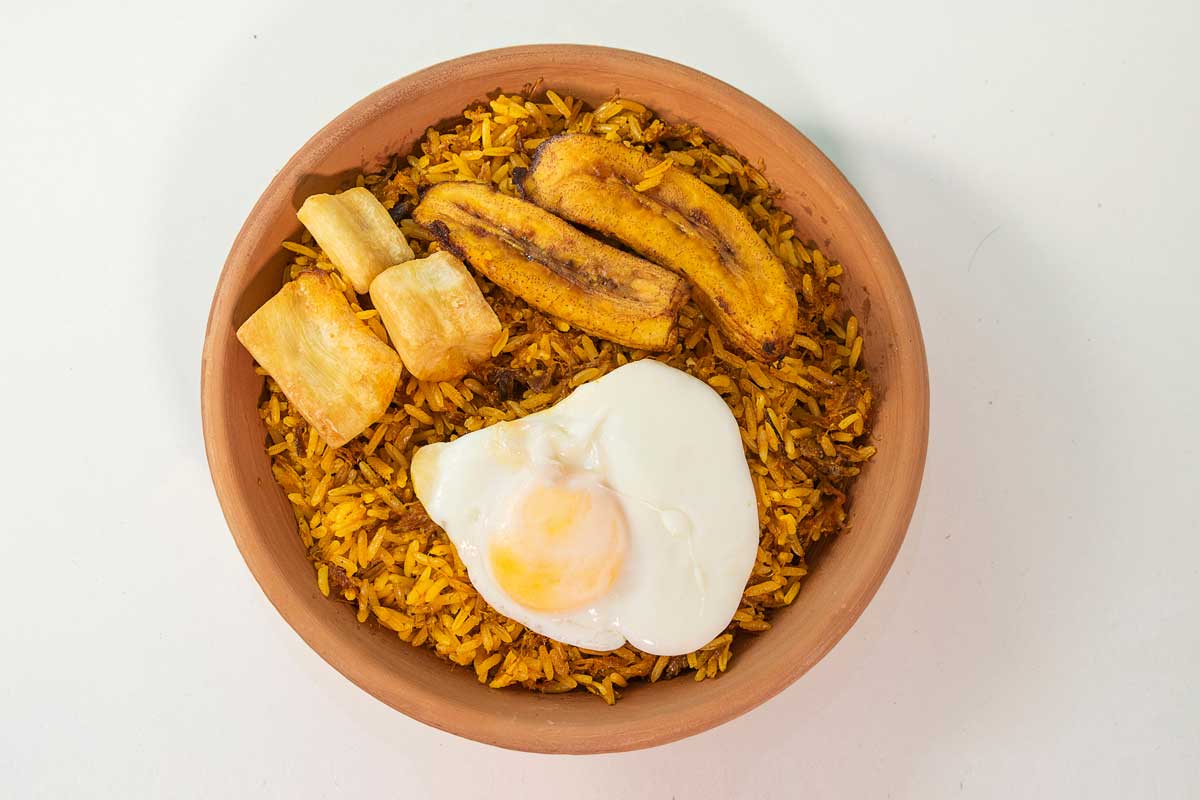
Majadito is a beloved dish in Bolivian cuisine, celebrated for its comforting and hearty nature.
This traditional Bolivian food originated in the Santa Cruz region and has become a staple of eastern Bolivian cuisine, known for its simplicity and rich flavors.
The dish features a base of Bolivian rice and meat, often made with charque (dried beef) or duck, and is typically served with fried eggs and sweet plantains for a balanced and satisfying meal.
In Bolivian homes, Majadito is considered a go-to comfort food, deeply tied to the country’s culinary heritage and food traditions.
Its combination of ingredients and flavors embodies the traditional Santa Cruz dishes, making it a cherished part of Bolivian culture.
Whether enjoyed as a hearty lunch or a casual family dinner, Majadito represents the best of authentic Bolivian flavors.
Traditional Majadito Ingredients and Variations
Majadito is a star in Bolivian cuisine, crafted with simple yet flavorful ingredients that highlight the region’s culinary heritage.
The core of this traditional Bolivian food is Bolivian rice, cooked with a savory base of tomatoes, onions, and garlic, creating a rich and hearty dish.
The protein, often charque (dried beef) or duck, plays a crucial role in delivering authentic flavors.
A perfectly fried egg and sweet plantains are added as garnishes, enhancing the dish’s texture and taste.
Majadito variations offer diverse options that cater to different preferences:
- Majadito de Charque: The classic version made with Bolivian charque, a traditional dried and salted beef.
- Majadito de Pato: A popular festive variation featuring duck as the protein.
- Majadito with chicken: A modern twist for a lighter option.
- Seasonal adaptations, like using fresh local ingredients or adding spices for unique regional touches.
These variations showcase how this Bolivian comfort food can adapt to personal tastes while maintaining its status as a quintessential Bolivian rice dish.
Each bite celebrates the essence of Santa Cruz cuisine and its culinary traditions.
How to Make Majadito at Home (Step-by-Step Guide)
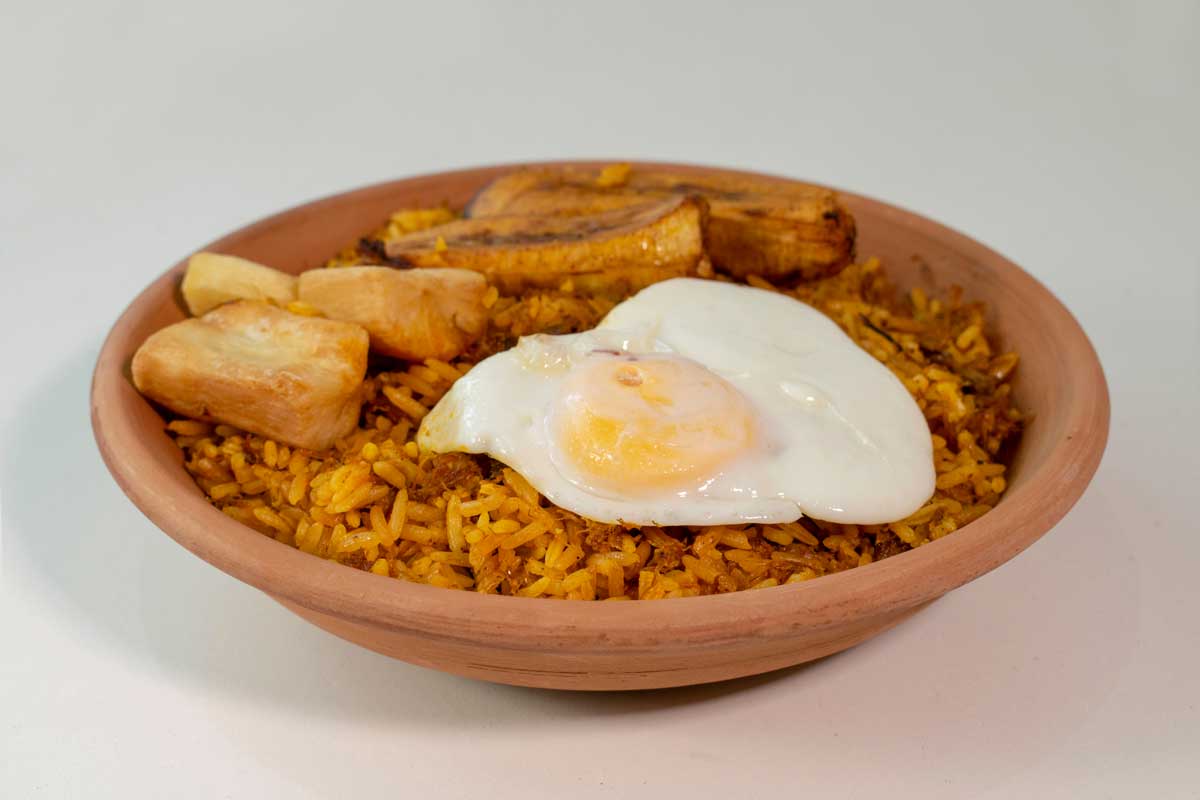
Making Majadito at home is a rewarding way to experience the authentic flavors of Bolivian cuisine.
With just a few essential ingredients and some preparation, you can recreate this traditional Bolivian food in your own kitchen.
Ingredients for 4 servings
- 2 cups long-grain white rice
- Up to 4 cups water or low-sodium broth, adjusted to rice package directions
- Up to 1/2 teaspoon salt, to taste
- 1/2 lb charque (dry weight), desalted as needed, cooked until tender and shredded in advance; or 1/2 lb cooked, shredded duck
- 2 tablespoons vegetable oil
- 1 small onion, finely chopped
- 2 cloves garlic, minced
- 2 tomatoes, diced
- 1 teaspoon cumin
- 1/2 teaspoon paprika
- Salt and pepper to taste
- 4 eggs
- 1 ripe plantain, sliced
- Vegetable oil (for frying)
- Fresh herbs (optional)
- Lime wedges (optional)
Method
- Start with fully cooked, shredded meat. Dried charque may need soaking in the refrigerator with water changes, then simmering in fresh water until tender and pounding or shredding. Follow the product instructions; this preparation is additional to the 50-minute estimate. Duck must also be cooked until tender before use.
- Rinse the rice and cook according to its package directions, using up to 4 cups water or low-sodium broth. Season lightly, especially with salty charque. Keep the grains tender and separate.
- Meanwhile, heat 2 tablespoons oil in a large skillet. Cook onion until softened, add garlic, then tomatoes and cook until broken down. Stir in cumin and paprika.
- Fold in the rice and prepared meat. Cook gently for several minutes until everything is hot, adding a splash of broth if needed. Taste before adding more salt.
- In another skillet, fry the sliced plantain in oil until golden on both sides. Fry four eggs. Divide the rice among four plates, top each with one egg, and serve with the plantain. Add herbs or lime if desired.
Timing: The 50-minute estimate starts with prepared meat. Desalting, cooking and shredding charque or duck take additional time and vary with the product. Soak charque under refrigeration when needed; use fresh water for cooking.
Rice: Use long-grain white rice for separate grains. Arroz graneado is a preparation style, not a variety. This is a shortcut with separately cooked rice; majadito batido is a wetter style. Traditional versions often use urucú (achiote); the paprika here is a flavor variation.
Serving: Fry plantains until golden and serve one egg per person. Add avocado, fresh herbs, lime or llajua as desired.
Variations: Prepared duck or chicken can replace charque. Cooked fish is another adaptation. For a meatless version, use sautéed mushrooms, peas, carrots or peppers with vegetable broth. Add locoto or ají amarillo for heat.
With this shortcut recipe, you’ll enjoy the heartwarming essence of Bolivian comfort food right at home.
Experiment with variations like Majadito de Charque or Majadito de Pato to suit your taste and embrace the rich culinary traditions of Santa Cruz cuisine.
Popular Sides and Pairings for Majadito

Majadito, a classic dish in Bolivian cuisine, becomes even more delightful when paired with traditional sides and beverages that complement its rich and hearty flavors.
These accompaniments are rooted in Bolivian culinary traditions, adding depth and variety to your meal:
- Platanos Fritos (Fried Plantains): A staple side dish that provides a sweet and savory contrast to the salty flavors of Majadito de Charque or the tender meat in Majadito de Pato.
- Yuca (Cassava): Boiled or fried yuca is a popular choice, adding a starchy balance to the meal.
- Fresh Salads: Light salads made with tomatoes, onions, and lime bring a refreshing element to the plate.
- Bolivian Chicha: This traditional fermented drink is a favorite pairing, offering a unique and authentic beverage option.
- Locally Made Salsas: Spicy sauces like llajwa enhance the dish with a zesty kick, highlighting the bold flavors of Bolivian comfort food.
- Bolivian Bread: Soft, freshly baked bread complements the texture of the Bolivian rice dish, perfect for scooping up every bite.
By adding these popular Bolivian sides, you’ll experience the full essence of Santa Cruz cuisine and understand why Majadito is a cherished part of Bolivian food traditions.
Whether served with sweet plantains or a refreshing glass of chicha, these pairings create the perfect meal.
Where to Try Majadito in Bolivia

For the most authentic experience of Majadito, Bolivia offers countless opportunities to savor this traditional Bolivian food at its best.
From bustling markets to cozy restaurants, here’s where you can enjoy this iconic Bolivian rice dish:
- Santa Cruz de la Sierra: The heart of Santa Cruz cuisine, where you’ll find Majadito de Charque or Majadito de Pato served in local restaurants and family-owned eateries.
- Bolivian Street Food Vendors: Explore the vibrant Bolivian street food scene in cities like Santa Cruz and Cochabamba, where vendors serve freshly made Bolivian comfort food.
- Local Markets: Visit traditional markets like Mercado Los Pozos in Santa Cruz for authentic and budget-friendly options served alongside other regional Bolivian dishes.
- Bolivian Restaurants: Renowned establishments like La Casa del Camba in Santa Cruz offer a refined take on this traditional Santa Cruz dish, showcasing its cultural importance.
- Festivals and Celebrations: Majadito is often featured at local festivals and family gatherings, making it a great way to connect with Bolivian food traditions during special occasions.
- Home-Cooked Meals: If you’re lucky enough to be invited into a Bolivian home, experiencing a homemade Majadito provides insight into the warmth and hospitality of Bolivian culture.
Exploring these locations allows you to immerse yourself in the flavors of authentic Bolivian cuisine and discover why Majadito is such a treasured part of Bolivian culinary heritage.
Whether it’s a street vendor’s rendition or a restaurant’s gourmet presentation, Bolivia offers endless ways to enjoy this iconic dish.
The Cultural Importance of Majadito in Bolivia

Majadito is a cornerstone of Bolivian cuisine, representing the deep-rooted traditions and values of the country’s culinary heritage.
This iconic Bolivian rice dish transcends being just a meal—it’s a symbol of identity, community, and cultural pride in Bolivia.
- A Dish of Historical Significance: Majadito originated in Bolivia’s eastern lowlands, particularly in the Santa Cruz region, where it was a practical and nourishing choice for farmers and workers. Its ingredients, like charque (dried beef) and rice, reflect Bolivia’s agricultural traditions and resourcefulness.
- A Family and Community Bond: In Bolivian households, it is more than a dish—it’s a tradition. Often enjoyed during home-cooked meals, it brings families together and fosters a sense of belonging, making it a cherished part of Bolivian comfort food culture.
- Festive Celebrations: Majadito takes center stage during local celebrations, festivals, and cultural events. Its presence at these gatherings underscores its role in Bolivian food traditions and its connection to moments of joy and togetherness.
- A Regional Icon: As one of the most well-known Santa Cruz dishes, Majadito represents the flavors and culinary identity of the region. Its popularity has spread across the country, but it remains a proud symbol of eastern Bolivian cuisine.
- A Symbol of Hospitality: Sharing a plate is a gesture of warmth and generosity in Bolivian culture. Whether served in homes, at markets, or in restaurants, it embodies the welcoming spirit of Bolivia’s people.
Majadito’s enduring significance lies in its ability to connect people to Bolivia’s culinary traditions and cultural values.
Majadito is a Must-Try Bolivian Dish

Majadito is a flavorful journey into the heart of Bolivian cuisine and a testament to the country’s culinary heritage.
With its hearty combination of Bolivian rice, charque, and sweet plantains, this iconic Santa Cruz dish delivers both comfort and tradition in every bite.
Whether you’re savoring a home-cooked version or trying it at a local market in Bolivia, Majadito offers a delicious way to experience the country’s rich food traditions.
Its versatility, with variations like Majadito de Charque and Majadito de Pato, ensures there’s something for everyone to enjoy.
Ready to bring Bolivia to your table? Try making Majadito at home or plan a visit to Bolivia to taste it in its most authentic form.
Discover why this Bolivian comfort food has become a cherished part of the nation’s culture and culinary identity!

Majadito Recipe
Majadito combines rice, shredded meat, onion, tomatoes and spices with fried eggs and plantains. This shortcut takes about 50 minutes with the charque or duck already cooked and shredded; meat preparation takes additional time.
Ingredients
For the Rice and Meat
- 2 cups long-grain white rice
- Up to 4 cups water or low-sodium broth, adjusted to rice package directions
- Up to 1/2 teaspoon salt, to taste
- 1/2 lb charque (dry weight), desalted as needed, cooked until tender and shredded in advance; or 1/2 lb cooked, shredded duck
For the Flavorful Base
- 2 tablespoons vegetable oil
- 1 small onion, finely chopped
- 2 cloves garlic, minced
- 2 tomatoes, diced
- 1 teaspoon cumin
- 1/2 teaspoon paprika
- Salt and pepper to taste
For Serving & Garnish
- 4 eggs
- 1 ripe plantain, sliced
- Vegetable oil (for frying)
- Fresh herbs (optional)
- Lime wedges (optional)
Instructions
- Start with fully cooked, shredded meat. Dried charque may need soaking in the refrigerator with water changes, then simmering in fresh water until tender and pounding or shredding. Follow the product instructions; this preparation is additional to the 50-minute estimate. Duck must also be cooked until tender before use.
- Rinse the rice and cook according to its package directions, using up to 4 cups water or low-sodium broth. Season lightly, especially with salty charque. Keep the grains tender and separate.
- Meanwhile, heat 2 tablespoons oil in a large skillet. Cook onion until softened, add garlic, then tomatoes and cook until broken down. Stir in cumin and paprika.
- Fold in the rice and prepared meat. Cook gently for several minutes until everything is hot, adding a splash of broth if needed. Taste before adding more salt.
- In another skillet, fry the sliced plantain in oil until golden on both sides. Fry four eggs. Divide the rice among four plates, top each with one egg, and serve with the plantain. Add herbs or lime if desired.
Notes
Timing: The 50-minute estimate starts with prepared meat. Desalting, cooking and shredding charque or duck take additional time and vary with the product. Soak charque under refrigeration when needed; use fresh water for cooking.
Rice: Use long-grain white rice for separate grains. Arroz graneado is a preparation style, not a variety. This is a shortcut with separately cooked rice; majadito batido is a wetter style. Traditional versions often use urucú (achiote); the paprika here is a flavor variation.
Serving: Fry plantains until golden and serve one egg per person. Add avocado, fresh herbs, lime or llajua as desired.
Variations: Prepared duck or chicken can replace charque. Cooked fish is another adaptation. For a meatless version, use sautéed mushrooms, peas, carrots or peppers with vegetable broth. Add locoto or ají amarillo for heat.
More Bolivian Foods
See all →
Jorge Garcia is the founder of AmigoFoods, where he has spent over 20 years helping readers discover authentic Latin American and Spanish cuisine. Raised in a Cuban-American household, Jorge learned to cook at the hands of his mother and grandmother, carrying forward generations of family recipes. That heritage, backed by his family’s four-generation history in the Latin food industry, inspired him to launch AmigoFoods in 2003. With more than 1,000 published articles on recipes, ingredients, and food culture, Jorge’s mission is simple: make authentic Latin cooking approachable for home cooks everywhere while honoring the traditions behind every dish.