

“Yuca is the most versatile ingredient you’ve never fully explored!”
Quick Navigation
ToggleAlso known as cassava, yuca is a starchy root vegetable that’s been a staple in kitchens from South America to Africa for centuries.
In fact, over 500 million people rely on yuca as a primary food source!
Whether fried, boiled, mashed, or turned into flour, this humble root has a ton to offer—not just in taste, but in health benefits and culinary flexibility.
In this comprehensive guide, we’re diving deep into all things yuca.
From how to prepare it safely to the best recipes from around the world, you’ll finish this article ready to cook up something amazing.
What Is Yuca? (Cassava Explained)

Yuca is a starchy root vegetable native to South America and widely consumed around the world.
Despite the similar spelling, yuca (cassava) is not the same as yucca, the ornamental desert plant often found in landscaping.
Yuca has long been a staple food in many cultures due to its hardiness, adaptability, and high-calorie content.
It grows well in poor soils and drought conditions, making it an essential crop in tropical regions across Latin America, Africa, and Asia.
Key Facts About Yuca:
-
Botanical name: Manihot esculenta
-
Appearance: Thick brown skin with a waxy coating and a white, fibrous interior
-
Taste: Mild, earthy, and slightly nutty—similar to a potato but denser
-
Common names: Cassava, manioc, mandioca, aipim, balinghoy
Sweet vs. Bitter Yuca:
There are two main types of cassava:
-
Sweet yuca: Contains lower levels of naturally occurring cyanogenic compounds and is safe to eat after simple cooking (boiling or frying).
-
Bitter yuca: Requires more extensive processing (soaking, fermenting, or drying) to remove toxins and make it safe to consume.
Yuca vs. Potato:
-
Yuca is denser and starchier than potatoes.
-
It has a lower glycemic index when cooked properly, making it popular in blood sugar-conscious diets.
-
Unlike potatoes, it is gluten-free, making it a favorite among people with celiac disease or gluten sensitivity.
Yuca isn’t just a root—it’s a cultural cornerstone in many cuisines and a powerful ingredient when prepared the right way.
In Brazil, boiled yuca (aipim) is blended with coconut milk into the silky cream behind bobó de camarão, a Bahian shrimp stew.
Health Benefits of Yuca
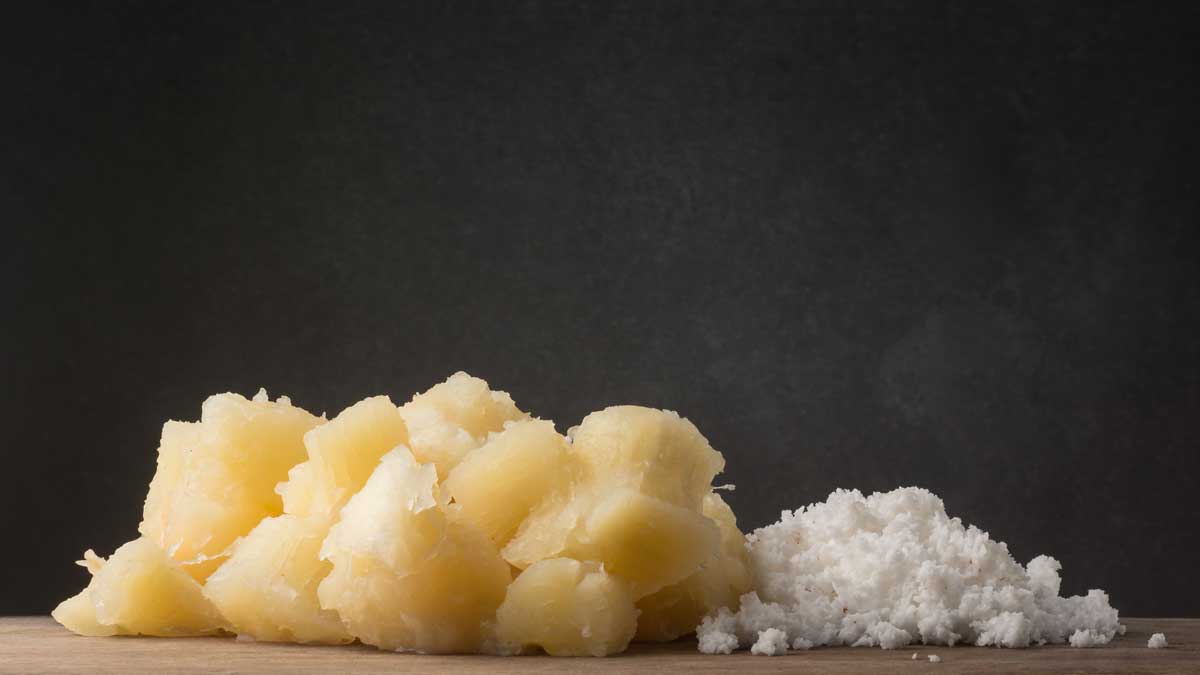
Yuca isn’t just hearty and delicious—it also packs a serious nutritional punch.
While it’s primarily known for its starchy, energy-boosting properties, this root vegetable offers a surprising range of health benefits when consumed properly.
A Great Source of Complex Carbohydrates
-
Yuca is high in complex carbs, which provide long-lasting energy and help you feel fuller for longer.
-
It’s ideal for athletes, active individuals, or anyone looking for a sustained energy source.
Rich in Fiber for Digestive Health
-
With a good amount of dietary fiber, yuca helps promote healthy digestion and regular bowel movements.
-
Fiber also plays a role in stabilizing blood sugar levels and lowering cholesterol.
️Loaded with Immune-Boosting Nutrients
-
Yuca contains vitamin C, a powerful antioxidant that supports immune function and skin health.
-
It also offers manganese, a mineral that supports bone development, metabolism, and antioxidant defense.
Naturally Gluten-Free and Grain-Free
-
For those with celiac disease or gluten intolerance, yuca is a safe, grain-free carb alternative.
-
Cassava flour, made from yuca, is a popular substitute in gluten-free and paleo baking.
⚠️ Important: Know the Risks
-
Raw yuca contains cyanogenic glycosides, compounds that can release cyanide if not properly cooked.
-
Always boil, soak, or ferment it to neutralize these natural toxins.
-
Sweet yuca has lower levels of these compounds, while bitter yuca requires more intensive processing.
♀️ Friendly for Special Diets
-
It’s also suitable for low-allergen diets since it’s free from gluten, nuts, soy, and grains.
When prepared safely, yuca can be a powerful addition to a balanced diet—especially for those looking for gluten-free, nutrient-dense, and energy-rich food sources.
How to Cook Yuca (Preparation Tips)

Cooking yuca might seem intimidating at first, but once you know the basics, it becomes incredibly simple—and rewarding!
Whether you’re boiling it for a side dish or frying it into golden perfection, proper preparation is key to unlocking yuca’s full potential.
How to Peel and Cut Yuca
-
Start by cutting the yuca into manageable chunks (about 3–4 inches long).
-
Use a sharp knife to slice off the thick, waxy brown skin—don’t rely on a peeler, it won’t cut deep enough.
-
Remove the pinkish-purple layer just beneath the skin, which can be tough and fibrous.
-
Split the chunk down the center lengthwise and remove the woody core in the middle—it’s not edible.
Boiling Yuca
-
Place peeled and cored pieces in a pot of salted water.
-
Boil for 20–30 minutes, or until fork-tender.
-
You can serve it as-is with a drizzle of olive oil, garlic sauce, or herb butter.
Frying Yuca (Yuca Fries & Chips)
-
After boiling and cooling, slice the yuca into thick batons or thin rounds for yuca fries and yuca chips.
-
Fry in hot oil (350°F/175°C) until golden and crispy—about 3–5 minutes per batch.
-
Season with salt, paprika, or garlic powder for added flavor.
Baking or Roasting
-
Cut boiled yuca into wedges, toss with oil and seasonings, and roast at 400°F (200°C) for 25–30 minutes.
-
Great as a healthier alternative to deep-frying.
⚠️ Removing Natural Toxins
-
Never eat raw yuca—it contains cyanogenic compounds that can be harmful.
-
Boiling, soaking, or fermenting helps neutralize these toxins, especially in bitter varieties.
-
Sweet yuca is generally safe after boiling or frying.
Bonus Tip: Mash It or Make Dough
-
Yuca can be mashed like potatoes or puréed to make dough for cassava empanadas, arepas, or flatbreads.
-
It’s especially popular in grain-free, paleo, and Whole30-friendly baking.
With these preparation techniques, you’ll be ready to transform yuca into delicious dishes with perfect texture and flavor—every time.
Popular Yuca Dishes from Latin America

- Brazil – Known as aipim or mandioca, used in farofa, tapioca crepes, and bolinhos de aipim.
- Colombia – Boiled, fried, or added to soups like sancocho; served with meats and sausages.
- Colombia and Panama – Mashed into the dough for carimañolas, stuffed yuca fritters.
- Peru – Common in coastal and jungle cuisines. Used in sudado, parihuela, and yuca frita.
- Venezuela – Staple in rural and indigenous diets; used in bollitos and arepas de yuca.
- Ecuador – Eaten in maito, caldo de yuca, and fried snacks; popular in the Amazon and coastal areas.
- Cuba – Loved as yuca con mojo (garlic-citrus sauce); served with roasted pork and on holidays.
- Dominican Republic – Found in mangú de yuca, yuca frita, and various starchy sides.
- Puerto Rico – Eaten as yuca en escabeche, yuca mofongo, and fried versions.
- Panama – Often included in sancocho panameño or served boiled/fried.
- Bolivia – In eastern lowlands, yuca is used in masaco and served with grilled meats.
- Paraguay – Known as mandioca; accompanies asado, and used in sopa paraguaya and chipa.
- El Salvador – Served with curtido and fried pork in yuca con chicharrón.
- Honduras – Boiled, fried, or used in dishes similar to El Salvador’s yuca con chicharrón.
- Nicaragua – Essential in vigorón, made with yuca, pork, and cabbage salad.
Yuca is also commonly eaten in Guatemala, Costa Rica, and Mexico, though it’s not as central to the cuisine as in the countries listed above.
Yuca Flour and Other Products

Beyond the whole root, yuca is transformed into a wide range of products that are staples in gluten-free and international cooking.
From flour and starch to chips and fermented foods, yuca’s versatility goes far beyond the dinner plate.
What Is Cassava Flour?
-
Cassava flour is made by drying and grinding the whole yuca root into a fine powder.
-
Unlike tapioca starch (which comes from just the starch), cassava flour contains all the fiber, making it more nutritionally complete.
-
It’s soft, neutral in flavor, and behaves similarly to wheat flour in many recipes.
Tapioca vs. Cassava Flour: What’s the Difference?
-
Cassava flour = whole root, more fiber, more nutritious.
-
Tapioca starch/flour = extracted starch, mostly carbs, great for thickening sauces and baking.
-
Both are gluten-free and grain-free, but cassava flour is more suitable for 1:1 flour replacements.
Baking with Cassava Flour
-
Popular in paleo, Whole30, and gluten-free baking—think tortillas, waffles, brownies, and bread.
-
Offers a soft, chewy texture similar to traditional baked goods.
-
Combine with almond flour or coconut flour for best results in cakes and pastries.
Other Yuca-Based Products
-
Yuca Chips: Thinly sliced and fried or baked for a crunchy, salty snack—an alternative to potato chips.
-
Cassava Crackers: Crisp, savory snacks often flavored with herbs or spices.
-
Yuca Dough: Used to make empanadas, arepas, dumplings, or flatbreads in Latin American and African cuisines.
-
Frozen Yuca: Convenient, pre-peeled, and parboiled—ready to cook straight from the freezer.
Fermented Cassava Products
-
Gari (West Africa): Fermented, grated, and fried cassava flakes—eaten like cereal or soaked in water and sugar.
-
Chikwangue (Central Africa): A dense, fermented dough wrapped in banana leaves and steamed.
-
Tucupi (Brazil): A yellow sauce made from fermented wild cassava juice, used in Amazonian cooking.
Yuca-based products are not only convenient and delicious—they open the door to healthier, allergen-friendly, and globally inspired cooking.
Where to Buy and How to Store Yuca

Whether you’re hunting for fresh roots or convenient frozen options, yuca is more accessible than ever.
From farmers’ markets to international grocery stores, it’s easy to bring this versatile root into your kitchen—if you know what to look for and how to store it properly.
Where to Buy Yuca
-
Latin American, Caribbean, and Asian markets often carry fresh, frozen, or processed yuca products.
-
Many mainstream grocery stores now offer frozen yuca (peeled and pre-cut) in the international or frozen vegetable section.
-
Look for cassava flour and tapioca starch in the gluten-free or health food aisles, or shop online for specialty products.
How to Choose Quality Yuca
-
Pick firm roots with no soft spots, cracks, or mold.
-
The skin should be brown and unblemished, with a white interior when cut—no black streaks or discoloration.
-
Avoid yuca that feels overly light (it may be dried out inside) or smells sour.
Storing Raw Yuca
-
Store whole, unpeeled yuca in a cool, dark place for up to 1 week.
-
Once peeled, keep it submerged in water in the fridge for up to 3–4 days (change the water daily).
-
You can also freeze peeled and cut yuca—blanch it first for best results.
Storing Cooked Yuca
-
Cooked yuca lasts 3–5 days in the refrigerator in an airtight container.
-
Reheat by steaming, pan-frying, or microwaving.
-
Freeze cooked yuca for longer storage—just thaw and reheat before serving.
️ Shelf-Stable Yuca Products
-
Cassava flour and tapioca starch should be stored in a cool, dry pantry.
-
Keep them sealed in airtight containers to avoid moisture and insects.
-
Yuca chips and packaged snacks usually have a long shelf life and are perfect for on-the-go munching.
Proper storage not only preserves flavor and texture—it also ensures you’re cooking with yuca at its freshest and safest.
Yuca in Plant-Based and Paleo Diets

Yuca is a superstar ingredient for anyone following plant-based, paleo, Whole30, or grain-free lifestyles.
Naturally gluten-free and rich in clean carbs, it fits beautifully into diets that prioritize whole foods and nutrient-dense ingredients.
Why Yuca Works for Plant-Based Diets
-
Entirely plant-based: Yuca is 100% vegan and comes straight from the earth—no processing or animal products involved.
-
It’s an excellent source of energy-rich complex carbs that help fuel active lifestyles and workouts.
-
Pairs well with legumes, veggies, and plant-based proteins for satisfying, complete meals.
-
Can be mashed, roasted, baked, or turned into flour for versatile vegan recipes, from yuca gnocchi to cassava tortillas.
Yuca in the Paleo and Whole30 World
-
Yuca is naturally grain-free, gluten-free, and legume-free, making it ideal for paleo and Whole30 diets.
-
It’s one of the few allowed starches that complies with strict ancestral-style eating.
-
Used to make compliant versions of favorites like paleo empanadas, flatbreads, and waffles using cassava flour.
-
Cassava flour is also a go-to for grain-free baking without sacrificing texture or taste.
Digestibility & Satiety
-
Yuca is easier on the stomach than grains for many people and may help improve digestive comfort.
-
The resistant starch in yuca can act as a prebiotic, supporting gut health and beneficial bacteria.
-
Thanks to its slow-digesting carbs, it helps keep you full and balanced—no sugar crashes here.
️ Creative Yuca-Based Meal Ideas
-
Yuca breakfast hash with avocado and sautéed greens
-
Cassava tortillas filled with roasted veggies and tahini sauce
-
Yuca fries with vegan aioli or guacamole
-
Paleo pizza crusts made from cassava flour
-
Grain-free brownies or muffins using cassava flour as a base
Whether you’re eating clean, cutting grains, or just want to fuel your body with real food, yuca delivers on every front—flavor, function, and flexibility.
Conclusion: Why Yuca Deserves a Spot in Your Kitchen
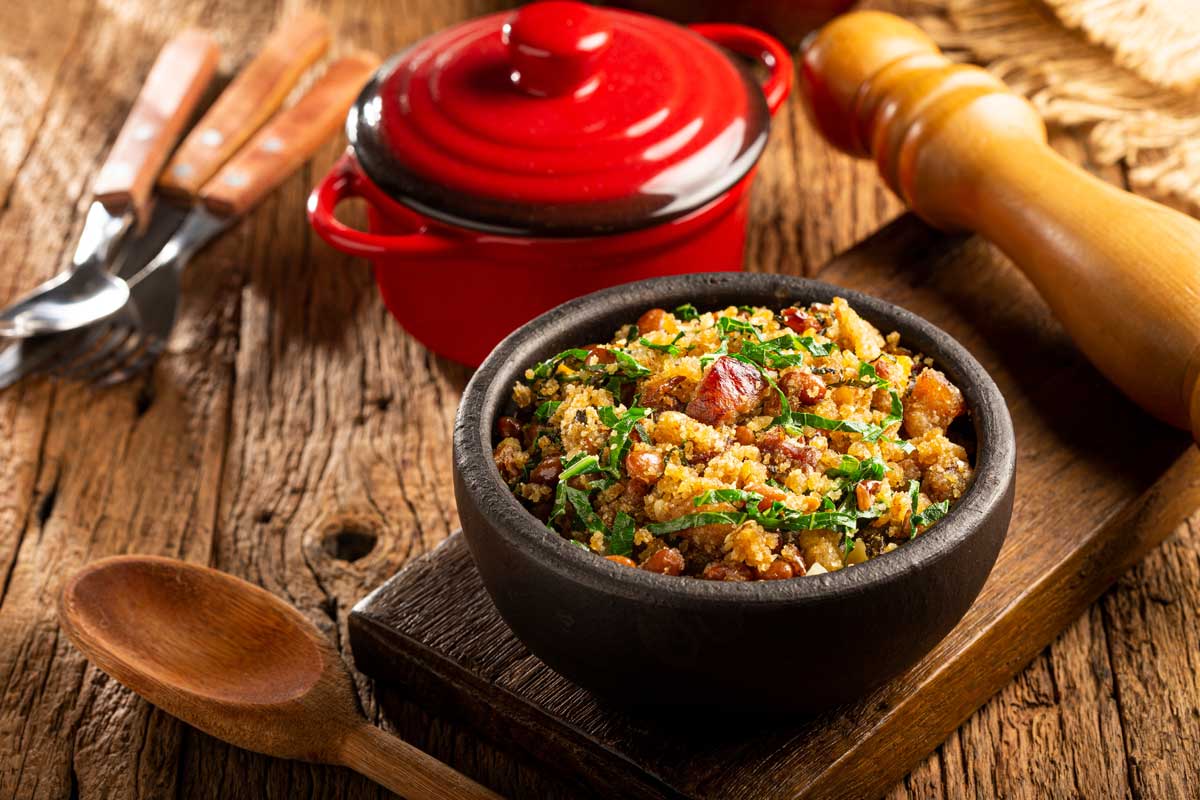
Yuca, also known as cassava, is more than just a starchy root—it’s a nutrient-rich, gluten-free powerhouse that brings global flavor, versatility, and health benefits to the table.
From crispy yuca fries to creamy stews, cassava flour tortillas, and traditional dishes from Latin America to Africa, this root has earned its place as a staple in both plant-based and paleo-friendly diets.
Whether you’re looking to explore new ingredients, eat clean, or embrace international cooking, cassava is the perfect ingredient to level up your meals.
So next time you spot it at the market—grab it, cook it, and taste the tradition!
Ready to try yuca? Start with a simple boiled yuca recipe or whip up some cassava flatbreads—you’ll be hooked in no time.
More Latin Favorites
See all →
Jorge Garcia is the founder of AmigoFoods, where he has spent over 20 years helping readers discover authentic Latin American and Spanish cuisine. Raised in a Cuban-American household, Jorge learned to cook at the hands of his mother and grandmother, carrying forward generations of family recipes. That heritage, backed by his family’s four-generation history in the Latin food industry, inspired him to launch AmigoFoods in 2003. With more than 1,000 published articles on recipes, ingredients, and food culture, Jorge’s mission is simple: make authentic Latin cooking approachable for home cooks everywhere while honoring the traditions behind every dish.
Please Share & Spread the Love of Latin Foods!