

If you’re looking for a natural sweetener that’s packed with flavor and nutrients, panela is your answer!
Quick Navigation
ToggleUnlike refined sugar, this unprocessed cane sugar retains its vitamins and minerals, making it a popular choice in Latin American and global cuisine.
From its rich caramel taste to its health benefits, we’re diving deep into why panela deserves a spot in your pantry.
Whether you’re a home cook or a health-conscious eater, this guide covers everything you need to know about panela!
What is Panela?

Panela is an unrefined, whole cane sugar that is widely used in Latin America and other parts of the world.
It is made by evaporating sugarcane juice until it solidifies, retaining all of its natural vitamins, minerals, and molasses.
Unlike refined sugar, which undergoes extensive processing and bleaching, panela is a more natural and nutrient-dense alternative.
Origin and Traditional Use
Panela has deep roots in Latin American cuisine, particularly in countries like Colombia, Ecuador, Venezuela, Peru, and Mexico.
It has been used for centuries as a primary sweetener in drinks, desserts, and savory dishes.
Known by different names across regions, it is called “chancaca“ in Peru and Chile, “piloncillo“ in Mexico, and “rapadura” in Brazil.
How Panela Differs from Other Sugars
- Unrefined & Whole Cane Sugar – Unlike white sugar, panela is made from pure sugarcane juice that is boiled and dried without chemical processing.
- Rich in Nutrients – It contains iron, calcium, magnesium, and antioxidants, which are stripped away in refined sugar.
- Natural Caramel Flavor – Because it retains its molasses content, panela has a deep, caramel-like taste with earthy notes, making it a favorite for both sweet and savory dishes.
Forms of Panela
Panela is commonly sold in blocks or discs, which can be grated or dissolved into liquids.
It is also available in granulated or powdered form, making it easier to use as a substitute for refined sugar in recipes.
This versatile latin sweetener is gaining popularity worldwide as a healthier alternative to processed sugar.
How is Panela Made?

Panela is made using a traditional, artisanal process that preserves its natural nutrients and rich caramel flavor.
Unlike refined sugar, which undergoes extensive chemical processing, panela is crafted using minimal, natural methods.
Here’s a step-by-step look at how it is made, from sugarcane to the final product.
1. Harvesting Sugarcane
The process begins with the harvesting of sugarcane, typically done by hand in Latin America, India, and parts of Africa.
Farmers carefully select mature sugarcane stalks, which contain the highest amount of natural sugars.
- Sugarcane is usually harvested manually with machetes or mechanically in larger-scale farms.
- Fresh sugarcane stalks must be processed quickly to preserve their juice and nutrients.
2. Extracting the Juice
Once harvested, the sugarcane is crushed using large wooden or metal rollers to extract its sweet juice.
This juice, called “guarapo”, is the key ingredient in panela.
- The sugarcane is fed through pressing mills, squeezing out the juice while separating the fibrous residue (called bagasse).
- The extracted juice is then filtered to remove impurities like dust, fibers, and debris.
3. Boiling and Evaporating the Juice
The filtered sugarcane juice is then transferred to large open-air copper or steel vats, where it is boiled over a wood-fired stove for several hours.
- The heat causes water to evaporate, concentrating the natural sugars.
- During the boiling process, the mixture is constantly stirred and skimmed to remove foam and impurities.
- As it thickens, the liquid darkens in color, developing its signature golden-brown hue and rich caramel aroma.
4. Thickening into a Molasses-like Syrup
As the liquid continues to evaporate, it transforms into a dense, syrupy consistency, similar to molasses or honey.
This stage is crucial because:
- Overcooking can cause burning or crystallization.
- Undercooking may result in excess moisture, causing the final product to spoil faster.
Experienced panela makers rely on traditional knowledge and visual cues to determine when the mixture is ready for molding.
5. Molding and Cooling ❄️
Once the panela reaches the perfect consistency, it is poured into wooden or metal molds to set and harden.
- Traditional panela comes in blocks, discs, or bricks, which can later be grated or broken into pieces.
- Some producers also create granulated panela, which is easier to use in modern cooking and baking.
- The molded panela is left to cool at room temperature, allowing it to solidify into its final form.
6. Packaging and Distribution
Once fully hardened, panela is wrapped and packaged for sale.
Many small-scale farmers still sell it locally in markets, while larger producers distribute it globally as an organic and artisanal sugar alternative.
- Some panela is labeled as “organic” if it’s grown without chemical fertilizers or pesticides.
- In some countries, it is sold as “piloncillo,” “chancaca,” or “rapadura”, depending on the region.
Traditional vs. Modern Production Methods
| Method | Traditional Panela Production | Modern/Industrial Panela Production |
|---|---|---|
| Extraction | Manual pressing mills | Automated mechanical crushers |
| Boiling | Open wood-fired stoves | Controlled industrial boilers |
| Stirring | Hand-stirred by artisans | Mechanized mixing |
| Molding | Hand-poured into wooden molds | Mass-produced in metal molds |
| Final Form | Blocks, discs, bricks | Granulated, powder, liquid panela |
While modern techniques allow for greater efficiency, traditional panela-making is still valued for its artisanal quality, rich flavor, and cultural significance.
Sustainability and Ethical Production
Many panela producers focus on sustainable and eco-friendly farming practices, such as:
✅ Using bagasse (sugarcane fibers) as fuel for boiling the juice, reducing waste.
✅ Growing sugarcane without pesticides to maintain soil health.
✅ Supporting fair trade farming communities, ensuring better wages for small-scale producers.
Final Thoughts
The panela-making process is a true blend of tradition, craftsmanship, and sustainability.
By preserving its natural minerals and flavors, panela remains a beloved ingredient in kitchens worldwide.
Now that you know how it’s made, let’s explore how you can use panela in everyday cooking! ️
Culinary Uses of Panela ️
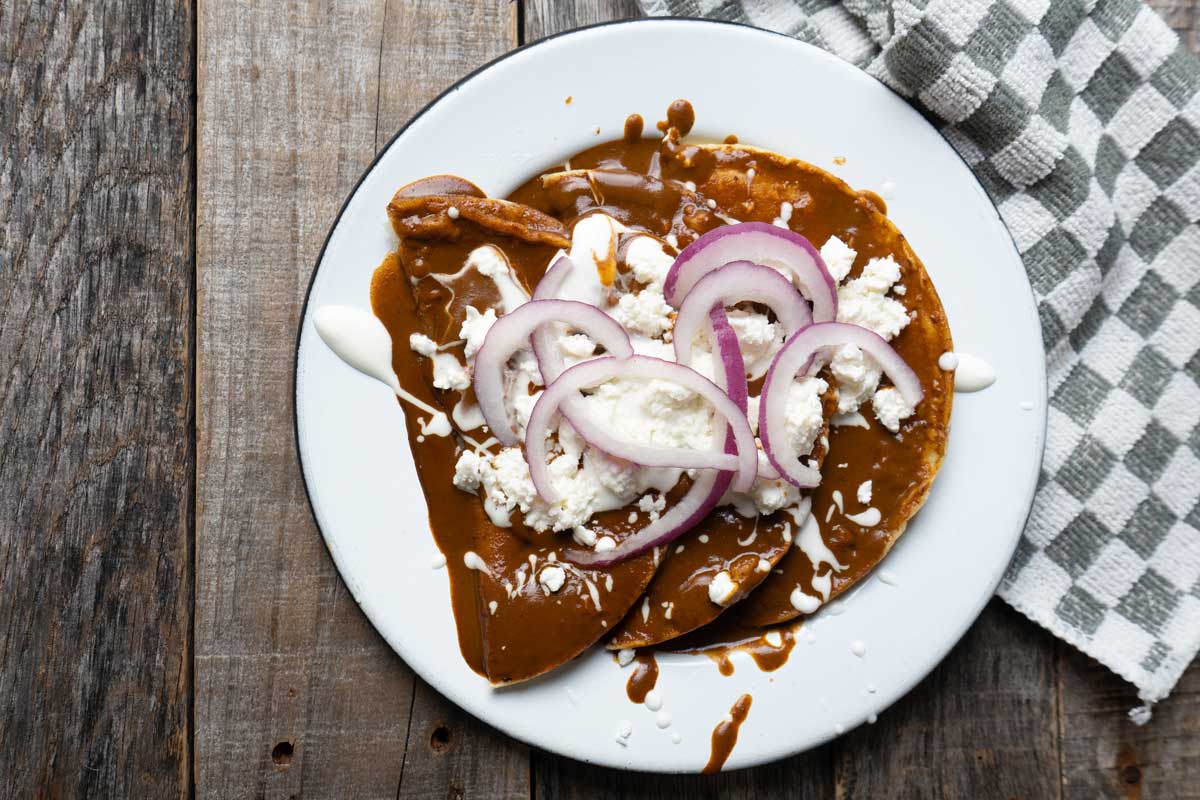
Panela is an incredibly versatile sweetener that can be used in a wide range of dishes, from traditional Latin American drinks to baked goods, sauces, and even savory meals.
Its deep caramel-like flavor adds a unique richness that refined sugar simply can’t match.
Whether you’re stirring it into your morning coffee or using it to glaze meats, panela is a must-have ingredient in any kitchen.
1. Traditional Latin American Drinks ☕

Panela is a key ingredient in many iconic Latin American beverages, often enjoyed for its warming, comforting taste and nutritional benefits.
- Aguapanela (Colombia, Venezuela, Ecuador) – A refreshing or hot drink made by dissolving panela in water, often served with lime juice.
- Canelazo (Ecuador, Peru, Colombia) – A spiced hot drink made with panela, cinnamon, and aguardiente (sugarcane liquor).
- Café de Olla (Mexico) – Traditional Mexican coffee brewed with panela, cinnamon, and cloves, giving it a sweet and aromatic flavor.
- Chicha (Andean countries) – A fermented or non-fermented corn drink sweetened with panela.
- Mate Dulce (Argentina, Paraguay, Uruguay) – A variation of mate tea, where panela is used instead of sugar or honey.
✅ Tip: Simply dissolve panela in hot water or milk for an instant natural sweetener in coffee, tea, or smoothies!
2. Baking and Desserts
Panela works beautifully in baked goods and desserts, enhancing flavors with its rich, molasses-like notes.
You can use it in place of white or brown sugar to make your sweets more nutritious and flavorful.
- Cakes & Muffins – Adds moisture and a subtle caramel flavor to banana bread, carrot cake, and spiced muffins.
- Cookies & Biscuits – Can replace brown sugar for a deeper, richer taste in gingerbread, chocolate chip cookies, and shortbread.
- Flan & Custards – Used to make a darker, more complex caramel sauce for flan or crème brûlée.
- Rice Pudding (Arroz con Leche) – Panela gives traditional rice pudding a warm and toasty sweetness.
- Dulce de Panela – A chewy, fudgy Latin American dessert made by boiling panela with milk and spices.
✅ Substitution Tip: Replace 1 cup of refined sugar with ¾ cup of grated panela for a more complex sweetness in your baking.
3. Sauces, Syrups & Dressings
Panela melts smoothly into syrups, glazes, and sauces, making it an excellent natural sweetener for both sweet and savory dishes.
- Panela Syrup – Simply dissolve panela in hot water to make a natural sweet syrup for pancakes, waffles, or yogurt.
- BBQ & Meat Glazes – Caramelizes beautifully on grilled meats, ribs, and roasted chicken.
- Salad Dressings – Adds a hint of sweetness to vinaigrettes and citrus-based dressings.
- Dulce de Leche (Arequipe, Cajeta) – A rich caramel sauce made by cooking panela with milk until thickened.
- Hot Chocolate (Chocolate de Panela) – Traditional Latin American hot chocolate sweetened with panela, often infused with cinnamon.
✅ Tip: Panela syrup can also be used as a natural replacement for maple syrup or honey!
4. Savory Dishes
Though it’s mostly used in sweets, panela can also enhance savory dishes by adding a touch of depth and balance to salty and spicy flavors.
- Adobos & Marinades – Used in Mexican and Peruvian marinades for pork, chicken, and beef.
- Mole Sauce (Mexico) – A key ingredient in mole, adding sweetness to balance out the spices and chocolate.
- Glazed Vegetables – Works great for caramelizing roasted carrots, sweet potatoes, and plantains.
- Asian-Style Stir-Fries – Can be used instead of brown sugar in teriyaki and soy-based sauces.
- Pickling & Fermenting – Helps balance the acidity in pickled onions, kimchi, or kombucha.
✅ Pro Tip: Use grated panela instead of brown sugar in any recipe for a deeper, more complex sweetness.
5. Panela in Global Cuisine
Panela isn’t just a Latin American staple—it’s widely used in other cultures under different names!
- Jaggery (India, Pakistan, Sri Lanka) – A similar unrefined sugar made from sugarcane or palm sap, used in chai, sweets, and curries.
- Gula Melaka (Malaysia, Indonesia) – A palm sugar variation often used in desserts like pandan cakes and coconut-based sweets.
- Rapadura (Brazil) – A close cousin of panela, used in drinks and desserts like Brazilian brigadeiros.
- Kokuto (Japan) – Okinawan brown sugar with a deep, molasses-like flavor used in traditional sweets.
✅ Culinary Fusion Idea: Try replacing jaggery, coconut sugar, or brown sugar with panela in your favorite international recipes!
How to Use Panela in Your Daily Cooking
- Grate it into baking recipes, marinades, and dressings.
- Dissolve it in hot beverages, sauces, and syrups.
- Melt it to make a caramelized glaze for meats or desserts.
- Blend it into smoothies or protein shakes for a natural energy boost.
- Sprinkle it over oatmeal, yogurt, or fresh fruit.
Final Thoughts
Panela is far more than just a sweetener—it’s a flavor enhancer, a nutrient booster, and a staple ingredient in many traditional and modern dishes.
Whether you’re making a warm cup of aguapanela, a batch of cookies, or a delicious BBQ glaze, panela adds a natural depth and richness that refined sugars simply can’t match.
On Colombia’s Caribbean coast, panela is also what turns grated coconut into dark cocadas de panela, a chewy coconut candy.
Panela and Health: Is It a Better Alternative to Sugar?

With the growing interest in natural sweeteners, many people are turning to panela as a healthier alternative to refined sugar.
But is panela really better for you?
Let’s break down the health benefits, glycemic impact, and potential drawbacks of this unrefined cane sugar.
1. How Does Panela Compare to Refined Sugar?
Panela is often considered a better choice than white sugar because it undergoes minimal processing and retains more nutrients.
Here’s how they compare:
| Feature | Panela | White Sugar |
|---|---|---|
| Processing | Unrefined, made from evaporated sugarcane juice | Highly refined, chemically processed |
| Nutrient Content | Contains iron, calcium, magnesium, potassium | Stripped of all nutrients |
| Glycemic Index (GI) | ~50-65 (moderate) | ~65-70 (high) |
| Flavor | Rich, caramel-like with natural molasses | Neutral, overly sweet |
| Additives | None | Often contains bleaching agents |
| Health Benefits | Contains antioxidants and minerals | Empty calories with no health benefits |
✅ Conclusion: Unlike refined sugar, which is purely empty calories, panela offers minerals, antioxidants, and a more complex flavor profile—making it the superior choice in terms of nutrition.
2. Does Panela Affect Blood Sugar Levels?
Since panela is still sugar, it can impact blood glucose levels, but it does so more gradually compared to refined sugar.
-
Glycemic Index (GI):
- Panela’s GI ranges between 50-65, meaning it raises blood sugar slower than white sugar (GI 65-70).
- This makes it better for energy regulation and reduces the likelihood of sugar crashes.
- However, it still affects blood sugar, meaning diabetics should consume it in moderation.
-
Why is Panela’s GI Lower?
- It contains molasses, fiber, and minerals, which slow down glucose absorption.
- Refined sugar lacks these natural components, leading to faster blood sugar spikes.
✅ Conclusion: While not a low-GI food, panela is still a better choice than white sugar if you’re looking to avoid extreme spikes and crashes in energy levels.
3. Nutritional Benefits of Panela
Panela provides more nutrients than refined sugar, making it a better whole food sweetener.
Key Nutrients in Panela:
- Iron – Supports healthy blood circulation and prevents anemia.
- Calcium – Essential for bone strength and muscle function.
- Magnesium – Helps with nerve function, relaxation, and metabolism.
- Potassium – Aids in heart health, hydration, and muscle recovery.
- Antioxidants – Supports immune function and reduces oxidative stress.
These nutrients are absent in refined sugar, which is why panela is often recommended as a more wholesome alternative.
✅ Conclusion: If you want a sweetener with added health benefits, panela is one of the best natural options.
4. Can Panela Help with Weight Management?
While panela contains more nutrients than refined sugar, it is still a source of calories and should be consumed in moderation.
Pros for Weight Management:
✔ More satisfying than white sugar – The complex flavor means you may use less.
✔ Provides steady energy – Less likelihood of sugar crashes and cravings.
✔ Contains minerals – Helps balance metabolism and muscle function.
Cons for Weight Management:
❌ Still contains calories – Panela has about 15-20 calories per teaspoon (similar to sugar).
❌ Overconsumption can lead to weight gain – If not balanced within a diet, excessive panela intake can contribute to increased calorie consumption.
✅ Conclusion: If used in moderation, panela can be a better alternative to refined sugar in a balanced diet. However, it is not a weight-loss food on its own.
5. Is Panela Good for Digestion and Immunity?
Many traditional cultures believe panela has digestive and immune-boosting properties, and there’s some scientific basis for these claims.
-
Supports Gut Health:
- The molasses content in panela stimulates digestion and may help with constipation.
- Some traditional remedies use panela-based drinks to soothe upset stomachs.
-
Boosts the Immune System:
- In Colombia, Peru, and India, panela is used in home remedies for cold and flu relief.
- It is often combined with ginger, lemon, and spices to create warming drinks that help with congestion and sore throats.
✅ Conclusion: While not a medicine, panela can support digestion and immunity, especially when used in natural remedies.
6. Who Should Avoid Panela?
While panela is a healthier sugar alternative, there are some cases where it should be limited.
Panela May Not Be Ideal For:
❌ Diabetics – Since it still raises blood sugar levels, diabetics should consume it cautiously.
❌ People on a Low-Carb Diet – Panela is still a carbohydrate-rich sweetener.
❌ Those Watching Their Caloric Intake – Despite its nutrients, panela contains the same calories as sugar.
✅ Conclusion: Panela is better than refined sugar, but it should be used in moderation, especially for people with dietary restrictions.
7. Final Verdict: Should You Use Panela Instead of Sugar?
Panela is a natural, minimally processed, and nutrient-rich sweetener that offers more benefits than refined sugar.
However, it is still a form of sugar and should be used responsibly.
✔ Panela is a better choice if:
✅ You want a natural, unprocessed sweetener.
✅ You need a source of minerals like iron, calcium, and potassium.
✅ You prefer a rich, caramel-like flavor in your food and drinks.
✅ You want to avoid refined sugar’s empty calories and additives.
❌ You should limit panela if:
❌ You have diabetes or need to strictly manage blood sugar levels.
❌ You are on a low-carb or ketogenic diet.
❌ You are trying to lose weight and need to reduce sugar intake.
The Bottom Line
Panela is a nutrient-dense, flavorful, and more natural alternative to white sugar, making it a great choice for a healthier diet.
However, like all sugars, it should be enjoyed in moderation to maintain overall health and balance.
Where to Buy and How to Store Panela
Panela is becoming increasingly popular worldwide due to its natural sweetness, rich flavor, and health benefits.
Whether you’re looking to buy it locally or online, here’s how you can find high-quality panela and store it properly to keep it fresh for longer.
Where to Buy Panela

1. Local Grocery Stores & Specialty Shops
Panela is widely available in Latin American, Caribbean, and international grocery stores.
Look for it in:
- Latin American supermarkets – Stores specializing in Colombian, Mexican, or Peruvian products often carry it.
- Health food stores – Organic and natural food markets stock panela as a refined sugar alternative.
- Asian and Indian grocery stores – Panela may be sold under different names, like jaggery (India) or rapadura (Brazil).
✅ Pro Tip: Check the Latin foods section or the natural sweeteners aisle in large supermarkets.
2. Online Retailers
For convenience, panela is widely available online, with various options for bulk purchases.
You can find it on:
- Amazon – Many brands offer blocks, granulated, and powdered panela.
- Walmart & Target – Some locations and online stores carry it in the natural sweeteners section.
- Latin American food retailers – Websites specializing in Colombian, Mexican, or Peruvian products ship panela worldwide.
- Health and organic food websites – Many organic and fair-trade brands offer sustainably sourced panela.
✅ Pro Tip: Look for certified organic and fair-trade panela to ensure high quality and ethical sourcing.
3. Farmers’ Markets & Direct From Producers
If you prefer artisanal, small-batch panela, check:
- Local farmers’ markets – Some vendors sell handmade or organic panela.
- Fair-trade cooperatives – Websites that support small-scale farmers offer authentic, chemical-free panela.
- Directly from Latin American suppliers – Many Colombian, Ecuadorian, and Peruvian panela producers sell directly online.
✅ Pro Tip: Buying from direct farmers or fair-trade brands supports sustainable agriculture and small producers.
How to Store Panela Properly

To keep panela fresh and prevent it from hardening or spoiling, follow these simple storage tips:
1. Store in an Airtight Container
Panela can absorb moisture from the air, causing it to harden. To keep it fresh:
✔ Use an airtight glass or plastic container.
✔ Keep it away from humidity to prevent clumping.
✔ Store granulated panela in a sealed jar for easy scooping.
✅ Pro Tip: If your panela hardens, place it in a bowl and cover it with a damp cloth overnight to soften it.
2. Keep It in a Cool, Dry Place
Like other unrefined sugars, panela should be stored:
✔ In a dark, cool cupboard (away from direct sunlight).
✔ Away from heat sources like ovens or stoves.
✔ Avoid storing in the refrigerator, as moisture can cause crystallization.
✅ Pro Tip: If storing panela blocks, wrap them in parchment paper before placing them in a container.
3. Freezing Panela (Long-Term Storage) ❄️
If you buy large quantities of panela, freezing can help maintain freshness.
✔ Wrap panela blocks in plastic wrap or a freezer bag.
✔ Store granulated panela in an airtight container before freezing.
✔ When ready to use, let it thaw at room temperature before grating or crushing.
✅ Pro Tip: Avoid defrosting and refreezing multiple times, as moisture can change its texture.
How Long Does Panela Last? ️
When stored properly, panela has a long shelf life:
- Granulated or powdered panela: Up to 2 years if stored in an airtight container.
- Panela blocks or discs: Up to 3 years, if kept dry and sealed.
- Panela syrup: Up to 6 months in the refrigerator.
✅ Pro Tip: If your panela smells fermented or moldy, it may have been exposed to too much moisture—discard and replace it.
Final Thoughts
Panela is easy to find, affordable, and simple to store, making it a great natural sweetener for any kitchen.
Whether you buy it at a local store, order online, or get it fresh from farmers, ensuring proper storage will keep your panela fresh, soft, and ready to use.
Why Panela is the Best Natural Sweetener for Health and Flavor

Panela is a nutrient-rich, unrefined sugar that adds depth, flavor, and health benefits to a variety of dishes.
Unlike refined sugar, which is stripped of its minerals, panela retains iron, calcium, magnesium, and antioxidants, making it a better choice for those looking for a healthier sugar alternative.
From traditional Latin American drinks like aguapanela to Indian jaggery-based sweets, panela has a global culinary presence that highlights its versatility and rich caramel taste.
Whether you’re using it in coffee, desserts, sauces, or marinades, panela offers a natural and sustainable way to sweeten your favorite recipes.
If you’re looking for a healthier, organic, and unprocessed alternative to white sugar, panela is the perfect choice.
Try it today and experience the authentic flavor and benefits of this ancient, all-natural sweetener!
Ready to cook with panela?
More Colombian Foods
See all →
Jorge Garcia is the founder of AmigoFoods, where he has spent over 20 years helping readers discover authentic Latin American and Spanish cuisine. Raised in a Cuban-American household, Jorge learned to cook at the hands of his mother and grandmother, carrying forward generations of family recipes. That heritage, backed by his family’s four-generation history in the Latin food industry, inspired him to launch AmigoFoods in 2003. With more than 1,000 published articles on recipes, ingredients, and food culture, Jorge’s mission is simple: make authentic Latin cooking approachable for home cooks everywhere while honoring the traditions behind every dish.
Please Share & Spread the Love of Latin Foods!