
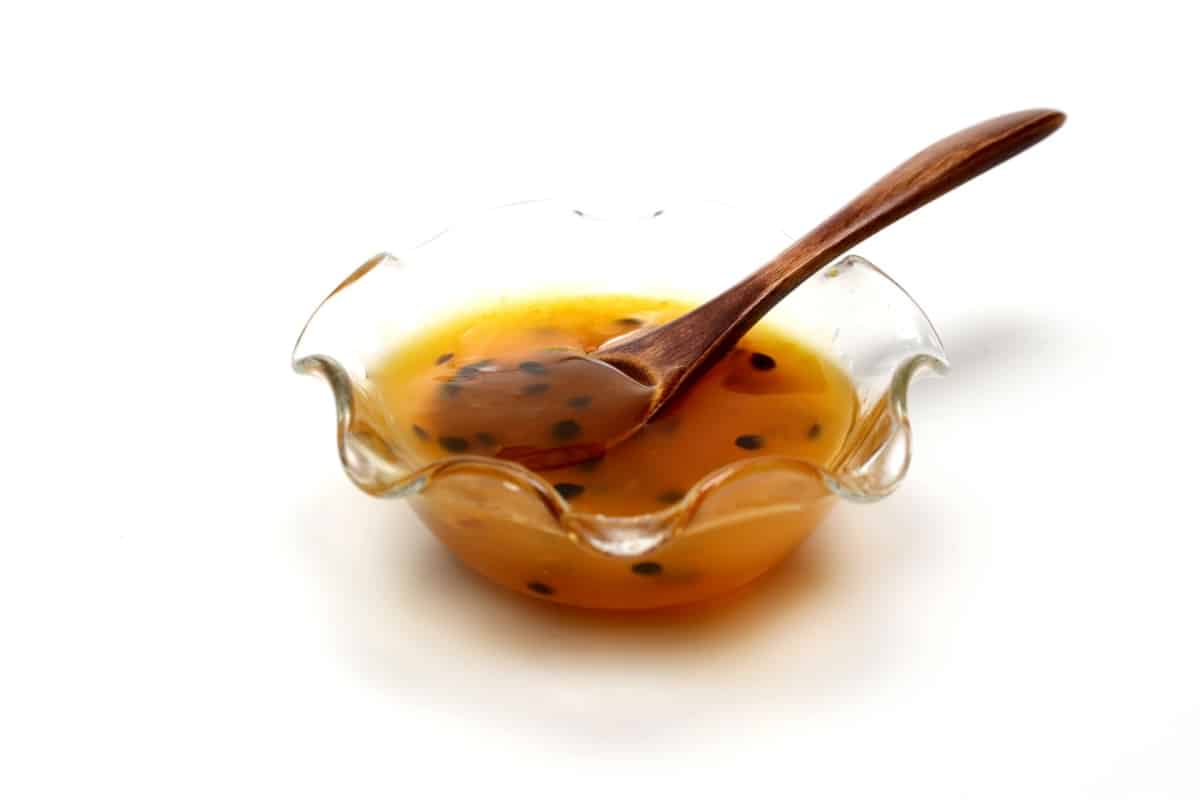
Maracuya sauce turns tangy passion fruit, used across Latin American cooking, into a glossy topping for cheesecake, yogurt or cooked fish. This cornstarch-thickened version takes about 20 minutes, with sugar and citrus adjusted to the fruit’s flavor.
Maracuya Sauce at a Glance
What is Maracuya?

Maracuya, known in English as passion fruit, is a tropical fruit that boasts a unique combination of sweet and tart flavors, making it a favorite in many Latin American cuisines.
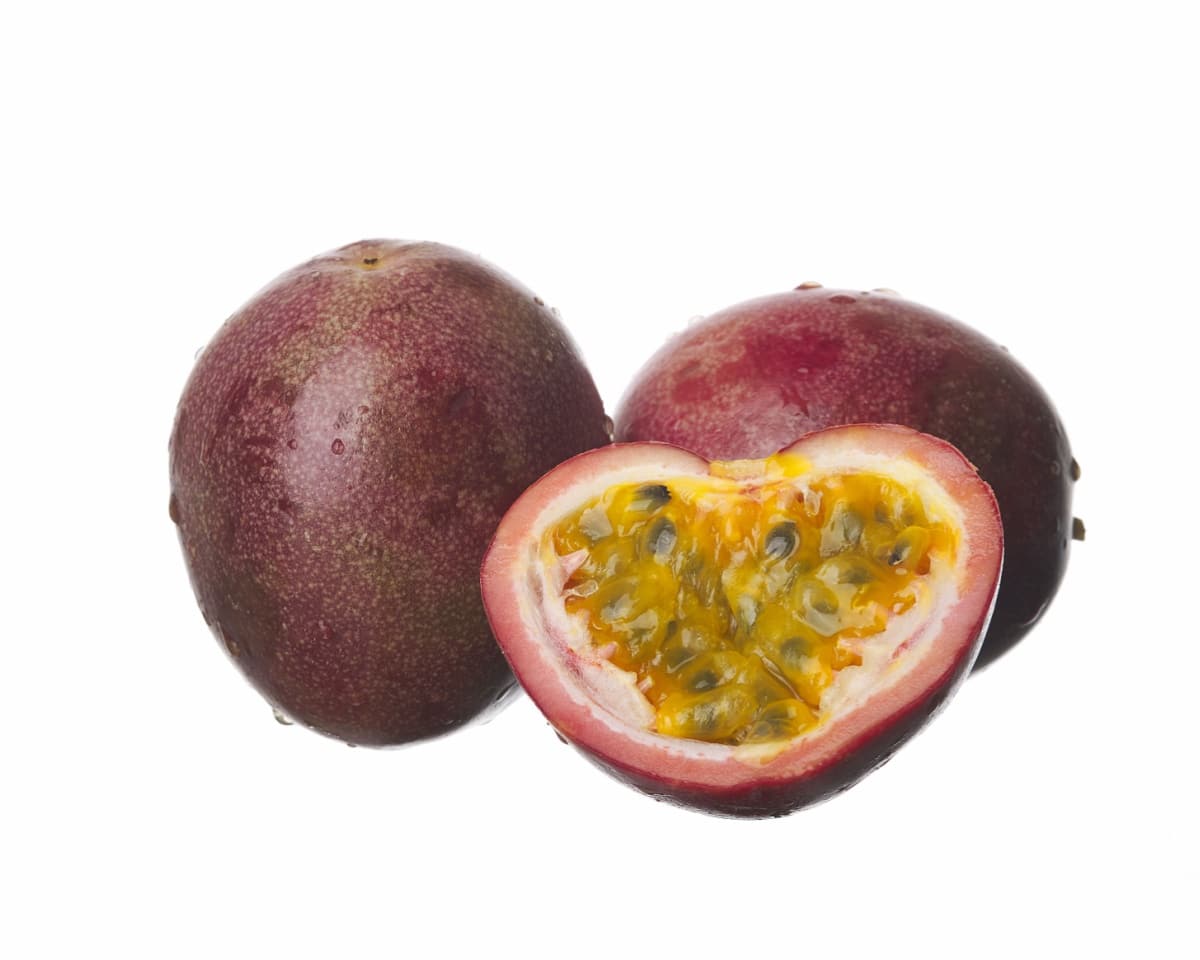
This exotic fruit is characterized by its round or oval shape, tough outer rind, and a juicy, seed-filled interior that offers a burst of aromatic flavor with every bite.
Description
Maracuya’s flavor profile is complex, blending citrusy tang with a hint of floral sweetness.
The pulp is typically yellow to orange, while the rind may be yellow or purple, and is filled with small, edible seeds that add a delightful crunch.
The vibrant color and fragrant aroma of Maracuya make it an appealing ingredient in both sweet and savory dishes.
Origin and Cultivation
Originating from South America, passion fruit is now cultivated in tropical and subtropical regions around the world.
Countries such as Brazil, Colombia, Ecuador, and Peru are renowned for their high-quality Maracuya.
The fruit thrives in warm climates with plenty of sunlight and well-drained soil.
Nutritional Benefits
Maracuya is not only delicious but also packed with essential nutrients.
It is a rich source of vitamins A and C, which are powerful antioxidants that support immune health and skin vitality.
The fruit also contains dietary fiber, which aids in digestion, and essential minerals like potassium and magnesium, which are important for heart health.
Varieties of Passion Fruit
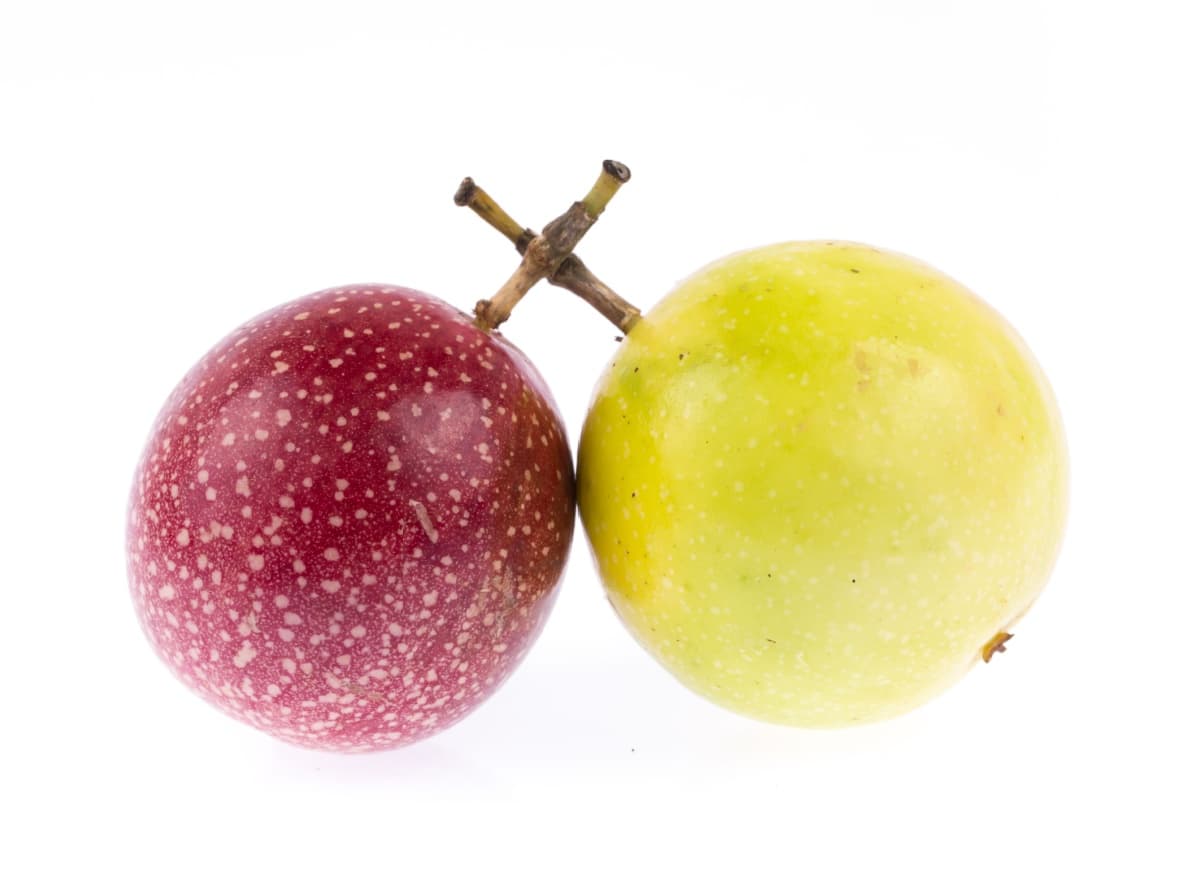
There are several varieties of passion fruit, each with its distinct characteristics:
- Yellow Passion Fruit (Passiflora edulis f. flavicarpa): Known for its bright yellow rind and slightly larger size, this variety has a more acidic taste, making it perfect for sauces and juices.
- Purple Passion Fruit (Passiflora edulis f. edulis): This smaller, purple-skinned variety is sweeter and less acidic, often enjoyed fresh or in desserts.
- Giant Granadilla (Passiflora quadrangularis): The largest of the passion fruits, it has a mild, melon-like flavor and is typically used in beverages and fruit salads.
Ingredients for Maracuya Sauce
Use unsweetened passion-fruit pulp or purée for this sweet-tart sauce.
- 1 cup (240 ml) unsweetened passion-fruit pulp or purée, measured after optional straining
- 1/2 cup (100 g) granulated sugar, adjusted to taste
- 1/4 cup (60 ml) water
- 1–2 tablespoons fresh lemon or lime juice, to taste
- 1 tablespoon cornstarch
- 2 tablespoons cold water, for the cornstarch slurry
- 1 tablespoon unsalted butter, optional
- 1 teaspoon vanilla extract, optional for dessert use
- Pinch of salt, optional
Measure the pulp after straining if you want a seedless sauce. The edible seeds can also stay in for texture.
How to Make Maracuya Sauce
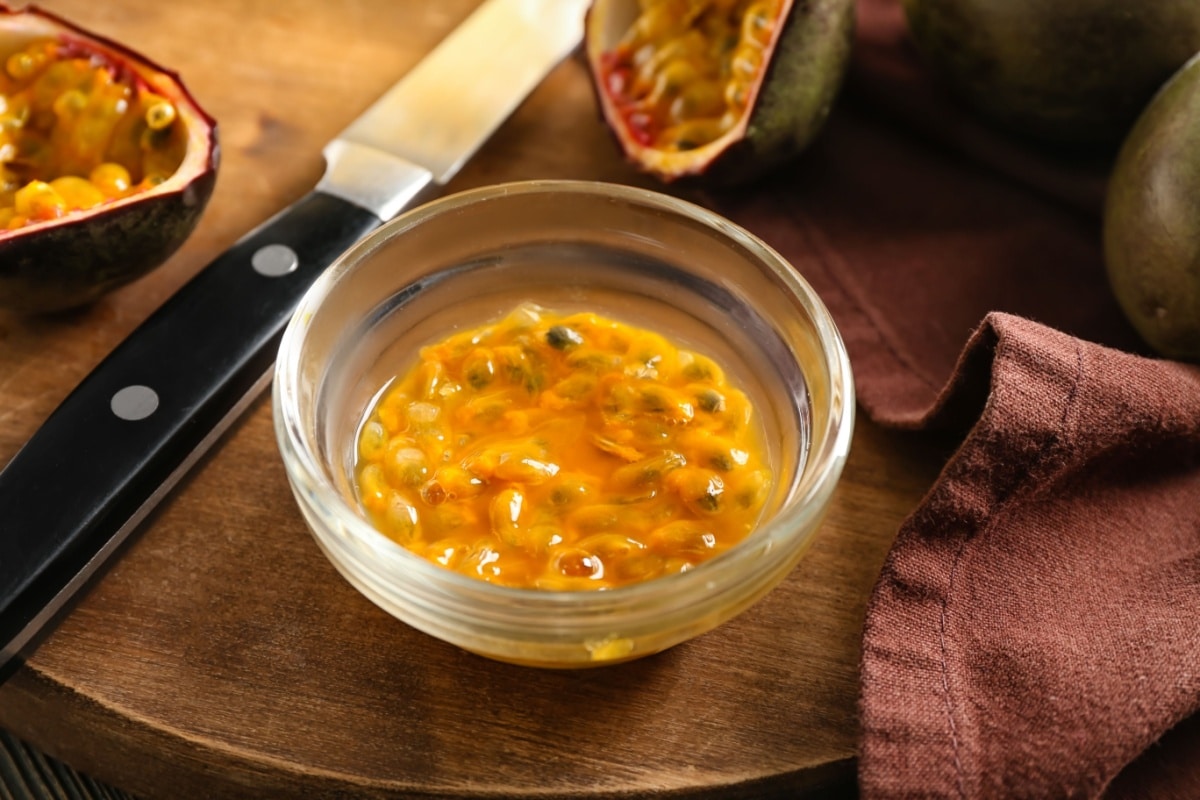
- If using fresh fruit, halve it and scoop out the pulp. Keep the edible seeds or press through a fine-mesh strainer with a spoon. Measure 1 cup after straining if you want a smooth sauce. Thaw frozen unsweetened pulp before measuring.
- Stir the cornstarch and 2 tablespoons cold water in a small bowl until smooth.
- Combine the pulp, sugar and 1/4 cup water in a small saucepan. Stir over medium heat until the sugar dissolves. Taste carefully and add 1 tablespoon citrus juice, adding the second only if you want more tartness.
- Stir the slurry again, then whisk it into the saucepan. Bring to a gentle boil while stirring and cook about 1–2 minutes, until glossy and thick enough to coat a spoon. Avoid prolonged boiling; the sauce thickens further as it cools.
- Remove from the heat. Stir in the optional butter, vanilla for desserts, and pinch of salt. Use warm, or transfer to a shallow heatproof container to cool. Thin with a little water if needed.
- Refrigerate promptly, within 2 hours, in a covered container. Use within 3–4 days, or freeze portions for up to 2 months for best quality. Thaw in the refrigerator and whisk gently while reheating if the texture separates.
Recipe notes
Makes approximately 1 1/2 cups, or 12 portions of about 2 tablespoons; actual yield varies with reduction and whether seeds are retained. Allow about 10 minutes prep and 10 minutes cooking, plus cooling as needed for your intended use.
Use unsweetened pulp or purée, not diluted juice, nectar or concentrated flavoring. Start with the listed sugar and adjust for the fruit’s acidity. Honey, agave and other sweeteners change sweetness and consistency; they are not automatic equal-volume replacements.
This version uses cornstarch. Other thickeners have different heating requirements, so do not treat arrowroot, tapioca or pudding mix as interchangeable. For a looser drizzle, stir in a little water. For drinks, plain pulp or an unthickened syrup generally mixes more easily.
Omit butter for a dairy-free version; omit honey and use suitable sugar if preparing a vegan variation. For a savory glaze, leave out vanilla. Keep sauce used on raw meat separate from sauce served at the table.
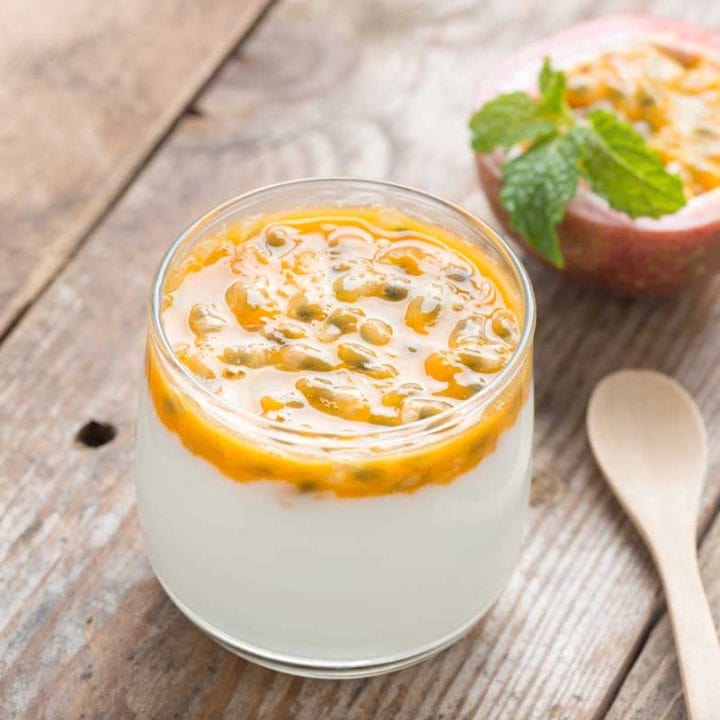
Maracuya Sauce
A sweet-tart passion-fruit sauce thickened with cornstarch for desserts, yogurt or a light glaze for cooked fish and meat.
Ingredients
- 1 cup (240 ml) unsweetened passion-fruit pulp or purée, measured after optional straining
- 1/2 cup (100 g) granulated sugar, adjusted to taste
- 1/4 cup (60 ml) water
- 1–2 tablespoons fresh lemon or lime juice, to taste
- 1 tablespoon cornstarch
- 2 tablespoons cold water, for the cornstarch slurry
- 1 tablespoon unsalted butter, optional
- 1 teaspoon vanilla extract, optional for dessert use
- Pinch of salt, optional
Instructions
- If using fresh fruit, halve it and scoop out the pulp. Keep the edible seeds or press through a fine-mesh strainer with a spoon. Measure 1 cup after straining if you want a smooth sauce. Thaw frozen unsweetened pulp before measuring.
- Stir the cornstarch and 2 tablespoons cold water in a small bowl until smooth.
- Combine the pulp, sugar and 1/4 cup water in a small saucepan. Stir over medium heat until the sugar dissolves. Taste carefully and add 1 tablespoon citrus juice, adding the second only if you want more tartness.
- Stir the slurry again, then whisk it into the saucepan. Bring to a gentle boil while stirring and cook about 1–2 minutes, until glossy and thick enough to coat a spoon. Avoid prolonged boiling; the sauce thickens further as it cools.
- Remove from the heat. Stir in the optional butter, vanilla for desserts, and pinch of salt. Use warm, or transfer to a shallow heatproof container to cool. Thin with a little water if needed.
- Refrigerate promptly, within 2 hours, in a covered container. Use within 3–4 days, or freeze portions for up to 2 months for best quality. Thaw in the refrigerator and whisk gently while reheating if the texture separates.
Notes
Makes approximately 1 1/2 cups, or 12 portions of about 2 tablespoons; actual yield varies with reduction and whether seeds are retained. Allow about 10 minutes prep and 10 minutes cooking, plus cooling as needed for your intended use.
Use unsweetened pulp or purée, not diluted juice, nectar or concentrated flavoring. Start with the listed sugar and adjust for the fruit’s acidity. Honey, agave and other sweeteners change sweetness and consistency; they are not automatic equal-volume replacements.
This version uses cornstarch. Other thickeners have different heating requirements, so do not treat arrowroot, tapioca or pudding mix as interchangeable. For a looser drizzle, stir in a little water. For drinks, plain pulp or an unthickened syrup generally mixes more easily.
Omit butter for a dairy-free version; omit honey and use suitable sugar if preparing a vegan variation. For a savory glaze, leave out vanilla. Keep sauce used on raw meat separate from sauce served at the table.
Aline Shaw’s sauce shows a reduced pulp-and-sugar style; Annie Falk’s savory version uses a starch slurry. This recipe keeps the sweet, thickened style.
Maracuya Sauce Tips and Tricks
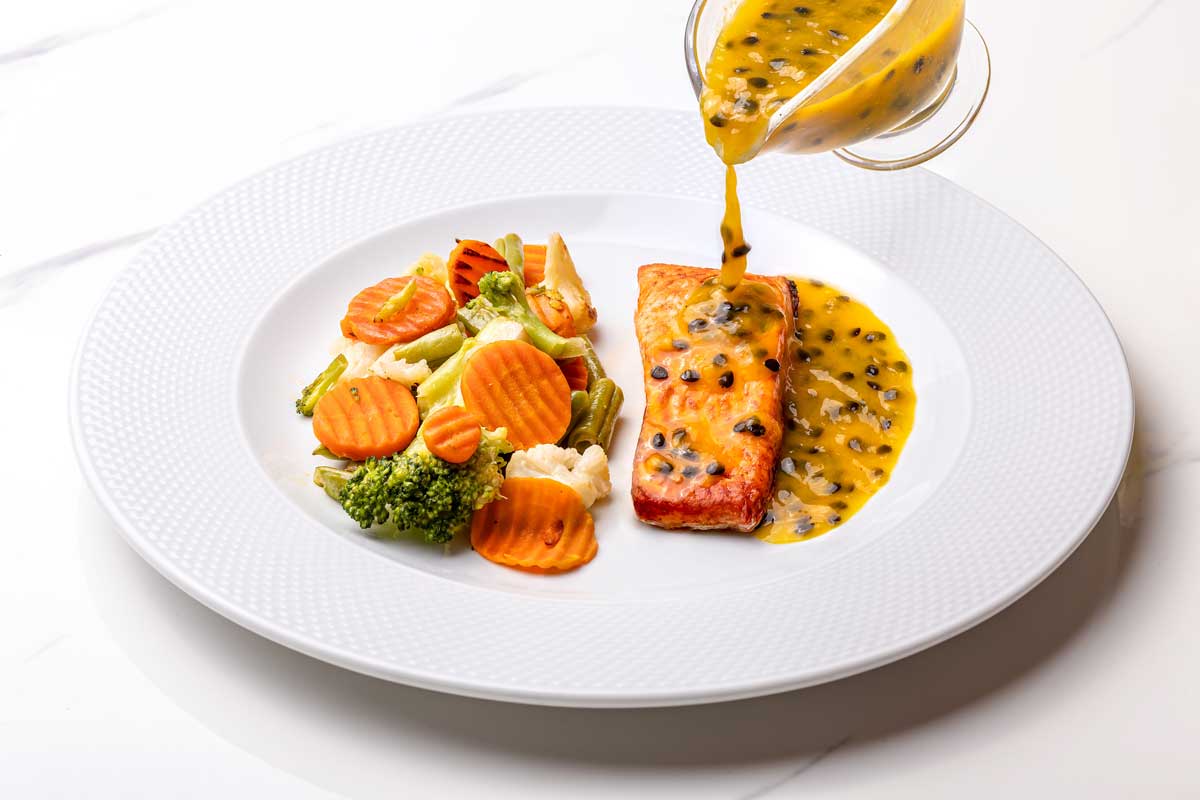
Crafting the perfect Maracuya sauce involves more than just following a recipe.
Here are some expert tips and tricks to help you achieve the best flavor, texture, and overall result for your Maracuya sauce.
Cooking Tips
- Choose the Right Fruit: Fresh, ripe passion fruits are ideal for the best flavor. Look for fruits that are wrinkled and heavy for their size, indicating ripeness and juiciness.
- Adjust Sweetness: Taste the sauce as you go and adjust the sugar to suit your preference. If the passion fruit is particularly tart, you may need a bit more sugar.
- Balance Acidity: The lemon or lime juice adds a zesty kick but can be adjusted based on your taste. If the sauce is too tangy, add a bit more sugar or a small amount of honey.
- Control Thickness: If the sauce is too thick, add a small amount of water to reach the desired consistency. If it seems thin, let a spoonful cool before judging the texture; avoid boiling a starch-thickened sauce for a long time.
- Smooth Texture: For a smoother sauce, strain the passion fruit pulp to remove the seeds before cooking. Straining before cooking is easier than blending hot, thick sauce.
Storage Tips
- Refrigeration: Store the Maracuya sauce in an airtight container in the refrigerator. Use within 3–4 days.
- Freezing: For longer storage, freeze the sauce in ice cube trays. Once frozen, transfer the cubes to a ziplock bag. This way, you can thaw small portions as needed.
- Avoid Reheating Multiple Times: To maintain the best quality, only reheat the amount of sauce you plan to use immediately.
Common Mistakes to Avoid
- Overcooking: Passion fruit has a delicate flavor that can become bitter if overcooked. Cook the sauce just until it thickens and then remove it from heat.
- Skipping the Thickener: This recipe uses a cornstarch slurry for a thicker sauce. Other passion-fruit sauces rely on reduction alone, but require different cooking times.
- Neglecting to Stir: Constant stirring while adding the thickener prevents lumps from forming and ensures a smooth, consistent sauce.
- Improper Cooling: Transfer to a shallow container and refrigerate promptly, within 2 hours; do not leave it out waiting to become completely cold.
- Ignoring Freshness: Always use fresh ingredients for the best flavor. Old or subpar passion fruits can negatively impact the taste of the sauce.
By keeping these tips and tricks in mind, you’ll be well on your way to creating a Maracuya sauce that’s not only delicious but also consistently perfect every time.
Uses of Maracuya Sauce
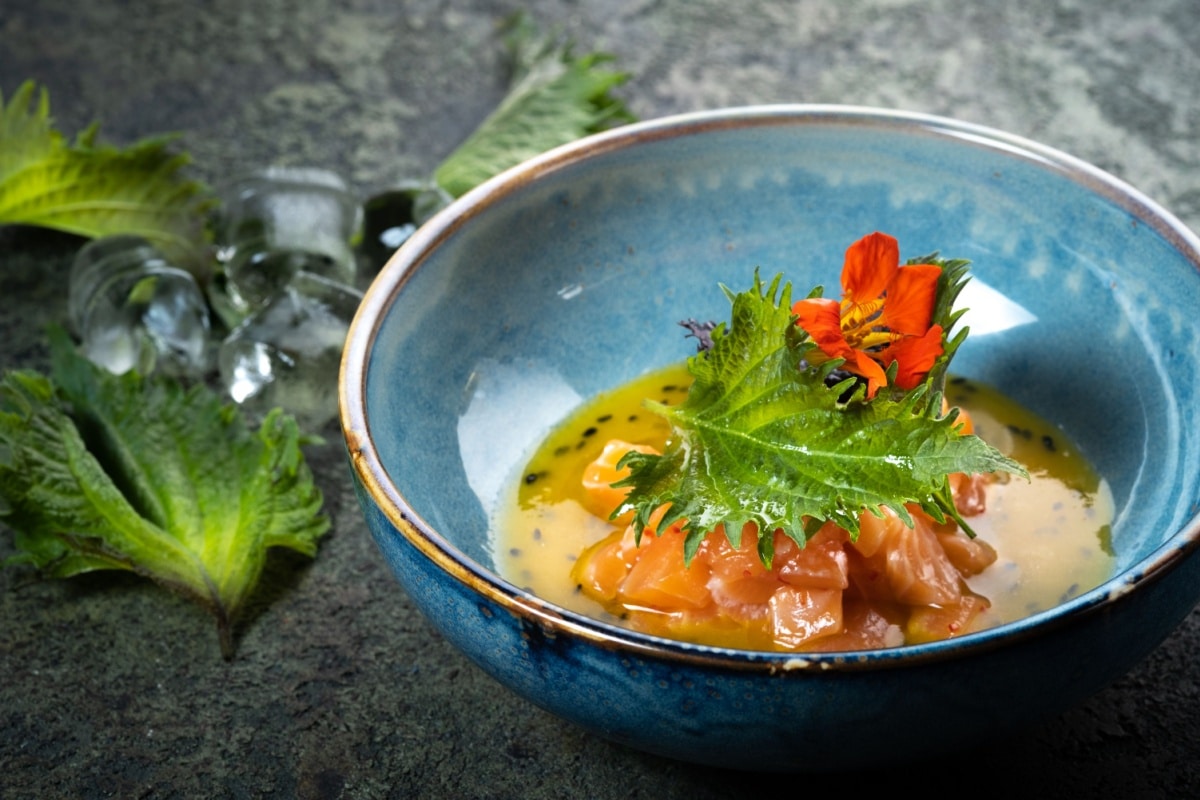
Maracuya sauce is incredibly versatile and can be used to enhance a wide variety of dishes.
Here are some delicious ideas and suggestions on how to incorporate this tropical delight into your meals.
Serving Suggestions
- Desserts:
- Cheesecakes: Drizzle Maracuya sauce over a classic cheesecake for a burst of tropical flavor. The tangy sweetness pairs perfectly with the creamy texture.
- Ice Cream and Sorbet: Use the sauce as a topping for vanilla ice cream or sorbet. The contrast between the cold dessert and the warm sauce is irresistible.
- Pancakes and Waffles: Pour Maracuya sauce over your morning pancakes or waffles instead of syrup for a refreshing twist.
- Savory Dishes:
- Grilled Meats: Brush Maracuya sauce onto grilled chicken, pork, or shrimp as a glaze. The sauce adds a sweet and tangy dimension that complements the smokiness of grilled meats.
- Fish and Seafood: Pair the sauce with white fish like tilapia or mahi-mahi. The acidity of the passion fruit cuts through the richness of the fish, creating a well-balanced dish.
- Salads: Use Maracuya sauce as a dressing for tropical fruit salads or mixed greens. It adds a burst of flavor and makes a simple salad exciting.
- Beverages:
- Cocktails: Mix Maracuya sauce into cocktails like mojitos, margaritas, or caipirinhas for a unique twist. Use only a small amount and stir well; plain pulp or an unthickened syrup mixes more easily in drinks.
- Smoothies: Blend the sauce into fruit smoothies for an extra kick of flavor and a touch of natural sweetness.
- Baked Goods:
- Cakes and Muffins: Use Maracuya sauce as a filling or glaze for cakes and muffins. It adds moisture and a tangy flavor that elevates simple baked goods.
- Pastries: Drizzle over pastries like danishes or croissants for a tropical twist.
Maracuya Sauce Recipe Ideas
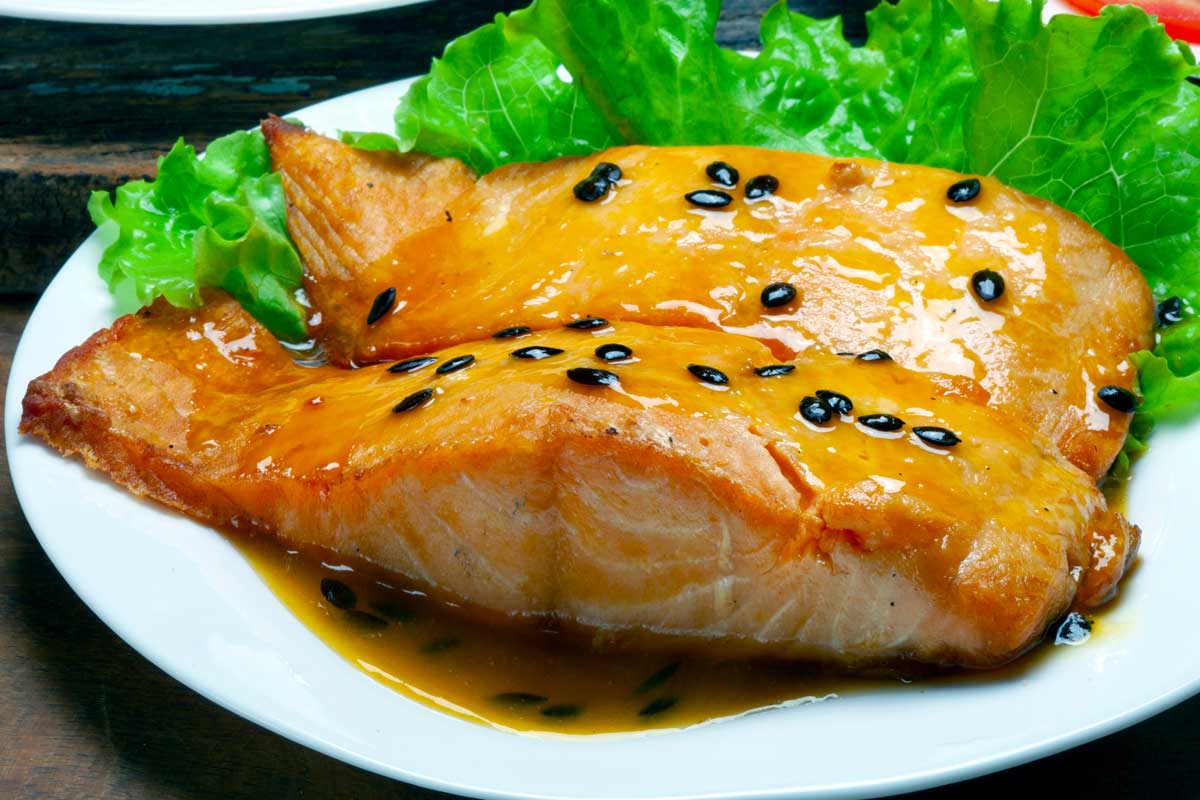
- Maracuya-Glazed Salmon:
- Ingredients: Salmon fillets, Maracuya sauce, salt, pepper, olive oil.
- Instructions: Season the salmon with salt and pepper, brush with olive oil, and grill until almost done. In the last few minutes, brush with Maracuya sauce and continue grilling until caramelized.
- Maracuya Panna Cotta:
- Ingredients: Heavy cream, sugar, gelatin, vanilla extract, Maracuya sauce.
- Instructions: Make a basic panna cotta, let it set, and serve with a generous drizzle of Maracuya sauce on top.
- Tropical Fruit Salad with Maracuya Dressing:
- Ingredients: Pineapple, mango, kiwi, berries, Maracuya sauce.
- Instructions: Chop the fruits into bite-sized pieces, toss with Maracuya sauce, and serve chilled.
Maracuya Sauce Pairing Ideas
- Cheese Boards: Serve Maracuya sauce alongside a variety of cheeses, such as goat cheese or brie, to add a sweet and tangy contrast.
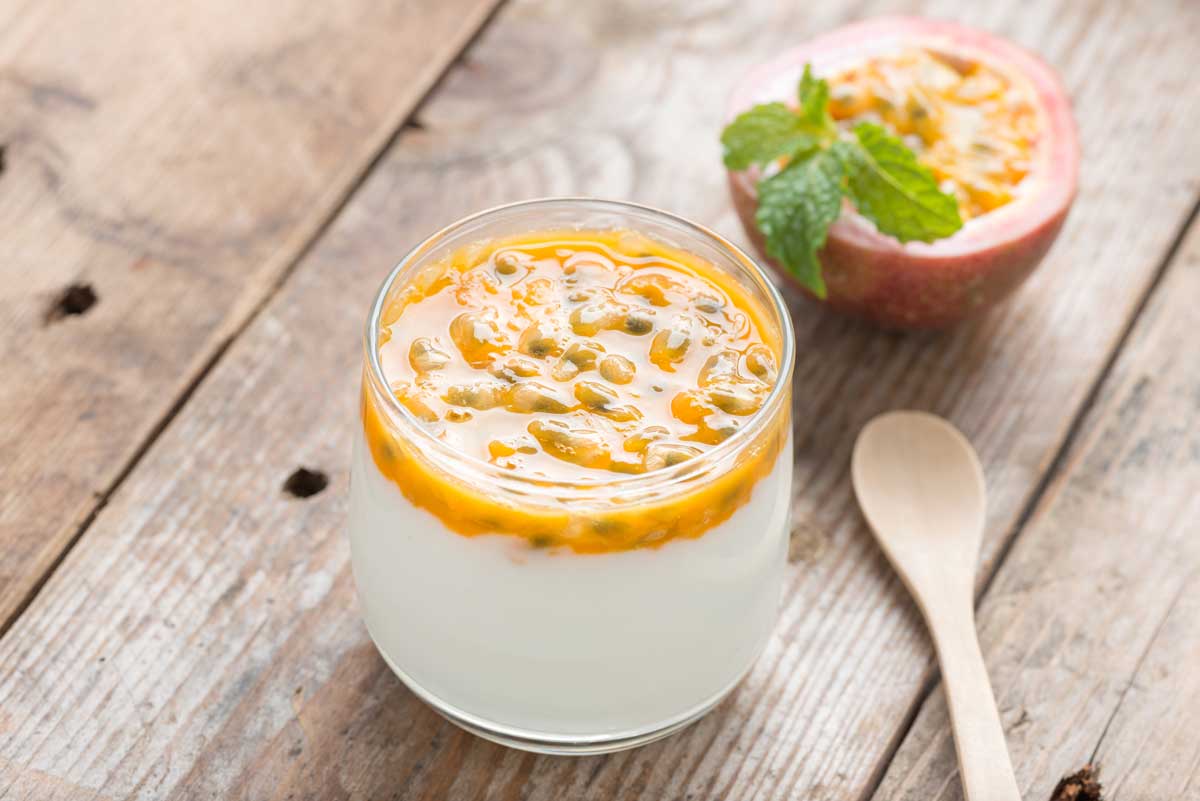
- Yogurt and Granola: Top your morning yogurt and granola with a spoonful of Maracuya sauce for a vibrant and healthy breakfast option.
By exploring these various uses and pairing ideas, you’ll discover how versatile and delightful Maracuya sauce can be.
Whether you’re adding it to sweet treats or savory dishes, its unique flavor is sure to impress your guests and elevate your culinary creations.
Ingredient and Dietary Notes
This is a sweet sauce used in small portions. The fruit contributes flavor and nutrients, while sugar and optional butter affect the finished sauce’s nutrition. Exact amounts depend on the pulp, reduction and serving size.
Honey and agave still contribute sugars, so sweetness and portion size matter with either choice. For a plant-based version, omit butter and honey and choose suitable sugar. Cornstarch is naturally gluten-free, but check all ingredient labels if needed.
The Versatile Delight of Maracuya Sauce
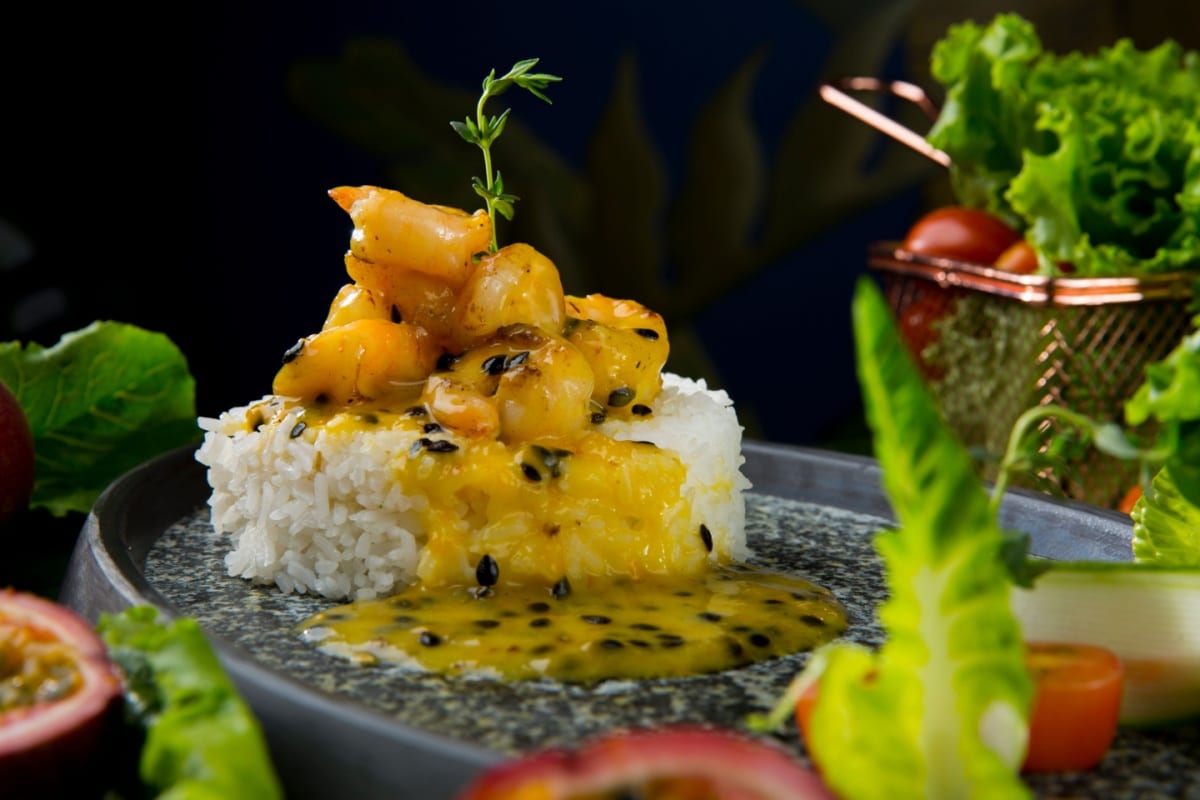
Maracuya sauce is a versatile and delightful addition to any kitchen, bringing the vibrant flavors of tropical passion fruit to a variety of dishes.
Whether you’re using it to add a tangy twist to desserts, a flavorful glaze to grilled meats, or a refreshing kick to beverages, this sauce is sure to impress with its unique taste .
More Latin Favorites
See all →
Jorge Garcia is the founder of AmigoFoods, where he has spent over 20 years helping readers discover authentic Latin American and Spanish cuisine. Raised in a Cuban-American household, Jorge learned to cook at the hands of his mother and grandmother, carrying forward generations of family recipes. That heritage, backed by his family’s four-generation history in the Latin food industry, inspired him to launch AmigoFoods in 2003. With more than 1,000 published articles on recipes, ingredients, and food culture, Jorge’s mission is simple: make authentic Latin cooking approachable for home cooks everywhere while honoring the traditions behind every dish.