

Maracuya, also known as passion fruit, is a vibrant and flavorful fruit.
Quick Navigation
ToggleKnown for its aromatic scent and tangy taste, maracuya is a staple in many Latin American cuisines.
Whether you’re enjoying a refreshing maracuya drink on a hot day or indulging in a rich maracuya cheesecake, this popular latin fruit adds a unique and delightful flavor to a wide variety of dishes and beverages.
In this article, we will explore everything you need to know about maracuya.
From its origins and taste to the various ways it can be enjoyed, maracuya is a versatile fruit that offers numerous culinary possibilities and health benefits.
What is Maracuya

Maracuya, commonly known as passion fruit, is a tropical fruit belonging to the Passiflora family.
It is renowned for its distinctive round or oval shape, vibrant colors, and a fragrant, aromatic scent.
The fruit typically has a tough outer rind that ranges in color from purple to yellow, depending on the variety, with a juicy, seed-filled interior that is both tart and sweet.
Scientifically referred to as Passiflora edulis, maracuya is cherished for its unique flavor and nutritional benefits.
The seeds are encased in a gelatinous pulp that is highly aromatic and flavorful, making it a popular ingredient in both sweet and savory dishes.
This versatile fruit is used to enhance beverages, desserts, sauces, and more, providing a tropical twist to many recipes.
Maracuya comes in several varieties, the most common being the purple and yellow types.
Overall, maracuya is not just a delicious fruit; it also boasts numerous health benefits, making it a favorite among those seeking both flavor and nutrition in their diet.
Where is Maracuya From

Maracuya originates from South America, where it has been cultivated for centuries.
The fruit is native to the tropical and subtropical regions of Brazil, Colombia, Paraguay, and northern Argentina.
Its vibrant, aromatic presence in these regions has made it an integral part of the local cuisine and culture.
The cultivation of maracuya spread rapidly from its native regions due to its popularity and adaptability.
Today, maracuya is grown in many tropical and subtropical areas around the world, including countries in Latin America, the Caribbean, Africa, Southeast Asia, and even parts of Australia.
Its ability to thrive in warm climates with abundant rainfall makes it a common sight in these regions.
Brazil, in particular, is one of the largest producers of maracuya, with extensive cultivation in states like Bahia, Ceará, and Pernambuco.
The fruit is also a vital export product, bringing the taste of maracuya to international markets and allowing people worldwide to enjoy its delightful flavor.
Overall, the widespread cultivation and cultural significance of maracuya highlight its global appeal and enduring popularity.
What Does Maracuya Taste Like
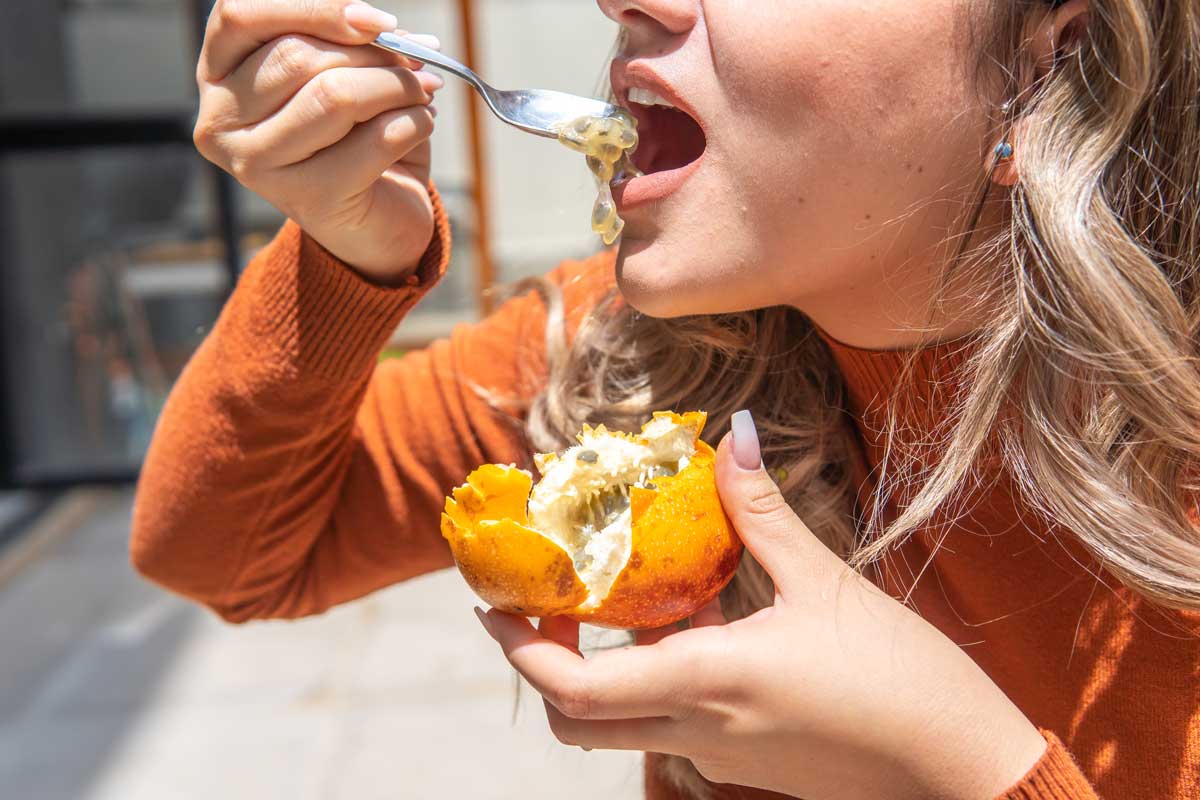
Maracuya, or passion fruit, offers a distinctive and complex flavor profile that tantalizes the taste buds.
The taste can be described as a perfect balance between sweet and tart, with a tropical essence that is both refreshing and invigorating.
When you first bite into maracuya, the initial sensation is a burst of tangy sweetness, often likened to a blend of citrus fruits like orange, lemon, and lime.
This tartness is complemented by a subtle, honey-like sweetness that mellows the overall flavor, making it a delightful and unique experience.
The aromatic quality of maracuya adds another layer to its taste.
The fruit emits a fragrant, floral scent that enhances its tropical appeal and makes it even more enticing.
This aroma is especially pronounced when using maracuya pulp or juice in various culinary creations, infusing dishes and drinks with a captivating fragrance.
Maracuya’s versatile flavor makes it a popular ingredient in a wide range of culinary applications.
Its tartness pairs beautifully with sweet recipes, such as maracuya cheesecake and other maracuya desserts, providing a refreshing contrast that elevates the overall taste.
In beverages, maracuya juice and maracuya drinks are loved for their refreshing and zesty notes, perfect for quenching thirst on a hot day.
How to Eat Maracuya
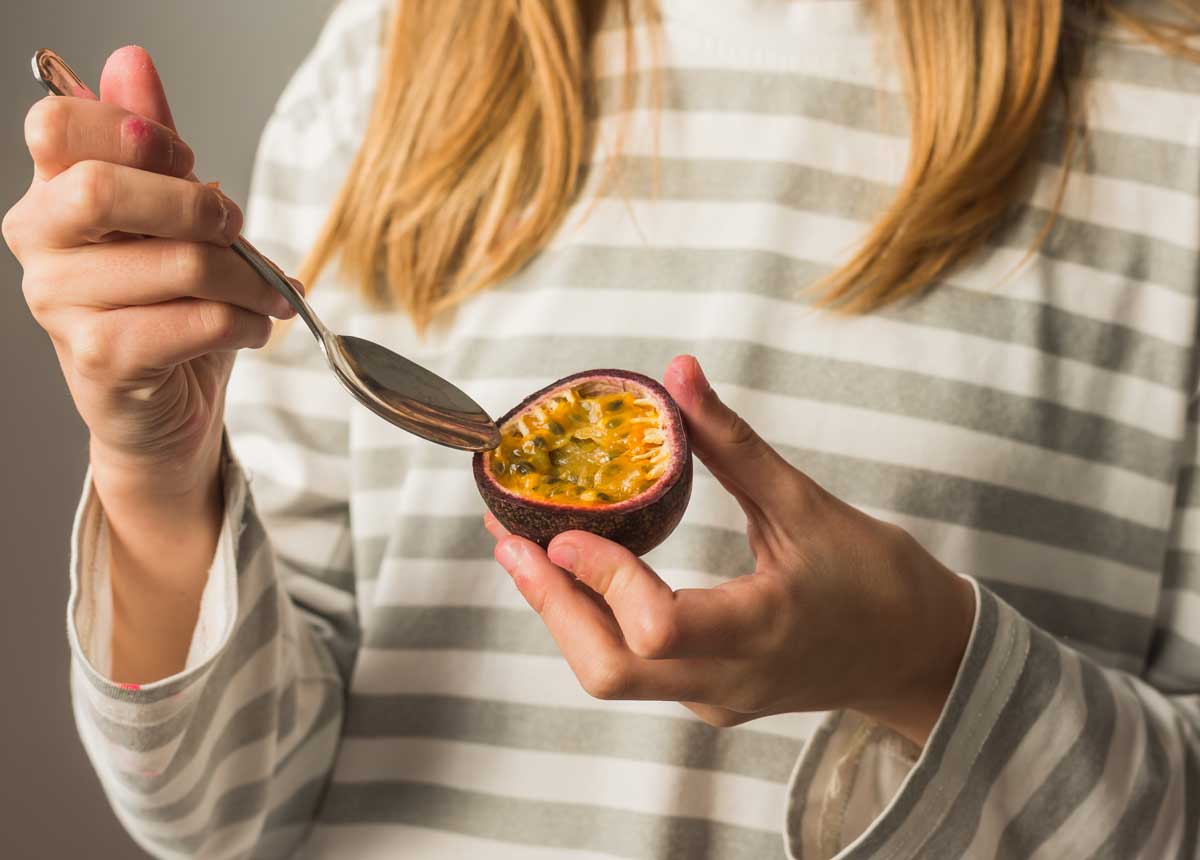
Maracuya is a versatile and delicious fruit that can be enjoyed in various ways.
Its unique flavor and texture make it a fantastic addition to a wide range of dishes and beverages.
Here are some of the best ways to eat and enjoy maracuya:
Fresh Maracuya
One of the simplest and most enjoyable ways to eat maracuya is fresh.
Here’s how to do it:
- Select a Ripe Maracuya: Look for fruits that are slightly wrinkled and heavy for their size, indicating ripeness.
- Cut the Fruit: Use a sharp knife to slice the maracuya in half.
- Scoop Out the Pulp: Use a spoon to scoop out the gelatinous pulp and seeds from each half.
- Enjoy: You can eat the pulp and seeds directly with a spoon. The seeds are edible and add a nice crunch.
Maracuya Juice

Maracuya juice is a refreshing and tangy drink that’s perfect for any time of day.
Here’s how to make it:
- Extract the Pulp: Scoop the pulp from several maracuya fruits into a blender.
- Blend: Add a small amount of water and blend until smooth.
- Strain: Pour the mixture through a strainer to remove the seeds if desired.
- Sweeten: Add sugar or another sweetener to taste.
- Serve: Chill and serve over ice for a refreshing beverage.
Maracuya Pulp in Recipes

Maracuya pulp is a popular ingredient in many recipes, adding a burst of tropical flavor.
Here are a few ideas:
- Maracuya Cheesecake: Incorporate maracuya pulp into the cheesecake batter or use it as a topping for a tangy twist on a classic dessert.
- Maracuya Desserts: Use maracuya pulp in puddings, mousses, and cakes for a tropical flair.
- Maracuya Drink: Create cocktails or mocktails by mixing maracuya pulp with other juices, soda water, or alcohol.
Maracuya in Savory Dishes
Maracuya’s tartness can also enhance savory dishes:
- Sauces and Marinades: Use maracuya pulp to make sauces or marinades for meats, seafood, and salads.
- Salsas: Combine maracuya pulp with diced vegetables, herbs, and spices for a unique salsa.
Maracuya in Traditional Dishes
In many Latin American countries, maracuya is a staple ingredient in traditional dishes and beverages:
- Pulpa Maracuya: This refers to the pure pulp of the fruit, often used in various culinary applications.
- Maracuya Drink: Known as “jugo de maracuya,” this drink is a popular refreshment throughout Latin America.
Growing and Harvesting Maracuya

Growing and harvesting maracuya is a rewarding experience that can yield a bountiful supply of this delicious and nutritious fruit.
Whether you are a home gardener or a commercial farmer, understanding the optimal conditions and techniques for growing maracuya will help ensure a successful harvest.
Ideal Growing Conditions
Maracuya thrives in tropical and subtropical climates.
Here are the key factors to consider for optimal growth:
- Climate: Maracuya prefers warm temperatures, ideally between 68°F (20°C) and 82°F (28°C). It can tolerate short periods of cooler temperatures but is susceptible to frost.
- Sunlight: Full sunlight is essential for healthy growth and fruit production. Ensure the plants receive at least six hours of direct sunlight per day.
- Soil: Well-draining, fertile soil with a pH level between 6.0 and 7.0 is ideal. Sandy loam or loamy soils are preferable, but maracuya can adapt to various soil types as long as drainage is adequate.
- Watering: Regular watering is crucial, especially during dry periods. Keep the soil consistently moist but not waterlogged to prevent root rot.
Planting Maracuya
There are two main ways to propagate maracuya: from seeds or cuttings.
- From Seeds: Extract seeds from ripe maracuya fruit, rinse off the pulp, and let them dry. Plant the seeds in seed trays or small pots filled with a good-quality potting mix. Keep the soil moist and warm until germination, which typically takes 2-3 weeks. Once the seedlings are large enough to handle, transplant them to their permanent location.
- From Cuttings: Take cuttings from healthy maracuya vines, about 8-12 inches long. Remove the lower leaves and plant the cuttings in pots with a well-draining potting mix. Keep the soil moist and place the cuttings in a warm, shaded area until they develop roots, which usually takes a few weeks.
Supporting the Vines

Maracuya vines are vigorous climbers and need support to grow properly.
Here are some common methods:
- Trellises and Arbors: Install a sturdy trellis or arbor for the vines to climb. This not only supports the plants but also makes harvesting easier.
- Fences: Plant maracuya along a fence line to provide natural support as the vines grow.
Pollination
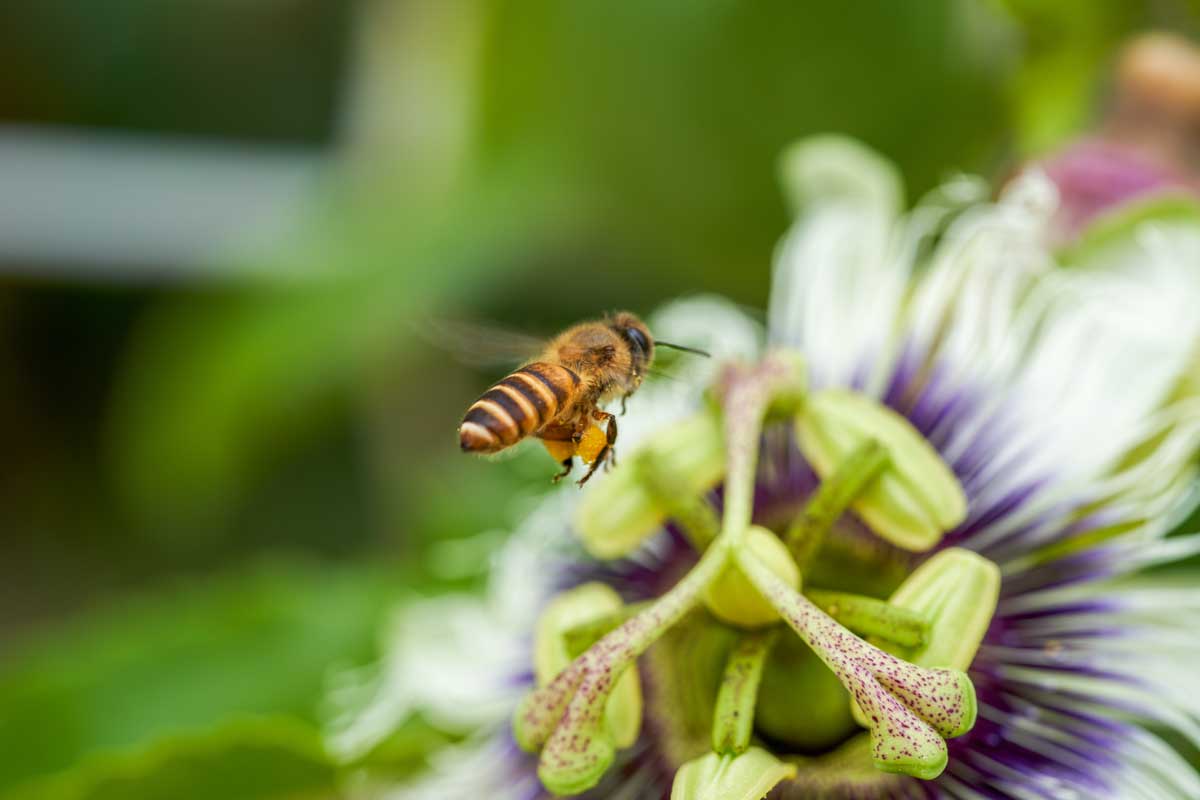
Maracuya flowers are typically pollinated by insects, such as bees.
Ensure a healthy population of pollinators in your garden to maximize fruit set.
In areas with fewer natural pollinators, hand pollination using a small brush to transfer pollen from one flower to another can be effective.
Harvesting Maracuya

Knowing when and how to harvest maracuya is essential for obtaining the best-tasting fruit:
- Ripeness: Maracuya is ready to harvest when the fruit is fully colored and slightly wrinkled. Yellow varieties turn a bright yellow, while purple varieties develop a deep purple hue.
- Harvesting Technique: Gently twist or cut the fruit from the vine, being careful not to damage the plant or the fruit. Harvest regularly to encourage continuous fruit production.
Post-Harvest Care
Proper post-harvest care ensures the fruit remains fresh and flavorful:
- Storage: Store harvested maracuya in a cool, dry place. For longer storage, refrigerate the fruit, which can extend its shelf life for up to two weeks.
- Utilization: Use the fresh fruit, maracuya pulp, or juice in various recipes such as maracuya cheesecake, maracuya drinks, and other maracuya desserts.
Maracuya Varieties

Maracuya comes in several varieties, each with its unique characteristics and flavor profiles.
Understanding the differences between these varieties can help you choose the best type for your culinary needs or gardening preferences.
Here are some of the most popular maracuya varieties:
Purple Maracuya (Passiflora edulis)

The purple maracuya, also known as Passiflora edulis, is one of the most common and widely recognized varieties of passion fruit.
Here are its key features:
- Appearance: This variety has a round or oval shape with a smooth, purple to dark purple rind. The interior is filled with juicy, aromatic pulp and numerous small, edible seeds.
- Flavor: Purple maracuya has a sweet-tart flavor that is less acidic than the yellow variety, making it perfect for eating fresh or using in desserts like maracuya cheesecake.
- Growing Conditions: It thrives in subtropical climates and prefers well-draining soil and full sunlight. It is more tolerant of cooler temperatures compared to other varieties.
Yellow Maracuya (Passiflora edulis f. flavicarpa)

Yellow maracuya, or Passiflora edulis f. flavicarpa, is another popular variety, especially in tropical regions.
Its characteristics include:
- Appearance: This variety has a larger, round to oval shape with a bright yellow rind. The pulp inside is similar to that of the purple maracuya but often more abundant.
- Flavor: Yellow maracuya is known for its intense tartness and higher acidity, which makes it ideal for making maracuya juice and other beverages.
- Growing Conditions: It thrives in tropical climates with plenty of sunshine and regular rainfall. Yellow maracuya is more sensitive to frost and colder temperatures.
Giant Granadilla (Passiflora quadrangularis)
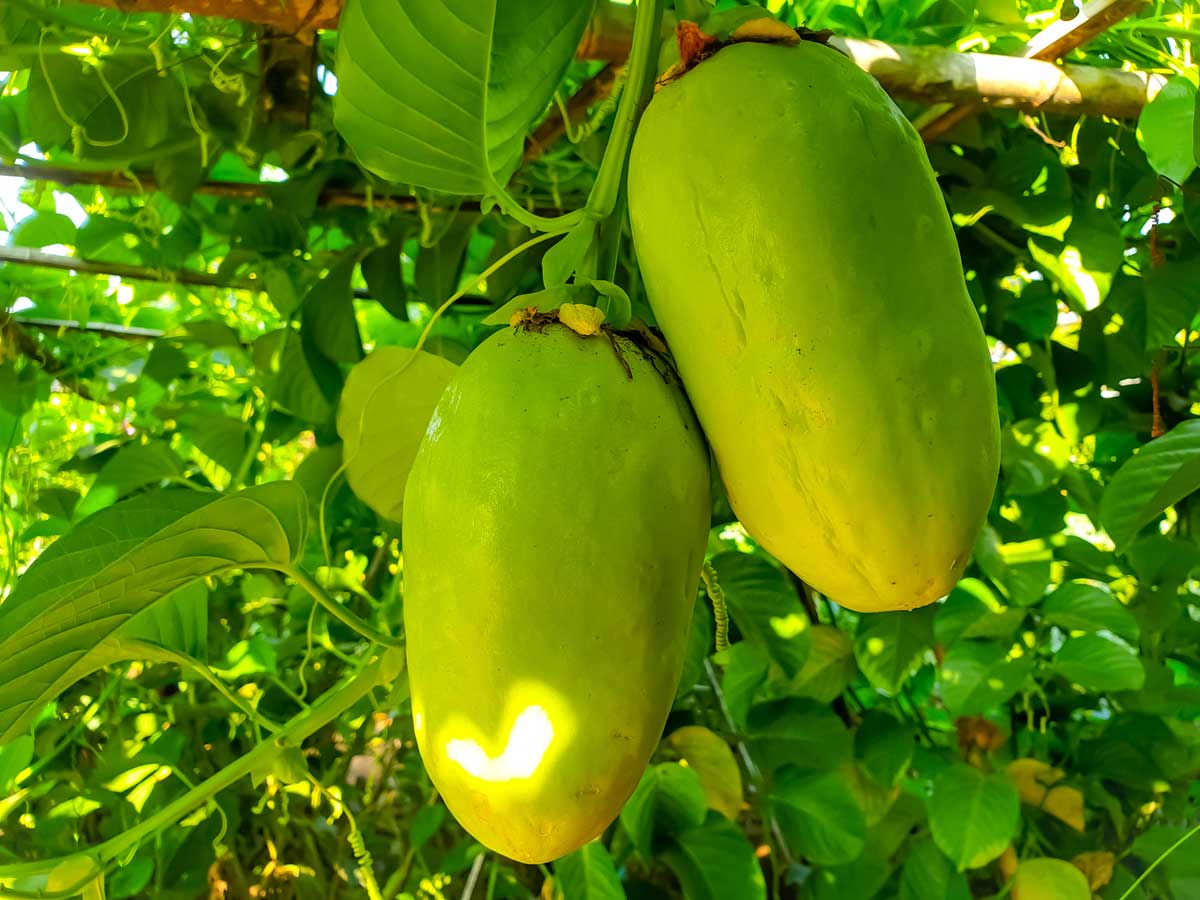
The giant granadilla, or Passiflora quadrangularis, is the largest of the passion fruit varieties.
Its notable features include:
- Appearance: This variety is significantly larger, often reaching the size of a small melon, with a green to yellowish rind. The pulp inside is more substantial and less seedy.
- Flavor: The giant granadilla has a milder, sweeter flavor compared to other maracuya varieties. It is often enjoyed fresh or used in fruit salads and desserts.
- Growing Conditions: It requires a warm, tropical climate and plenty of space to accommodate its vigorous growth habit. It also needs strong support structures due to its size.
Sweet Granadilla (Passiflora ligularis)
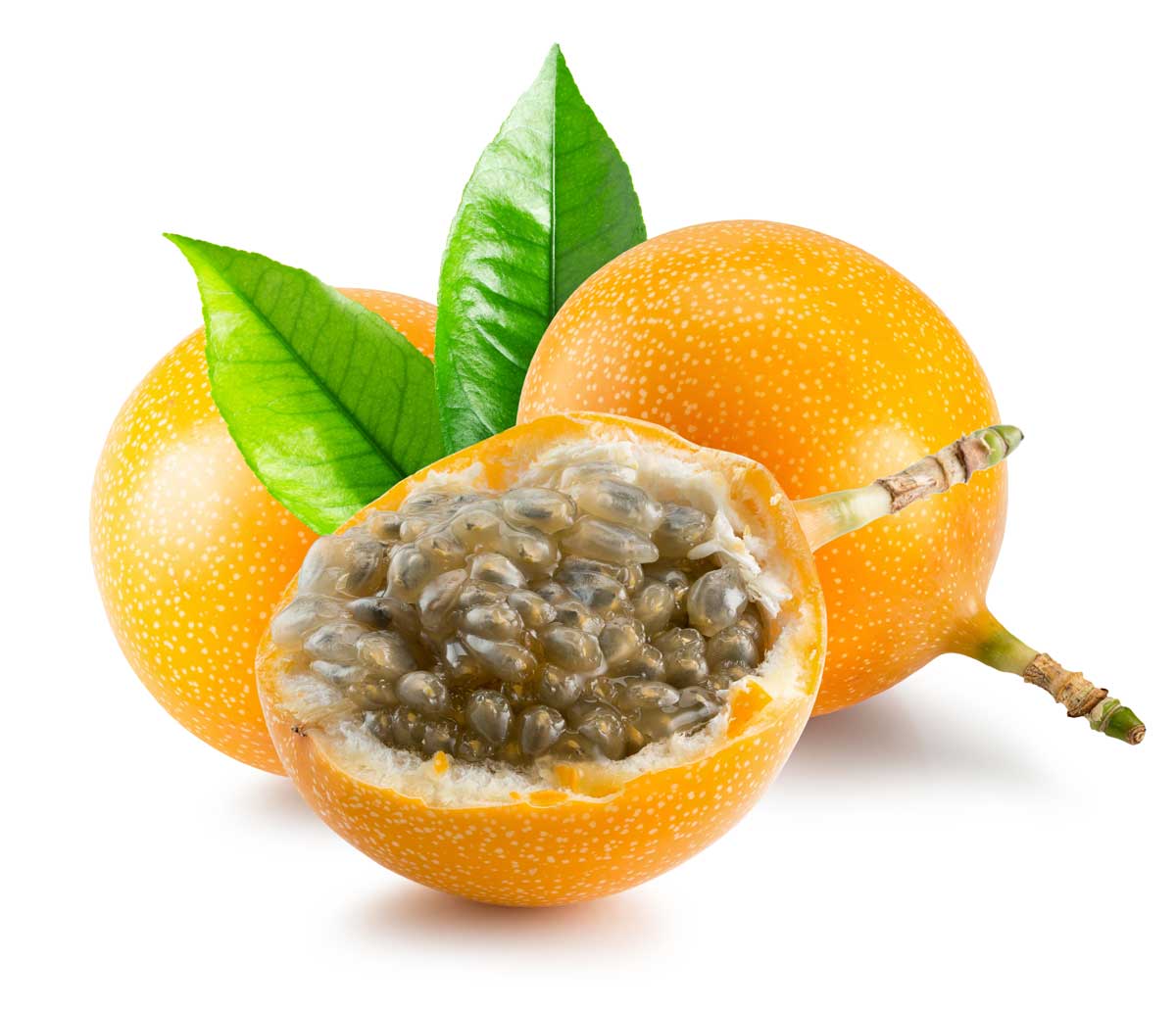
Sweet granadilla, or Passiflora ligularis, is known for its sweet and aromatic flavor.
Key characteristics include:
- Appearance: This variety has a smooth, orange to yellow rind with a distinctive, speckled pattern. The pulp inside is fragrant and filled with small, edible seeds.
- Flavor: As the name suggests, sweet granadilla is sweeter and less acidic than other maracuya varieties, making it ideal for fresh consumption and in desserts.
- Growing Conditions: It thrives in tropical and subtropical regions with well-draining soil and full sunlight. It is somewhat more tolerant of cooler temperatures than the yellow variety.
Banana Passionfruit (Passiflora mollissima)

The banana passionfruit, or Passiflora mollissima, is a unique variety with a distinct shape and flavor.
Its features include:
- Appearance: This variety is elongated and banana-shaped, with a yellow to orange rind. The pulp inside is tart and aromatic, similar to other maracuya varieties.
- Flavor: Banana passionfruit has a tangy flavor with a hint of sweetness, making it perfect for juices, desserts, and savory dishes.
- Growing Conditions: It prefers cooler, high-altitude tropical regions and requires well-draining soil and partial to full sunlight.
Culinary Uses of Maracuya
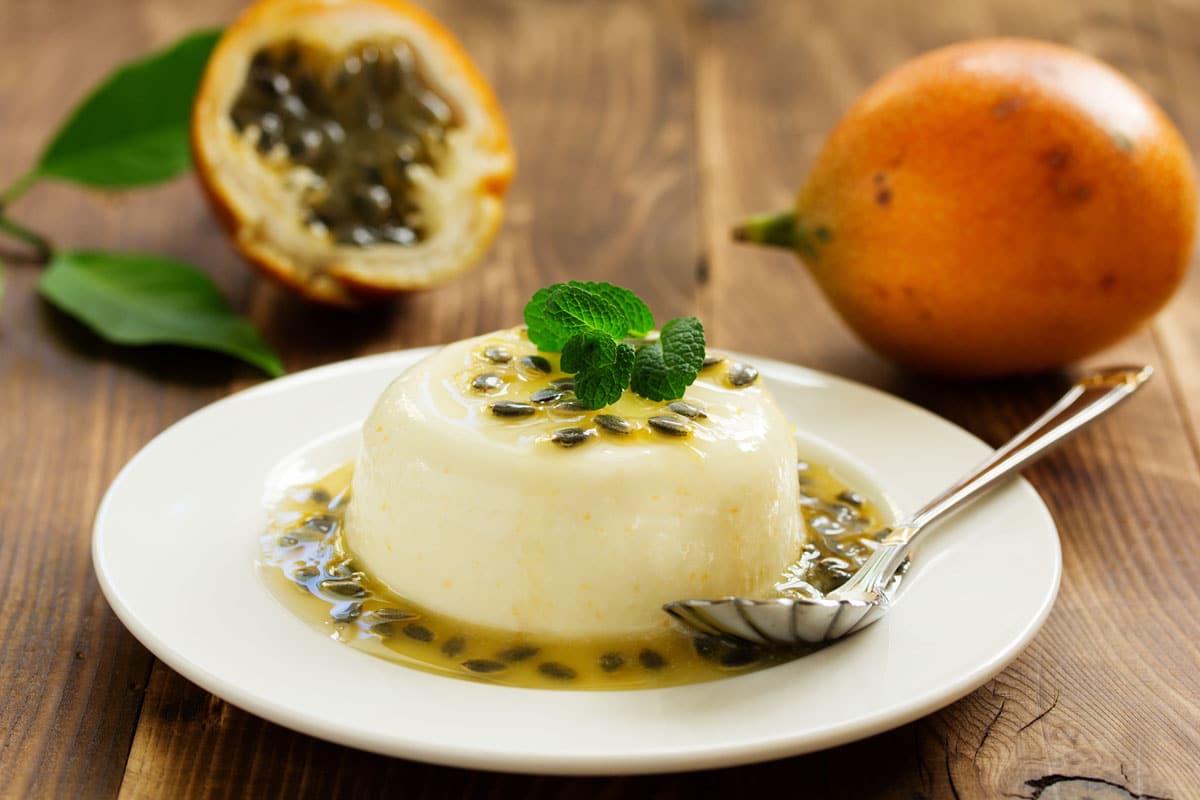
Maracuya is a highly versatile ingredient that adds a tropical flair to a wide range of culinary creations.
Its tangy sweetness and aromatic qualities make it a favorite in both sweet and savory dishes.
Here are some of the most popular and creative culinary uses of maracuya:
Maracuya Desserts

Maracuya is a star ingredient in many delightful latin desserts.
Its tart flavor perfectly balances the sweetness of various treats, making it a beloved choice for:
- Maracuya Cheesecake: A rich, creamy cheesecake topped with a tangy maracuya sauce or incorporated into the cheesecake batter for a burst of tropical flavor.
- Maracuya Mousse: A light and airy dessert made with maracuya pulp, cream, and sugar, offering a refreshing end to any meal.
- Maracuya Sorbet and Ice Cream: These frozen treats highlight the fruit’s natural tartness and sweetness, providing a cooling and flavorful dessert option.
Maracuya Drinks
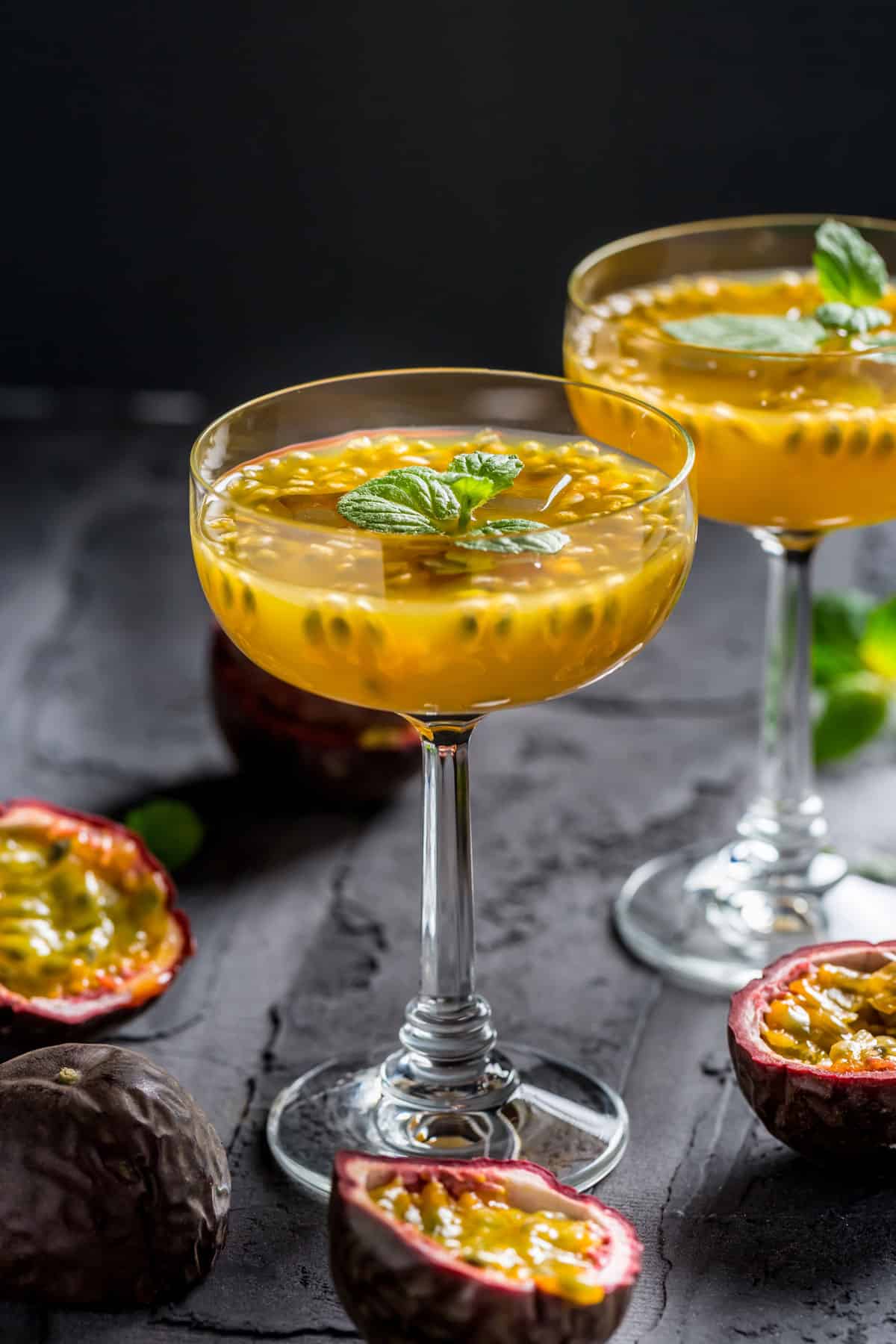
The vibrant flavor of maracuya makes it an excellent addition to various latin beverages, from refreshing juices to exotic cocktails:
- Maracuya Juice: A simple yet refreshing drink made by blending maracuya pulp with water and a touch of sweetener.
- Maracuya Cocktails: Popular in tropical regions, maracuya is used in cocktails such as the Maracujá Caipirinha, Maracuya Mojito and Passion Fruit Margarita, adding a fruity twist to classic drinks.
- Maracuya Smoothie: Blended with other fruits, yogurt, or milk, maracuya creates delicious and nutritious smoothies.
Maracuya in Savory Dishes

While maracuya is often associated with sweet flavors, it also shines in savory dishes, adding a unique tanginess that complements various ingredients:
- Maracuya Sauces and Glazes: Used to create tangy sauces and glazes for meats, poultry, and seafood, maracuya enhances the flavor profile with its tart and sweet notes.
- Maracuya Salsas: Combined with ingredients like tomatoes, onions, and cilantro, maracuya adds a tropical twist to traditional salsas, perfect for pairing with grilled meats or as a dip.
Maracuya Pulp
Maracuya pulp is a versatile ingredient that can be used in numerous recipes, offering convenience and flavor:
- Baking: Incorporate maracuya pulp into cake batters, muffin mixes, and bread doughs for a tropical touch.
- Cooking: Use maracuya pulp to make marinades, dressings, and reductions that add a tangy kick to your dishes.
Traditional Maracuya Dishes
In many Latin American countries, maracuya is a staple in traditional recipes, showcasing the fruit’s cultural significance and versatility:
- Pulpa Maracuya: Often used as a base for drinks, desserts, and sauces, pulpa maracuya is a concentrated form of the fruit’s pulp.
- Traditional Sweets and Snacks: Maracuya is used in making traditional sweets like maracuya jellies, candies, and flavored yogurts.
What Are the Health Benefits of Maracuya
Maracuya is not only a delicious tropical treat but also packed with numerous health benefits.
This nutrient-rich fruit can support your overall health in various ways, making it a great addition to a balanced diet.
Here are some of the key health benefits of maracuya:
Rich in Nutrients
Maracuya is a powerhouse of essential nutrients, including:
- Vitamins: High in vitamin C, which supports the immune system, and vitamin A, which is essential for vision and skin health.
- Minerals: Contains potassium, which helps regulate blood pressure, and magnesium, which is vital for muscle and nerve function.
- Dietary Fiber: Provides a good amount of dietary fiber, promoting healthy digestion and regular bowel movements.
Antioxidant Properties
Maracuya is loaded with antioxidants such as vitamin C, beta-carotene, and polyphenols.
These compounds help protect the body from oxidative stress and reduce inflammation, which can lower the risk of chronic diseases like heart disease and cancer.
Immune System Support
The high vitamin C content in maracuya boosts the immune system by stimulating the production of white blood cells and acting as an antioxidant to protect cells from damage.
Regular consumption of maracuya juice or pulpa maracuya can help enhance your body’s natural defenses.
Heart Health
Maracuya is beneficial for heart health due to its high potassium content, which helps regulate blood pressure. Additionally, the fiber in maracuya aids in reducing cholesterol levels, promoting overall cardiovascular health. Incorporating maracuya desserts or drinks into your diet can contribute to a healthier heart.
Digestive Health
The dietary fiber in maracuya aids in digestion by adding bulk to the stool and promoting regular bowel movements.
It can help prevent constipation and improve overall digestive health. Consuming maracuya pulp or juice regularly can support a healthy digestive system.
Eye Health
Maracuya contains significant amounts of vitamin A and beta-carotene, both of which are essential for maintaining good vision.
These nutrients help protect the eyes from age-related macular degeneration and other vision problems.
Weight Management
Maracuya is low in calories and high in fiber, making it a great option for those looking to manage their weight.
The fiber content helps you feel fuller for longer, reducing the likelihood of overeating.
Improved Sleep
Maracuya contains alkaloids, such as Harman, which have been shown to have sedative effects.
These compounds can help reduce restlessness and promote better sleep quality.
Incorporating maracuya into your diet, whether through fresh fruit, maracuya juice, or maracuya desserts, can provide these impressive health benefits.
Where to Buy Maracuya
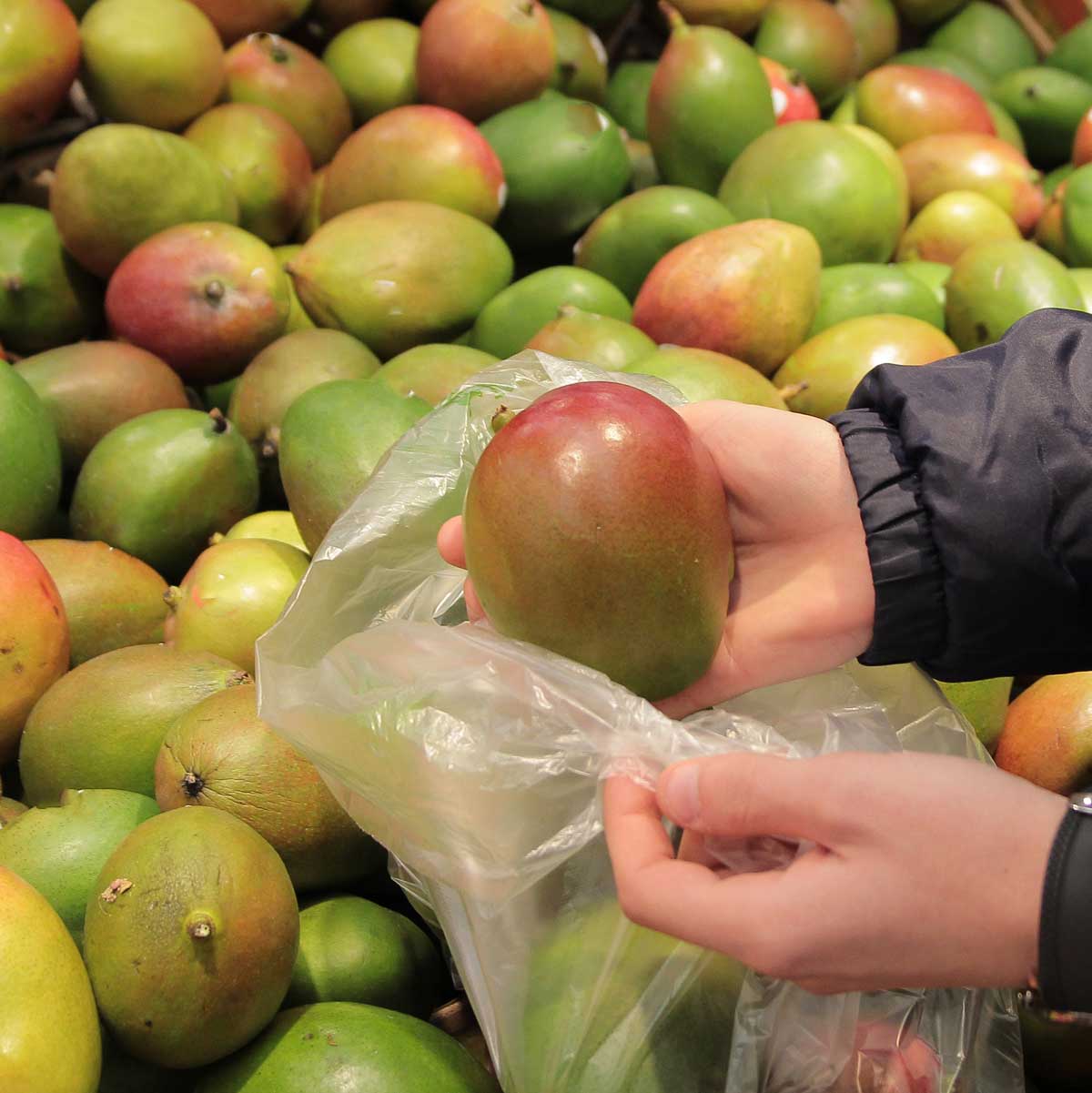
Finding high-quality maracuya, or passion fruit, can be a delightful addition to your culinary adventures.
Whether you’re looking to enjoy it fresh, as a juice, or in various maracuya desserts, knowing where to buy this tropical fruit is essential.
Here are some tips on where to find maracuya:
Local Grocery Stores
Many large grocery chains, especially those with extensive produce sections, carry passion fruit.
Look for it in the tropical fruit section, usually near other exotic fruits like mangoes and papayas.
In some stores, you may also find maracuya pulp in the frozen fruit section, which is perfect for making maracuya juice and maracuya desserts.
Specialty Markets
Specialty grocery stores that focus on Latin American or international foods are great places to find maracuya.
These markets often carry fresh maracuya, maracuya pulp (pulpa maracuya), and sometimes even pre-made maracuya drinks.
Visiting these stores can also give you access to other ingredients you might need for Latin American recipes.
Farmers’ Markets
Local farmers’ markets can be an excellent source of fresh maracuya, especially if you live in a region where tropical fruits are grown.
Farmers’ markets offer the advantage of fresh, locally grown produce, and you might even find organic options.
Plus, buying directly from growers can provide insights into the best ways to enjoy and store the fruit.
Online Retailers
Several online retailers specialize in delivering fresh tropical fruits, including maracuya.
Websites like Amazon, Tropical Fruit Box, and Miami Fruit offer fresh maracuya.
You can buy pulpa de maracuya (passion fruit pulp) and have it delivered directly to your doorstep.
This option is particularly useful if you live in an area where maracuya is not readily available in local stores.
Latin American Grocery Stores
Grocery stores that cater to the Latin American community are likely to have a steady supply of maracuya.
These stores often carry both fresh maracuya and frozen pulpa maracuya, as well as maracuya juice.
These specialty stores are excellent for finding authentic ingredients and getting a taste of Latin American culture.
Seasonal Availability
Keep in mind that maracuya is a seasonal fruit, so its availability may vary throughout the year.
The peak season for maracuya typically falls between late summer and early winter, but this can vary depending on the region.
Checking with your local grocery stores and markets during these times can increase your chances of finding fresh maracuya.
Discover the Delights of Maracuya

Maracuya, with its unique flavor and numerous health benefits, is a versatile fruit that can elevate a wide range of dishes and drinks.
Whether you enjoy it fresh, as a maracuya drink, in maracuya desserts, or use maracuya pulp in your favorite recipes, this tropical fruit brings a refreshing and exotic twist to your culinary creations.
So, the next time you’re looking for a tropical treat that’s both delicious and nutritious, reach for maracuya and discover its delightful versatility.
More Latin Favorites
See all →
Jorge Garcia is the founder of AmigoFoods, where he has spent over 20 years helping readers discover authentic Latin American and Spanish cuisine. Raised in a Cuban-American household, Jorge learned to cook at the hands of his mother and grandmother, carrying forward generations of family recipes. That heritage, backed by his family’s four-generation history in the Latin food industry, inspired him to launch AmigoFoods in 2003. With more than 1,000 published articles on recipes, ingredients, and food culture, Jorge’s mission is simple: make authentic Latin cooking approachable for home cooks everywhere while honoring the traditions behind every dish.
Please Share & Spread the Love of Latin Foods!