
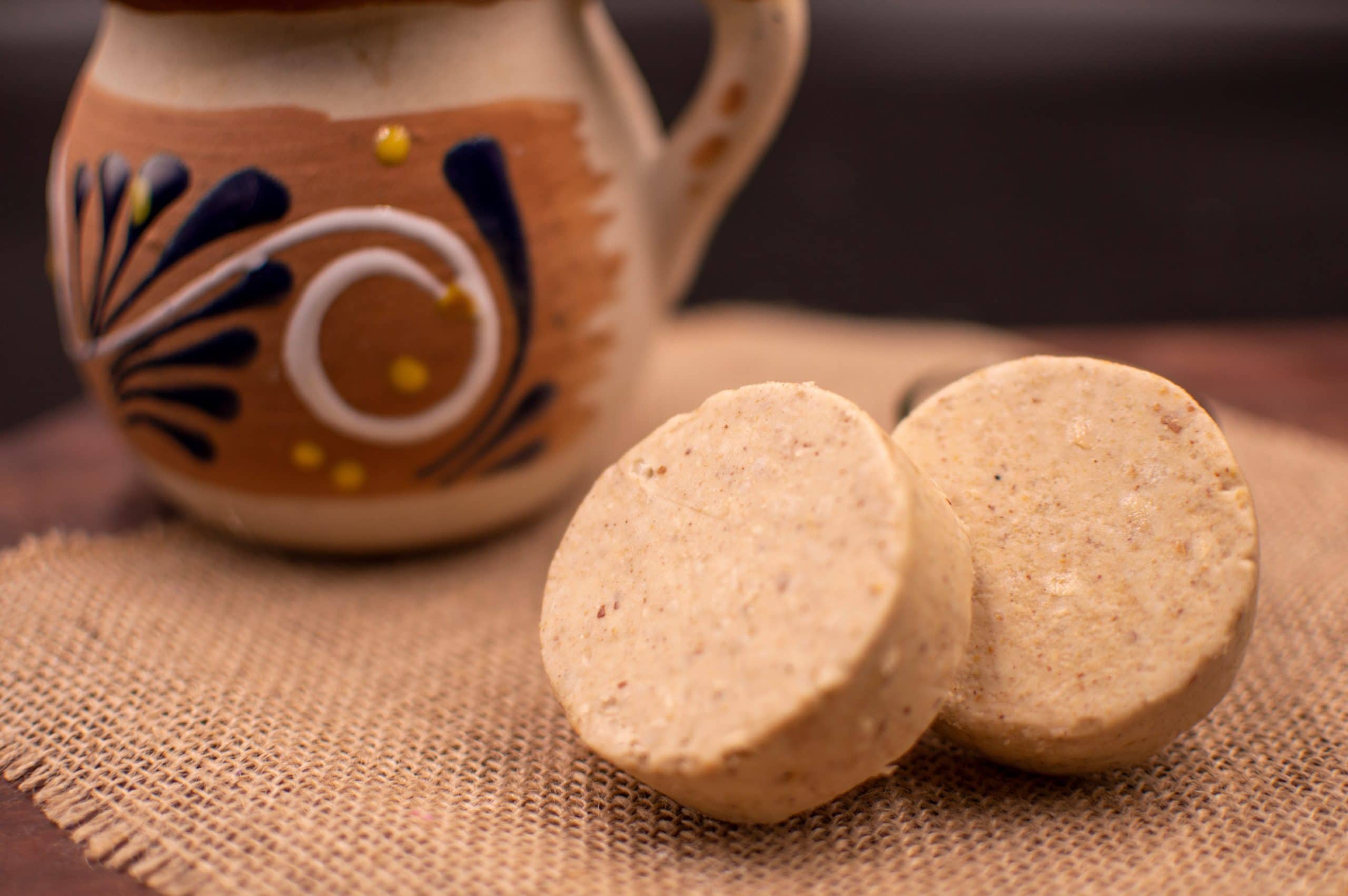
Mexican mazapán is a delicate peanut candy made from roasted peanuts and powdered sugar. This simple, no-bake version has a sweet, nutty flavor and a tender texture that crumbles with each bite.
Mexican Mazapán at a Glance
Photo: Fabricio Avelar / Shutterstock.
What Is Mexican Mazapán?
Mazapán de cacahuate is a pressed peanut confection. Unlike a chewy caramel or a crisp peanut brittle, it breaks into fine, soft crumbs. The familiar round shape comes from compressing the mixture in a mold.
You may know it from De la Rosa’s individually wrapped candies. The manufacturer lists sugar, peanuts, and artificial flavoring for its original mazapán. The homemade version here is a simple peanut-and-sugar candy, not the brand’s proprietary formula.
Mexican Mazapán Ingredients
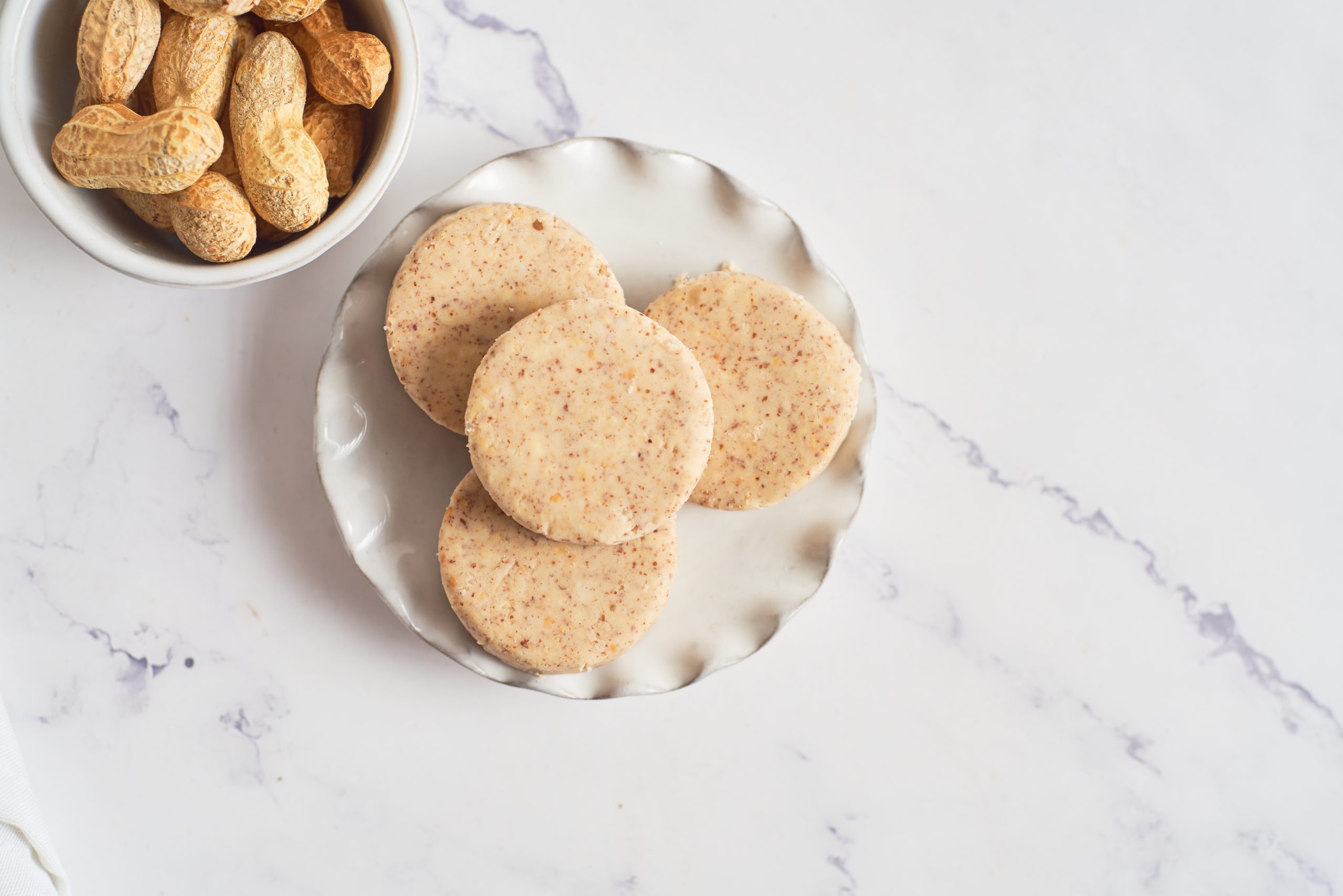
The short ingredient list makes your choice of peanuts especially noticeable. Use fresh roasted peanuts with a flavor you enjoy eating on their own.
- Roasted unsalted peanuts: Choose peeled peanuts without seasoning or a candy coating. Let them cool completely if freshly roasted.
- Powdered sugar: Also called confectioners’ sugar or icing sugar. Sift out lumps before measuring. Granulated sugar will leave a gritty texture.
You’ll also need a food processor, parchment paper, a round cookie cutter, and a spoon for pressing. A small digital scale makes it easier to portion candies evenly. A simple round cutter is easier to work with than a shape with narrow corners.
Mexican Mazapán Recipe
Read the texture cues as you work; the peanuts’ oil content and the strength of your processor affect how quickly the mixture comes together. The recipe below is an editorial adaptation of traditional methods and has not been kitchen-tested by AmigoFoods.
Mexican Mazapán (Peanut Candy)
A simple no-bake Mexican peanut candy made with roasted peanuts and powdered sugar. Finely grind, firmly press, and gently unmold for a delicate, crumbly sweet.
Ingredients
- 1 1/2 cups (about 210 g) roasted unsalted peanuts, without skins
- 1 cup (120 g) powdered sugar, sifted
Instructions
- Line a tray with parchment. Set a 2-inch round cookie cutter on top.
- Pulse the peanuts in a food processor until finely ground, stopping to scrape the bowl. Stop before they become oily peanut butter.
- Add the powdered sugar and pulse until evenly blended. Squeeze a spoonful: it should hold together when compressed. If gritty, pulse briefly again.
- Divide into 12 portions, about 27 g each. Press one portion very firmly into the cutter, especially around the edges, to form a level disk.
- Lift the cutter slowly while supporting the candy around its edge. Repeat. Slide a thin spatula underneath to move each piece, and store in an airtight container.
Notes
Contains peanuts. Equipment: food processor, parchment, 2-inch round cutter, and spoon. Yield and preparation time are approximate. Keep airtight in a cool, dry place and enjoy within 2 weeks for best quality. This editorial recipe has not been kitchen-tested by AmigoFoods. Photo: Fabricio Avelar / Shutterstock.
Why Does My Mazapán Fall Apart?
A few crumbs are part of the candy’s character. If a whole piece collapses, check the grind, pressure, and unmolding technique before changing the ingredients.
| Problem | What to try |
|---|---|
| Visible peanut chunks | Give the mixture a few short pulses and scrape the bowl. Larger pieces interrupt the fine, compact texture. |
| Disk breaks when lifted | Press more firmly around the rim. Lift the cutter slowly and use a thin spatula to move the candy. |
| Mixture looks oily or pasty | Stop processing. It has moved toward peanut butter and will not have the intended sandy texture. |
Make one trial piece first. Unmold it before shaping the rest of the batch. This lets you adjust your pressing technique without remaking a full tray. If a piece breaks, return the dry crumbs to the mold and press again.
How to Serve and Store Mazapán
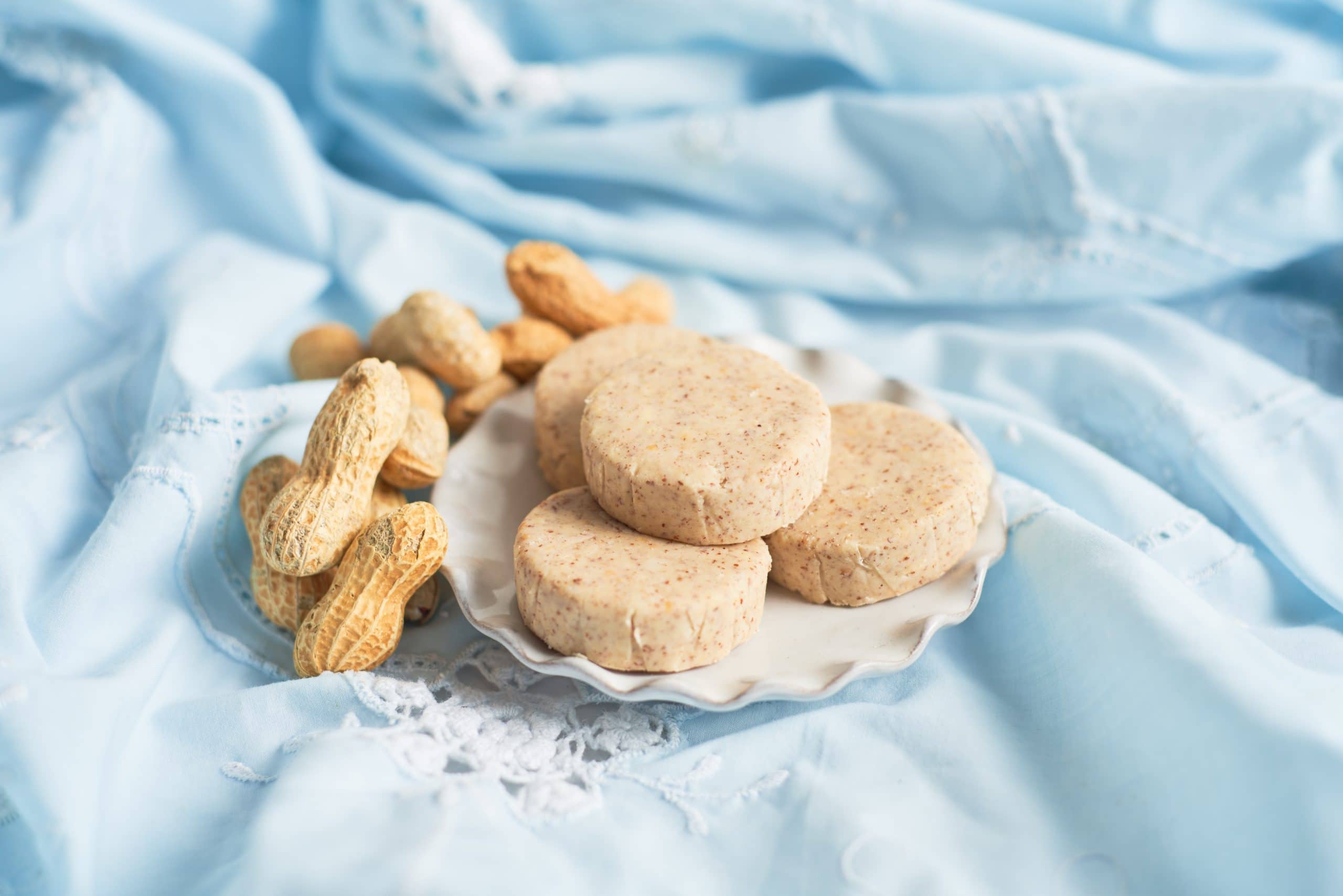
Serve the candies on a small plate, or tuck individual pieces into paper candy cups. For gifting, choose a shallow rigid box so the pieces do not get crushed. Include a clear peanut label.
Keep homemade mazapán in an airtight container in a cool, dry place. Place parchment between layers and enjoy within two weeks for best quality. Humidity can change the texture. For packaged candy, follow the storage directions and date on its wrapper.
Broken pieces are still useful: try a spoonful over vanilla ice cream, yogurt, or a bowl of rice pudding. Keep the topping separate until serving so it retains its delicate crumble.
Mexican Mazapán FAQs
Is mazapán the same as marzipan?
The names are related, but the sweets differ. Mexican peanut mazapán is crumbly; Spanish almond mazapán is smoother and moldable. See our Spanish mazapán recipe for almond figuritas.
Can I use peanut butter instead of peanuts?
Not as a direct substitute in this recipe. Peanut butter already has a paste-like texture; it will produce a different confection.
Does Mexican mazapán need baking?
No. This recipe starts with roasted peanuts, then uses grinding and pressure to form the candies. There is no baking or boiling sugar.
Is Mexican mazapán vegan or gluten-free?
This recipe contains no eggs, dairy, or wheat ingredients. Check both ingredient labels for your dietary requirements, including the powdered sugar and any cross-contact statements. Commercial candies can have different formulas. This is a peanut-containing recipe.
Is De la Rosa mazapán made with almonds?
The original De la Rosa mazapán lists peanuts, not almonds. Check the exact package for current ingredients and allergen information, especially when buying a flavored or coated variety.
More Sweets to Explore
Continue with Mexican chocoflan, explore our guide to Latin American cookies and sweets, or compare this peanut candy with Spain’s almond mazapán.
Recipe references: Traditional peanut-and-sugar proportions and preparation methods informed by Muy Delish and Isabel Eats. Timing and yield are estimates; this is not an official De la Rosa recipe.
More Mexican Foods
See all →
Jorge Garcia is the founder of AmigoFoods, where he has spent over 20 years helping readers discover authentic Latin American and Spanish cuisine. Raised in a Cuban-American household, Jorge learned to cook at the hands of his mother and grandmother, carrying forward generations of family recipes. That heritage, backed by his family’s four-generation history in the Latin food industry, inspired him to launch AmigoFoods in 2003. With more than 1,000 published articles on recipes, ingredients, and food culture, Jorge’s mission is simple: make authentic Latin cooking approachable for home cooks everywhere while honoring the traditions behind every dish.