

It’s hard to imagine food without spices. Spices like pepper enhance the flavor and taste of food. One of the most popular peppers in the world is the Mexican jalapeño pepper.
The jalapeno pepper is a medium-sized, pod-like chili pepper cultivar of the Capsicum annum species measuring between 2 to 3 in (5.08 – 7.62 cm) when mature. Although they’re found everywhere, jalapeño peppers originated from Mexico.
In this article, I’ll be giving you helpful information about this popular spice, including health benefits, Scoville Heat Units (SHU), cultivation, and popular varieties.
Jalapeno Peppers – All You Need to Know

Jalapeño peppers can be an exciting part of any lifestyle.
In the following sections, I will explain the dietary benefits and cultivation practices of the popular Mexican pepper.
Jalapeños Provide Dietary Benefits
Do you need a reason to include jalapeño peppers in your diet?
Apart from being flavor and taste enhancers, jalapeno peppers also offer a number of nutritional benefits.
Jalapeno peppers are rich in the following nutrients:
- Fiber. Fiber is essential for gut and digestive health. But that’s not all. Fiber also aids in weight loss and blood sugar regulation. Consuming a healthy dose of fiber helps lower the risk of diabetes, heart disease, and stroke.
- Vitamins A. Vitamin A is essential for eye and bone health, immunity, and reproductive function. It’s also crucial for normal organ function.
- Vitamin B6. Vitamin B6 improves the body’s immune response and helps in amino acid regulation. It’s also essential in organ and tissue development, especially in the brain, skin, and nerves.
- Vitamin B9. Also known as folate, vitamin B9 aids in producing red blood cells and nucleic acids, which are essential in rapid growth.
- Vitamin C. Also known as ascorbic acid, vitamin C provides antioxidant defense and aids in organ tissue growth and repair.
- Vitamin K. Vitamin K primarily aids in blood clotting and bone metabolism. It also helps in collagen regulation.
- Manganese. This essential mineral is at the heart of several crucial processes in the body, including carbohydrate and fat metabolism, blood sugar regulation, and nerve and brain function.
In the light of these benefits, a jalapeo pepper-rich meal is not just spicy and tasty, but also highly nutritious.
Cultivation Practices of the Jalapeño Pepper
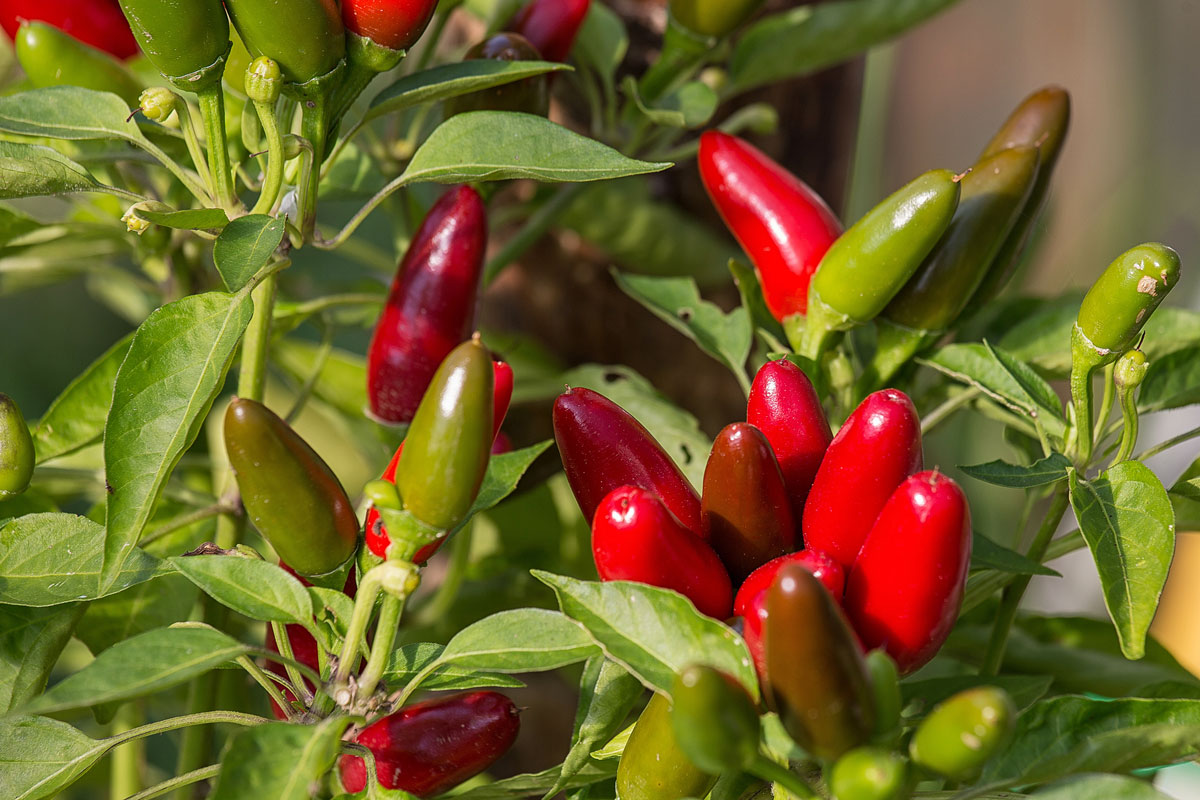
Do you know you can grow jalapeno peppers in your house?
Your peppers will be ready for harvesting within four to six months with the right knowledge and proper care.
If you have a garden or some fertile land, and you’d like always to have fresh stock of jalapeño peppers handy, here are some cultivation factors to consider:
- Soil. Use well-draining loamy soil with a neutral pH to get the best out of your jalapeno peppers. Slightly acidic or slightly alkaline is fine.
- Climate. The ideal planting time for jalapeno peppers is in the spring when the temperature is warm.
- Environment. It’s best to plant jalapenos outdoors where they will have ample exposure to sunlight. Growing jalapeno peppers in these conditions will increase the chances of a bumper harvest.
- Irrigation. Although jalapeno peppers grow better in warm conditions, they also need a sufficient supply of water. Use drip irrigation—this method ensures water doesn’t touch the fruits, which is an important tip to keep in mind.
- Mulching. Mulching offers plants more nutrients and helps the soil retain more water. A layer of mulch around the plant’s base will suffice.
- Pest Control. You’ll have to protect your jalapeno plants so your hard work doesn’t end in vain. Pests like cucumber beetles and pepper hornworms usually attack jalapeno peppers. Predatory insects like ladybugs and natural insecticides will help keep them away.
- Weeding. Weeds will compete with your plants for water and nutrients that affect growth. Always look out for weeds and get rid of them.
- Harvesting and storage. Your jalapeno peppers are ready for harvesting when they are dark green in color. Use pruning shears to pick them while leaving a little stem still attached. Store at room temperature and use within three days. Store them in a refrigerator to preserve them for much longer.
How Hot Are Jalapeño Peppers?

Most people that have eaten meals cooked with jalapeno peppers would agree that they’re moderately hot pepper.
Food experts measure the degree of hotness based on the Scoville scale.
Jalapeno peppers are mild to moderate in heat, measuring from 2,500 to 8,000 on the Scoville scale. Although they’re not super hot, they’re perfect for those who want a spicy meal without going overboard.
The Scoville scale estimates the amount of Capsaicin in peppers (expressed as Scoville Heat Units or SHU for short).
Capsaicin is the chemical compound that gives peppers their spiciness and it’s what causes your tongue to burn after eating a pepper.
The higher the Scoville rating, the hotter the pepper.
Why do jalapeno peppers vary in hotness?
Although jalapeno peppers are usually harvested when green, some people allow them to ripen.
Red jalapenos are hotter than their green counterparts.
In addition, the heat level also varies from one variety of jalapeno pepper to another.
Jalapeño Pepper Dishes
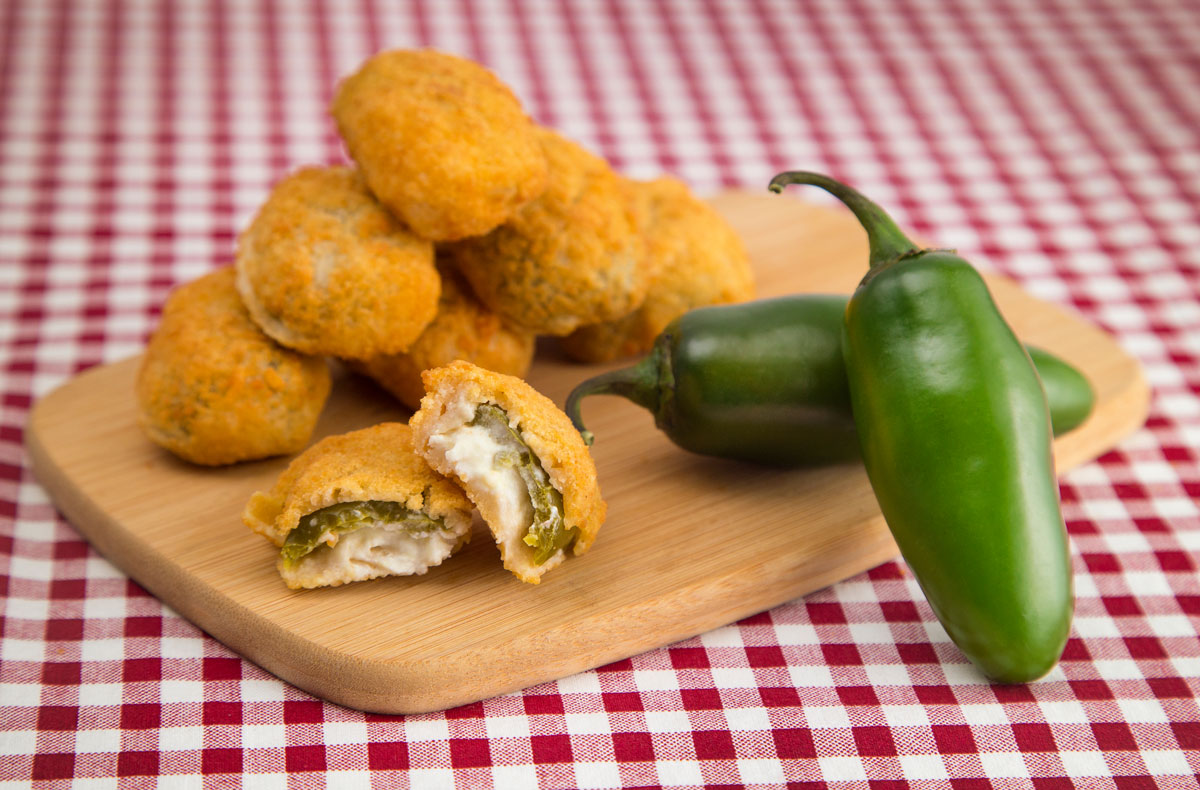
Adding jalapeno peppers to your recipes always makes for a fantastic meal.
It’s not only used in traditional Mexican dishes but in other tasty latin dishes too!
You can always add jalapenos to your soup, stew, or any dish.
The punchy spiciness of the pepper leaves a lasting mark on your tastebuds.
Here are some jalapeno pepper cuisines worth trying.
- Steak burritos: Steak burritos include many accompaniments such as rice, beef, beans, cheese, and salsa. Add the punchy taste of pickled jalapeno peppers for a heightened tasting experience.
- Tomato salsa: This is another dish that would benefit from the spicy flavor of jalapeno peppers. Tomato salsa contains tomatoes, onions, salt, lime juice, cilantro, and fresh chills.
- Chili cornbread pie: This would make for an exciting lunch package. Add some cornbread topping to your classic beef pie. Then, crown your meal with jalapeno peppers.
- Red lentil soup: This soup, which packs plenty of nutrients such as fiber, protein, folate, and iron, tastes even better with jalapeno peppers. Add an ample amount of the peppers and enjoy a tasty and complete meal.
- Jalapeño poppers: while not traditionally Mexican, they are still delicoius! essential jaleno poppers are hollowed out jalapenos filled with cream cheese, spices and meat and can be either baked or fried.
Key Takeaways

Here’s what we know about jalapeno peppers, one of the most popular peppers in the world:
- Jalapenos are medium-sized cultivars of the Capsicum annum species.
- They’re rich in fiber, vitamins (A, B, C, and K), and manganese.
- The peppers are mild to medium-hot, measuring 2,500 – 8,500 SHU on the Scoville Scale. The Scoville scale measures the degree of pepper’s hotness based on the amount of Capsaicin present. Capsaicin is the chemical compound responsible for its spiciness.
- There are several varieties of jalapeno peppers. They vary in size, color, and hotness.
Sources
- Gardening Know-How: Growing Jalapeno Peppers
- Masterclass: 9 Tips for Growing Jalapeno Peppers
- Nature’s Path: All About the Scoville Scale
- Grow Hot Peppers: Jalapeno Pepper Varieties
- PepperScale: Jalapeno Pepper Guide – Heat, Uses, Flavor
- Chili Pepper Madness: The Scoville Scale
- WebMD: Health Benefits of Jalapeno Peppers
More Mexican Foods
See all →
Jorge Garcia is the founder of AmigoFoods, where he has spent over 20 years helping readers discover authentic Latin American and Spanish cuisine. Raised in a Cuban-American household, Jorge learned to cook at the hands of his mother and grandmother, carrying forward generations of family recipes. That heritage, backed by his family’s four-generation history in the Latin food industry, inspired him to launch AmigoFoods in 2003. With more than 1,000 published articles on recipes, ingredients, and food culture, Jorge’s mission is simple: make authentic Latin cooking approachable for home cooks everywhere while honoring the traditions behind every dish.