

Pira caldo is a Paraguayan fish soup built around vegetables, fragrant broth and tender fish. This broth-based version adds separately cooked cassava for a hearty four-serving meal, ready in about 45 minutes when the two pots cook alongside each other.
Pira Caldo at a Glance
What Is Pira Caldo?

Pira Caldo is a traditional Paraguayan fish soup known for its hearty, rich, and satisfying flavors.
The name comes from the Guaraní words “pira” (fish) and “caldo” (broth), reflecting its simple yet delicious essence.
This iconic dish is made with fresh river fish, typically surubí or golden dorado (a freshwater river fish), which are abundant in Paraguay’s waterways, along with a flavorful combination of onions, tomatoes, bell peppers, and garlic.
What sets it apart is its unique use of Paraguayan staples like cassava (mandioca) and traditional seasonings, which enhance the soup’s depth of flavor.
The broth is simmered to perfection, creating a silky, aromatic base that pairs wonderfully with the tender fish.
Often enjoyed as a family meal, this soup is much more than a dish—it’s a cultural symbol of Paraguay’s connection to its natural resources and culinary traditions.
Whether served as a comforting dinner or a highlight at special occasions, Pira Caldo is a true taste of Paraguay.
A Brief History

The origins of Pira Caldo are deeply rooted in Paraguay’s indigenous Guaraní culture, where fish from the country’s abundant rivers played a central role in daily sustenance.
The Guaraní people, known for their close connection to nature, combined freshly caught river fish with locally available ingredients like cassava and wild herbs to create nourishing broths.
These early versions of the Paraguayan soup were simple yet flavorful, reflecting the natural bounty of the land.
The dish reflects both Indigenous and later culinary influences. Tomatoes and peppers are native to the Americas; onions came from the Old World.
Over time, this dish became a symbol of Paraguayan resilience and ingenuity, blending indigenous and colonial culinary traditions into a harmonious expression of national identity.
Today, Pira Caldo remains a beloved staple, celebrated for its cultural significance and ability to bring families together.
Its history is a testament to Paraguay’s culinary evolution, preserving the flavors of the past while continuing to nourish future generations.
Pira Caldo Ingredients and Preparation

Pira Caldo is a dish that celebrates simplicity and fresh ingredients, making it both flavorful and easy to prepare.
The foundation of this traditional Paraguayan soup lies in a few key elements, each adding depth and character to the dish.
Traditional Ingredients
- Fresh Fish Fillets: Skinless, boneless fillets of surubí or dorado are preferred for their mild flavor and tender texture. Other options like flounder, tilapia or cod can be used as substitutes.
- Vegetables: Onions, tomatoes, and bell peppers form the aromatic base of the soup.
- Cassava (Mandioca): A staple in Paraguayan cuisine, cassava adds a hearty, starchy element that complements the soup’s richness.
- Garlic and Fresh Herbs: These enhance the flavor, with cilantro or parsley often used for garnish.
- Seasonings: Salt, black pepper, and paprika bring a mild spice and warmth to the dish.
- Cooking Oil or Lard: Used to sauté the vegetables for a deeper flavor.
- Water or Fish Stock: The liquid base that ties the ingredients together into a flavorful broth.
How to Make the Paraguayan Fish Soup
- Start the cassava: Use peeled sweet cassava sold for cooking. Cut into chunks and boil in a separate saucepan with plenty of water for about 20-30 minutes, or until fully tender. Follow package directions for frozen cassava. Drain, discard the water and remove the tough central fibers.
- Prepare the fish: Check skinless fillets for bones, cut into medium pieces and keep chilled while preparing the base.
- Cook the vegetables: Heat oil or lard in the soup pot. Sauté onion, tomatoes, pepper and garlic about 5 minutes, until softened. Add salt, pepper and paprika.
- Simmer the soup: Add the 4 cups stock or water and bring to a gentle simmer. Add fish and cook gently about 8-12 minutes, depending on thickness, until opaque, flaky and 145°F (63°C). Avoid vigorous stirring.
- Finish: Add drained, fully cooked cassava, warm through and adjust seasoning. Garnish with cilantro or parsley and serve.
The delicate fish, paired with hearty cassava and aromatic vegetables, creates a dish that’s both comforting and packed with authentic Paraguayan flavor.
Why Pira Caldo Is Special
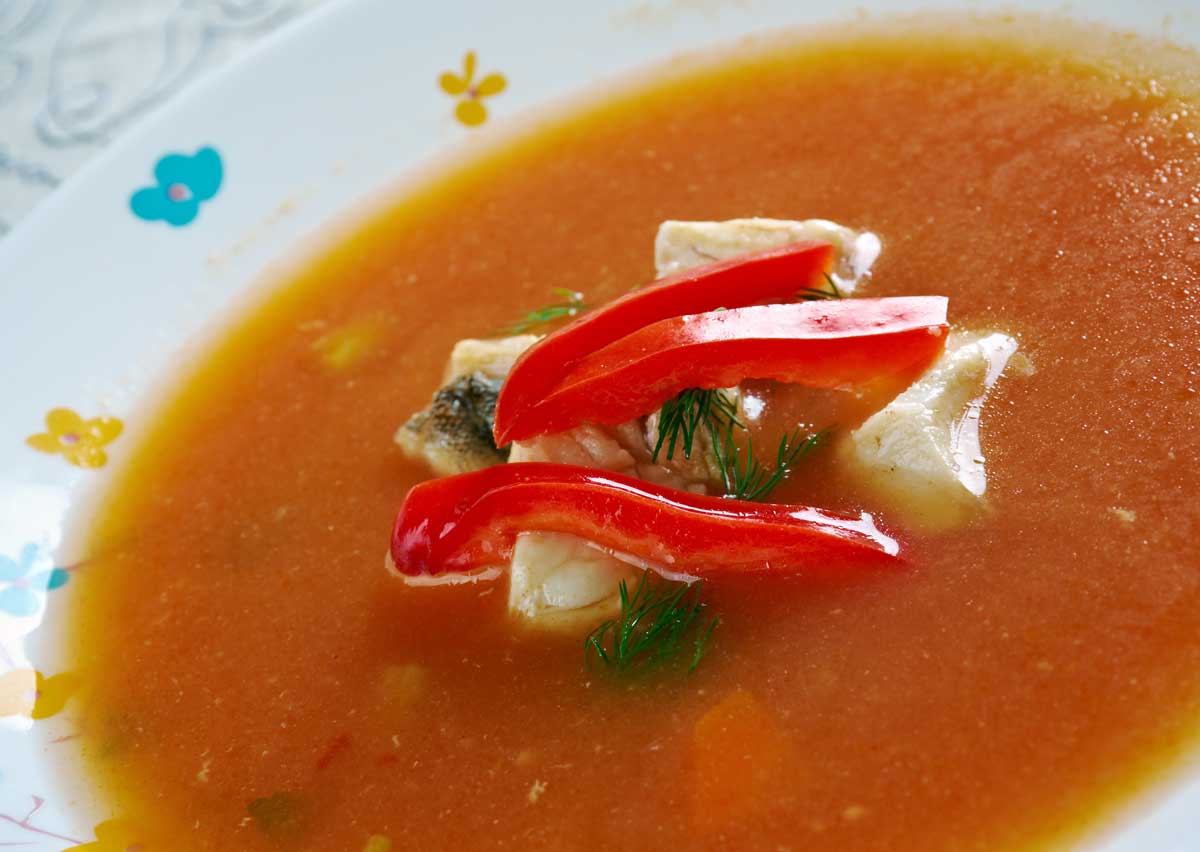
Pira Caldo holds a unique place in Paraguayan cuisine, not just as a hearty fish soup but as a cultural emblem that showcases the country’s rich culinary traditions.
Its specialness lies in several key aspects:
A Celebration of Local Ingredients
At its core, Pira Caldo highlights the natural abundance of Paraguay’s rivers and farmlands.
Fresh river fish like surubí or dorado take center stage, complemented by vegetables, cassava, and traditional seasonings.
These ingredients create a dish that is both nutritious and deeply connected to the land.
A Cultural Symbol
This soup reflects the harmonious blend of Paraguay’s indigenous Guaraní heritage and Spanish colonial influences.
The dish preserves the simplicity of Guaraní cooking techniques while incorporating flavors introduced by the Spanish, making it a culinary representation of Paraguay’s history and resilience.
Comfort and Nourishment
Known for its warmth and richness, Pira Caldo is a comfort food that Paraguayan families often turn to, especially during cooler months.
Its balanced combination of protein, vegetables, and starch makes it a wholesome, satisfying meal that nourishes both body and soul.
Versatile and Adaptable
While the traditional recipe remains beloved, Pira Caldo is also versatile.
Home cooks can adapt it to include different types of fish or add their own personal touches, making it a dish that evolves with each generation while staying true to its roots.
A Dish for Togetherness
Perhaps the most special aspect of this soup is its role in bringing people together.
Whether served at family dinners, community gatherings, or festive celebrations, this dish embodies the Paraguayan value of sharing and connection.
With its rich flavors, cultural significance, and ability to unite people, Pira Caldo is more than just a soup—it’s a symbol of Paraguay’s culinary identity and a testament to the enduring power of traditional food to bring joy and comfort.
Where to Try Pira Caldo

If you’re looking to experience the authentic flavors of Pira Caldo, Paraguay offers a variety of places where this iconic dish can be savored.
From traditional home-cooked meals to specialty restaurants, here’s where you can find the best Pira Caldo:
1. Home-Cooked Meals in Paraguay
The most authentic Pira Caldo is often found in Paraguayan homes, where families prepare it using time-honored recipes.
If you’re lucky enough to be invited into a Paraguayan household, don’t miss the chance to enjoy a bowl of this comforting soup.
2. Local Restaurants and Taverns
Paraguay’s local eateries and taverns are excellent places to taste traditional Pira Caldo.
Many establishments specialize in rustic, home-style cooking and use locally sourced fish and ingredients.
Look for family-owned restaurants that highlight traditional Paraguayan dishes on their menu.
3. Markets and Street Food Stalls
In cities like Asunción or smaller towns near Paraguay’s rivers, you may find the fish soup served at food markets or roadside stalls.
These spots often offer freshly prepared versions of the soup, cooked with fish caught that very day.
4. Regional Food Festivals
Paraguay hosts a variety of food festivals that celebrate local cuisine, and Pira Caldo is often a highlight.
These events are a great opportunity to enjoy the dish in a lively setting while exploring other traditional Paraguayan foods.
5. Prepare It Yourself
If you’re not in Paraguay but want to experience the magic of Pira Caldo, try making it at home!
With a few key ingredients and the right recipe, you can recreate the authentic flavors in your own kitchen.
Visit local fish markets and Latin American grocery stores to source ingredients like cassava and fresh herbs.
Whether you try Pira Caldo at a cozy home kitchen, a bustling market, or a traditional restaurant, this dish is sure to leave a lasting impression with its comforting flavors and cultural richness.
Why You Should Try Pira Caldo

Pira Caldo is more than just a dish—it’s a flavorful journey into the heart of Paraguayan culture and cuisine.
Its combination of fresh ingredients, rich history, and comforting flavors make it a must-try for food enthusiasts and anyone looking to explore authentic South American dishes.
Whether you enjoy it in a cozy home setting, at a traditional restaurant, or prepare it yourself, the traditional Paraguayan soup offers a unique and satisfying culinary experience that’s sure to delight.
So, next time you’re in Paraguay—or in the mood to try something new in your kitchen—let Pira Caldo warm your heart and connect you to the rich traditions of this incredible country.
Don’t just take our word for it; taste it for yourself and discover why Pira Caldo is a dish to be celebrated!

Pira Caldo Recipe
Pira Caldo is a traditional Paraguayan fish soup made with fresh fish fillets, cassava (mandioca), and a rich, flavorful broth. This hearty dish is infused with the aromatic flavors of onions, tomatoes, bell peppers, and garlic, creating a comforting and nourishing meal. Simmered to perfection with paprika, black pepper, and fresh herbs, this authentic Paraguayan soup is both simple and deeply satisfying. Serve it with crusty bread or extra cassava for a true taste of Paraguay!
Ingredients
- 1 lb fresh fish fillets (preferably surubí or golden dorado, or substitutes like flounder, tilapia, or cod)
- 2 tbsp cooking oil or lard
- 1 large onion, finely chopped
- 2 ripe tomatoes, chopped
- 1 bell pepper, chopped
- 3 cloves garlic, minced
- 1 tsp salt (adjust to taste)
- ½ tsp black pepper
- 1 tsp paprika
- 4 cups water or fish stock
- 1½ cups sweet cassava (mandioca), fully peeled and cut into chunks; extra water for boiling separately
- Fresh cilantro or parsley for garnish
Instructions
- Start the cassava first. Boil the peeled chunks of sweet cassava separately in plenty of water for about 20-30 minutes, or until fully tender. Follow package directions for frozen cassava. Drain and discard the water; remove tough central fibers.
- Meanwhile, check the skinless fish fillets for bones and cut into medium pieces. Keep chilled while preparing the soup base.
- Heat oil or lard in a soup pot over medium heat. Sauté onion, tomatoes, pepper and garlic about 5 minutes until softened. Add salt, pepper and paprika.
- Pour in the 4 cups water or fish stock and bring to a gentle simmer. Add the fish and cook gently about 8-12 minutes, depending on thickness, until opaque, flaky and 145°F (63°C). Avoid vigorous stirring.
- Add the drained, fully cooked cassava and warm through. Adjust seasoning, garnish with cilantro or parsley and serve hot.
Notes
This broth-based version serves four. The 45-minute estimate includes 15 minutes preparation and about 30 minutes with cassava and soup cooking in parallel. Large or older cassava pieces can take longer; wait until fully tender before adding them.
Use sweet cassava sold for cooking, fully peeled, or prepared frozen cassava following package instructions. Never add its boiling water to the soup. Golden dorado here refers to a freshwater fish, not mahi-mahi; cod, tilapia or flounder are practical substitutes.
Serve with bread, rice or extra cooked cassava. For a gluten-free meal, verify the stock and seasonings and omit wheat bread or choose gluten-free bread.
Refrigerate leftovers promptly in shallow containers within 2 hours and use within 3 days. Reheat gently to 165°F (74°C); the fish is most delicate when freshly cooked.
More Paraguayan Foods
See all →
Jorge Garcia is the founder of AmigoFoods, where he has spent over 20 years helping readers discover authentic Latin American and Spanish cuisine. Raised in a Cuban-American household, Jorge learned to cook at the hands of his mother and grandmother, carrying forward generations of family recipes. That heritage, backed by his family’s four-generation history in the Latin food industry, inspired him to launch AmigoFoods in 2003. With more than 1,000 published articles on recipes, ingredients, and food culture, Jorge’s mission is simple: make authentic Latin cooking approachable for home cooks everywhere while honoring the traditions behind every dish.