
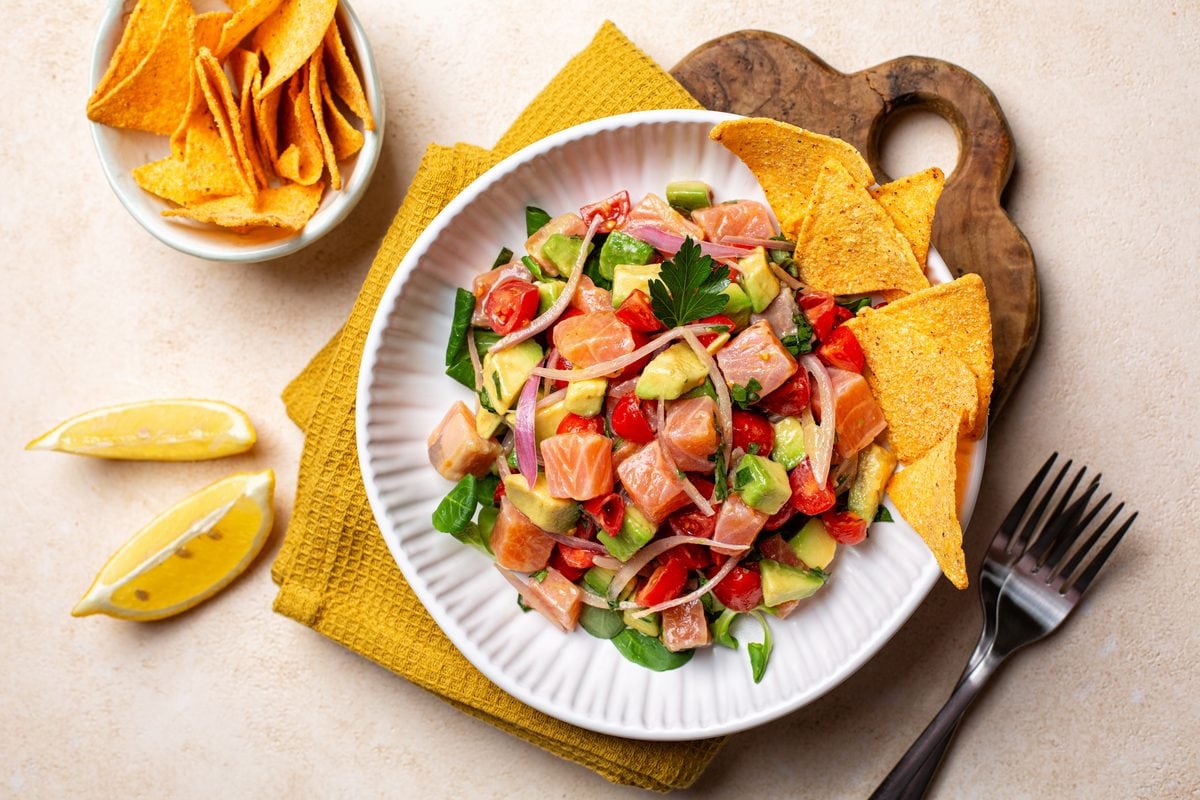
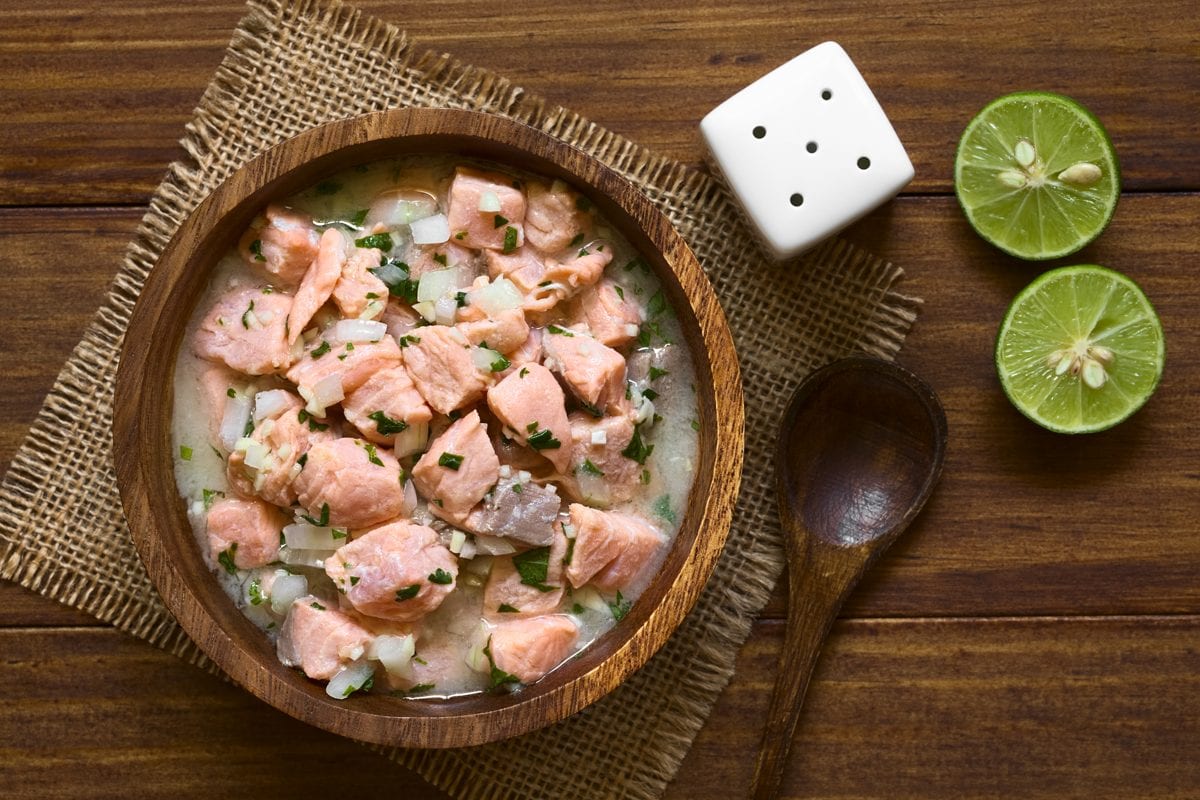
Salmon ceviche is diced, previously frozen salmon in a short lime cure with red onion, chile and cilantro. The fish is richer than classic white-fish ceviche, so it only needs 10 to 15 minutes in citrus; the edges turn opaque and the center stays tender, not dry.
Salmon Ceviche at a Glance
AmigoFoods may earn a commission from qualifying Amazon purchases made through links on this page.
What Is Salmon Ceviche?
Salmon is not the first fish in a Lima cebichería, where lean corvina or sea bass is the usual choice (see our Peruvian ceviche recipe). It is, however, a very good ceviche fish when you treat it as a rich, short-cure bowl rather than a long soak. The lime, onion and chile are the same idea as other Latin ceviches; the timing is closer to tuna ceviche than to a 20-minute white-fish cure.
Nikkei kitchens in Peru sometimes dress salmon with passion fruit (maracuyá) or a soy-citrus mix. That is a welcome variation, but the base recipe here stays on lime, onion and cilantro so it still reads as ceviche, not as sashimi with fruit sauce. For the wider style map, use our ceviche guide and the buying notes in best fish for ceviche.
Previously Frozen Salmon
Salmon can carry parasites. If you are going to eat it raw or only lime-cured, it needs to have been frozen under conditions that address that risk, then thawed in the refrigerator. “Sushi-grade” and “for raw use” are the phrases to use at the counter. Farmed and wild salmon can both work; what matters is how the fish was frozen and handled, not the marketing label alone.
Ingredients
Amounts are in the recipe card below.
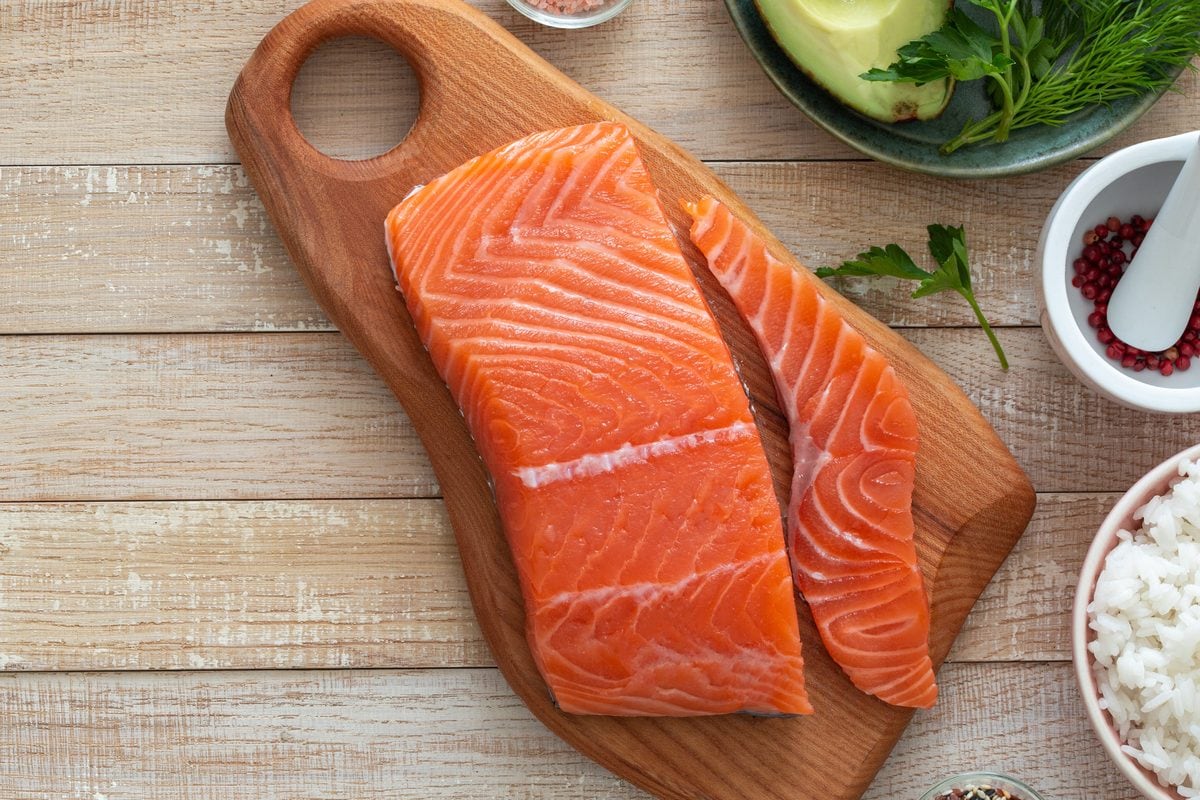
- Salmon. 1 pound of skinless fillet, previously frozen, pin bones removed, cut into 1/2-inch cubes. Trim away any very dark, oily belly if you prefer a cleaner flavor, or leave a little of it in for richness.
- Lime juice. 1/2 cup, freshly squeezed. A few tablespoons of orange juice are optional and add a little sweetness without turning this into a juice marinade.
- Red onion, jalapeño or serrano, cilantro. The usual Latin aromatics. Rinse the sliced onion if you want less bite.
- Avocado. Folded in at the end, or served on the side.
How to Make Salmon Ceviche
Use a glass or ceramic bowl. Keep the salmon cold on the board; a cold plate or a short rest in the fridge between trimming and dressing helps.
1. Trim and cube the salmon
Pat the thawed fillet dry. Run your fingers over the flesh and pull out any pin bones with tweezers. Cut away the skin if it is still on, then cut the salmon into even 1/2-inch cubes.
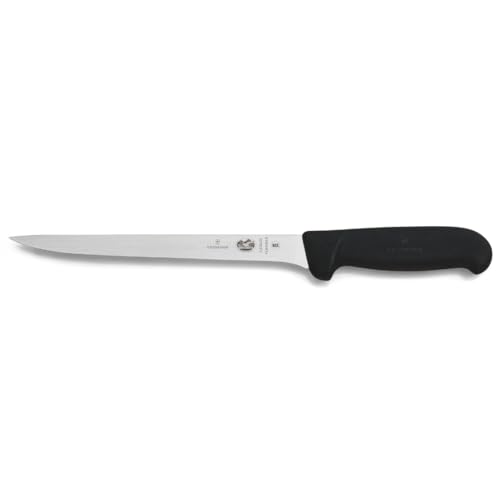
- Long, flexible blade for smooth filleting
- We've designed a contemporary, textured handle with a non-slip grip -- even when wet. These...

2. Cure briefly in lime
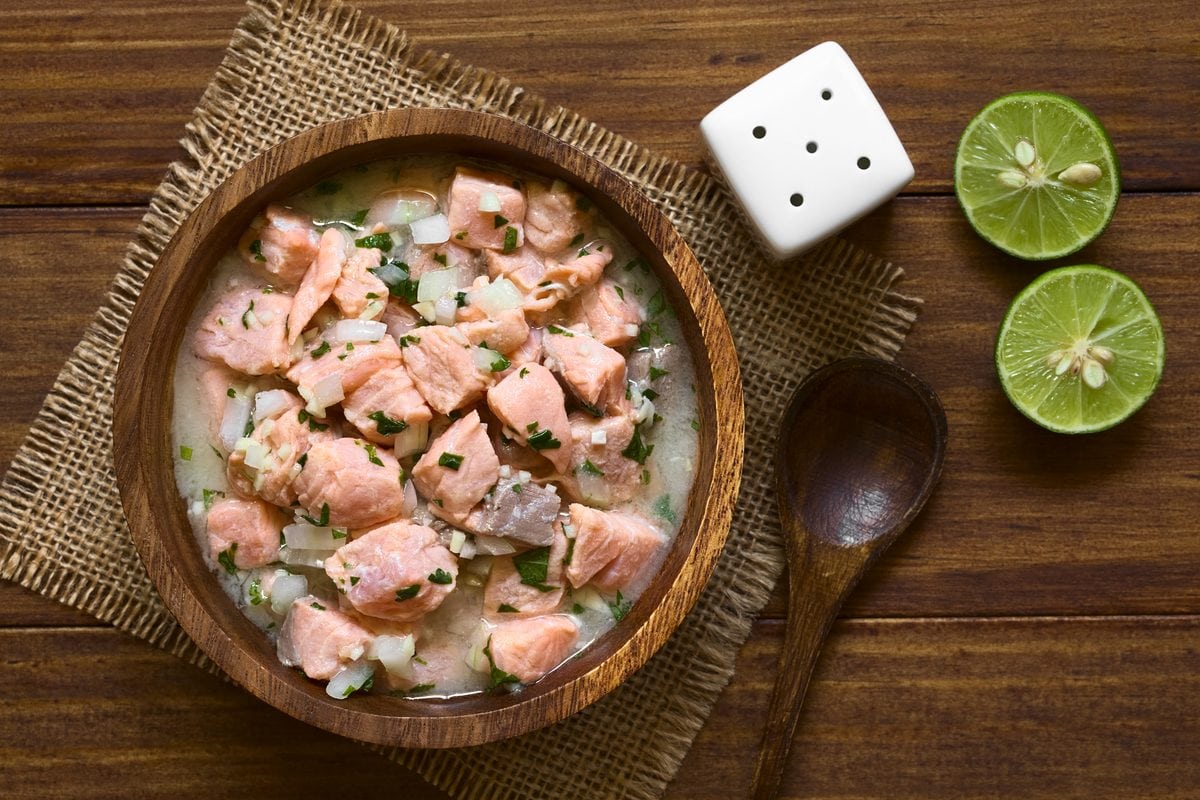
In a glass bowl, toss the salmon with 1/2 cup of lime juice, the optional orange juice, the onion, the minced chile and 1/2 teaspoon of kosher salt. Refrigerate for 10 to 15 minutes, stirring once. The edges of the cubes should turn opaque and a little paler; the centers can stay a deeper orange-pink. Do not walk away for an hour.

- Maximum Juice, Minimal Effort – Patented dual-gear mechanism delivers up to 20% more juice than...
- Premium Quality Construction – Built with durable nylon and stainless steel for long-lasting...
3. Finish and serve
Fold in the cilantro and the diced avocado. Taste for salt and lime. Serve at once, with tostadas, tortilla chips, or sweet potato and corn if you want a Peruvian-style plate. For a mango version, add diced ripe mango with the herbs, or use the method in our mango ceviche recipe.
Variations
- Passion fruit (maracuyá). Replace 2 tablespoons of the lime juice with strained passion-fruit pulp for a Nikkei-style bowl. Add it at the end so the flavor stays bright.
- Ají amarillo. Stir 1 teaspoon of paste into the lime for a more Peruvian heat, the same idea as in leche de tigre.
- Cucumber. A little diced cucumber, the way you would in a Mexican mix, adds crunch without copying Mexican shrimp ceviche.

Make Ahead and Storage
You can slice the onion and chop the chile and cilantro a few hours ahead. Cut and cure the salmon only when you are close to serving. Leftovers keep in the refrigerator for up to 12 hours, but the fish continues to firm in the acid and will not be as good as it was at the start. Do not freeze the finished ceviche. Do not leave it at room temperature for more than 2 hours.
Troubleshooting
| Problem | Why it happens | Fix |
|---|---|---|
| Dry, chalky salmon | It sat in lime too long, or the cubes were very small. | Cure for 10 to 15 minutes and keep the cubes around 1/2 inch. |
| A strong, oily taste | A lot of dark belly fat, or fish that was not very fresh. | Trim some of the belly if you prefer a cleaner flavor, and buy fish that smells clean. |
| Pin bones in the bowl | They were not pulled before cubing. | Run your fingers over the fillet and remove bones with tweezers first. |
| Watery dressing | The salmon was not patted dry after thawing. | Thaw it in the refrigerator, still wrapped, then dry it well before cutting. |
If you are not sure whether a fillet was previously frozen, ask. Many salmon fillets sold as “fresh” were frozen at sea and thawed in the shop, which can still be a good choice if they have been kept cold and have not been sitting thawed for days. What you do not want is a warm, dull-looking piece with a sour edge. When in doubt, buy a still-frozen fillet labeled for raw use and thaw it yourself overnight in the fridge.
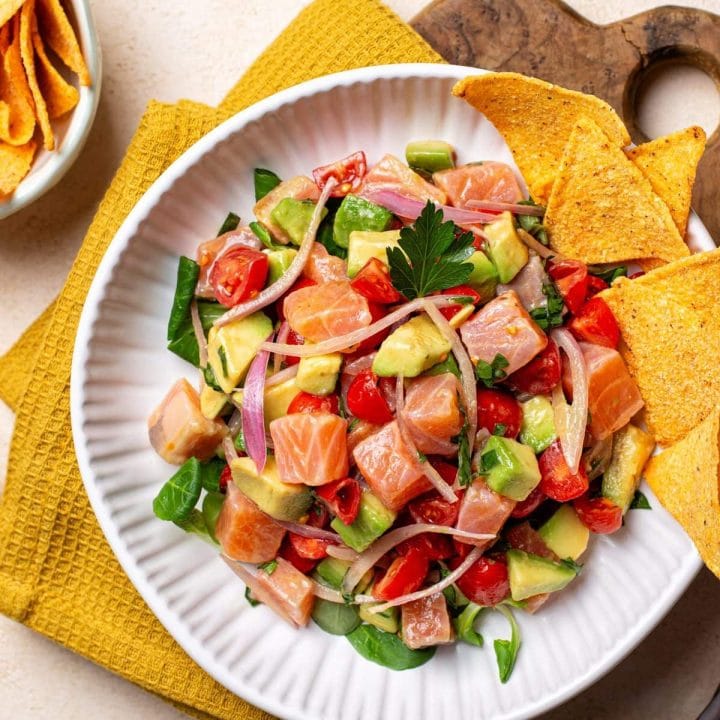
Salmon Ceviche
Salmon ceviche: diced, previously frozen salmon in a short lime cure with red onion, chile, cilantro and avocado. 10 to 15 minutes, so the fish stays tender instead of chalky.
Ingredients
- 1 pound (450 g) previously frozen skinless salmon fillet, pin bones removed, cut into 1/2-inch cubes
- 1/2 cup (120 ml) freshly squeezed lime juice (about 4 to 5 limes)
- 2 tablespoons freshly squeezed orange juice (optional)
- 1/2 small red onion, thinly sliced
- 1 jalapeno or serrano pepper, seeded and minced
- 1/2 teaspoon kosher salt, plus more to taste
- 1/4 cup chopped fresh cilantro
- 1 ripe avocado, diced
- Tostadas or tortilla chips, to serve
Instructions
- Trim and cube the salmon. Pat the thawed fillet dry. Pull out any pin bones with tweezers and remove the skin if it is still on. Cut the salmon into even 1/2-inch cubes. Keep it cold.
- Cure briefly in lime. In a glass or ceramic bowl, toss the salmon with the lime juice, optional orange juice, onion, minced chile and 1/2 teaspoon of kosher salt. Refrigerate 10 to 15 minutes, stirring once. The edges should turn opaque; the centers can stay a deeper orange-pink.
- Finish and serve. Fold in the cilantro and the diced avocado. Taste for salt and lime. Serve at once.
Notes
Do not over-marinate. A long cure makes salmon dry and chalky.
Safety: Use previously frozen salmon sold for raw eating. Lime is not a kill step. Higher-risk groups should skip raw or lime-cured salmon.
Use a non-reactive bowl. Glass or ceramic only.
Passion fruit variation: Replace 2 tablespoons of the lime juice with strained passion-fruit pulp, added at the end.
Aji amarillo variation: Stir 1 teaspoon of paste into the lime.
Storage: Leftovers keep up to 12 hours in the refrigerator. Do not freeze. Do not leave out more than 2 hours.
Nutrition Information:
Serving Size: 1/4 of recipe (about 3/4 cup)Amount Per Serving: Calories: 310Total Fat: 18gSaturated Fat: 3.5gTrans Fat: 0gUnsaturated Fat: 13gCholesterol: 60mgSodium: 300mgCarbohydrates: 8gFiber: 4gSugar: 2gProtein: 26g
Nutrition information is an estimate and will vary with the brands and amounts used.
Salmon Ceviche FAQ
Is salmon ceviche safe?
It is as safe as other raw fish dishes only if the salmon was previously frozen for raw consumption and kept cold. Lime juice does not make it safe. Skip it if you are in a higher-risk group.
How long should salmon sit in lime juice?
10 to 15 minutes is enough. A longer cure, the kind used for lean white fish, makes salmon dry and chalky.
Can I use smoked salmon?
No. Smoked salmon is already cured and has a different flavor and texture. Use raw, previously frozen fillet.
Farmed or wild?
Either can work if it was frozen and handled for raw eating. Farmed salmon is often easier to find sold for raw use. Taste and fat level vary more than the label “wild” or “farmed” alone would suggest, so buy from a fishmonger you trust.
More Ceviche Recipes
Start with the ceviche guide, then try tuna ceviche, mango ceviche, best fish for ceviche or Peruvian ceviche.
More Seafood
See all →
Jorge Garcia is the founder of AmigoFoods, where he has spent over 20 years helping readers discover authentic Latin American and Spanish cuisine. Raised in a Cuban-American household, Jorge learned to cook at the hands of his mother and grandmother, carrying forward generations of family recipes. That heritage, backed by his family’s four-generation history in the Latin food industry, inspired him to launch AmigoFoods in 2003. With more than 1,000 published articles on recipes, ingredients, and food culture, Jorge’s mission is simple: make authentic Latin cooking approachable for home cooks everywhere while honoring the traditions behind every dish.