
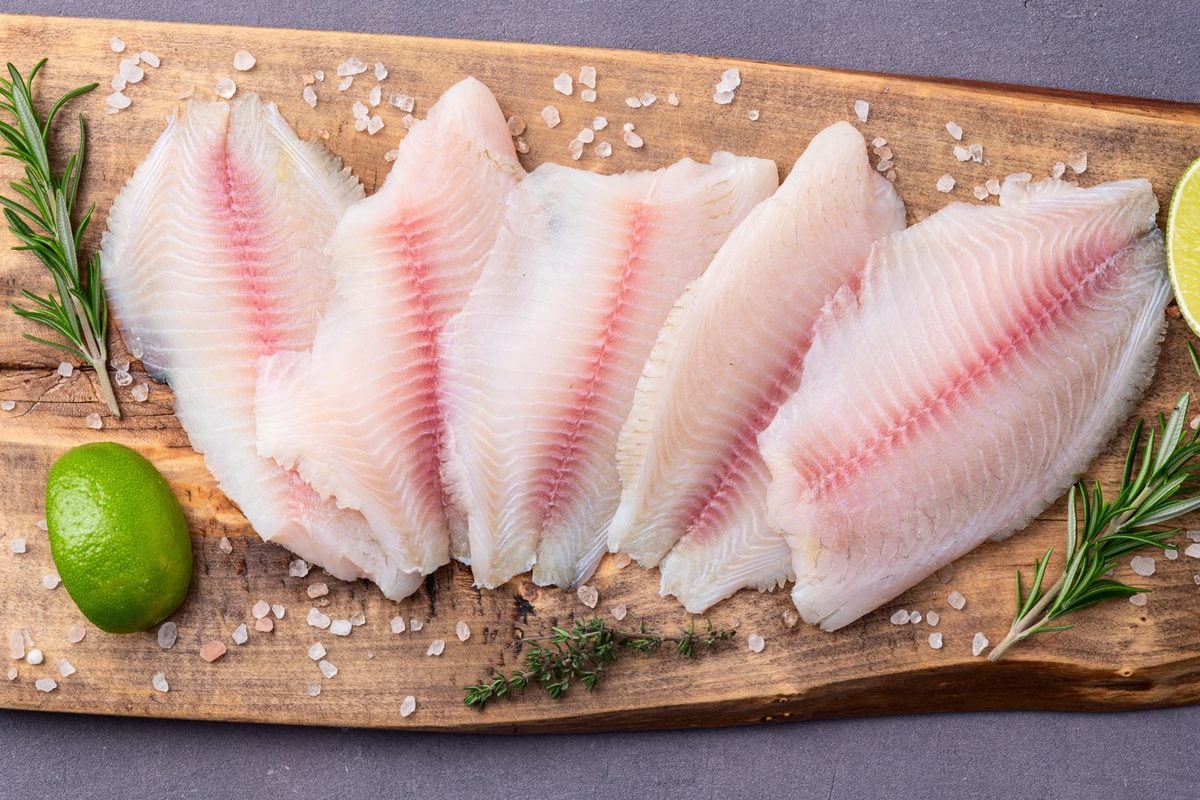
The best fish for ceviche is firm, lean, mild ocean fish—sea bass, snapper, grouper, halibut, mahi-mahi or flounder—cut into small cubes and, for home cooks, preferably previously frozen. Oily fish and most freshwater fish make a muddy or mushy bowl, and lime juice alone does not make raw fish safe.
Best Fish for Ceviche at a Glance
AmigoFoods may earn a commission from qualifying Amazon purchases made through links on this page.
What to Look for in a Ceviche Fish
Classic ceviche, the kind you find in a Peruvian or Panamanian bowl, needs fish that can take a short lime cure without falling apart or tasting oily. That means three things: firm flesh, a mild flavor, and very little fat. Soft or oily fish turn pasty in acid. This page is a buying and cutting guide, not a recipe card; use it next to the country recipes in our ceviche guide.
J. Kenji López-Alt, writing for Serious Eats, puts it plainly: use firm, lean, white ocean fish, and skip oily fish such as mackerel, sardines, bluefish and jack. That advice still holds. The fish should smell clean and of the sea, never sour or ammoniated, and the flesh should spring back when you press it.
The Best Fish for Ceviche
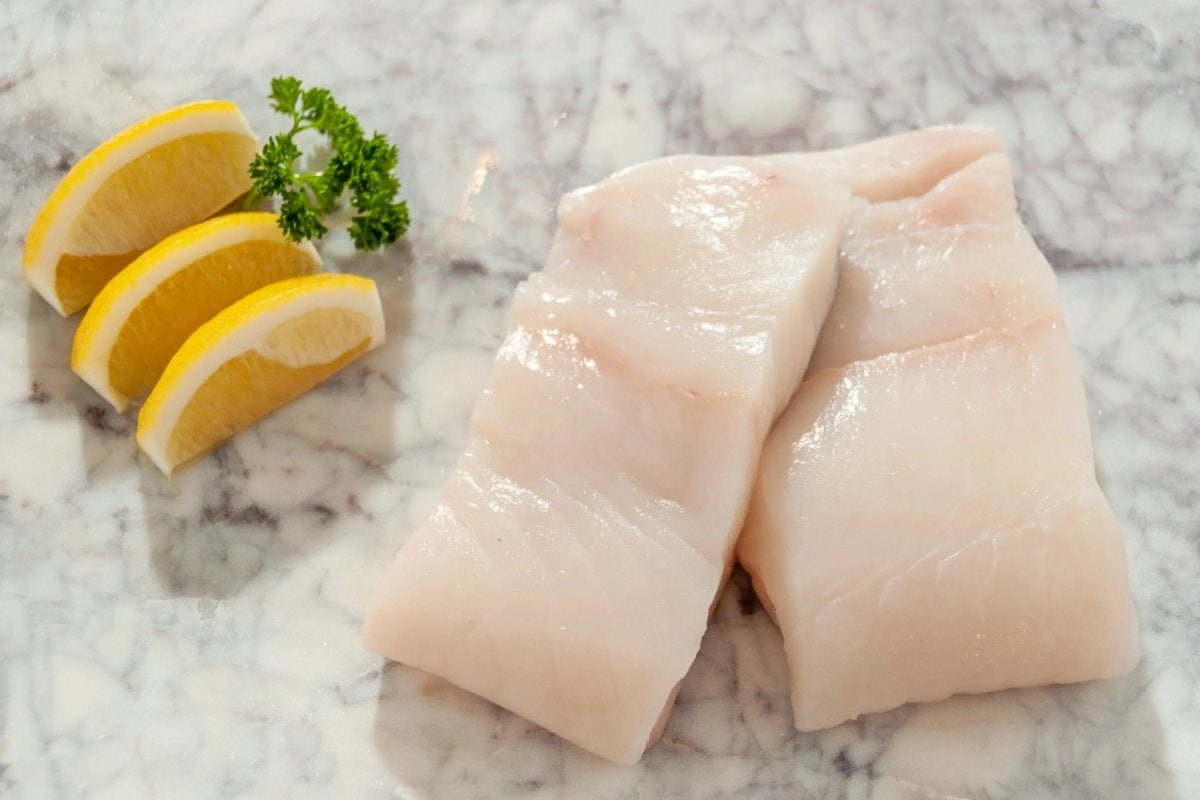
Any of the fish below will make a clean, snappy ceviche if it is fresh (or freshly thawed) and cut correctly. Names change by market: corvina, sea bass, lubina and robalo are not always the same species, so buy by texture, not only by the label.
| Fish | Why it works | Notes |
|---|---|---|
| Sea bass / corvina | Firm, mild, holds a cube | The usual choice for Peruvian ceviche and for Panamanian ceviche de corvina. Chilean sea bass (Patagonian toothfish) is richer; true corvina or Mediterranean sea bass is leaner. |
| Red snapper | Sweet, firm, easy to find | A very good all-purpose ceviche fish in Mexican and Caribbean kitchens. Check for pin bones. |
| Grouper | Meatier and sturdy | Takes a slightly longer cure without falling apart. Nice for a mixed seafood bowl. |
| Halibut | Dense, clean flavor | Expensive, but it cubes beautifully and stays opaque rather than mushy. |
| Mahi-mahi (dorado) | Firm and slightly sweet | Common in Pacific-coast recipes. Avoid any piece that looks dried out at the edge. |
| Flounder or sole | Delicate but lean | Use slightly larger pieces so they do not dissolve, and keep the cure short. |
Other good options, when the fish is high quality, include branzino, hogfish, rockfish, and Pacific or Atlantic cod (cod can be a little watery; pat it dry). Mexican kitchens often use sierra (Spanish mackerel) or pescado blanco from the local market; sierra is oilier than snapper, so it is a regional taste, not the best starting point for a first bowl.

What to Skip
- Oily fish. Mackerel, sardines, anchovies, bluefish and most jacks have a strong flavor and soft flesh that turns unpleasant in lime. Some also carry a higher risk of scombroid (histamine) spoilage if they were not kept cold.
- Most freshwater fish. Catfish, inland trout and similar fish are not traditional for raw-cured ceviche and can have a muddy taste or a different parasite profile. Tilapia is widely used in everyday Mexican ceviche because it is cheap and mild, but the texture is often soft. If you use it, buy it very fresh or previously frozen and keep the cure short; ocean fish is still the better bowl.
- Fish that is already falling apart. Thin, previously frozen fillets that have been thawed and refrozen, or fish with gaping flesh, will turn mushy in citrus.
- Anything that smells off. If you have to ask whether it smells fine, it is not ceviche fish.
Cooked seafood is a different path: shrimp, octopus and some regional clam dishes are cooked first, then dressed. See Mexican shrimp ceviche and octopus ceviche for those methods.
How to Buy It
The useful phrase at the counter is not “sushi-grade,” which is a marketing term with no single legal definition, but “previously frozen” or “suitable for raw use.” Ask when it was frozen and whether it has been kept frozen until you buy it. Thaw it overnight in the refrigerator, still wrapped, set on a plate, and pat it dry before cutting.
If you can only buy fresh, never-frozen fish, understand the tradeoff in the safety section below. A trusted fishmonger who sells a lot of seafood and keeps it on ice is safer than a lonely fillet at the back of a case. Plan to make the ceviche the same day you bring the fish home.

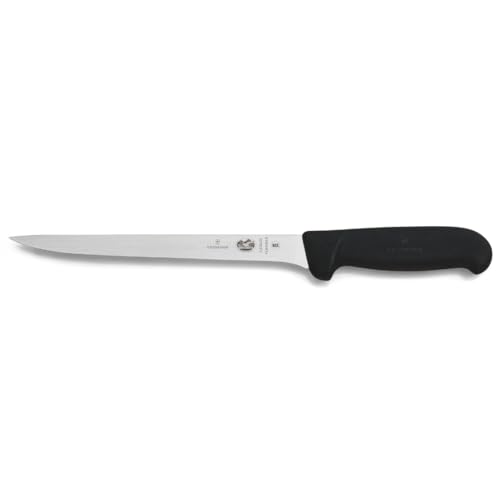
- Long, flexible blade for smooth filleting
- We've designed a contemporary, textured handle with a non-slip grip -- even when wet. These...

How to Cut It
Trim away skin, dark bloodline and any brown or bruised spots. Run your fingers over the fillet and pull out pin bones with clean tweezers. Cut the fish into even 1/2-inch cubes, or slightly larger for very tender fish such as sole. Even pieces cure at the same speed; ragged scraps overcook in the lime while thick chunks stay raw in the middle.
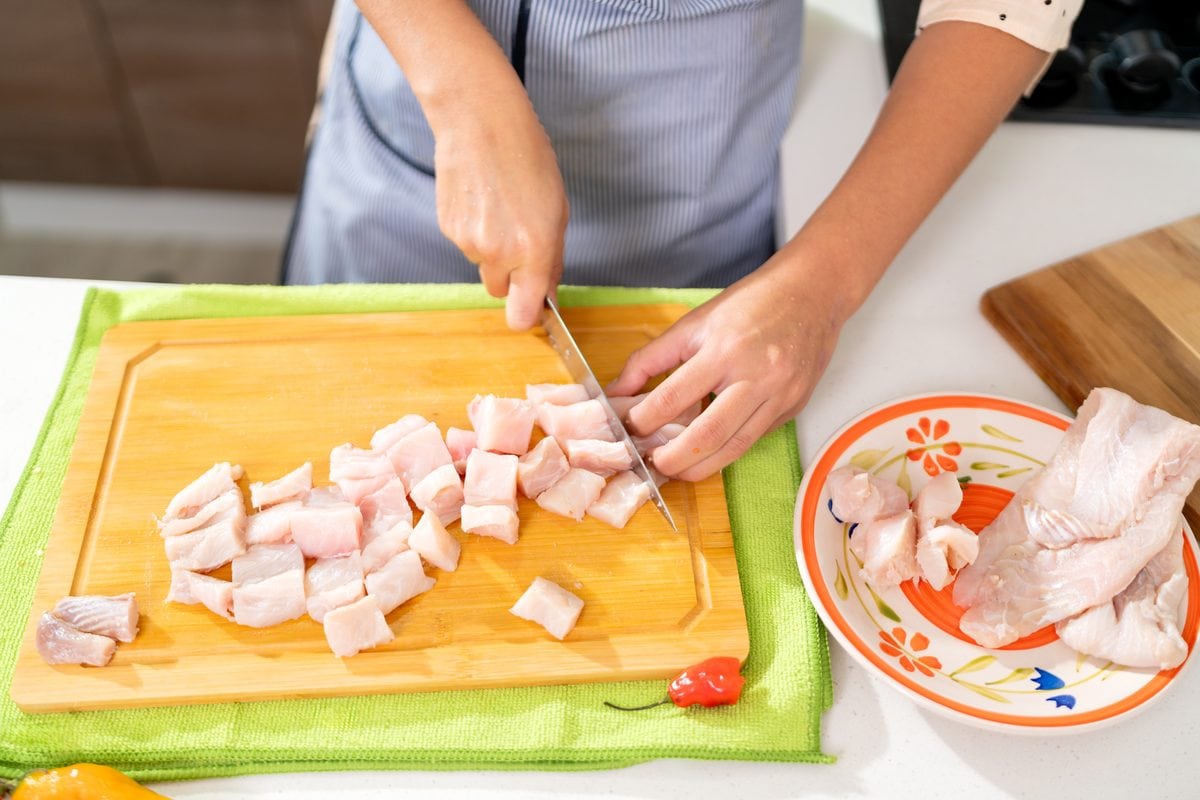
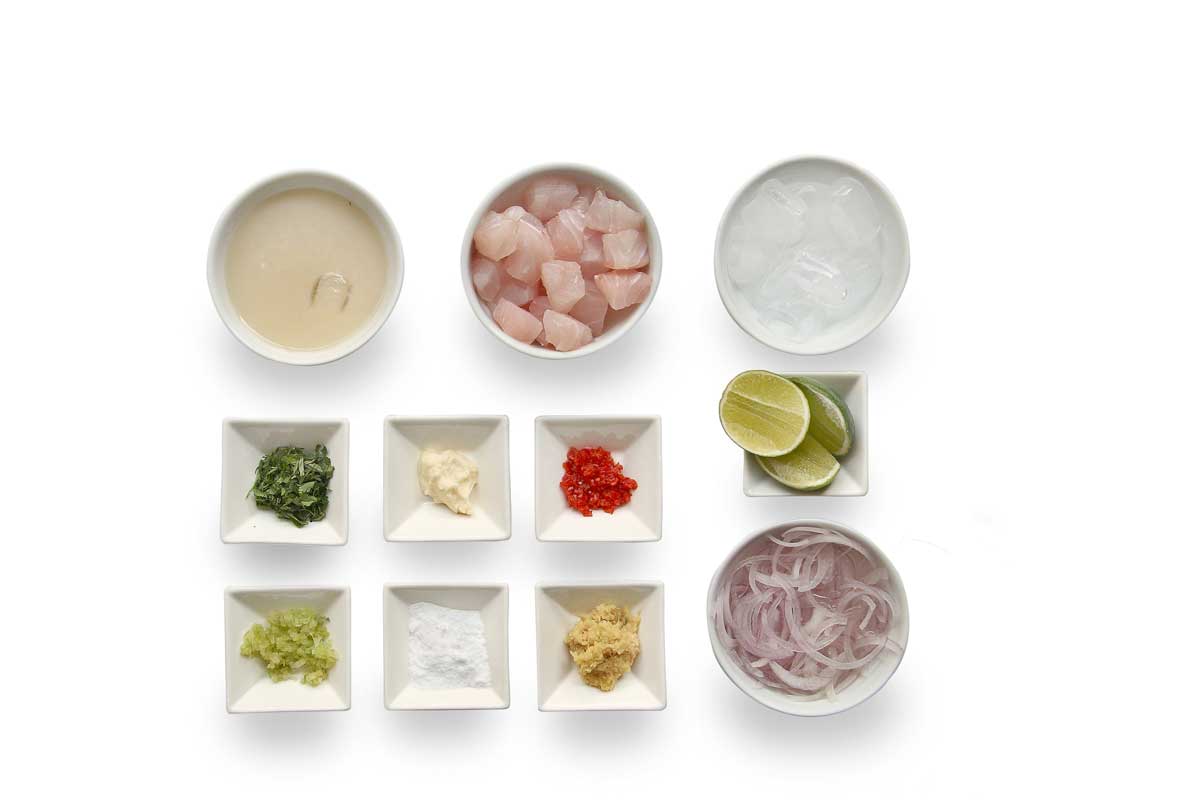
Keep the fish cold while you work: a bowl set over ice, or short trips in and out of the refrigerator, is better than a warm counter. Salt the cubes lightly just before they go into the lime, not hours ahead, or they will leach moisture and the cure will taste watery. For a salsa-style Mexican mix, you can cut a little smaller; for a Lima-style plate, a neat 1/2-inch cube looks better next to onion and ají.
Safety and Freezing
Citrus juice denatures the proteins in fish, which is why the flesh turns opaque and firm. It is a texture change, not a cooking step that makes seafood safe. It does not reliably kill parasites or bacteria.
Those freezing rules target parasites. They do not fix bacteria, and they do not fix fish that was already mishandled. Keep everything cold, use a clean glass or ceramic bowl, and do not leave finished ceviche at room temperature for more than 2 hours (1 hour in very hot weather). Pregnant people, young children, older adults and anyone with a weaker immune system should not eat raw or undercooked seafood, including lime-cured ceviche. Cooked shrimp or octopus ceviche is the better option for that table.
For storage once the bowl is made, eat it the same day when you can, and within 24 hours at the latest. The acid keeps working, and the fish turns chalky. The country recipes and the ceviche guide cover leftovers in more detail.
Tuna and Salmon
Tuna and salmon are popular ceviche fish, but they do not behave like lean white fish. They are fattier, they need a shorter cure, and they can start to look like sashimi or poke if you are not careful with the dressing. Use previously frozen fish sold for raw eating, keep the lime time to about 10 minutes, and follow the dedicated recipes: tuna ceviche and salmon ceviche.
Some tuna species are treated differently in the FDA Food Code because parasites are less common in them, but that is not a free pass: bacteria and, in the tuna family, scombroid spoilage are still real. Buy it cold, from someone you trust, and keep it cold.
Match the Fish to the Style
| Style | Usual fish | Recipe |
|---|---|---|
| Peruvian cebiche | Corvina, sea bass, flounder | Peruvian ceviche, with leche de tigre |
| Panamanian | Corvina / sea bass | Ceviche de corvina |
| Mexican fish mix | Snapper, sierra, or another firm local white fish | Use the vegetable mix in Mexican shrimp ceviche, or pile it on tostadas de ceviche |
| Tropical | The same white fish, plus mango | Mango ceviche |
| Sliced, not cubed | Sea bass or similar | Tiradito, which is not chopped ceviche |

Best Fish for Ceviche FAQ
What is the best fish for ceviche?
Firm, lean, mild ocean fish: sea bass or corvina, snapper, grouper, halibut, mahi-mahi, or flounder. Previously frozen fish that you thaw in the refrigerator is the most practical choice for home cooks.
Can I use tilapia for ceviche?
You can, and many Mexican home kitchens do, but the texture is often softer than snapper or sea bass. Buy it very fresh or previously frozen, cut even cubes, and do not leave it in lime for a long time. If you have a choice, pick an ocean fish from the table above.
Is frozen fish good for ceviche?
Yes. Fish that was frozen under commercial conditions and thawed in the fridge is often the better choice, because freezing is how parasites are addressed in fish eaten raw. Pat it dry so the cure is not watery.
Can I use salmon or tuna?
Yes, with a shorter cure and fish sold for raw eating. They are fattier than classic white-fish ceviche, so use the salmon and tuna recipes rather than the Peruvian white-fish method.
Does lime juice cook the fish enough to make it safe?
No. Lime changes the texture and flavor. It does not reliably kill parasites or bacteria. Use previously frozen fish, keep it cold, and skip raw-cured ceviche if you are in a higher-risk group.
More Ceviche Recipes
Read the ceviche guide for types by country, then make Peruvian ceviche, Panamanian ceviche de corvina, tuna ceviche or salmon ceviche.
Sources
- J. Kenji López-Alt, Serious Eats / The Food Lab, on firm lean ocean fish and oily fish to avoid
- U.S. Food and Drug Administration, Fish and Fishery Products Hazards and Controls Guidance, parasite-destruction freezing times for fish eaten raw
- FDA Food Code, advice on raw seafood and vulnerable populations
More Seafood
See all →
Jorge Garcia is the founder of AmigoFoods, where he has spent over 20 years helping readers discover authentic Latin American and Spanish cuisine. Raised in a Cuban-American household, Jorge learned to cook at the hands of his mother and grandmother, carrying forward generations of family recipes. That heritage, backed by his family’s four-generation history in the Latin food industry, inspired him to launch AmigoFoods in 2003. With more than 1,000 published articles on recipes, ingredients, and food culture, Jorge’s mission is simple: make authentic Latin cooking approachable for home cooks everywhere while honoring the traditions behind every dish.