

Tallarín saltado brings noodles, tender beef and crisp vegetables together in a savory soy-based sauce. This Peruvian chifa favorite makes four servings in about 30 minutes, with quick cooking in a hot wok or heavy skillet.
Tallarín Saltado at a Glance
What Is Tallarín Saltado?

Tallarín saltado is a beloved Peruvian stir-fry dish that brings together Chinese cooking techniques and Peruvian flavors in one sizzling, satisfying plate.
-
Chifa Cuisine Fusion: It’s a standout creation from chifa—Peru’s Chinese-Peruvian culinary tradition that blends Cantonese recipes with local ingredients.
-
Noodles Take Center Stage: Instead of rice, this dish features tallarines (noodles), typically thick spaghetti or egg noodles, stir-fried until perfectly coated in a savory, smoky sauce.
-
Wok-Fired Flavor: Cooked quickly over high heat, the dish develops wok hei—that irresistible smoky essence characteristic of great stir-fries.
-
Customizable Proteins: Commonly made with beef, chicken, or seafood, but easily adapted for vegetarians or vegans.
-
Everyday Favorite: Served everywhere from family kitchens to upscale chifas across Peru, tallarín saltado is a go-to comfort food with bold flavors and global roots.
Whether you’re already a fan of lomo saltado or exploring Peruvian food for the first time, tallarín saltado is a delicious entry point into the fusion magic of chifa cuisine.
Key Ingredients in Tallarín Saltado
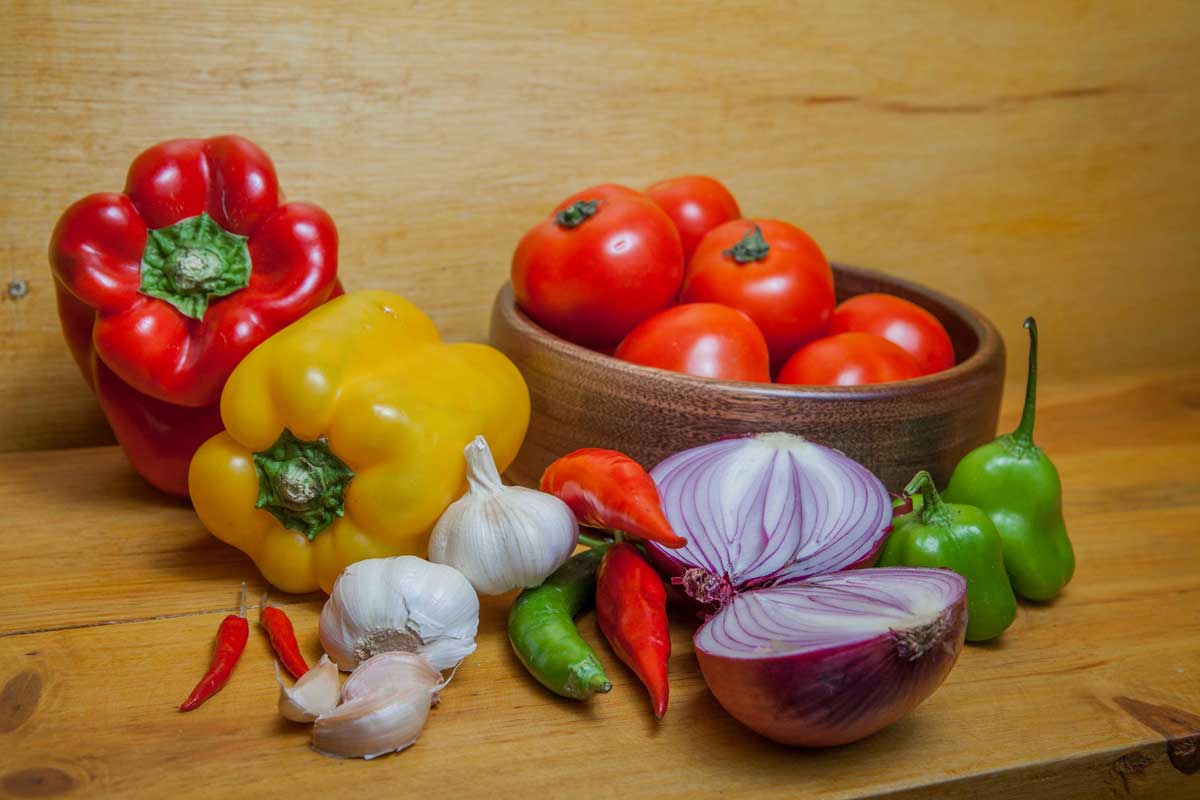
The magic of tallarín saltado lies in its flavorful combination of fresh ingredients, bold sauces, and quick wok-style cooking.
Here are the essentials that bring this Peruvian stir-fry to life:
-
Noodles (Tallarines): Thick spaghetti, Chinese egg noodles, or even linguine—cooked al dente for the perfect bite.
-
Protein of Choice: Common options include beef strips (often sirloin), chicken breast, shrimp, or a seafood mix. Tofu or mushrooms work great for vegetarian versions.
-
Aromatics: Garlic, red onion, and sometimes a bit of ginger form the flavor base.
-
Vegetables: Tomato wedges, bell peppers, green onions, and sometimes bean sprouts for crunch.
-
Sauces: A bold blend of soy sauce, oyster sauce, and sesame oil—occasionally accented with a splash of pisco, rice vinegar, or dark soy for depth.
-
Seasonings: Salt, black pepper, and ají amarillo or chili flakes for a hint of heat.
-
Fresh Garnish: Chopped cilantro or scallions to brighten the dish just before serving.
These tallarín saltado ingredients come together in minutes—but when cooked right, they deliver flavor that tastes like it took all day.
How to Make Tallarín Saltado at Home (Step-by-Step)
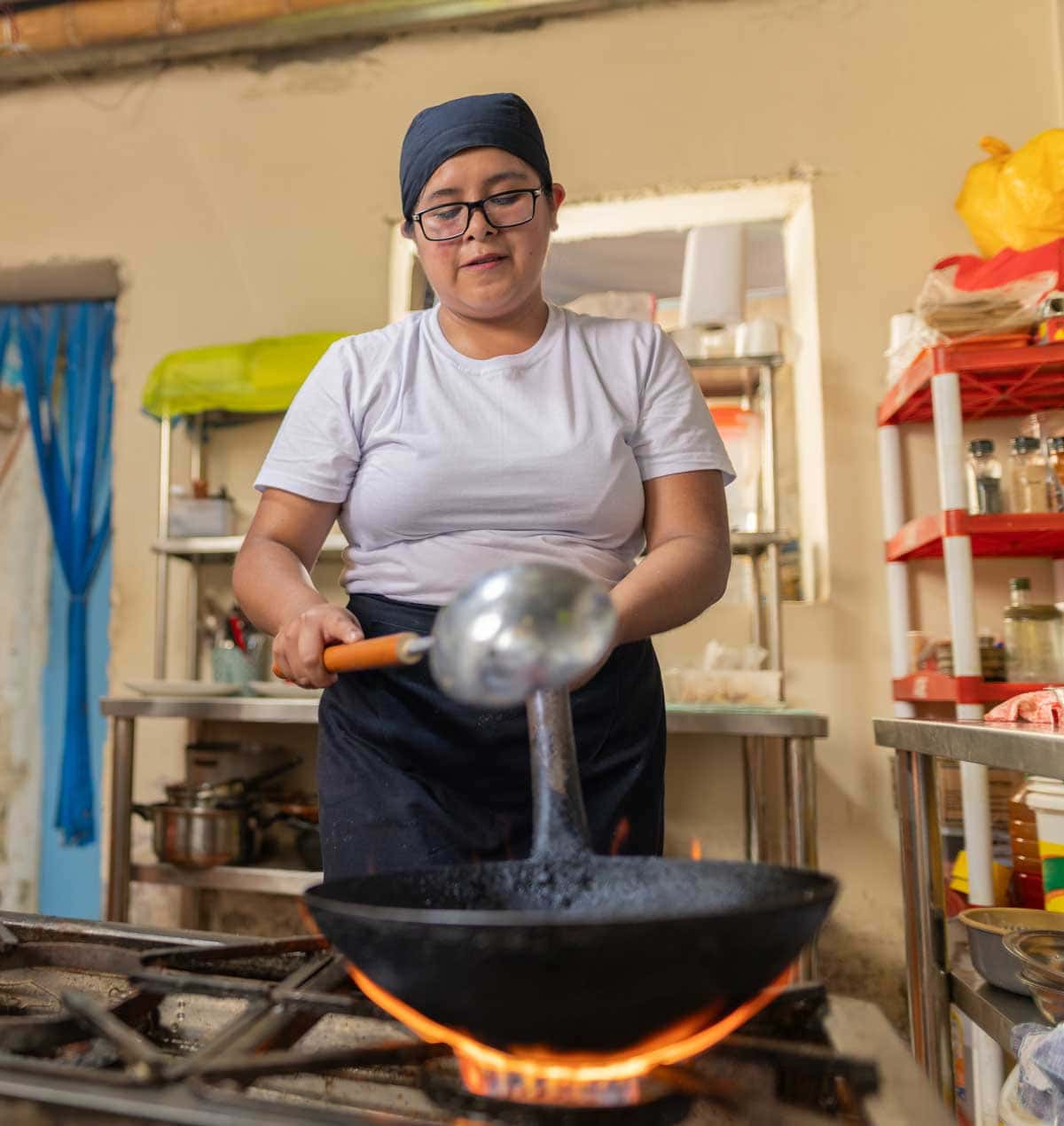
This beef version takes about 30 minutes when noodle cooking and the short marinade overlap the prep. Allow more time for extra batches in a small pan.
- Bring a pot of water to a boil. Cook the noodles according to the package until al dente; drain and toss with 1 teaspoon oil. While the water heats and noodles cook, prepare the vegetables and sauce.
- Toss the thin beef strips with the 2 tablespoons soy sauce and pepper. Refrigerate for 10 minutes while you finish the prep. Keep the garlic for the wok. Mix the sauce ingredients in a small bowl.
- Heat a large wok or heavy skillet over high heat. Add 1 tablespoon oil. Sear the beef in batches so it browns rather than steams, then transfer to a clean plate. Do not pour unused raw-meat marinade over the finished dish.
- Add the remaining tablespoon oil, onion and bell pepper. Stir-fry until lightly browned but still crisp. Add the garlic and stir for about 30 seconds, then add the tomato, green onions and optional bean sprouts. Cook until the sprouts are thoroughly hot, about 1–2 minutes.
- Return the beef and add the noodles and sauce. Toss for 2–3 minutes until hot and evenly coated; work in two batches if needed. Cook beef to at least 145°F (63°C) and allow 3 minutes before serving. Taste before adding salt because the sauces are salty.
- Garnish with cilantro or scallions and serve hot.
Timing: About 30 minutes with noodle cooking and the 10-minute marinade overlapping the prep. Allow extra time if your pan requires several small batches.
Substitutions: Use thinly sliced chicken and cook to 165°F (74°C), or peeled, deveined shrimp and cook until pearly and opaque. Cook mixed proteins separately before combining. For a vegetarian version use tofu or mushrooms and vegetarian mushroom stir-fry sauce instead of oyster sauce; for a vegan version also choose egg-free noodles.
Sauce: Rice vinegar supplies acidity. Pisco is an optional flavor addition, not a replacement for vinegar. Lower-sodium soy sauce is useful here; taste before adding any salt.
The measured recipe below uses soy sauce, oyster sauce and vinegar, a combination also found in Acomer.pe’s tallarín saltado con carne.
Popular Variations of Tallarín Saltado

One of the best things about the Peruvian noodle dish is how customizable it is.
Whether you’re a meat lover, seafood fan, or plant-based eater, there’s a version for you:
-
Tallarín Saltado de Carne (Beef Stir-Fry Noodles)
The classic version made with tender strips of beef—often sirloin or flank—quick-seared for maximum flavor. -
Tallarín Saltado de Pollo (Chicken Stir-Fry Noodles)
A lighter twist using chicken breast or thigh, still packed with bold chifa flavors and wok-fired goodness. -
Tallarín Saltado de Mariscos (Seafood Stir-Fry Noodles)
A Peruvian coastal favorite that includes shrimp, squid, scallops, or a mix—perfect for seafood lovers. -
Tallarín Saltado Mixto (Mixed Proteins)
A combination of beef, chicken, and seafood, offering the best of all worlds in one flavorful dish. -
Vegetarian or Vegan Tallarín Saltado
Made with tofu, mushrooms, or seitan. Use vegetarian mushroom stir-fry sauce instead of oyster sauce; for a vegan version, choose egg-free noodles too. -
Regional Twists
In the Amazon, you might find it with river fish or jungle peppers. In the Andes, locals may add native herbs or rocoto peppers for a spicy kick.
Whether you stick with the classic or try a creative spin, tallarín saltado is endlessly adaptable—and always delicious.
Tallarín saltado is the wok-fried side of Peru’s noodle family. For the creamy, Italian-rooted side, try tallarines verdes, spaghetti in a blended sauce of spinach, basil and queso fresco.
Tallarín Saltado vs. Lomo Saltado – What’s the Difference?
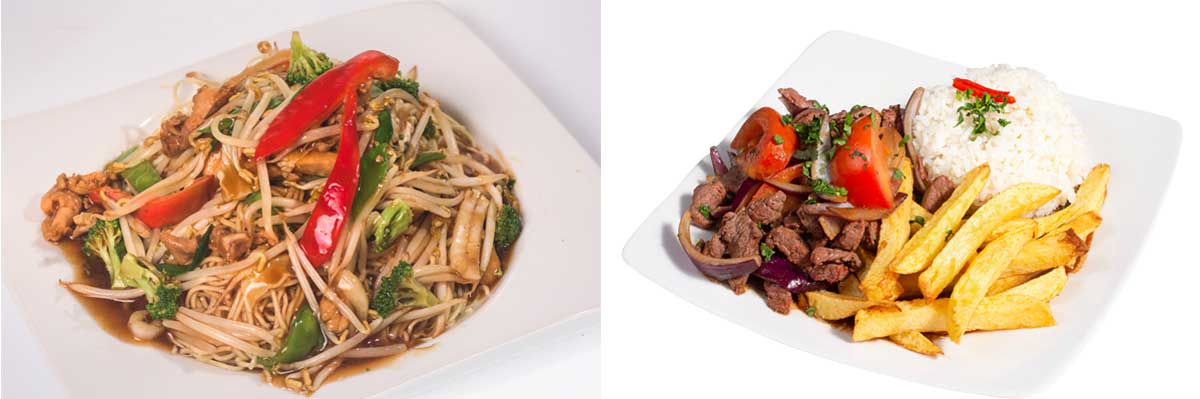
Tallarín saltado and lomo saltado are both staples of Peruvian chifa cuisine, and while they share similar ingredients and cooking techniques, they’re not the same dish.
Here’s how they differ:
-
Base Carb
-
Tallarín saltado uses noodles (tallarines) as the main starch.
-
Lomo saltado is served with white rice and French fries, offering a double-carb combo.
-
-
Texture & Mouthfeel
-
Noodles give tallarín saltado a soft, slurpable texture.
-
Lomo saltado offers a crunchy-soft contrast thanks to crispy fries and fluffy rice.
-
-
Sauce Absorption
-
Tallarines soak up the soy-based sauce, giving every bite bold flavor.
-
Lomo’s sauce pools slightly, soaking into fries and rice for layered taste.
-
-
Presentation Style
-
Tallarín is often served as a noodle bowl or plate, tossed together.
-
Lomo is more segmented: beef and veggies on one side, rice and fries on the other.
-
-
When to Choose Which
-
Craving comfort and noodles? Go for tallarín saltado.
-
Want something hearty and classic? Lomo saltado hits the spot.
-
Both dishes reflect the delicious collision of Chinese technique and Peruvian ingredients—but whether you’re twirling noodles or dipping fries in soy sauce, you’re in for a treat!
Where to Try the Peruvian Noodle Stir Fry Dish

If you want to taste tallarín saltado the way it’s meant to be, head to the heart of chifa culture—or find a trusted Peruvian kitchen near you.
Here’s where to look:
-
Lima, Peru – The Chifa Capital
-
Lima is home to thousands of chifas—Chinese-Peruvian restaurants where tallarín saltado is a menu staple.
-
Top spots: Chifa Titi, Wa Lok, and Salon de la Felicidad are legendary for their authenticity and flavor.
-
-
Other Peruvian Cities to Explore
-
In Arequipa, Cusco, and Trujillo, you’ll find regional spins with local ingredients and bold seasoning.
-
Street vendors and markets often serve quick, flavorful versions for locals on the go.
-
-
The International Chifa Scene
-
United States: Cities like Miami, New York, Los Angeles, and Washington D.C. have vibrant Peruvian communities and excellent chifas.
-
Europe: Madrid, London, and Milan are emerging hotspots for high-quality Peruvian fusion cuisine.
-
Latin America: Chile, Argentina, and Ecuador also have strong chifa traditions influenced by Peru.
-
-
Tips for Finding the Best Tallarín Saltado
-
Look for sizzling dishes made fresh to order, not pre-cooked.
-
Check reviews for mentions of wok hei, bold seasoning, and balanced sauces.
-
Ask locals—some of the best meals are found in low-key, family-run spots.
-
Wherever you are in the world, chances are there’s a plate of tallarín saltado not too far away—smoky, savory, and ready to make your day.
Tips for Perfecting Tallarín Saltado at Home
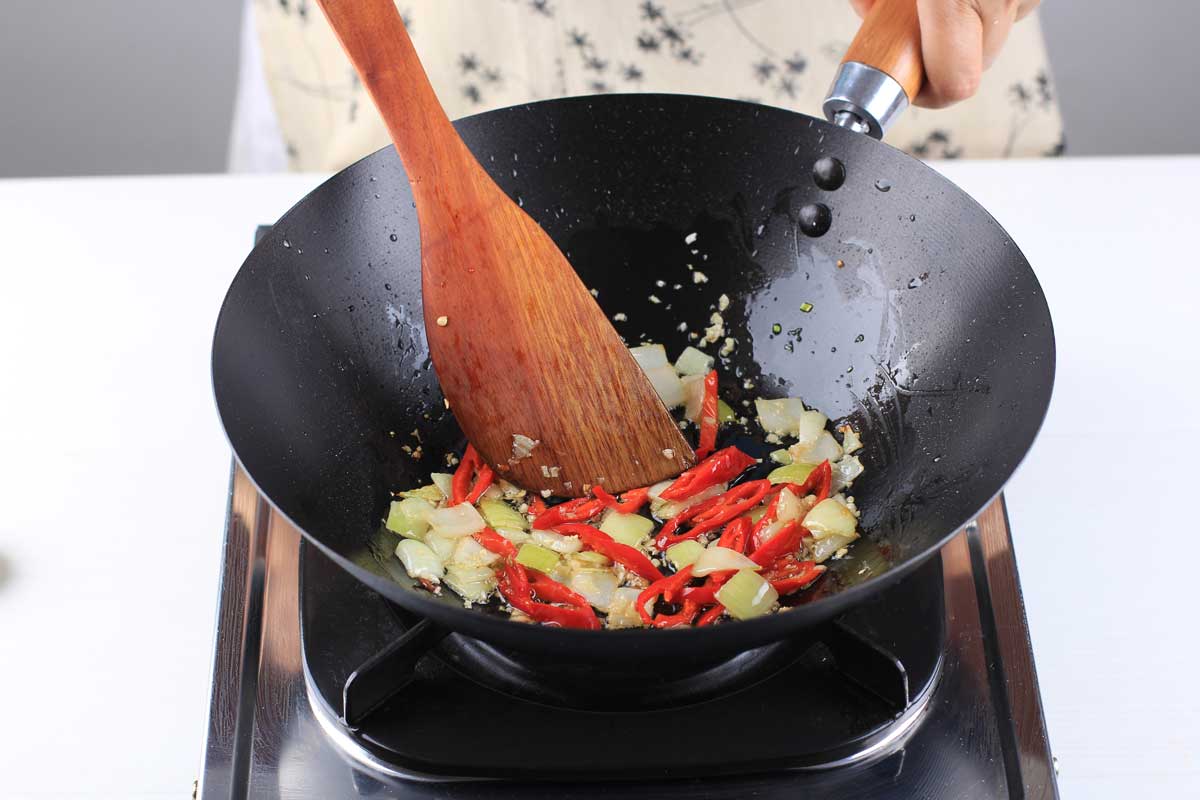
Want that authentic chifa flavor in your own kitchen?
Mastering tallarín saltado at home is all about technique, timing, and a few key details.
Here’s how to nail it every time:
-
Use the Right Pan
-
A carbon steel wok or heavy cast-iron skillet is ideal for high heat and quick cooking.
-
Avoid nonstick pans—they won’t give you that coveted wok hei (smoky charred flavor).
-
-
Crank Up the Heat
-
Stir-frying only works with serious heat. Preheat your wok until it’s almost smoking before adding oil or ingredients.
-
-
Prep Everything First (Mise en Place)
-
Stir-fry moves fast, so have all your ingredients chopped, measured, and ready to toss in.
-
-
Cook in Batches
-
Don’t overcrowd the pan! Cook proteins separately to keep them juicy, then combine at the end.
-
-
Balance Your Sauce
-
Adjust soy sauce, oyster sauce, sesame oil, and vinegar to taste. Aim for a bold but not salty result.
-
Add a pinch of sugar or a splash of pisco for extra depth.
-
-
Toss, Don’t Stir
-
Flip and toss ingredients to coat evenly and avoid mushy noodles.
-
-
Finish with Freshness
-
Garnish with chopped scallions or cilantro just before serving for a pop of color and flavor.
-
With a little practice and the right tools, you can bring restaurant-quality tallarín saltado to your dinner table—hot, smoky, and full of Peruvian flair.
Conclusion – Why Tallarín Saltado Deserves a Spot in Your Weekly Menu

Tallarín saltado isn’t just a meal—it’s a flavorful celebration of cultures coming together in one sizzling pan.
With its bold sauces, tender proteins, and wok-fired noodles, it brings the best of Chinese stir-fry and Peruvian comfort food to your plate.
-
It’s fast and satisfying, perfect for busy weeknights.
-
The recipe is flexible—use whatever protein or veggies you have on hand.
-
It delivers restaurant-quality flavor at home without a long prep time.
-
And most of all, it’s a fun way to explore the bold, beautiful world of Peruvian chifa cuisine.
So the next time you’re craving something hearty, smoky, and full of umami?
Make room for tallarín saltado on your weekly menu—you won’t regret it.

Tallarín Saltado Recipe
Tallarín Saltado is Peru’s ultimate fusion stir-fry—where Chinese technique meets Peruvian flavor. Loaded with juicy strips of meat, crisp veggies, and noodles tossed in a bold soy-based sauce, it’s a quick, fiery dish you’ll crave again and again.
Ingredients
For the noodles and beef
- 12 oz dry tallarines (thick spaghetti, linguine, or Chinese egg noodles)
- 1 lb beef sirloin, thinly sliced across the grain (see substitutions)
- 2 tablespoons soy sauce, for the beef
- Black pepper to taste; salt only if needed
Aromatics and vegetables
- 2 tablespoons vegetable oil, divided, plus 1 teaspoon for the noodles
- 3 garlic cloves, minced
- 1 red onion, sliced into wedges
- 1 red bell pepper, sliced
- 1 tomato, cut into wedges
- 2 green onions, sliced
- 1/2 cup bean sprouts, optional
Sauce
- 3 tablespoons soy sauce
- 1 tablespoon oyster sauce
- 1 teaspoon sesame oil
- 1 teaspoon rice vinegar
- 1 teaspoon ají amarillo paste, optional (or chili flakes to taste)
Garnish
- Chopped cilantro or scallions, optional
Instructions
- Bring a pot of water to a boil. Cook the noodles according to the package until al dente; drain and toss with 1 teaspoon oil. While the water heats and noodles cook, prepare the vegetables and sauce.
- Toss the thin beef strips with the 2 tablespoons soy sauce and pepper. Refrigerate for 10 minutes while you finish the prep. Keep the garlic for the wok. Mix the sauce ingredients in a small bowl.
- Heat a large wok or heavy skillet over high heat. Add 1 tablespoon oil. Sear the beef in batches so it browns rather than steams, then transfer to a clean plate. Do not pour unused raw-meat marinade over the finished dish.
- Add the remaining tablespoon oil, onion and bell pepper. Stir-fry until lightly browned but still crisp. Add the garlic and stir for about 30 seconds, then add the tomato, green onions and optional bean sprouts. Cook until the sprouts are thoroughly hot, about 1–2 minutes.
- Return the beef and add the noodles and sauce. Toss for 2–3 minutes until hot and evenly coated; work in two batches if needed. Cook beef to at least 145°F (63°C) and allow 3 minutes before serving. Taste before adding salt because the sauces are salty.
- Garnish with cilantro or scallions and serve hot.
Notes
Timing: About 30 minutes with noodle cooking and the 10-minute marinade overlapping the prep. Allow extra time if your pan requires several small batches.
Substitutions: Use thinly sliced chicken and cook to 165°F (74°C), or peeled, deveined shrimp and cook until pearly and opaque. Cook mixed proteins separately before combining. For a vegetarian version use tofu or mushrooms and vegetarian mushroom stir-fry sauce instead of oyster sauce; for a vegan version also choose egg-free noodles.
Sauce: Rice vinegar supplies acidity. Pisco is an optional flavor addition, not a replacement for vinegar. Lower-sodium soy sauce is useful here; taste before adding any salt.
More Peruvian Foods
See all →
Jorge Garcia is the founder of AmigoFoods, where he has spent over 20 years helping readers discover authentic Latin American and Spanish cuisine. Raised in a Cuban-American household, Jorge learned to cook at the hands of his mother and grandmother, carrying forward generations of family recipes. That heritage, backed by his family’s four-generation history in the Latin food industry, inspired him to launch AmigoFoods in 2003. With more than 1,000 published articles on recipes, ingredients, and food culture, Jorge’s mission is simple: make authentic Latin cooking approachable for home cooks everywhere while honoring the traditions behind every dish.