

On this page
Chifa is Peru’s Chinese-Peruvian cuisine, and the word also means the restaurants that serve it. It grew out of the Cantonese cooking that immigrants brought to Peru from 1849 onward, made with Peruvian ingredients and tastes. Expect wok-fried rice and noodles, crisp wontons, tamarind sauces and a cold Inca Kola on the table.
Here’s what the word means, how a Chinese immigrant cuisine became a Peruvian everyday food, 15 dishes to order, and a kam lu wantán you can make at home.
Chifa at a Glance
AmigoFoods may earn a commission from qualifying Amazon purchases made through links on this page.
What Is Chifa?
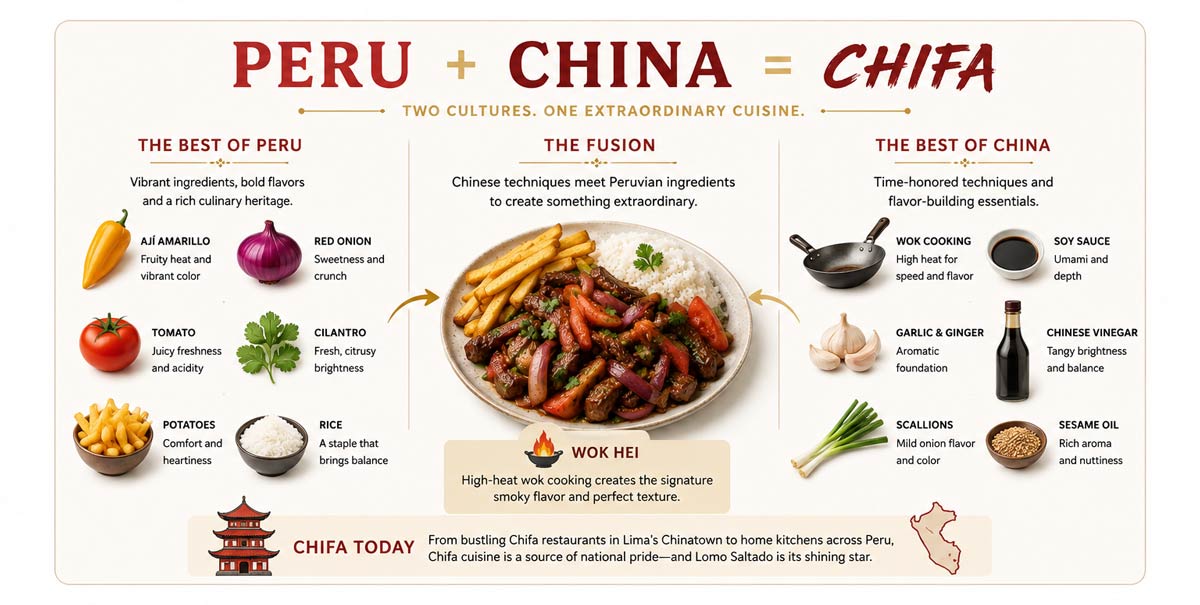
Chifa is what happened when Cantonese cooks in Peru started cooking for Peruvians. The wok, soy sauce, ginger and fried rice came from southern China. Ají, Peruvian potatoes, tamarind-sweet sauces and huge portions came from Peru’s side of the table.
It isn’t a foreign food in Peru. Rich and working-class Peruvians alike eat it, from a neighborhood chifa de barrio with a cheap set lunch to a white-tablecloth dining room. And it has crossed into Peruvian home cooking: arroz chaufa and lomo saltado are as Peruvian to most people as ceviche.
What Does Chifa Mean?
The word comes from Cantonese. The usual explanation, proposed by the Peruvian Academy of Language’s lexicography commission, is sik faan (食飯), literally “eat rice,” used the way English speakers say “time to eat.” Limeños heard it from Chinese cooks and restaurant owners, and by the 1930s chifa was the word for the food and the places serving it.
It’s mainly a Peruvian word, though it has spread to neighbors like Ecuador, and you’ll also see it in Bolivia and Chile. Its cousin chaufa comes from caau faan (炒飯), “fried rice.” So chifa is the cuisine, and chaufa is one dish in it.
The History of Chifa
Chifa’s start is not a happy story. Peru’s plantation owners needed cheap labor as slavery was ending, and China’s Guangdong province became the source.
- 1849
The first Chinese contract workers reach Peru, mostly from Guangdong. Over the next 25 years, somewhere around 90,000 to 100,000 follow, working sugar and cotton plantations, guano islands and railroads under harsh eight-year contracts. - 1850s–1900s
As contracts end, many move to Lima and settle around Calle Capón, near the central market. Named for the pigs castrated and sold in the area, it becomes Lima’s Barrio Chino. Cheap eateries, called fondas, feed the community and the neighbors. - 1920s–1930s
Formal restaurants open and Lima’s upper class starts dining out on Chinese food. Kuong Tong dates to 1921, according to Food52. San Joy Lao, with its live orchestra, became the best known; sources date it anywhere from 1920 to 1934. - 1980s–1990s
Peru’s economic crisis pushes chifas to offer cheap set menus, and a much wider public starts eating them. When the economy recovers, chifas spread across the country. - 1999
Calle Capón is rebuilt as a pedestrian street paved with red bricks for the 150th anniversary of Chinese immigration to Peru. - Today
Chifa has reached Lima’s fine dining and US cities. Chifa in Los Angeles has earned a Michelin Bib Gourmand.
You’ll often read that Lima has about 6,000 chifas. That number has been repeated for over 20 years with thin sourcing, so read it as “a lot,” not a count. Either way, chifas are easy to find in every Peruvian city.
15 Chifa Dishes to Order
Start with the first three if you’ve never eaten chifa. Where we have a full recipe, the dish name links to it.
1. Arroz Chaufa

The dish that defines chifa: day-old rice, egg, green onion, ginger and soy sauce over high heat, usually with chicken or pork. Our arroz chaufa recipe shows how to get it right at home.
2. Lomo Saltado

Beef, red onion and tomato flash-fried with soy sauce and vinegar, then served with both French fries and rice. It’s so thoroughly adopted that it’s on criollo menus as well as chifa ones. Get the lomo saltado recipe.
3. Tallarín Saltado

Noodles tossed in the wok with meat, vegetables and soy sauce. Peruvians commonly use spaghetti as well as egg noodles. Here’s our tallarín saltado recipe.
4. Aeropuerto
Arroz chaufa and tallarín saltado fried together, often topped with a thin omelet and sometimes fried wontons. Nobody agrees why it’s called “airport.”
5. Kam Lu Wantán
Chifa’s showpiece: crisp wontons under a heap of chicken, shrimp, pork and vegetables in a glossy tamarind sauce, often with pineapple. The recipe is below.
6. Wantán Frito
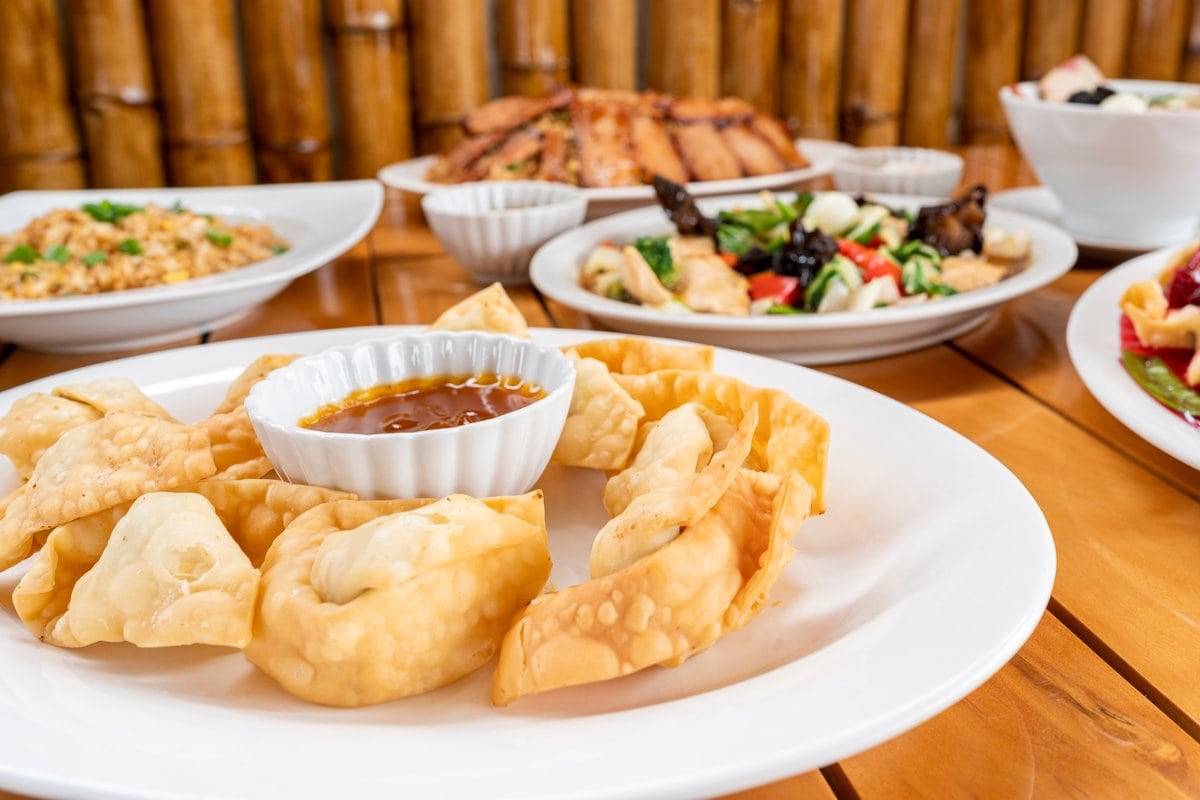
Crisp fried wontons with tamarind dipping sauce. The filling is small and sometimes missing altogether, because the crunch is the point. Fold, fry and sauce them with the first half of the recipe below.
7. Sopa Wantán

Light chicken broth with pork wontons, noodles and bok choy. The fancier sopa wantán especial adds more meat and a quail egg. A bowl followed by chaufa is the classic chifa set lunch.
8. Pollo Chijaukay

Battered fried chicken in a dark soy and oyster sauce glaze. Our chijaukay recipe has the full method.
9. Pollo Tipakay
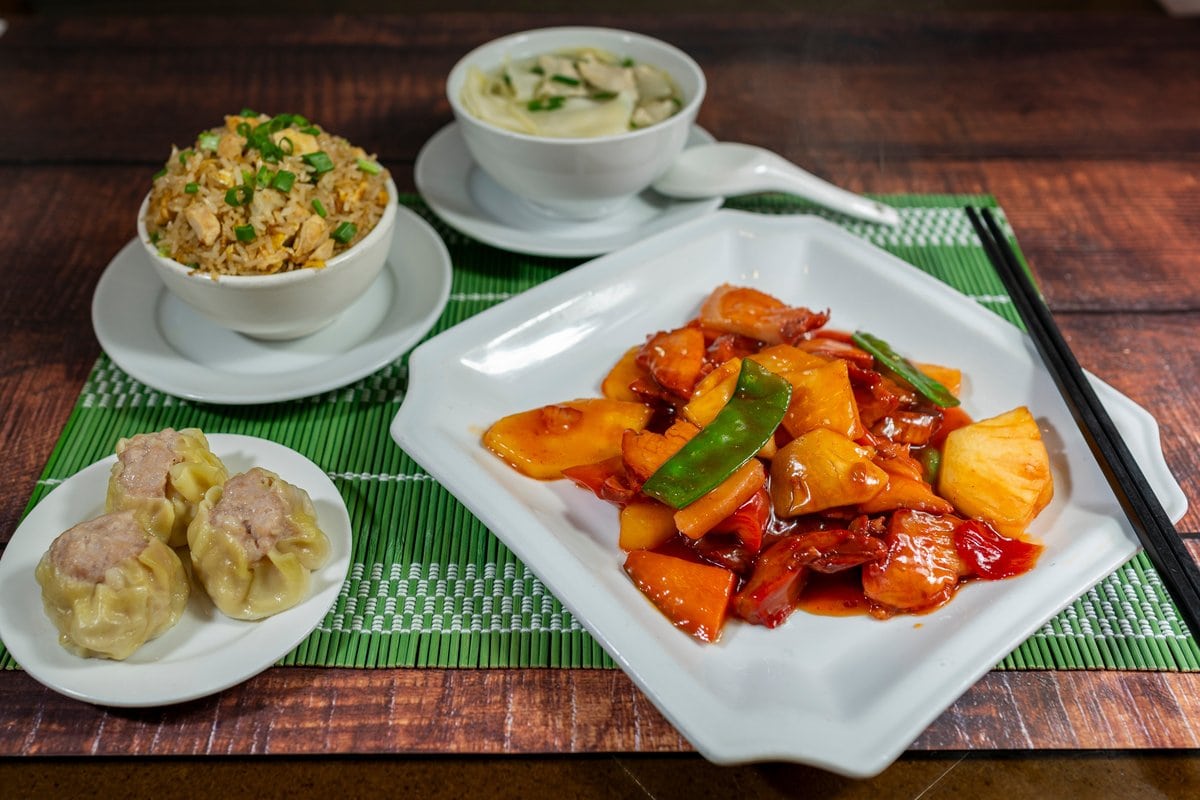
Chijaukay’s sweet sibling, with the same fried chicken in a tamarind sauce, often with peppers and pineapple. Pollo al durazno is a close relative made with canned peaches.
10. Chicharrón de Pollo
Marinated chicken pieces fried crisp and served with a sharp dip of lime juice, sometimes spiced with Chinese cinnamon. Simple and hard to stop eating.
11. Pollo con Tausí
Chicken and vegetables with salty fermented black beans, one of the more openly Cantonese flavors on the menu.
12. Taypá a la Plancha
A mixed stir-fry of chicken, beef, pork, seafood and vegetables that arrives sizzling on a hot iron plate. Taypá is Peruvian slang for a very generous serving.
13. Chancho con Tamarindo
Crisp fried pork and vegetables in tamarind sauce, for anyone who loves kam lu wantán’s sauce but wants it on pork.
14. Siu Mai
Open-topped steamed dumplings of minced pork, often found on the plate next to chijaukay or tipakay. A bamboo steamer is all you need to try these at home.
15. Sopa Fu Chi Fu
Silky egg drop soup with chicken broth, green onion and ginger. A gentler starter than sopa wantán. You may also see plain sopa estilo chifa, a light chicken soup.
How to Read a Chifa Menu
Peruvian chifa menus use words you won’t see at a Chinese restaurant in the US, and most came from Cantonese.
| On the menu | What it means |
|---|---|
| Sillao | Soy sauce |
| Kión | Fresh ginger |
| Cebolla china | Green onion |
| Holantao | Snow peas |
| Chaufa | Fried rice |
| Tallarín | Noodles |
| Saltado | Stir-fried in a wok |
| Wantán | Wonton |
| Tausí | Fermented black beans |
| Taypá | A heaping portion, or a mixed platter |
Chifa vs. Chinese Food: What’s the Difference?
Chifa has Cantonese roots but went its own way, the same way American Chinese food did. Here’s how it compares with what most US diners know.
| Peruvian chifa | American Chinese | |
|---|---|---|
| Fried rice | Arroz chaufa, with ginger and often a side omelet | Egg fried rice with peas and carrots |
| Sweet sauce | Tamarind-based, with sour depth | Sugar, vinegar and ketchup or orange |
| Surprise on the plate | French fries | Crab rangoon |
| Noodles | Often spaghetti, in tallarín saltado | Lo mein or chow mein noodles |
| Table condiments | Soy sauce, plus ají and lime from habit | Soy sauce and hot mustard |
| The drink | Inca Kola or chicha morada | Tea or soda |
Peru’s other Asian-Peruvian cuisine is often confused with chifa. Nikkei is Japanese-Peruvian, built around raw seafood and knife work rather than the wok. For the wider picture, see the influences that shaped Peruvian food.
The Chifa Pantry
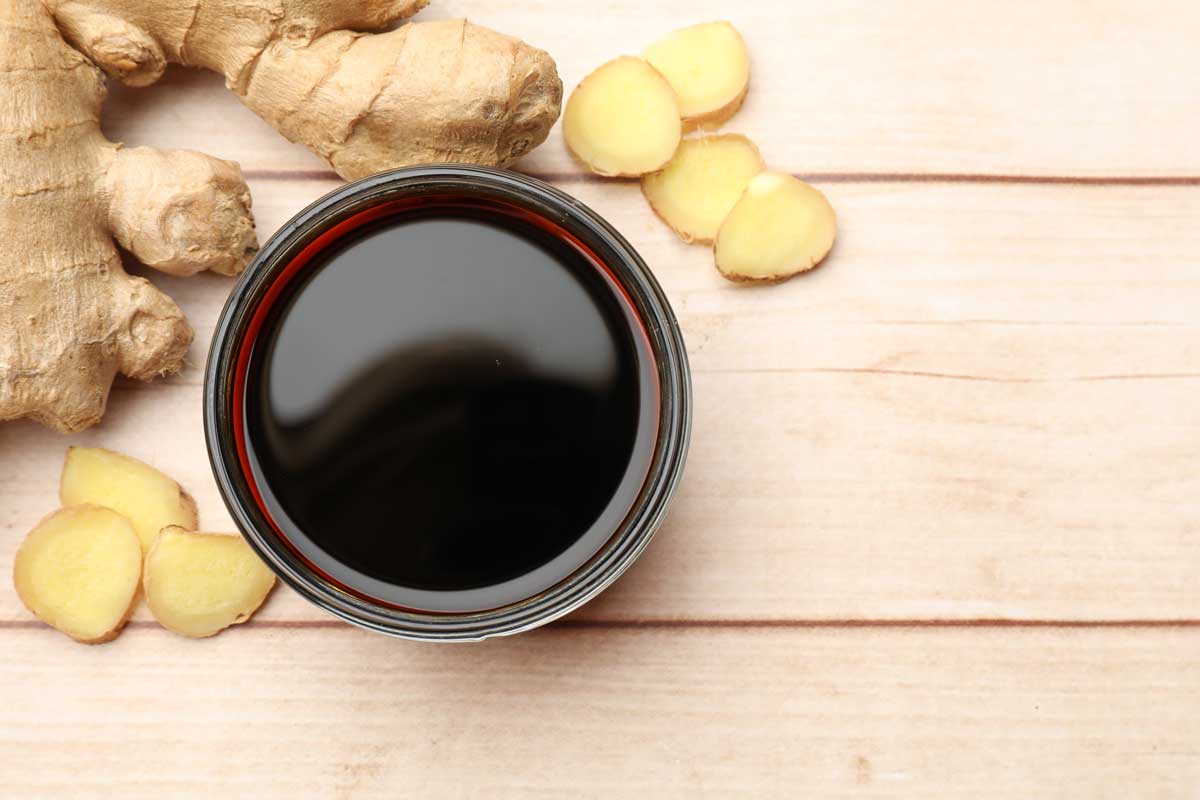
Why the wok matters
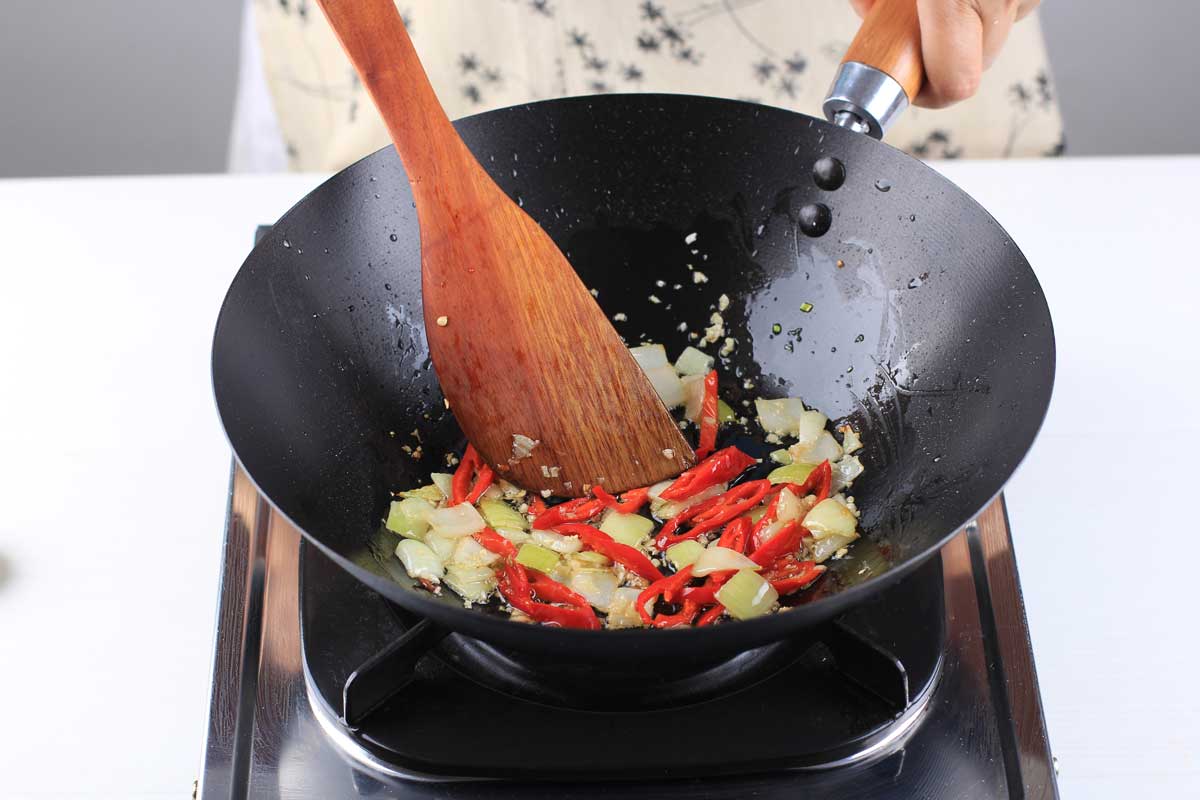
That smoky, slightly charred flavor comes from very high heat and constant motion. At home, get the pan smoking before anything goes in, and cook in small batches so the food fries instead of steaming. A 12.5-inch carbon steel wok works on gas, electric and induction stoves.
Chifa with a regional accent

Peru’s regions adapt chifa too. In the Amazon, chaufa amazónico gets fried plantain and smoky cecina. Compare that with the rest of the regional cooking of Peru.
What to Drink with Chifa
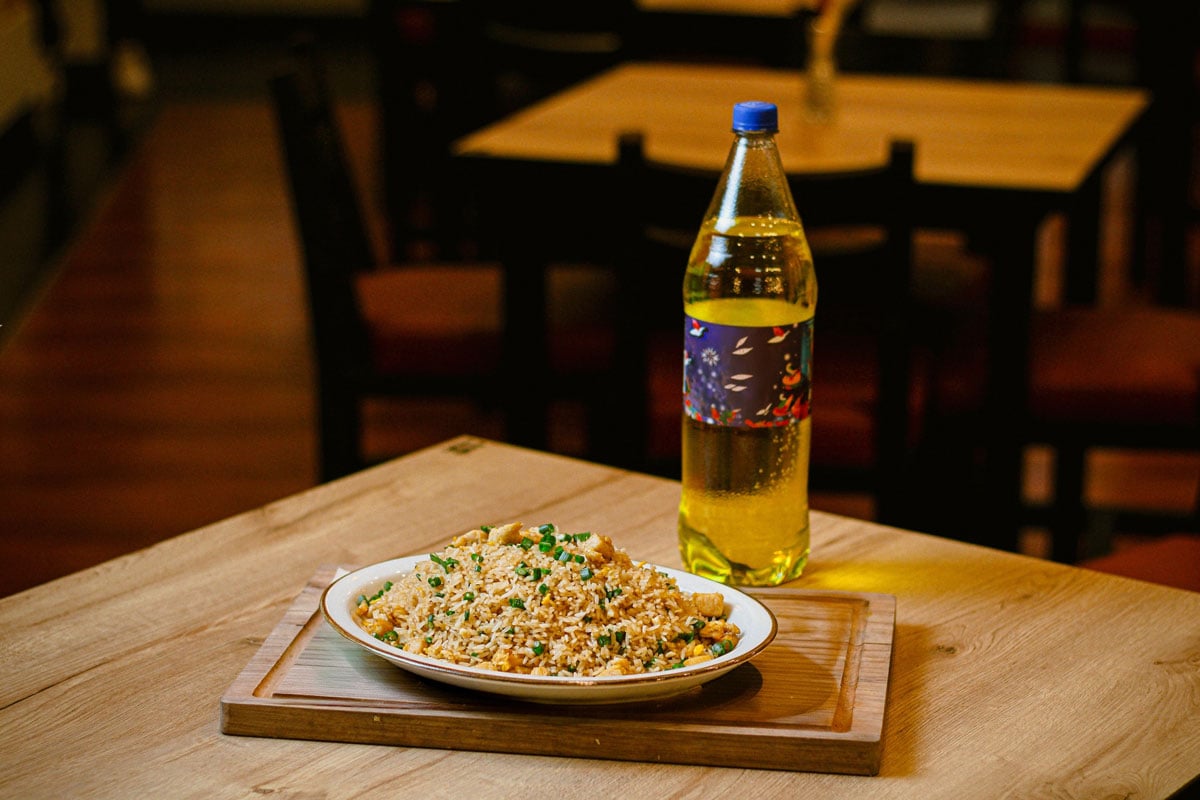
Inca Kola, by a long way. The bright yellow soda, created in Lima in 1935, tastes a bit like bubblegum and cream soda, and its sweetness works well with salty soy and wok char. You can buy Inca Kola on Amazon.
Other good options are jasmine tea, a cold beer and Peruvian drinks like chicha morada.
Kam Lu Wantán: A Chifa Recipe to Make at Home
Chaufa, lomo saltado, tallarín saltado and chijaukay each have their own recipes on this site, so here’s the chifa classic they don’t cover. It looks like a production but breaks into three easy parts: wontons, tamarind sauce and a quick stir-fry.
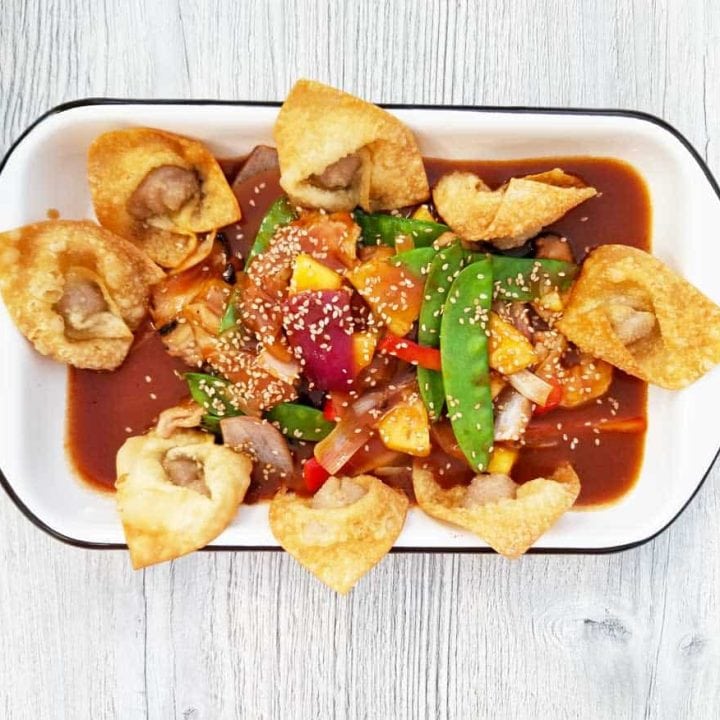
Kam Lu Wantán (Chifa Fried Wontons with Tamarind Sauce)
Peru's favorite chifa dish: crisp pork wontons piled with chicken, shrimp and vegetables in a glossy sweet-sour tamarind sauce.
Ingredients
- 24 square wonton wrappers
- 8 ounces ground pork
- 1 green onion, minced, for the filling
- 1 teaspoon grated fresh ginger, for the filling
- 2 teaspoons soy sauce, for the filling
- 1/2 teaspoon toasted sesame oil
- 4 cups neutral oil, for frying
- 1 cup chicken broth
- 1/2 cup sugar
- 3 tablespoons tamarind concentrate
- 1/4 cup white vinegar
- 1/4 cup ketchup
- 1 tablespoon soy sauce, for the sauce
- 1 tablespoon cornstarch mixed with 2 tablespoons cold water
- 1 tablespoon neutral oil, for the stir-fry
- 8 ounces boneless chicken thigh, cut into thin strips
- 8 ounces medium shrimp, peeled and deveined
- 2 garlic cloves, minced
- 1 teaspoon grated fresh ginger, for the stir-fry
- 1 small red onion, cut into wedges
- 1 red bell pepper, cut into strips
- 1 cup snow peas (holantao)
- 1 cup pineapple chunks
- 2 green onions, sliced, to finish
Instructions
- Fill the wontons. Mix the pork, minced green onion, ginger, soy sauce and sesame oil. Put 1 teaspoon in the center of each wrapper, wet the edges, fold into a triangle and pinch the two far corners together.
- Make the tamarind sauce. Simmer the broth, sugar, tamarind concentrate, vinegar, ketchup and soy sauce for 5 minutes. Stir in the cornstarch slurry and cook 1 minute until glossy. Taste: it should be sweet first, then sour. Set aside.
- Fry the wontons. Heat the oil to 350°F in a wok or deep pot. Fry the wontons in batches for 2 to 3 minutes, turning, until deep golden and the filling is cooked through (160°F). Drain on a rack.
- Sear the meat. Heat 1 tablespoon oil in a wok over the highest heat until it just smokes. Sear the chicken for 3 minutes, add the shrimp and cook 2 minutes until the chicken reaches 165°F and the shrimp are pink. Move to a plate.
- Stir-fry the vegetables. Add the garlic, ginger, red onion and bell pepper and toss for 1 minute. Add the snow peas and pineapple and toss for 1 minute more. The vegetables should stay crisp.
- Bring it together. Return the meat, pour in the tamarind sauce and toss for 30 seconds until everything is coated. Pile the wontons on a platter, spoon the stir-fry over the top, scatter with sliced green onion and serve right away with arroz chaufa.
Notes
Tamarind concentrate varies a lot in strength. Start with 3 tablespoons, taste, and add more for a sharper sauce. To save time, use frozen wontons and fry them from frozen for 3 to 4 minutes. Sauce the wontons at the table, because they lose their crunch within about 10 minutes.
Where to Eat Chifa
Lima is still the place, but you can find good chifa in several US cities. Call ahead, since hours and locations change.
Searching “chifa near me” works best in cities with Peruvian communities, like Miami, Los Angeles, New York and Northern New Jersey. If you don’t find one, try “Peruvian restaurant,” since many serve lomo saltado and chaufa anyway.
Chifa FAQ
Is chifa Chinese or Japanese?
Chinese. Chifa comes from Peru’s Cantonese community. Peru’s Japanese-Peruvian cuisine is called Nikkei.
What is the difference between chifa and chaufa?
Chifa is the whole cuisine and the restaurant. Chaufa is a dish: Peruvian fried rice, the most popular thing on a chifa menu.
Is chifa only found in Peru?
It started there, but chifas have opened in Ecuador, Bolivia, Chile and Spain, and in US cities with Peruvian communities. Ecuador has its own well-established chifa culture.
Is chifa spicy?
Usually not. Most dishes are savory or sweet and sour. Heat comes from the ají sauce many Peruvians ask for on the side.
Is lomo saltado a chifa dish?
Its stir-fry method and soy sauce come from chifa cooking, and many chifas serve it, but Peruvians also treat it as criollo home cooking. It’s the clearest case of chifa blending into Peruvian food.
What is the most popular chifa dish?
Arroz chaufa. It’s ordered on its own, served alongside other dishes and cooked in Peruvian homes.
Is chifa healthy?
It depends on what you order. Sopa wantán and vegetable stir-fries are the lighter end, while fried wontons, chicharrón and big rice-and-noodle plates are heavy and salty. Share them and add a vegetable dish.
Keep Exploring Peruvian Food
Chifa is one branch of a bigger story. See our guide to Peruvian food, browse every Peruvian main dish recipe, or finish your chifa dinner with Peruvian desserts.
More Peruvian Foods
See all →
Jorge Garcia is the founder of AmigoFoods, where he has spent over 20 years helping readers discover authentic Latin American and Spanish cuisine. Raised in a Cuban-American household, Jorge learned to cook at the hands of his mother and grandmother, carrying forward generations of family recipes. That heritage, backed by his family’s four-generation history in the Latin food industry, inspired him to launch AmigoFoods in 2003. With more than 1,000 published articles on recipes, ingredients, and food culture, Jorge’s mission is simple: make authentic Latin cooking approachable for home cooks everywhere while honoring the traditions behind every dish.