

Aguachile verde pairs shrimp with a sharp serrano-lime dressing, cucumber and red onion. This 30-minute home adaptation uses cooked, chilled shrimp and makes four appetizer portions, while the article explains the traditional raw preparation.
Aguachile is a close Mexican cousin of ceviche. For types of ceviche by country, see our ceviche guide.
Aguachile Verde at a Glance
What is aguachile?
The name means “chile water,” a useful description of the thin, intensely flavored dressing. Rather than a thick salsa, the sauce surrounds the seafood and seasons every bite. Green versions often use serrano chiles, lime and cilantro, while other preparations use dried chiles or darker sauces.
The dish belongs to Mexico’s Pacific-coast seafood tradition. There is no single recipe used by every household or restaurant. Our flavor combination is cross-referenced against Mely Martínez’s aguachile, while the recipe below adapts our earlier quantities to cooked shrimp. AmigoFoods has not independently kitchen-tested this adaptation.
Does lime juice cook shrimp?
Lime changes the texture and appearance of raw shrimp, but it does not replace cooking with heat. Turning opaque after marination is not a reliable safety test. Freshness and previous freezing also do not guarantee that raw seafood is free of harmful germs.
The FDA recommends cooking seafood thoroughly, with 145°F (63°C) as the usual temperature guidance. Pregnant people, young children, older adults and people with weakened immune systems should avoid raw seafood. Our printable version cooks the shrimp first, then chills it before adding the sauce.
Ingredients that make the difference
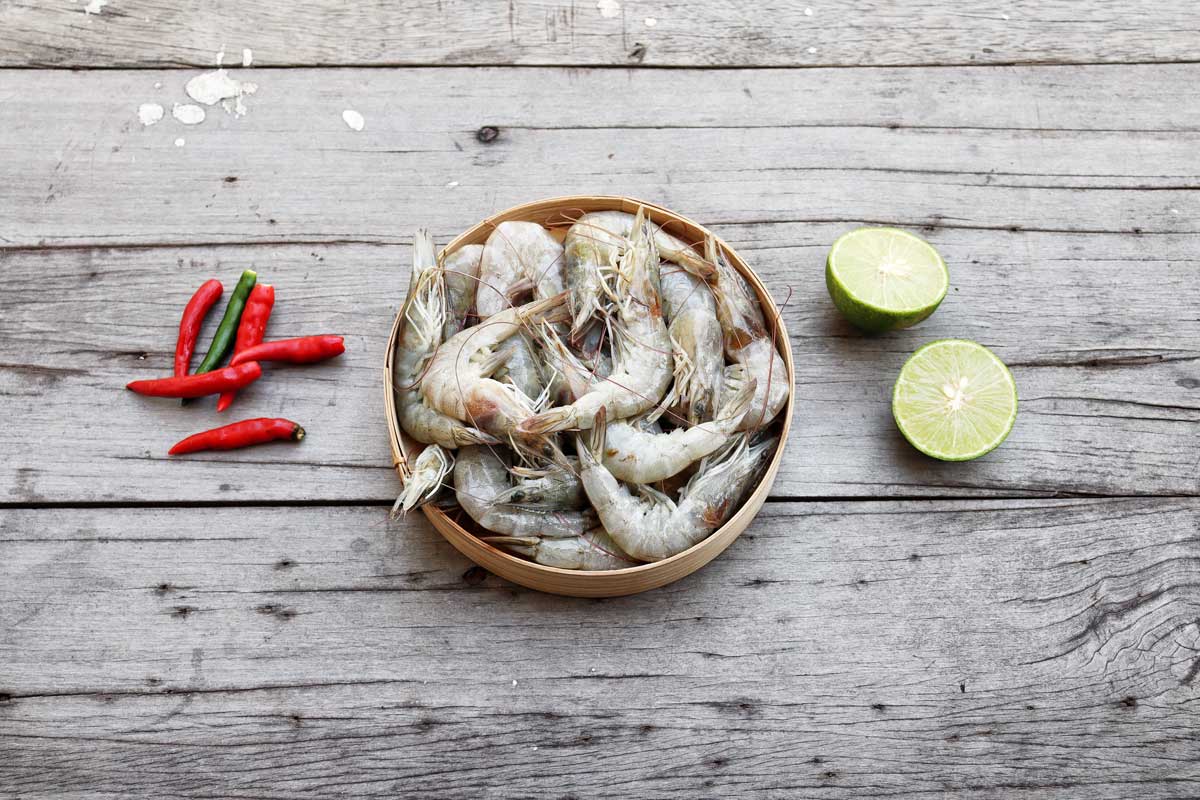
- Shrimp: Buy peeled, deveined shrimp to reduce preparation time, or clean them yourself. Thaw frozen shrimp according to the package directions and keep refrigerated.
- Lime: Measure the juice instead of relying on a fixed number of limes. Fruit varies in size and juiciness. All the measured juice goes into the sauce once.
- Chiles: Start with one serrano pepper and taste before adding another. Removing the pale interior and seeds can reduce heat, but individual peppers still vary.
- Cilantro: Measure after chopping for a repeatable quantity. Tender stems can go into the blender.
- Cucumber and onion: Thin slices distribute more evenly than thick chunks. Remove a watery cucumber seed core if needed.
Balance the sauce before adding the shrimp
Taste the blended sauce with a clean spoon before it touches the seafood. It should be lively and tart, but you should still be able to taste the herbs. Add cold water one tablespoon at a time if the acidity overwhelms everything else.
If it is too spicy, adding more lime will not remove the chile. Dilute a small portion with extra cucumber and cold water, then combine only as much of the original sauce as you enjoy. For an onion flavor that feels too harsh, rinse the sliced onion under cold water and drain well before assembly.
Avocado makes a creamy optional accompaniment. Add it at the table rather than blending it into the sauce if you want to keep the dressing thin.
Helpful equipment
As an Amazon Associate I earn from qualifying purchases.
A citrus juicer is useful when squeezing several limes. A small blender handles a modest batch of sauce more easily than a large jar that needs more liquid. Use suitable tools you already own.
Aguachile verde with cooked shrimp
Yield: 4 appetizer servings. Estimated time: 20 minutes preparation, 5 minutes cooking and 5 minutes chilling. Cooling and cooking times vary with shrimp size.
Shrimp
- 1 pound (454 g) raw shrimp, peeled and deveined
- Water for poaching and ice water for chilling
Chile-lime sauce
- 1/2 cup (120 ml) fresh lime juice, used once in the sauce
- 1–2 serrano chiles, stems removed
- 1/4 cup cilantro, measured after chopping
- 1/4 teaspoon fine salt, plus more to taste
- 1–3 tablespoons cold water, as needed
Vegetables and serving
- 1/2 cup thinly sliced cucumber
- 1/4 cup thinly sliced red onion
- Tostadas or tortilla chips, for serving
Instructions
- Bring a saucepan of water to a gentle boil. Add the peeled, deveined shrimp and cook until the flesh is pearly and opaque throughout; most seafood should reach 145°F (63°C). Begin checking after about 2 minutes; size changes the time.
- Transfer the cooked shrimp immediately to a clean ice-water bath. Once cold, drain thoroughly and refrigerate while preparing the sauce.
- Blend all 1/2 cup lime juice with the cilantro, 1 serrano and 1/4 teaspoon fine salt. Taste using a clean spoon; add the second chile if desired and cold water a tablespoon at a time to soften excessive acidity.
- Combine chilled shrimp, cucumber and red onion in a shallow serving bowl. Pour over the sauce and toss gently.
- Serve immediately with tostadas or tortilla chips. Keep chilled until serving; refrigerate promptly rather than leaving the bowl out.

Aguachile Verde with Cooked Shrimp
Chilled cooked shrimp in a bright serrano-lime sauce with cucumber and red onion. This home adaptation differs from traditional raw aguachile; lime juice does not make raw seafood safe.
Ingredients
Shrimp
- 1 pound (454 g) raw shrimp, peeled and deveined
- Water for poaching and ice water for chilling
Chile-lime sauce
- 1/2 cup (120 ml) fresh lime juice, used once in the sauce
- 1–2 serrano chiles, stems removed
- 1/4 cup cilantro, measured after chopping
- 1/4 teaspoon fine salt, plus more to taste
- 1–3 tablespoons cold water, as needed
Vegetables and serving
- 1/2 cup thinly sliced cucumber
- 1/4 cup thinly sliced red onion
- Tostadas or tortilla chips, for serving
Instructions
- Bring a saucepan of water to a gentle boil. Add the peeled, deveined shrimp and cook until the flesh is pearly and opaque throughout; most seafood should reach 145°F (63°C). Begin checking after about 2 minutes; size changes the time.
- Transfer the cooked shrimp immediately to a clean ice-water bath. Once cold, drain thoroughly and refrigerate while preparing the sauce.
- Blend all 1/2 cup lime juice with the cilantro, 1 serrano and 1/4 teaspoon fine salt. Taste using a clean spoon; add the second chile if desired and cold water a tablespoon at a time to soften excessive acidity.
- Combine chilled shrimp, cucumber and red onion in a shallow serving bowl. Pour over the sauce and toss gently.
- Serve immediately with tostadas or tortilla chips. Keep chilled until serving; refrigerate promptly rather than leaving the bowl out.
Notes
The lime juice is used only once, in the sauce. This cooked-shrimp adaptation retains the original article’s core proportions and is cross-referenced against Mely Martínez’s aguachile for the flavor combination. It has not been independently kitchen-tested by AmigoFoods. Times are estimates. Contains shellfish; check packaged tostadas for additional allergens. Keep at 40°F (4°C) or below. Do not leave out longer than 2 hours, or 1 hour above 90°F (32°C).
Serving and make-ahead tips

Spoon the chilled shrimp and vegetables onto tostadas just before eating. Adding them too early softens the tostadas. Serve the sauce in a shallow bowl so diners can take as much as they like.
For advance preparation, refrigerate the cooked shrimp, vegetables and dressing separately. Combine shortly before serving for the best texture. Keep the dish at 40°F (4°C) or below and refrigerate leftovers promptly. Do not leave seafood out more than 2 hours, or 1 hour when the temperature exceeds 90°F (32°C).
Pair it with agua fresca and explore our Mexican appetizers for a fuller spread.
Common questions
How is aguachile different from ceviche?
Aguachile commonly emphasizes a thin chile-lime dressing and brief contact with the seafood. Ceviche has many regional forms, ingredients and marination times. Neither dish is defined by one universal spice level, and citrus marination in either dish is not heat cooking. A close Mexican cousin with tomato, cucumber and avocado is Mexican shrimp ceviche.
Is cooked-shrimp aguachile traditional?
Traditional shrimp aguachile is commonly served raw. This cooked version is an adaptation, with a firmer shrimp texture and the same general chile-lime direction. The distinction matters when choosing or ordering the dish.
Can I use ready-cooked shrimp?
Yes. Choose plain cooked shrimp, follow its storage and thawing directions, and drain well. Skip the poaching step; do not cook it again simply to follow the printed timing.
Can I make it without shellfish?
Hearts of palm and cucumber offer a different, plant-based preparation with the same style of dressing. It is an adaptation rather than a direct seafood substitute, and the shrimp recipe’s timing does not apply.
More Mexican Foods
See all →
Jorge Garcia is the founder of AmigoFoods, where he has spent over 20 years helping readers discover authentic Latin American and Spanish cuisine. Raised in a Cuban-American household, Jorge learned to cook at the hands of his mother and grandmother, carrying forward generations of family recipes. That heritage, backed by his family’s four-generation history in the Latin food industry, inspired him to launch AmigoFoods in 2003. With more than 1,000 published articles on recipes, ingredients, and food culture, Jorge’s mission is simple: make authentic Latin cooking approachable for home cooks everywhere while honoring the traditions behind every dish.