
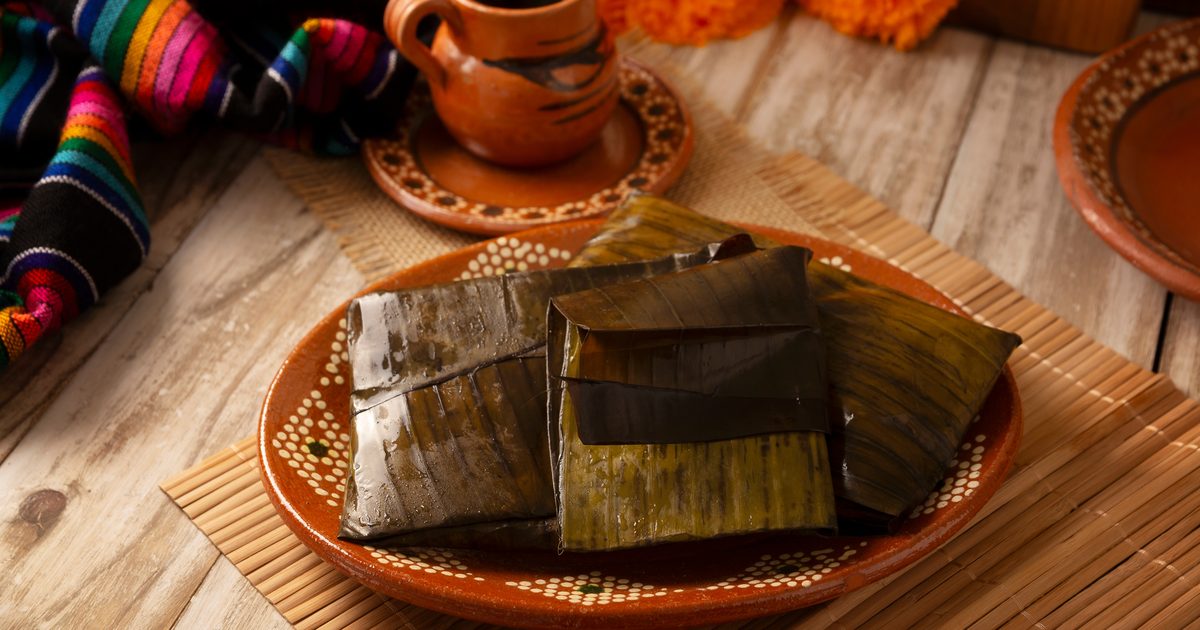
Banana leaves are the wrapper behind Venezuelan hallacas, Puerto Rican pasteles, Nicaraguan nacatamales, Oaxacan tamales and cochinita pibil. In the US you will mostly buy them frozen. Then a few seconds over a flame turns each stiff leaf into a soft, foldable wrapper.
Banana Leaves at a Glance
AmigoFoods may earn a commission from qualifying Amazon purchases made through links on this page.
Why cook with banana leaves?
The leaf is a natural, waterproof wrapper. It holds wet masa together while it boils or steams, and it also keeps meat moist in the oven or a pit. In addition, it adds a faint grassy, tea-like aroma that you notice when you unwrap the package.
Nobody eats the wrapper itself. Instead, you unwrap the food and discard it, although in some places it also doubles as the plate.
How Latin America uses them
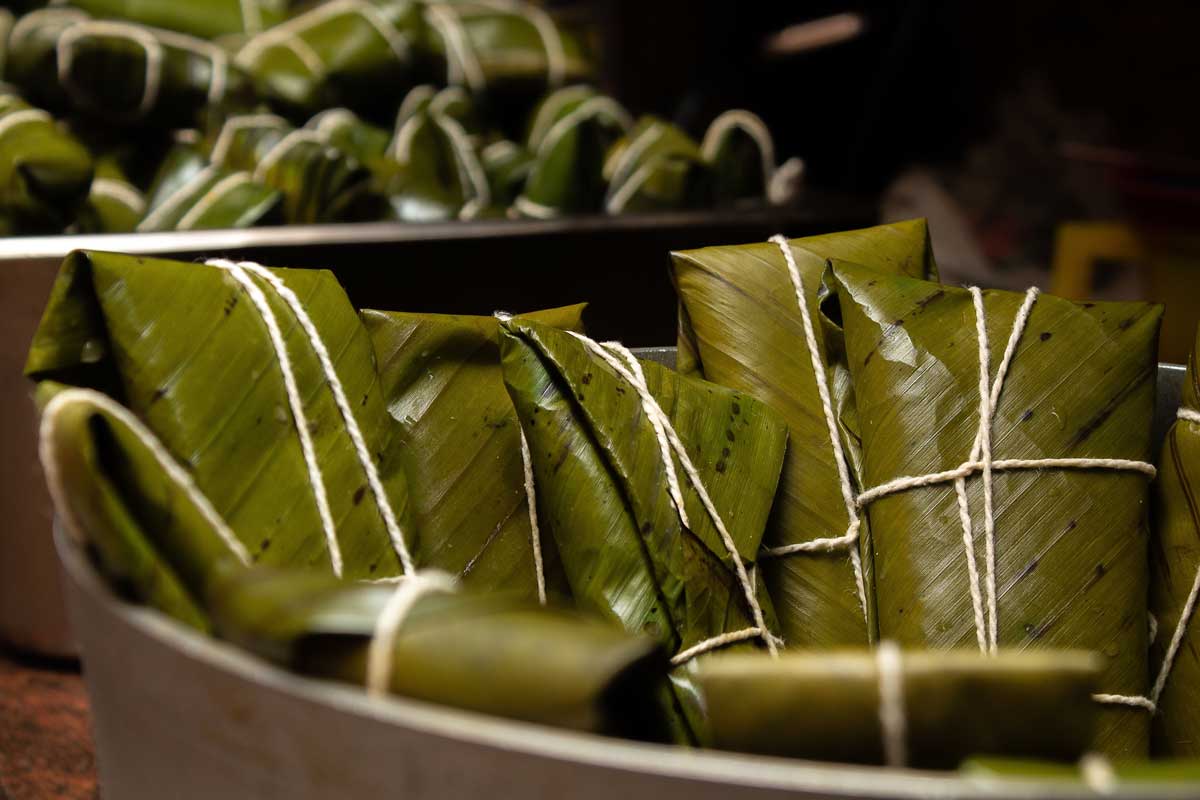
- Venezuela: cooks wrap hallacas, the Christmas tamal, in the leaf and tie them with string.
- Puerto Rico: pasteles of green banana and root masa go into a leaf wrapper, often with parchment as well.
- Nicaragua and Honduras: cooks boil nacatamales and Honduran tamales in the same wrapper.
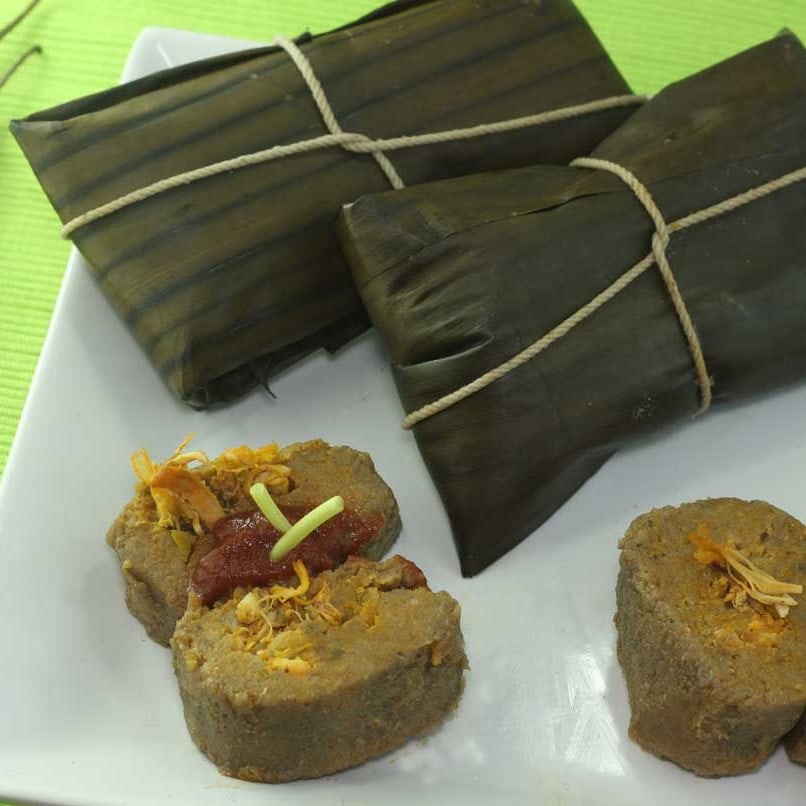
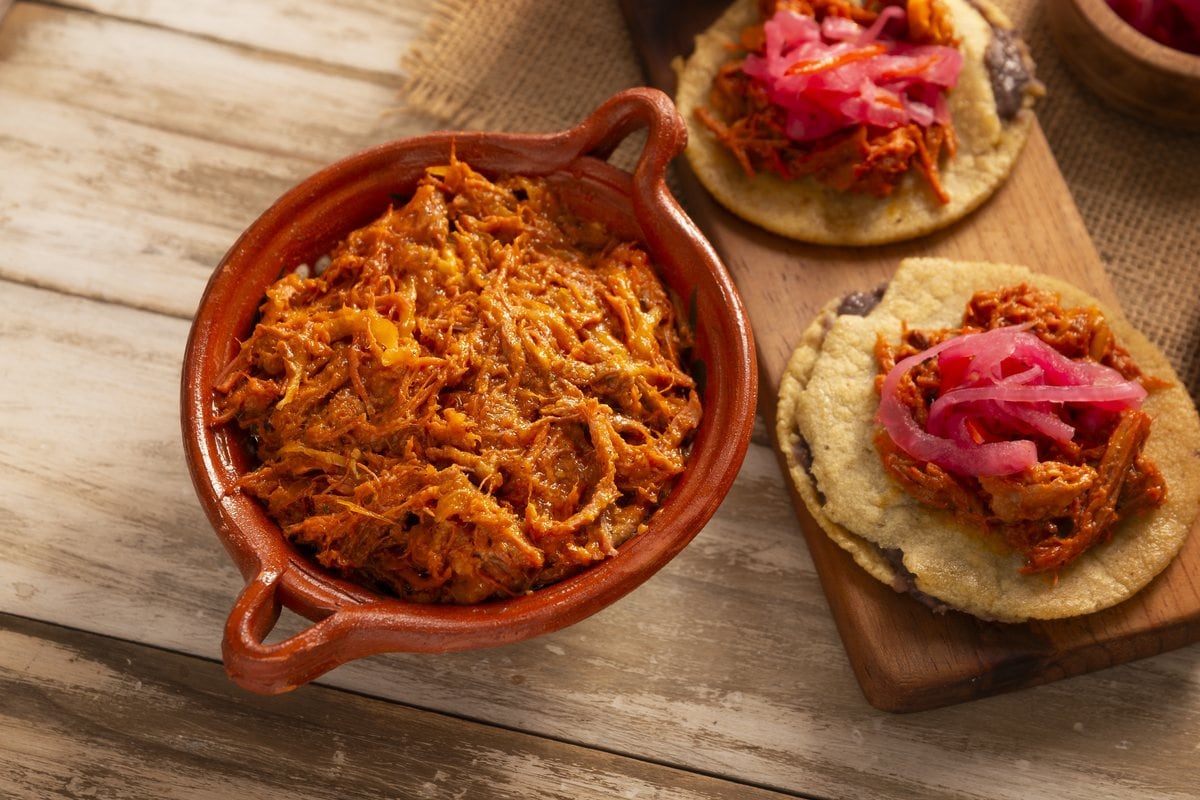
- Mexico: Oaxacan tamales with mole use the leaf rather than corn husk, while Yucatán’s cochinita pibil roasts in it.
- Colombia: similarly, the tamal tolimense in our Colombian tamales guide comes wrapped in leaves.
Not every leaf-wrapped dish uses banana, though. For example, Ecuador’s quimbolitos use achira leaves, and some Colombian cooks use bijao, a related wild leaf.
How to prepare banana leaves
1. Thaw. Leave the frozen pack in the fridge overnight, or set the sealed pack in a bowl of warm water for about 30 minutes.
2. Unfold and clean. Unfold the leaves gently, because cold leaves crack. Wipe both sides with a damp cloth or rinse quickly, then pat dry. Finally, cut away the thick central rib if it is still attached.
3. Cut to size. Use scissors to cut rectangles about 10 by 12 inches for most tamales, and larger for hallacas. Save the torn pieces, too, so you can patch holes or line the pot.
4. Soften. Then pass each piece over a gas flame or a hot comal for 5 to 10 seconds per side. As it heats, it turns a brighter, glossy green and goes soft and pliable. Do not let it scorch, however, or it turns brittle. No flame? Dip the leaves in simmering water for about 30 seconds, or steam them briefly instead.
Best substitutes
- Corn husks: fine for small Mexican-style tamales, but too small and absorbent for hallacas, pasteles or nacatamales.
- Parchment paper plus foil: works for steaming tamales or roasting cochinita pibil. Because you lose the leaf aroma, add a little extra seasoning.
- Plantain leaves: the same in practice, since many leaves sold as banana come from plantain plants anyway.
- Ti leaves or hoja de bijao: regional alternatives where they grow.
Where to buy banana leaves
Most US shoppers buy them frozen in 1-pound packs from Latin and Asian grocers, usually in the freezer near frozen fruit pulp and yuca. Goya is the most common brand, and you can also find Goya frozen banana leaves (16 oz) online in some areas. As a rule, one pound wraps roughly 10 to 15 tamales, depending on size.
Fresh leaves are available online too, shipped chilled. So if your local stores do not stock frozen, a 1 lb box of fresh leaves is the easiest way to buy them.
How to store them
Until you need them, keep unopened frozen packs in the freezer for several months. Once thawed, roll the leaves loosely in plastic wrap or a bag and refrigerate for up to about a week; they will darken a little but still work.
You can also refreeze leftovers. However, they become more fragile each time, so use them for lining pans and patching rather than for the outer wrapper.
Recipes on AmigoFoods to wrap
- Hallacas: Venezuela’s Christmas tamal.
- Puerto Rican pasteles: green banana and root masa, wrapped and boiled.
- Nacatamales: Nicaragua’s big pork tamales.
- Tamales oaxaqueños: leaf-wrapped tamales with mole.
- Cochinita pibil: Yucatán’s achiote pork, roasted in a leaf wrapper.
Frequently asked questions
Can you eat banana leaves?
No. They are too fibrous to chew, so cooks use them only as a wrapper and throw them away after cooking.
Do you have to heat them before using them?
Yes, if you want them to fold without cracking. For example, a few seconds over a flame, on a hot comal or in simmering water softens them.
Do they add flavor?
A little. They give a light grassy, tea-like aroma and also keep the food moist.
How long do thawed leaves last?
About a week in the fridge, rolled in plastic. After that, refreeze any you will not use.
Which side of the leaf do you use?
Put the food on the smooth, glossy side, while the ribbed side faces out.
Are banana leaves and plantain leaves the same?
For cooking, yes. Both come from Musa plants, so stores sell them under the same names.
More Latin ingredients
These wrappers usually go hand in hand with masa and achiote. Read our guide to achiote for the red seasoning in pibil and pasteles, and then browse the ingredients hub for the rest of the pantry.
Shopping list: a 1 lb box of fresh leaves or a pack of Goya frozen leaves, plus kitchen twine to tie your tamales.
Sources
More Ingredients
See all →
Jorge Garcia is the founder of AmigoFoods, where he has spent over 20 years helping readers discover authentic Latin American and Spanish cuisine. Raised in a Cuban-American household, Jorge learned to cook at the hands of his mother and grandmother, carrying forward generations of family recipes. That heritage, backed by his family’s four-generation history in the Latin food industry, inspired him to launch AmigoFoods in 2003. With more than 1,000 published articles on recipes, ingredients, and food culture, Jorge’s mission is simple: make authentic Latin cooking approachable for home cooks everywhere while honoring the traditions behind every dish.