
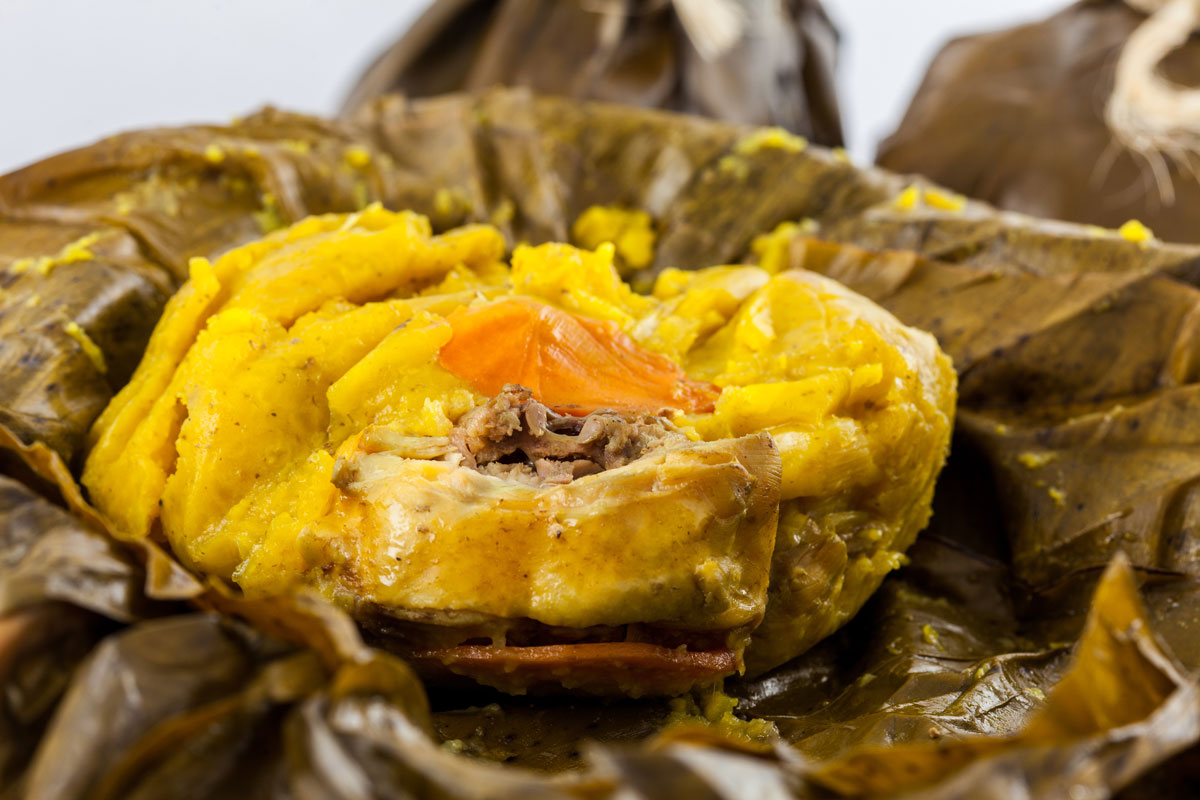
Colombian tamales are generous banana-leaf bundles of soft corn dough and rice filled with pork, chicken, bacon, egg and vegetables. This Tolima-style version makes 10 large tamales—ideal for a weekend breakfast with hot chocolate or a family Christmas gathering.
Colombian Tamales at a Glance
What Makes a Colombian Tamal Different?
Mexican tamales are small and usually wrapped in corn husks. Colombian tamales are a full meal in one package. The dough is soft rather than firm, the meat goes in raw in large pieces with the bone in, and everything cooks together inside the leaves, so the juices soak into the dough.

The corn dough goes back to the corn dishes of Indigenous peoples such as the Muisca and the Pijao. Traditional cooks still grind cooked corn by hand, while most home cooks now use precooked corn flour. The pork, chicken, rice and peas arrived with the Spanish. The tamal as Colombians know it is a blend of both.
Colombian Tamales by Region
- Tolimense (Tolima and Huila): the classic. Corn dough mixed with rice, filled with pork, chicken, bacon, egg and yellow peas, and tied into a round bundle.
- Santafereño (Bogotá): a breakfast favorite in the capital, with pork and chicken, served with hot chocolate and bread.
- Santandereano (Santander): rectangular and heavily filled, often with chickpeas, and wrapped in local leaves.
- Antioqueño or paisa (Antioquia): seasoned pork and chicken with potato, carrot and peas, usually eaten with an arepa.
- Costeño (Caribbean coast): often built on rice colored with achiote.
- Tamal de pipián (Cauca): a smaller tamal filled with pipián, a stew of potato and peanuts.

In Tolima, tamales are a centerpiece of the June Festival Folclórico in Ibagué as well as Christmas and New Year.
What You Need for Tamal Tolimense
The full ingredient list with amounts is in the recipe card below. These are the parts that matter most:
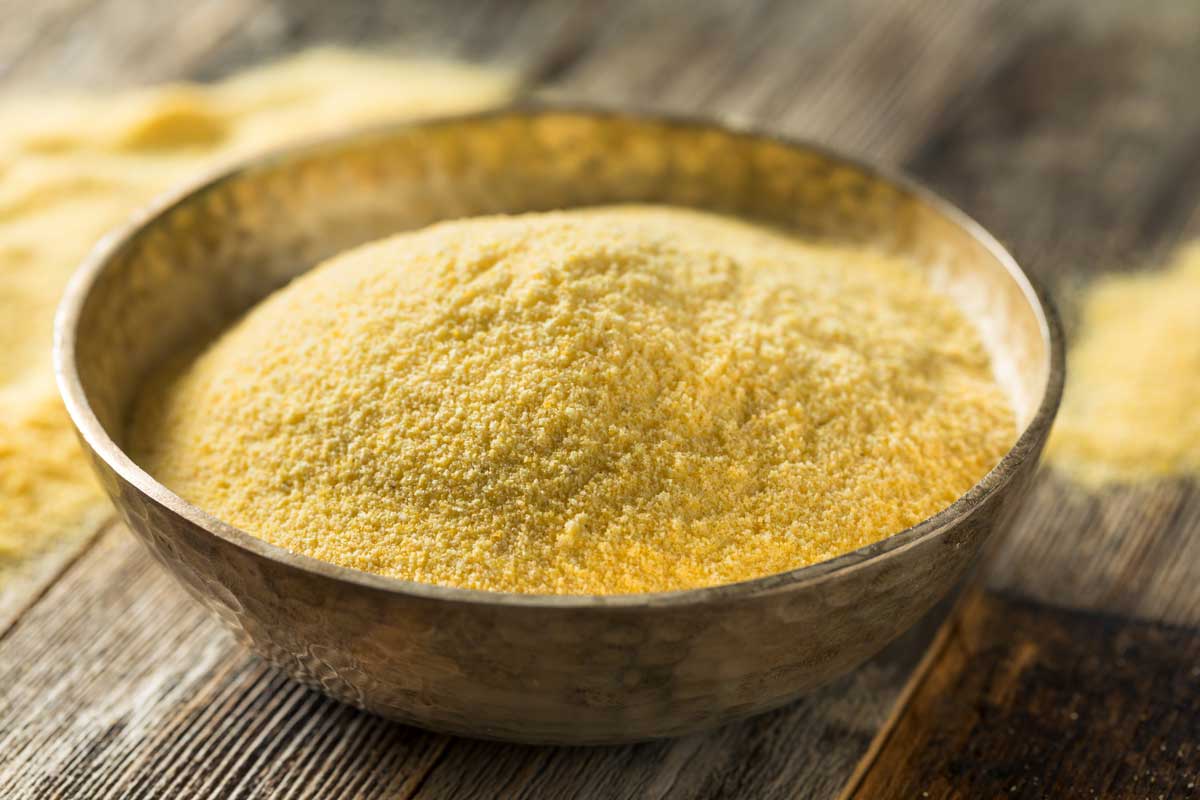
- Precooked yellow corn flour. It saves you from grinding cooked corn by hand. Use P.A.N. yellow corn meal, not Mexican masa harina, which is treated with lime and tastes different. More on Harina P.A.N. and how to use it.
- Three meats. Bone-in pork ribs or shoulder, bone-in chicken thighs and slab bacon. The bones and fat flavor the dough as it cooks.
- Cooked white rice. Folded into the dough, it is what makes a tamal tolimense.
- Yellow peas. Dried yellow peas (arveja seca) soaked overnight are traditional. Frozen green peas work if that is what you have.
- Banana leaves and kitchen twine. See below.
Fresh vs. Frozen Banana Leaves
Colombian cooks use fresh leaves, but in the US most people buy them frozen in 1-pound packs at Latin and Asian grocery stores. Both work. You can also buy banana leaves online.
- Thaw frozen leaves slowly. Leave the pack in the refrigerator overnight, or on the counter for an hour or two. Do not microwave them.
- Wipe, then soften. Wipe each leaf with a damp cloth. Pass it quickly over a gas flame or dip it in boiling water for about 30 seconds, until it turns glossy and bends without cracking.
- Cut around the tears. Cut the leaves into pieces about 12 inches square and trim off the tough center rib. You need two pieces per tamal, plus a few spares for patching.
- Shiny side in. The smooth, shiny side of the leaf touches the dough.
How to Make Colombian Tamales (Step by Step)
- Marinate the meat the night before. Blend the onion, green onions, garlic, red pepper, cumin, achiote, salt, pepper and water into a smooth paste. Set aside ¼ cup. Toss the pork, chicken and bacon with the rest, cover, and refrigerate overnight. Soak the dried peas overnight too.
- Cook the peas and rice. Simmer the soaked peas until just tender, about 40 minutes. Have 3 cups of cooked white rice ready.
- Prepare the leaves. Soften and cut the banana leaves as described above.
- Make the dough. Mix the precooked corn flour, warm broth, the reserved ¼ cup of marinade, lard and salt into a soft dough, about as thick as mashed potatoes. Fold in the cooked rice.
- Assemble. Lay two leaf pieces in a cross, shiny side up. Spread ¾ cup of dough in the center. Top with one piece each of pork, chicken and bacon, a slice of potato, a few carrot rounds, half an egg and a spoonful of peas. Cover with 2 more tablespoons of dough.
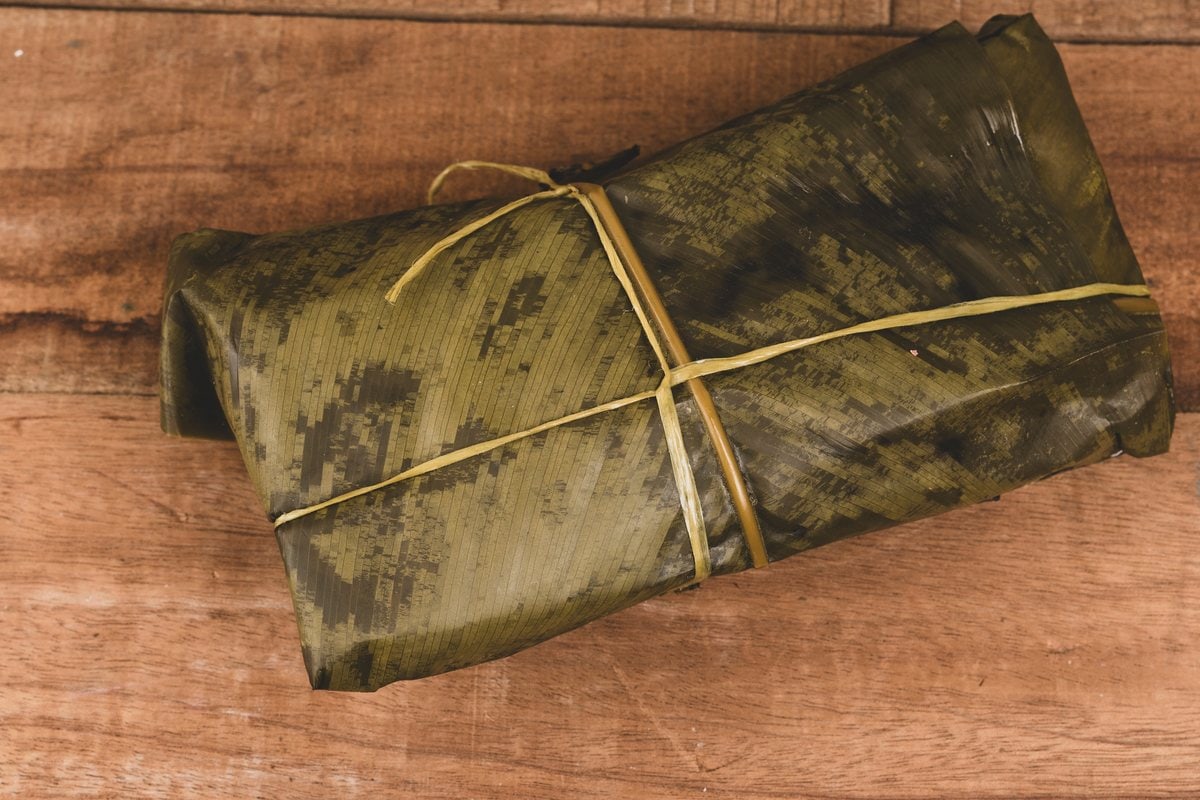
- Wrap and tie. Bring the corners of the leaves up over the filling to make a bundle, and tie it tightly around the top with twine. Repeat to make 10 tamales.
- Cook. Stand the tamales in a large pot, cover them with boiling salted water, and put the lid on. Simmer for 2½ to 3 hours, adding boiling water as needed so they stay covered, until the meat is fully cooked and the dough is firm. A tall tamale pot holds all 10 at once.
- Rest and serve. Lift the tamales out and let them rest for 10 minutes. Untie them on a plate and eat them from the open leaves.
Tamal Tolimense (Colombian Tamales)
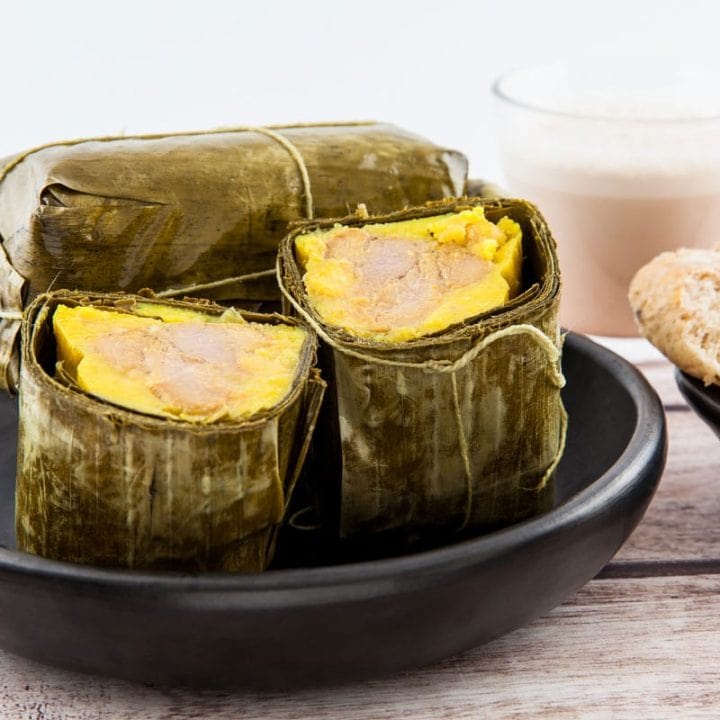
Tamal tolimense, the best-known Colombian tamal: a soft corn and rice dough filled with marinated pork, chicken, bacon, egg, potato, carrot and peas, wrapped in banana leaves and simmered until tender. Makes 10 large tamales.
Ingredients
For the meat and marinade
- 1½ lb (680 g) bone-in pork ribs or pork shoulder, cut into 10 pieces
- 1½ lb (680 g) bone-in chicken thighs, cut into 10 pieces
- ½ lb (225 g) slab bacon, cut into 10 pieces
- 1 white onion, chopped
- 4 green onions, chopped
- 4 garlic cloves
- 1 red bell pepper, chopped
- 2 teaspoons ground cumin
- 1 teaspoon ground achiote (annatto), for color
- 1½ teaspoons salt
- ½ teaspoon black pepper
- ½ cup water
For the corn dough
- 2½ cups (about 375 g) precooked yellow corn flour, such as Harina P.A.N.
- 5 cups warm chicken broth
- 3 tablespoons lard or neutral oil
- 1 teaspoon salt, or to taste
- 3 cups cooked white rice
For the filling and wrapping
- 1 cup dried yellow peas, soaked overnight (or 1½ cups frozen green peas)
- 3 medium potatoes, peeled and sliced ¼ inch thick
- 2 carrots, sliced into rounds
- 5 hard-boiled eggs, halved
- 1 lb (450 g) banana leaves, fresh or thawed frozen
- Kitchen twine
Instructions
- Marinate the meat. The night before, blend the white onion, green onions, garlic, red bell pepper, cumin, achiote, salt, pepper and water into a smooth paste. Set aside ¼ cup in the refrigerator. Toss the pork, chicken and bacon with the rest, cover and refrigerate overnight. Soak the dried peas overnight in plenty of water.
- Cook the peas. Drain the peas, cover with fresh water and simmer until just tender, about 40 minutes. Drain.
- Prepare the leaves. Wipe the banana leaves clean. Pass each piece quickly over a gas flame, or dip it in boiling water for about 30 seconds, until glossy and flexible. Trim off the tough center rib and cut into 20 pieces about 12 inches square.
- Make the dough. In a large bowl, mix the precooked corn flour, warm broth, reserved ¼ cup of marinade, lard and salt into a soft dough about as thick as mashed potatoes. Fold in the cooked rice. Taste and add salt if needed.
- Assemble. Lay two leaf pieces in a cross, shiny side up. Spread ¾ cup of dough in the center. Top with one piece each of pork, chicken and bacon, a slice or two of potato, a few carrot rounds, half an egg and a spoonful of peas. Cover with 2 more tablespoons of dough.
- Wrap and tie. Bring the corners of the leaves up over the filling to form a bundle and tie tightly around the top with twine. Repeat to make 10 tamales.
- Cook. Stand the tamales in a large pot and cover with boiling salted water. Cover the pot and simmer for 2½ to 3 hours, adding boiling water as needed so they stay submerged, until the meat is fully cooked and the dough is firm.
- Rest and serve. Lift out the tamales and let them rest for 10 minutes. Untie on a plate and eat from the open leaves, with hot chocolate and an arepa or bread.
Notes
Peas: 1½ cups frozen green peas can replace the dried yellow peas; add them straight from frozen.
Steaming: You can steam the tamales on a rack over boiling water for about 3 hours instead of boiling them.
Storage: Refrigerate cooked tamales in their leaves for up to 4 days or freeze for up to 3 months. Reheat in simmering water or a steamer for 30 to 40 minutes (45 to 60 from frozen).
Tips for the Best Colombian Tamales
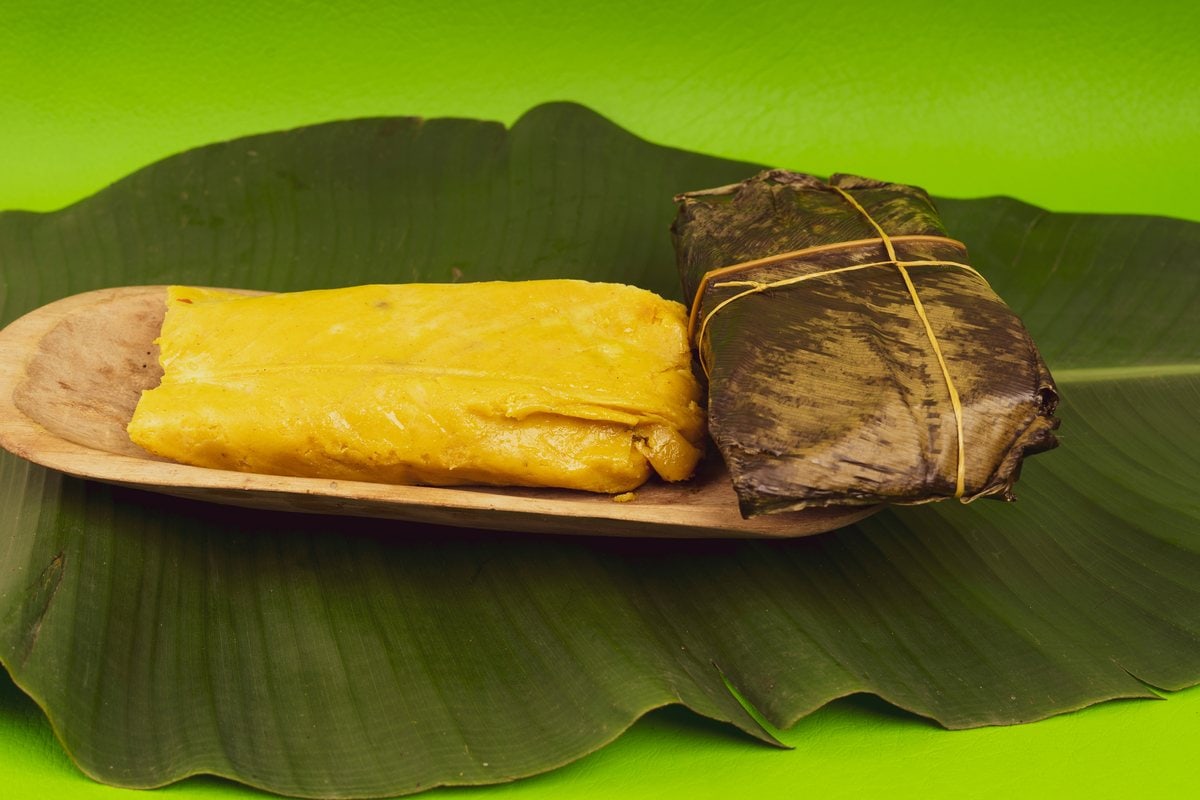
- Keep the dough soft. It firms up as it cooks. If it feels stiff before wrapping, add a little more warm broth.
- Tie them tightly. Loose bundles let water in and make the dough soggy. Double-wrap with an extra leaf if one tears.
- Keep them covered with water. Tamales that stick out of the water cook unevenly. Keep a kettle of boiling water ready.
- Make a team of it. In Colombia, one person spreads dough, one adds fillings and one ties. It turns hours of work into an afternoon.
- Season the dough well. Taste it before you wrap. It should taste a little saltier than you want the finished tamal, because the leaves and water mute it.
Storing and Reheating Tamales
- Refrigerator: Cool the tamales in their leaves and refrigerate for up to 4 days.
- Freezer: Wrap each cooled tamal in plastic and freeze for up to 3 months.
- Reheat: Simmer or steam them in their leaves for 30 to 40 minutes (45 to 60 from frozen), until hot all the way through. A microwave works for one tamal: wrap it in a damp paper towel and heat for 2 to 3 minutes, turning once.
How Colombians Eat Tamales
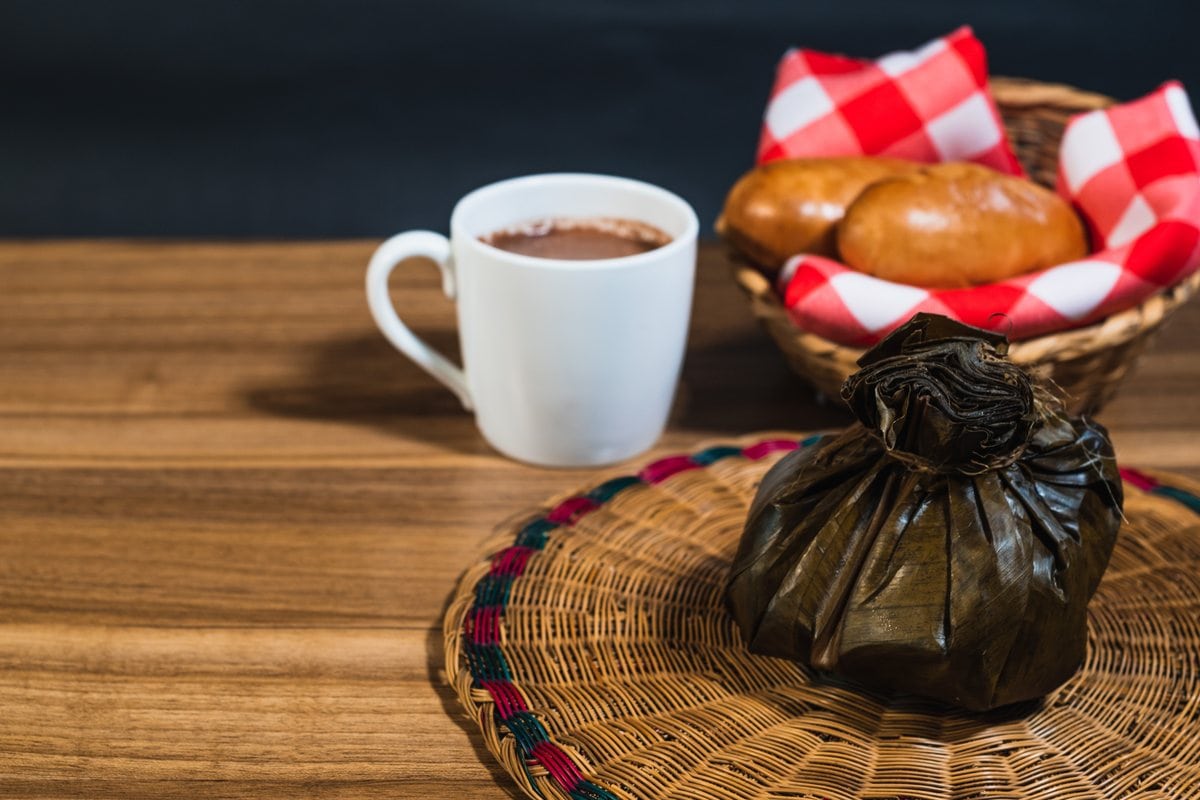
A tamal is usually a weekend breakfast, served whole in its leaves with a cup of hot chocolate, an arepa or a piece of bread. Some people add a spoonful of hogao or ají on top.
At Christmas and New Year, tamales join lechona, buñuelos and natilla on the holiday table. Families make dozens at once, cook them the day before, and reheat them for guests.

Colombian Tamales vs. Mexican Tamales and Other Latin Tamales
Mexico’s tamales are smaller, use a firmer masa made from nixtamalized corn and beaten with lard, and are usually wrapped in corn husks and steamed. The filling is a cooked guisado, often in a red or green chile sauce. A Colombian tamal is boiled, not steamed, the meat goes in raw, and one tamal is a whole meal.
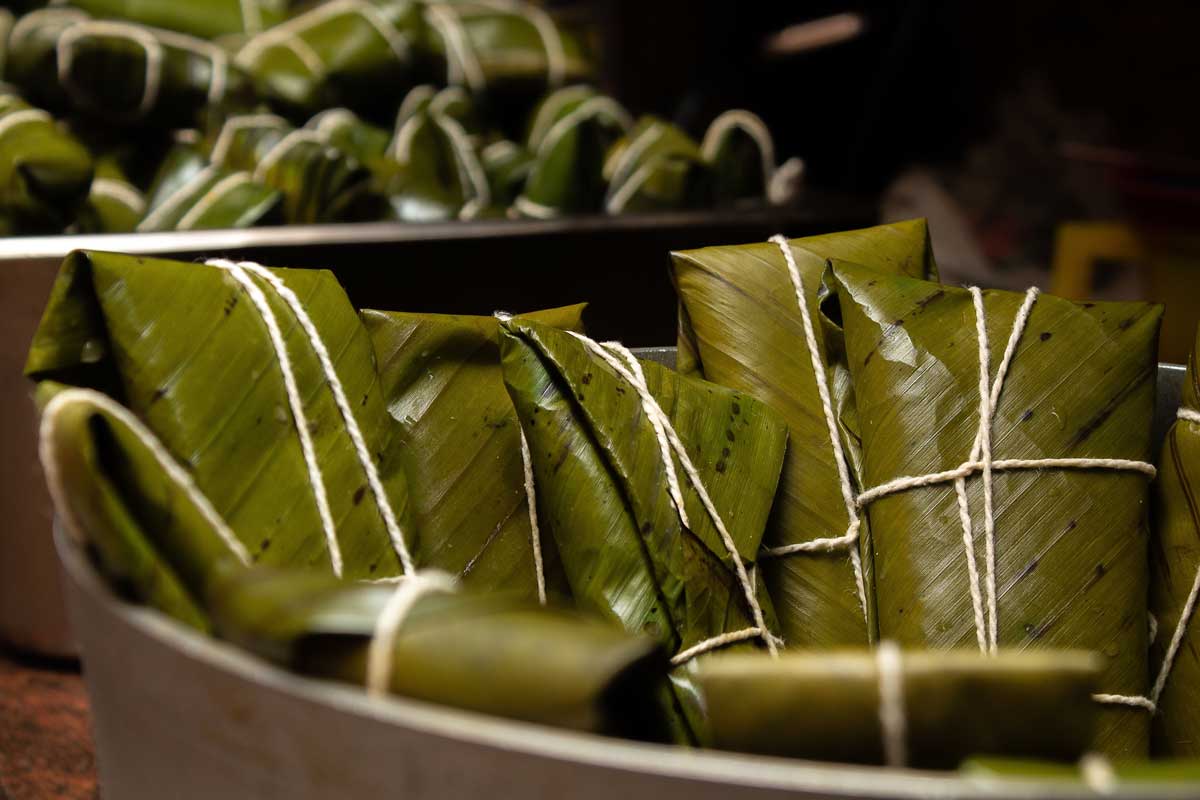
Nicaragua’s nacatamales are the closest relatives of the Colombian version: large, wrapped in banana leaves and filled with pork, rice and potato. Venezuela’s hallacas and Puerto Rico’s pasteles are the other big banana-leaf Christmas bundles of the region.
Colombian Tamales FAQs
What are Colombian tamales called?
In Spanish they are tamales colombianos, and a single one is a tamal. Most are named for their region, such as tamal tolimense, tamal santafereño or tamal paisa.
What are Colombian tamales made of?
A soft dough of precooked corn flour, often mixed with rice, filled with raw pork, chicken and bacon, potato, carrot, egg and peas, then wrapped in banana leaves and boiled.
Can I use corn husks instead of banana leaves?
Not really. Corn husks are too small for a Colombian tamal, and the banana leaves add flavor and color. Aluminum foil can hold a tamal together in a pinch, but the flavor will be flatter.
Is the meat cooked before it goes in?
No. The marinated meat goes in raw and cooks inside the tamal during the long simmer. That is why tamales need 2½ to 3 hours.
Can I steam Colombian tamales instead of boiling them?
Yes. Steaming over boiling water takes about 3 hours and keeps the dough from getting wet if a leaf tears. Keep the water topped up so the pot never runs dry.
What is the difference between tamal tolimense and tamal santafereño?
Tamal tolimense mixes rice into the dough and includes egg and bacon. The Bogotá-style santafereño is simpler and is closely tied to breakfast with hot chocolate. Recipes vary widely from family to family in both.
Why do Colombians eat tamales with hot chocolate?
It is the classic Andean breakfast pairing. The rich, savory tamal and the lightly sweet chocolate balance each other, especially on cool mornings in the highlands.
More Colombian Holiday Food
See all 11 dishes in our Colombian Christmas food guide, browse our Colombian holiday recipes and Colombian breakfast recipes, or visit the Latin Christmas Foods hub and all Colombian food.
More Colombian Foods
See all →
Jorge Garcia is the founder of AmigoFoods, where he has spent over 20 years helping readers discover authentic Latin American and Spanish cuisine. Raised in a Cuban-American household, Jorge learned to cook at the hands of his mother and grandmother, carrying forward generations of family recipes. That heritage, backed by his family’s four-generation history in the Latin food industry, inspired him to launch AmigoFoods in 2003. With more than 1,000 published articles on recipes, ingredients, and food culture, Jorge’s mission is simple: make authentic Latin cooking approachable for home cooks everywhere while honoring the traditions behind every dish.