

The best dulce de leche brands come from Argentina and Uruguay, and for most people in the US the one to buy first is San Ignacio: thick, glossy, deeply caramel-flavored and the easiest Argentine jar to find. For alfajores and cake fillings, buy a repostero jar instead (Vacalín and San Ignacio both make one). If you want to splurge, Havanna is the premium spoon-from-the-jar pick, and if you just need something from the supermarket baking aisle, La Lechera does the job.
Below are the 14 brands worth knowing, what each one is best at, and how to read a label so you never bring home the runny, starchy kind again. If you want to know what dulce de leche actually is, or make it from scratch, start with our guide to dulce de leche and how to make it.
As an Amazon Associate I earn from qualifying purchases. Shopping links below are paid links. These are editorial picks based on style, texture, ingredients, reputation and US availability, not a lab taste test.
Best Dulce de Leche Brands: Quick Picks
All 14 Dulce de Leche Brands Compared
Use this table to match a brand to the job. “Repostero available” means the brand also sells a firmer pastry version; buy that one for fillings.
| # | Brand | From | Texture | Best for | Shop |
|---|---|---|---|---|---|
| 1 | San Ignacio | Argentina | Thick, glossy; repostero available | Everyday use, toast, most desserts | Amazon |
| 2 | Havanna | Argentina | Dense, rich, dark | Eating by the spoon, gifting | Amazon |
| 3 | La Serenísima | Argentina | Creamy; Estilo Colonial is thicker | Breakfast, panqueques | Amazon |
| 4 | Vacalín | Argentina | Original or very firm Repostero | Alfajores, layer cakes, piping | Amazon |
| 5 | Cachafaz | Argentina | Silky, glossy | Gourmet gifting, gluten-free kitchens | Amazon |
| 6 | Ilolay | Argentina | Thick, almost fudgy | Pastries, facturas, filling | Amazon |
| 7 | Verónica | Argentina | Thick, homestyle | Everyday value | Amazon |
| 8 | Conaprole | Uruguay | Smooth, lighter | Spreading, ice cream, crepes | Amazon |
| 9 | Los Nietitos | Uruguay | Smooth, buttery | Spreading, chajá-style cakes | Amazon |
| 10 | Colombina | Colombia | Soft, spreadable arequipe | Budget jar, obleas, snacks | Amazon |
| 11 | Alpina Arequipe | Colombia | Creamy, milky | Brevas con arequipe, obleas | Amazon |
| 12 | La Lechera | Nestlé / US | Soft, sweet; can or squeeze | Supermarket baking, drizzling | Amazon |
| 13 | Conchita | Miami / US | Spreadable | Cuban-American pantry, toast | Amazon |
| 14 | Naku | Mexico | Pourable; squeeze bottle | Pancakes, waffles, churros | Amazon |
How to Choose: Clásico vs. Repostero (and How to Read the Label)
The brand matters less than the style printed on the jar. Argentine and Uruguayan makers sell the same dulce de leche at different thicknesses, and picking the wrong one is the most common reason a filling slumps or a spread tears your bread.

What should be on the label. Real dulce de leche is milk cooked down with sugar. Argentina’s official quality protocol for the product describes it as milk concentrated with added sucrose, and it is normal to also see glucose syrup (it keeps the sugar from crystallizing), a pinch of baking soda (it stops the milk curdling and helps the browning) and sometimes vanilla. Repostero versions add small amounts of stabilizers so they set firmer.
What to be wary of. If starch, pectin or a long list of thickeners show up near the top, you are buying a “caramel-flavored” spread rather than milk cooked for hours. These tend to taste flatter and set like pudding. Also check the country of origin on the back: “Producto argentino” or “Industria uruguaya” is a good sign.
Quick rule: if the dessert has to hold its shape (alfajores, layered cakes, piped fillings), buy repostero. For everything else, buy clásico.
Gluten-free? Many Argentine jars carry the “Sin TACC” mark, Argentina’s certified gluten-free seal. Always confirm on your package.
The 14 Best Dulce de Leche Brands, One by One
1. San Ignacio (Argentina): Best Overall

- Style: Clásico + Repostero
- Texture: thick, glossy
- Best for: almost everything
If you only buy one jar, make it San Ignacio. It has the balance Argentines expect: real caramelized-milk depth without tasting burnt, and a body thick enough to stay put on toast while still being spoonable. It is also the Argentine brand you are most likely to see in US Latin markets and on Amazon, which matters when you need it this week.
San Ignacio sells several formats, including a firmer repostero. Buy the classic for spreading and eating; buy the repostero for alfajores and cake layers.
| Preview | Product | Rating | |
|---|---|---|---|

|
San Ignacio Dulce de Leche - 15.87 oz. (2 Pack) | Buy on Amazon |
2. Havanna (Argentina): Best Premium

- Style: Clásico
- Texture: dense, rich
- Best for: spoon, gifts
Havanna has been making alfajores in Mar del Plata since 1947, and its dulce de leche is the filling that made those alfajores famous. The jar is darker and denser than most, with a deep, almost toffee-like finish. It costs more, so save it for eating by the spoon, filling crepes or giving to someone who misses Argentina. If you love their cookies, see our guide to the best alfajor brands.
| Preview | Product | Rating | |
|---|---|---|---|

|
Havanna Dulce de Leche 15.86oz (450g) | Buy on Amazon |
3. La Serenísima (Argentina): Best Everyday Classic

- Style: Clásico + Estilo Colonial
- Texture: creamy
- Best for: breakfast
La Serenísima is Argentina’s biggest dairy brand, and its dulce de leche is the jar on a lot of Argentine breakfast tables. The regular version is creamy and milk-forward; the Estilo Colonial is thicker and darker, with more caramel. Availability in the US comes and goes, so check that the listing really is La Serenísima before you order.
4. Vacalín (Argentina): Best for Baking and Alfajores

- Style: Original + Repostero
- Texture: dense
- Best for: fillings
Vacalín is the baker’s brand. Its Repostero is described by the company as thick and stable for pastry fillings, and it is the jar to buy when you are making alfajores, a torta rogel or anything you need to pipe. The Original is a solid everyday spread with a deep, traditional flavor.
5. Cachafaz (Argentina): Best Gourmet Jar

- Style: Clásico
- Texture: silky, glossy
- Best for: gifting
Named after the famous tango dancer El Cachafaz, this Buenos Aires company built its name on premium alfajores, and the dulce de leche has the same polished feel: silky, glossy and rich. Its US listings are labeled gluten-free, which makes it a good pick if you are baking for someone with celiac disease (check the jar you receive).
| Preview | Product | Rating | |
|---|---|---|---|

|
Cachafaz Dulce de Leche-Milk Caramel Gluten Free – Jar 450gr/16oz | Buy on Amazon |
6. Ilolay (Argentina): Best Thick, Fudgy Jar

- Style: Clásico + Repostero
- Texture: thick, fudgy
- Best for: pastries
Ilolay comes from Rafaela in Santa Fe province, the heart of Argentina’s dairy belt. Fans like it for a concentrated, almost fudgy texture and full sweetness, which suits facturas, cookie fillings and anyone who wants their dulce de leche to stand up on a spoon. It is harder to find in the US, so confirm the brand on the listing.
7. Verónica (Argentina): Best Value

- Style: Clásico
- Texture: thick, homestyle
- Best for: everyday
Another Santa Fe dairy, Verónica makes a homestyle jar with a slow-cooked consistency and a slightly less sugary taste than the premium brands. It is a dependable, affordable everyday dulce de leche for toast, coffee and family baking.
| Preview | Product | Rating | |
|---|---|---|---|

|
VERONICA Dulce de leche Veronica Clasico, 0.88 lb | Buy on Amazon |
8. Conaprole (Uruguay): Best Uruguayan Dulce de Leche

- Style: Clásico
- Texture: smooth, lighter
- Best for: spreading
Uruguayans will tell you dulce de leche is theirs, and Conaprole, the national dairy cooperative founded in 1935, is the jar they reach for. It is smoother and a little lighter than most Argentine brands, with a milky, gentle caramel flavor that spreads easily even cold. Use it on toast, crepes and ice cream, or in a Uruguayan chajá cake.
| Preview | Product | Rating | |
|---|---|---|---|

|
YuanKanJu Conaprole Dulce de Leche 970g | Buy on Amazon |
9. Los Nietitos (Uruguay): Best Smooth, Buttery Jar

- Style: Clásico
- Texture: smooth, buttery
- Best for: spreading
The other big Uruguayan name. Los Nietitos is known for a smooth finish and a rounder, slightly buttery taste. It is a favorite across the Río de la Plata and worth trying side by side with an Argentine jar if you want to taste the difference for yourself.
| Preview | Product | Rating | |
|---|---|---|---|

|
RB Amore Sweet Milk Traditional Recipe - Los Nietitos - 400G | Buy on Amazon |
10. Colombina (Colombia): Best Budget Arequipe

- Style: Arequipe
- Texture: soft, spreadable
- Best for: snacks, obleas
Colombia calls it arequipe, and Colombina, the country’s big candy company, sells one of the most widely available jars. It is lighter and softer than Argentine dulce de leche with a pronounced milky flavor, and it is inexpensive, so it is an easy first jar for anyone new to it. Spread it between obleas wafers the Colombian way.
11. Alpina Arequipe (Colombia): Best Creamy Arequipe

- Style: Arequipe
- Texture: creamy, milky
- Best for: desserts
Alpina is Colombia’s best-known dairy brand, and its arequipe is the one many Colombians grew up with. It is creamier and more dairy-forward than Colombina’s, which makes it the better choice for desserts such as brevas con arequipe.
Find Alpina Arequipe on Amazon
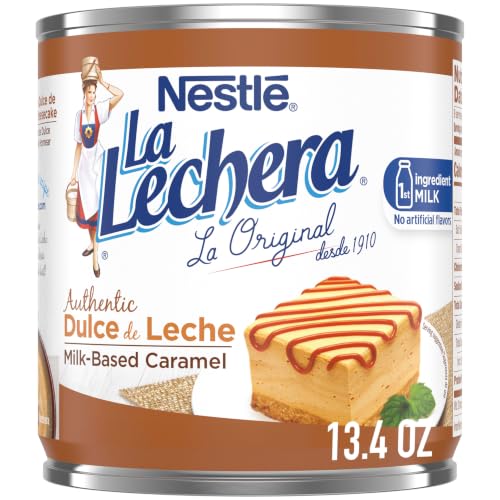
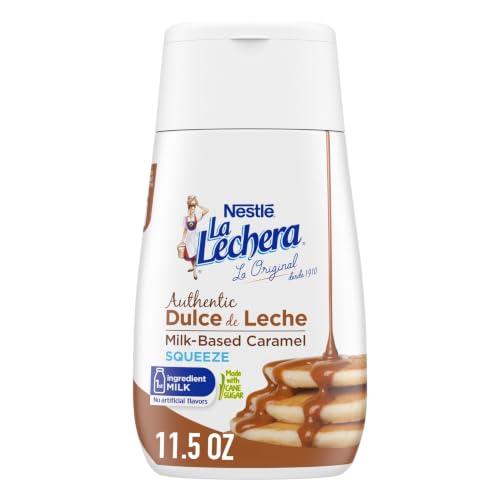
12. La Lechera (Nestlé): Best Supermarket Option

- Style: Can + squeeze bottle
- Texture: soft, sweet
- Best for: baking, drizzling
La Lechera is the dulce de leche most Americans have already seen, usually next to the sweetened condensed milk. It is sweeter and softer than the Argentine jars, with a milder caramel flavor, but it is reliable, cheap and everywhere. The can works for cheesecakes, banoffee and dulce de leche brownies; the squeeze bottle is for drizzling. It is too soft for alfajores.
13. Conchita (Miami): Best for the Cuban-American Pantry
- Style: Clásico
- Texture: spreadable
- Best for: toast, café con leche mornings
Miami-based Conchita is a staple of Cuban-American kitchens, best known for guava, tropical fruit and pantry goods, and its dulce de leche caramel spread sits on the same shelf. It is a convenient jar if you already shop the brand, and handy for spreading on Cuban bread with your morning coffee.
14. Naku (Mexico): Best Squeeze Bottle
- Style: Squeeze bottle
- Texture: pourable
- Best for: pancakes, churros
Naku makes a Mexican-style dulce de leche from cow’s milk (not the goat’s milk used in cajeta) in an easy squeeze bottle. It is looser than a jar, which is exactly what you want for pancakes, waffles, crepes, fruit and churros. Do not use it for fillings that need to hold their shape.
Arequipe, Manjar, Cajeta and Doce de Leite: Same Thing?
Almost. Most of Latin America cooks milk and sugar into something like dulce de leche, but the names, and sometimes the milk, change at the border. Here is what you will see on labels.


For a side-by-side breakdown, read dulce de leche vs. caramel vs. cajeta. If you like cajeta in candy form, Las Sevillanas glorias, soft goat’s-milk cajeta candies with pecans, are a Mexican classic.
Where to Buy Dulce de Leche in the US
In the supermarket, look in the international or Hispanic aisle first, then in the baking aisle next to the sweetened condensed milk. That is where you will usually find La Lechera, Goya and sometimes San Ignacio. Big chains such as Walmart generally carry at least La Lechera.
At Latin markets you get the best selection: Argentine and Uruguayan imports, Colombian arequipe and Mexican cajeta, often in bigger tubs and repostero formats you won’t see elsewhere. Argentine bakeries and import shops in cities with large South American communities often stock Havanna, La Serenísima and Vacalín.
Online, Amazon carries most of the brands on this list. Before ordering, compare the exact variety, the net weight, the number of jars in the pack and the delivered price, and confirm the brand on the listing photos. Imported jars are shelf-stable, so shipping is not a problem.

Too Runny or Too Hard? Fixing Store-Bought Dulce de Leche
Too runny to fill a cake? Simmer it in a heavy saucepan over medium heat, stirring constantly, for 5 to 8 minutes until it thickens. Let it cool before using; it firms up a lot as it cools.
Too stiff to spread? Warm it gently, in short microwave bursts or over a water bath, and stir in a spoonful of warm milk. More tips in is your dulce de leche too hard?
Storage: unopened jars keep in the pantry until the date on the label; once opened, keep the jar in the fridge with a clean spoon. See does dulce de leche go bad?
What to Make With Your Jar
- AlfajoresArgentina’s cornstarch sandwich cookies (use repostero).
- Dulce de leche flanA thick, spoonable jar blended into the custard.
- ChocotortaThe no-bake Argentine birthday cake.
- Torta rogelThin pastry layers stacked with dulce de leche.
- Dulce de leche ice creamArgentina’s favorite helado flavor at home.
- More dulce de leche dessertsOur full roundup of ideas.
Dulce de Leche Brands: FAQ
What is the best brand of dulce de leche?
For most people, San Ignacio from Argentina: it has the classic flavor and texture and is the easiest Argentine brand to find in the US. Havanna is the premium pick, Vacalín Repostero is best for baking, and Conaprole is the best Uruguayan jar.
What is the best store-bought dulce de leche for alfajores?
Any jar labeled repostero, such as Vacalín Repostero or San Ignacio Repostero. Regular dulce de leche and squeeze bottles are too soft and will ooze out of the cookies.
Is La Lechera real dulce de leche?
Yes, it is a milk-based caramel made by Nestlé, but it is softer and sweeter than Argentine and Uruguayan brands. It is fine for baking and drizzling, less good for eating by the spoon or for firm fillings.
Is Argentine or Uruguayan dulce de leche better?
Both countries claim it, and both make excellent jars. Argentine brands tend to be thicker and darker; Uruguayan brands like Conaprole and Los Nietitos are often smoother and milkier. Try one of each.
Can you buy ready-made dulce de leche, and where is it in the grocery store?
Yes. Check the Hispanic or international aisle and the baking aisle near the sweetened condensed milk. Latin markets and Amazon carry a much wider range of imported brands.
Is cajeta the same as dulce de leche?
Close, but traditional Mexican cajeta is made with goat’s milk, so it tastes tangier. Dulce de leche, arequipe and manjar are made with cow’s milk.
Does dulce de leche need to be refrigerated?
Not before opening. Once opened, store it in the fridge and use a clean spoon each time. Let it sit at room temperature for a few minutes if it is too firm to spread.
Is dulce de leche gluten-free?
Plain dulce de leche is made from milk and sugar, and many Argentine jars carry the Sin TACC gluten-free seal. Always check your label, since some brands share equipment with cookies and alfajores.
The Bottom Line
Buy San Ignacio as your everyday jar, a repostero (Vacalín or San Ignacio) for alfajores and cakes, and Havanna when you want a treat. In a pinch, La Lechera from the supermarket will get the job done.
Argentines celebrate World Dulce de Leche Day every October 11, but you do not need an excuse. And if you would rather make your own, our sweetened condensed milk method is the easy route.

Which brand do you buy? Tell us in the comments, especially if your family’s favorite is missing from this list.
Sources
- Argentina, Ministerio de Agricultura: Dulce de leche quality protocol SAA012
- San Ignacio: product range
- Vacalín: Dulce de leche repostero
- Havanna: company site
- La Nación: Día Mundial del Dulce de Leche
More Argentine Foods
See all →
Jorge Garcia is the founder of AmigoFoods, where he has spent over 20 years helping readers discover authentic Latin American and Spanish cuisine. Raised in a Cuban-American household, Jorge learned to cook at the hands of his mother and grandmother, carrying forward generations of family recipes. That heritage, backed by his family’s four-generation history in the Latin food industry, inspired him to launch AmigoFoods in 2003. With more than 1,000 published articles on recipes, ingredients, and food culture, Jorge’s mission is simple: make authentic Latin cooking approachable for home cooks everywhere while honoring the traditions behind every dish.
La lechera is my favorite brand!! Happy it made the list.
Thanks, Riley! La Lechera is a classic for good reason.