

Cachanga is a thin Peruvian flatbread fried until golden and crisp. This simple version uses flour, water or milk and a little butter or oil, with a short dough rest before rolling and frying.
Cachanga at a Glance
What is Cachanga?

Cachanga is a crispy, thin flatbread that is a beloved part of classic Peruvian cuisine, often enjoyed for breakfast or as a snack.
Made from a simple dough of flour, water, salt, and sometimes butter or milk, it is traditionally fried or baked until golden brown and crunchy.
Depending on the region and personal preference, the Peruvian flatbread can be sweet or savory, served with sugar, honey, cheese, or butter.
While it shares similarities with tortillas and arepas, cachanga stands out for its light, flaky texture and satisfying crunch.
Popular in Peruvian households and street markets, this versatile treat is a must-try for anyone exploring Latin American flavors.
The History of Cachanga

The history of cachanga dates back to colonial Peru, where Spanish influences merged with indigenous culinary traditions to create this simple yet flavorful flatbread.
Wheat, introduced by the Spanish, became a staple ingredient, allowing local communities to develop various types of breads and pastries, including cachanga.
Traditionally, it was made in rural homes and Andean villages, where families would prepare it as a quick breakfast or snack, often cooking it over an open fire.
Over time, cachanga became a popular street food in Peru, sold in markets and roadside stalls, with variations emerging across different regions.
While it remains a homemade comfort food, cachanga’s crispy texture and versatility have helped it endure as a cultural favorite in Peruvian cuisine.
How to Make Traditional Cachanga

Ingredients
- 2 cups all-purpose flour (240 g), plus a little for rolling
- 1/2 teaspoon salt
- 1/2 teaspoon baking powder, optional
- 1/2–3/4 cup warm water or milk, added gradually as needed
- 1 tablespoon melted butter or neutral oil
- Neutral vegetable oil, for frying
- Optional: sugar or honey for serving
Method
- Mix the flour, salt and optional baking powder in a bowl. Add the melted butter or oil and 1/2 cup warm water or milk. Mix, adding more liquid a tablespoon at a time only as needed to make a soft, manageable dough; you may not need the full 3/4 cup.
- Knead for 5–7 minutes until smooth. Cover and rest for 20 minutes so the dough is easier to roll.
- Divide into 6–8 equal portions. On a lightly floured surface, roll each into a thin disc about 1/8 inch thick. Keep the remaining dough covered. If it springs back, let it rest a few more minutes before continuing.
- Heat about 1/2 inch neutral oil in a deep, heavy skillet to 350°F (175°C). Fry one or two discs at a time without crowding, about 1–2 minutes per side, until golden and cooked through. Adjust the heat to prevent the outside from browning before the center cooks.
- Drain on paper towels or a rack. Serve warm, plain or with cheese, ají sauce, sugar or honey.
Makes 6–8 flatbreads. Allow about 55 minutes: 15 minutes hands-on preparation, 20 minutes resting and 20 minutes frying in batches. This is a simple dough with optional baking powder; yeast-based cachangas are another legitimate variation.
Add the liquid gradually: flour and milk can change how much the dough needs. The fried version gives the characteristic crisp texture. Keep plain leftovers covered and refrigerated for up to 3 days, then reheat in an oven or dry skillet until hot.
Popular Ways to Eat Cachanga
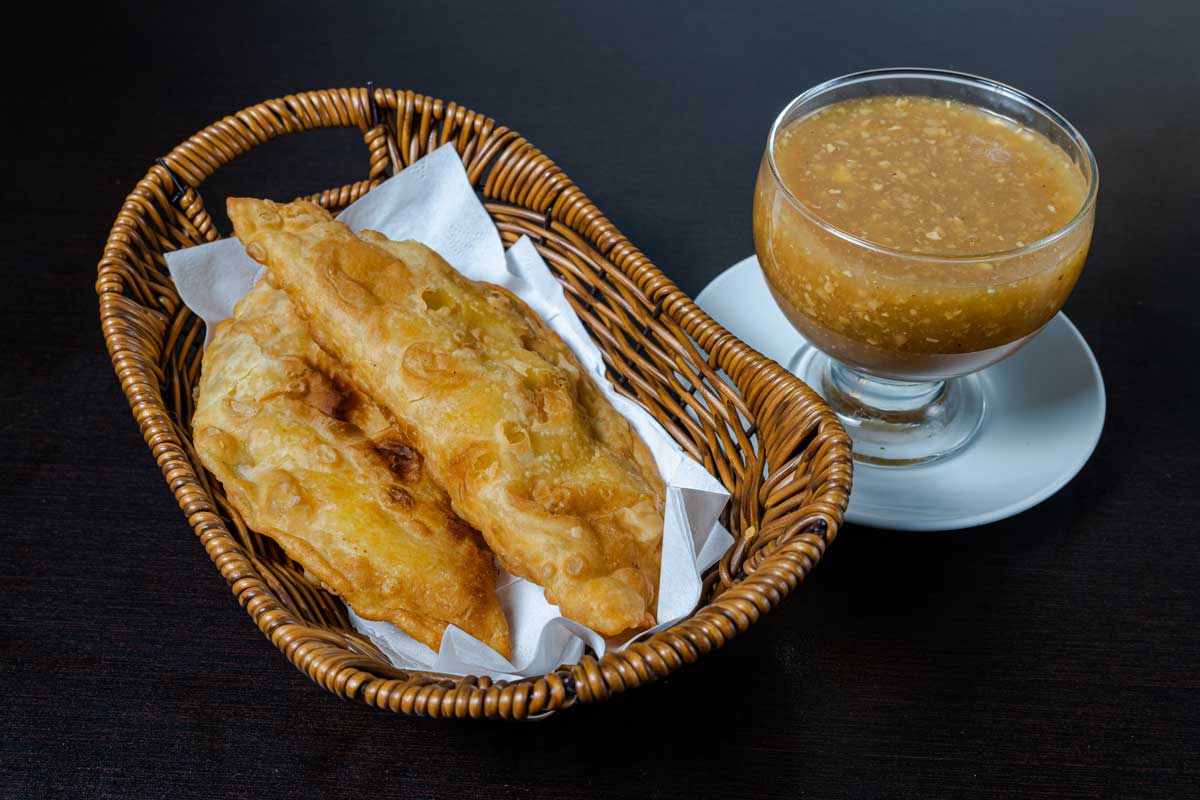
Cachanga is a versatile Latin American flatbread that can be enjoyed in many different ways, whether as a sweet treat, a savory snack, or a filling Peruvian breakfast food.
Its crispy, golden texture makes it the perfect base for a variety of delicious toppings and pairings.
Here are some of the most popular ways to eat the fried flatbread across Latin America.
1. Sweet Cachanga – A Classic Breakfast or Snack
- Sprinkled with sugar and cinnamon for a light, crispy treat
- Drizzled with honey, condensed milk, or dulce de leche for a rich, indulgent flavor
- Paired with hot chocolate, coffee, or Peruvian chicha morada
2. Savory Cachanga – A Hearty and Satisfying Option
- Served with butter and cheese, similar to a quesadilla
- Topped with avocado, ham, or scrambled eggs for a filling breakfast
- Paired with ají sauce or guacamole for an extra kick of flavor
3. Street Food Style – The Traditional Peruvian Way
- Found in local Peruvian markets and street stalls, served hot and fresh
- Folded and eaten on the go, often accompanied by fruit juice or coffee
- Sometimes sold with a side of jam or sweet syrup for dipping
4. A Side Dish to Complement Meals
- Used as a substitute for bread or tortillas, served alongside soups and stews
- Dipped into ají amarillo sauce or salsa criolla for extra flavor
- Eaten with grilled meats, roasted vegetables, or ceviche
Whether you prefer it sweet, savory, or somewhere in between, the crispy Peruvian bread is an easy and delicious dish to enjoy at any time of the day.
Cachanga in Peruvian Culture

While often enjoyed as a quick and satisfying snack, the Peruvian fried bread also carries historical and cultural significance.
A Staple in Peruvian Homes
- Cachanga is a homemade comfort food, often prepared by grandmothers and mothers as a quick breakfast or afternoon snack.
- In many households, it’s made fresh in the morning, served with coffee, tea, or chicha morada.
- Families often customize their Peruvian flatbread, making it sweet, savory, or even stuffed with cheese, meats, or other fillings.
Cachanga in Peruvian Street Food Culture
- Found in local markets and street stalls, cachanga is a popular on-the-go snack.
- Vendors often serve it hot and crispy, topped with sugar, honey, or cheese.
- It’s a budget-friendly and widely available treat, enjoyed by both locals and tourists.

Regional Differences in Cachanga
While cachanga is popular throughout Peru, different regions have unique takes on the dish:
- Coastal areas: Lighter, flakier versions are often served with fruit preserves or condensed milk.
- Andean regions: Hearty, rustic cachangas are sometimes thicker and denser, served with cheese or paired with soups.
- Amazon region: Local flavors, such as cachanga with plantains or tropical fruit fillings, add a unique twist.
A Tradition Passed Through Generations
- Many Peruvians have childhood memories of eating cachanga prepared by their family.
- Recipes are passed down through generations, maintaining the authenticity of the dish.
- Even with modern adaptations, the crispy flatbread remains a treasured part of Peru’s culinary identity.
Cachanga represents the simplicity, resourcefulness, and warmth of Peruvian cooking.
Nutritional Information and Health Benefits

While traditionally made with flour, water, and oil, its nutritional value can vary depending on the preparation method (fried vs. baked) and additional ingredients like sugar, cheese, or butter.
Nutrition varies with preparation
Portion size, oil absorbed during frying and toppings determine the finished nutrition. A fixed per-100-gram estimate is not provided for this homemade recipe.
Health Benefits of Cachanga
✔ Provides Quick Energy
- Made primarily from flour and carbohydrates, the Peruvian flatbread is a great source of quick energy, making it an ideal breakfast or snack.
✔ Customizable for Different Diets
- Can be made with whole wheat flour for extra fiber and nutrients.
- Can be baked instead of fried to reduce fat content.
- Gluten-free versions need a separately developed recipe; almond flour or cassava flour is not a direct substitute for wheat flour in this dough.
✔ Good Source of Essential Nutrients
- Contains B vitamins from wheat flour, which support metabolism.
- Provides some protein when paired with cheese or eggs.
✔ Pairs Well with Healthy Toppings
- Avocado, lean meats, or eggs can add healthy fats and protein.
- A sweet cachanga with honey or fruit can provide natural antioxidants.
How to Make Cachanga Healthier
- Bake instead of fry to lower fat and calorie content.
- Use whole wheat flour for more fiber and nutrients.
- Reduce added sugar and opt for natural sweeteners like honey or fruit.
- Try adding chia seeds or flaxseeds to boost omega-3 and fiber intake.
While the crispy cachanga is often seen as a comfort food, small tweaks can make it a healthier option without compromising its delicious flavor!
Where to Find the Peruvian Flatbread

Cachanga can be found in Peruvian markets, street food stalls, and Latin American bakeries.
Whether you’re traveling in Peru or looking for authentic cachanga outside of Latin America, here are the best places to find it.
1. Street Food Stalls in Peru
- One of the best places to enjoy freshly made cachanga is at Peruvian street vendors.
- Often sold hot and crispy, served with cheese, butter, or sugar.
- Commonly found in local markets, plazas, and transportation hubs.
2. Peruvian Markets & Bakeries
- Many panaderías (bakeries) and mercados sell cachanga, especially in Lima, Cusco, and Arequipa.
- Traditional family-run bakeries may offer both sweet and savory variations.
- Look for “cachanga peruana” on the menu when visiting Peruvian food spots.
3. Latin American Restaurants & Cafés
- Some Peruvian restaurants abroad include cachanga on their menu, especially in the U.S., Spain, and Argentina.
- Latin bakeries or cafés that serve Peruvian breakfast foods may offer cachanga.
- Check the dessert or bread sections of Peruvian-inspired restaurants.
4. Online Latin Food Stores
- Amazon – the superstore carries a variety of popular Peruvian foods
- Some specialty Latin food stores online sell pre-made cachanga or cachanga mixes.
- Websites specializing in Peruvian cuisine may have frozen or packaged options.
- Search for authentic Latin American grocery stores that deliver to your area.
5. Make It at Home!
- Since cachanga is simple to make, many people prefer to prepare it from scratch.
- You only need a few basic ingredients, and you can customize it to your taste.
- Check out authentic Peruvian recipes for a step-by-step guide on making cachanga at home.
If you can’t find cachanga locally, ask at Peruvian restaurants or bakeries—they may be able to make it for you or recommend a great spot to try it!
Why You Should Try Cachanga: A Crispy Peruvian Delight

Cachanga is a crispy, delicious, and versatile dish that has been enjoyed for generations in Peru and other Latin American countries.
Whether you prefer it sweet with sugar and honey or savory with cheese and butter, cachanga is a simple yet satisfying treat that can be enjoyed for breakfast, as a snack, or even as a side dish.
Are you ready to try cachanga for yourself?
Whether you buy it or make it from scratch, this crispy, golden treat is sure to become a new favorite in your kitchen.
Give it a try and experience a taste of Peruvian tradition today!

Cachanga Recipe
Cachangas are a crispy, golden-brown Peruvian flatbread, perfect for breakfast or a snack. Made with simple ingredients like flour, water, and a touch of butter, these fried delights can be enjoyed savory with cheese or ají sauce, or sweet with sugar and honey. Easy to make and irresistibly delicious, this authentic recipe brings a taste of Peru to your kitchen!
Ingredients
- 2 cups all-purpose flour (240 g), plus a little for rolling
- 1/2 teaspoon salt
- 1/2 teaspoon baking powder, optional
- 1/2–3/4 cup warm water or milk, added gradually as needed
- 1 tablespoon melted butter or neutral oil
- Neutral vegetable oil, for frying
- Optional: sugar or honey for serving
Instructions
- Mix the flour, salt and optional baking powder in a bowl. Add the melted butter or oil and 1/2 cup warm water or milk. Mix, adding more liquid a tablespoon at a time only as needed to make a soft, manageable dough; you may not need the full 3/4 cup.
- Knead for 5–7 minutes until smooth. Cover and rest for 20 minutes so the dough is easier to roll.
- Divide into 6–8 equal portions. On a lightly floured surface, roll each into a thin disc about 1/8 inch thick. Keep the remaining dough covered. If it springs back, let it rest a few more minutes before continuing.
- Heat about 1/2 inch neutral oil in a deep, heavy skillet to 350°F (175°C). Fry one or two discs at a time without crowding, about 1–2 minutes per side, until golden and cooked through. Adjust the heat to prevent the outside from browning before the center cooks.
- Drain on paper towels or a rack. Serve warm, plain or with cheese, ají sauce, sugar or honey.
Notes
Makes 6–8 flatbreads. Allow about 55 minutes: 15 minutes hands-on preparation, 20 minutes resting and 20 minutes frying in batches. This is a simple dough with optional baking powder; yeast-based cachangas are another legitimate variation.
Add the liquid gradually: flour and milk can change how much the dough needs. The fried version gives the characteristic crisp texture. Keep plain leftovers covered and refrigerated for up to 3 days, then reheat in an oven or dry skillet until hot.
More Peruvian Foods
See all →
Jorge Garcia is the founder of AmigoFoods, where he has spent over 20 years helping readers discover authentic Latin American and Spanish cuisine. Raised in a Cuban-American household, Jorge learned to cook at the hands of his mother and grandmother, carrying forward generations of family recipes. That heritage, backed by his family’s four-generation history in the Latin food industry, inspired him to launch AmigoFoods in 2003. With more than 1,000 published articles on recipes, ingredients, and food culture, Jorge’s mission is simple: make authentic Latin cooking approachable for home cooks everywhere while honoring the traditions behind every dish.