

Canoas de Plátano pair sweet ripe plantains with savory Puerto Rican picadillo and an optional topping of melted cheese. This baked version makes four hearty stuffed plantains in about an hour.
Canoas de Plátano at a Glance
What Are Canoas de Plátano?

Canoas de Plátano are a traditional Puerto Rican dish made from ripe plantains that are sliced lengthwise, baked or fried until tender, and stuffed with savory fillings like seasoned ground beef (picadillo).
The name “canoas,” meaning “canoes” in Spanish, comes from the way the plantains are shaped to hold the filling — resembling small edible boats.
This dish is a staple in Puerto Rican home cooking and perfectly showcases the island’s love for combining sweet and savory flavors.
The caramelized sweetness of the plantains pairs beautifully with the rich, savory meat filling, often topped with melted cheese and baked to golden perfection.
Whether served as a main dish or a hearty side, canoas de plátano are a comforting, flavor-packed favorite across the island.
Key Ingredients in Traditional Canoas
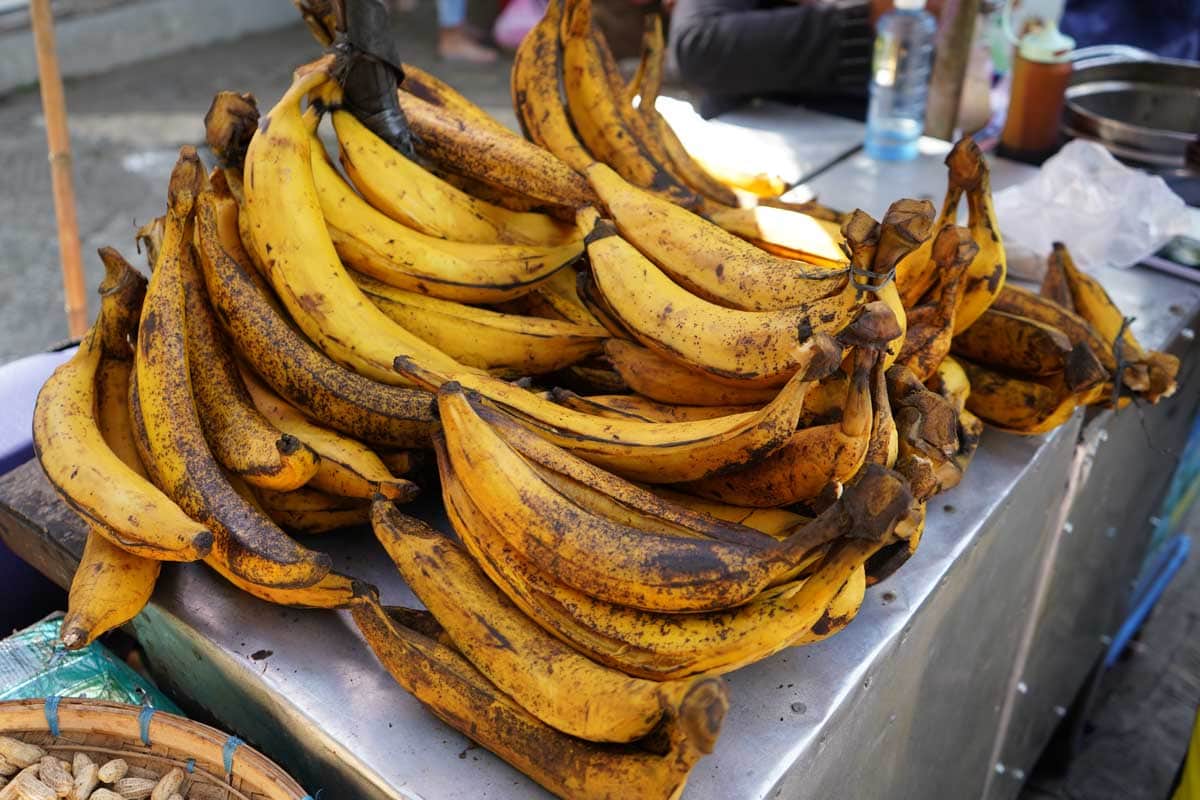
Making authentic Canoas de Plátano starts with a few staple ingredients that bring the dish’s sweet and savory flavors to life.
Here’s what you’ll typically need:
-
Ripe Plantains (Plátanos Maduros): The base of the dish — choose plantains with black spots for maximum sweetness and softness.
-
Ground Beef (Picadillo): Seasoned with Puerto Rican staples like sofrito, tomato sauce, adobo, and sazón for rich flavor.
-
Sofrito: A blend of onions, garlic, peppers, cilantro, and herbs — the essential seasoning base in Puerto Rican cuisine.
-
Tomato Sauce: Adds moisture and tang to the picadillo filling.
-
Onion, Garlic, and Bell Pepper: Aromatics that build flavor in the meat mixture.
-
Adobo and Sazón: Classic Puerto Rican seasonings that bring depth and color.
-
Olive Oil: Used for sautéing the filling and brushing the plantains if baking.
-
Shredded Cheese (Optional): Often sprinkled on top before baking for a melty, golden finish.
These ingredients work together to create a dish that’s hearty, comforting, and bursting with island flavor.

- A UNIQUE SEASONING | Inside this box, you'll find the secret to creating the authentic flavors of...
- AUTHENTIC & FLAVORFUL | Latin cooks refer to it as the 'Foolproof' way to create authentic flavorful...
How to Make Canoas de Plátano at Home (Step-by-Step)
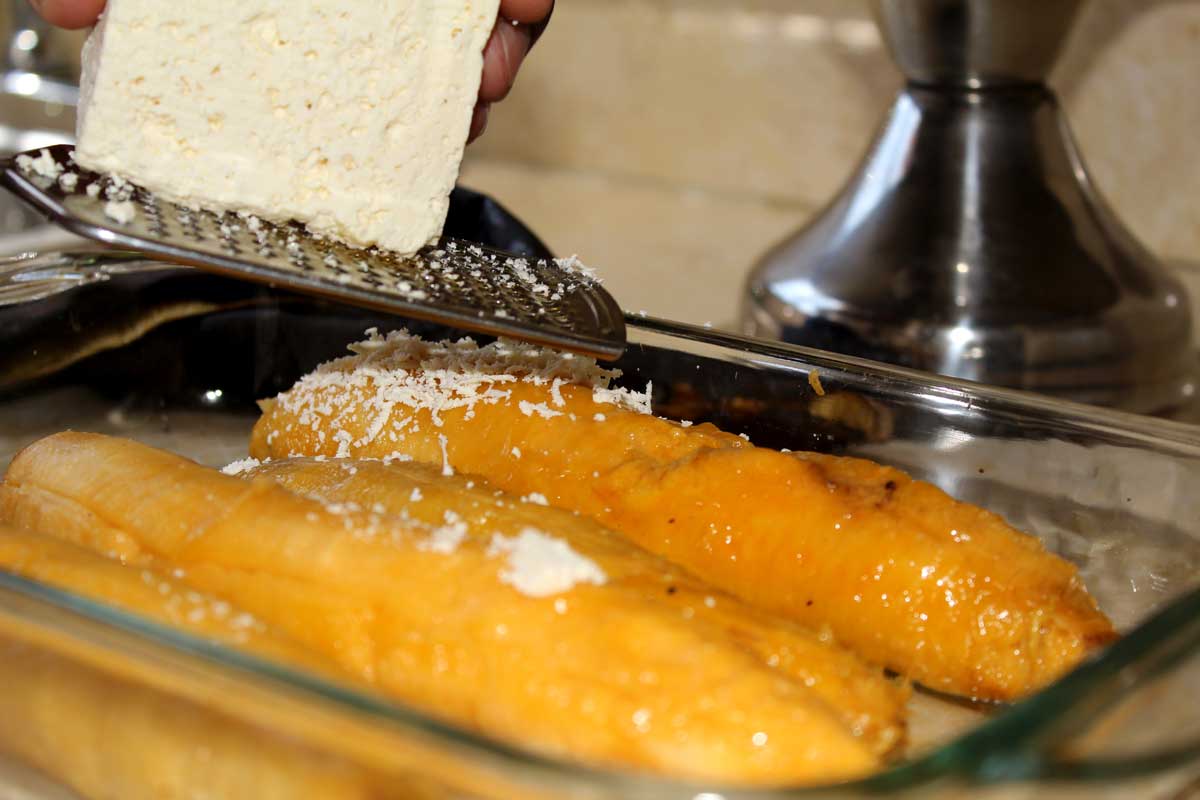
Choose very ripe plantains for this baked version.
- Preheat the oven to 375°F (190°C). Peel 4 very ripe plantains, brush with 1 tablespoon olive oil, and arrange on a lined baking sheet. Bake for 20–25 minutes, or until tender enough to open without breaking; larger or less ripe plantains may need longer.
- While the plantains bake, heat the remaining 1 tablespoon oil in a skillet over medium heat. Cook the onion and bell pepper for about 5 minutes. Add the garlic and sofrito and cook for another 1–2 minutes.
- Add the ground beef, breaking it into small pieces, and cook until fully cooked through. Stir in the tomato sauce, adobo and sazón; simmer for 5–10 minutes until the filling is thick rather than watery.
- Place the tender plantains in a baking dish. Carefully slit each lengthwise, stopping short of the bottom and ends. Gently open with a spoon and divide the filling among the 4 plantains.
- Top with shredded cheese, if using. Bake at 375°F (190°C) for 10–15 minutes, until hot throughout and the cheese has melted. Garnish with cilantro or sour cream and serve warm.
Use very ripe plantains with deep yellow, heavily black-spotted skins. The estimated 1-hour total assumes you prepare the filling while the plantains bake; allow extra time for firmer plantains. This timing covers the baked version. Fried plantains are a traditional alternative and require extra frying oil. Adobo and sazón salt levels vary: taste the fully cooked filling before adding any extra salt.
Sweet vs. Savory Canoas — Popular Variations
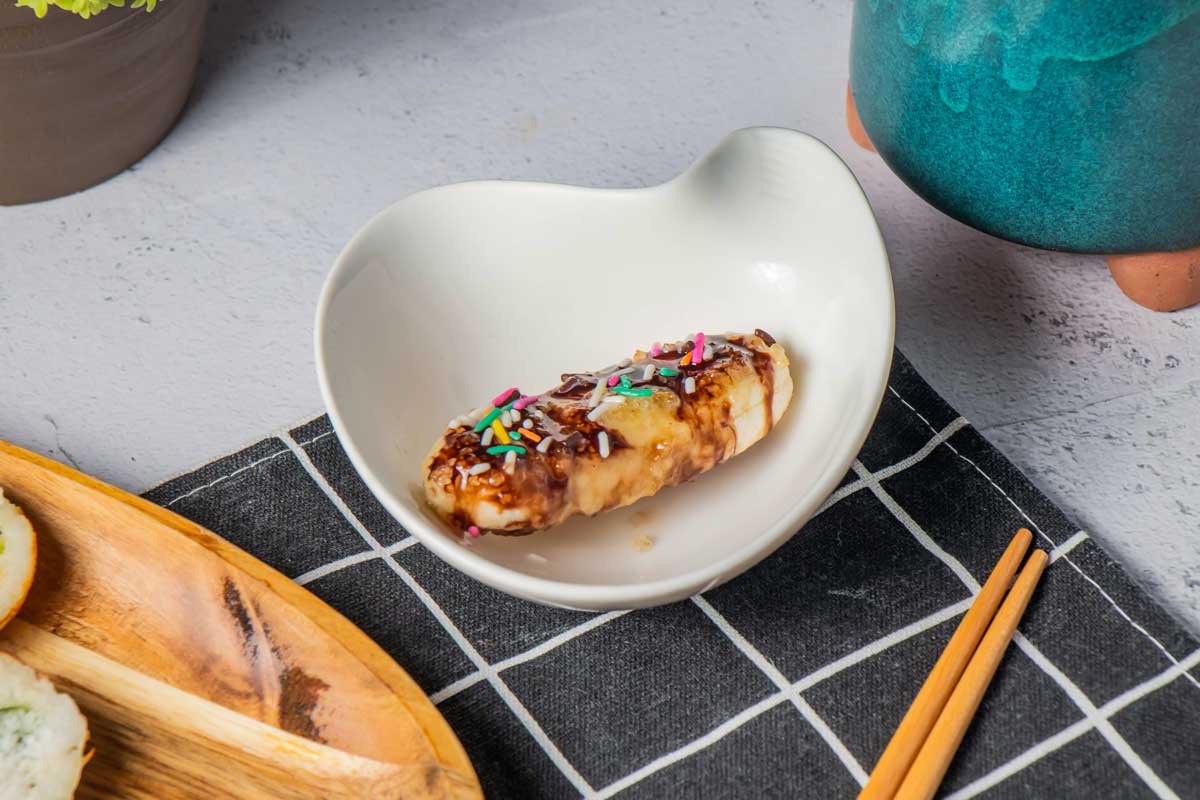
Canoas de Plátano can be customized in endless ways, with both sweet and savory fillings that reflect the versatility of ripe plantains.
Here are the most popular variations:
️ Savory Canoas
-
Traditional Picadillo Canoas: Filled with seasoned ground beef, sofrito, and tomato sauce — the classic version.
-
Cheesy Ground Turkey Canoas: A lighter twist using ground turkey and plenty of melted cheese.
-
Vegetarian Canoas: Filled with black beans, corn, sautéed vegetables, or lentils, topped with cheese or avocado.
-
Chicken or Pulled Pork Canoas: Made with shredded meats cooked in Puerto Rican spices for extra flavor.
Sweet Canoas
-
Guava and Cream Cheese: A dessert-style canoa stuffed with tangy guava paste and smooth cream cheese.
-
Nutty Banana Canoas: A sweet filling of mashed bananas, cinnamon, chopped nuts, and honey.
-
Coconut and Dulce de Leche: Rich, creamy, and indulgent dulce de leche is perfect for special occasions.
-
Chocolate-Stuffed Canoas: Plantains baked with dark chocolate chips and a sprinkle of sea salt.
Whether you’re craving a hearty dinner or a tropical dessert, there’s a canoa de plátano to satisfy every palate!
Cultural Significance of Canoas in Puerto Rican Cuisine

Canoas de Plátano are more than just a tasty latin dish — they’re a reflection of Puerto Rican heritage, resourcefulness, and love for bold, comforting flavors.
-
A Symbol of Home Cooking: Canoas are often prepared in family kitchens, passed down through generations as a beloved comfort food. They’re a staple in Puerto Rican households, especially for weeknight dinners and casual gatherings.
-
Tied to the Island’s Agricultural Roots: Plantains are one of the most important crops in Puerto Rico, and dishes like canoas showcase how central they are to the local diet.
-
Sweet-and-Savory Tradition: The combination of ripe plantains with savory fillings is a hallmark of Puerto Rican cuisine, echoing the island’s African, Spanish, and Taíno culinary influences.
-
Everyday and Festive Food: While simple enough for everyday meals, canoas are also served at parties, holidays, and family events, often alongside arroz con gandules, pasteles, and pernil.
-
Representation of Boricua Identity: Like mofongo or pastelón, canoas are part of a proud tradition that celebrates Puerto Rican resilience, creativity, and love for comida criolla.

In essence, canoas de plátano are a delicious expression of Puerto Rico’s cultural heart — humble ingredients elevated into something truly special.
Tips for Serving Canoas de Plátano
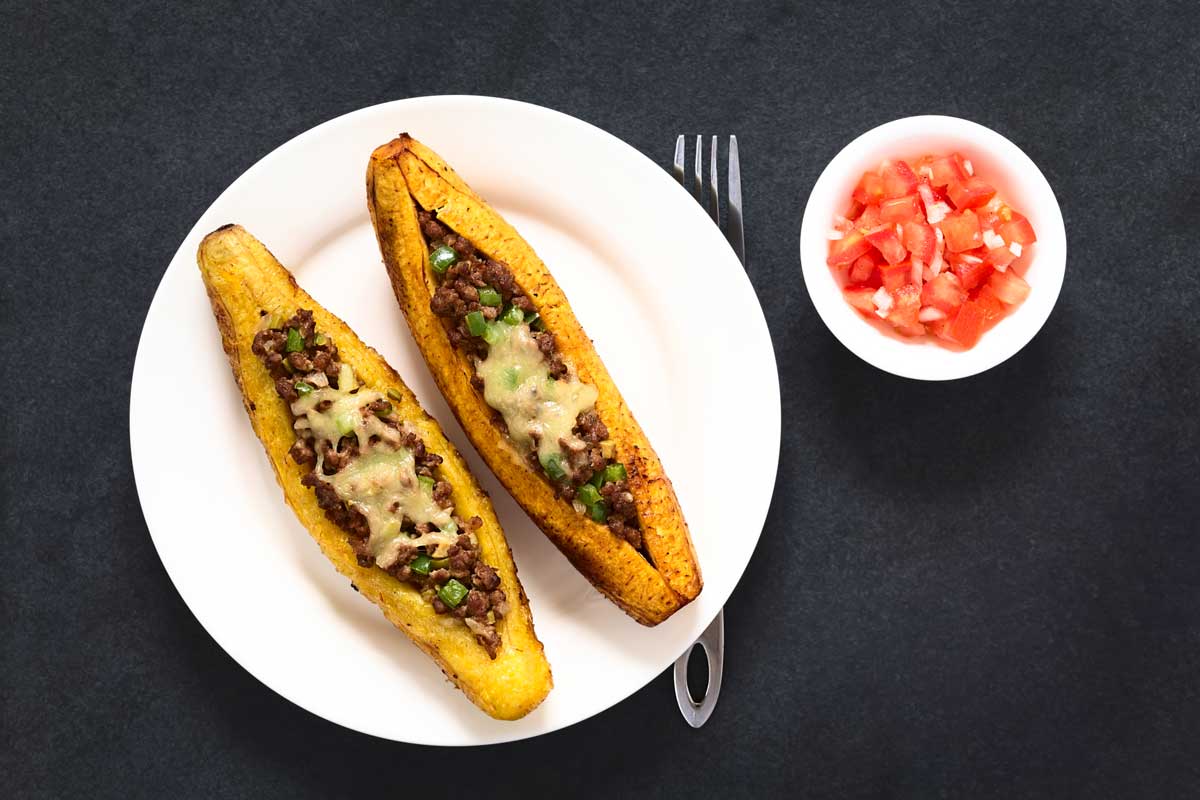
To get the most out of your canoas de plátano, a few serving tips can help elevate the dish from great to unforgettable.
Whether you’re cooking for family or hosting guests, here’s how to serve them like a pro:
-
Pair with Classic Sides: Serve alongside Puerto Rican side dishes like arroz con gandules, white rice, or tostones for a complete meal.
-
Top It Off: Garnish with fresh cilantro, sliced avocado, or a drizzle of sour cream for added freshness and flavor.
-
Add Heat (If You Like It Spicy): Offer hot sauce or a side of ají criollo for those who enjoy a little kick.
-
Keep It Neat: Use a spatula to transfer stuffed plantains to plates without losing the filling.
-
Make It a Meal Prep Favorite: Canoas reheat well — store leftovers in the fridge and bake for 10–15 minutes to revive their deliciousness.
-
Great for Entertaining: Make a tray of mini canoas using smaller plantains or slice larger ones in half to serve as appetizers at parties.
These tips ensure your canoas not only taste incredible but also impress anyone lucky enough to try them!
Where to Try Canoas de Plátano in Puerto Rico (and Beyond)

Whether you’re exploring the streets of San Juan or craving authentic Puerto Rican flavors abroad, canoas de plátano can be found in both local eateries and international kitchens.
Here’s where to look:
-
Local Fondas and Comedores in Puerto Rico:
Small, family-run diners across the island often serve homemade canoas as part of their daily specials. Try towns like Bayamón, Caguas, and Ponce for hidden gems. -
San Juan Restaurants:
Head to spots like Raíces, Café Puerto Rico, or La Casita Blanca for elevated versions of classic dishes, including canoas filled with gourmet twists. -
Food Trucks and Festivals:
Keep an eye out for food trucks or kiosks near beaches and town plazas — especially during local festivals where traditional fare takes center stage. -
Puerto Rican Restaurants in the U.S.:
In cities like New York, Orlando, and Chicago, you’ll find authentic canoas de plátano at restaurants such as Casa Adela, La Fonda Boricua, or La Lechonera. -
Order Online or Make at Home:
If you’re not near a Puerto Rican eatery, many Latin markets and online grocers sell ripe plantains and Caribbean seasonings so you can recreate canoas in your own kitchen.
Wherever you are, a taste of Puerto Rico is never too far away — especially when it comes to these delicious plantain boats.
Canoas de Plátano vs. Similar Latin Dishes
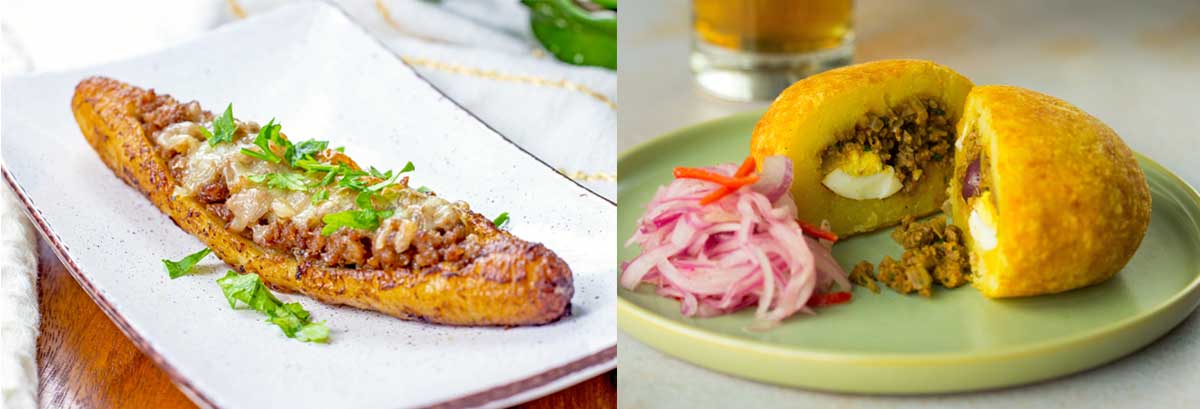
While Canoas de Plátano are uniquely Puerto Rican, several Latin American dishes share similar ingredients or preparation methods.
Here’s how they compare:
-
Canoas de Plátano vs. Pastelón
-
Canoas are individual ripe plantains filled with meat, while pastelón is a layered plantain “lasagna” with meat and cheese baked in a casserole style.
-
Canoas are easier to portion and serve as standalone boats; pastelón is made for slicing and sharing.
-
-
Canoas de Plátano vs. Rellenos de Papa
-
Rellenos de papa are deep-fried mashed potato balls stuffed with ground meat.
-
Both are popular Puerto Rican comfort foods but differ in texture — canoas are sweet and soft, while rellenos are crispy and starchy.
-
-
Canoas de Plátano vs. Stuffed Peppers
-
Stuffed peppers are commonly filled with seasoned meat, rice, or beans — just like canoas.
-
The key difference lies in the vessel: plantains offer sweetness and tropical flair, while peppers provide a firmer, vegetal bite.
-
-
Canoas de Plátano vs. Tostones Rellenos
-
Tostones rellenos are green plantains fried into cups and filled with meat or shrimp.
-
They’re crisp and savory, unlike the soft, sweet profile of ripe plantain canoas.
-
These comparisons highlight the diversity of Latin cuisine — where similar ingredients create entirely different experiences.
But when it comes to sweet-savory comfort, canoas de plátano hold their own!
Conclusion: Why You Need to Try Canoas de Plátano
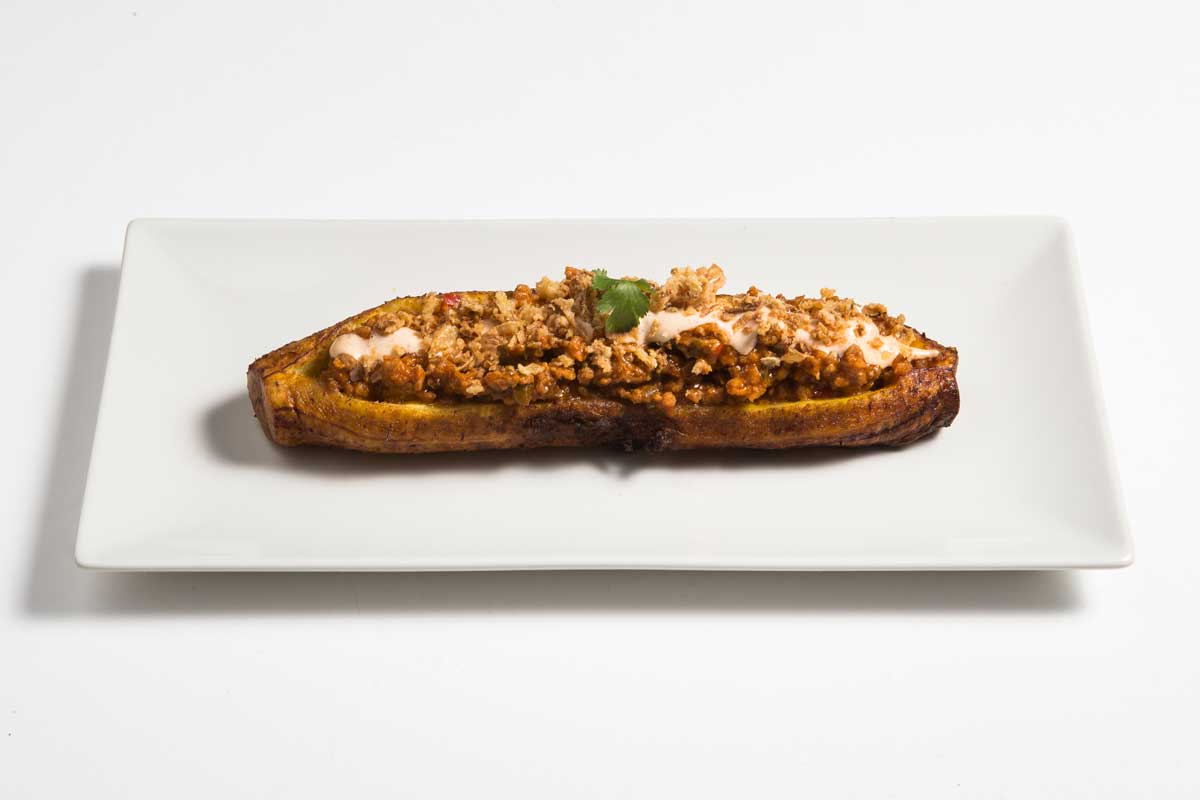
If you’re looking for a dish that captures the heart of Puerto Rican comfort food, Canoas de Plátano are it.
With their irresistible mix of caramelized ripe plantains and savory, seasoned fillings, these “plantain canoes” offer a perfect balance of sweetness, spice, and soul.
Whether you stick with the traditional picadillo version or explore vegetarian and dessert-style twists, canoas are endlessly adaptable and always satisfying.
They’re easy to make at home, perfect for feeding a crowd, and guaranteed to impress anyone who takes a bite.
So what are you waiting for? Grab some ripe plantains, fire up the oven, and experience one of Puerto Rico’s most delicious dishes for yourself.
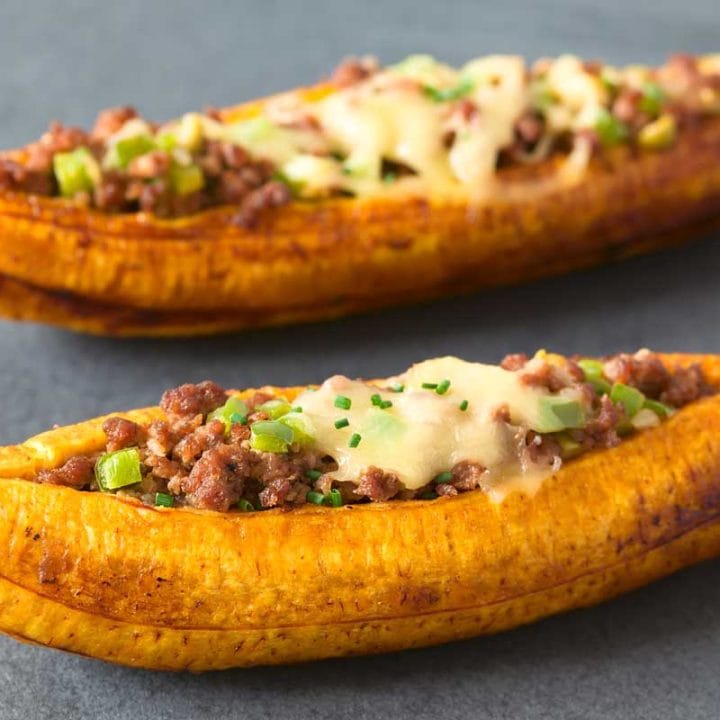
Canoas de Plátano Recipe
Sweet, ripe plantains are baked or fried until caramelized, then stuffed with a flavorful Puerto Rican picadillo made with sofrito, ground beef, and classic seasonings. Topped with melty cheese, these Canoas de Plátano are the perfect blend of sweet and savory.
Ingredients
- 4 ripe plantains (yellow with black spots)
- 1 lb ground beef
- 2 tablespoons olive oil, divided
- ½ cup sofrito
- ½ onion, finely chopped
- 2 cloves garlic, minced
- ½ bell pepper, diced
- ½ cup tomato sauce
- 1 teaspoon adobo seasoning
- 1 packet sazón (with achiote)
- ½ cup shredded cheese (optional, for topping)
- Chopped cilantro or sour cream (optional garnish)
Instructions
- Preheat the oven to 375°F (190°C). Peel 4 very ripe plantains, brush with 1 tablespoon olive oil, and arrange on a lined baking sheet. Bake for 20–25 minutes, or until tender enough to open without breaking; larger or less ripe plantains may need longer.
- While the plantains bake, heat the remaining 1 tablespoon oil in a skillet over medium heat. Cook the onion and bell pepper for about 5 minutes. Add the garlic and sofrito and cook for another 1–2 minutes.
- Add the ground beef, breaking it into small pieces, and cook until fully cooked through. Stir in the tomato sauce, adobo and sazón; simmer for 5–10 minutes until the filling is thick rather than watery.
- Place the tender plantains in a baking dish. Carefully slit each lengthwise, stopping short of the bottom and ends. Gently open with a spoon and divide the filling among the 4 plantains.
- Top with shredded cheese, if using. Bake at 375°F (190°C) for 10–15 minutes, until hot throughout and the cheese has melted. Garnish with cilantro or sour cream and serve warm.
Notes
Use very ripe plantains with deep yellow, heavily black-spotted skins. The estimated 1-hour total assumes you prepare the filling while the plantains bake; allow extra time for firmer plantains. This timing covers the baked version. Fried plantains are a traditional alternative and require extra frying oil. Adobo and sazón salt levels vary: taste the fully cooked filling before adding any extra salt.
More Puerto Rican Foods
See all →
Jorge Garcia is the founder of AmigoFoods, where he has spent over 20 years helping readers discover authentic Latin American and Spanish cuisine. Raised in a Cuban-American household, Jorge learned to cook at the hands of his mother and grandmother, carrying forward generations of family recipes. That heritage, backed by his family’s four-generation history in the Latin food industry, inspired him to launch AmigoFoods in 2003. With more than 1,000 published articles on recipes, ingredients, and food culture, Jorge’s mission is simple: make authentic Latin cooking approachable for home cooks everywhere while honoring the traditions behind every dish.