

Updated
Puerto Rican food is bold, garlicky and built for sharing. It grew from Taíno, Spanish and African roots, and it runs on a few things every kitchen on the island keeps close: sofrito, adobo, plantains, rice, beans and pork. The food is seasoned rather than hot, and Puerto Ricans call it cocina criolla.
This guide covers 40 Puerto Rican foods, starting with the dishes people eat most, from arroz con gandules and mofongo to pernil and pasteles. Then come the stews, the seafood, the fritters from the beach kiosks, the bakery and the desserts. You will also find how Puerto Rican food changes around the island, what to drink with it and how to eat like a local.
AmigoFoods may earn a commission from qualifying Amazon purchases made through links on this page.
Just want the recipes? Browse our Puerto Rican main dishes, soups and stews, street foods, breads and sides and desserts, or start with the ingredients of the Puerto Rican kitchen.
From the kiosks to the Christmas table
40 Puerto Rican dishes at a glance
Pick a category, then tap any dish to jump straight to it.
 01Arroz con GandulesRice with pigeon peas, sofrito and porkStaple
 02MofongoMashed fried plantains with garlic and pork cracklingsStaple
 03PernilSlow-roasted pork shoulder with crackling skinMain
 04Lechón AsadoWhole pig roasted on a spit over charcoalMain
 05PastelesGreen banana and root masa filled with pork, wrapped in leavesMain
 06TostonesTwice-fried smashed green plantainsSide
 07Arroz con HabichuelasWhite rice with stewed beans, the daily plateStaple
 08PastelónSweet plantain and picadillo casseroleMain
 09Pollo GuisadoChicken stewed in sofrito and tomato with potatoesMain
 10Carne GuisadaTender beef stew with potatoes and olivesMain
 11Asopao de PolloSoupy chicken and rice, the island’s comfort foodSoup
 12SancochoHearty root vegetable and meat stewSoup
 13Asopao de GandulesPigeon pea soup with plantain dumplingsSoup
 14MondongoSlow-cooked tripe stew with root vegetablesSoup
 15Chillo FritoWhole fried red snapper, a beach classicSeafood
 16Serenata de BacalaoSalt cod salad with boiled roots and avocadoSeafood
 17Ensalada de PulpoChilled octopus salad with peppers and limeSeafood
 18Salmorejo de JueyesLand crab meat stewed in sofritoSeafood
 19Pescado en EscabecheFried fish pickled with onions and vinegarSeafood
 20AlcapurriasFried green banana fritters stuffed with meat or crabFritter
 21BacalaítosThin, crispy salt cod frittersFritter
 22EmpanadillasFried turnovers with beef, chicken, crab or cheeseFritter
 23Rellenos de PapaMashed potato balls stuffed with picadilloFritter
 24SorullitosFried cornmeal and cheese sticksFritter
 25PiononosRipe plantain rings filled with picadilloFritter
 26MorcillaBlood sausage with rice and peppersFritter
 27Chicharrón de PolloCrispy fried chicken bites with lime and garlicStreet
 28JibaritoSteak sandwich with fried plantains instead of breadStreet
 29TripletaThe three-meat sandwich from the food trucksStreet
 30Canoas de PlátanoBaked ripe plantains stuffed with picadilloMain
 31AmarillosSweet fried ripe plantainsSide
 32Pan de AguaCrusty water bread for breakfastBakery
 33Pan de MallorcaSoft spiral sweet bread dusted with sugarBakery
 34QuesitosPuff pastry twists filled with sweet cream cheeseBakery
 35Flan de QuesoCream cheese flan, the island’s favoriteDessert
 36TemblequeCoconut milk pudding with cinnamonDessert
 37Arroz con DulceCoconut rice pudding with ginger and spicesDessert
 38MajareteCreamy rice-flour and coconut puddingDessert
 39CoquitoCoconut and rum Christmas drinkDrink
 40LimberFrozen fruit treat in a cupDessert
What is Puerto Rican food?

Puerto Rican food is the home cooking of an island that blends three traditions. The Taíno people grew yuca, corn, yautía, peppers and tropical fruit, and gave the world the word barbacoa. Spain brought pork, rice, olive oil, garlic, wheat bread, salt cod and sugar cane. Enslaved Africans and their descendants shaped the island’s love of plantains, gandules and fried food, and dishes like mofongo, whose roots go back to West African fufu.
The result is comfort food: rice and beans every day, stews over white rice, fried and mashed plantains, and slow-roasted pork for celebrations. Puerto Rico is also part of the wider Spanish-speaking Caribbean, so it shares many dishes with Cuba and the Dominican Republic, each cooked its own way. For a side-by-side look, see our guide to Dominican food.
The flavors behind it
- Sofrito: a green paste of culantro (recao), cilantro, ají dulce (sweet chile), onion, garlic and green peppers. It is the starting point for rice, beans and stews.
- Adobo: a dry rub of garlic, oregano, salt and pepper used on almost every meat.
- Sazón: a seasoning with achiote (annatto) that gives rice and stews their golden-red color. Our guide to adobo vs. sazón explains the difference.
- Alcaparrado: a jar of olives, capers and pimientos added to rice, stews and picadillo.
- The pilón and the caldero: the wooden mortar for mofongo and garlic, and the heavy pot for rice.
Puerto Rican food around the island
Puerto Rico is small, but where you eat changes what you eat. Here is what each area is known for, with dishes from this list to try first.
| Where | What defines it | Dishes to try |
|---|---|---|
| San Juan (Old San Juan, Santurce) | Restaurants, cafés and bakeries; the piña colada was born here | Mofongo, Arroz con Gandules, Pan de Mallorca, Quesitos |
| Loíza and Piñones (north coast) | Afro-Puerto Rican cooking, coconut and fritters from wood-fired beach kiosks | Alcapurrias, Bacalaítos, Salmorejo de Jueyes, Empanadillas |
| Luquillo (northeast) | A long row of beach kiosks selling fritters, seafood and cold drinks | Empanadillas, Ensalada de Pulpo, Chillo Frito |
| Cayey and the central mountains | Roast pig at the lechoneras of Guavate, on La Ruta del Lechón | Lechón Asado, Morcilla, Arroz con Gandules |
| Salinas and the south coast | Fried fish topped with mojo isleño sauce | Chillo Frito, Pescado en Escabeche, Serenata de Bacalao |
| Cabo Rojo and the west coast | Waterfront seafood restaurants, such as the Joyuda strip | Chillo Frito, Ensalada de Pulpo, mofongo relleno |
| New York and Chicago (the diaspora) | Cuchifritos counters in New York; the plantain sandwich born in Chicago | Jibarito, Rellenos de Papa, Morcilla |
40 Puerto Rican foods to try
The list starts with the dishes Puerto Ricans eat most, then moves through stews and soups, seafood, fritters and street food, the bakery, and desserts and drinks.
1. Arroz con Gandules

If Puerto Rico has a national dish, it is arroz con gandules. Rice cooks in a heavy pot called a caldero with pigeon peas, sofrito, sazón, a little pork or ham, and alcaparrado (olives and capers), until every grain is seasoned and yellow-orange.
It is on the table at every birthday, holiday and Sunday lunch, and it is the first thing on the plate next to pernil at Christmas. The crispy layer of rice stuck to the bottom of the pot, called pegao, is the part everyone fights over.
2. Mofongo

Mofongo is the dish most visitors order first. Green plantains are fried, then mashed in a wooden pilón (mortar) with plenty of garlic, olive oil and crushed chicharrón, and pressed into a dome. It comes from the West African tradition of mashed starches, adapted with Spanish garlic and pork.
It is served with a cup of broth or a sauce on the side, or as mofongo relleno, hollowed out and filled with garlic shrimp, stewed chicken or steak. Versions made with ripe plantain, yuca, or all three together (trifongo) are common too.
3. Pernil

Pernil is a whole pork shoulder rubbed with a paste of garlic, oregano, adobo, olive oil and vinegar, marinated overnight and roasted low and slow for hours. The meat falls apart, and the skin on top turns into a crisp crackling called cuerito.
Pernil is the centerpiece of Christmas dinner and most big family parties, served with arroz con gandules and pasteles. Leftovers go into sandwiches the next day.
4. Lechón Asado

Lechón asado is a whole pig seasoned with garlic, oregano and salt and turned slowly on a spit over charcoal for hours. It is the food of big celebrations and roadside feasts.
The most famous place to eat it is Guavate in the mountains of Cayey, where a stretch of road lined with lechoneras is known as La Ruta del Lechón. You order by the pound and point at the cut you want, with skin, plus sides like arroz con gandules, morcilla and boiled yuca.
5. Pasteles

Pasteles are the Christmas dish of Puerto Rico. The masa is made from grated green bananas, plantain and yautía (taro root), tinted with achiote oil, then filled with a pork stew, wrapped in banana leaves and paper, tied in pairs and boiled.
Families make them by the dozen in an assembly line called a pastelada and freeze them for the season. There is also a version made with yuca masa. Unwrap them at the table and eat them with a little hot sauce or ketchup.
6. Tostones

Tostones are slices of green plantain fried once, flattened with a press called a tostonera, then fried again until crisp outside and tender inside. They are salted and served with mayo-ketchup or a garlic dip called mojito.
They come with almost every lunch plate, fried fish and lechón. For a lighter batch, try our air fryer tostones, or see tostones vs. maduros for how they differ from sweet plantains.
7. Arroz con Habichuelas

White rice with habichuelas guisadas (stewed beans) is the everyday base of Puerto Rican cooking. Pink or red beans simmer with sofrito, sazón, tomato sauce, diced potato or calabaza (West Indian pumpkin) and a few olives until the sauce turns thick.
The beans are spooned over or next to the rice, and almost any meat, egg or fried plantain goes on the side. It is what most people eat for lunch on an ordinary day. More ideas in our guide to Puerto Rican side dishes.
8. Pastelón

Pastelón is often called Puerto Rican lasagna. Layers of fried sweet plantain replace the pasta, with seasoned ground beef picadillo and melted cheese in between, all baked until bubbling.
The mix of sweet plantain and savory meat is what makes it so popular. It is an easy dish to bring to a party, and it is served with white rice and a green salad.
9. Pollo Guisado

Pollo guisado is the stewed chicken that many Puerto Ricans grew up on. Bone-in chicken is browned, then simmered with sofrito, sazón, tomato sauce, potatoes, carrots and olives until the sauce is rich and the meat falls off the bone.
It is served over white rice with tostones or a slice of avocado. The flavor is savory and mild, so it is a good first dish for kids and anyone new to Puerto Rican food.
10. Carne Guisada

Carne guisada is beef stew, Puerto Rican style. Chunks of beef are seasoned with adobo, browned and simmered for a long time with sofrito, tomato sauce, potatoes, carrots and alcaparrado.
Like pollo guisado, it goes over white rice, and it tastes even better the next day. Many families cook a big pot on Sunday to eat through the week.
11. Asopao de Pollo

Asopao de pollo sits between a soup and a risotto. Chicken and rice cook together in a large amount of broth with sofrito, tomato sauce and sazón, so the rice releases its starch and the result is thick and soupy.
It is finished with peas, olives and sometimes roasted peppers. Puerto Ricans make it for rainy days, for anyone who is sick, and late at night after a party.
12. Sancocho

Puerto Rican sancocho is a thick stew of meat with root vegetables called viandas: yautía, yuca, ñame, potato, green plantain, calabaza and corn. Beef, pork or chicken, or a mix, simmer with sofrito and culantro until the broth is rich.
It is a weekend dish, often cooked outdoors in a big pot for a crowd, and served with white rice and avocado. Read more about the roots that go into it in our guides to malanga and ñame.
13. Asopao de Gandules

Asopao de gandules is a soupy rice dish made with pigeon peas instead of chicken, seasoned with sofrito and a little pork or ham. The classic version adds small dumplings made from grated green plantain.
It is a favorite during the Christmas season, when gandules are fresh, and it is a filling one-pot meal on cooler nights.

14. Mondongo

Mondongo is tripe stew. The tripe is cleaned carefully, often with lime or sour orange, then simmered for hours with sofrito, tomato sauce, calabaza, potatoes and other root vegetables until tender.
It is a weekend dish, and many people swear by a bowl to recover from a long night. It is served with white rice and avocado.
15. Chillo Frito
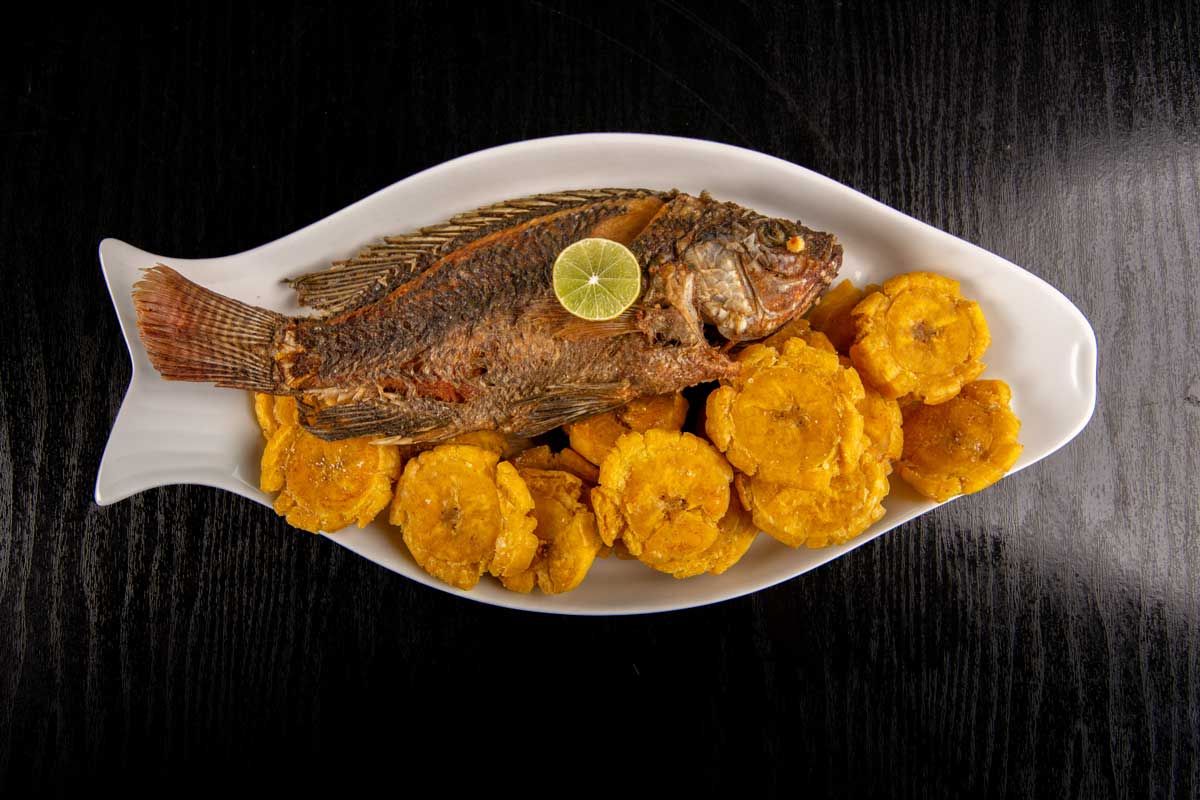
Whole fried fish, most often chillo (red snapper), is what people order at seaside restaurants all over the island. The fish is scored, seasoned with adobo and lime, and fried until the skin crackles. It comes with tostones or arañitas (shredded fried plantain) and lime.
In Salinas, on the south coast, it is topped with mojo isleño, a sauce of tomato, onion, peppers, olives and capers. See more dishes from the coast in our guide to Puerto Rican seafood dishes.
16. Serenata de Bacalao

Serenata is a cold salad of bacalao (salt cod), soaked and flaked, then mixed with onion, tomato, peppers, olive oil and vinegar. It is served over boiled viandas such as yuca, yautía, green bananas and potato, with avocado and hard-boiled egg.
It is a favorite during Lent and on hot days. Salt cod is also stewed with tomato and potatoes as bacalao guisado.
17. Ensalada de Pulpo

Ensalada de pulpo is tender boiled octopus cut into pieces and dressed with olive oil, vinegar or lime, onion, sweet peppers, garlic and cilantro, then served cold.
You will find it at beach kiosks and seafood spots, eaten on its own, with tostones, or stuffed into a mofongo or a fried plantain cup.
18. Salmorejo de Jueyes

Jueyes are the land crabs of Puerto Rico’s coastal mangroves and forests. For salmorejo de jueyes, the crab meat is picked and cooked with sofrito, tomato sauce and spices into a savory stew.
It is served with white rice or tostones, and the same crab filling goes into alcapurrias and empanadillas at the kiosks of Piñones and Luquillo.
19. Pescado en Escabeche

For escabeche, fish steaks (often kingfish) are fried, then covered with a warm marinade of olive oil, vinegar, sliced onions, garlic, bay leaves and peppercorns and left to soak for a day.
It is served cold or at room temperature, and it is a traditional dish for Holy Week. The same marinade is used for green bananas in guineítos en escabeche.
20. Alcapurrias

Alcapurrias are the most famous Puerto Rican fritter. The dough is grated green banana and yautía, shaped around a filling of ground beef picadillo or land crab, and deep-fried until dark and crisp.
They are the star of the beach kiosks in Piñones and Loíza, the heart of Afro-Puerto Rican cooking on the island. Eat them hot with a splash of pique (hot sauce).
21. Bacalaítos

Bacalaítos are wide, thin fritters made from a loose flour batter with flaked salt cod, garlic, recao and sazón. They fry up lacy and crisp at the edges and soft in the center.
They are sold by the stack at kiosks and festivals, and they are best eaten right out of the fryer with a cold drink.
22. Empanadillas

Empanadillas are half-moon turnovers filled with picadillo, chicken, crab, lobster, conch or pizza-style cheese and sauce, crimped with a fork and fried. The thinner, flakier version is called a pastelillo.
Kiosks on the beach and bakeries sell them all day. Making them at home starts with good empanada dough.
23. Rellenos de Papa

Rellenos de papa are balls of mashed potato wrapped around a seasoned ground beef filling, coated and fried until golden. The outside is crisp, the inside soft and savory.
They are a favorite at bakeries, cafeterias and cuchifritos counters. Learn more about the island’s fried snacks in our guide to cuchifritos.
24. Sorullitos

Sorullitos, or sorullos, are fingers of sweetened cornmeal dough with cheese mixed in, fried until crisp. They are a little sweet, a little salty and soft inside.
Dip them in mayo-ketchup. They are eaten as an appetizer, a snack or even for breakfast. Make them at home with our sorullitos de maíz recipe.
25. Piononos

Piononos are made by wrapping long strips of fried ripe plantain into rings, filling the center with picadillo and sometimes cheese, then dipping them in egg and frying or baking them.
They have the same sweet-and-savory balance as pastelón in a single bite, and they are a common side or appetizer at family parties.
26. Morcilla

Puerto Rican morcilla is a blood sausage filled with rice and seasoned with ají dulce (sweet chile), culantro, garlic and spices. It is fried or grilled until the casing is crisp.
It is sold at lechoneras and cuchifritos counters alongside fried pork ears, cuajito and chicharrón. It is especially popular around Christmas.
27. Chicharrón de Pollo

Chicharrón de pollo is bone-in chicken cut into small pieces, marinated in lime juice, garlic and adobo, lightly floured and fried until very crisp.
It is served with tostones and lime, and it is a favorite bar and party food. Pork chicharrón is just as popular, and the city of Bayamón is famous for it.
28. Jibarito

The jibarito swaps bread for two flattened, fried green plantains, filled with thin steak, cheese, lettuce, tomato and garlic mayo. It was created at a Puerto Rican restaurant in Chicago in the 1990s and is now made on the island too.
It is named for the jíbaro, the traditional farmer of the Puerto Rican countryside. Versions with roast pork or chicken are common.
29. Tripleta

The tripleta is Puerto Rico’s big late-night sandwich. Soft pan sobao is loaded with three meats, usually steak, ham and roast pork or chicken, plus cheese, lettuce, tomato, crunchy potato sticks and a mayo-ketchup sauce, then pressed.
It is sold from food trucks and sandwicheras across the island. For more, see our guide to Puerto Rican street food and drinks.
30. Canoas de Plátano

Canoas (canoes) are whole ripe plantains fried or baked, split open and stuffed with picadillo, then topped with cheese and baked until melted.
They make an easy weeknight dinner with a salad, and they show how often sweet plantain and savory beef meet in Puerto Rican food.
31. Amarillos

Amarillos are slices of very ripe, nearly black plantain fried until soft and caramelized at the edges. Other Latin countries call them maduros.
They are the sweet counterpart to tostones and come on the side of rice and beans, stews and fried meats.
32. Pan de Agua

Pan de agua is a long loaf with a thin, crackly crust and a soft, airy inside, baked fresh every morning in panaderías across the island.
The classic breakfast is a buttered, toasted slice dipped in café con leche. It is also the bread for many sandwiches. See more in our guide to Puerto Rican breakfast foods.
33. Pan de Mallorca

Mallorca is a soft, buttery spiral bun covered in powdered sugar. Its name comes from the Spanish island of Mallorca, and the bun is related to the ensaïmada.
Puerto Ricans eat it plain with coffee or split, buttered and pressed on the griddle, or filled with ham, egg and cheese for a sweet-and-salty breakfast sandwich.
34. Quesitos

Quesitos are rolls of flaky puff pastry wrapped around sweetened cream cheese and brushed with a sugar glaze that turns shiny and crackly in the oven.
Every Puerto Rican bakery sells them, and they are an everyday breakfast or afternoon snack with coffee. Some versions add guava paste. Bake your own with our quesitos recipe.
35. Flan de Queso

Flan is everywhere in Latin America, but the Puerto Rican favorite is flan de queso, made with cream cheese blended into the custard. It is denser and creamier than a classic flan, under the same layer of caramel.
Coconut flan (flan de coco) and pumpkin flan (flan de calabaza) are popular too, especially at holidays.
36. Tembleque

Tembleque is a silky pudding of coconut milk, sugar and cornstarch, chilled until set and dusted with cinnamon. Its name comes from temblar (to tremble), for the way it wobbles on the plate.
It is naturally dairy-free and a classic Christmas dessert, often served next to arroz con dulce.
37. Arroz con Dulce

Arroz con dulce is Puerto Rico’s spiced rice pudding. Rice cooks in coconut milk with fresh ginger, cinnamon sticks, cloves and raisins until thick, then it is spread on a platter and dusted with cinnamon.
It is firmer and more aromatic than other rice puddings and a must at Christmas, when it is made by the trayful.
38. Majarete

Puerto Rican majarete is a soft pudding made with rice flour cooked in milk and coconut milk with cinnamon and orange peel or vanilla. (The Dominican version is made with corn.)
It is served cold, dusted with cinnamon, and it is a gentle, old-fashioned dessert that grandmothers make.
39. Coquito

Coquito is Puerto Rico’s Christmas drink: coconut cream and coconut milk blended with condensed and evaporated milk, Puerto Rican rum, cinnamon, nutmeg and vanilla, served ice cold.
Every family has its own recipe. Most versions have no egg, unlike eggnog, and bottles of coquito are given as gifts all through the holidays.
40. Limber

Limber is a frozen treat made in a plastic cup from fruit juice, coconut or milk, then eaten by pushing it up and licking it, like a homemade ice pop. Popular flavors are coconut, guava, tamarind, passion fruit (parcha) and peanut.
People sell them from their homes, and they are a summer childhood memory for almost every Puerto Rican. For more sweets, see our guide to Puerto Rican desserts.
How to eat like a Puerto Rican

A few habits make Puerto Rican food easier to enjoy, whether you are in San Juan or at a Puerto Rican restaurant at home.
Meal times
- Desayuno (breakfast): pan de agua with butter and café con leche, a mallorca or quesito from the bakery, or revoltillo (scrambled eggs). More ideas in our guide to Puerto Rican breakfast dishes.
- Almuerzo (lunch): the main meal. Small restaurants serve an almuerzo criollo: rice and beans, a meat or stew of the day, a small salad, and tostones or amarillos.
- Merienda: an afternoon coffee with a pastry or a fritter.
- Cena (dinner): usually lighter, except for the big family lunch on Sunday.
Christmas in Puerto Rico
Puerto Rico has one of the longest Christmas seasons in the world. It starts after Thanksgiving and runs past Three Kings Day on January 6 to the Fiestas de la Calle San Sebastián in Old San Juan in mid-January. Friends go out at night on parrandas, singing door to door, and every house they visit feeds them. The holiday table means pernil or lechón, Arroz con Gandules, Pasteles, Morcilla, and for dessert Arroz con Dulce, Tembleque and Coquito. See the full menu in our guide to Puerto Rican Christmas foods.
Words you will see on the menu
| On the menu | What it means |
|---|---|
| Viandas | Starchy roots and green bananas: yuca, yautía, ñame, plantain, potato |
| Pegao | The crispy rice from the bottom of the pot |
| Frituras / cuchifritos | Fritters / a counter of fried pork and fritters |
| Kiosko / chinchorro | A roadside food stand / a casual bar with food |
| Mofongo relleno | Mofongo stuffed with seafood or meat |
| Mayo-ketchup | The island’s favorite dipping sauce |
| Pique | Homemade hot sauce of vinegar and chiles |
| Pa’ llevar | To go |
What to drink

The piña colada was created in San Juan and has been Puerto Rico’s official national drink since 1978. Rum is the island’s spirit, and Puerto Rico is one of the world’s biggest rum producers. Without alcohol, try Coco Rico coconut soda, Malta India, fresh passion fruit (parcha) juice or a strong cup of island coffee such as Yaucono. At Christmas, it is coquito. See more in our guide to Puerto Rican drinks.
Puerto Rican food FAQ
What is Puerto Rican food?
Puerto Rican food, or cocina criolla, is the island’s home cooking. It blends Taíno, Spanish and African traditions into dishes like arroz con gandules, mofongo, pernil, pasteles, tostones and alcapurrias, seasoned with sofrito, adobo and sazón.
What is the national dish of Puerto Rico?
Arroz con gandules is most often called the national dish, usually served with pernil (roast pork). Mofongo is the dish most associated with the island outside Puerto Rico, and the piña colada is the official national drink.
Is Puerto Rican food spicy?
No. Puerto Rican food is well seasoned with garlic, herbs and sweet ají dulce peppers, but it is not hot. If you want heat, add pique, a vinegar hot sauce that sits on many tables.
What is the most popular Puerto Rican food?
Arroz con gandules, mofongo, pernil, tostones, pasteles and alcapurrias are the best known. For an everyday meal, nothing is more common than white rice with stewed beans.
What do Puerto Ricans eat for Christmas?
Pernil or lechón, arroz con gandules, pasteles and morcilla, with arroz con dulce, tembleque and coquito for dessert. The season runs from late November into mid-January.
How is Puerto Rican food different from Cuban or Dominican food?
All three share rice, beans, plantains and roast pork. Puerto Rican food stands out for sofrito made with culantro and ají dulce, achiote-colored rice, and masa made from green bananas and roots, used in pasteles and alcapurrias. Cuban food leans on black beans and sour-orange mojo, and Dominican food has its own signature dishes like mangú and la bandera.
What are good vegetarian Puerto Rican foods?
Tostones, amarillos, sorullitos, white rice and beans (ask whether the beans were cooked with pork), and most desserts. Many fritters and stews contain meat or seafood, so ask before you order.
Start cooking Puerto Rican food at home
Start with a batch of sofrito, because it flavors almost everything else. Then make arroz con gandules or white rice with habichuelas, fry some tostones, and try pollo guisado for a weeknight dinner. Pernil is the dish to make for a crowd, and pasteles, arroz con dulce and coquito are the projects to save for December. Our collection of Puerto Rican recipes has step-by-step versions of most dishes on this list, and the Puerto Rican cooking hub has every guide in one place.
The pantry staples are easy to order online: sazón, adobo, gandules, recaíto and alcaparrado, plus a wooden pilón for mofongo, a tostonera, and tembleque mix for a quick dessert. Or browse our Puerto Rican foods list on Amazon. For more, see our guides to Puerto Rican street food, Puerto Rican desserts, side dishes and seafood.
Sources and further reading
- Wikipedia: Puerto Rican cuisine
- Wikipedia: Arroz con gandules
- Wikipedia: Mofongo
- Wikipedia: Pasteles
- Wikipedia: Piña colada
More Puerto Rican Foods
See all →
Jorge Garcia is the founder of AmigoFoods, where he has spent over 20 years helping readers discover authentic Latin American and Spanish cuisine. Raised in a Cuban-American household, Jorge learned to cook at the hands of his mother and grandmother, carrying forward generations of family recipes. That heritage, backed by his family’s four-generation history in the Latin food industry, inspired him to launch AmigoFoods in 2003. With more than 1,000 published articles on recipes, ingredients, and food culture, Jorge’s mission is simple: make authentic Latin cooking approachable for home cooks everywhere while honoring the traditions behind every dish.