
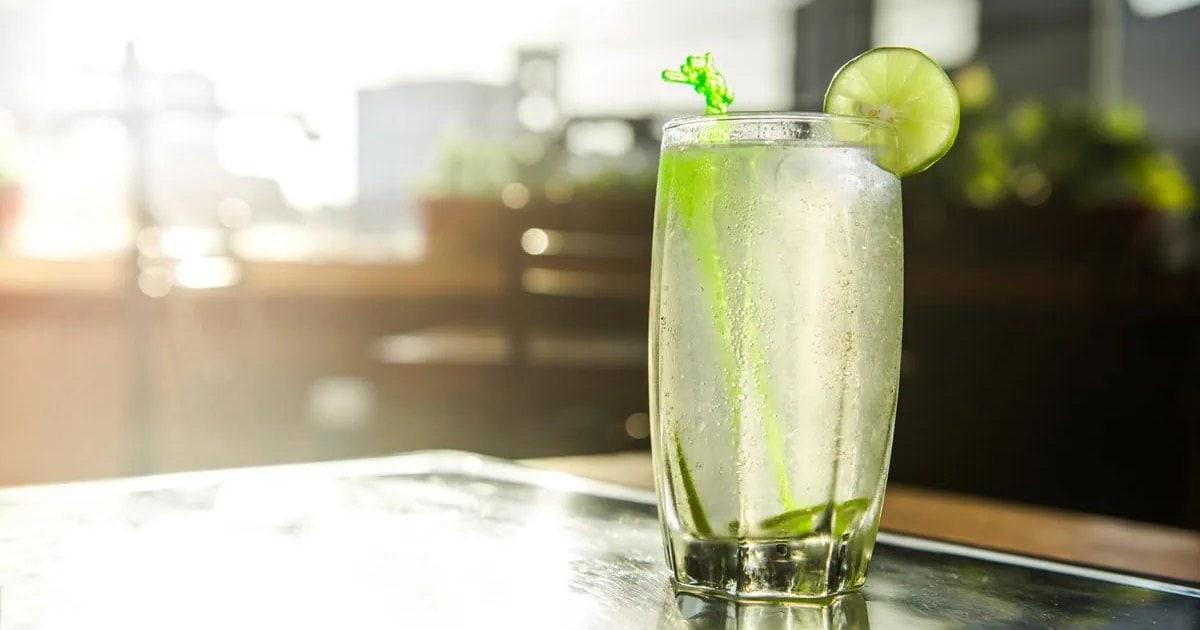
Chilcano (chilcano de pisco) is Peru’s pisco highball: 2 ounces of pisco and ½ ounce of fresh lime juice poured over ice, topped with ginger ale and finished with a few drops of bitters. You build it right in the glass in about five minutes, with no shaker and no egg white.
It is lighter and easier than the pisco sour, and it lets the pisco itself do the talking, which is why Peruvians drink it all summer long.
Chilcano at a Glance
What Is Chilcano?
A chilcano is a long drink made from pisco, lime and ginger ale. It sits next to the pisco sour as one of Peru’s two signature pisco cocktails.
The difference is all in the method. The sour is shaken with sugar and egg white into a rich, foamy drink. The chilcano is simply poured over ice and stirred once.
It tastes crisp and lightly sweet. Ginger comes first, then a sour squeeze of lime, with the grape-y, slightly floral warmth of pisco underneath. The drops of bitters on top add a clove-and-spice aroma every time you lift the glass.
Order one in Lima and it usually arrives in a tall glass with a lime wedge or wheel. Many bars also pour fruit versions, especially chilcano de maracuyá (passion fruit), and chilcanos made with pisco that has been infused with fruit or herbs.
Chilcano Ingredients
A chilcano has only five ingredients, so each one shows. The pisco matters most.
Pisco
Use a Peruvian pisco. It is an unaged grape brandy, distilled straight to bottling strength (38 to 48% ABV) with no added water and no time in wood, so what you taste is the grape.
- Quebranta (puro): the classic choice. Clean and only lightly fruity, it makes a dry, crisp chilcano.
- Acholado: a blend of grape varieties. Rounder and fruitier, and a great all-purpose bottle for cocktails.
- Italia or Torontel (aromatic): very floral and citrusy. These make a perfumed, almost tropical chilcano.
Chilean pisco works too, but it is made under different rules (it can be diluted and wood-aged), so the drink comes out softer and less grape-forward than the Peruvian original.

Lime
Peruvians use limón sutil, a small, very sour, aromatic lime that is close to the Key lime. In the US, Key limes are the best match. Regular Persian limes work fine; just taste and adjust.
Always squeeze the juice fresh. Bottled lime juice tastes flat next to ginger ale.
Ginger ale or ginger beer
The classic chilcano uses ginger ale, which is lighter and sweeter and lets the pisco come through. Ginger beer is spicier and stronger, and it pushes the drink toward a Moscow mule.
Any good ginger ale in small glass bottles is ideal: small bottles stay fizzier than a half-used 2-liter.
Bitters
A few drops of Angostura aromatic bitters is the standard finish. If you can find Peru’s own Amargo Chuncho bitters, use them; they are Peru’s own bitters and a favorite in Lima bars.
Drip the bitters on top instead of stirring them in. They float for a moment and perfume each sip.
Ice and (optional) sweetener
Fill the glass completely with ice. A full glass melts slower than a half-full one.
Sweetener is optional. Ginger ale is already sweet, so most chilcanos need none. If your ginger ale is very dry, add ¼ ounce of simple syrup or jarabe de goma.
How to Make a Chilcano
Here is the method step by step. The full measurements are in the recipe card below.
1. Chill everything
Keep the ginger ale in the fridge for at least a few hours. Chilling the glass (a few minutes in the freezer) is a nice extra.
2. Fill a highball glass with ice
Use a tall 12 to 14 ounce glass and fill it to the rim with ice cubes.
3. Add the pisco and lime
Measure in 2 ounces of pisco and ½ ounce of fresh lime juice. Add the simple syrup now, if using.
4. Top with ginger ale and stir once
Pour in about 4 ounces of cold ginger ale. Give it one or two gentle turns with a bar spoon, just enough to mix without knocking out the bubbles.
5. Finish with bitters and lime
Drip 2 to 3 drops of bitters on top and garnish with a lime wheel or wedge. Serve right away.
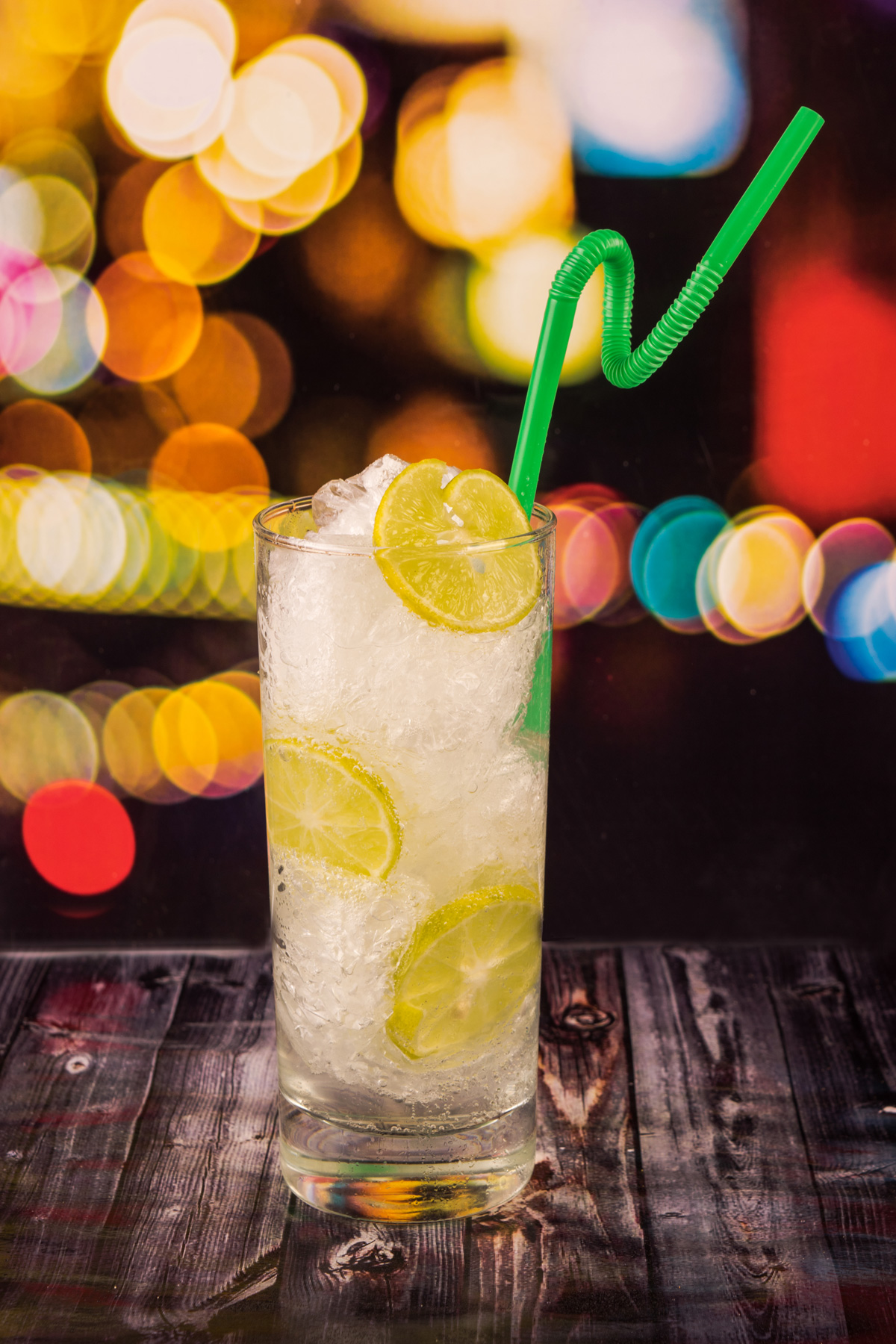
- Never shake it. Shaking ginger ale flattens it. Build the drink in the glass.
- Pour the soda gently, down the side of the glass or along the back of a bar spoon, to keep the fizz.
- Drop the squeezed lime shell in for extra aroma from the peel, the way many Lima bars do.
- Taste, then adjust. Too sweet: add a squeeze of lime. Too sharp: a splash more ginger ale.
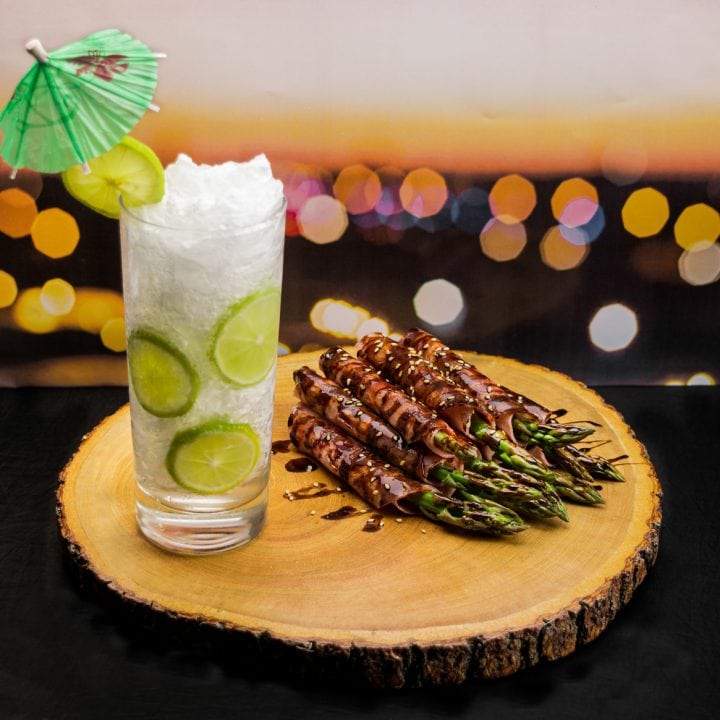
Chilcano de Pisco
Peru's pisco highball: pisco, fresh lime and ginger ale over ice, finished with a few drops of bitters. Built in the glass in 5 minutes.
Ingredients
- Ice cubes, enough to fill a highball glass
- 2 fl oz (60 ml) Peruvian pisco
- 1/2 fl oz (15 ml) freshly squeezed lime juice
- 4 fl oz (120 ml) chilled ginger ale
- 3 drops Angostura bitters, optional
- 1 lime peel twist, for garnish
- 1/4 fl oz (7 ml) simple syrup or jarabe de goma, optional (only if your ginger ale is very dry)
Instructions
- Fill a tall 12 to 14 oz highball glass to the rim with ice.
- Add the pisco and fresh lime juice (and the simple syrup, if your ginger ale is very dry).
- Top with the chilled ginger ale, pouring gently down the side of the glass. Stir once or twice with a bar spoon; do not shake.
- Drip the bitters on top, garnish with a lime wheel or twist and serve right away.
Notes
Best pisco: a Peruvian Quebranta gives the classic crisp chilcano; an acholado is fruitier; Italia or Torontel makes a floral version.
Lime: Key limes are closest to Peru's limón sutil. Always squeeze fresh.
Ginger beer: swap it in for a spicier, drier drink.
Passion fruit chilcano: add 1 oz passion fruit pulp and cut the lime to ¼ oz.
For a crowd: mix 2 cups pisco with ½ cup lime juice and chill. Pour 2½ oz over ice per glass and top each with 4 oz ginger ale.
Makes about a 10% ABV drink.
Chilcano vs. Pisco Sour vs. Moscow Mule
The chilcano gets compared to two other drinks: its pisco sibling and its ginger cousin from the US.
| Chilcano | Pisco sour | Moscow mule | |
|---|---|---|---|
| Spirit | Pisco | Pisco | Vodka |
| Mixer | Ginger ale | None | Ginger beer |
| Citrus | Lime | Lime | Lime |
| Sweetener | Usually none | Simple syrup | Usually none |
| Egg white | No | Yes | No |
| Method | Built over ice | Shaken, served up | Built over ice |
| Glass | Highball | Short sour or rocks glass | Copper mug |
| Strength | About 10% | About 15% | About 10% |
| Character | Light, fizzy, grape-forward | Rich, tart, foamy | Spicy, sharp |
The chilcano and the mule look almost identical on paper. The chilcano is older, though: pisco and ginger were being mixed in Peru well before the Moscow mule appeared in Los Angeles in the early 1940s. And pisco gives it a fruity, floral backbone that neutral vodka can’t.
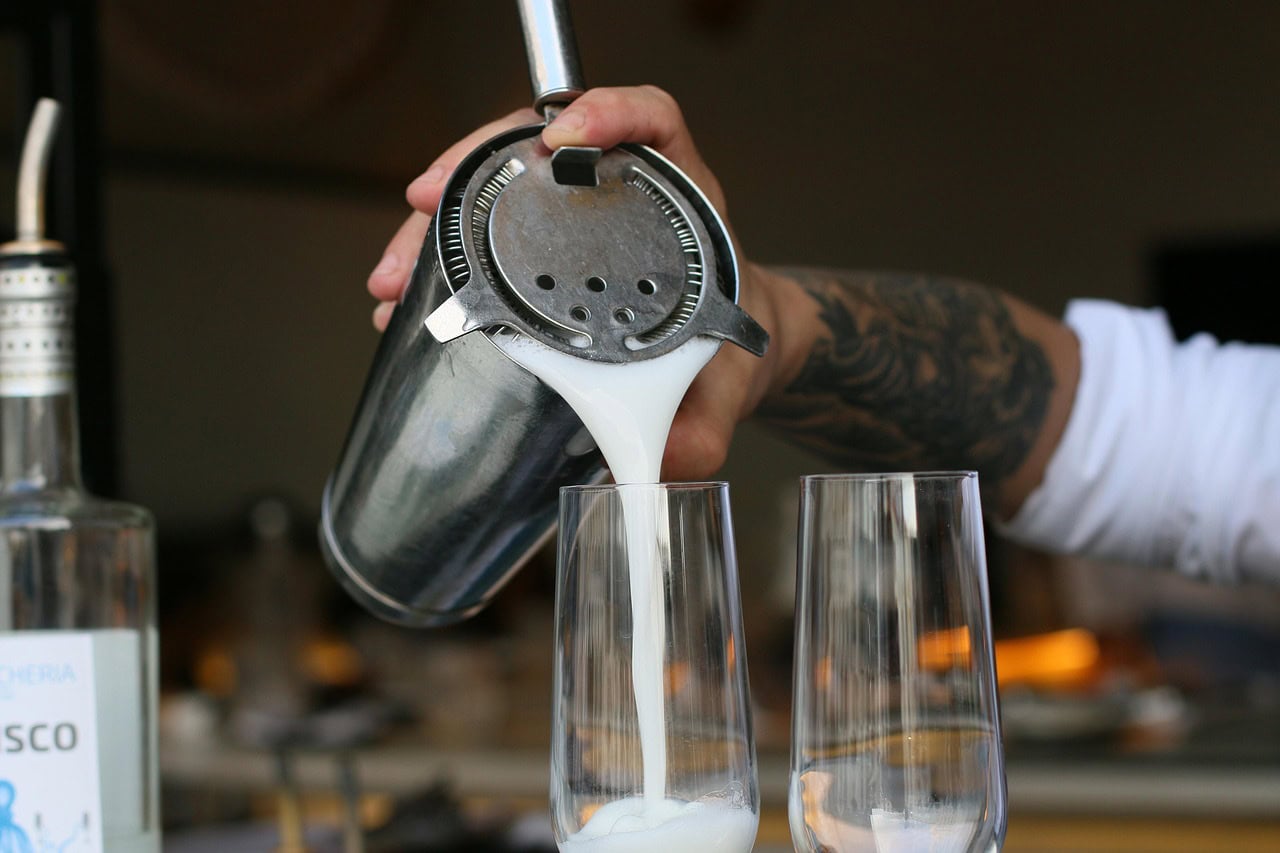
If you love the chilcano, try our classic pisco sour recipe next.
Chilcano Variations
The basic formula is a canvas. Peruvian bars change the fruit, the infusion or the mixer and still call it a chilcano.
Chilcano de maracuyá (passion fruit)
The most popular variation in Peru. Passion fruit’s sharp tropical tang fits ginger perfectly.

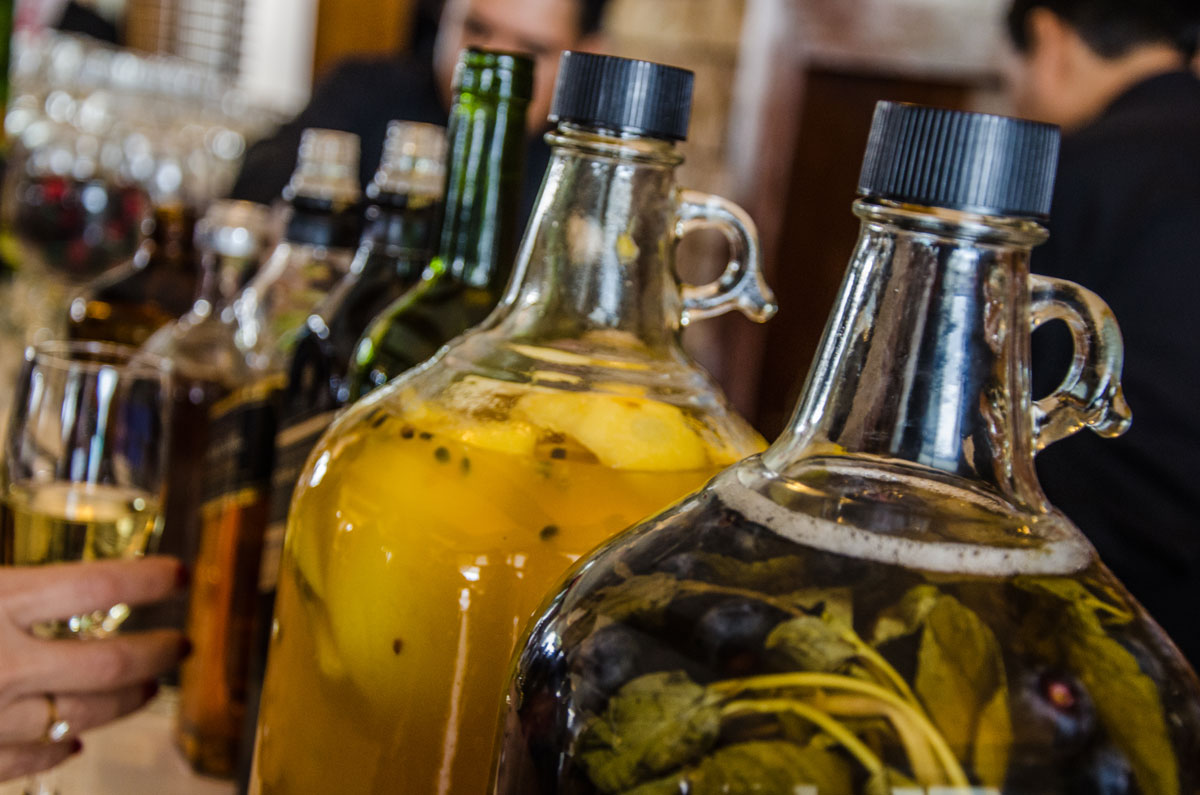
Macerado chilcano (infused pisco)
Peruvians love macerados: pisco left to infuse with fruit, herbs or spices. A macerado makes an instantly different chilcano with no extra steps at the bar.
Fill a clean jar about a third full with fruit, cover it with pisco and leave it in a cool, dark place for 3 to 7 days, tasting as you go. Strain and keep it in the fridge.
Good options: aguaymanto (goldenberries), strawberries, mango, pineapple, hierba luisa (lemongrass), mint, or thin slices of fresh ginger (kión). Many of these come straight from our guide to Peruvian fruits.
Chilcano de kión (fresh ginger)
For a spicier drink that still uses ginger ale, gently muddle 2 or 3 thin slices of fresh ginger with the lime juice before you add the ice.
Chilcano with ginger beer
Swap the ginger ale for ginger beer for more bite and less sweetness. It’s not the classic version, but it is popular in US cocktail bars.
Chilcano for a crowd (pitcher)
You can batch everything except the soda ahead of time.

The History of Chilcano
Nobody knows exactly who mixed the first chilcano, but most Peruvian accounts tell the same story.
In the late 1800s and early 1900s, Italian immigrants in Peru drank a “Buongiorno” (“good morning”): grappa mixed with ginger ale (or homemade fermented ginger) and lime, often as a morning-after pick-me-up. Once they discovered pisco, which is also distilled from grapes, it replaced the grappa. The new drink became the chilcano.
Where the name comes from
The name most likely comes from chilcano de pescado, the fish-head broth Limeños ate to recover after a long night. Both the soup and the drink were thought of as restoratives. Back in the 1940s, a Peruvian journalist was already joking about the pair: the soup fixed the night before, while the cocktail just kept it going.
Another story credits a man named Cano from the Chilca valley, south of Lima, in the 1950s. It’s a fun tale, but no one has documented it.
Semana del Chilcano (Chilcano Week)
Since 2010, Peru has celebrated Semana del Chilcano every January. It was started by Peruvian writer Manuel Cadenas Mujica to promote pisco, especially from small and mid-sized producers. During the week, bars and restaurants in Lima and around the country run chilcano specials, tastings and pisco classes. The exact dates change each year, but it usually falls in mid-January, right in the middle of the Peruvian summer.
Chilcano de Pescado: The Soup with the Same Name
Chilcano de pescado is a light, clear Peruvian broth made by simmering fish heads and bones with onion, garlic and herbs, then finishing it with lime juice, chopped cilantro and sometimes a little ají pepper.
It’s a fixture at cevicherías along the coast, and it has a long reputation as a hangover cure. That reputation is exactly what links it to the cocktail.
For more brothy Peruvian comfort food, browse our roundup of Peruvian soups and stews.
What to Serve with a Chilcano
A chilcano’s lime and ginger cut through rich, salty and spicy food. Peruvians drink it with coastal seafood and street food.

Chilcano FAQ
What does chilcano mean?
Chilcano is the name of a Peruvian fish-head soup, chilcano de pescado, that was eaten as a hangover cure. The cocktail is believed to have borrowed the name because it was also drunk as a pick-me-up. Today, if you order a chilcano at a bar, you’ll get the pisco drink.
Is a chilcano a strong drink?
Not very. With 2 ounces of pisco, lime, ginger ale and ice, a chilcano works out to roughly 10% alcohol, a little lighter than a glass of wine. A pisco sour is noticeably stronger.
Is pisco as strong as vodka?
About the same. Peruvian pisco is bottled between 38 and 48% ABV, and most bottles sold in the US are around 40 to 43%, very close to standard vodka at 40%.
Is a chilcano the same as a Moscow mule?
They are close cousins but not the same. A chilcano uses pisco and usually ginger ale; a Moscow mule uses vodka and ginger beer and is served in a copper mug. The chilcano is also the older of the two.
Should I use ginger ale or ginger beer?
Ginger ale is traditional and lets the pisco shine. Ginger beer makes a spicier, drier drink. Both are good; start with ginger ale for the classic taste.
What is the best pisco for a chilcano?
A Peruvian Quebranta pisco gives the classic, crisp chilcano. An acholado blend is fruitier and very forgiving. For a floral version, try an Italia or Torontel pisco.
Can I make a chilcano without alcohol?
Yes. Replace the pisco with 2 ounces of white grape juice (or simply skip it), keep the lime and ginger ale, and add the bitters only if you’re fine with the small amount of alcohol they carry. You get a bright, gingery Peruvian-style spritzer.
When is Chilcano Week in Peru?
Semana del Chilcano takes place every January, usually around the middle of the month. The exact dates are announced each year.
More Peruvian Drinks to Try
Browse every Peruvian drink recipe, or explore our guide to Latin American and Spanish cocktails.
Sources
- PromPerú (Peru.info): Learn all about Chilcano Week and how to prepare this traditional Peruvian pisco cocktail
- PromPerú (Peru.info): The history of the Chilcano
- Panamericana: Semana del Chilcano, el misterioso origen de uno de los tragos más populares del Perú
- Imbibe Magazine: The Chilcano Cocktail
- Liquor.com: Chilcano
More Peruvian Foods
See all →
Jorge Garcia is the founder of AmigoFoods, where he has spent over 20 years helping readers discover authentic Latin American and Spanish cuisine. Raised in a Cuban-American household, Jorge learned to cook at the hands of his mother and grandmother, carrying forward generations of family recipes. That heritage, backed by his family’s four-generation history in the Latin food industry, inspired him to launch AmigoFoods in 2003. With more than 1,000 published articles on recipes, ingredients, and food culture, Jorge’s mission is simple: make authentic Latin cooking approachable for home cooks everywhere while honoring the traditions behind every dish.