

Latin American cocktails are easier to navigate than they look, because almost all of them start from the same question: what does this country distil?
Just want the recipes? Every drink in this guide has its own card on our Latin American & Spanish cocktails page.
Peru and Chile make pisco from grapes. The Caribbean makes rum from sugarcane. Mexico makes tequila and mezcal from agave. Brazil makes cachaça from raw cane juice. Spain, which never really took to distilling for cocktails, builds its most famous drink on wine instead. Learn the five base spirits and the drinks arrange themselves.
This guide covers twelve classics from across Latin America and Spain, grouped by what they are made from, with what each one actually tastes like and where the common mistakes are.
Every Cocktail in This Guide
| Cocktail | Country | Base | Flavor notes |
|---|---|---|---|
| 01Pisco Sour | Peru | Pisco | Tart, foamy, aromatic |
| 02Chilcano | Peru | Pisco | Long, gingery, easy |
| 03Terremoto | Chile | Pipeño wine | Sweet, fruity, creamy |
| 04Mojito | Cuba | White rum | Minty, fresh |
| 05Cuba Libre | Cuba | White rum | Simple, limey |
| 06Daiquiri | Cuba | White rum | Sharp, clean |
| 07Coquito | Puerto Rico | Rum | Rich, coconut, festive |
| 08Caipirinha | Brazil | Cachaça | Grassy, punchy |
| 09Margarita | Mexico | Tequila | Tart, salted |
| 10Paloma | Mexico | Tequila | Grapefruit, refreshing |
| 11Michelada | Mexico | Beer | Savoury, spicy |
| 12Sangría | Spain | Red wine | Fruity, sociable |
Pisco: Peru and Chile
Pisco is grape brandy, distilled once and never aged in wood, which is why it tastes of the grape rather than the barrel. Peru and Chile have argued about who invented it for roughly two centuries and neither is going to concede.
Pisco Sour
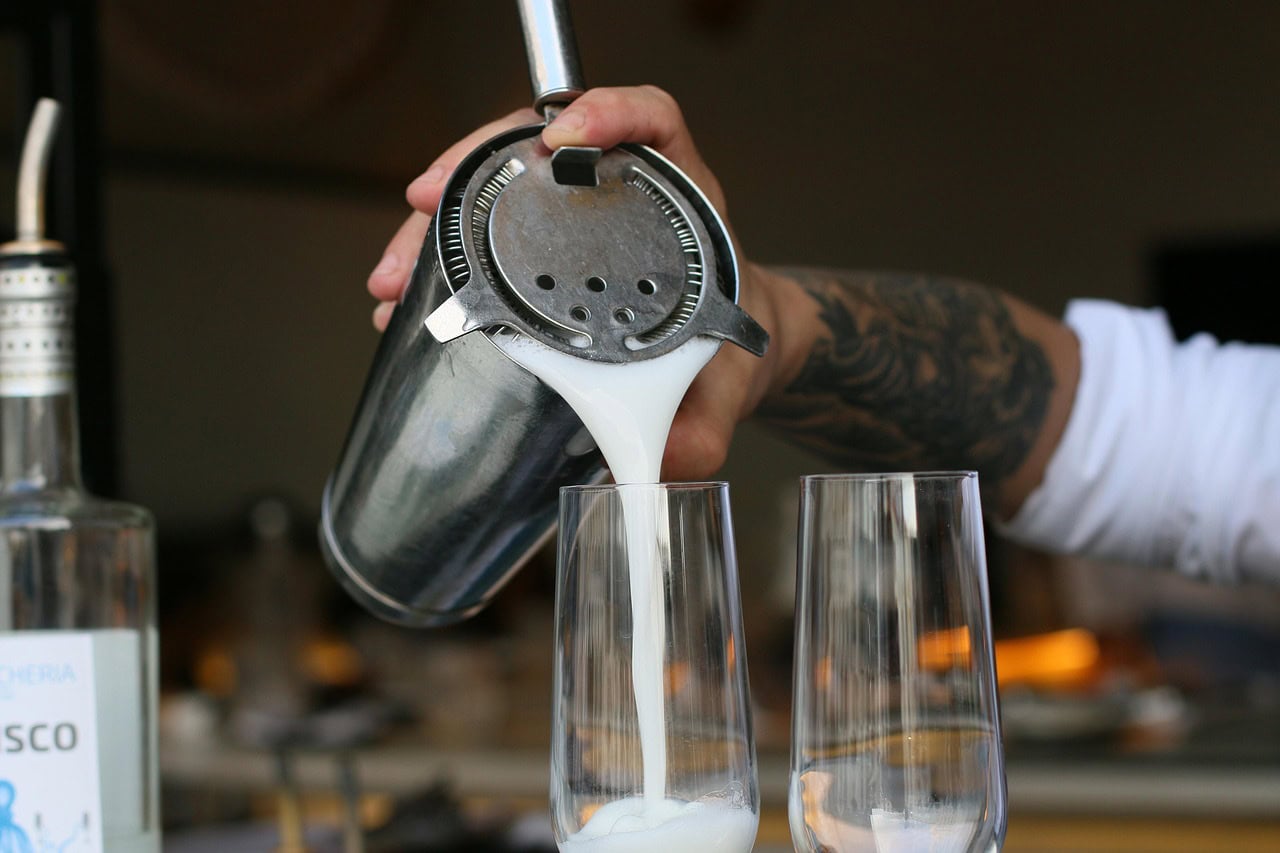
Pisco, lime, simple syrup, egg white, and three drops of bitters on the foam. The pisco sour is Peru’s national drink, and the egg white is not optional — it is what builds the dense white cap that the bitters sit on. If you are wondering, the raw egg white is safe when handled sensibly. More variations in our guide to Peruvian pisco cocktails.
Chilcano

What Peruvians actually drink when they are not performing. The chilcano is pisco, ginger ale, lime and ice — no shaking, no egg, and far easier to make for a crowd.
Rum: The Caribbean
Mojito

White rum, lime, sugar, soda and mint. The mojito goes wrong when the mint is shredded — bruise it gently against the side of the glass to release the oil, and stop. Torn mint turns the drink bitter and grassy.
Cuba Libre

Rum and cola, but the lime is the whole point — without it you have a rum and coke. The Cuba libre dates to the American occupation of Cuba in 1900, when Coca-Cola first reached the island.
Daiquiri
Rum, lime, sugar. Three ingredients, shaken hard and served straight up. The frozen strawberry version is a different drink wearing the same name — the original is bracing and dry. See more in our guide to Cuban cocktails.
Coquito
Puerto Rico’s Christmas drink: rum, coconut milk, condensed milk, cinnamon and vanilla, blended and chilled. Closer to eggnog than to a cocktail, and traditionally made in quantity and given away in bottles. Our coquito guide has the detail.
Beyond cocktails: the Dominican Republic’s favorite way to drink rum isn’t shaken at all. Mamajuana is rum, red wine and honey steeped over bark and roots, sipped neat as a shot and refilled in the same bottle for years.
Cachaça: Brazil
Caipirinha

Cachaça is distilled from fresh-pressed sugarcane juice rather than molasses, which gives it a grassy, funky edge rum does not have. The caipirinha is cachaça, lime and sugar muddled directly in the glass — no soda, no shaker, no dilution beyond the ice.
Agave: Mexico
Margarita
Tequila, lime and orange liqueur. The salt goes on the rim, and traditionally on only half of it so the drinker can choose. Anything made from a bottled sour mix is a different and worse drink.
Paloma
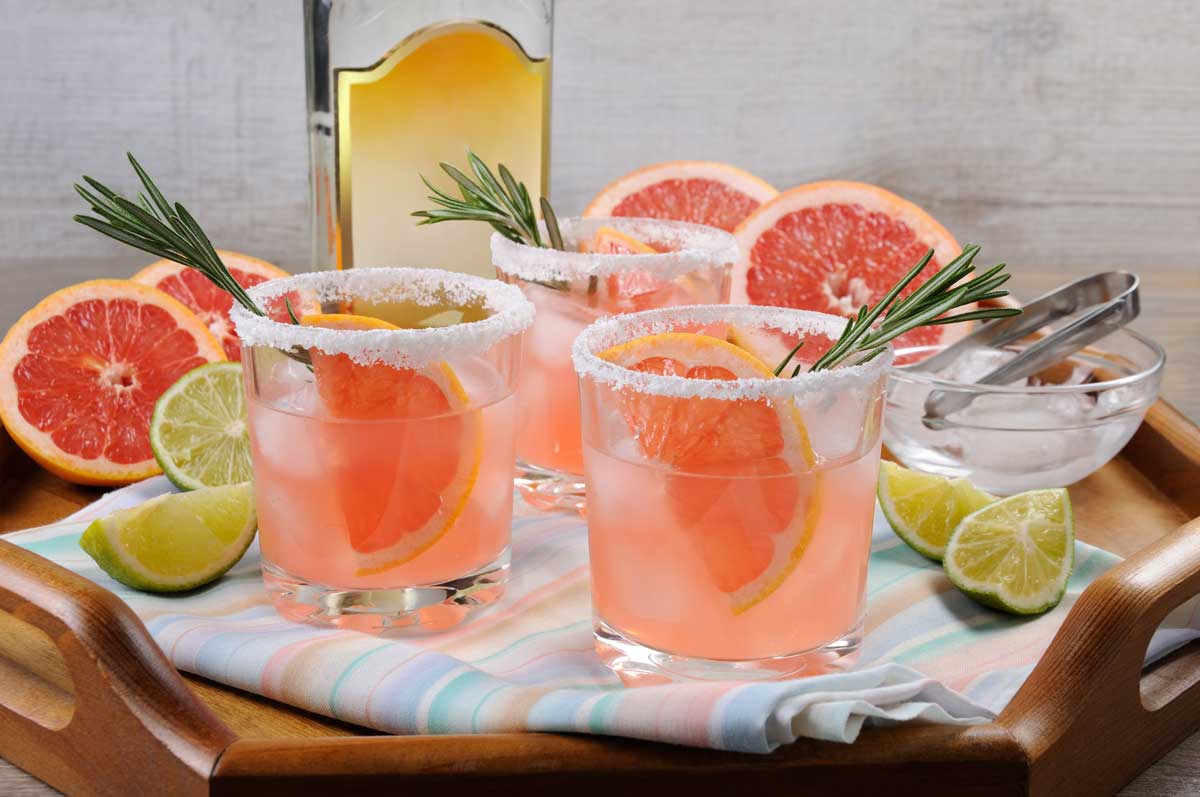
Mexico’s actual favourite, and it outsells the margarita there comfortably. The paloma is tequila with grapefruit soda, lime and a salted rim — less work and more refreshing.
For a fruitier take in a clay cup, try Jalisco’s cantarito, which adds fresh orange, lime and grapefruit juices.
Michelada

Beer treated as an ingredient. The michelada builds light lager over lime, salt, hot sauce and often tomato or clamato juice. Proportions vary by state, by bar, and by argument.
Wine: Spain and Chile
Sangría
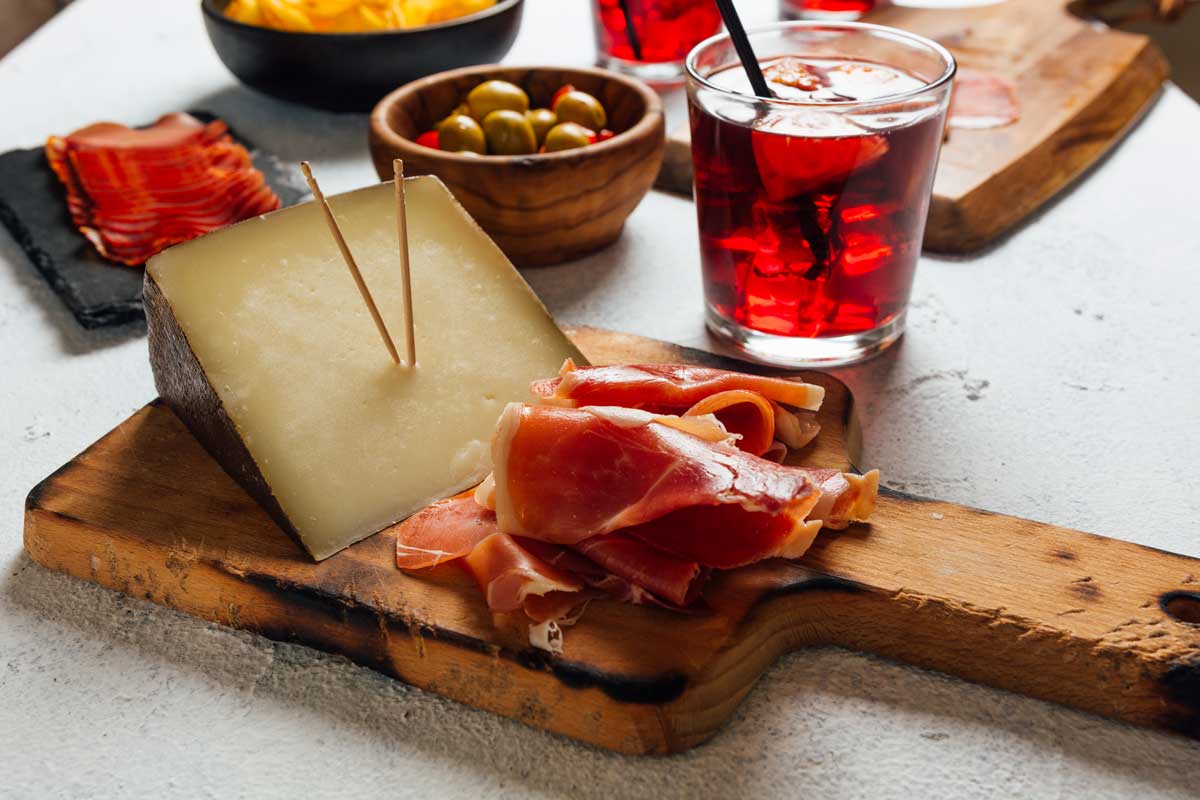
Sangría is red wine, chopped fruit, a splash of brandy and time — it needs several hours in the fridge for the fruit to give anything up. Spaniards drink it far less than tourists imagine; tinto de verano, wine with lemon soda, is the everyday version. And before lunch the Spanish aperitif of choice is vermut, sweet red vermouth over ice with an orange slice and an olive. In Andalusia the long drink of choice is the rebujito, dry sherry topped with lemon-lime soda and poured by the pitcher at the spring ferias.
Terremoto
Chile’s contribution is pipeño wine with a scoop of pineapple ice cream and a shot of fernet or grenadine. It is called an earthquake for the reason you would expect, and the follow-up half-measure is called a réplica — an aftershock.
Stocking a Latin Bar
Four bottles cover most of this list: a decent pisco, a white rum, a blanco tequila and a cachaça. Add a bottle of Angostura bitters and you can make nine of the twelve.
Buy pisco labelled puro or acholado for cocktails — mosto verde is excellent but wasted in a sour. For tequila, look for “100% de agave” on the label; anything without it is a mixto, cut with up to 49% other sugars, and it is where the hangover reputation comes from.
Frequently Asked Questions About Latin American Cocktails
What is the difference between pisco and other brandies?
Pisco is distilled from grapes to proof and never aged in wood, so nothing is added and nothing is taken away. Most other grape brandies are barrel-aged, which is why they are amber and pisco is clear.
Is cachaça just Brazilian rum?
Not quite. Rum is usually made from molasses, a by-product of sugar refining; cachaça is made from fresh-pressed cane juice. The result is grassier and more vegetal.
Do I have to use egg white in a pisco sour?
If you want the drink as it is made in Peru, yes. Without it you have a pisco sour missing its defining texture, and the bitters have nothing to sit on.
Why does my mojito taste bitter?
The mint was over-muddled. Press it gently to release the oils rather than tearing the leaves, which releases chlorophyll instead.
What is the difference between tequila and mezcal?
Tequila is made only from blue agave and steamed in ovens. Mezcal can be made from many agave species and is roasted in earth pits, which is where the smoke comes from. All tequila is technically mezcal; the reverse is not true.
Which one should I make first?
A chilcano or a paloma. Both are three ingredients built straight in the glass, and neither punishes an imprecise pour.
Sources
More Latin Favorites
See all →
Jorge Garcia is the founder of AmigoFoods, where he has spent over 20 years helping readers discover authentic Latin American and Spanish cuisine. Raised in a Cuban-American household, Jorge learned to cook at the hands of his mother and grandmother, carrying forward generations of family recipes. That heritage, backed by his family’s four-generation history in the Latin food industry, inspired him to launch AmigoFoods in 2003. With more than 1,000 published articles on recipes, ingredients, and food culture, Jorge’s mission is simple: make authentic Latin cooking approachable for home cooks everywhere while honoring the traditions behind every dish.