

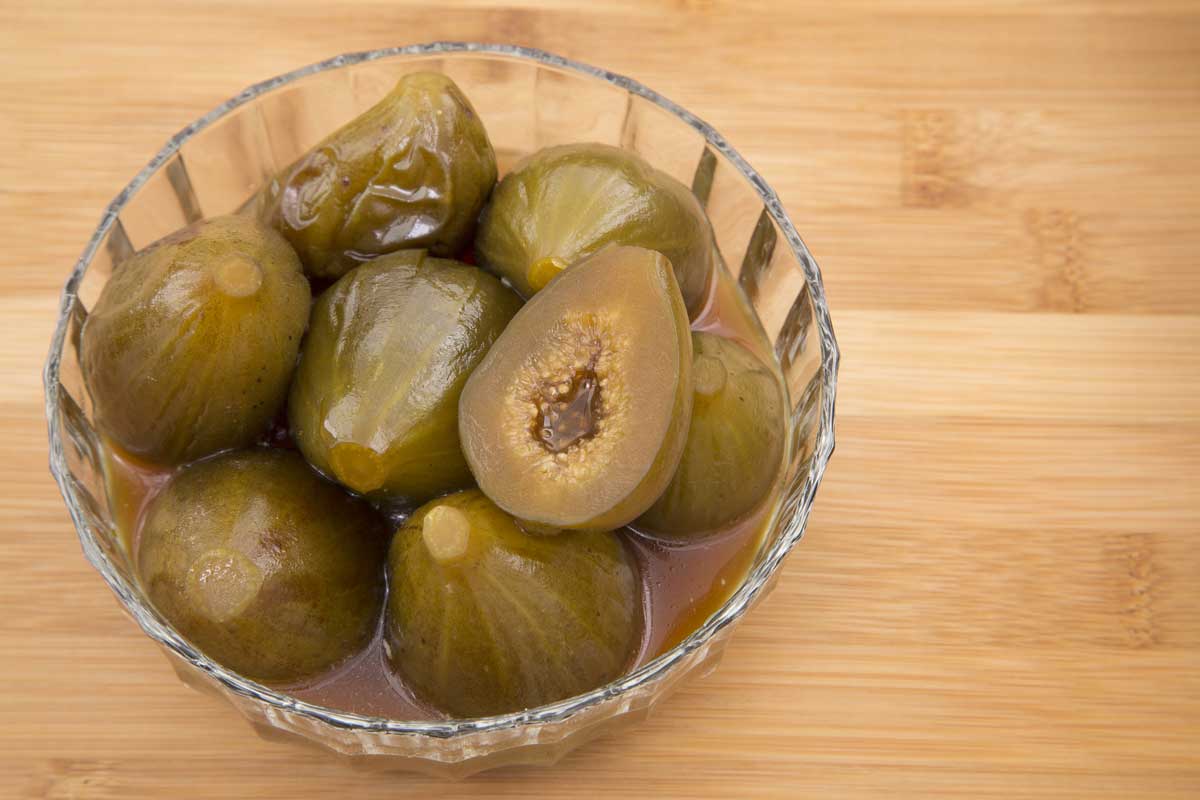
Dulce de higo (also written dulce de higos) is Ecuador’s classic fig preserve: whole figs soaked, softened and then simmered for hours in a spiced panela syrup until they turn glossy, almost black and tender all the way through. It is served cool with a thick slice of fresh cheese, and it is a dessert Ecuadorian families make for Easter and Christmas, when it often follows a bowl of fanesca on Good Friday. The method takes two days, but almost all of that time is the figs soaking on their own.
Dulce de Higo at a Glance
AmigoFoods may earn a commission from qualifying Amazon purchases made through links on this page.
What is dulce de higo?
Dulce means sweet and higo means fig, so the name simply says “sweet figs.” In English it is usually called figs in syrup or fig preserves, but it is not a jam. The figs stay whole, and you eat them one at a time with a spoon, with the dark syrup poured over.

The flavor comes from panela, the unrefined cane sugar sold in hard blocks across Latin America. It gives the syrup a deep molasses note that white sugar cannot, and cinnamon and cloves add warmth. The cheese is not a garnish: its salt and mild milkiness cut through a dessert that is otherwise very sweet. In Ecuador the pairing is so standard that higos con queso is practically another name for the dish.
Ecuadorians also call it higos pasados. You will find it in bakeries and market stalls in Quito, Cuenca and the other highland cities, often sitting in a big bowl of syrup on the counter. It is one of the sweets in our guide to 25 Ecuadorian desserts.
Did you know? Figs are not native to the Americas. Spanish colonists brought fig trees in the 1500s, and today they grow in the warm inter-Andean valleys of Ecuador’s Sierra, which is why dulce de higos is above all a highland sweet.
Dulce de higo across Latin America
Ecuador is not the only country that cooks figs in syrup. The idea traveled with the fig tree, and each country settled on its own sugar, spices and way of preparing the fruit.
| Country | Name | How it differs |
|---|---|---|
| Ecuador | Dulce de higos, higos pasados | Panela syrup with cinnamon and cloves; figs soaked in water and boiled with baking soda first; served with quesillo or queso fresco. |
| Guatemala | Higos en dulce, higos en miel | Figs soaked in food-grade lime (cal) water so they stay firm; syrup often gets allspice and orange zest; eaten cold. |
| Colombia | Brevas en almíbar | Green figs (brevas) cooked in panela syrup, then often split and filled with arequipe as brevas con arequipe. |
| Argentina, Uruguay & Paraguay | Dulce de higo | Often made with green figs, either whole or as a thick preserve, and eaten with cheese. |
If you like the Colombian version, see our recipe for brevas con arequipe, which starts with figs in syrup much like these.
Ingredients for dulce de higos
Exact amounts are in the recipe card below. Here is what matters about each ingredient.
- Fresh figs: firm-ripe, so they give slightly when pressed but are not soft or split. Brown Turkey, Kadota, Calimyrna and green figs all work; very ripe Black Mission figs tend to collapse. Pick figs of similar size so they cook evenly.
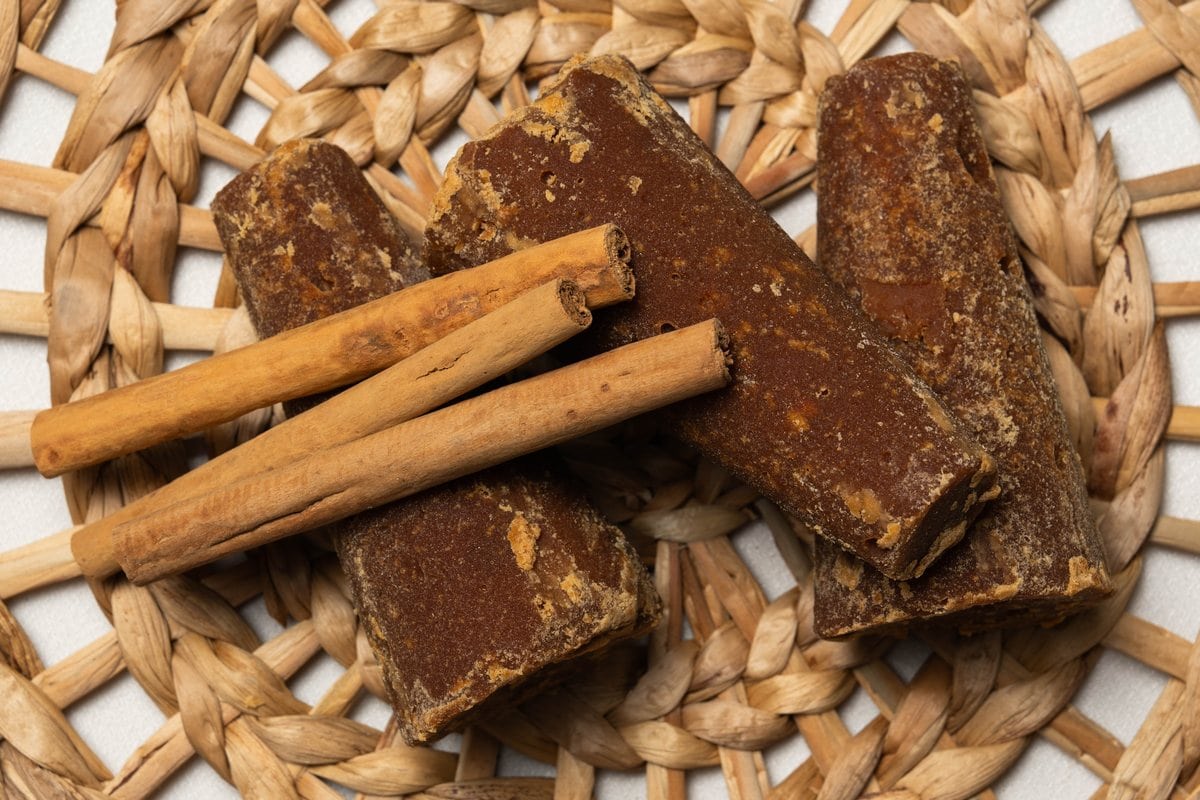
- Panela: the hard block of unrefined cane sugar used all over Ecuador. Mexican piloncillo is the same product in cone form, and Badia piloncillo is easy to find. Dark brown sugar works in a pinch (about 2¼ cups packed per pound of panela), with a slightly lighter flavor.
- Baking soda: a pinch in the boiling water softens the fig skins so the syrup can soak in.
- Whole spices: cinnamon sticks and cloves are traditional; allspice berries and a strip of orange peel are good additions. Use whole spices so the syrup stays clear.
- Lime juice: a teaspoon at the end balances the sweetness and helps keep the syrup from crystallizing in the fridge.
- Cheese, to serve: Ecuadorian quesillo, or queso fresco, farmer’s cheese or fresh mozzarella.
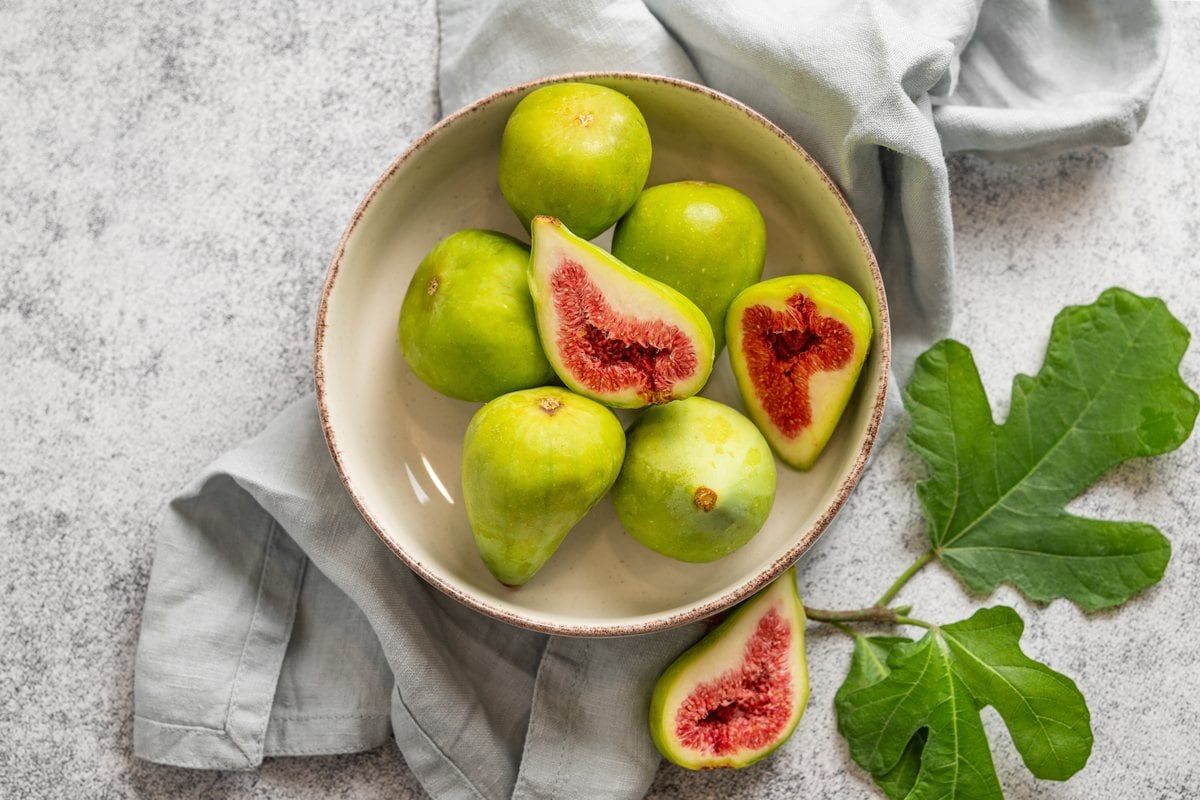
Wear gloves for scoring. Fresh figs leak a milky sap from the stem and skin that can irritate sensitive hands. Drawing out that sap is one of the reasons the figs are soaked before they are cooked.
How to make dulce de higos
The traditional method stretches over two days, but your hands-on time is about 45 minutes. Here is how the timing lays out.
- Night 1 · 10 minScore the figs and leave them to soak in cold water overnight.
- Morning 2 · 25 minBoil the figs with a pinch of baking soda for 15 minutes, then leave them in that water all day.
- Evening 2 · 2½ hrDrain, squeeze and simmer the figs in spiced panela syrup until dark and glossy. Cool overnight.
1. Score the figs
Rinse the figs and trim just the dry tip of each stem. With a paring knife, cut a cross about ½ inch deep into the bottom (blossom end) of each fig. The cut lets water, and later syrup, reach the center.
2. Soak overnight
Put the figs in a large bowl, cover them with cold water and leave them for 8 hours or overnight. In hot weather, do this in the fridge. The water turns slightly cloudy as the sap leaches out.
3. Boil with baking soda, then rest
Drain the figs and put them in a pot with 8 cups of fresh water and ¼ teaspoon baking soda. Bring to a boil and cook for 15 minutes, until the skins turn pale and soft. Take the pot off the heat, cover it and let the figs sit in that water for another 8 hours.
Don’t skip the rest. The second soak is what makes the figs tender. Cutting it short is the most common reason dulce de higos come out tough and rubbery.
4. Drain and squeeze
Drain and rinse the figs. Holding each one over the sink, press it gently in your palm to push out as much water as you can without tearing it. Water left inside dilutes the syrup and slows the cooking.
5. Make the panela syrup
In a wide, heavy pot, combine the panela, 6 cups of water, the cinnamon sticks, cloves, allspice and orange peel. Cook over low heat, stirring now and then, for about 10 minutes, until the panela has completely dissolved. Chop or grate a whole block first so it melts faster.
6. Simmer until dark and glossy
Add the figs, in a single layer if you can. Keep the syrup at a gentle simmer, uncovered, for 2 to 2½ hours, turning the figs every 20 to 30 minutes so they color evenly. They are ready when they are a deep mahogany brown, look slightly translucent and the syrup is thick enough to coat a spoon. Stir in the lime juice for the last 10 minutes.

7. Cool in the syrup
Let the figs cool completely in the pot, then move them and all of their syrup to clean jars. The syrup thickens as it cools and the figs keep absorbing it, so they are even better the next day.
Short on time? For a one-day version, soak the scored figs for 2 hours, boil them with the baking soda for 15 minutes and let them stand in the water for 1 hour before simmering. They will be good, just a little firmer than the two-day method.
Why dulce de higos turn out rubbery (and other fixes)
Most problems with figs in syrup come down to rushing one of the soaks or boiling too hard. Here is what to look for.
| Problem | Likely cause | Fix |
|---|---|---|
| Tough or rubbery figs | The soaks were cut short, or the figs went into syrup that was already very thick. | Give both soaks the full 8 hours. Start with a thin syrup and let it reduce with the figs in it. |
| Figs fell apart | The figs were overripe, or the syrup boiled hard. | Use firm figs, keep the syrup at a lazy simmer and turn the figs with a spoon, not tongs. |
| Thin, watery syrup | The figs were not squeezed, or the simmer was too short. | Lift out the figs, reduce the syrup alone for 10 to 15 minutes, then put them back. |
| Syrup crystallized | Too little acid, or sugar dried on the sides of the pot. | Add the lime juice. Warm the jar gently to dissolve the crystals. |
| Bitter aftertaste | Not enough sap was drawn out. | Change the soaking water once during the first soak. |
How to serve dulce de higo
Serve the figs at room temperature or lightly chilled, two or three per person, with a spoonful of syrup and a thick slice of fresh cheese alongside. In Ecuador that cheese is usually quesillo, a soft, mild fresh cheese.

- With cheese: queso fresco, quesillo, farmer’s cheese, fresh mozzarella or, for a sharper contrast, an aged manchego.
- With bread: on toasted bread or a soft roll with cheese, as an afternoon snack with coffee.
- Over ice cream or yogurt: spoon the figs and syrup over vanilla ice cream or plain yogurt.
- On a cheese board: slice the figs and serve them with cheeses and crackers.
- With other Ecuadorian sweets: next to quimbolitos or a scoop of helado de paila.
Keep the leftover syrup. It is excellent over pancakes, stirred into coffee or brushed over a plain cake.
Storing and canning dulce de higos
- Fridge: in clean, covered jars with the figs fully covered by syrup, for up to 3 weeks.
- Freezer: in airtight containers with their syrup for up to 6 months. Thaw overnight in the fridge.
- Shelf-stable jars: figs are a low-acid fruit, so USDA guidance for canning figs in syrup calls for added bottled lemon juice and processing in a boiling-water canner. Follow a tested canning recipe if you want jars for the pantry; this recipe is written for the fridge.

Where to buy dulce de higos in the US
Jarred dulce de higos from Ecuadorian brands is sold in Latin grocery stores, especially in New York, New Jersey and other areas with large Ecuadorian communities. Online, search dulce de higos on Amazon for jars from Ecuadorian and other Latin brands. Store-bought figs are usually sweeter and softer than homemade, but with a slice of cheese they make a two-minute dessert.
Dulce de higo FAQ
What is dulce de higo in English?
Figs in syrup, or fig preserves. It is whole figs simmered in spiced cane-sugar syrup, not a fig jam.
What is the difference between dulce de higo and fig jam?
Fig jam is cooked until the fruit breaks down into a spread. Dulce de higo keeps the figs whole, and you eat them as a dessert with cheese rather than spreading them on toast.
What is the difference between brevas and higos?
Many fig trees fruit twice a year. Brevas are the first, smaller crop, which grows on last year’s wood in early summer; higos are the main crop later in the season. In Colombia, though, breva is the everyday word for any fig.
Can I make dulce de higo with dried figs?
Not the traditional way. Dried figs have lost the juicy center that makes the dessert, so the result is chewy. As a shortcut, you can simmer dried figs in the same spiced syrup for 30 to 40 minutes until plump, but expect a different texture.
Can I use brown sugar instead of panela?
Yes. Use about 2¼ cups of packed dark brown sugar for every pound of panela. The syrup will be a little less deep in flavor. Piloncillo is a one-to-one swap.
Why do you soak the figs before cooking them?
Soaking draws out the milky sap and starts softening the skin, and the boil and second soak finish the job. Figs that skip these steps tend to stay tough in the syrup.
How long does dulce de higo last?
Up to 3 weeks in the fridge, covered in syrup, or about 6 months in the freezer.
Is dulce de higo gluten-free and vegan?
Yes. Figs, panela and whole spices contain no gluten or animal products. Only the cheese served alongside is dairy.
Dulce de Higo Recipe
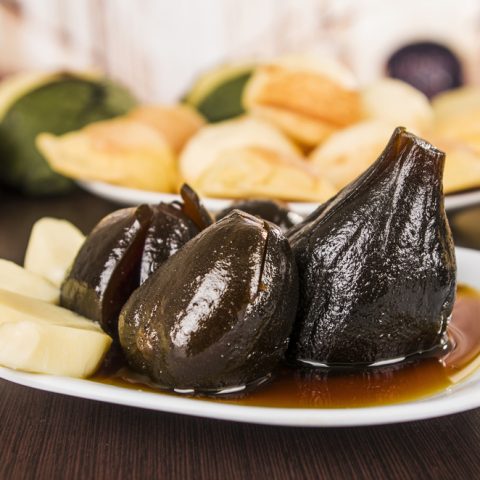
Dulce de Higos (Ecuadorian Figs in Spiced Panela Syrup)
Whole figs soaked, softened and simmered for hours in spiced panela syrup until dark, glossy and tender. Ecuador's classic dulce de higo, served with fresh cheese.
Ingredients
- 24 firm-ripe fresh figs (about 2 pounds / 900 g)
- ¼ teaspoon baking soda
- 8 cups water, for boiling the figs (plus more for soaking)
- 1½ pounds (680 g) panela or piloncillo, chopped or grated (or about 3⅓ cups packed dark brown sugar)
- 6 cups water, for the syrup
- 2 cinnamon sticks
- 5 whole cloves
- 3 allspice berries (optional)
- 1 strip orange peel (optional)
- 1 teaspoon fresh lime juice
- Queso fresco or quesillo, sliced, to serve
Instructions
- Score: Rinse the figs and trim just the dry tip of each stem. Cut a cross about ½ inch deep into the bottom (blossom end) of each fig.
- First soak: Put the figs in a large bowl, cover with cold water and soak for 8 hours or overnight (in the fridge in hot weather).
- Boil: Drain the figs and put them in a pot with 8 cups of fresh water and the baking soda. Bring to a boil and cook for 15 minutes, until the skins turn pale and soft.
- Second soak: Take the pot off the heat, cover it and leave the figs in that water for 8 hours.
- Drain and squeeze: Drain and rinse the figs. Press each one gently in your palm to push out as much water as you can without tearing it.
- Make the syrup: In a wide, heavy pot, combine the panela, 6 cups of water, cinnamon, cloves, allspice and orange peel. Cook over low heat, stirring now and then, for about 10 minutes, until the panela dissolves completely.
- Simmer: Add the figs, in a single layer if possible. Keep the syrup at a gentle simmer, uncovered, for 2 to 2½ hours, turning the figs every 20 to 30 minutes, until they are deep brown, slightly translucent and the syrup coats a spoon. Stir in the lime juice for the last 10 minutes.
- Cool: Let the figs cool completely in the syrup, then transfer figs and syrup to clean jars and refrigerate. They are best the next day.
- Serve: Serve 2 or 3 figs per person at room temperature or lightly chilled, with a spoonful of syrup and a slice of queso fresco or quesillo.
Notes
Figs: use firm-ripe figs of similar size (Brown Turkey, Kadota, Calimyrna or green figs). Very soft, overripe figs fall apart during the long simmer.
Panela swap: piloncillo is a one-to-one swap. Or use dark brown sugar, about 2¼ cups packed per pound of panela.
One-day version: soak the scored figs 2 hours, boil 15 minutes with the baking soda, rest 1 hour in the water, then continue. The figs will be slightly firmer.
Rubbery figs? Usually the soaks were cut short. Give both the full 8 hours.
Storage: up to 3 weeks in the fridge covered in syrup, or 6 months frozen. This recipe is written for the fridge; for shelf-stable jars, follow a tested canning recipe, which calls for added bottled lemon juice because figs are low in acid.
More Ecuadorian desserts
Browse all of our Ecuadorian dessert recipes, see the full list of 25 Ecuadorian desserts, or plan a holiday table with our guide to Ecuadorian holiday foods. For panela and the other staples behind these sweets, see Ecuadorian ingredients.
More Ecuadorian Foods
See all →
Jorge Garcia is the founder of AmigoFoods, where he has spent over 20 years helping readers discover authentic Latin American and Spanish cuisine. Raised in a Cuban-American household, Jorge learned to cook at the hands of his mother and grandmother, carrying forward generations of family recipes. That heritage, backed by his family’s four-generation history in the Latin food industry, inspired him to launch AmigoFoods in 2003. With more than 1,000 published articles on recipes, ingredients, and food culture, Jorge’s mission is simple: make authentic Latin cooking approachable for home cooks everywhere while honoring the traditions behind every dish.