
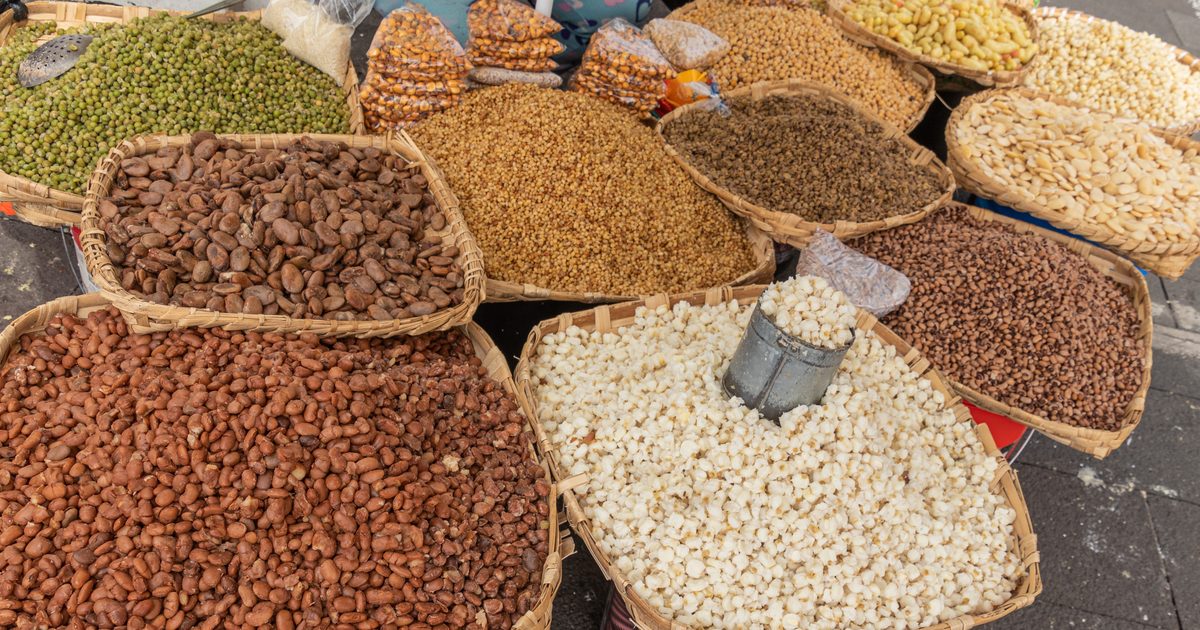
Ecuador fits three kitchens into one small country. On the coast, cooks work with plantains, shrimp, tuna and coconut. In the Andes, it’s potatoes, corn, lupini beans and cheese. And down in the Amazon, cassava and fruit most people have never heard of.
What ties them together is a bowl of ají on the table and a habit of eating soup at lunch, every day, in every region.
Here are the sixteen ingredients behind a bowl of encebollado, a plate of llapingachos and a cup of colada morada, and what each one is doing.
Ecuadorian Ingredients at a Glance
| Ingredient | What it is | Where it shows up |
|---|---|---|
| Ají | Fresh chile salsa, often with tree tomato | On the table at every meal |
| Achiote | Annatto seeds and the red oil made from them | Refrito, the base of stews and rice |
| Maní | Peanuts, ground into sauces | Guatita, viche, salsa de maní |
| Plátano | Green and ripe plantains | Bolón, chifles, patacones, tigrillo |
| Yuca | Cassava root and its starch | Encebollado, pan de yuca |
| Papas | Highland potatoes | Locro de papa, llapingachos |
| Maíz & mote | Big-kernel Andean corn, fresh or dried | Mote, tostado, humitas, canguil |
| Chochos | Andean lupini beans | Cevichochos, snacks, fanesca |
| Tomate de árbol | Tangy tree tomato | Ají, juice, sweets |
| Naranjilla | Tart green-fleshed fruit | Juice, helado de paila, canelazo |
| Mora & mortiño | Andean blackberry and wild blueberry | Colada morada, juice |
| Queso fresco | Fresh, salty white cheese | Locro, empanadas, llapingachos |
| Camarón & atún | Shrimp and tuna from the coast | Ceviche, encebollado |
| Coco | Coconut milk | Encocado, cocadas |
| Cacao | Fine-aroma Nacional cacao | Chocolate, hot drinks |
| Panela & aguardiente | Cane sugar blocks and cane spirit | Canelazo, colada, sweets |
Heat, Color and Sauce
1. Ají
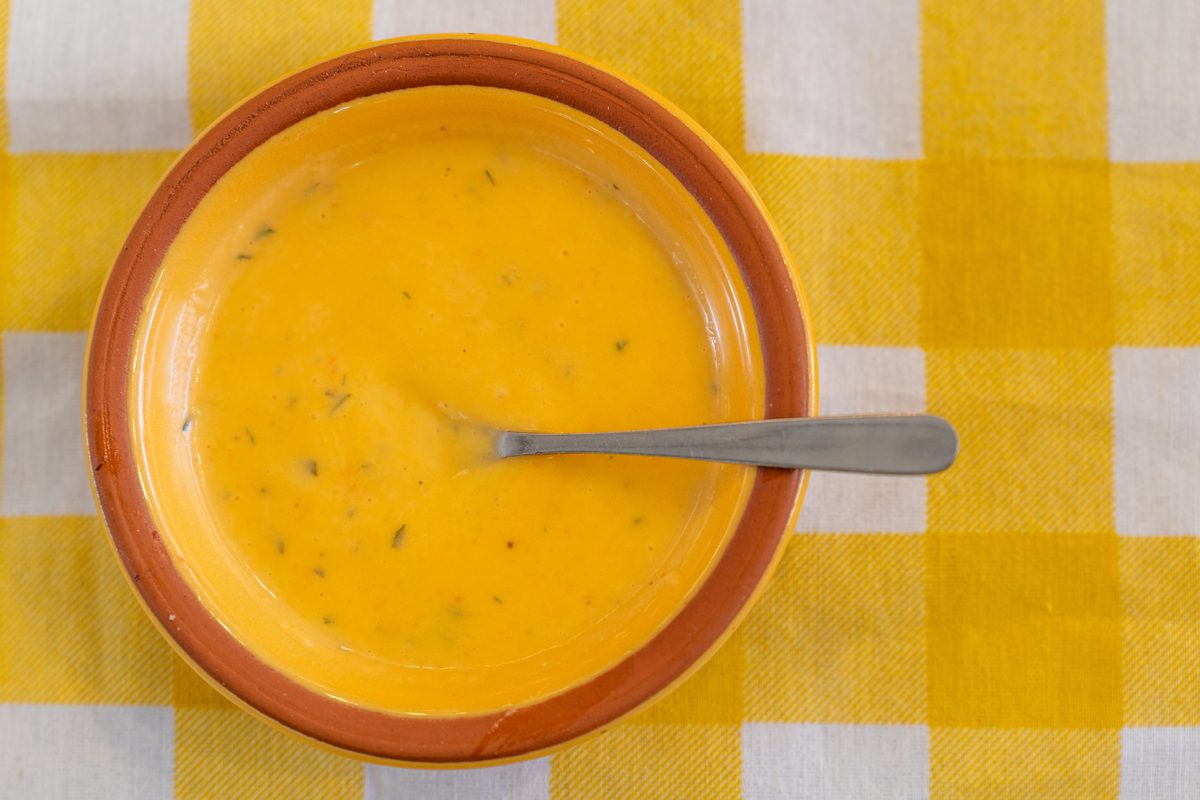
In Ecuador, ají means the salsa more than the pepper. Every home, restaurant and street cart has its own bowl of it, and nobody eats soup, ceviche or an empanada without a spoonful.
The classic highland version is ají de tomate de árbol: hot chile blended with tree tomato, then finished with chopped onion, cilantro, lime and salt. Other versions use peanuts, pickled onion or passion fruit.
The food itself is usually mild. The ají is how each person sets their own level of heat. For the peppers behind it, see our guide to Latin American chile peppers.
2. Achiote

Achiote is annatto, the brick-red seed of a tropical shrub. Ecuadorian cooks warm the seeds in oil or lard until it turns deep orange, then strain them out. That colored fat is called color, or manteca de color.
It’s the start of a refrito, the onion, garlic, cumin and achiote base that begins most stews, rice dishes and soups. It adds more color than flavor, which is why so many Ecuadorian dishes have that same warm yellow-orange look.
3. Maní

Peanuts are one of Ecuador’s quiet workhorses. Roasted and ground, they thicken sauces and soups the way cream might elsewhere.
They’re the base of salsa de maní, the sauce spooned over llapingachos, and of guatita, tripe and potatoes in a rich peanut gravy. On the coast of Manabí, ground peanuts go into viche, a thick fish and seafood soup with plantain and corn.
Use unsalted peanut butter with no added sugar if you can’t grind your own.
Plantains, Roots and Corn
4. Plátano

Ecuador is the biggest banana exporter in the world, and at home the plantain matters just as much. Green plantains, verdes, are starchy and savory. Ripe ones, maduros, are sweet.
Green plantain becomes bolón de verde, a mashed ball with cheese or chicharrón; tigrillo, plantain scrambled with egg and cheese; thin, crisp chifles; and twice-fried patacones. Ripe plantain is fried, baked with cheese or folded into empanadas.
5. Yuca

Yuca, or cassava, is boiled and served beside fried fish, and it’s one of the two main ingredients in encebollado, where it simmers with tuna until tender.
Its starch, almidón de yuca, is just as important. Mixed with fresh cheese and egg, it becomes pan de yuca, the chewy little cheese breads served with yogurt drinks all over the country. For more on the root itself, see our guide to yuca and cassava.
6. Papas

The Andes are where the potato came from, and Ecuador’s highlands still grow hundreds of kinds. The everyday favorite is papa chola, a floury potato that breaks down beautifully in soup.
It’s the heart of locro de papa, a creamy potato and cheese soup topped with avocado, and of llapingachos, potato patties stuffed with cheese and cooked on a griddle until golden. Any floury potato, such as a russet, works outside Ecuador. Our guide to Latin American roots and tubers covers more.
7. Maíz and Mote
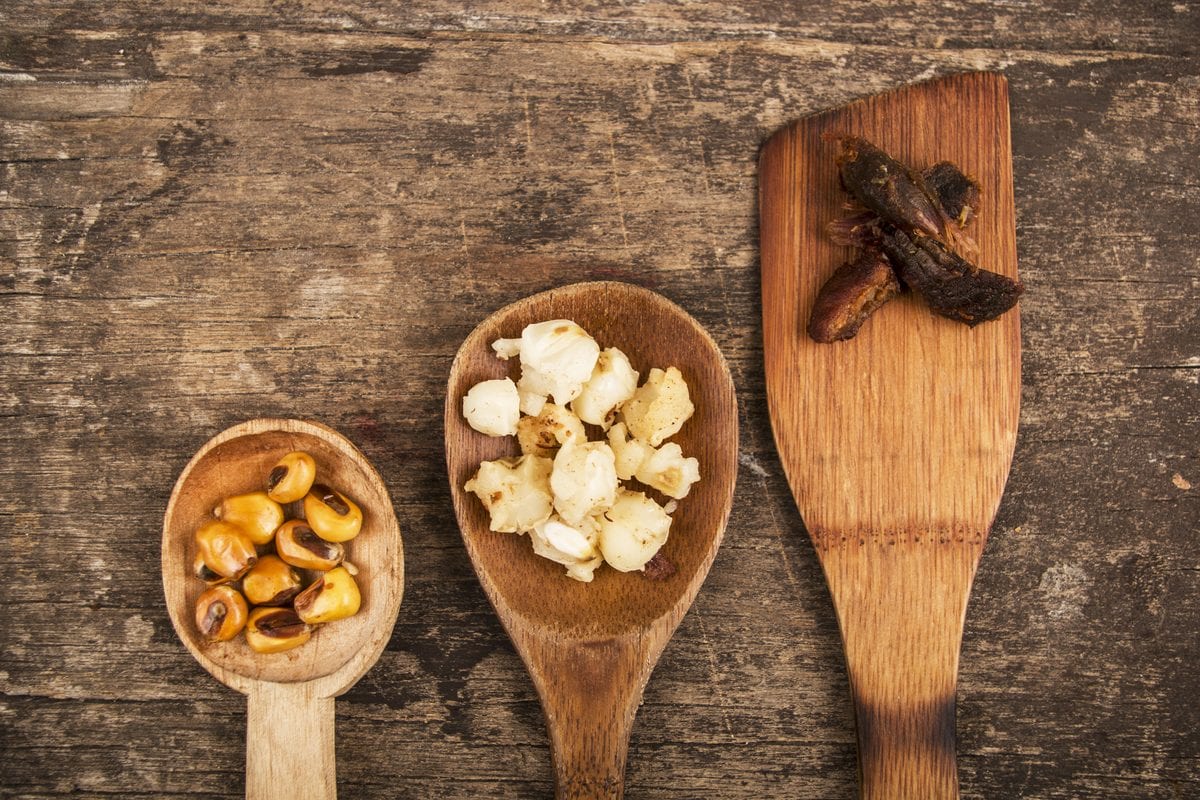
Ecuadorians eat corn at nearly every stage. Fresh, tender choclo is boiled and served with cheese, or ground into humitas, steamed in the husk.
A third corn, morocho, is a hard white corn sold cracked. It is simmered into a sweet drink and ground into the dough for empanadas de morocho.
Dried, the big-kernel Andean corn becomes mote, soaked and boiled until it puffs and softens. It’s one of the classic Ecuadorian side dishes, served beside fritada and hornado, or scrambled with egg and scallion in mote pillo. Toasted in a pan with a little lard and salt, it’s tostado, a crunchy snack.
And yes, canguil is popcorn. In Ecuador it’s served with ceviche and soup, to be scattered on top.
8. Chochos
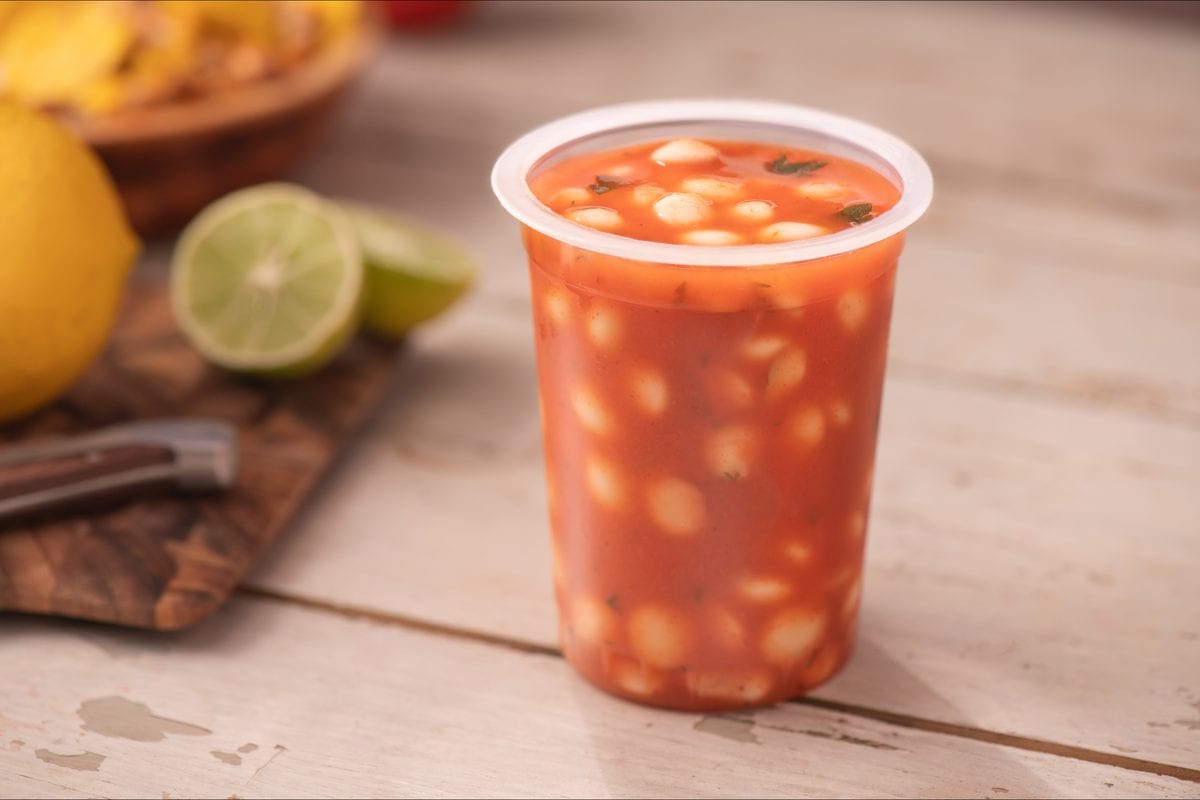
Chochos are Andean lupini beans, Lupinus mutabilis. Raw, they’re bitter and inedible. They have to be cooked and then soaked in running water for days to wash out the bitterness.
What you get is a firm, creamy, very high-protein bean. Ecuadorians eat them as a snack with tostado, toss them into salads and turn them into cevichochos, a street-food “ceviche” with tomato, lime, onion and cilantro. They’re also one of the grains in fanesca. Jarred Mediterranean lupini beans are the closest substitute.
Andean Fruit
9. Tomate de Árbol

The tree tomato, or tamarillo, is an egg-shaped red or orange fruit that grows on small trees in the Andes. It’s tart and a little bitter, a bit like a tomato crossed with passion fruit.
It’s best known as the base of ají, but Ecuadorians also blend it into juice and simmer it in syrup as a dessert. See our guide to Ecuadorian fruit for more of the country’s produce.
More on tomate de árbol and how to make the juice.
10. Naranjilla

Naranjilla looks like a small, fuzzy orange, but the inside is bright green and full of seeds. Colombians call it lulo. The flavor is sharp and citrusy, something like rhubarb and lime.
It’s almost never eaten on its own. Ecuadorians blend it into juice with sugar and water, churn it into helado de paila and use it in canelazo. Frozen naranjilla pulp is easy to find at Latin groceries.
11. Mora and Mortiño

Mora is the Andean blackberry, bigger and more sour than most. It’s blended into juice almost daily. Mortiño is a wild Andean blueberry that grows on high, cold slopes.
Together they’re what turn colada morada purple. That thick, spiced drink of purple corn flour and fruit is made around November 2, the Day of the Dead, and served with guaguas de pan. Blackberries and blueberries make a fine stand-in.
Put these Andean fruits to use
Make colada morada with berries, pineapple, purple corn flour and warming spices. Our guide explains the ingredients, substitutions and traditional bread pairing.
Cheese, Seafood and Coconut
12. Queso Fresco
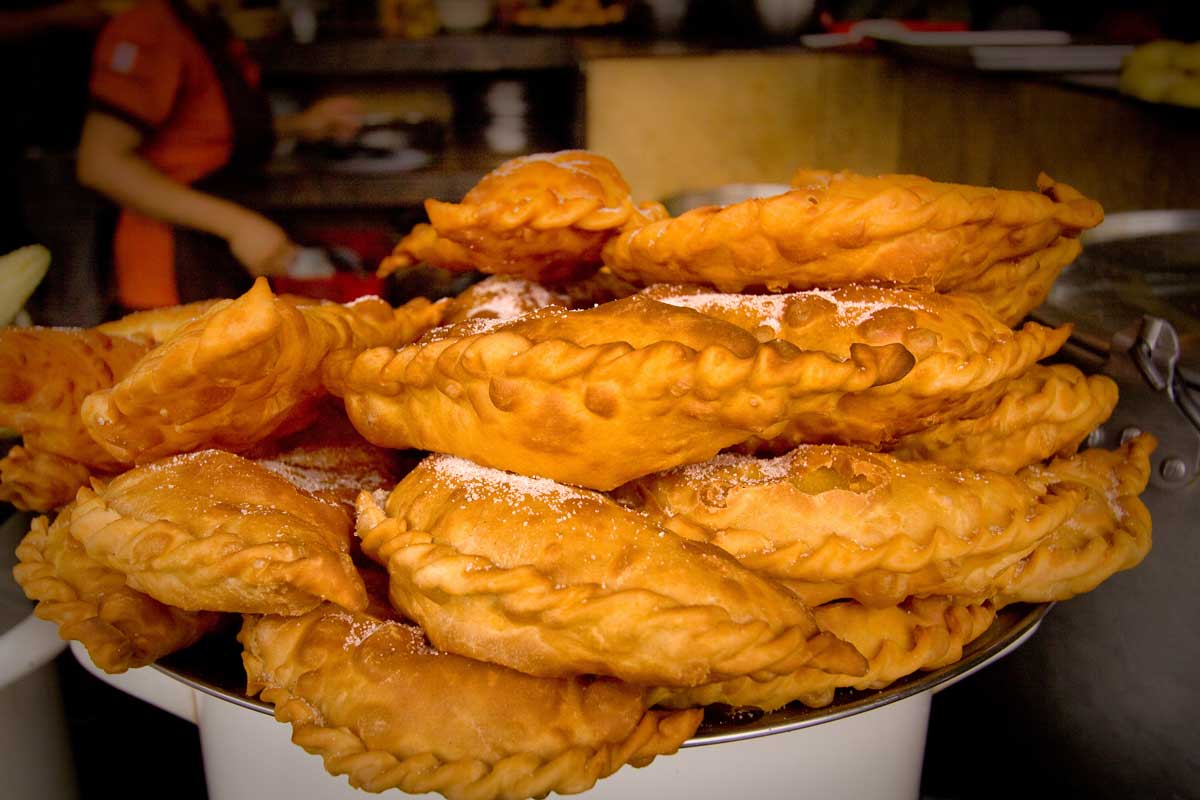
Ecuador’s everyday cheese is fresh, white, soft and salty. It’s crumbled into locro, stuffed into llapingachos and pan de yuca, and melted inside empanadas de viento, the huge, puffy fried empanadas dusted with sugar.
It’s also served in slices with coffee or with a hot chocolate at breakfast. Mexican-style queso fresco or a mild farmer’s cheese works in any recipe.
13. Camarón and Atún

Ecuador is one of the world’s largest shrimp exporters, and shrimp is the star of Ecuadorian ceviche. Unlike Peru’s, it’s cooked briefly first and served in plenty of lime, tomato and orange juice, almost like a cold soup, with popcorn or chifles on the side.
Tuna matters just as much. The port city of Manta calls itself the tuna capital of the world, and tuna is what goes into encebollado. Browse our Ecuadorian seafood dishes for more.
14. Coco

In the province of Esmeraldas, on the northern coast, coconut is everywhere. Its Afro-Ecuadorian cooking is built on coconut milk.
The best-known dish is encocado, fish or shrimp simmered in coconut milk with achiote, peppers and herbs. Coconut also goes into rice, into cocadas, chewy coconut candies, and into many coastal sweets.
Sweet and Strong
15. Cacao
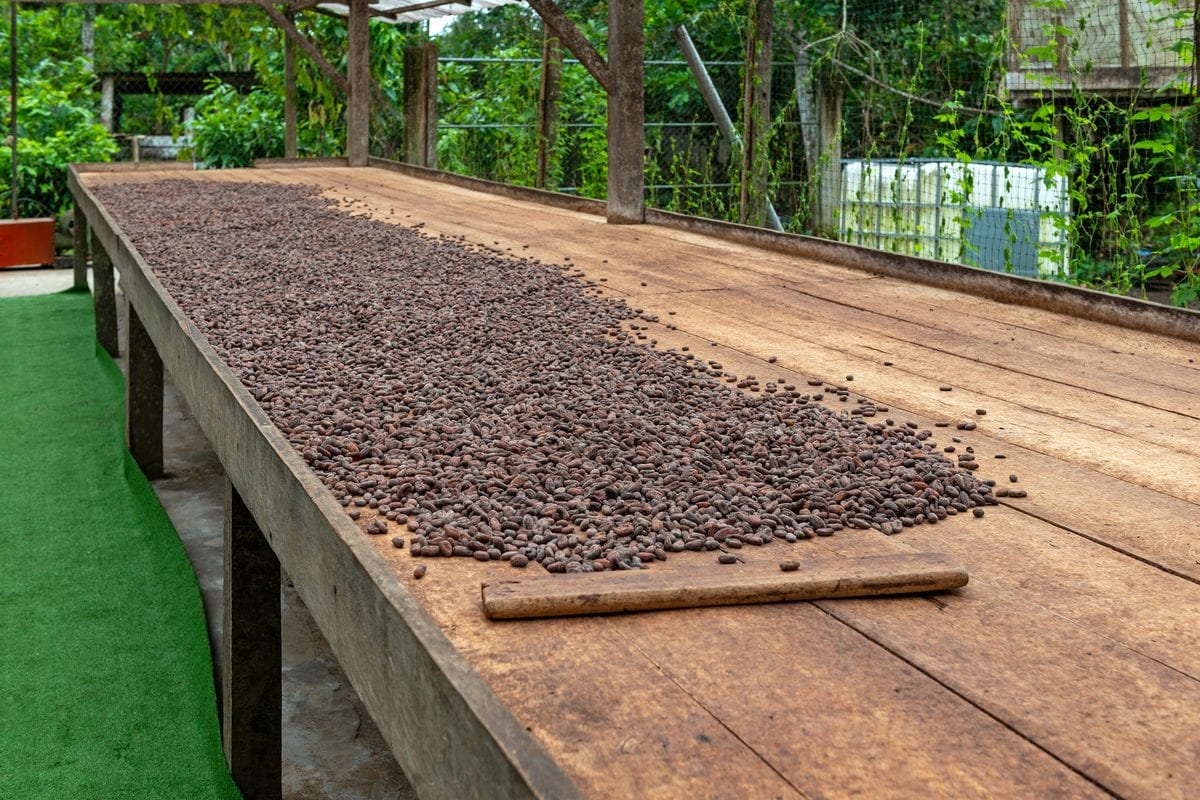
Ecuador has a strong claim to be where chocolate began. Archaeologists have found traces of cacao on 5,300-year-old pottery in the country’s southern Amazon, the oldest evidence of cacao use anywhere.
Today it’s famous for Nacional cacao, often sold as Arriba, a native variety prized for its floral, fruity aroma. Ecuador is the world’s biggest producer of this “fine-flavor” cacao. At home, it’s drunk as hot chocolate with a slice of cheese on the side.
16. Panela and Aguardiente

Panela is unrefined cane sugar, boiled down and set into hard blocks. It tastes of molasses and caramel, and it sweetens colada morada, hot drinks and many Ecuadorian desserts. It is also what turns the figs dark and glossy in dulce de higo.
Aguardiente is a clear cane spirit. The two meet in canelazo, the highland’s cold-night drink: hot naranjilla juice with cinnamon and panela, with aguardiente poured in for the adults.
Where to Buy Ecuadorian Ingredients
Outside Ecuador, start at a Latin grocery. Many carry frozen naranjilla and tree tomato pulp, bags of mote and tostado corn, achiote seeds, green plantains and cassava.
Online, look for achiote seeds, mote, naranjilla pulp and lupini beans. Ecuadorian single-origin chocolate bars are sold in most larger supermarkets.
Fresh mortiño and papa chola are the hardest to find. Everything else on this list travels well or has an easy stand-in.
Frequently Asked Questions
What is the most important ingredient in Ecuadorian cooking?
It depends on the region. On the coast it’s the green plantain. In the highlands it’s the potato and corn. Everywhere, there’s ají on the table.
Is Ecuadorian food spicy?
Not usually. The dishes themselves are mild. The heat lives in the bowl of ají that sits on nearly every table, so each person adds as much as they like.
What is mote?
Big-kernel Andean corn that has been dried, soaked and boiled until it’s soft and puffed. Ecuadorians serve it as a side, much like rice or bread.
What are chochos?
Andean lupini beans. They’re cooked and soaked for days to remove their bitterness, then eaten as a snack or in cevichochos.
What is naranjilla?
A tart, citrusy fruit with green flesh, called lulo in Colombia. It’s mostly used for juice, ice cream and canelazo.
What Else Is Always There
A few more things live in an Ecuadorian kitchen. There’s cumin and garlic for every refrito, cilantro by the bunch, and red onion, called cebolla paiteña, pickled in lime for ceviche and encebollado. Rice is served with almost every lunch.
Once your pantry is stocked, cook your way through our guide to traditional Ecuadorian food, try Ecuadorian street food or browse everything we’ve written about Ecuadorian food. To compare pantries, see our guides to Peruvian ingredients and Colombian ingredients, or explore ingredients by country.
More Ecuadorian Foods
See all →
Jorge Garcia is the founder of AmigoFoods, where he has spent over 20 years helping readers discover authentic Latin American and Spanish cuisine. Raised in a Cuban-American household, Jorge learned to cook at the hands of his mother and grandmother, carrying forward generations of family recipes. That heritage, backed by his family’s four-generation history in the Latin food industry, inspired him to launch AmigoFoods in 2003. With more than 1,000 published articles on recipes, ingredients, and food culture, Jorge’s mission is simple: make authentic Latin cooking approachable for home cooks everywhere while honoring the traditions behind every dish.